Thailand has a way of surprising you long after you think you’ve seen it all. Beyond the famous beaches and busy temples, there are towns, islands, and provinces that most tourists fly right past.
I stumbled onto a few of these places by accident, and honestly, that made them even better. Here are 13 spots in Thailand that still feel like genuine discoveries.
Nan Province, Northern Thailand
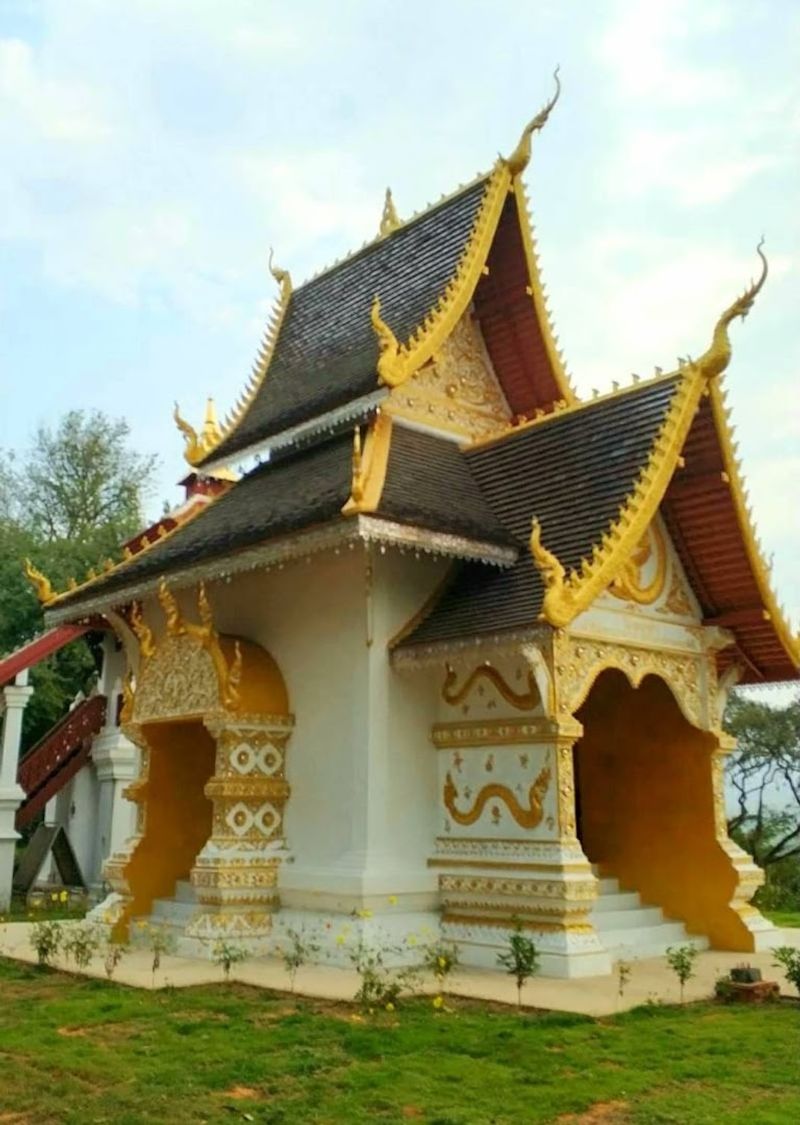
Nan Province keeps a low profile, and that is exactly its superpower. Tucked against the Laos border, this northern gem has temples decorated with murals so detailed they look like graphic novels painted on ancient walls.
Wat Phumin is the most famous, with its cross-shaped design and jaw-dropping interior art.
The town itself moves at a slow, easy pace. You can rent a bicycle and cover most of the old city without breaking a sweat.
Local markets here sell things you actually want to buy, not just plastic elephants.
I spent three days in Nan thinking I would stay one. The mountains surrounding the province turn misty and dramatic in the cooler months, making the whole place feel like a secret the rest of Thailand is keeping to itself.
Come before the word gets out too much further.
Loei Province, Northeastern Thailand
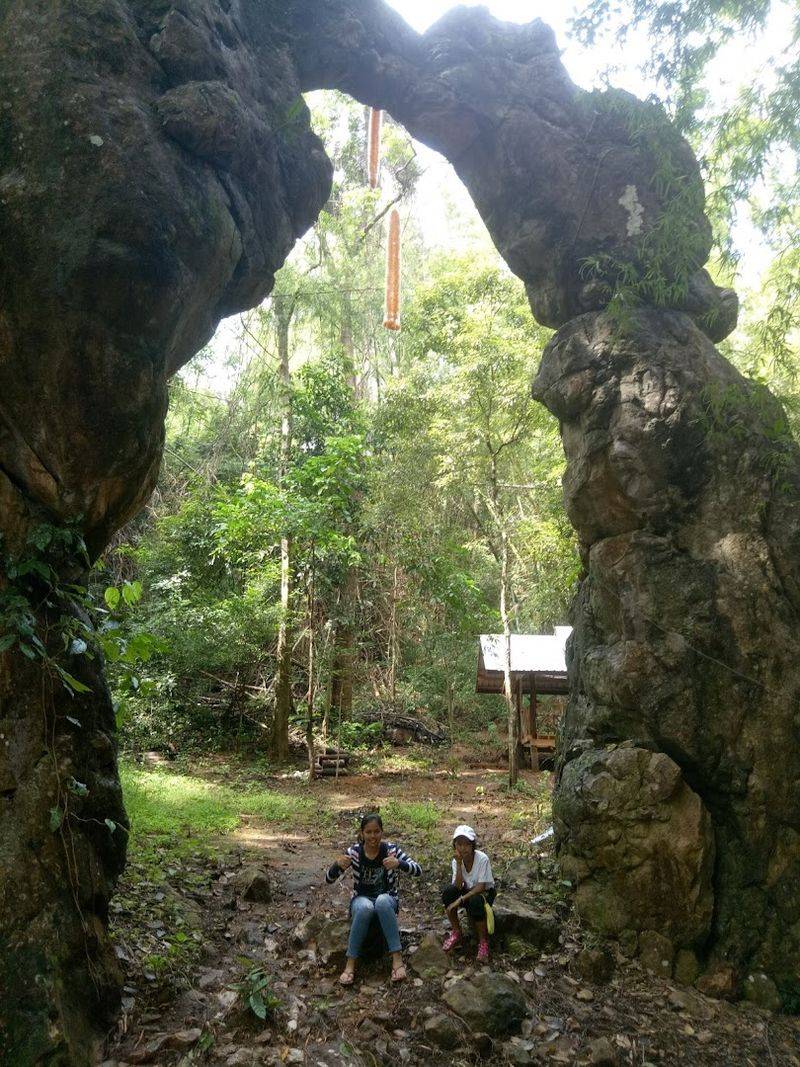
Loei Province has a personality that does not match what most people expect from Isaan. It gets cold enough in winter to wear an actual jacket, which in Thailand is practically a miracle.
Phu Kradueng National Park sits here like a flat-topped mountain waiting to show off its pine forests and wide open plateaus.
The town of Loei is refreshingly unhurried. Street food stalls serve northeastern dishes that hit differently when the air is cool and crisp.
During the Phi Ta Khon festival, the streets fill with colorful ghost masks and dancing locals in one of Thailand’s most unique celebrations.
Getting here requires a bit of effort, which is honestly a feature rather than a bug. Fewer tourists means more genuine interactions, better prices, and the rare joy of feeling like you found something real.
Loei rewards the curious traveler every single time.
Chanthaburi, Eastern Thailand
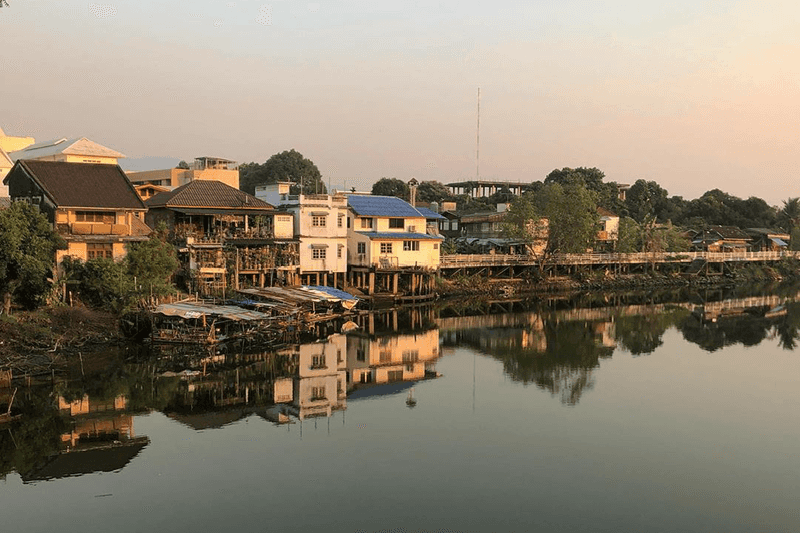
Chanthaburi is the kind of place that makes you feel like a time traveler. The old town along the river has preserved colonial-era shophouses that look straight out of a different century.
The enormous Cathedral of the Immaculate Conception, the largest in Thailand, towers over the riverbank in a way that genuinely stops you mid-step.
Here is a fun fact: Chanthaburi is one of the world’s top gem trading hubs. On weekends, the gem market near the river draws traders from across the globe, and you can watch serious deals happen over tiny stones on folding tables.
The local food scene is also quietly spectacular. Chanthaburi noodles, topped with crab and a tangy broth, are the kind of dish you think about for weeks afterward.
The durian and rambutan orchards nearby are legendary too. This city earns its place on any hidden gem list without even trying hard.
Ko Mak, Trat Province
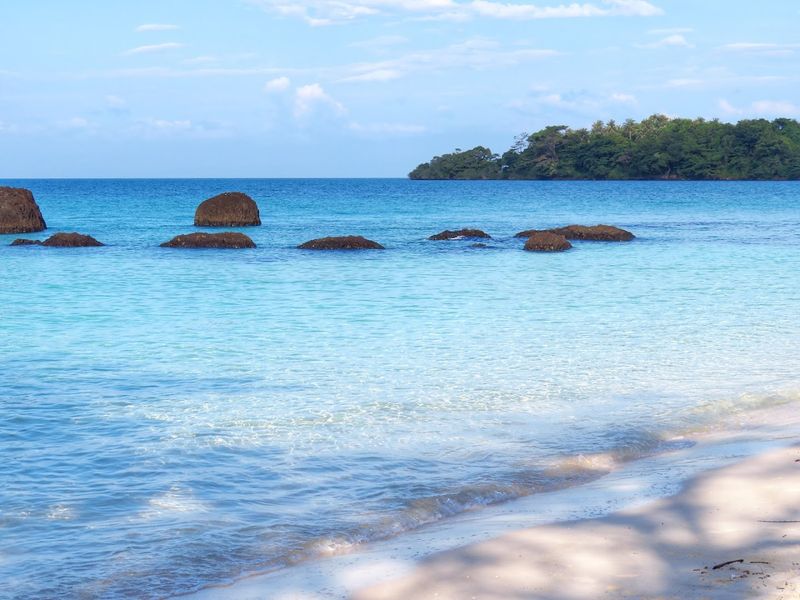
Ko Mak is what Ko Samui used to be before everyone showed up with selfie sticks. This small island in Trat Province has kept development deliberately slow, and the result is a place that feels genuinely peaceful.
Coconut and rubber plantations cover most of the island’s interior, giving it a lush, green character unlike its flashier neighbors.
The beaches here are calm and shallow, making them ideal for families or anyone who just wants to float without being run over by a jet ski. There are no 7-Elevens on every corner, which is either charming or terrifying depending on your snack dependency level.
Getting to Ko Mak takes a ferry from the mainland, which naturally filters out the impatient crowd. The resorts are small and personal.
The sunsets are absurdly good. If you want an island that still feels like an island and not a theme park, Ko Mak is your answer.
Khanom, Nakhon Si Thammarat Province
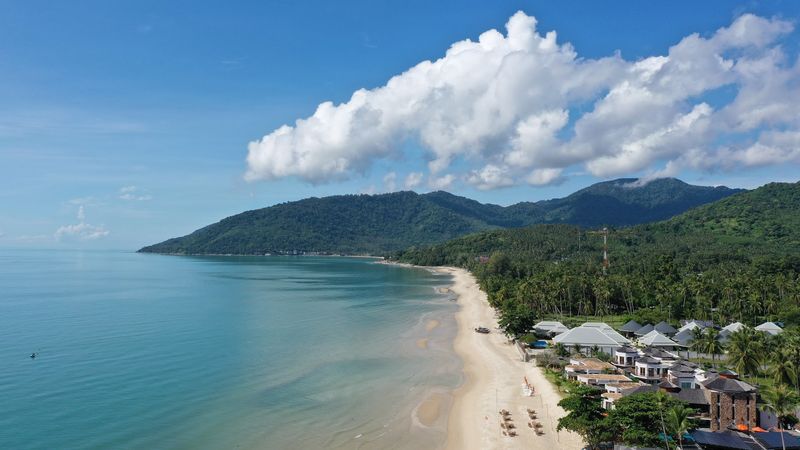
Most people speed through Nakhon Si Thammarat Province on their way to Koh Samui without glancing sideways. That is a mistake, because Khanom is sitting right there being absolutely wonderful and largely ignored.
The beaches are long, clean, and rarely crowded, which in southern Thailand is basically a superpower.
The real headline act here is the pink dolphins. Yes, actual pink dolphins appear in the bay near Khanom, and watching them surface at dusk is one of those experiences that feels slightly unreal.
Local longtail boat operators run trips out to spot them most mornings.
Khanom town itself is small and low-key, with a handful of excellent seafood restaurants and a relaxed vibe that makes you want to extend your stay by several days. The rolling green hills behind the coast add a dramatic backdrop that photographers will love.
This place is still wonderfully under the radar.
Phatthalung Province, Southern Thailand
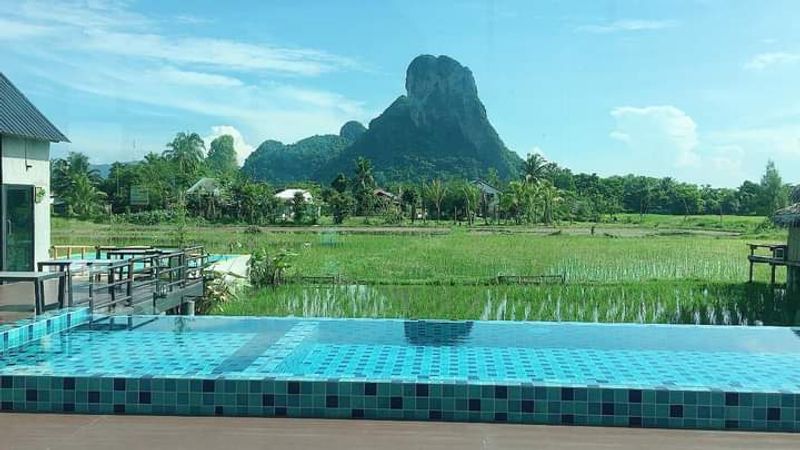
Phatthalung flies so far under the radar that even some Thais look at you blankly when you mention it. Sandwiched between the better-known provinces of Trang and Nakhon Si Thammarat, it quietly holds one of the country’s most beautiful natural wonders.
Thale Noi, a vast wetland lake, turns into a sea of pink lotus blossoms during the blooming season, and the sight is genuinely breathtaking.
The province also has a strong shadow puppet tradition called Nang Talung, which is essentially the southern Thai version of a Netflix drama but performed with leather cutouts and a backlit screen. Local performances are still held regularly and are well worth catching.
Phatthalung town has a lovely old-market district with affordable food and zero tourist pricing. The limestone mountains dotting the landscape give the whole province a dramatic, cinematic quality.
Slow down here, and Phatthalung will reward you generously.
Uthai Thani Province, Central Thailand
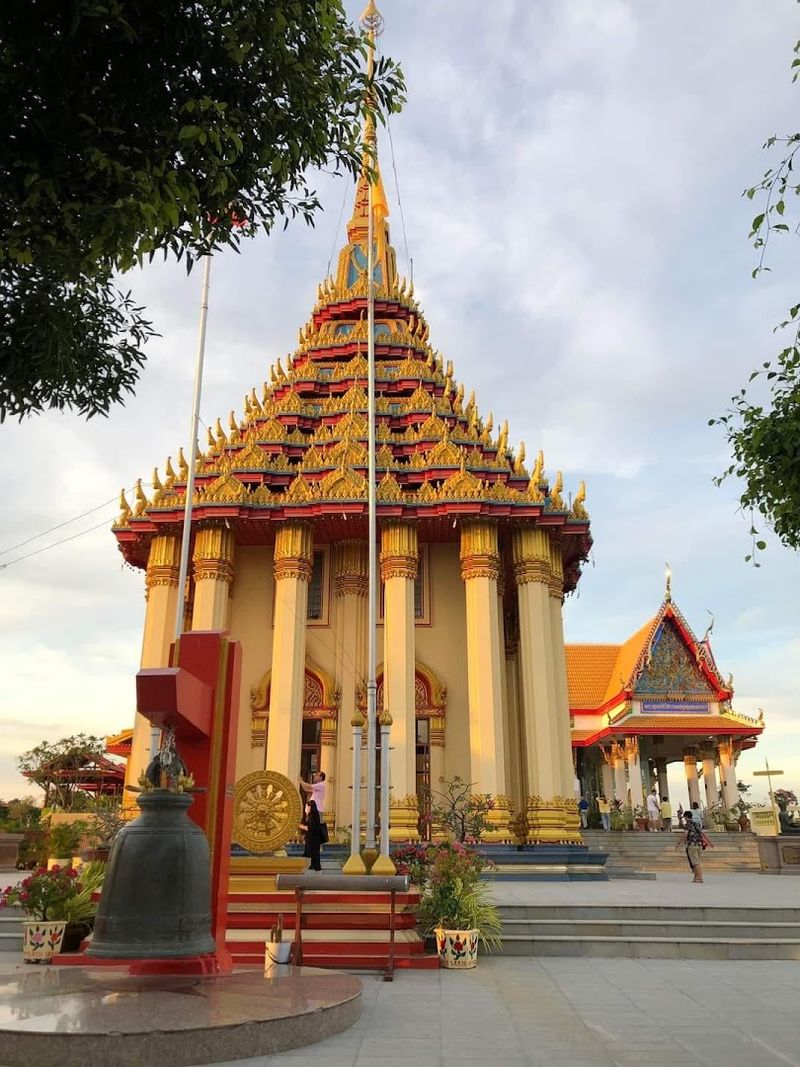
Uthai Thani is central Thailand’s best-kept secret, and locals seem perfectly happy keeping it that way. The riverside town sits along the Sakae Krang River, with old wooden shophouses perched on stilts above the water in a scene that looks like it belongs in a vintage postcard.
Walking the riverside boardwalk at sunrise is one of those simple pleasures that sticks with you.
The province is also a gateway to Huai Kha Khaeng Wildlife Sanctuary, a UNESCO World Heritage Site that is home to tigers, elephants, and an extraordinary range of wildlife. Birdwatchers from around the world make pilgrimages here specifically for the rare species found nowhere else in the region.
The local market scene is excellent and very much for locals, not tourists. Prices are low, portions are generous, and the food is honest central Thai cooking at its best.
Uthai Thani is the kind of place that makes you wonder why you waited so long to visit.
Phrae Province, Northern Thailand
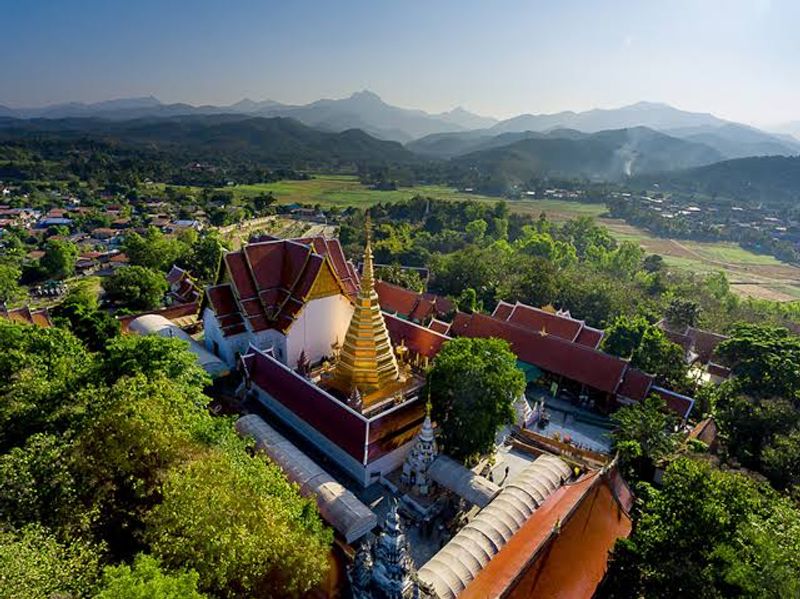
Phrae has one very specific claim to fame that sets it apart from every other northern Thai province: teak. This city was historically one of the most important teak trading centers in Southeast Asia, and the legacy shows up in its extraordinary collection of antique teak mansions.
Vongburi House is the most stunning example, a two-story beauty with intricate carved details that took years to build.
Walking through Phrae’s old walled city feels like stepping back into a quieter era. The streets are lined with traditional wooden buildings, local temples, and almost no souvenir shops trying to sell you the same three things.
It is refreshingly authentic in the best possible way.
Phrae also produces a type of indigo-dyed cotton clothing that has become fashionable across Thailand. You can buy directly from local artisans at prices that are very reasonable.
The city is small, manageable, and deeply charming without putting in any effort to impress you.
Mae Hong Son Province, Northern Thailand
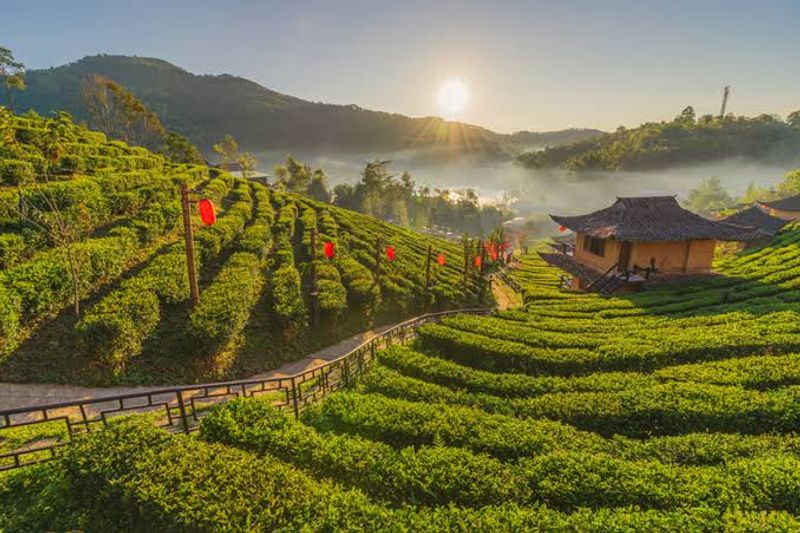
Mae Hong Son is so remote that locals joke the province has more mountains than people. Sitting right on the Myanmar border, this province is one of the most visually dramatic in all of Thailand.
The valley town of Mae Hong Son itself is small and incredibly pretty, especially when morning mist rolls in over the lake and the twin chedis of Wat Jong Kham glow gold through the haze.
The drive to get here, via the famous 1,864-curve road from Chiang Mai, is either an adventure or a test of your stomach, depending on your constitution. Flying is also an option and the aerial views alone justify the ticket price.
The local culture here is a rich blend of Thai, Shan, and Burmese influences that shows up in the food, festivals, and architecture. I visited during the Poi Sang Long festival and was completely unprepared for how spectacular it was.
Mae Hong Son rewards every traveler who makes the effort.
Bueng Kan Province, Northeastern Thailand
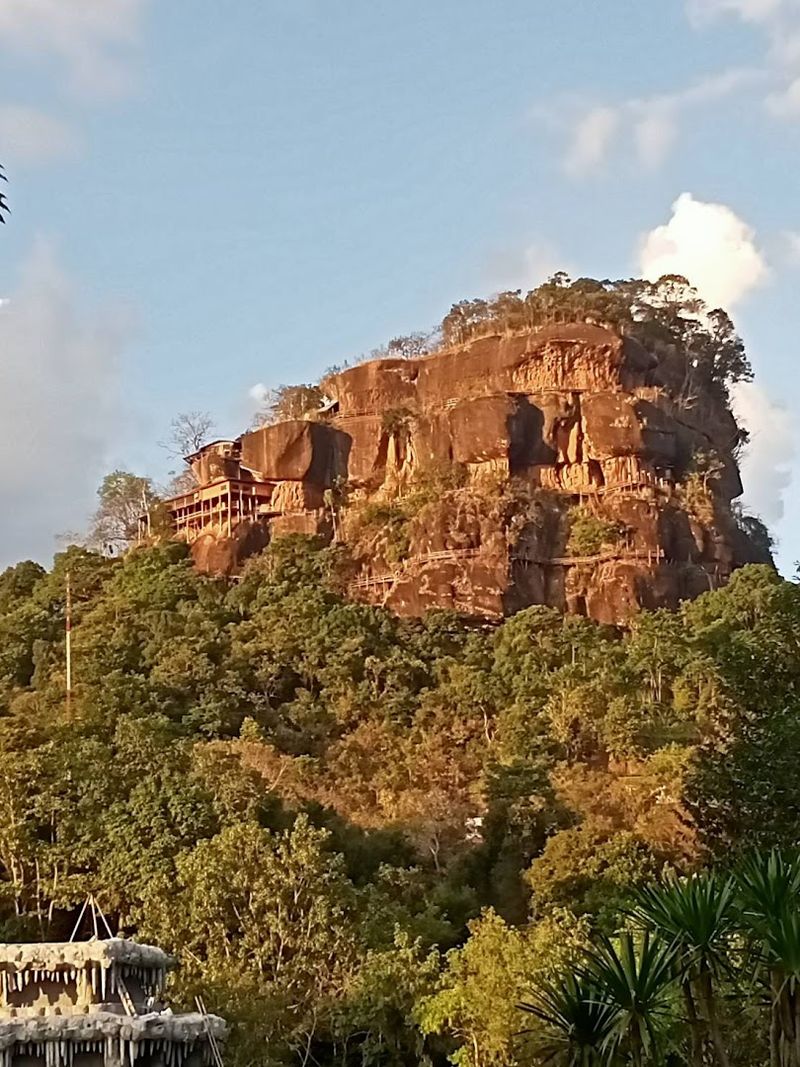
Bueng Kan is so new as a province that it was only officially established in 2011, making it the youngest in Thailand. But youth does not mean lack of character.
This northeastern province sits along the Mekong River opposite Laos, and its natural scenery is quietly spectacular in ways that have not yet attracted the crowds it deserves.
Phu Wua Wildlife Sanctuary offers some genuinely wild hiking through sandstone formations, waterfalls, and dense jungle. The landscapes here look more dramatic than anything you would expect from flat northeastern Thailand.
Bueng Kan breaks that stereotype thoroughly and cheerfully.
The riverfront town has a laid-back Mekong charm, with fresh fish restaurants and sunset views across to Laos that are hard to beat. Local markets sell produce and snacks from both sides of the river, creating a fun cross-cultural mix.
If you want Isaan without the tourist infrastructure, Bueng Kan is exactly that.
Ranong Province, Southern Thailand
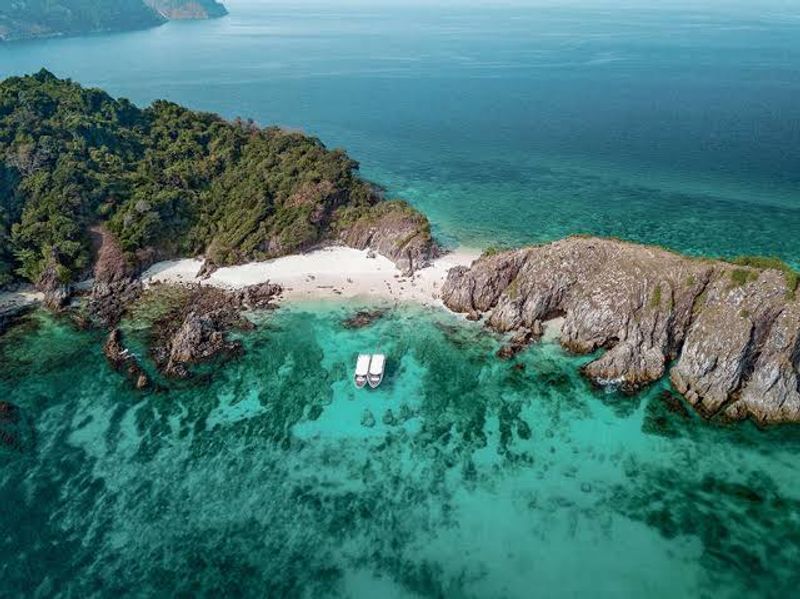
Ranong holds the title of Thailand’s rainiest province, which sounds like a deterrent but is actually the reason it stays so lush, green, and uncrowded. The abundant rainfall feeds dense forests, rushing rivers, and one of the most biodiverse coastlines in the country.
Tourists who avoid Ranong because of the rain are missing the whole point.
The town itself has a strong Burmese influence, reflecting its position right on the Myanmar border. You can literally cross into Myanmar for a day trip from here, which makes for a genuinely interesting passport stamp.
The local food mixes Thai and Burmese flavors in ways you will not find elsewhere.
Ranong also has natural hot springs right in town, where you can soak in mineral-rich water for free or very cheap. The springs feed some of the local spas and are a genuinely lovely way to spend an afternoon.
Ranong is weird, wonderful, and worth every raindrop.
Ko Phayam, Ranong Province
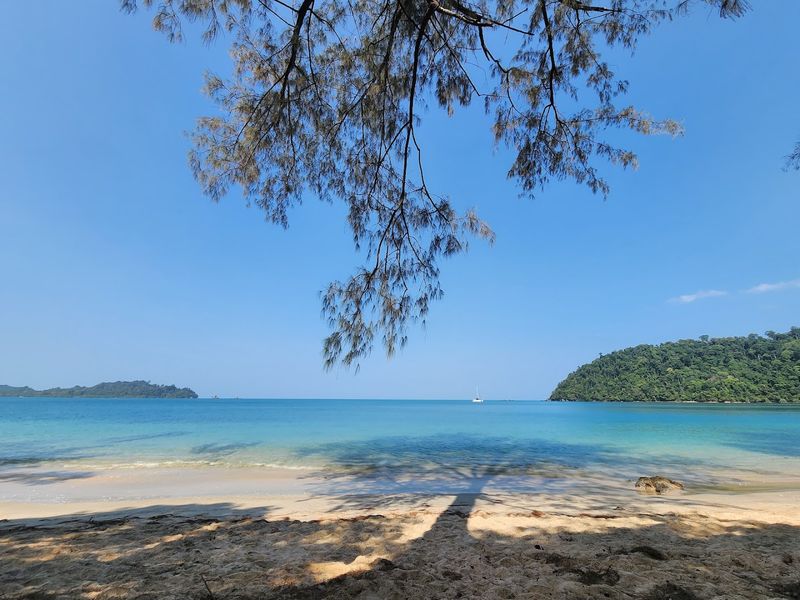
Ko Phayam is the kind of island that feels like it escaped from 2003. There are no cars, just motorbikes and bicycles.
The roads are narrow jungle tracks. The beaches are wide, empty, and lined with cashew trees instead of sunbed rentals.
It is deliberately, almost stubbornly, uncommercial, and that is precisely why it is so good.
The island attracts a mix of long-stay backpackers, yoga enthusiasts, and travelers who have specifically looked for a place with slow Wi-Fi and fast sunsets. The two main beaches, Ao Yai and Ao Khao Kwai, offer different vibes but equal amounts of beauty.
Buffalo Bay is particularly calm and great for swimming.
Getting here requires a ferry from Ranong, which takes about two hours and filters out anyone in a hurry. The food scene is simple but good, with fresh seafood and fruit shakes being the main attractions.
Ko Phayam is genuinely off-beat in the best way.
Si Satchanalai, Sukhothai Province
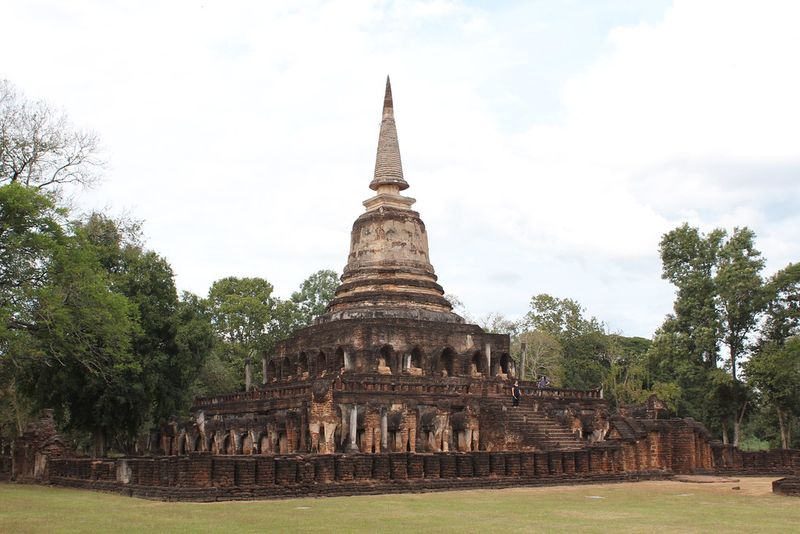
Everyone goes to Sukhothai Historical Park, which is fair because it is magnificent. But almost nobody continues the extra 60 kilometers north to Si Satchanalai, and that oversight is their loss.
This second historical park in the same province contains ruins just as impressive and ancient, but with a fraction of the visitors and a much wilder, more atmospheric setting.
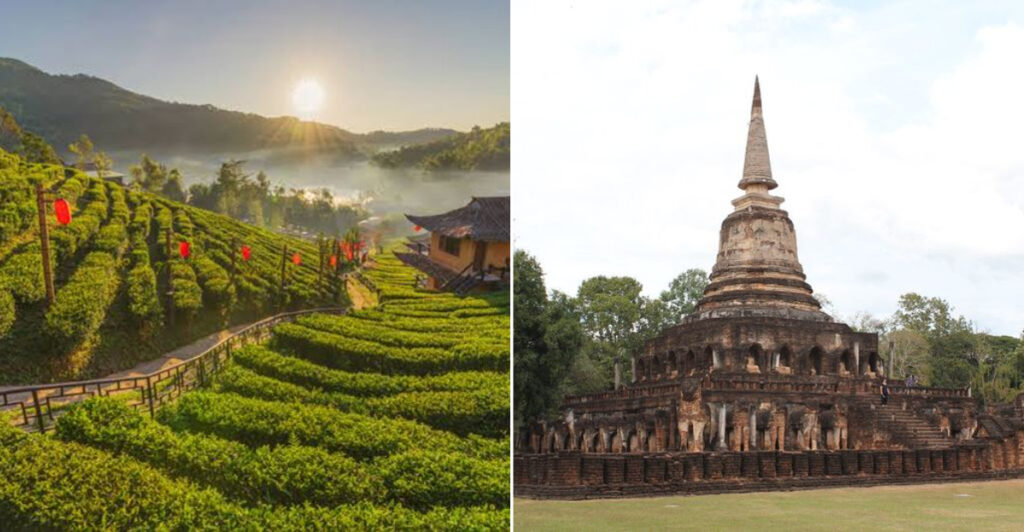
The temples here are partially reclaimed by trees and vegetation, giving the whole site a slightly Indiana Jones quality without the booby traps. Wat Chang Lom, with its elephant-base design, is particularly striking.
The park sits along the Yom River, adding a scenic dimension that Sukhothai cannot match.
Si Satchanalai is also historically significant as a major ceramics production center during the Sukhothai period. The nearby Sawankhalok kilns produced pottery exported across Asia, and you can visit the kiln sites as part of your exploration.
This place deserves far more attention than it currently gets.
Share this story