Most travelers follow the same worn paths to the same famous cities, missing entire chapters of history hiding just off the main road. Europe and beyond are full of regions where medieval castles stand guard over quiet valleys, prehistoric carvings predate written language, and fortified villages have barely changed in five centuries. The good news is that these places are not only fascinating but also refreshingly crowd-free, meaning you can actually enjoy them without elbowing past a tour group every ten steps. This list covers thirteen hidden travel regions where history is not a museum exhibit but a living, breathing part of the landscape.
From Romania’s wooden church villages to Malta’s fortified harbor towns and Spain’s overlooked medieval cities, each destination offers a genuinely rewarding journey for anyone who believes that the best stories are the ones carved in stone.
1. Posavje, Slovenia
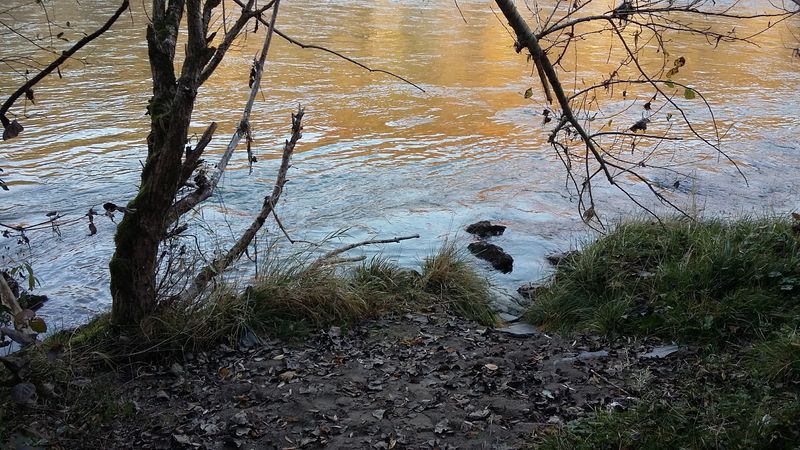
Slovenia’s best-kept historical secret sits quietly in the southeastern corner of the country, where the Sava River winds past a remarkable concentration of medieval fortresses that most international travelers never notice. Posavje earns its unofficial title of Slovenia’s land of castles with impressive ease.
Brezice Castle, a 16th-century Renaissance structure, houses one of Central Europe’s most expansive painted ceilings inside its Knight’s Hall. Rajhenburg Castle, perched above the Sava River, contains Slovenia’s oldest Romanesque chapel from the early 12th century and the country’s oldest preserved Renaissance frescoes.
Sevnica Castle, whose origins stretch back to the 12th century, hides a secret Lutheran chapel carved into its cellar during the Reformation. The region blends medieval architecture with quiet countryside in a way that feels completely authentic rather than staged for visitors. Cultural remains here date back 4,000 years, making Posavje far older and richer than its low profile suggests.
2. Transromanica Region, Serbia
Central and eastern Serbia hold one of Europe’s most underappreciated collections of medieval heritage, connected by the Transromanica cultural route through mountain valleys and quiet countryside. This area, sometimes called the Valley of the Kings, was shaped by the powerful Nemanjic dynasty that defined medieval Serbian civilization.
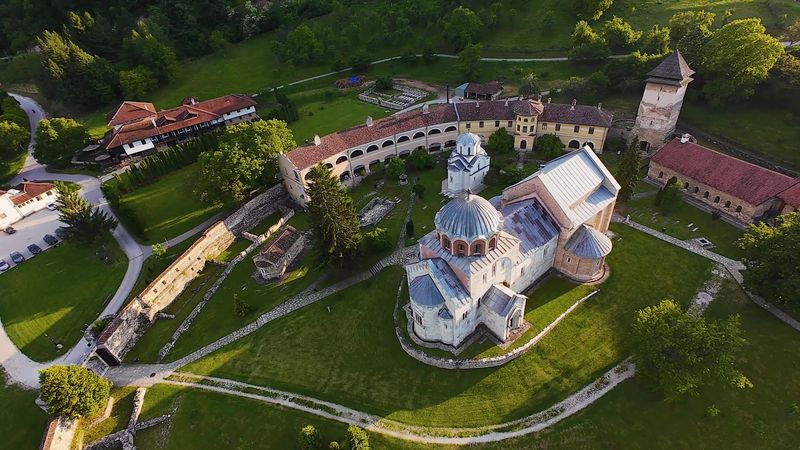
Studenica Monastery, founded around 1186 by Stefan Nemanja and a UNESCO World Heritage Site since 1986, is the crown jewel. Its Church of the Virgin Mary features white marble cladding and 13th-century Byzantine frescoes, including a celebrated Crucifixion painting from 1209. Zica Monastery, built between 1206 and 1220, served as the coronation church for seven Serbian kings.
The archaeological site of Stari Ras, another UNESCO site, preserves the earliest capital of medieval Serbia, complete with 9th-century fortifications and an 8th-century basilica considered the oldest in the central Balkans. Despite extraordinary heritage, the region stays refreshingly uncrowded throughout the year.
3. Maramureș, Romania
Northern Romania’s Maramures region operates on a different timeline from the rest of Europe, and that is precisely what makes it so compelling for history travelers. Isolation behind the Carpathian Mountains has preserved a way of life that most of the continent abandoned generations ago.
Eight wooden churches here carry UNESCO World Heritage status, built between the 14th and 18th centuries without a single nail, their soaring spires a testament to carpentry skills developed under Habsburg restrictions on stone construction. The Ieud Hill Church from 1364 is among Europe’s oldest wooden churches and houses the Codex of Ieud, one of Romania’s earliest written texts.
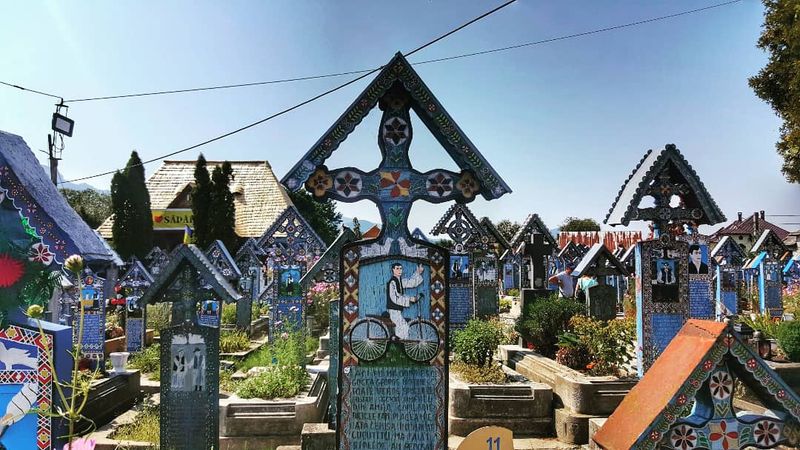
Hand-carved wooden gates outside farmhouses are more than decoration: they carry pre-Christian symbols representing life, growth, and protection, passed down through generations of local craftsmen. Horse-drawn carts still share village roads with modern vehicles. The Merry Cemetery in Sapanta adds a uniquely Romanian twist, with painted grave markers bearing witty, candid accounts of the lives they commemorate.
4. Castilla y León, Spain
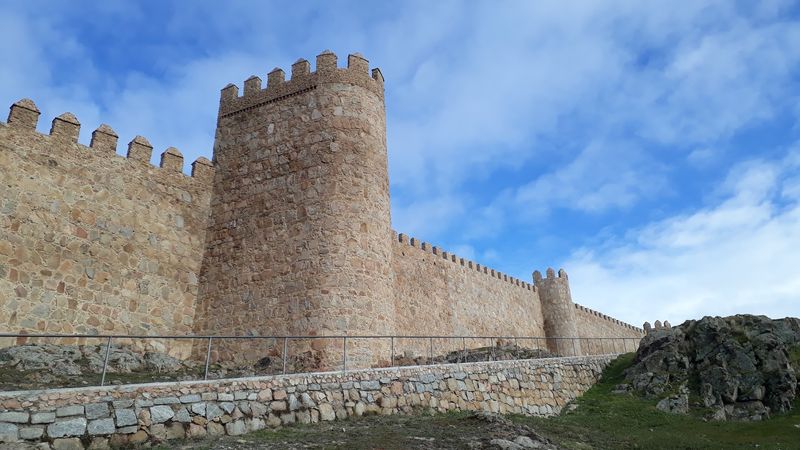
Spain’s largest region holds more UNESCO World Heritage Sites than any other region on the planet, yet it consistently loses visitors to Madrid and Barcelona. Castilla y Leon is the birthplace of the Spanish language and the stage where Ferdinand and Isabella unified Spain and funded Columbus’s first voyage.
Salamanca dazzles with its golden sandstone University, one of Europe’s oldest, alongside two interconnected cathedrals spanning Romanesque, Gothic, and Baroque periods. Avila’s medieval walls, built between the 11th and 14th centuries, stretch 2.5 kilometers with 88 towers and nine gates, making them among Europe’s finest surviving military fortifications.
Segovia contributes the Roman Aqueduct, built in the late 1st or early 2nd century AD using 167 arches and zero mortar, alongside the fairytale Alcazar castle that reportedly inspired Disneyland’s iconic silhouette. Burgos rounds out the region with a Gothic cathedral housing the tomb of El Cid, a figure central to Spanish medieval identity. Each city tells a distinct chapter of the same grand story.
5. Wallonia, Belgium
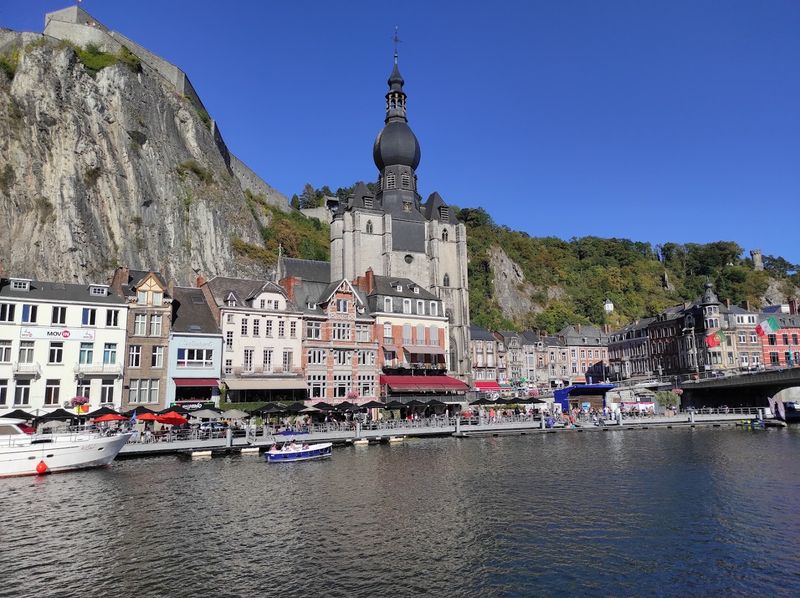
Southern Belgium surprises visitors who arrive expecting flat countryside and chocolate shops. Wallonia’s Ardennes region is a dense patchwork of medieval fortresses, riverside towns, and underground sites that narrate centuries of conflict along one of Europe’s most contested corridors.
Dinant, clinging to limestone cliffs above the Meuse River, combines a hilltop citadel originally built in the 11th century with a Gothic collegiate church rebuilt after a 1227 rockfall. The town was historically famous across Europe for its decorative brassware, known as dinanderie, long before tourists arrived. Bouillon Castle, one of Belgium’s oldest fortifications, was sold by the legendary Godfrey of Bouillon to finance the First Crusade in the 11th century.
Durbuy, granted city status in 1331, claims the title of the world’s smallest city and preserves cobblestone streets and 17th-century stone houses that look largely unchanged. The region holds roughly 1,500 castles and fortifications, with nearly 300 protected as heritage sites, making it one of Europe’s most castle-rich destinations per square kilometer.
6. Flanders Beguinages, Belgium
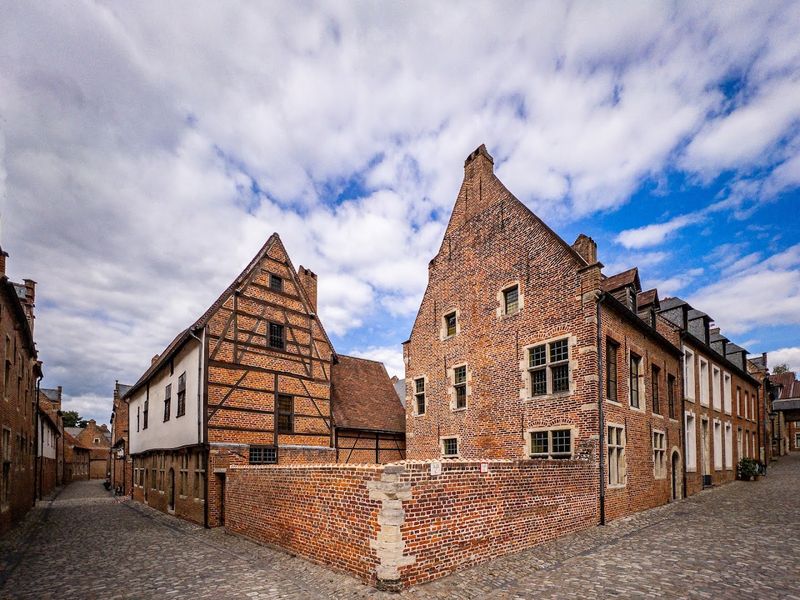
Hidden behind unassuming gates in Flemish cities lies one of medieval Europe’s most unusual social experiments: communities built entirely for women who chose a spiritual life without taking permanent monastic vows. The Beguines, as they were known, created self-governing neighborhoods that combined religious devotion with economic independence.
These women supported themselves through weaving, lacemaking, teaching, and nursing, contributing meaningfully to local economies while living by their own rules. Their architecture reflects this practical independence: enclosed brick house clusters, shared courtyards, and small churches arranged as complete villages within larger cities. Thirteen Flemish Beguinages earned UNESCO World Heritage recognition in 1998.
The Grand Beguinage of Leuven, a sprawling 3-hectare complex bisected by the Dyle River, once housed up to 300 Beguines and now belongs to the local university. Bruges hosts the most visited example, founded in 1245 and now maintained by Benedictine nuns. Walking through these places offers a genuinely rare window into medieval female community life that few travelers know to seek out.
7. Historical Villages of Portugal, Central Portugal
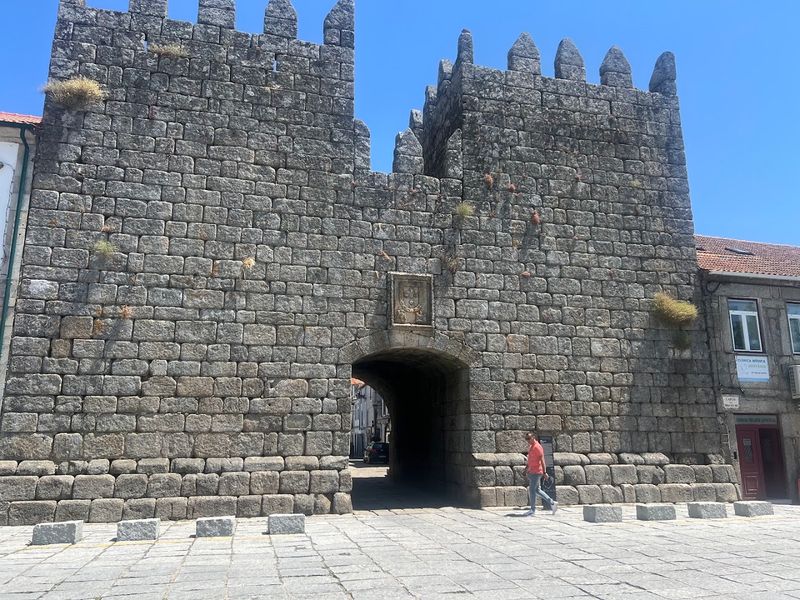
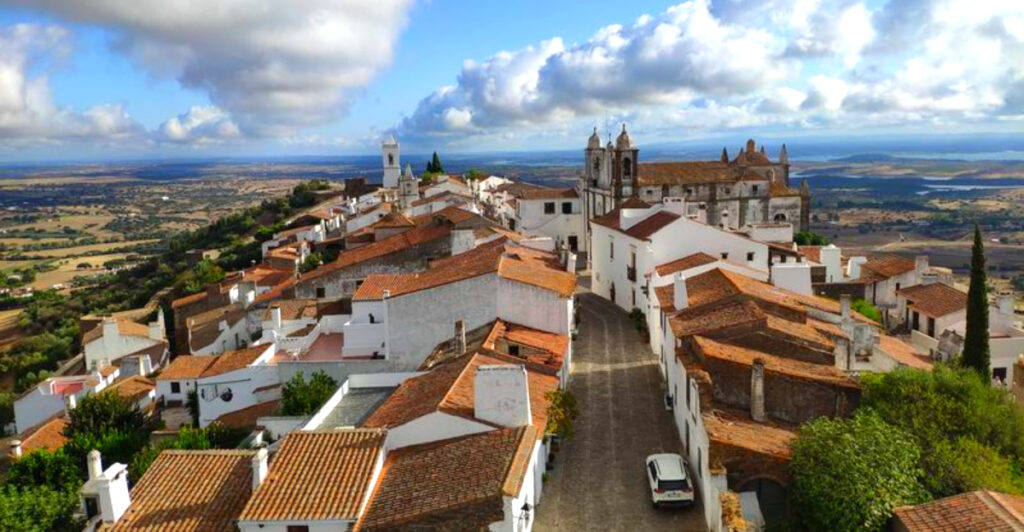
Portugal’s oldest border with Spain produced some of the country’s most dramatic and historically layered settlements. The twelve Historical Villages of Central Portugal were strategically built from granite and schist along the medieval frontier, fortified by kings to defend against repeated Spanish incursions over centuries.
Sortelha, perched on a granite outcrop since at least the 12th century, preserves medieval tombs, a Manueline pillory, and a castle whose charter dates to 1228. Its Door of Betrayal, a small hidden opening in the castle wall, was designed for emergency external access during sieges. Castelo Rodrigo carries a permanent historical curiosity: its Portuguese shield appears upside down on local heraldry, a centuries-old punishment for siding with Castile during a 14th-century succession crisis.
Monsanto, voted Portugal’s most Portuguese village in a 1938 national competition, features granite cottages built directly into enormous boulders, some of which form the actual walls and roofs of inhabited houses. Every village in this network tells its own story of border politics, royal ambition, and everyday resilience across nearly a millennium.
8. Alentejo, Portugal
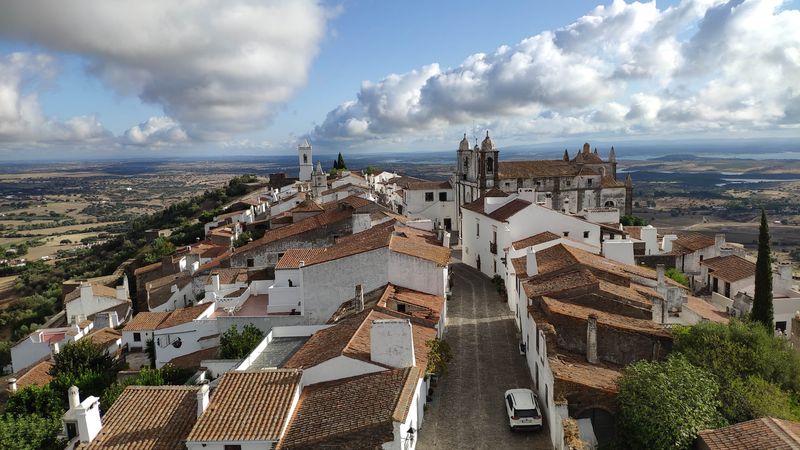
Few regions in Europe can match Alentejo for sheer historical density packed into such a peaceful, unhurried setting. Stretching across southern Portugal, this sun-baked landscape holds prehistoric megaliths, Roman ruins, and medieval hill towns that have resisted the pull of mass tourism remarkably well.
Evora, a UNESCO World Heritage City, anchors the region with a Roman temple dating from the 1st or 2nd century AD, a Gothic cathedral built atop a former mosque, and the haunting Chapel of Bones. Outside the city, the Cromeleque dos Almendres predates Stonehenge by roughly 3,000 years.
Monsaraz and Marvao add to the story with preserved medieval walls, castle fortifications, and narrow lanes that have changed very little since the Reconquista. Every scenic drive through cork forests and olive groves seems to turn up another castle or archaeological site. Alentejo rewards the curious traveler who is happy to slow down and look closely.
9. Kłodzko Valley, Lower Silesia, Poland
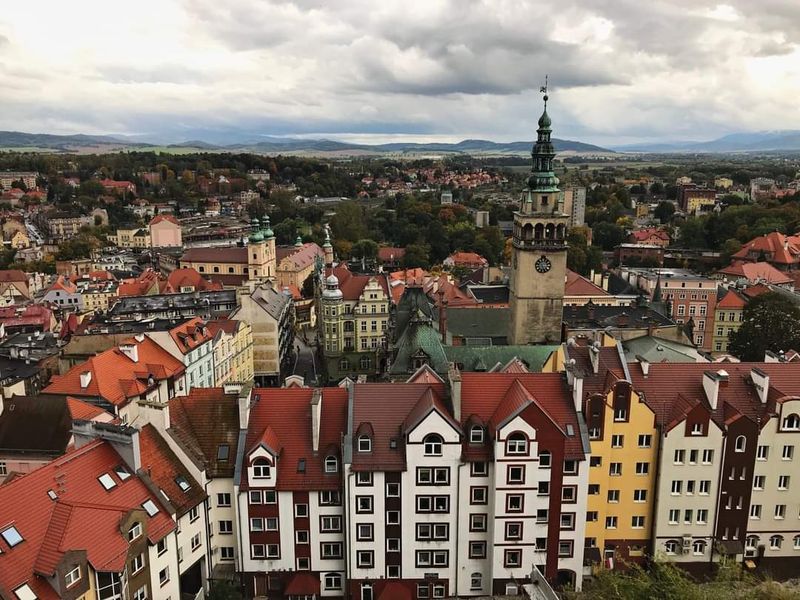
Southwestern Poland’s Klodzko Valley has changed hands between Polish, Czech, Austrian, and Prussian rulers so many times that its architecture reads like a crash course in Central European history. This layered past gives the region a unique character that blends influences rarely found together in one compact area.
Klodzko itself, established in the 10th century and nicknamed Little Prague, features a Gothic stone bridge from around 1390, a Collegiate Church built by the Knights Hospitallers, and a market square ringed by historic townhouses. The Klodzko Fortress, massively rebuilt by Prussians in the mid-18th century using prisoners of war, served in conflicts from the Thirty Years’ War through the Napoleonic campaigns and World War II.
Underground tunnel networks beneath the fortress, excavated by prisoners in the 19th century as defensive countermine passages, are now open for guided tours. Nearby, the Srebrna Gora Fortress holds the distinction of being Europe’s largest mountain fortress and was never conquered, even during Napoleon’s campaigns through the region. History here runs impressively deep in every direction.
10. Franconia, Bavaria, Germany
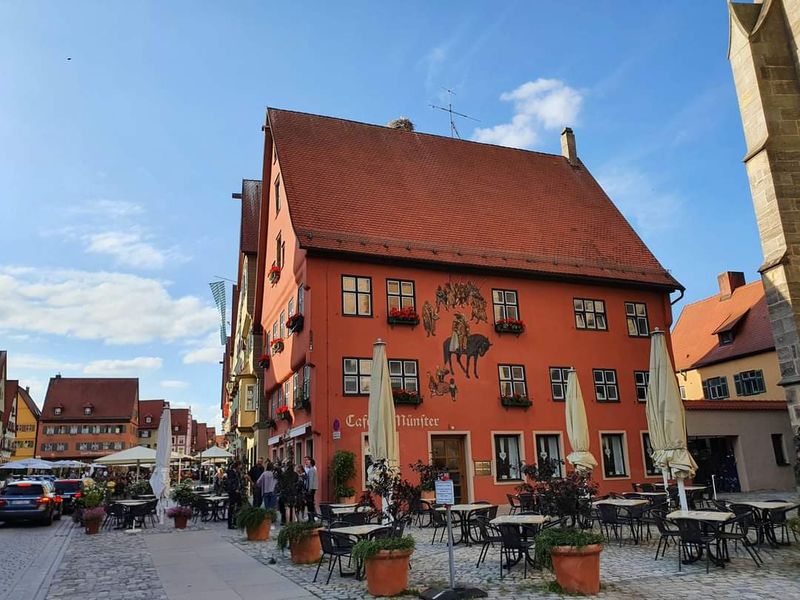
Franconia occupies a fascinating position in German history: technically part of Bavaria for two centuries, yet fiercely committed to its own distinct identity, dialect, and traditions. Settled by the Franks from the 6th century and once central to the Holy Roman Empire, this region shaped medieval Germany in ways that its more famous southern neighbor often overshadows.
Rothenburg ob der Tauber is one of only three German towns to retain fully intact medieval defensive walls, a 2.5-mile circuit of battlements, towers, and bastions that largely survived World War II. St. Jakobskirche inside the town houses a 500-year-old altarpiece by Tilman Riemenschneider, considered Germany’s finest surviving woodcarving.
Bamberg, a UNESCO World Heritage city since 1993, preserves a medieval Old Town spanning Gothic, Renaissance, and Baroque architecture, including a Romanesque cathedral housing the tomb of Pope Clement II, the only pope buried north of the Alps. Dinkelsbühl rounds out Franconia’s medieval highlights with its own intact 15th-century walls and a late-Gothic minster that anchors a town where three-quarters of buildings predate 1700.
11. Malta’s Three Cities, Malta
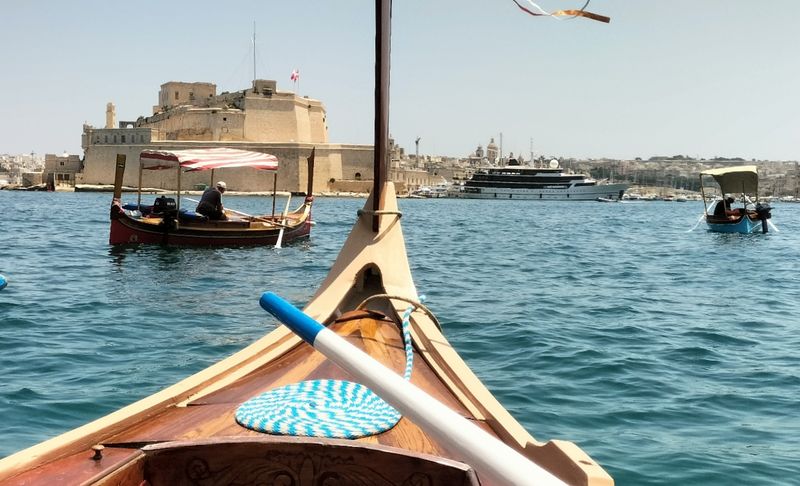
Older than Valletta and far quieter than the Maltese capital, the Three Cities sit across the Grand Harbour on fortified peninsulas that have been in continuous use since Phoenician times. Vittoriosa, Senglea, and Cospicua each carry honorary titles earned through the Great Siege of 1565, one of the most dramatic military standoffs in Mediterranean history.
Vittoriosa served as the Knights of St. John’s first base after arriving in Malta in 1530, and its medieval quarter still displays coats of arms carved above doorways. Fort St. Angelo, dominating the peninsula’s tip, was central to repelling the Ottoman siege. The Inquisitor’s Palace, one of the world’s few surviving inquisitor residences open to the public, operated as a seat of religious authority for over two centuries.
Senglea earned the title Unconquered City for holding firm through the 1565 siege, while Cospicua, the largest of the three, developed into Malta’s primary shipbuilding center under the Knights and later under British rule. Beneath all three cities, a network of tunnels carved over centuries of conflict awaits exploration by the genuinely curious visitor.
12. Perigord Noir, Dordogne, France
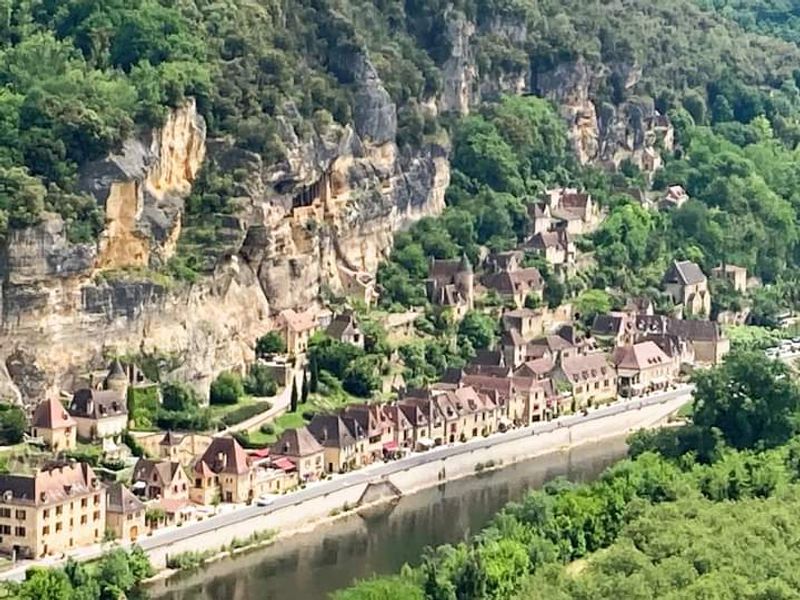
The Perigord Noir in France’s Dordogne region packs more history per square mile than almost anywhere else in Western Europe, covering a timeline that stretches from prehistoric cave painters to medieval castle builders with barely a dull century in between. Its oak and chestnut forests gave the region its dark name, and those same forests sheltered human activity for millennia.
The Vezere Valley alone holds 147 prehistoric archaeological deposits and 25 decorated cave sites, with 15 carrying UNESCO World Heritage status. The Lascaux caves, containing paintings from over 17,000 years ago, earned the nickname Sistine Chapel of Prehistory. An exceptional replica, Lascaux IV, allows visitors to experience the artwork without risking damage to the original.
Medieval history layers on top with equal intensity. Sarlat-la-Caneda preserves golden stone architecture from the 15th and 16th centuries around a Benedictine abbey core. Chateau de Beynac and Chateau de Castelnaud face each other across the Dordogne River, their rivalry dating to the Hundred Years’ War. The region reportedly holds over 1,000 castles, manors, and fortresses, many open to visitors.
13. Cappadocia, Central Anatolia, Türkiye
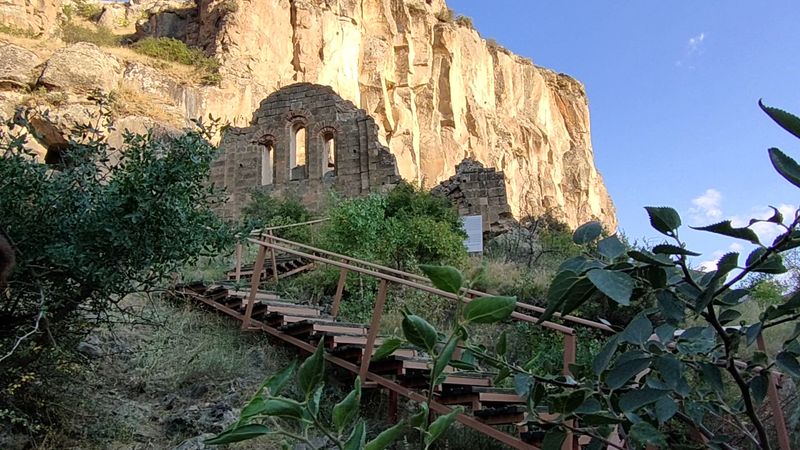
Cappadocia is the kind of place that makes you question what human beings are actually capable of building when necessity demands creativity. Volcanic eruptions from Mount Erciyes and Mount Hasan deposited thick layers of soft rock across Central Anatolia, and successive civilizations responded by carving entire cities directly into it.
Nearly forty underground cities have been identified in the region, with Derinkuyu plunging 85 meters into the earth across 18 levels and capable of sheltering up to 20,000 people. These subterranean complexes included stables, storage rooms, wine presses, chapels, and rolling stone doors that sealed off each level during invasions. Early Christian communities expanded many of these cities while seeking refuge from Roman and Byzantine persecution.
Above ground, an estimated 3,000 rock-cut churches dot the landscape, many decorated with Byzantine frescoes from the 9th through 12th centuries. The Goreme Open-Air Museum concentrates the finest examples in one walkable complex, including the Dark Church whose paintings survived exceptionally well due to limited light exposure. Human settlement here traces back to 9000 BC, making Cappadocia one of the world’s longest continuously inhabited landscapes.
Share this story