Oregon loves showing off its waterfalls, but the best ones do not always come with packed parking lots and selfie lines. Some hide at the end of steep trails, mossy roads, quiet canyons, or forests that seem to swallow sound whole.
These 13 hidden waterfalls feel like the kind of places you almost want to keep secret, though your hiking boots may strongly disagree. If you are craving mist, solitude, and a little adventure, this list is ready to ruin ordinary weekends for you.
Abiqua Falls – Scotts Mills
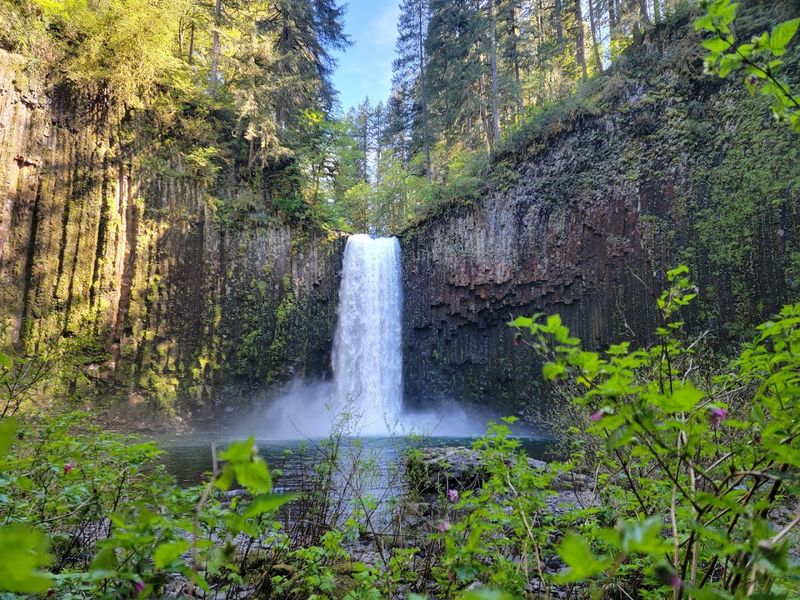
Abiqua Falls does not politely introduce itself, and that is part of the fun. The road in can be rough, the trail down is steep, and your knees may file a small complaint before you reach the bottom.
Then the forest opens, and suddenly you are standing inside a basalt amphitheater that looks almost too perfect to be real.
The waterfall plunges in a clean silver sheet into a deep green pool, with dark volcanic columns rising around it like nature got ambitious. Mist hangs in the air, moss softens the cliffs, and every sound seems to echo in just the right way.
You quickly understand why people whisper about this place instead of casually mentioning it.
Because the approach takes effort, Abiqua often feels far more private than Oregon’s famous roadside falls. You should wear sturdy shoes, check road conditions, and avoid treating the descent like a casual stroll.
If you make the trip with patience and respect, the reward is unforgettable. This is not just a waterfall stop, it is the kind of discovery that makes you grin the whole muddy hike back.
Diamond Creek Falls – Crescent
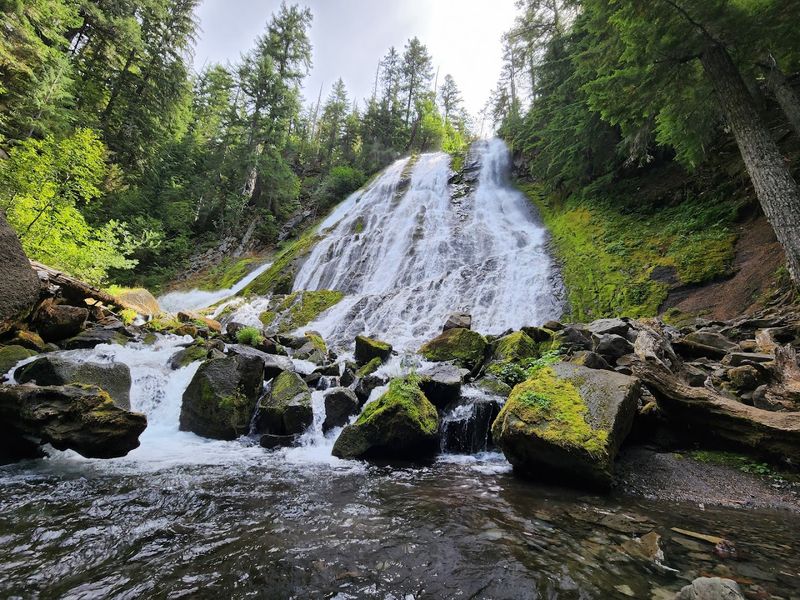
Diamond Creek Falls feels like it was designed for people who prefer their waterfalls with a side of hush. Hidden in the Central Oregon Cascades near Crescent, it slips through a green canyon with a graceful drop that never needs to shout for attention.
The whole scene has a soft, tucked-away quality that makes you slow your pace without even deciding to.
The trail leading in is peaceful compared with Oregon’s marquee waterfall routes, which is a major part of the appeal. Ferns crowd the edges, moss climbs the rocks, and the forest seems to have claimed every available surface.
When you arrive at the viewpoint or work closer depending on conditions, the falls appear framed by greenery in a way that feels intimate and carefully guarded.
This is the kind of place where you notice small details, like water threading over stone and the cool air collecting in the canyon. It is not a circus, not a checklist stop, and definitely not a place that begs for noise.
Bring water, give yourself time, and let Diamond Creek Falls do what it does best. It quietly wins you over, then sends you home calmer than you arrived.
Spirit Falls – Columbia River Gorge
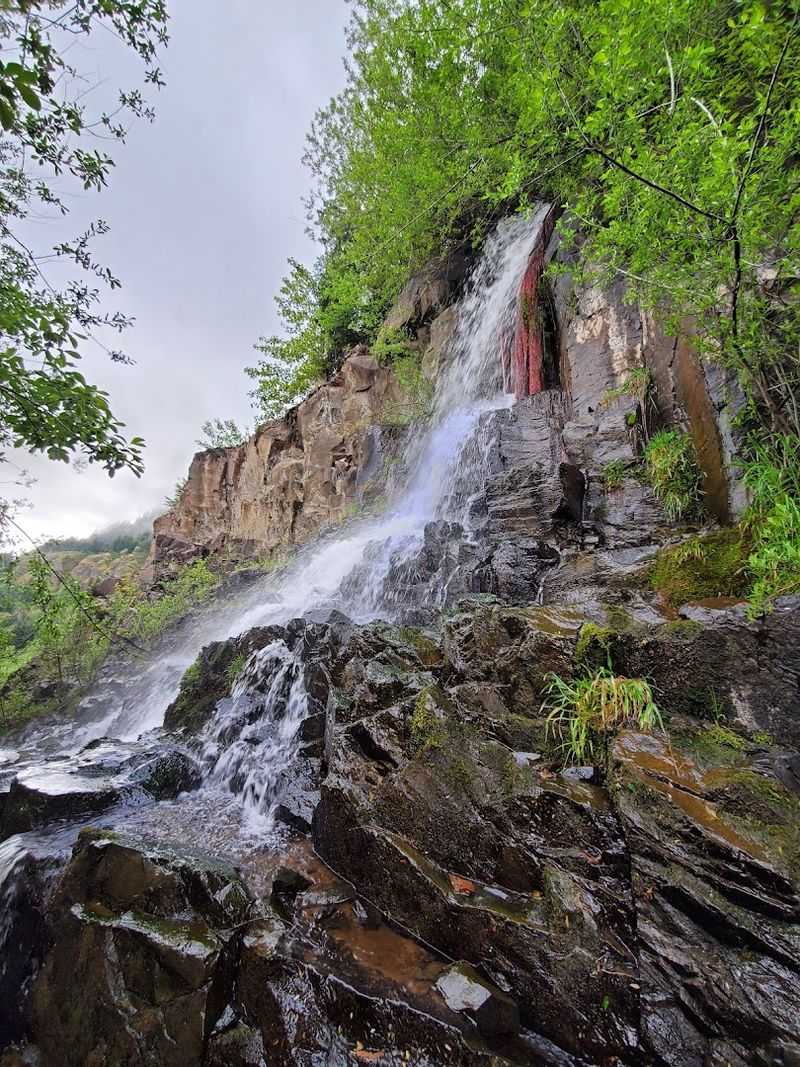
Spirit Falls sounds mysterious, and thankfully, it has the manners to live up to the name. Tucked away from the usual Columbia River Gorge crowds, this waterfall asks for a short but steep hike before giving up its secret.
It is the kind of trail that makes you wonder if the forest is testing your commitment.
Once you reach the falls, the payoff feels wonderfully immediate. A clean cascade drops into a quiet forested setting, framed by moss, trees, and the kind of stillness that feels rare in the Gorge.
Compared with the famous stops nearby, Spirit Falls feels like the understated sibling who avoids attention and somehow ends up being the most interesting person at the table.
The hike can be slippery, so good footwear is not optional unless you enjoy dramatic, unplanned sitting. Go slowly, respect private property and trail signs, and avoid visiting when conditions are unsafe.
What makes Spirit Falls special is not only the water, but the sense that you have stepped behind the curtain of a very popular region. It offers just enough adventure to feel earned, and just enough solitude to feel like a local secret worth protecting.
Moon Falls – Umpqua National Forest
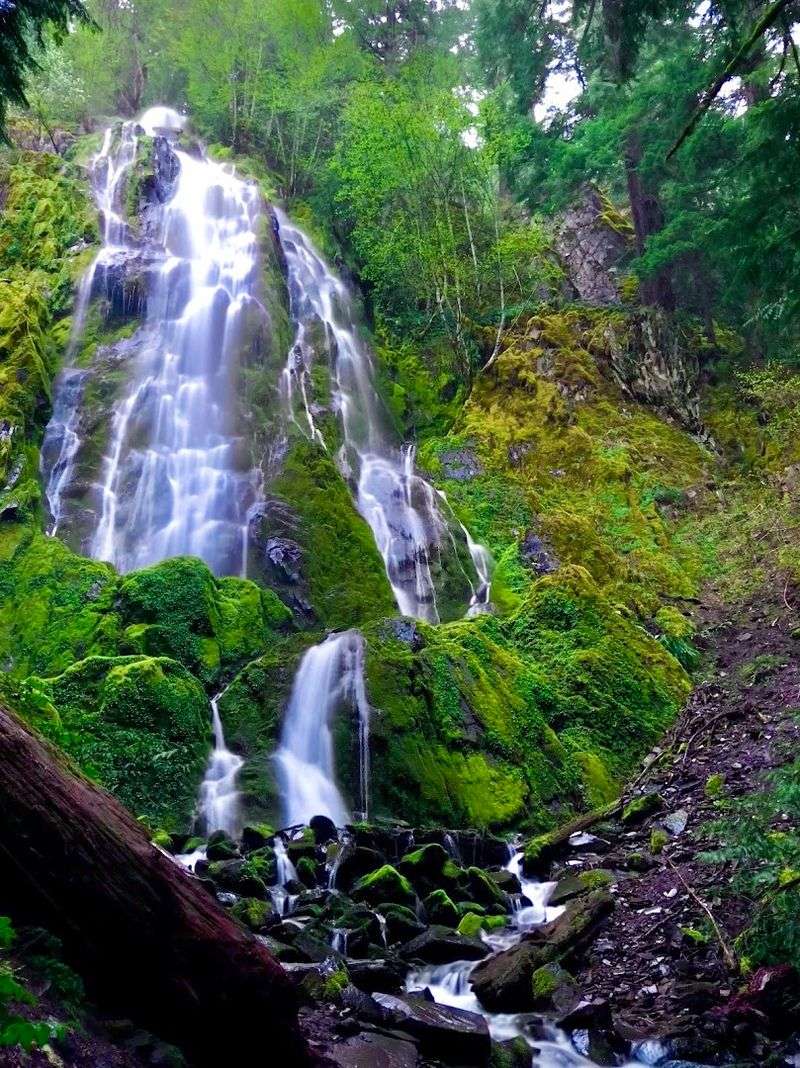
Moon Falls has a name that sounds dreamy, and the setting follows through without overdoing it. Near Cottage Grove in the Umpqua National Forest, this slender waterfall drops from a mossy cliff into a calm basin wrapped in trees.
It is simple, quiet, and honestly a little smug about how peaceful it is.
The surrounding forest gives the whole area a tucked-in feeling, like the trees are politely keeping the rest of the world outside. You will not find the thunderous drama of a giant plunge here, and that is exactly the point.
Moon Falls works its charm through soft sound, cool shade, and the satisfaction of finding a place that still feels overlooked.
Because it sits in a more remote pocket of southern Oregon, crowds are usually not part of the deal. The route is manageable for many hikers, but road and trail conditions can vary, so check before you roll in like a waterfall detective without a plan.
Pack the basics, linger a little, and let the forest set the pace. Moon Falls is perfect when you want beauty without fanfare, a refreshing pause, and a reminder that not every Oregon gem needs a dramatic entrance to be memorable.
Golden Falls – Coos County
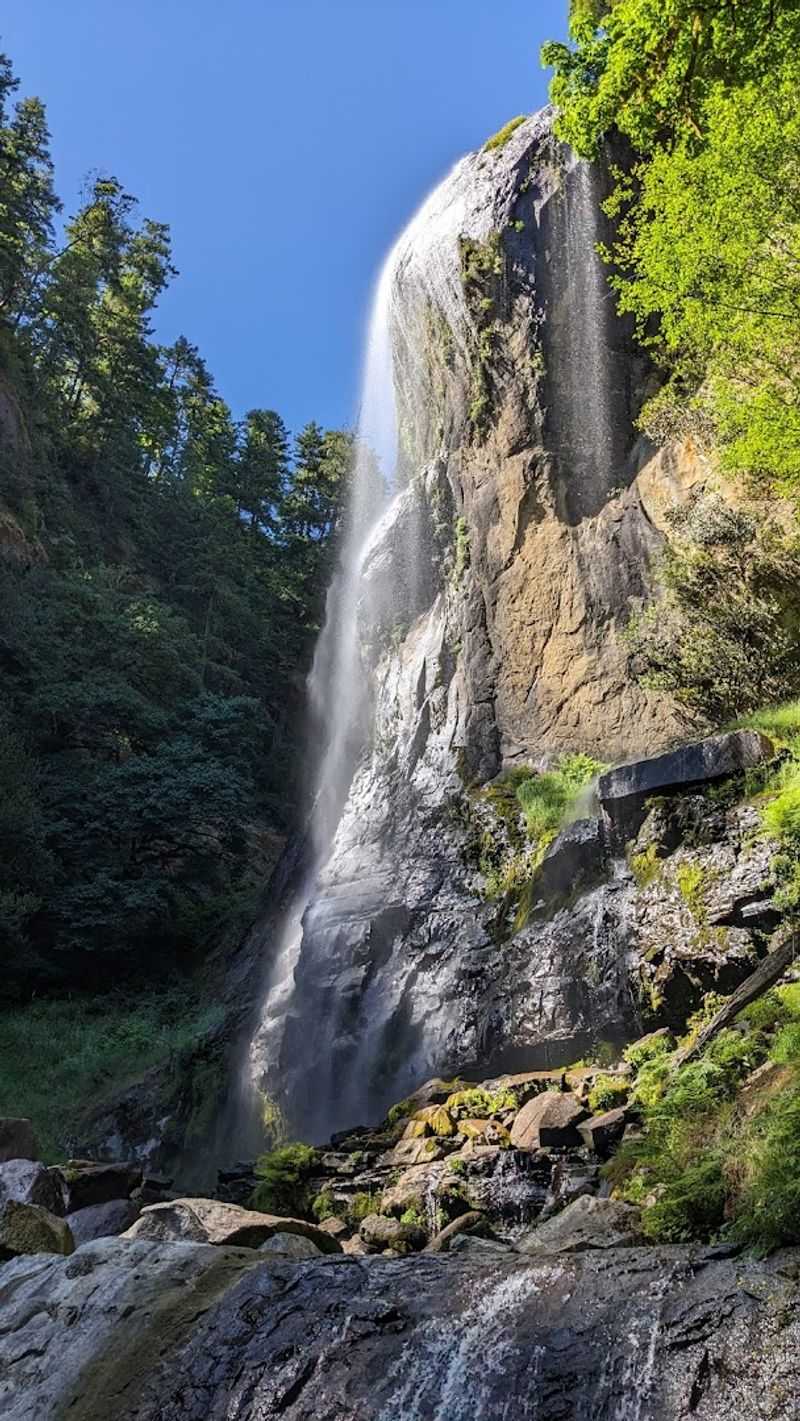
Golden Falls does not sit around waiting for casual passersby, which is exactly why it feels special. Deep in a remote natural area of Coos County, this tall waterfall rewards travelers who are willing to leave the quick stops behind.
By the time you hear the water building ahead, the forest has already done a fine job of making civilization feel far away.
The falls drop powerfully into a canyon surrounded by dense Coast Range greenery. There is a wildness here that feels less polished than the better-known waterfall corridors, and that rough edge is part of the appeal.
The hike takes more commitment, but the payoff has real presence, with water crashing through a setting that feels broad, quiet, and impressively untamed.
You will want to plan ahead, because remote does not mean convenient, and cell service may not be feeling generous. Bring snacks, water, decent shoes, and enough time to enjoy the area without rushing back like you forgot something in the oven.
Golden Falls is for the kind of day when you want the journey to count as much as the destination. It feels off the grid in the best way, delivering a bold waterfall experience without the elbow-to-elbow sightseeing routine.
Shellburg Falls – Santiam Foothills
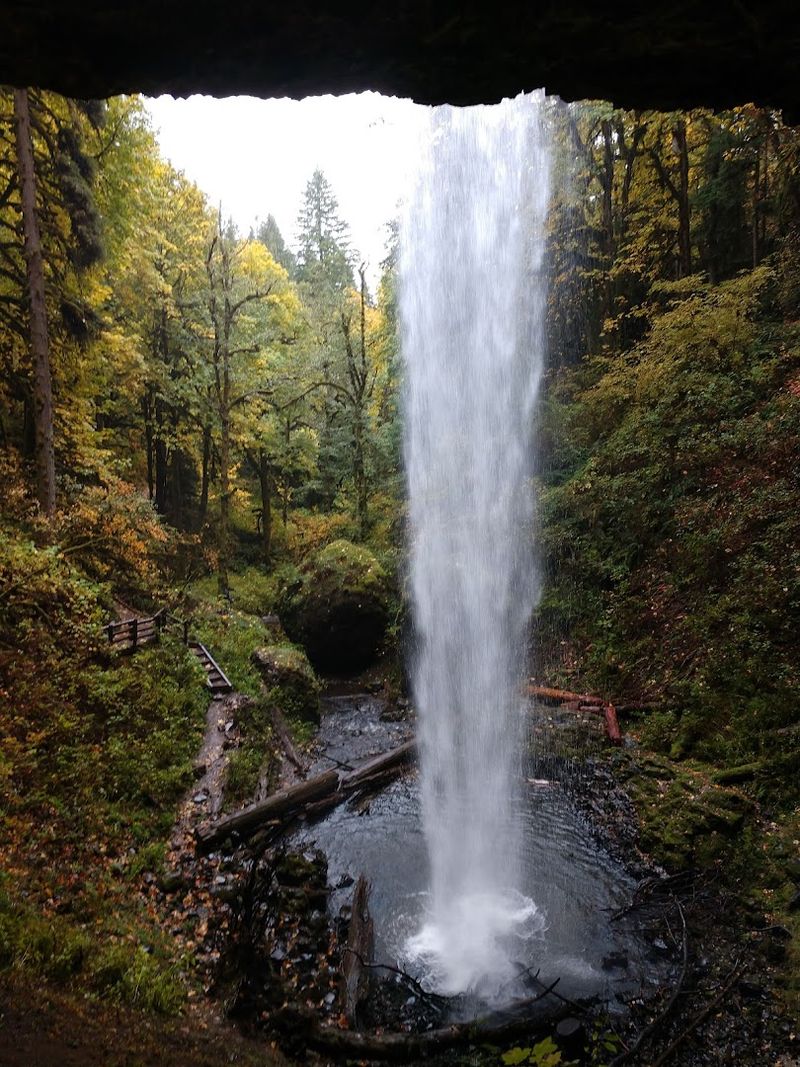
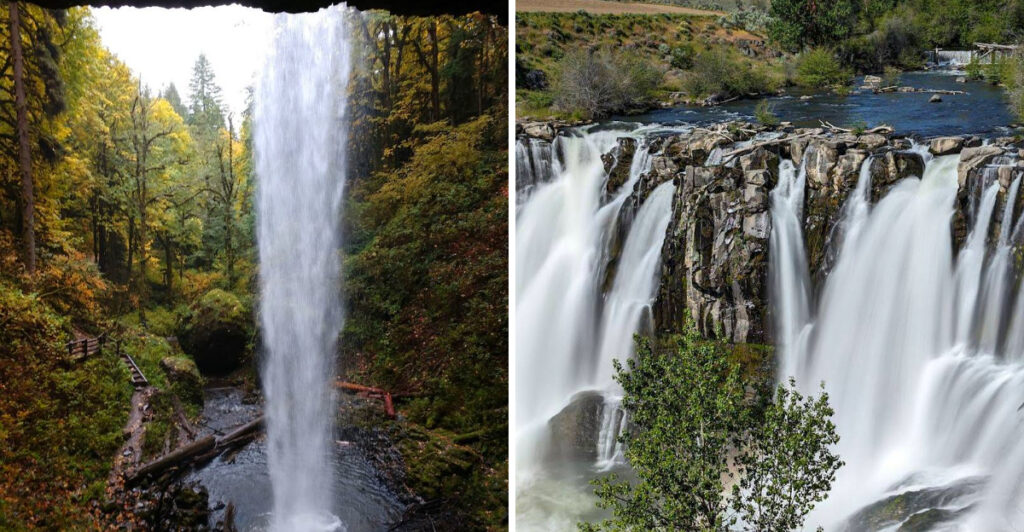
Shellburg Falls has a party trick, but it performs it without attracting a mob. Near Stayton in the Santiam Foothills, this waterfall lets you walk behind the curtain of water, which never stops feeling delightful.
The basalt overhang forms a cool, cave-like space where the falling water turns an ordinary hike into a memorable little adventure.
The trail is approachable enough that you do not need to train like a mountain goat, yet the setting still feels pleasantly hidden. Forest shade, damp rock, and the steady rush of water create a refreshing atmosphere, especially on a warm day.
Unlike some walk-behind waterfalls that get swarmed, Shellburg often keeps a quieter personality when timing and conditions are right.
Check access updates before visiting, since forest areas can change with closures, restoration, or seasonal conditions. Once you are there, take your time and watch your footing near wet stone, because slipping is not the kind of souvenir anyone needs.
Shellburg Falls is a rare mix of easygoing and exciting, giving you a playful behind-the-scenes view without demanding an epic expedition.
It is the kind of spot that makes you say, “Wait, this was hiding near here the whole time?”
Gorton Creek Falls – Columbia River Gorge
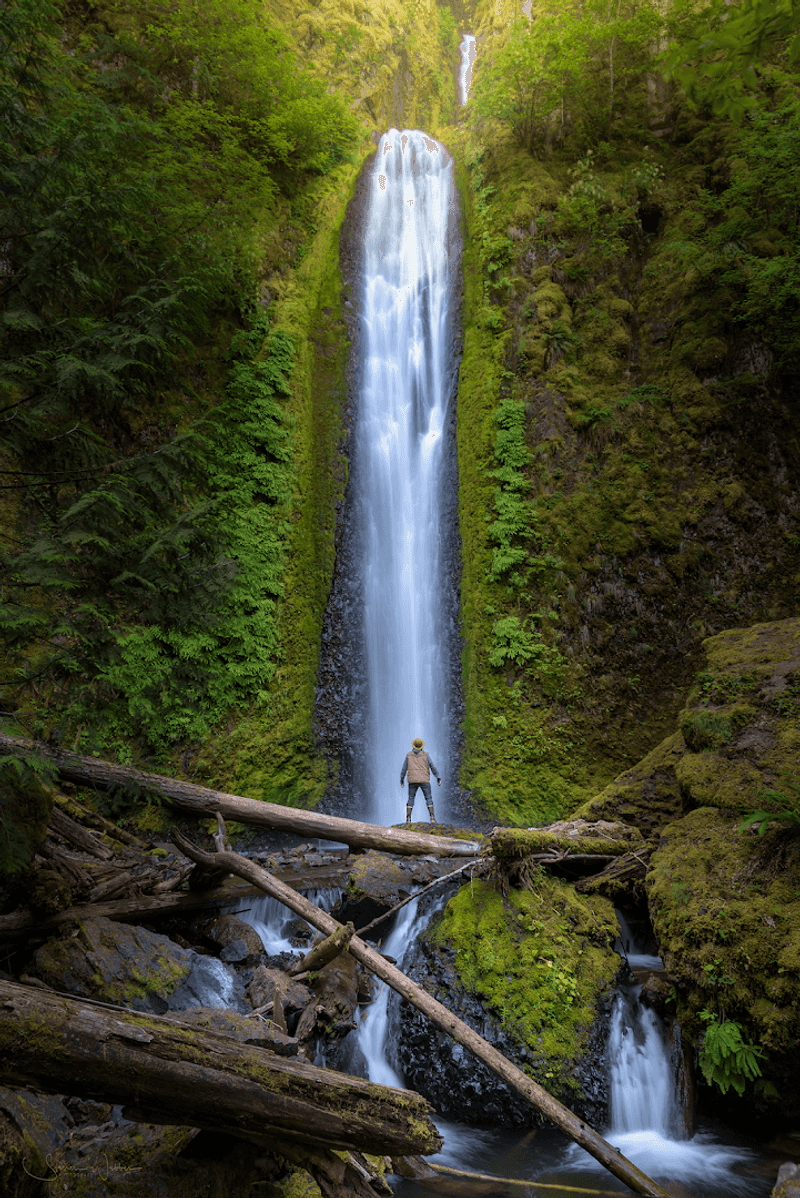
Gorton Creek Falls is not here to coddle your ankles. Near Cascade Locks in the Columbia River Gorge, this lesser-known waterfall comes with a rugged route that feels more adventurous than polished.
The trail can be steep, messy, and scramble-heavy, which is usually enough to send casual crowds toward easier viewpoints.
That extra effort makes the final scene feel earned. The waterfall pours through a narrow, forested gorge with a force that feels surprisingly dramatic for a place many travelers drive right past.
Mossy rocks, fallen logs, and thick greenery add to the sense that you have wandered into one of the Gorge’s less edited corners.
This is not the best pick for beginners, wet-weather wanderers, or anyone wearing shoes better suited to brunch. Go prepared, know your limits, and do not push beyond safe conditions just because the waterfall is being photogenic.
If you like hikes with a little grit, Gorton Creek Falls delivers the thrill of discovery without the tour-bus energy. It reminds you that even in one of Oregon’s most famous scenic regions, there are still pockets that feel raw, quiet, and wonderfully challenging.
Your calves may complain, but your adventure-loving side will probably overrule them.
Kentucky Falls – Coast Range
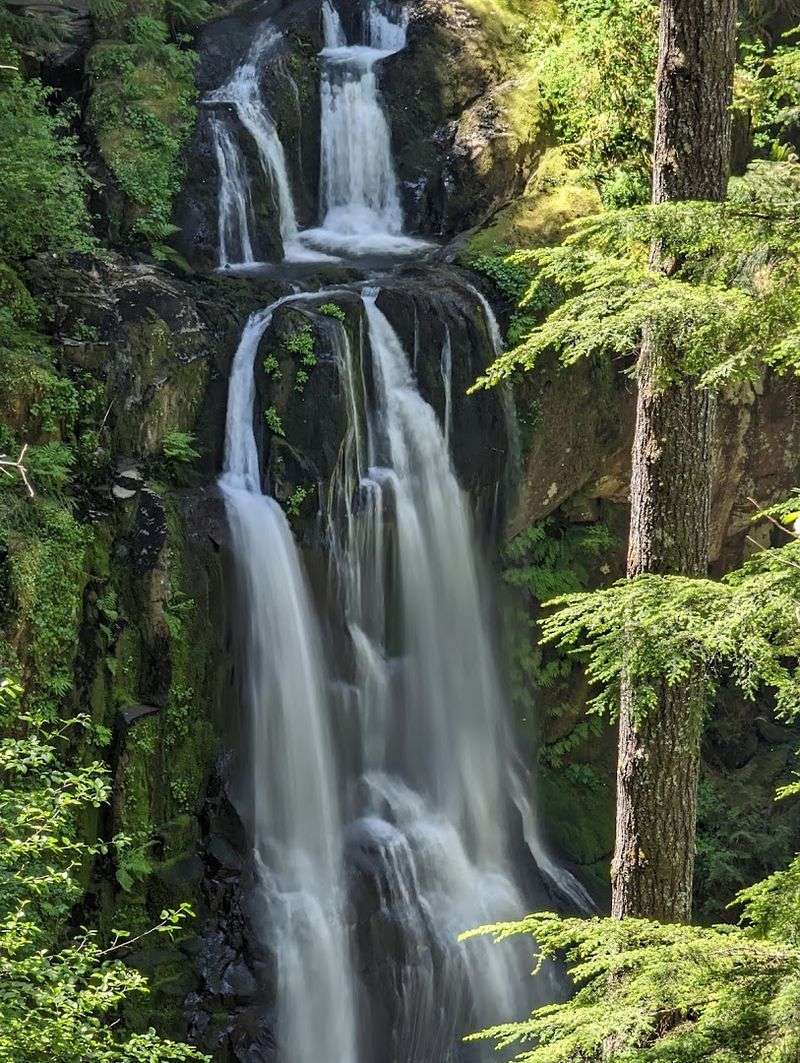
Kentucky Falls feels less like one destination and more like a secret waterfall district. Tucked deep in the Coast Range near Mapleton, this area offers multiple cascades reached by a forest hike long enough to filter out the impatient.
If you like your waterfalls served in generous portions, this trail understands the assignment.
The path winds through lush woods where ferns, moss, and towering trees build a rich green tunnel around you. As the sound of water grows, the forest starts revealing falls in stages, creating the fun sense that another surprise might be waiting around the next bend.
Instead of a quick photo stop, Kentucky Falls becomes a full experience, with layers of moving water and quiet scenery that reward lingering.
The distance helps keep the mood peaceful, but you should still come prepared with water, snacks, and shoes that can handle damp trail conditions. This is a place to enjoy slowly, not sprint through like you are late for a meeting with a tree.
Kentucky Falls is ideal when you want a longer outing that feels remote without being joyless. By the time you head back, you may feel as if you found a hidden world, complete with its own soundtrack of rushing water.
Steelhead Falls – Deschutes River
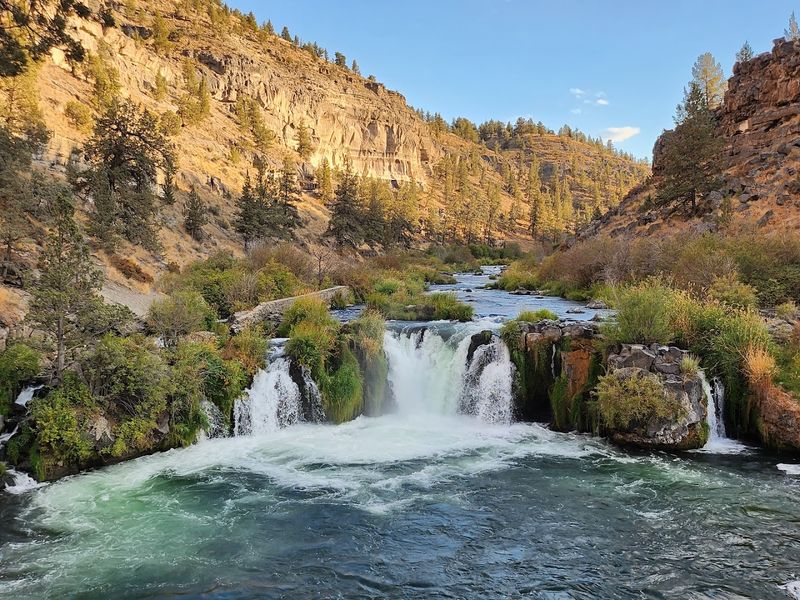
Steelhead Falls swaps Oregon’s mossy mood for canyon drama, and the change is refreshing. Near Terrebonne, this waterfall drops along the Deschutes River through dry cliffs, open sky, and rugged Central Oregon terrain.
It feels almost surprising, as if someone tucked a waterfall into a landscape better known for sun, stone, and wide views.
The hike is relatively short, but finding the right access and navigating the area still gives it a hidden-gem feeling. Instead of dense forest, you get warm rock, desert plants, and the striking contrast of white water against darker canyon walls.
The scene is bold without being crowded, especially if you visit outside peak warm-weather hours.
Summer can bring swimmers and cliff-jumpers, though safety should always win over showing off. Water levels, currents, and rocks deserve respect, so enjoy the view before making any bold decisions your future self might question.
Steelhead Falls stands out because it shows another side of Oregon’s waterfall personality. It is sunlit, open, and rugged, with a sense of space that feels completely different from the western forests.
If you thought hidden Oregon waterfalls always came wrapped in moss, this one is ready to correct you with a splash.
Pheasant Creek Falls – Umpqua Region
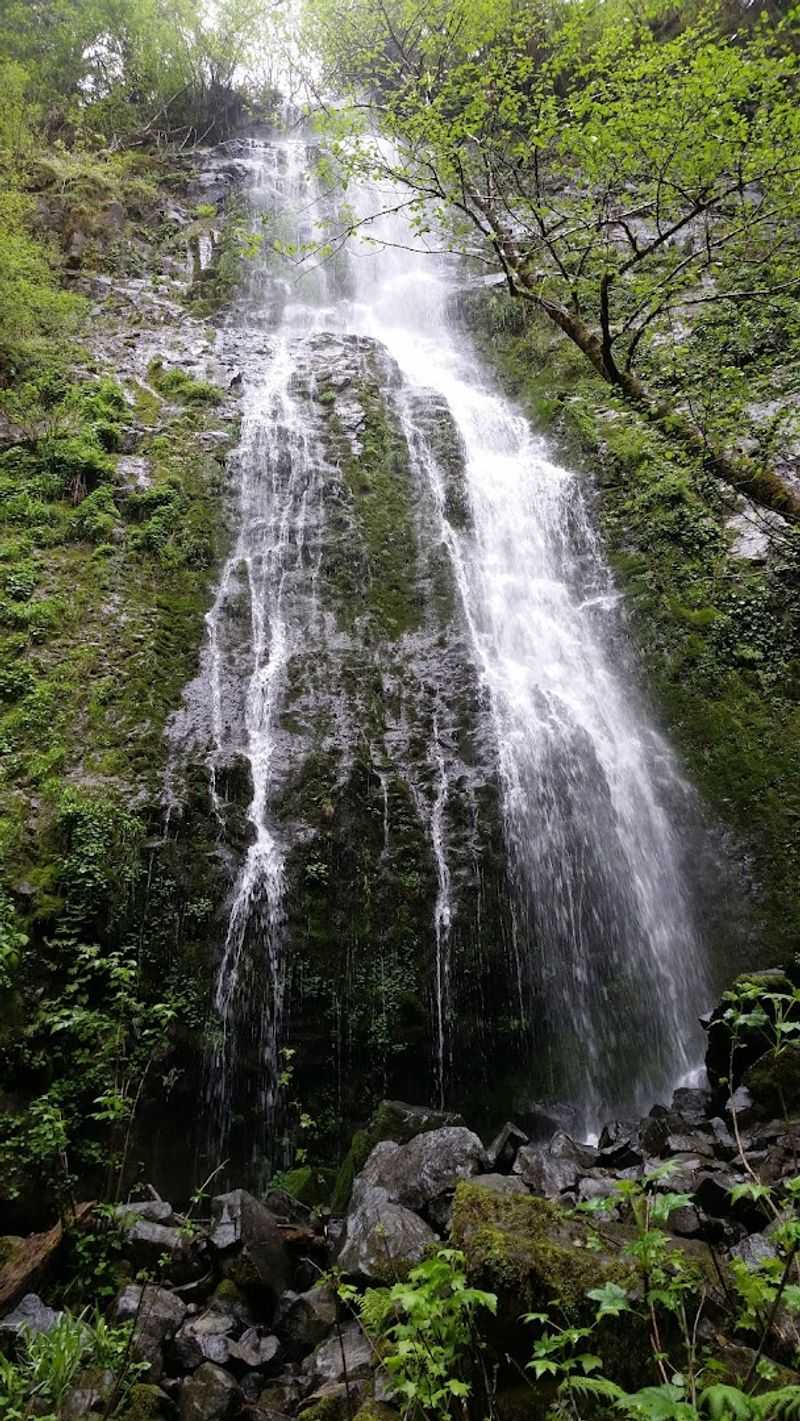
Pheasant Creek Falls is small enough to be humble and pretty enough to be smug about it. Hidden in the Umpqua region of southern Oregon, this forest waterfall offers a gentler experience than the state’s big, booming showpieces.
It is the sort of place you visit when you want the volume turned down.
The water moves over rocks with a calming rhythm, creating a quiet soundscape that fits the dense woodland setting. The trail is rarely busy, so the experience can feel personal, almost like the forest saved you a seat.
There is no need for grand drama here, because the charm sits in the details: wet stone, green shade, and the soft movement of water.
Because this is a lesser-known stop, check current route information before heading out and avoid assuming signs will do all the thinking for you. Bring the basics, step carefully, and give yourself permission to linger without chasing the next viewpoint.
Pheasant Creek Falls is not trying to dominate your itinerary. It is a pause, a breath, and a reminder that quiet places can leave a strong impression.
If your week has been loud, this hidden waterfall knows exactly how to help you slow down.
Lower Soda Creek Falls – Cascades
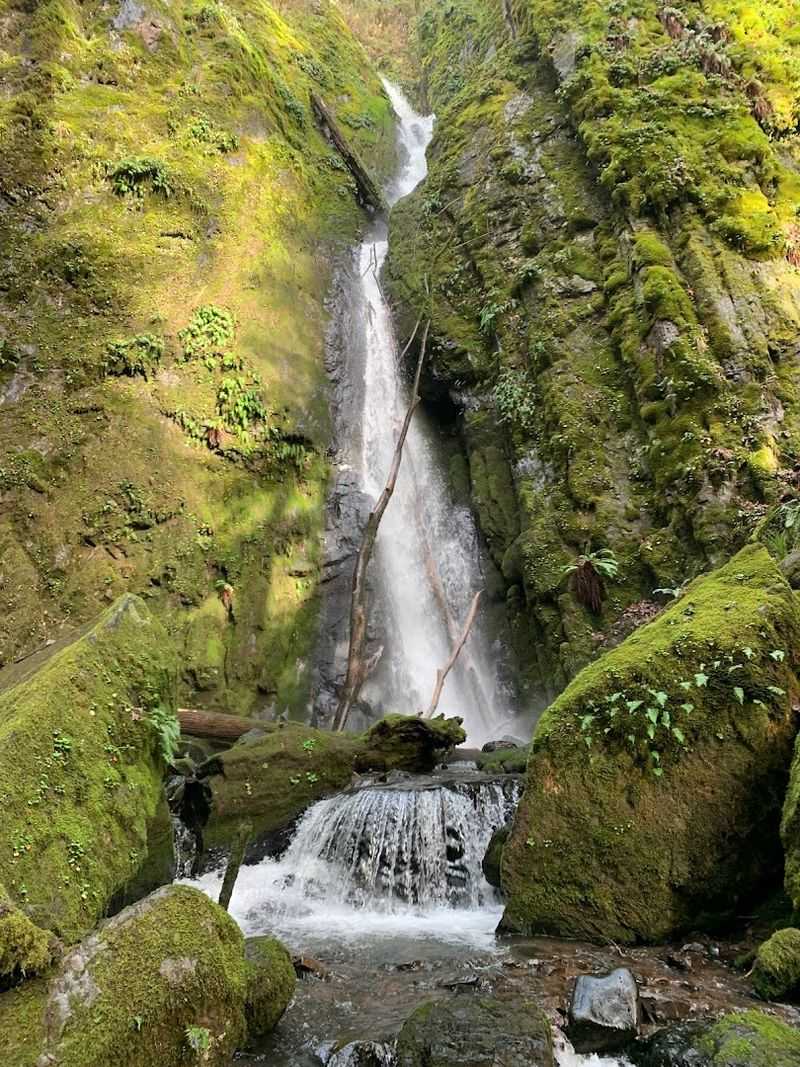
Lower Soda Creek Falls proves a waterfall does not need a huge drop to steal your attention. Near the McKenzie River area, this lesser-known cascade slips through a narrow, mossy channel with a quiet confidence.
It is scenic, tucked away, and just hidden enough to make you feel clever for finding it.
The surrounding Cascades forest gives the falls a soft green frame, with moss and moisture doing what they do best in western Oregon. Water moves through the rocks in a more intimate way than at the famous giants, making the setting feel calm rather than overwhelming.
It is a good choice when you want a hike that feels peaceful, not performative.
Trail details can change, so look up current access before you go and do not rely on vague memory or heroic optimism. Wear shoes that handle wet ground, and remember that small cascades can still have slippery edges.
Lower Soda Creek Falls works beautifully as a quiet outing or as part of a larger McKenzie-area wander. It gives you the pleasure of discovery without demanding a full expedition, and it rewards attention to subtle beauty.
Sometimes the hidden places are not loud at all, which is exactly why they feel so satisfying.
Munson Creek Falls – Tillamook Area
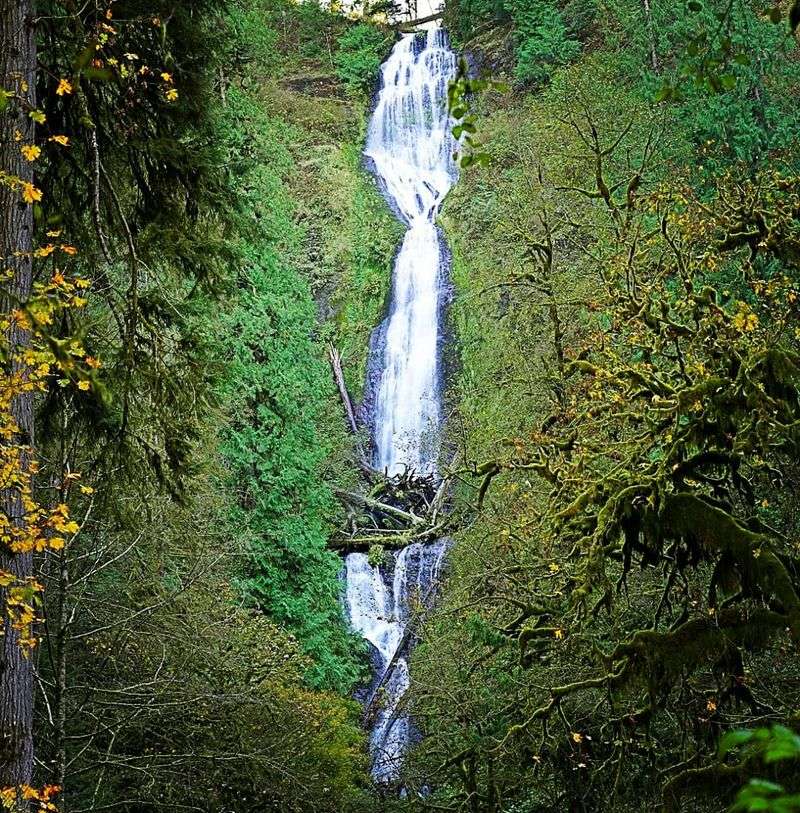
Munson Creek Falls is tall enough to brag, yet somehow it stays surprisingly modest. Near Tillamook in the Coast Range, this impressive waterfall drops through a forested canyon with far less fuss than you might expect from one of Oregon’s tallest falls.
The short trail makes access easy, but the setting still feels tucked away and peaceful.
The water descends in a long, dramatic ribbon, framed by trees that make the canyon feel enclosed and cool. It has that classic Oregon coast-range mood: damp air, rich greenery, and the steady sound of falling water doing all the talking.
Because it is not sitting on the most obvious tourist loop, Munson Creek often feels calmer than its height should allow.
Conditions near the trail and viewing area can change due to erosion or closures, so check updates before visiting. Even if access is limited, the place remains worth knowing about because the scale is genuinely impressive.
Munson Creek Falls is ideal for travelers who want a big waterfall experience without a big production. It is easy to pair with a Tillamook Coast trip, especially if cheese, beaches, and misty trees are already on your agenda.
Few stops offer this much drama with so little effort, which feels almost suspiciously generous.
White River Falls – Wasco County
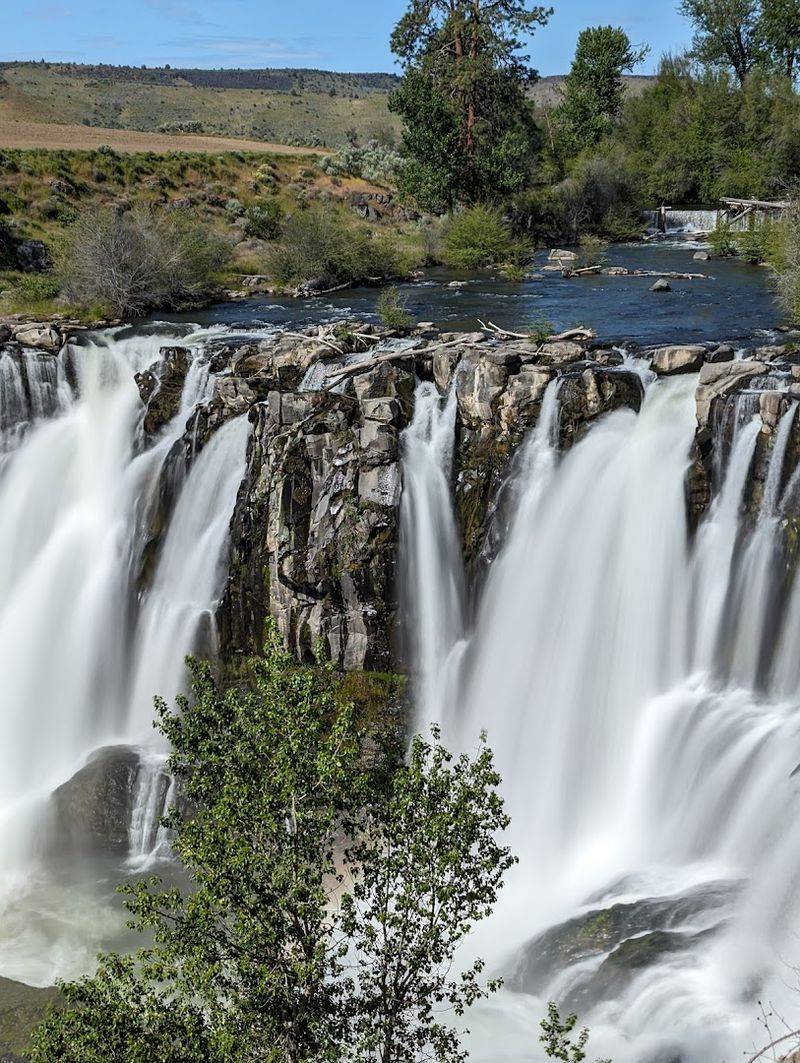
White River Falls looks like Oregon changed costumes and forgot to warn you. In Wasco County, this waterfall cuts through rugged canyon terrain in a drier, more open part of the state.
The result is striking: bright water, rough rock, wide sky, and a landscape that feels far removed from the fern-covered west.
The falls are powerful and dramatic, with viewpoints that let you take in the canyon setting without needing a long forest hike. Historic structures nearby add an extra layer of interest, giving the area a slightly haunting, offbeat character.
It is beautiful, but not in the soft woodland way many Oregon waterfall hunters expect.
Because the environment is more exposed, bring sun protection, water, and a healthy respect for heat during warmer months. Stay on safe paths and keep away from dangerous edges, since dramatic views are best enjoyed without becoming part of the rescue statistics.
White River Falls is less visited than many western Oregon favorites, which helps it feel like a standout discovery. It is bold, open, and unforgettable, with a personality all its own.
If you want proof that Oregon’s hidden waterfalls are not limited to mossy forests, this eastern gem makes the case beautifully.
Share this story