New Hampshire is home to towns where history remains part of everyday life. From colonial settlements and former mill villages to artist communities and historic town centers, these destinations have preserved their character while continuing to thrive.
With well-preserved architecture, historic landmarks, and charming main streets, these 13 towns offer a glimpse into the Granite State’s rich past. Whether you’re a history enthusiast or planning a scenic road trip, each is well worth a visit.
1. Portsmouth, New Hampshire
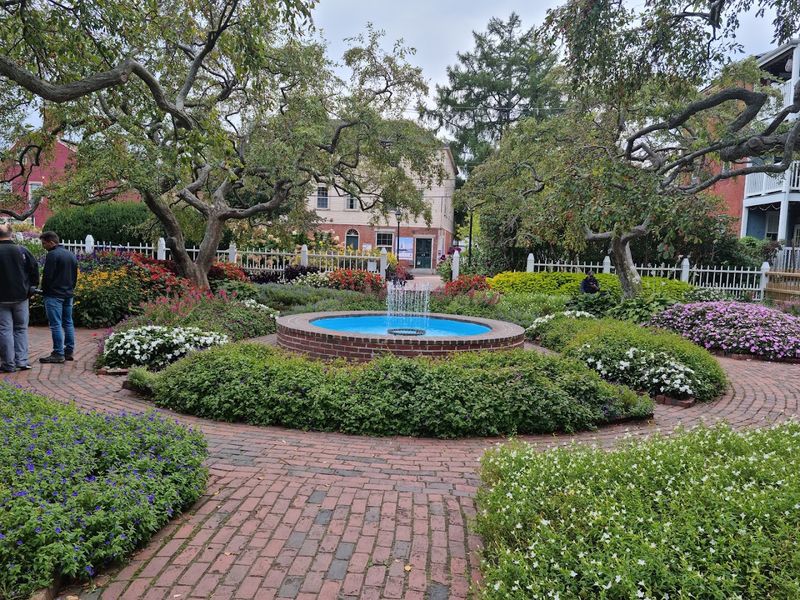
Few American cities can claim a history stretching back to 1623, but Portsmouth does exactly that, originally founded as “Strawbery Banke” along the Piscataqua River. After devastating fires in the early 1800s, the city rebuilt with distinctive brick Federalist architecture, and those same buildings still define the skyline today.
The Strawbery Banke Museum anchors the historic core with over 37 restored structures, some still sitting on their original foundations. Exhibits cover daily life from 1695 to 1955, and the heirloom gardens alone are worth the visit.
Market Square has served as the city’s commercial heart since the mid-1700s. National Historic Landmarks like the John Paul Jones House (1758) and Moffatt-Ladd House (1763) are scattered throughout. The Treaty of Portsmouth, which ended the Russo-Japanese War and earned Theodore Roosevelt a Nobel Peace Prize, was signed here in 1905 at the Naval Shipyard.
2. Exeter, New Hampshire
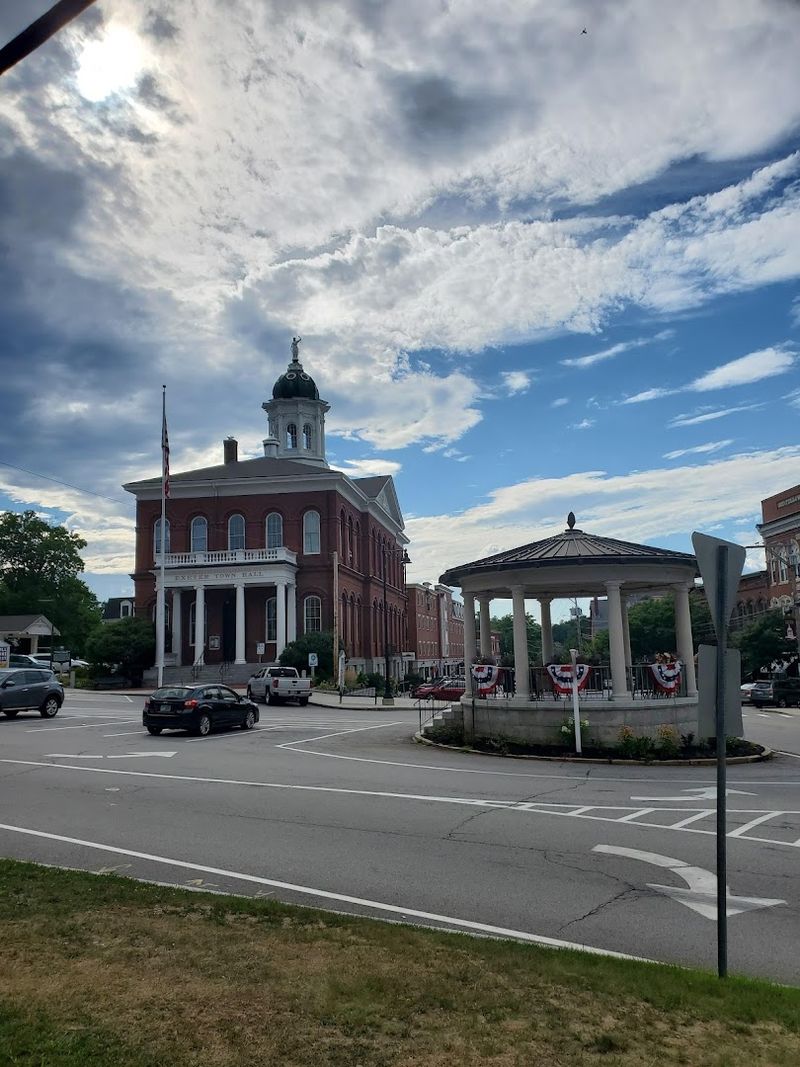
On January 9, 1776, Exeter did something no other town in the original thirteen colonies had done yet: it adopted the first state constitution in American history. That single fact puts Exeter in a category all its own, and the town has spent the centuries since making sure nobody forgets it.
The American Independence Museum houses over 3,000 artifacts, including an original Dunlap Broadside of the Declaration of Independence and two working drafts of the U.S. Constitution. The Ladd-Gilman House, built in 1721, is a National Historic Landmark and was home to Nicholas Gilman Jr., a signer of the Constitution.
Phillips Exeter Academy, founded in 1781, adds an academic gravitas to the town’s identity. The Front Street Historic District, listed on the National Register in 1973, preserves Federal and Greek Revival buildings that look remarkably unchanged. Daniel Chester French, sculptor of the Lincoln Memorial figure, was born here.
3. Hancock, New Hampshire
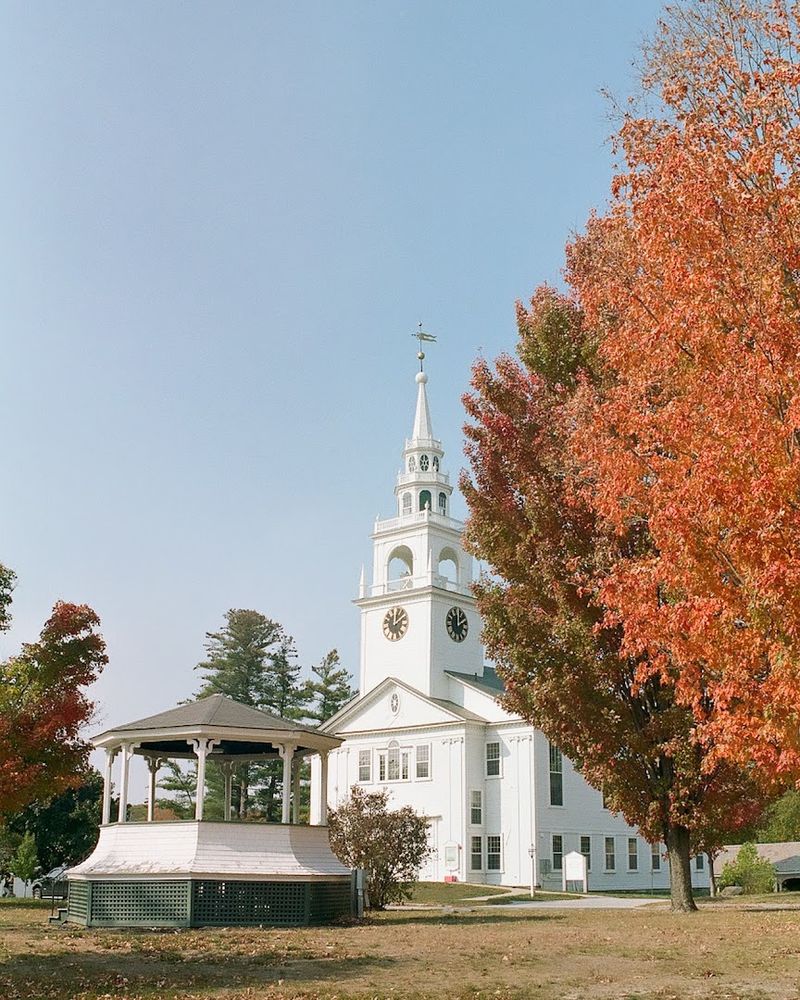
Named for John Hancock, signer of the Declaration of Independence, this small village operates as though a preservation committee from 1820 is still quietly running things. Nearly every building along Main Street retains its historical integrity, a feat made possible by the Hancock Historic District Commission, established in 1975.
The 1820 Meetinghouse is the town’s crown jewel, housing a bell cast by Paul Revere and Sons that still chimes on the hour. During renovations in the early 1900s, workers uncovered circa-1825 wall murals inside the Hancock Inn, possibly painted by folk artist Rufus Porter.
The Hancock Inn itself, established in 1789, is New Hampshire’s oldest continuously operated inn. The Hancock-Greenfield Covered Bridge, a Paddleford truss design crossing the Contoocook River, was built in 1937. In 1939, a local mill produced over one million Chinese Checker boards, which may be the most unexpected historical footnote in the entire state.
4. Canterbury, New Hampshire
Canterbury Shaker Village is not a reconstruction or a replica. It is the real thing, a community founded in 1792 that reached its peak with over 300 residents and roughly 100 buildings spread across 4,000 acres. Designated a National Historic Landmark in 1993, it remains one of the most intact Shaker sites anywhere in the world.
The Meeting House, built in 1792 by Moses Johnson, is among the least altered structures on the property. The Dwelling House, with its 56 rooms and Paul Revere bell in the cupola, is the largest building. The Syrup Shop, dating to around 1780, may be the oldest surviving structure on the grounds.
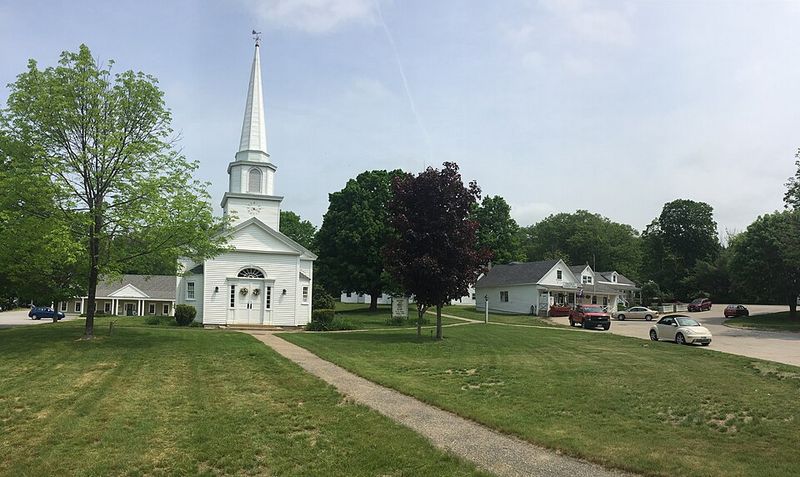
The village transitioned into a museum by 1980, offering tours, craft demonstrations, and hiking trails. Beyond the Shaker complex, Canterbury’s town center maintains a quiet, unhurried character with a church, library, and historical society clustered around a country store and common that look pulled from another century entirely.
5. Jackson, New Hampshire
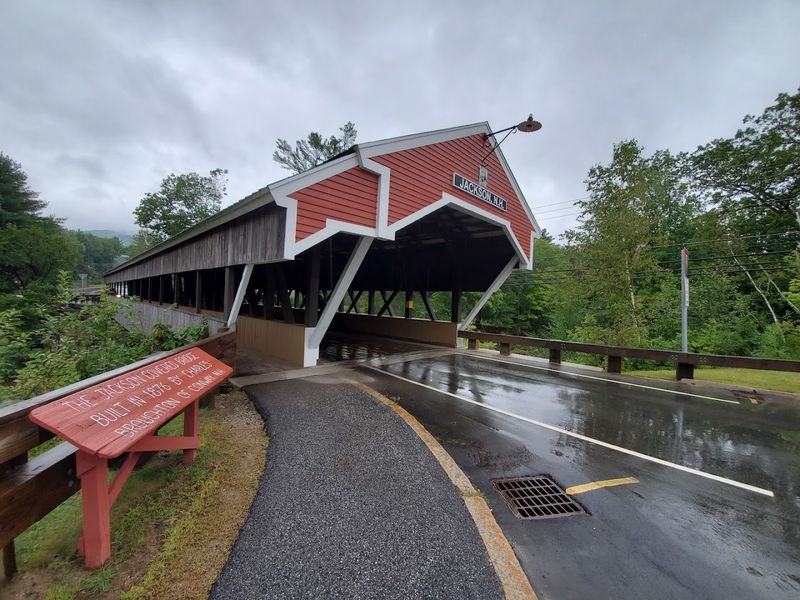
Jackson’s red covered bridge is so iconic that locals nicknamed it the “Honeymoon Bridge,” and newly married couples have been posing for photographs there since long before selfies were invented. Built in 1876 by Charles Austin Broughton and his son Frank, the Paddleford truss structure crosses the Ellis River and received a covered sidewalk addition in 1930.
The town’s resort era began in the mid-1800s when artists from the White Mountain School started arriving to paint the scenery, which drew tourists, which drew hotels. The Eagle Mountain House, built in 1879, is one of the few remaining Grand Hotels in the White Mountains and sits on the National Register of Historic Places.
The Jackson Falls Historic District, listed in 2003, preserves the village center’s buildings from the 1860s through the 1930s, including the 1897 Town Hall and a community church built between 1846 and 1847. In 2021, residents voted to rededicate the town’s name to honor geologist Charles Thomas Jackson.
6. Sandwich, New Hampshire
Yes, Sandwich is named after the 4th Earl of Sandwich, the nobleman credited with popularizing the culinary creation that feeds millions of people daily. The town was chartered in 1763, and by 1830, it had grown into a community of 2,700 residents complete with farms, mills, stores, churches, and a full roster of local tradespeople.
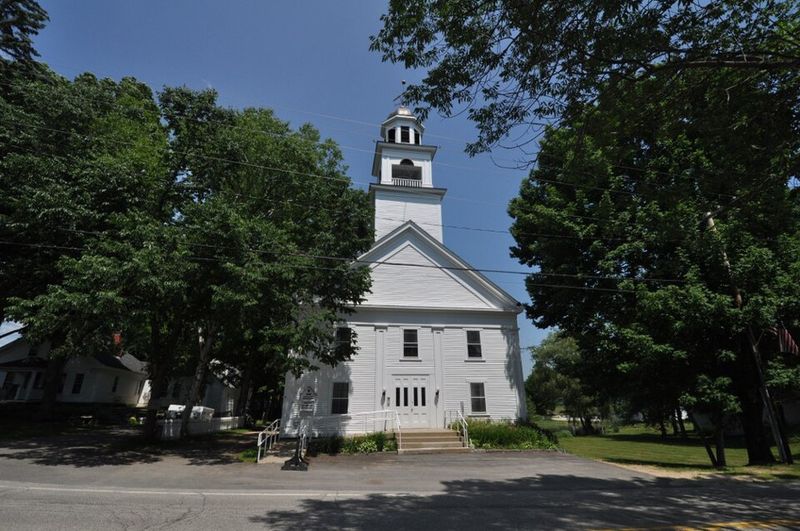
The Center Sandwich and Lower Corner areas are recognized National Register Historic Districts, celebrated for their well-preserved 19th-century wooden buildings in Federal and Greek Revival styles. The oldest surviving structure in Center Sandwich is the 1792 Baptist church, which began in Federal style before later Greek Revival elements were added.
Sandwich also carries a remarkable Quaker legacy. The East Sandwich Meetinghouse, built in 1810, hosts North America’s oldest continuous Quaker meeting, dating back to 1657. The Durgin Covered Bridge (1869) is a rare Paddleford truss survivor and reportedly served as a stop on the Underground Railroad. The annual Sandwich Fair, rooted in an 1880s market day, continues the town’s agricultural traditions.
7. Harrisville, New Hampshire
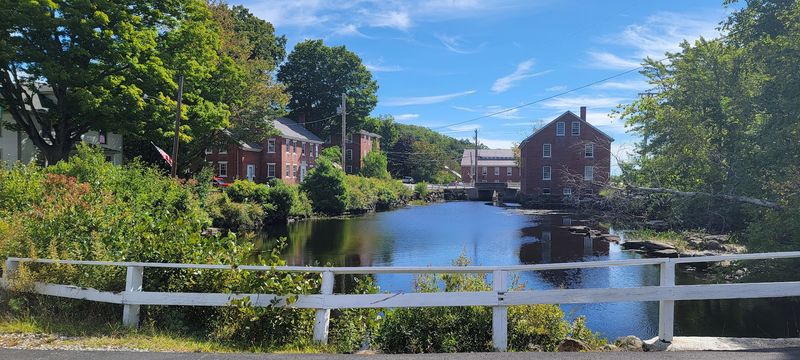
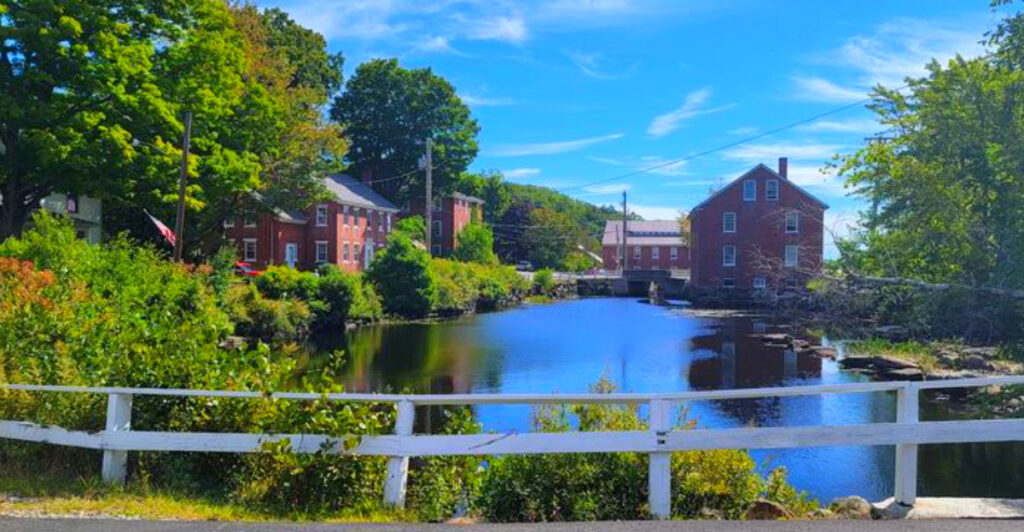
Harrisville holds a title that no other New England town can claim: it is the only early 19th-century industrial village to survive almost entirely in its original form. That achievement earned it a National Historic Landmark designation in 1977, and the 200-acre district still includes two working-era textile mills, boarding houses, workers’ cottages, dams, and mill ponds.
Water-powered woolen mills drove the local economy from 1820 to 1870. The Cheshire Mills, which operated from 1852 to 1970, appear virtually unchanged from their mid-19th-century appearance. When bankruptcy threatened those mills in 1970, preservationists formed Historic Harrisville, Inc. the following year to save them.
Today, the repurposed buildings house small businesses, artists’ studios, a daycare center, and the Harrisville General Store, which has operated since 1838. The village’s red brick buildings, reflected in Harrisville Pond, are among the most photographed industrial landscapes in New England. In 2023, Harrisville achieved Certified Local Government status, reinforcing its commitment to preservation.
8. Littleton, New Hampshire
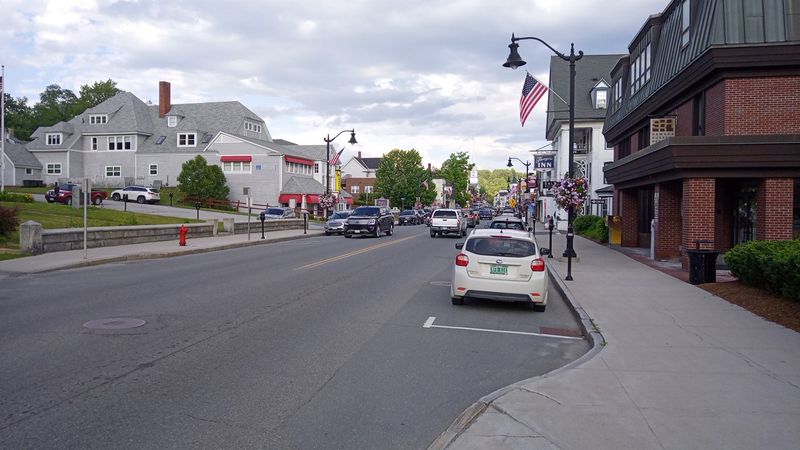
Littleton’s Main Street is a rare surviving stretch of Victorian commercial architecture, featuring cast-iron storefronts, pressed-tin ceilings, and expansive display windows that date to the town’s railroad boom of the 1850s. Multiple buildings along the strip are listed on the National Register of Historic Places, including Thayer’s Inn (1849-50) and the Littleton Opera House (1894).
Thayer’s Inn holds the title of oldest continuously operated hotel in the White Mountains of New Hampshire. The Opera House, a grand Queen Anne structure with a 750-seat auditorium, continues to host major events today. The town won the Great American Main Street Award in 2003, a national recognition of its preservation efforts.
Littleton also celebrates its connection to Eleanor H. Porter (1868-1920), author of Pollyanna, with a bronze statue unveiled in 2002 on the library lawn. The Kilburn Brothers ran a pioneering stereoscopic photography business here from 1867 to 1909, and the Littleton Coin Company, founded in 1945, remains one of the largest coin dealers in the country.
9. Peterborough, New Hampshire
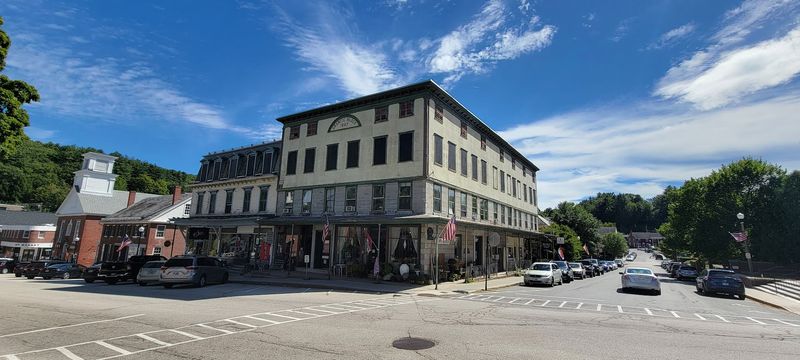
On April 9, 1833, Peterborough did something that had never been done anywhere in the world before: it opened the first tax-supported public library in history. Reverend Abiel Abbot championed the idea, and New Hampshire followed up in 1849 by passing legislation allowing other towns to do the same. That single civic act changed how communities think about public knowledge.
The town also gave Thornton Wilder the setting for his Pulitzer Prize-winning play “Our Town.” Wilder wrote it during a 1937 stay at MacDowell, America’s largest artist colony, established here in 1907. The fictional “Grover’s Corners” is widely believed to be inspired by Peterborough’s Grove Street.
Downtown retains its early 1800s character, with the Brick Block (1830-31), the Colonial Revival Town House (1918), and several National Register properties still in active use. In the 1850s, many Peterborough homes served as Underground Railroad stops, and abolitionist Frederick Douglass spoke at local churches. The Old Street Road Cemetery holds graves of Revolutionary War veterans.
10. Cornish, New Hampshire
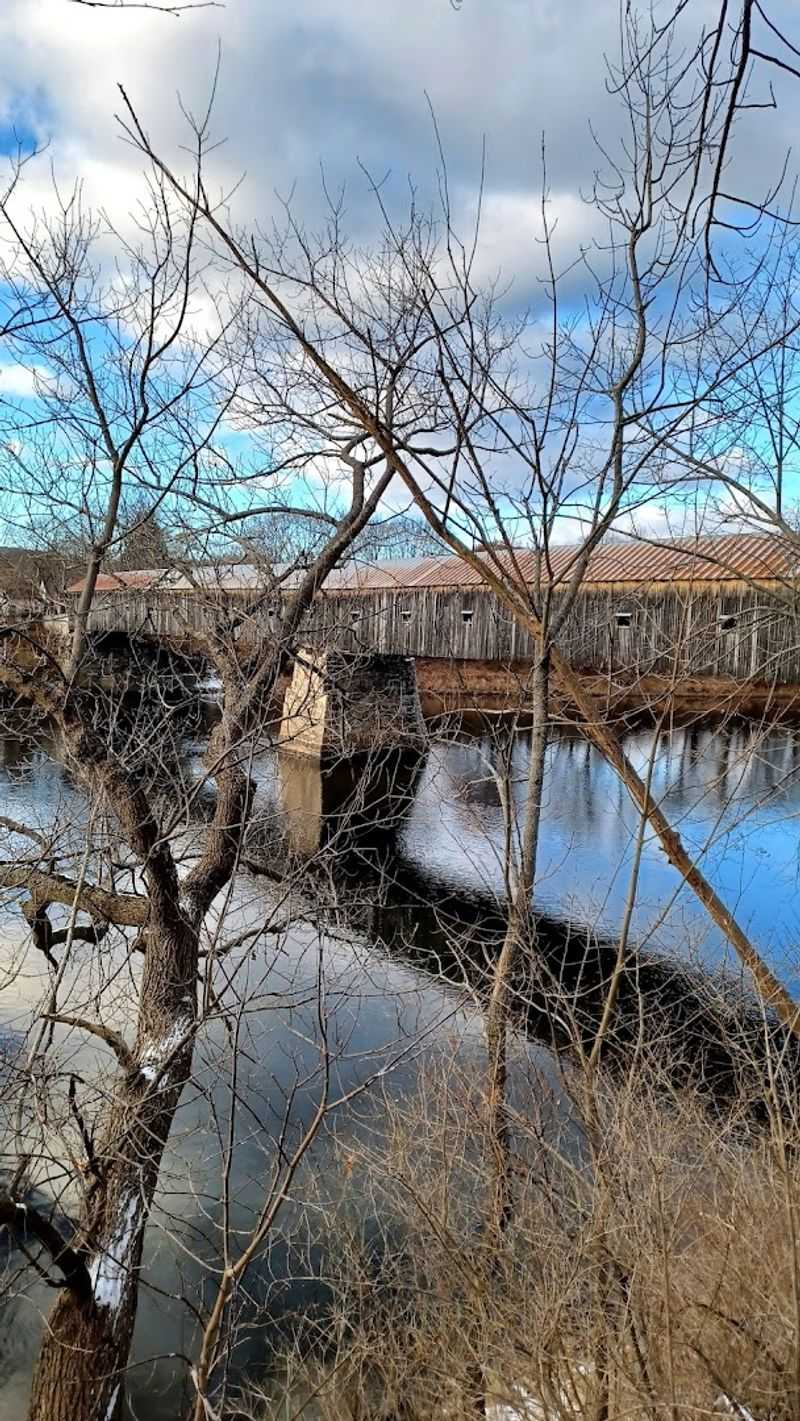
The Cornish-Windsor Covered Bridge is the longest wooden covered bridge in the United States and the longest two-span covered bridge on the planet. Built in 1866 across the Connecticut River, it uses a Town lattice truss system held together with wooden pegs, and locals have affectionately called it a “kissing bridge” for generations.
Cornish is also home to three additional covered bridges, giving it more covered bridges than any other town in New Hampshire. Beyond the engineering achievements, the town attracted one of the most celebrated art colonies in American history, centered around sculptor Augustus Saint-Gaudens, who set up his summer studio here in 1885.
Saint-Gaudens National Historical Park, New Hampshire’s only National Park site, preserves his home, gardens, and studios. President Woodrow Wilson used a Cornish estate as his Summer White House from 1913 to 1915. The reclusive author J.D. Salinger also lived here from the 1950s onward.
Trinity Church, built between 1803 and 1808, is listed on the National Register of Historic Places.
11. New Castle, New Hampshire
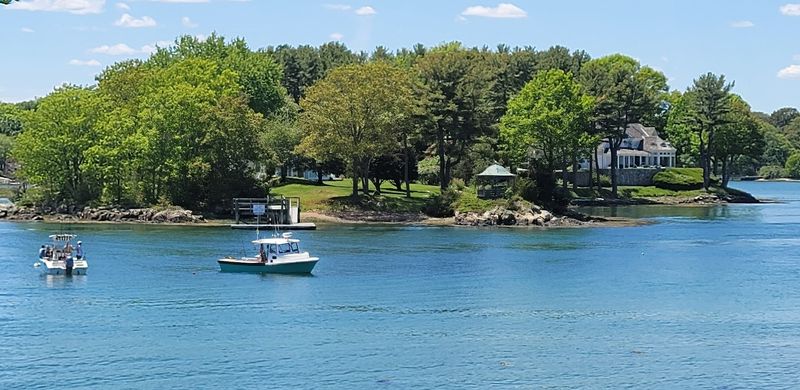
New Castle is New Hampshire’s smallest town by land area, sitting entirely on islands at the mouth of the Piscataqua River. The main island was settled in 1623, making it one of the four oldest towns in the state. What it lacks in size, it more than compensates for in historical weight.
Fort Constitution, originally built in 1623 as Fort William and Mary, may be the oldest continuously occupied military site in the United States. In December 1774, colonists alerted by Paul Revere raided the fort in one of the first overt acts of the American Revolution, seizing gunpowder later believed to have been used at the Battle of Bunker Hill.
The Wentworth by the Sea Hotel, built in 1874, housed Russian and Japanese delegations during the 1905 Treaty of Portsmouth negotiations. After closing in 1982 and nearly facing demolition, it reopened in 2003 and is now a member of Historic Hotels of America. Homes dating to the 1600s remain standing throughout the town today.
12. Walpole, New Hampshire
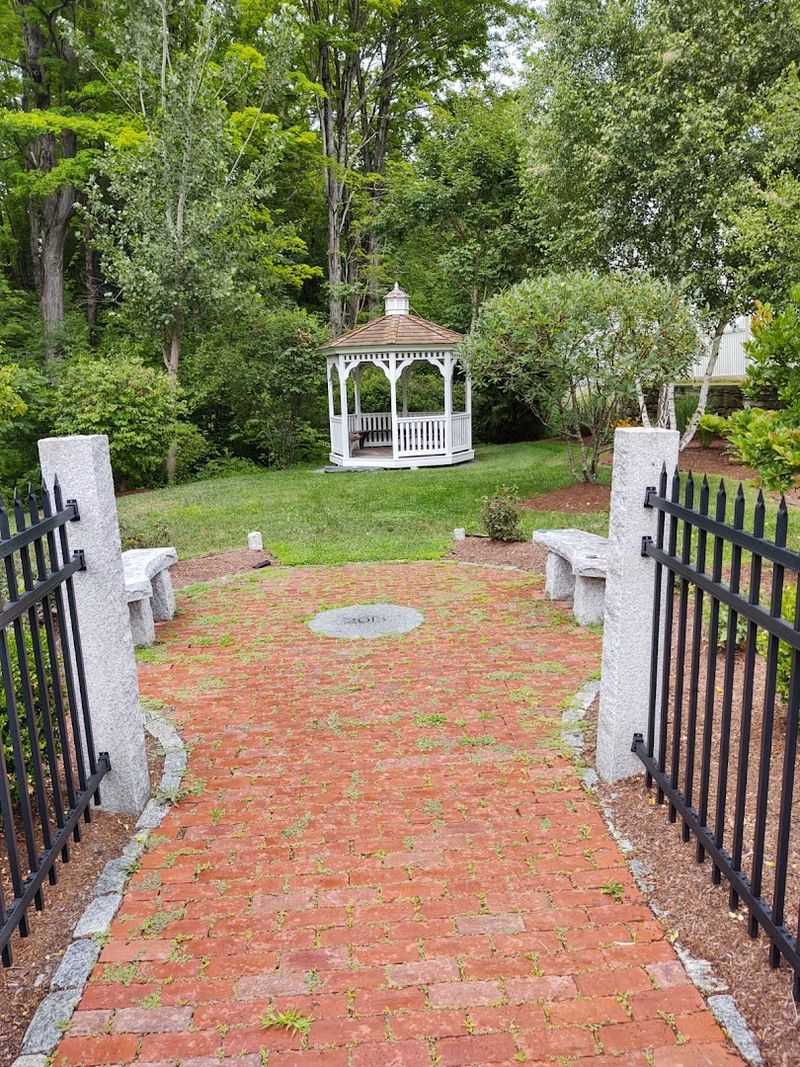
Originally called “Number 3” when granted in 1736 as part of a series of Connecticut River fort towns, Walpole eventually traded that utilitarian label for the name of Sir Robert Walpole, Britain’s first Prime Minister, when it was incorporated in 1761. The town has been quietly refined ever since.
The oldest surviving structure, the “Historic House” (1761) on North Main Street, features a convex gambrel roofline so unusual for New England that architectural historians still point to it. The building narrowly escaped demolition in 1930 when local citizens stepped in and repurposed it as the first home of the Walpole Historical Society.
The Walpole Academy, built in 1831 with four Doric columns and a domed cupola, served as a private school before becoming the town’s public school in 1853. Since 1950, it has housed the Walpole Heritage Museum. Louisa May Alcott lived in Walpole during the mid-1850s, and that stay directly inspired her 1878 book “Under the Lilacs.”
13. Wolfeboro, New Hampshire
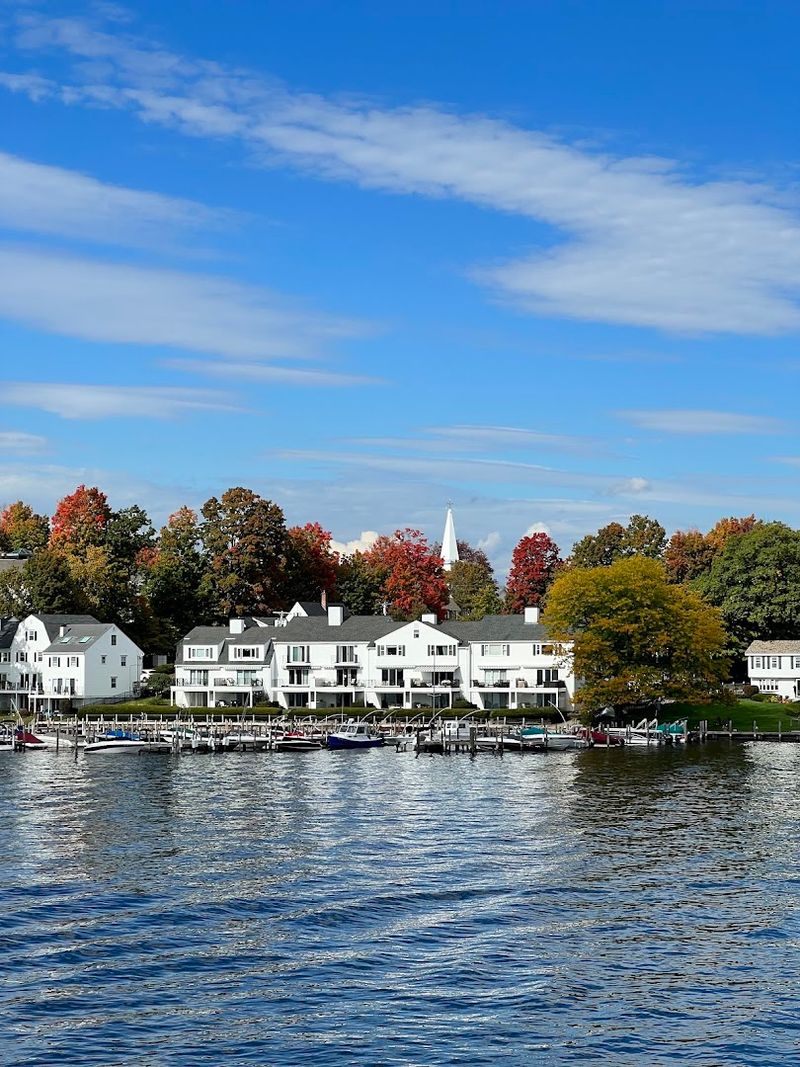
Wolfeboro carries the self-proclaimed title of “The Oldest Summer Resort in America,” and unlike most boastful marketing claims, this one is backed by solid evidence. Royal Governor John Wentworth established his summer estate on the shores of Lake Wentworth in 1768-1769, making it the first summer country estate in northern New England.
The town sits on the eastern shore of Lake Winnipesaukee, New Hampshire’s largest lake. When the railroad arrived in 1872, tourism accelerated rapidly, producing a wave of hotels and summer cottages that shaped the town’s current character. The Wolfeboro Inn (1890) and the earlier Pavilion Hotel (1850) were among the grand establishments that defined this era.
Downtown Wolfeboro features a walkable Main Street lined with historic brick buildings, and the Pickering House (1813), a Federal-era tavern listed on the National Register, now operates as a boutique hotel. The Clark Museum Complex preserves four historic structures, including the Clark House (1778) and an 1805 one-room schoolhouse. Notable visitors over the years have included Prince Rainier, Princess Grace of Monaco, and author Kurt Vonnegut.
Share this story