 Unearth The Voyage
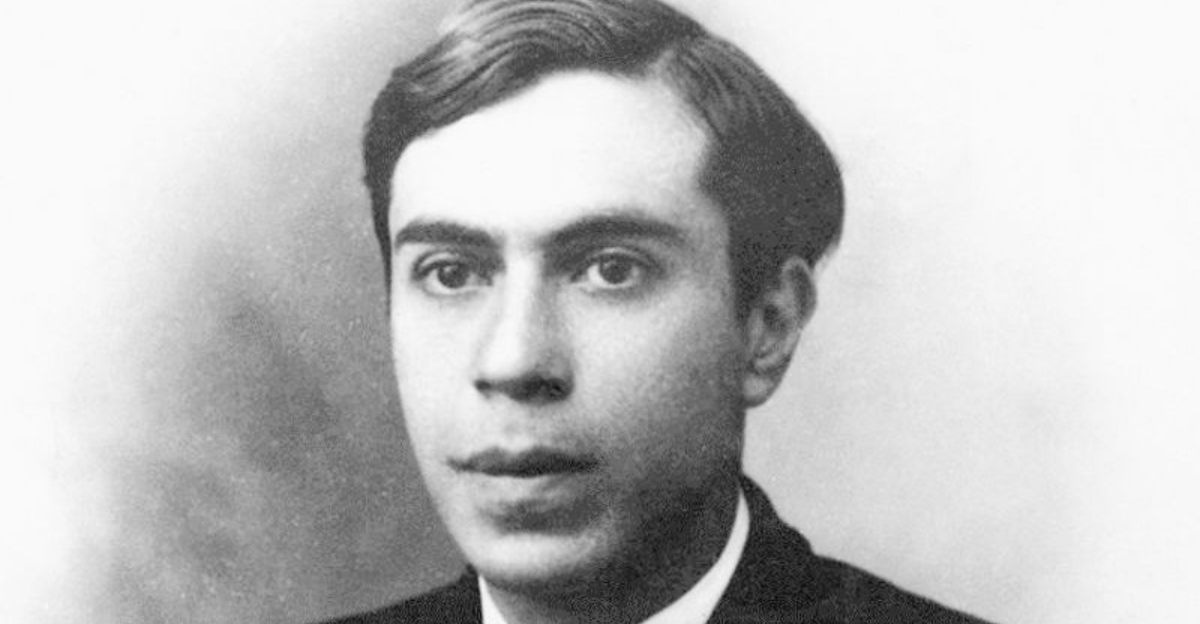
Throughout history, some of the most fascinating and puzzling mysteries involve people who simply disappeared, leaving behind unanswered questions that have haunted investigators for decades. From famous aviators to powerful politicians, these individuals vanished under circumstances that have never been fully explained.
Their stories remind us that even in a world full of records and witnesses, people can still slip away into the unknown. Here are 13 historical figures whose disappearances remain unsolved to this day.
1. Ambrose Bierce
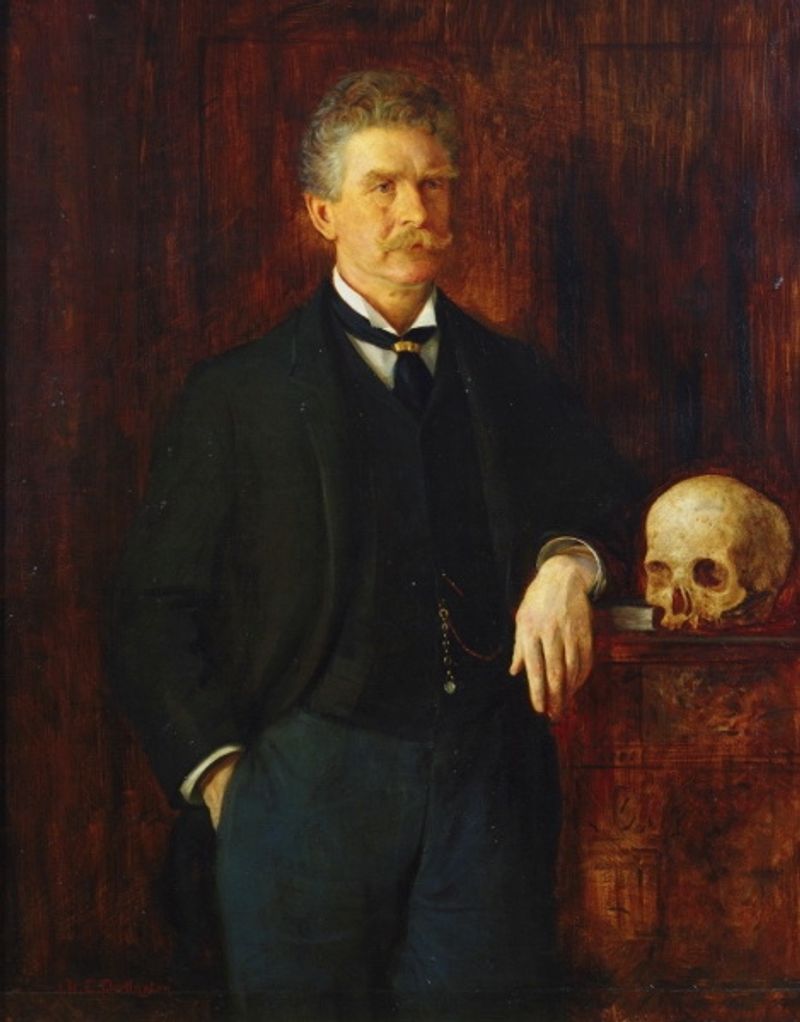
Few writers have disappeared as mysteriously as Ambrose Bierce, the sharp-tongued American author known for his dark wit and biting social commentary. In 1913, at the age of 71, Bierce traveled to war-torn Mexico to observe Pancho Villa’s revolutionary forces.
He sent a few letters back to friends and then went completely silent.
No body was ever found, and no credible witness came forward to explain what happened to him. Some believe he was killed in the crossfire of the Mexican Revolution.
Others have suggested he staged his own disappearance, tired of life and wanting to go out on his own terms.
Bierce had hinted at such intentions in his final letters, writing with a calm acceptance of death. His fate remains one of American literature’s greatest unsolved mysteries, and his disappearance has inspired countless books and theories over the years.
2. Amelia Earhart

Amelia Earhart was the most famous female pilot in the world when she vanished over the Pacific Ocean on July 2, 1937. She and her navigator Fred Noonan were attempting to fly around the globe when radio contact was lost near Howland Island.
Despite one of the largest search efforts in U.S. naval history, no wreckage and no remains were ever conclusively found.
Theories about her fate have ranged from crash-landing on a remote island to being captured by Japanese forces. Some researchers believe bone fragments discovered on Nikumaroro Island may belong to Earhart, though this has never been definitively confirmed.
Her disappearance sparked enormous public grief, and the mystery has never faded. Earhart had already broken numerous aviation records before her final flight.
She remains a symbol of courage and ambition, and her story continues to inspire explorers and researchers around the world today.
3. Jimmy Hoffa
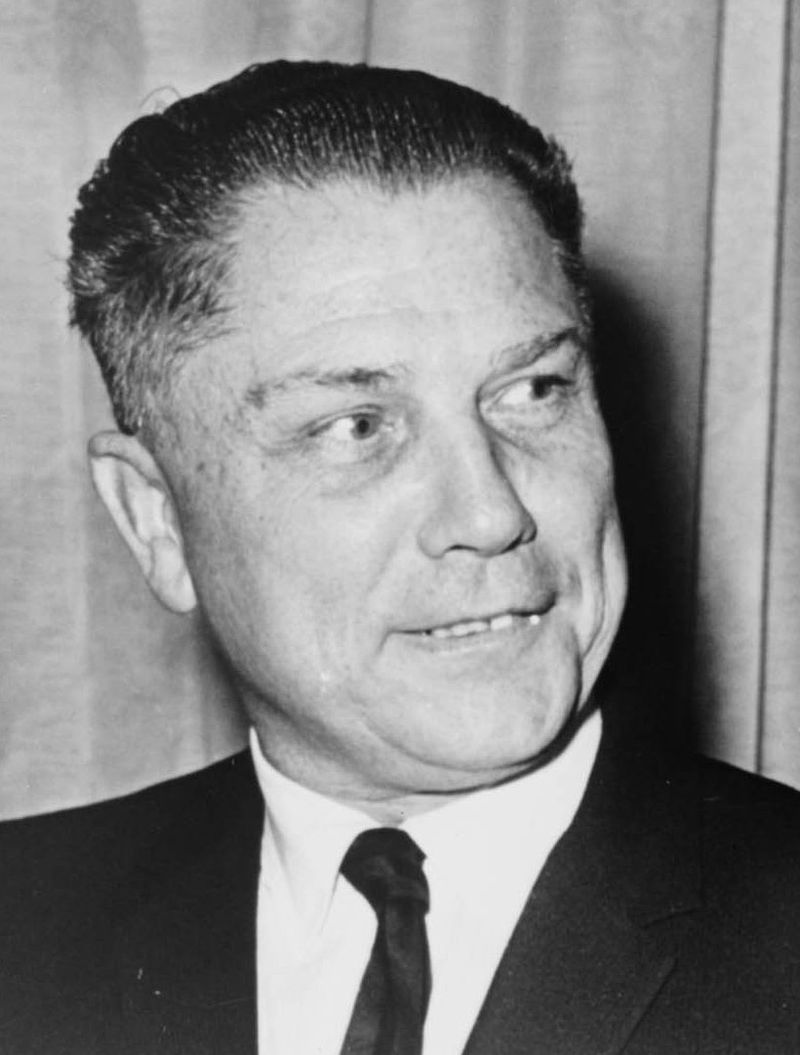
Jimmy Hoffa ran the Teamsters union with an iron fist and was one of the most powerful labor leaders in American history. His connections to organized crime made him a constant target for federal investigators, and he served prison time before being pardoned in 1971.
Then, on July 30, 1975, he drove to a restaurant in Michigan for a meeting and was never seen again.
The FBI has long believed he was murdered by the mob, but no body has ever been found. Over the decades, investigators have dug up farms, demolished buildings, and searched countless locations based on tips that never panned out.
Hoffa was officially declared dead in 1982, but the mystery surrounding his fate has never been resolved. His disappearance remains one of the most talked-about cold cases in American history, fueling documentaries, films, and ongoing investigations well into the 21st century.
4. Percy Fawcett
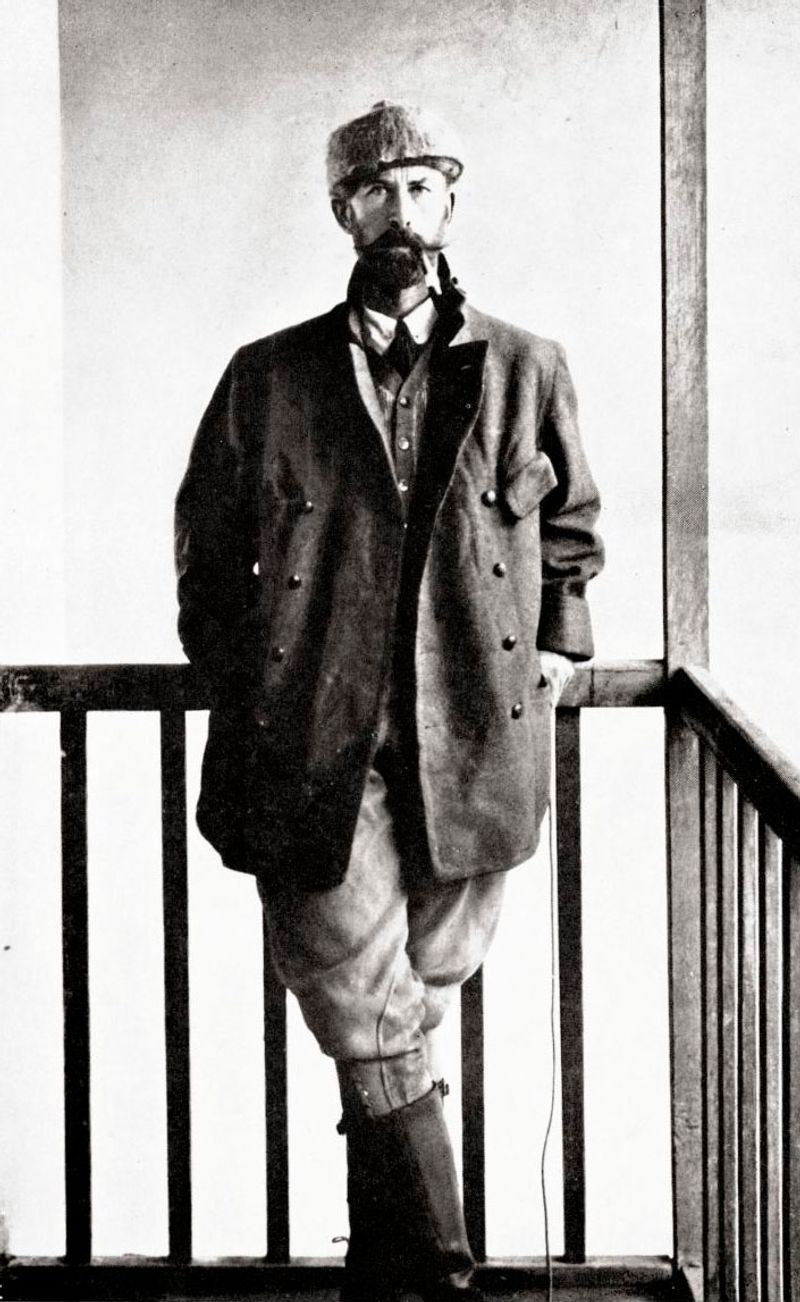
Percy Fawcett was a decorated British explorer who became obsessed with finding a legendary lost city he called “Z” deep in the Amazon jungle. In 1925, he set off into the Brazilian wilderness with his son Jack and a family friend, convinced he was on the verge of one of history’s greatest discoveries.
They were never heard from again.
Dozens of rescue expeditions were launched over the following decades, and some of those searchers also vanished. The Amazon jungle swallowed them all.
Theories about Fawcett’s fate include death at the hands of hostile tribes, illness, starvation, or simply getting hopelessly lost.
Recent archaeological research has found evidence of large ancient settlements in the Amazon, suggesting Fawcett may not have been entirely wrong about the existence of a complex civilization. His story inspired the 2016 film “The Lost City of Z,” keeping his legend very much alive.
5. Louis Le Prince
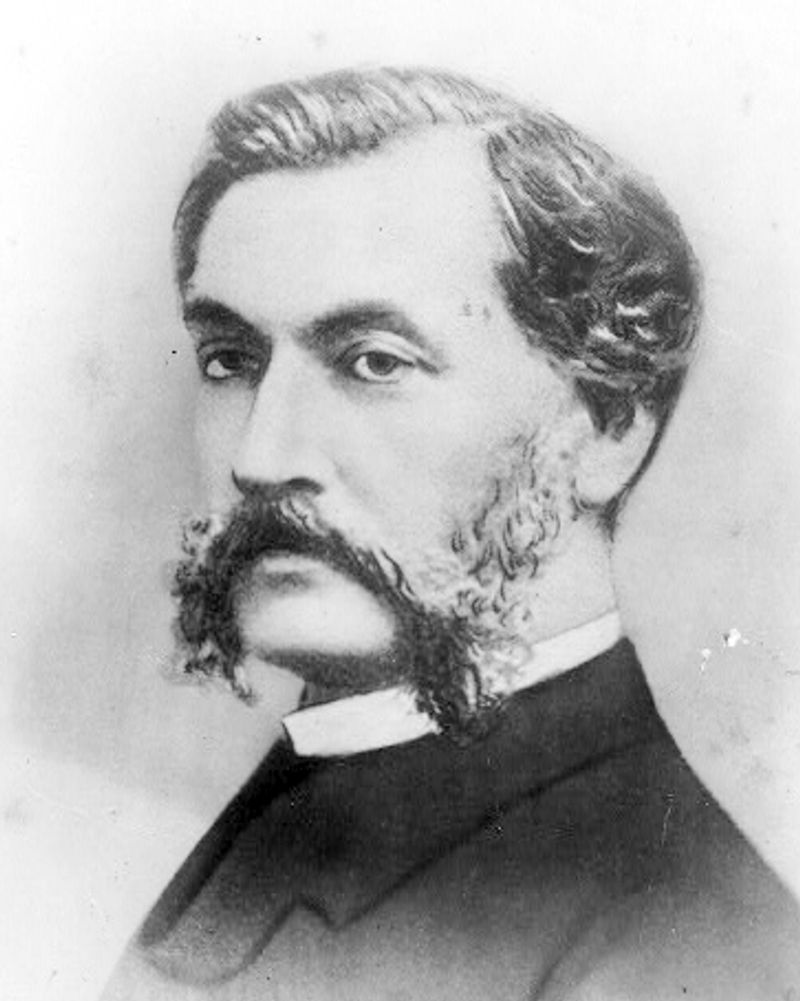
Before Thomas Edison became famous for moving pictures, a French inventor named Louis Le Prince had already created a working motion picture camera. He filmed what many historians consider the world’s first movie in 1888 in Leeds, England.
He was preparing to demonstrate his invention publicly in New York when he boarded a train in Dijon, France, on September 16, 1890.
He never arrived at his destination. No body, no luggage, and no witnesses ever surfaced.
The train was searched at its final stop, and Le Prince had simply vanished. Some historians suspect foul play, possibly connected to the fierce competition over patent rights for film technology.
Edison went on to claim the invention of cinema, and Le Prince was largely forgotten for decades. His mysterious disappearance robbed him of his place in history, and the true story of what happened to him on that train has never been uncovered.
6. Raoul Wallenberg
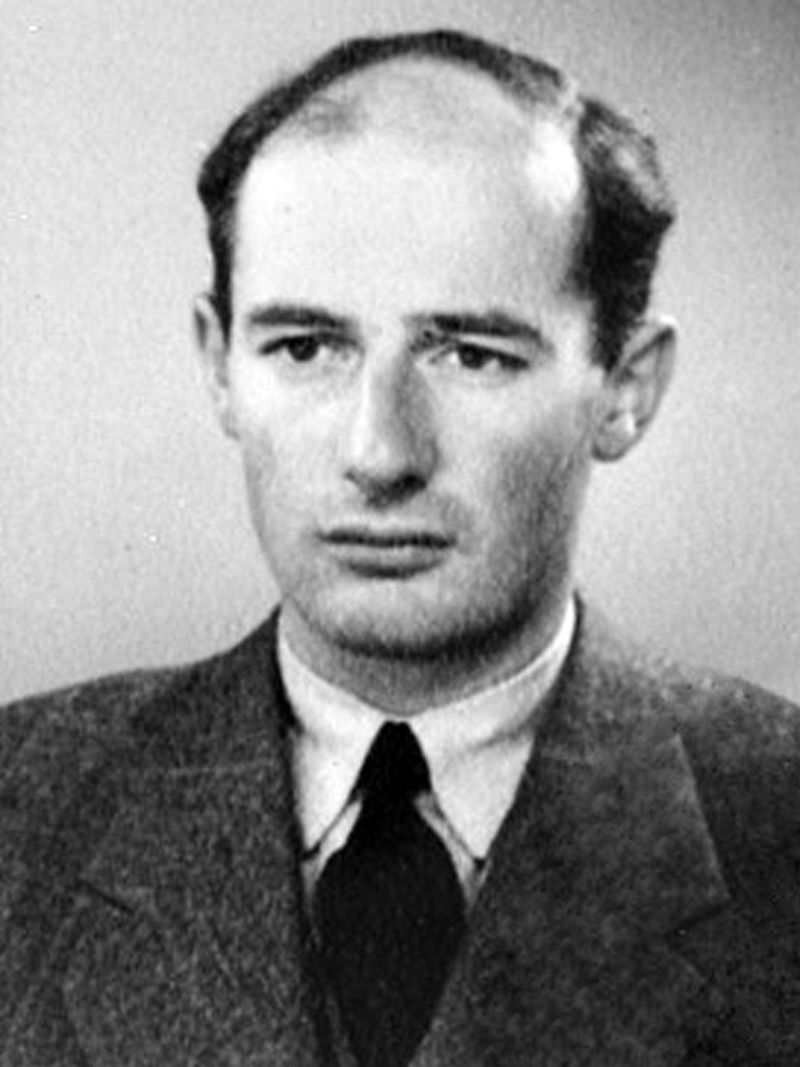
Raoul Wallenberg was a Swedish diplomat who saved tens of thousands of Hungarian Jews from the Holocaust by issuing protective passports and sheltering people in buildings he declared Swedish territory. His courage and quick thinking during World War II were extraordinary.
Then, in January 1945, Soviet forces arrested him in Budapest under suspicion of espionage.
He was taken to Moscow and imprisoned in the Lubyanka, the notorious Soviet secret police headquarters. Soviet officials later claimed he died of a heart attack in 1947, but witnesses reported seeing him alive in Soviet prisons well into the 1950s and possibly even later.
Sweden and international organizations pressed the Soviet Union for decades to reveal the truth, but a full, credible account was never provided. Wallenberg was officially declared dead in 1952 by Sweden, though many believe the real story was suppressed.
His bravery earned him honorary citizenship in multiple countries, including the United States.
7. Harold Holt
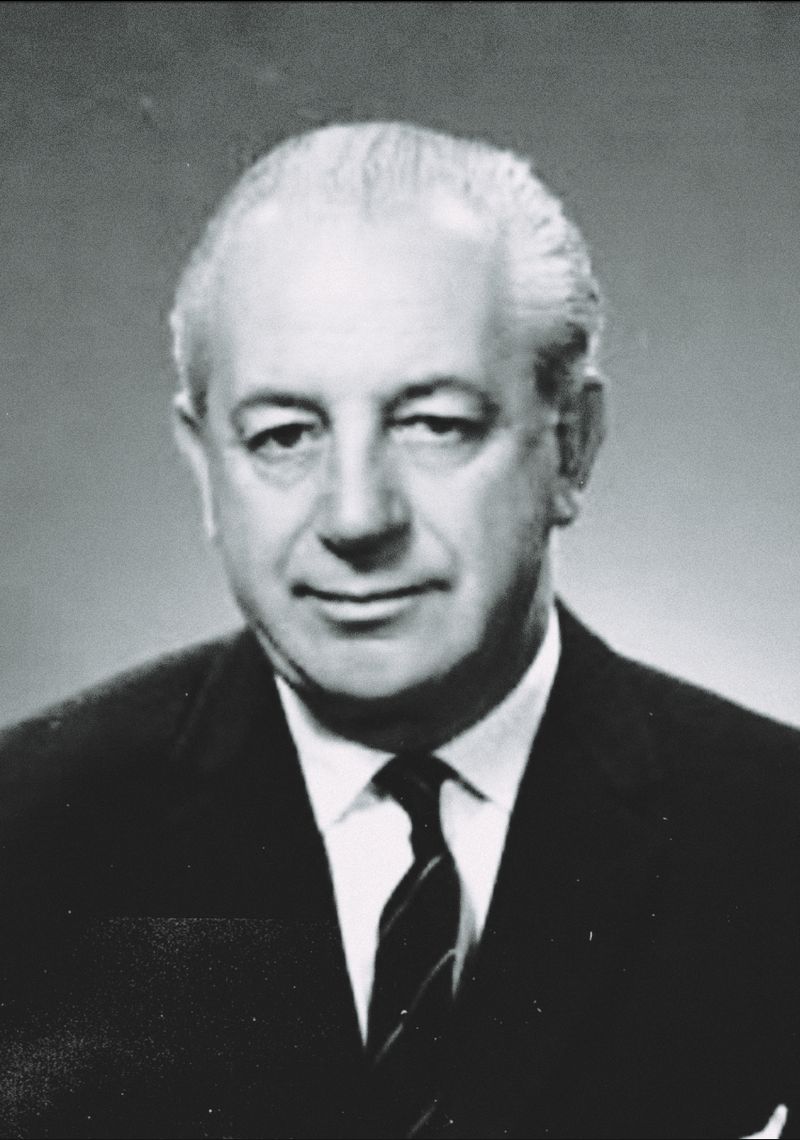
Harold Holt had been serving as Australia’s Prime Minister for less than two years when he walked into the ocean at Cheviot Beach, Victoria, on December 17, 1967, and never came back. He was a strong swimmer and had been warned that conditions were rough that day.
Despite ignoring those warnings, he entered the churning surf and disappeared within minutes.
A massive air and sea search was launched, involving naval divers and military aircraft, but no body was ever recovered. The lack of remains led to some truly wild conspiracy theories, including claims that he had been picked up by a Chinese submarine.
These stories were never supported by any credible evidence.
An official inquest in 2005 concluded that Holt had most likely drowned. He remains the only sitting head of government in modern history to have disappeared without a trace.
A swimming center in Melbourne was later named in his honor.
8. Dorothy Arnold

Dorothy Arnold came from one of New York City’s most prominent families and had ambitions of becoming a published author. On December 12, 1910, she went out shopping in Manhattan, telling her family she would be back for dinner.
She was never seen again. Her family waited six weeks before contacting police, fearing a scandal.
When the story finally broke, it became a national sensation. Investigators looked into theories that she had run off with a lover, died from a secret abortion, or been murdered.
None of these leads ever produced solid answers.
Her family reportedly believed she had gone into hiding voluntarily, but that theory was never confirmed either. Some researchers have pointed to a romantic relationship gone wrong as a possible explanation.
Dorothy Arnold’s case remains one of New York’s most enduring unsolved disappearances, and her fate has fascinated crime historians for well over a century.
9. Ettore Majorana
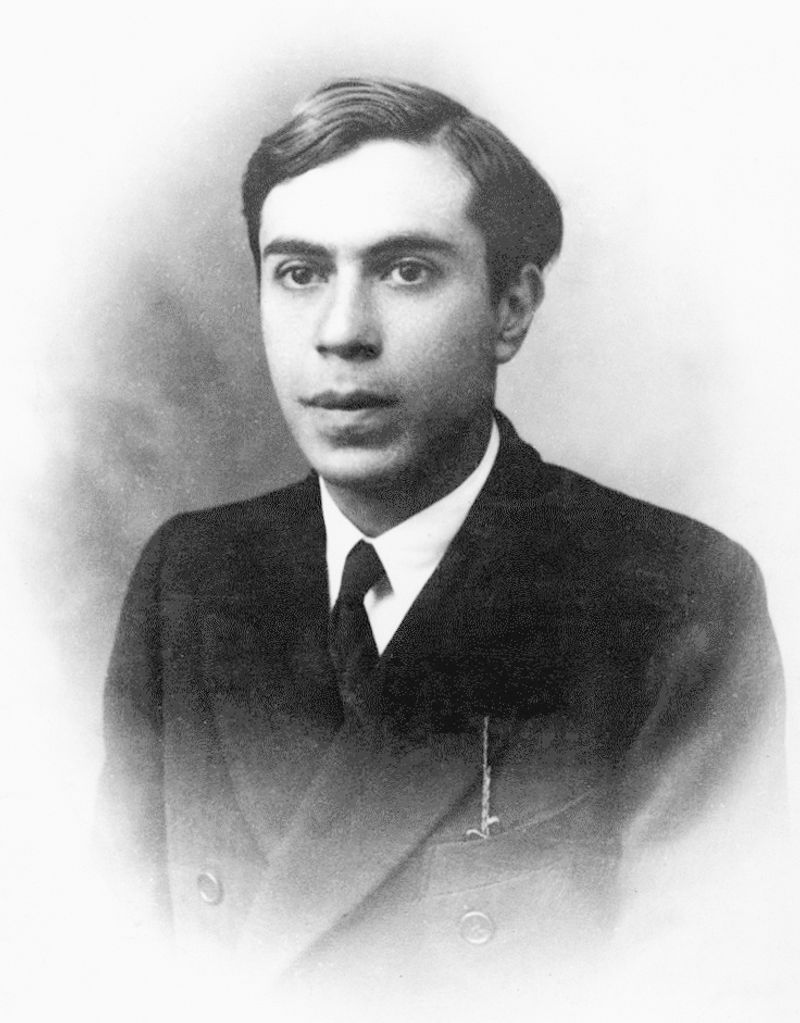
Ettore Majorana was considered one of the most brilliant theoretical physicists of his generation. Enrico Fermi, who himself won the Nobel Prize in Physics, said that Majorana was a genius in the same rare category as Galileo and Newton.
In March 1938, Majorana boarded a ship from Palermo to Naples with all of his money, and then vanished.
He had written two cryptic letters before disappearing, one suggesting he might take his own life, and another that seemed to walk that back. No body was ever found.
Some investigators believe he faked his death and lived in hiding, possibly in Argentina or a monastery in Italy.
His disappearance has puzzled physicists and historians for decades. A 2011 Italian court ruling suggested he may have lived in Venezuela under a false identity.
Whatever the truth, Majorana’s genius and his mysterious exit from public life remain topics of serious academic discussion.
10. Joseph Force Crater
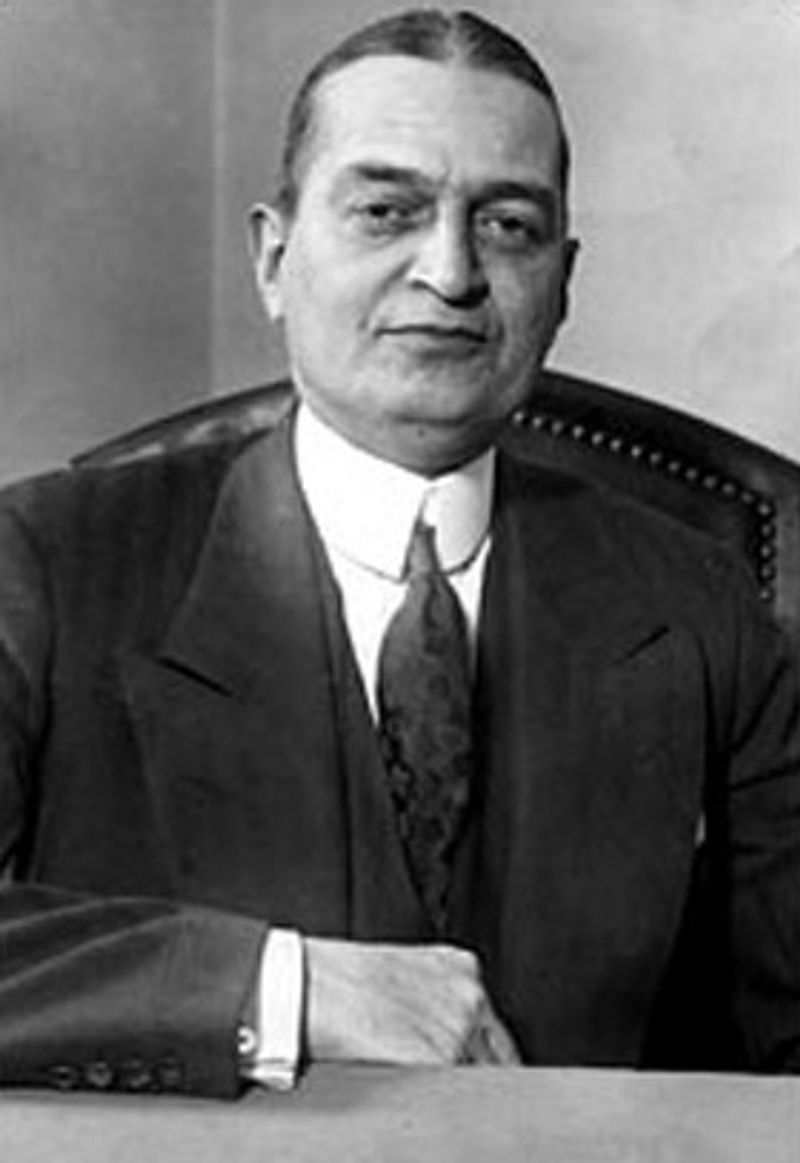
Joseph Force Crater was a New York State Supreme Court Justice appointed by Governor Franklin D. Roosevelt.
On the evening of August 6, 1930, he had dinner with friends at a Manhattan restaurant, stepped into a taxi, and was never seen again. He became so famous for vanishing that New Yorkers coined the phrase “pulling a Crater” to describe someone who disappears suddenly.
Investigators found evidence of financial irregularities, connections to Tammany Hall political corruption, and a complicated personal life involving showgirls and shady dealings. Any one of these threads could have led to foul play.
None of them ever led to a definitive answer.
Crater was declared legally dead in 1939. In 2005, an elderly woman’s letter to police claimed her late husband and his associates had murdered Crater and buried him under what became the boardwalk at Coney Island.
That claim was never proven but added another layer to an already complicated story.
11. Heinrich Müller
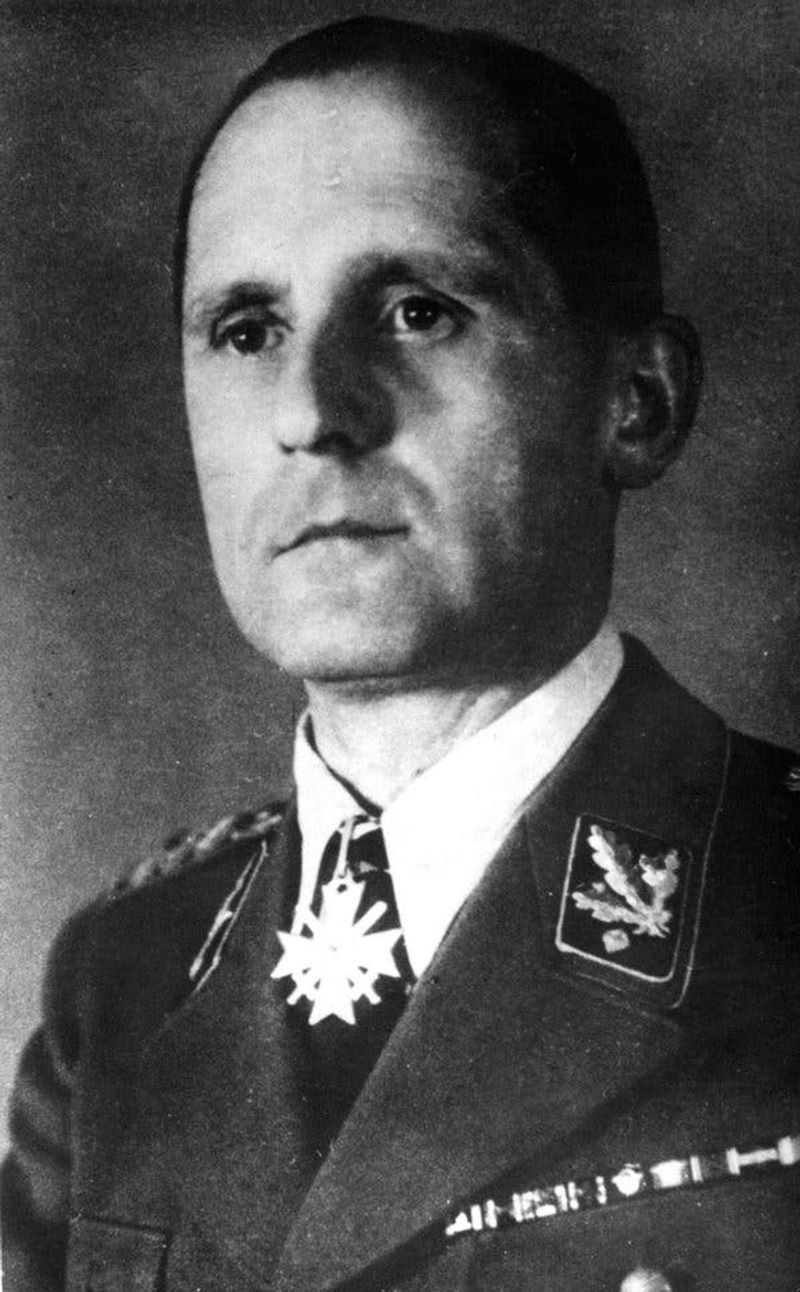
Heinrich Müller was the head of the Gestapo, Nazi Germany’s secret state police, and one of the most feared men in the Third Reich. He signed deportation orders that sent hundreds of thousands of Jewish people to their deaths.
When Berlin fell in May 1945, Müller simply disappeared, becoming the highest-ranking Nazi official never to be captured or confirmed dead.
Unlike many Nazi war criminals who fled to South America, Müller left no confirmed trail. The CIA and other intelligence agencies spent years trying to locate him.
Some documents suggest he may have been recruited by Soviet intelligence, while other theories place him in South America or even the United States.
A grave in Berlin was opened in the 1960s bearing his name, but the remains inside did not match Müller’s dental records. He was never found, never tried, and never held accountable.
His escape from justice remains a deeply troubling chapter in postwar history.
12. Oscar Zeta Acosta
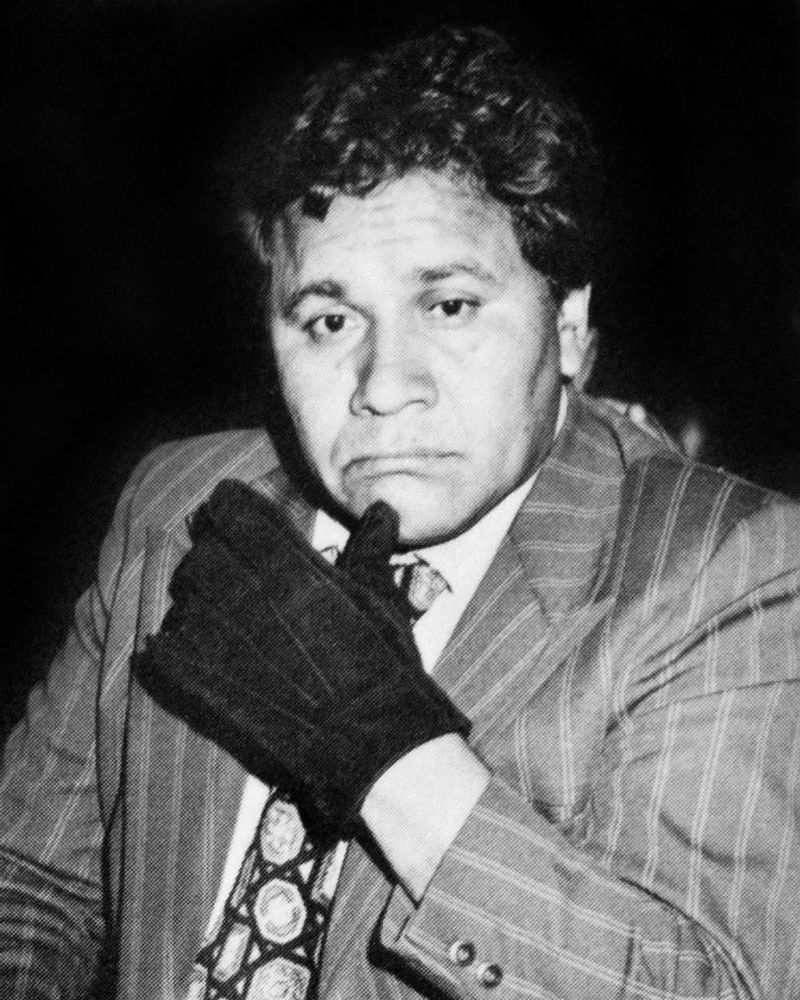
Oscar Zeta Acosta was a larger-than-life figure: a civil rights lawyer, a political activist for Chicano rights, and the inspiration for the 300-pound Samoan attorney in Hunter S. Thompson’s “Fear and Loathing in Las Vegas.” In the spring of 1974, he called his son from Mazatlan, Mexico, saying he was about to board a boat full of white snow.
That was the last anyone heard from him.
No body was ever found, and no credible investigation ever pieced together what happened. He was 39 years old.
Theories range from a drug deal gone wrong to assassination by government agents who viewed his Chicano activism as a threat.
Acosta had represented the Brown Berets and fought landmark cases for Latino communities in Los Angeles. His legal work and his writing made him a countercultural legend.
His disappearance cut short a voice that was loud, provocative, and deeply important to American civil rights history.
13. Jim Thompson
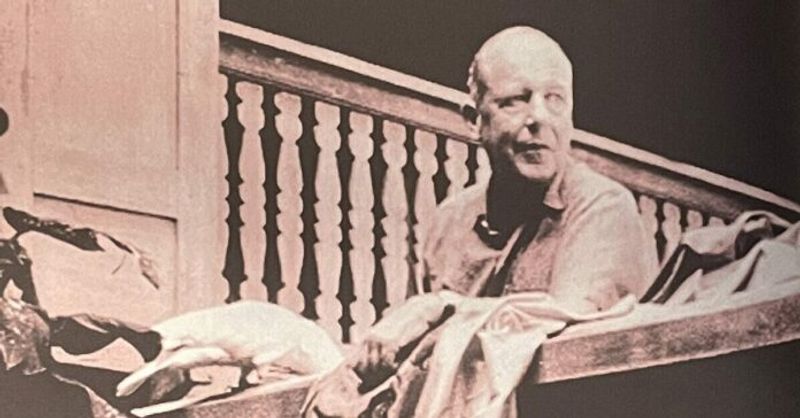
Jim Thompson was the man who almost single-handedly revived the Thai silk industry after World War II, turning it into a globally recognized luxury export. He was also a former U.S. intelligence officer, which added a layer of intrigue to everything he did.
On Easter Sunday, March 26, 1967, he went for a walk after lunch in the Cameron Highlands of Malaysia while visiting friends.
He never came back. Search parties combed the dense jungle for weeks and found nothing.
No footprints, no clothing, no remains. The area was remote but well-traveled, making the complete absence of clues even stranger.
Theories included kidnapping by communist guerrillas, a planned disappearance orchestrated by the CIA, or simply getting lost and perishing in the jungle. His Bangkok home, filled with priceless Asian antiques, is now a popular museum.
Jim Thompson’s disappearance remains one of Southeast Asia’s most captivating cold cases, still discussed by historians and tourists alike.



