 Unearth The Voyage
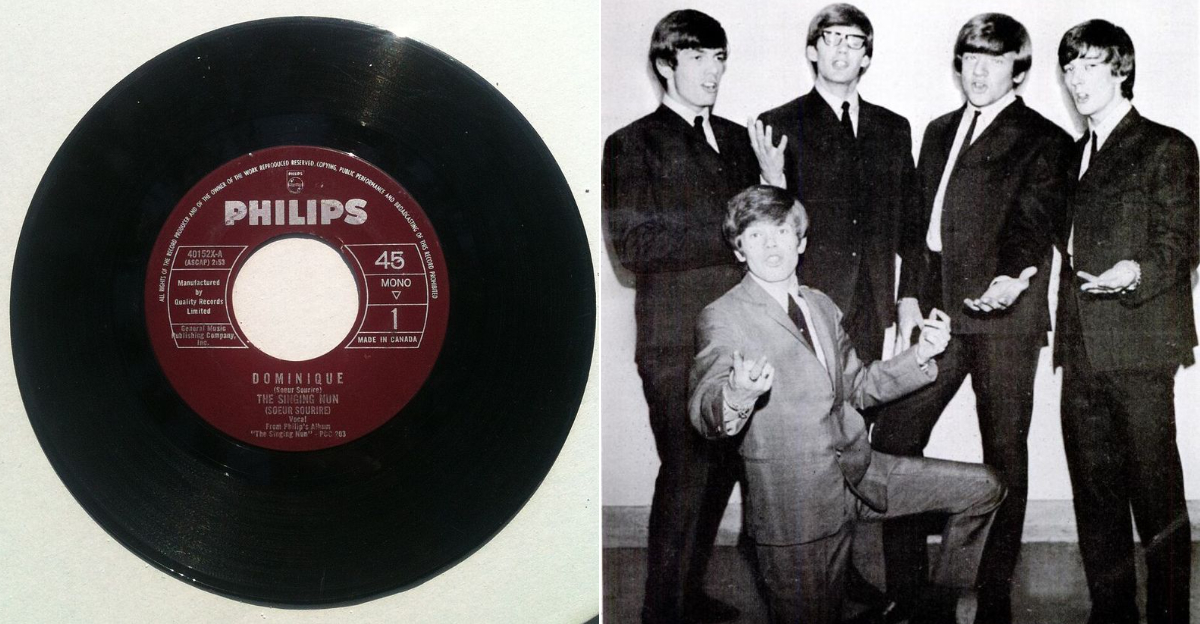
Back then, a catchy chorus could take over the country in a matter of days. You heard it in diners, on car radios, and through open windows on summer nights.
And for a moment, it felt like the whole world was humming the same tune.
But time is ruthless with certain hits. Some songs that once sounded fresh now feel gimmicky, overly sweet, or weird in a way that’s hard to defend.
It’s not that the 1960s lacked great music. It’s that the decade also loved novelty, bubblegum, and quick trends that aged faster than anyone expected.
So what happened to those once-inescapable tracks? In the list ahead, we’re digging into the 1960s chart smashes that haven’t aged gracefully and why they now land as dated, awkward, or just plain bizarre to modern ears.
1. Itsy Bitsy Teenie Weenie Yellow Polka Dot Bikini – Brian Hyland (1960)
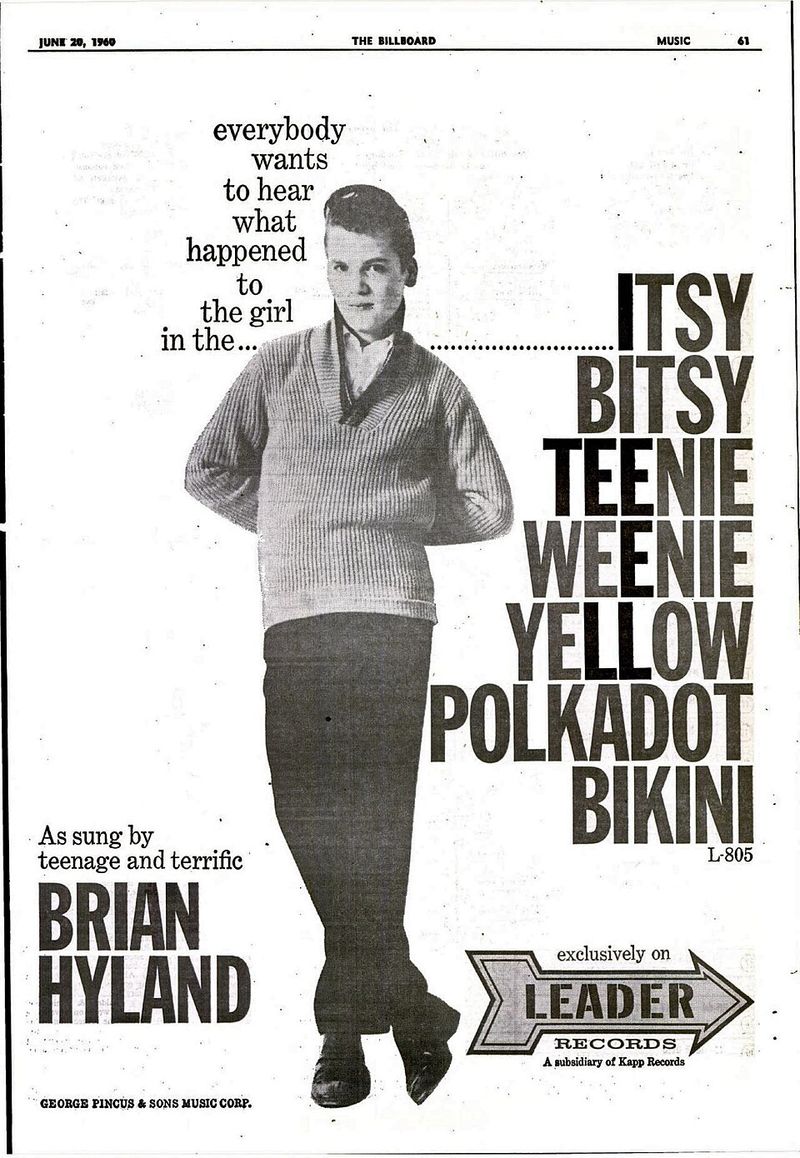
Brian Hyland was just seventeen when he recorded this song about a girl too shy to show off her new swimsuit. The tune climbed to number one and stayed there, with its infectious repetition drilling into listeners’ brains.
Radio stations played it constantly that summer.
Today, the song feels more like a children’s nursery rhyme than a pop hit. The lyrics repeat the same awkward phrase over and over, describing each tiny piece of the bikini in excruciating detail.
What seemed cute and innocent in 1960 now comes across as strangely fixated and juvenile.
The melody itself hasn’t aged much better. Those bouncy, singsongy notes feel more appropriate for a kindergarten classroom than a dance floor.
Modern listeners often can’t believe this was actually a serious chart contender.
Hyland went on to have other hits, but this one haunted his career forever. He later admitted feeling embarrassed by the song’s lasting legacy.
The track perfectly captures how novelty hits can dominate their moment but become unlistenable decades later, trapped in their own time period like insects in amber.
2. Monster Mash – Bobby Boris Pickett (1962)
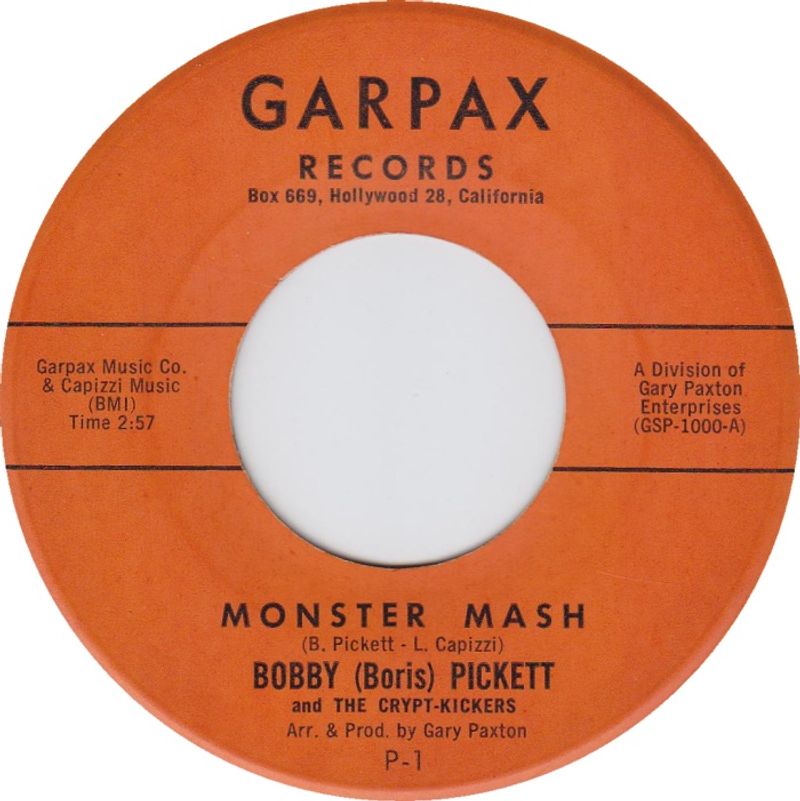
Every Halloween, this song crawls back from the dead like a zombie that refuses to stay buried. Bobby Pickett’s Boris Karloff impression became a massive hit in 1962, reaching number one on the Billboard charts.
Kids and adults alike couldn’t get enough of the spooky sound effects and monster references.
The song works perfectly for Halloween parties and costume contests. Outside of October, though, it’s virtually unplayable.
The novelty factor that made it successful also limited its appeal to one specific holiday.
Pickett’s career never recovered from this success. He spent decades trying to recreate the magic with similar monster-themed songs, but lightning refused to strike twice.
The “Monster Mash” became both his greatest achievement and his creative prison.
Today, the song sounds exactly like what it is: a gimmick record from the early sixties. The production quality is rough, the jokes are corny, and the whole thing feels like a middle school talent show performance.
Yet it persists, played every October by radio stations desperate for seasonal content, proving that some songs survive not because they’re good, but because they’re convenient.
3. Dominique – The Singing Nun (1963)
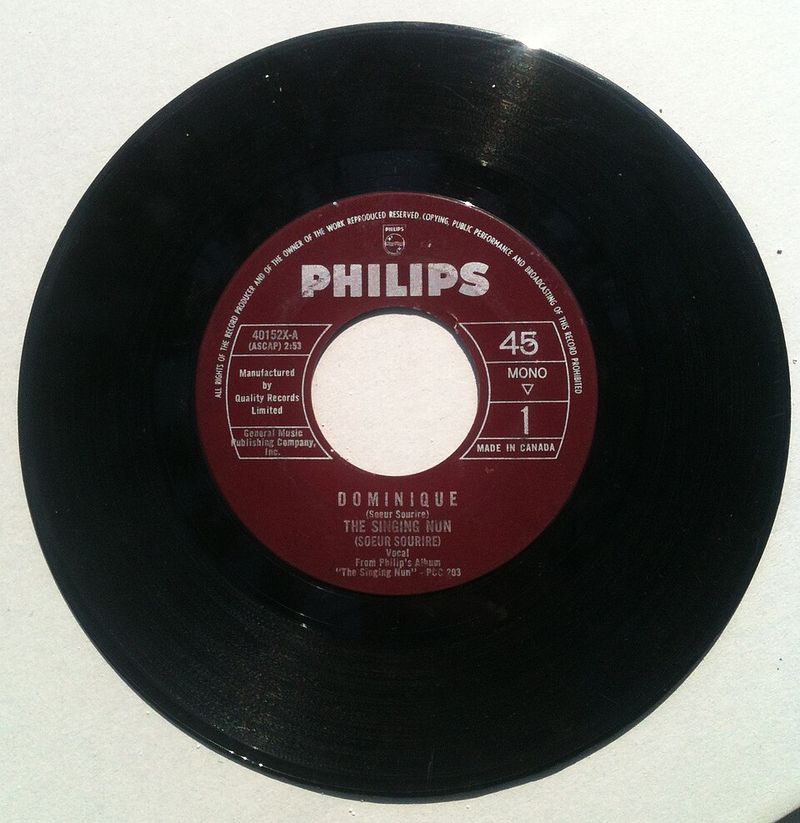
A Belgian nun singing in French about Saint Dominic somehow became an international sensation. Sister Luc-Gabrielle, performing as The Singing Nun, recorded this simple acoustic track that climbed to number one in multiple countries.
The song’s innocence and sincerity charmed audiences worldwide.
The track’s success was unprecedented and completely unexpected. Nobody anticipated that a religious song in a foreign language would dominate American pop charts.
Yet there it was, sandwiched between rock and roll hits and Motown classics.
Listening now, the song feels impossibly quaint. The production is bare-bones, just a guitar and a voice singing about medieval religious figures.
Modern audiences struggle to understand what made this so appealing to sixties listeners.
The story behind the song is actually more interesting than the music itself. Sister Luc-Gabrielle eventually left the convent, struggled with her sudden fame, and met a tragic end.
The cheerful simplicity of “Dominique” now feels almost haunting given what came after. This hit represents a moment when audiences craved something pure and uncomplicated, a desire that feels almost alien in today’s complex musical landscape.
4. Winchester Cathedral – The New Vaudeville Band (1966)
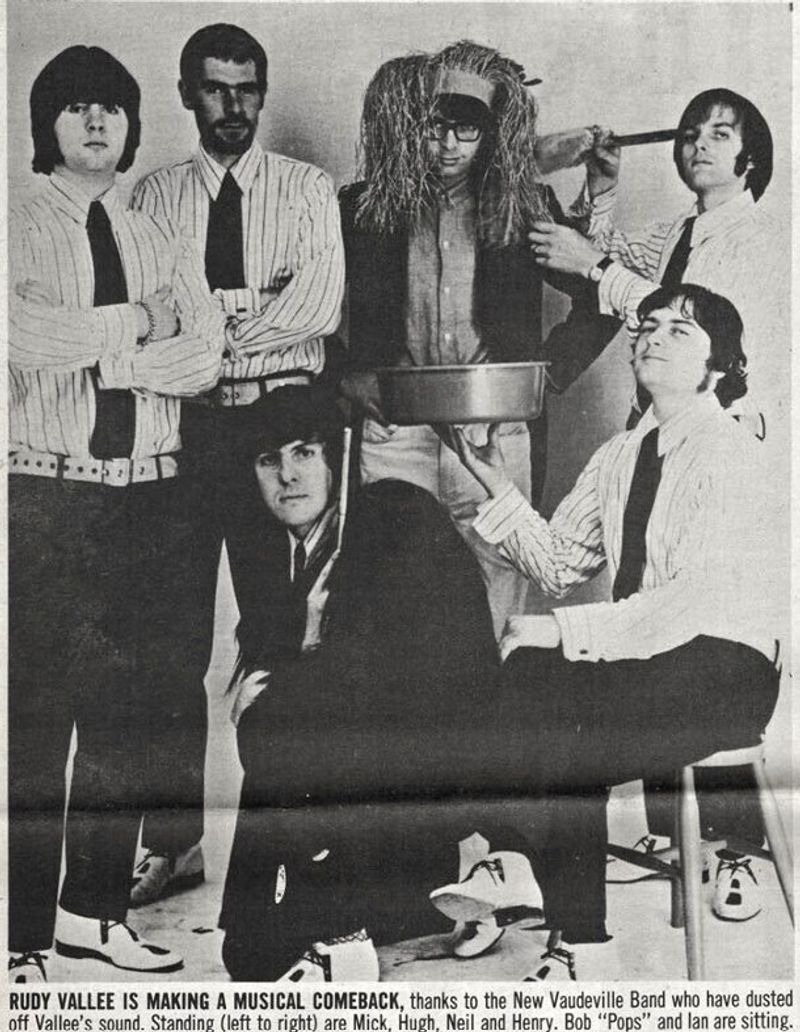
Nostalgia for the 1920s hit hard in 1966, and this song rode that wave straight to number one. The New Vaudeville Band created a deliberately old-fashioned sound, complete with megaphone vocals and tinny production.
Radio audiences found the retro style refreshing amid all the rock and psychedelia.
The band was essentially a studio project created by songwriter Geoff Stephens. He assembled musicians to record this track, never expecting it to become a global phenomenon.
When success came, he had to quickly form an actual touring band to capitalize on it.
Listening today, the song feels like a historical reenactment rather than genuine music. The affected old-timey style that seemed charming in 1966 now sounds forced and gimmicky.
It’s nostalgia for an era that was already forty years gone, filtered through sixties sensibilities.
The lyrics are forgettable, mostly serving as a vehicle for the novelty production. Without the unusual sound, there’s no song worth remembering.
This hit proves that sometimes audiences crave something different just for the sake of difference, even if that means looking backward instead of forward. The track remains a curiosity, interesting for what it represents rather than what it actually sounds like.
5. Tiptoe Through the Tulips – Tiny Tim (1968)
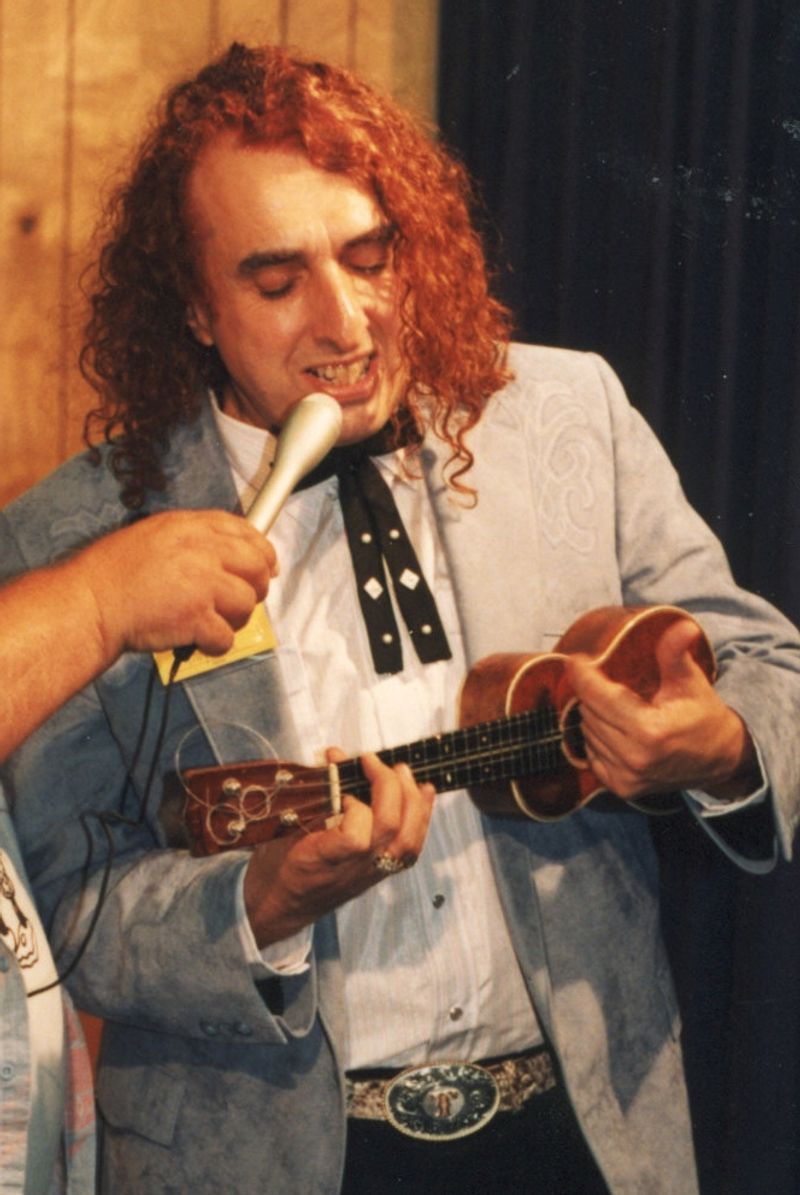
Nobody in music history sounds quite like Tiny Tim. His quavering falsetto and ukulele combination created something truly bizarre, and “Tiptoe Through the Tulips” became his signature oddity.
The song was actually from 1929, but Tiny Tim’s 1968 version made it a hit all over again.
His appearance on “Rowan & Martin’s Laugh-In” launched him to stardom. Audiences couldn’t look away from this strange man with long hair singing in a high-pitched voice about flowers.
He became a cultural phenomenon, famous for being weird rather than talented.
The song itself is almost unlistenable by modern standards. Tiny Tim’s vocal style grates on the nerves, and the ukulele accompaniment sounds tinny and cheap.
What was fascinating in 1968 as a novelty act now just sounds painful.
Tiny Tim’s career was brief and tragic. After his moment of fame faded, he spent decades performing in small venues, forever associated with this one strange song.
The track remains a testament to how sixties audiences embraced the weird and wonderful, even when the result was more cringe than cool. It’s memorable, certainly, but not in a good way.
6. Sugar, Sugar – The Archies (1969)
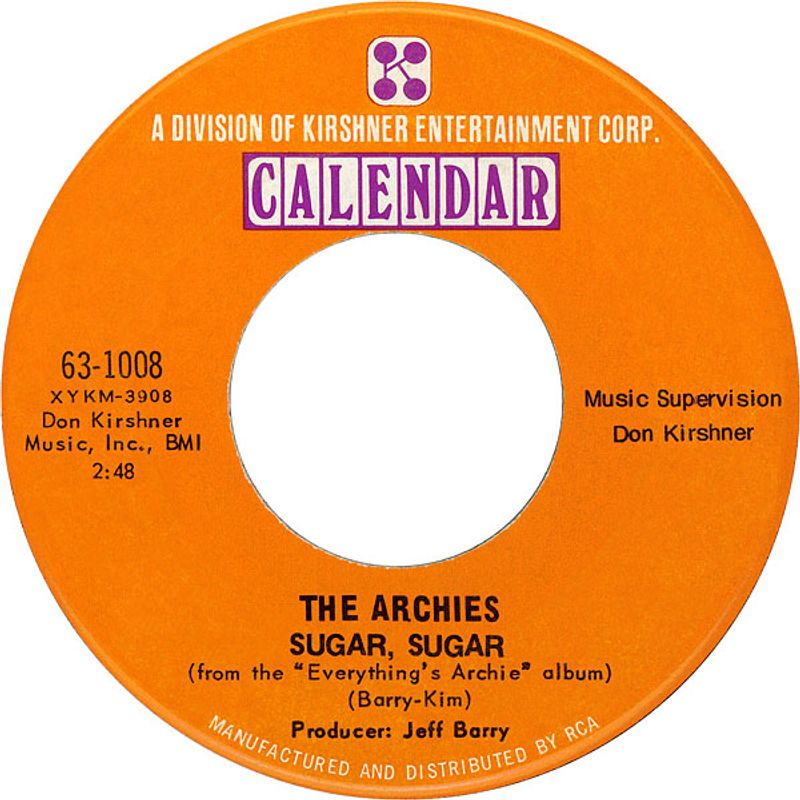
A cartoon band outsold The Beatles in 1969, which tells you everything about how strange pop music had become. “Sugar, Sugar” was performed by studio musicians pretending to be animated characters from the Archie comics. The result was pure bubblegum pop that somehow became the year’s biggest hit.
The song is aggressively sweet, both in lyrics and melody. Every line drips with sugar metaphors, and the production is glossy to the point of being artificial.
It was designed to appeal to the youngest possible audience, and it succeeded wildly.
Critics hated it, of course. Serious music fans saw it as everything wrong with commercialized pop.
But kids didn’t care about artistic integrity, they just wanted something catchy to sing along with. The song sold millions despite having no real band behind it.
Today, “Sugar, Sugar” sounds exactly like what it is: a product designed to sell records and tie-in merchandise. The artificiality that bothered critics in 1969 is even more obvious now.
Modern listeners can barely make it through the entire track without cringing at the saccharine overload. It’s a perfect example of how commercial considerations can create hits that don’t deserve to be remembered.
7. Surfin’ Bird – The Trashmen (1963)
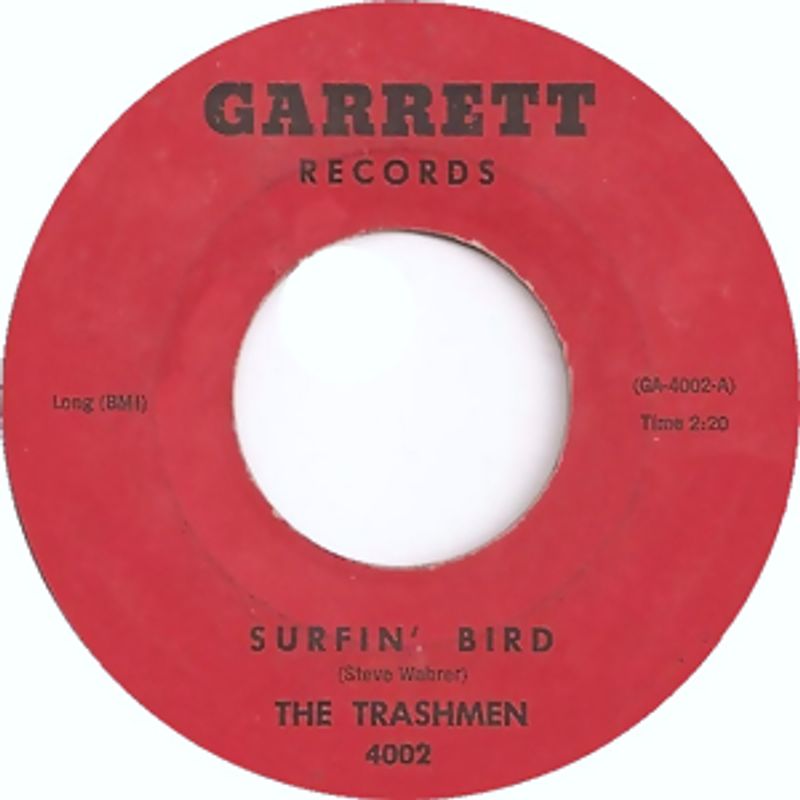
Pure chaos defines this track. The Trashmen mashed together two R&B songs and added frantic surf rock energy, creating something that shouldn’t work but somehow does. “Surfin’ Bird” is essentially three minutes of shouting “bird is the word” over aggressive guitar riffs.
The song has no real structure or meaning. It’s just raw energy and nonsense syllables, yet it became a regional hit that eventually gained national attention.
Radio DJs played it because listeners couldn’t stop talking about how weird it was.
Modern audiences know this song mostly from its appearance in “Family Guy,” where it’s used as a joke about annoying music. That’s actually the perfect context for it.
The track is deliberately obnoxious, testing the limits of what qualifies as a song.
The Trashmen never matched this success, probably because they’d already pushed the concept as far as it could go. There’s nowhere to evolve from “bird bird bird, bird is the word.” The song remains a fascinating example of how randomness and energy can create a hit, even when there’s no actual songwriting involved.
It hasn’t aged well because it was never really good to begin with, just memorably strange.
8. Do Wah Diddy Diddy – Manfred Mann (1964)
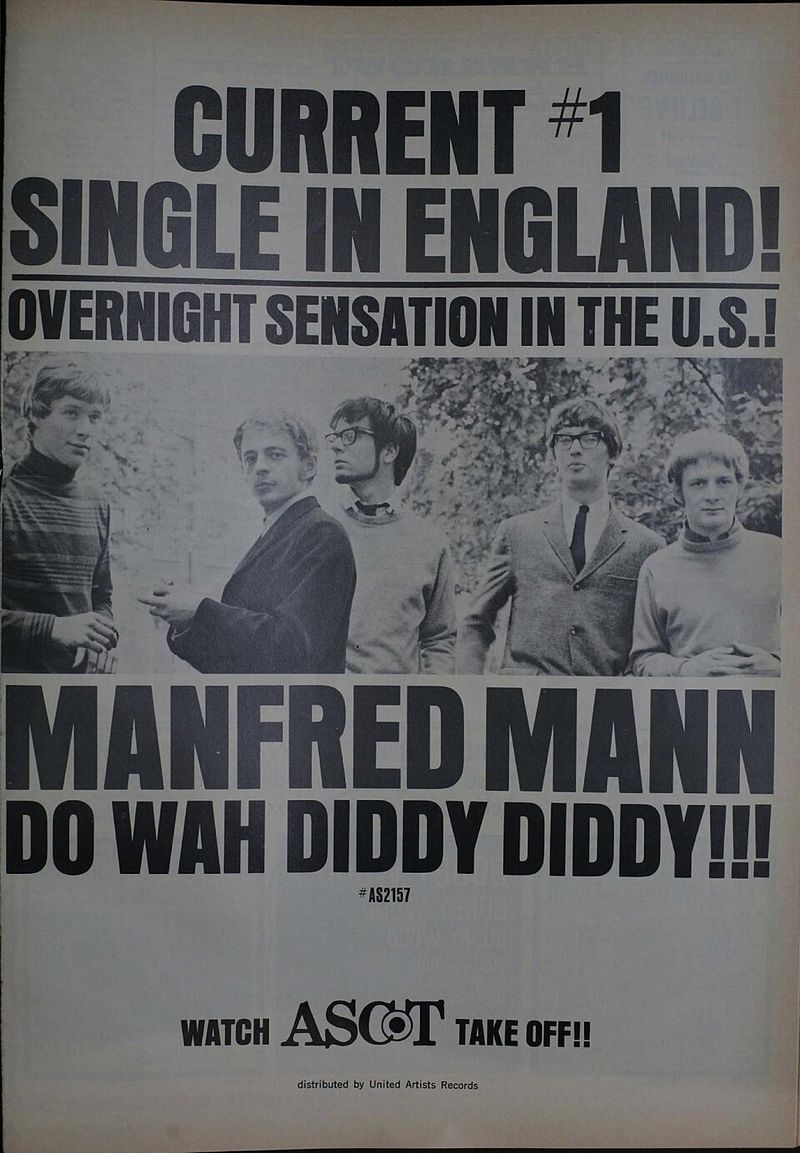
Nonsense syllables became a legitimate songwriting technique in the sixties. Manfred Mann’s British Invasion hit built an entire song around “do wah diddy diddy dum diddy do,” and somehow it worked well enough to reach number one.
The melody was catchy, the beat was strong, and the meaningless words were impossible to forget.
The song tells a simple story about meeting someone and falling in love, but the memorable part is definitely the gibberish. Listeners sang along with the “do wahs” more enthusiastically than the actual lyrics.
That should have been a warning sign.
Today, the track sounds like a relic from a simpler time when audiences didn’t demand much from their pop music. The production is competent but dated, and the song’s structure is basic to the point of being boring.
Without the novelty of the nonsense words, there’s not much here.
Manfred Mann had bigger hits and better songs, but this one stuck around in oldies rotation because it’s easy to remember and inoffensive. That’s faint praise, though.
The song hasn’t aged well because it was always more gimmick than substance, relying on a catchy hook rather than genuine songwriting quality.
9. The Ballad of the Green Berets – Barry Sadler (1966)

Barry Sadler was an actual Green Beret who wrote a song celebrating his unit. In 1966, as the Vietnam War escalated, this patriotic anthem struck a chord with millions of Americans.
The track spent five weeks at number one, becoming one of the year’s biggest hits.
The song presents an idealized, heroic version of military service. Sadler sings about brave men fighting for freedom, with no mention of the war’s growing controversy.
For supporters of the war, this was exactly the message they wanted to hear.
Today, the track feels painfully dated and propagandistic. The uncomplicated patriotism that resonated in 1966 now sounds naive at best.
Modern listeners understand the Vietnam War’s complexity in ways that make this simple celebration uncomfortable.
The production is straightforward military march style, which fits the subject but doesn’t make for interesting listening. Sadler’s vocal performance is sincere but not particularly skilled.
The song succeeded because of its message and timing, not its musical quality. As attitudes toward the Vietnam War shifted, this hit became increasingly controversial.
It remains a fascinating time capsule of how pop music reflected and shaped public opinion during a divisive era.
10. The Purple People Eater – Sheb Wooley
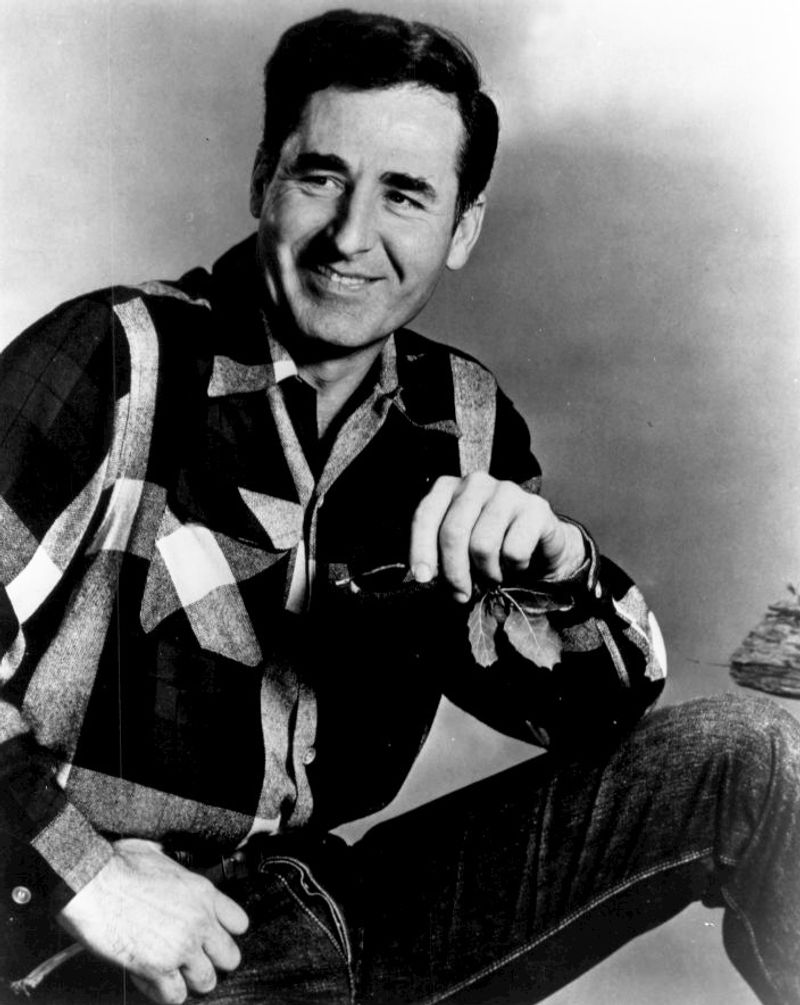
Sheb Wooley created a monster hit about a friendly alien who eats purple people. The song originally charted in 1958 but enjoyed renewed popularity throughout the sixties.
Kids loved the silly concept, and the catchy melody made it perfect for radio play.
The lyrics describe a one-eyed, one-horned flying creature who comes to Earth because he wants to join a rock and roll band. It’s absurd, childish, and completely non-threatening.
That combination worked perfectly for late-fifties and early-sixties audiences looking for lighthearted entertainment.
Listening now, the song sounds like something from a children’s television program. The production is primitive, and Wooley’s vocal effects are more goofy than impressive.
Modern listeners struggle to understand how this was ever considered legitimate pop music.
Wooley had a long career as a character actor and country musician, but this novelty song overshadowed everything else. He spent decades performing it at state fairs and nostalgia shows.
The track represents an era when pop music didn’t take itself seriously, when a song about a purple people eater could coexist with more sophisticated fare. That innocence hasn’t aged well, making the song feel like an embarrassing relic from a less cynical time.
11. Hanky Panky – Tommy James & The Shondells (1966)
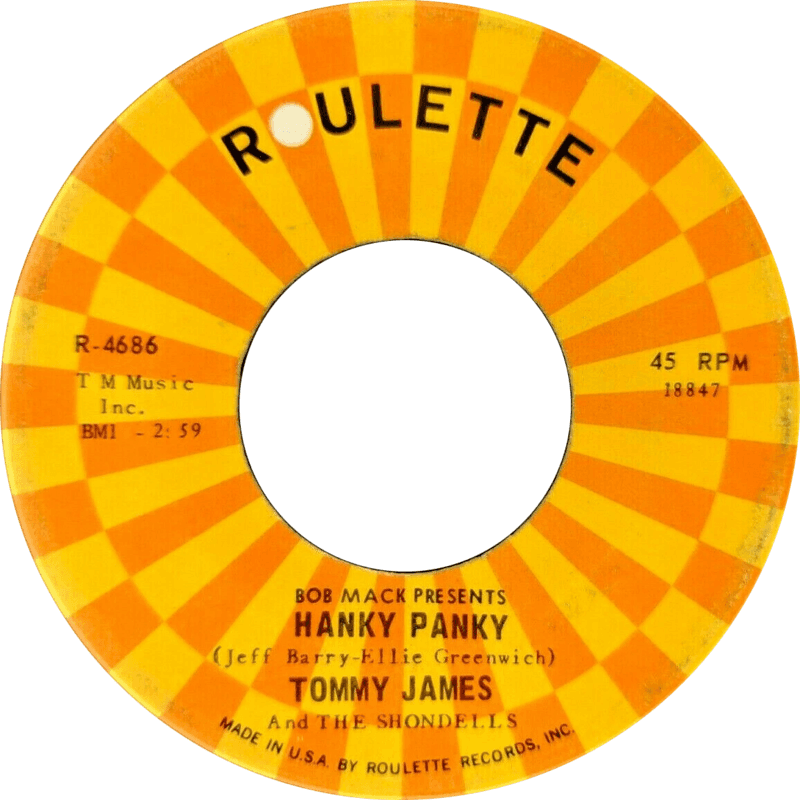
Nobody really knows what “hanky panky” means in this song, and that’s probably intentional. Tommy James recorded this track when he was still a teenager, and its vague suggestiveness helped it become a surprise hit.
Radio stations played it constantly, and teenagers danced to it without fully understanding the implications.
The song’s origins are almost as mysterious as its lyrics. James first recorded it as a local release that went nowhere.
Two years later, a Pittsburgh DJ started playing it, and suddenly demand exploded. James had to quickly reform his band to capitalize on the unexpected success.
The production is rough even by sixties standards. The recording quality is poor, the instruments sound muddy, and James’s vocals are buried in the mix.
Yet somehow these flaws added to the song’s raw appeal for teenage audiences.
Today, the track sounds like a demo that accidentally got released. The repetitive lyrics and basic chord progression don’t hold up to repeated listening.
Modern audiences can’t understand what made this so popular, beyond the suggestive title drawing curious listeners. The song succeeded despite its obvious limitations, proving that sometimes timing and luck matter more than actual quality.
12. I’m Henry the Eighth, I Am – Herman’s Hermits (1965)
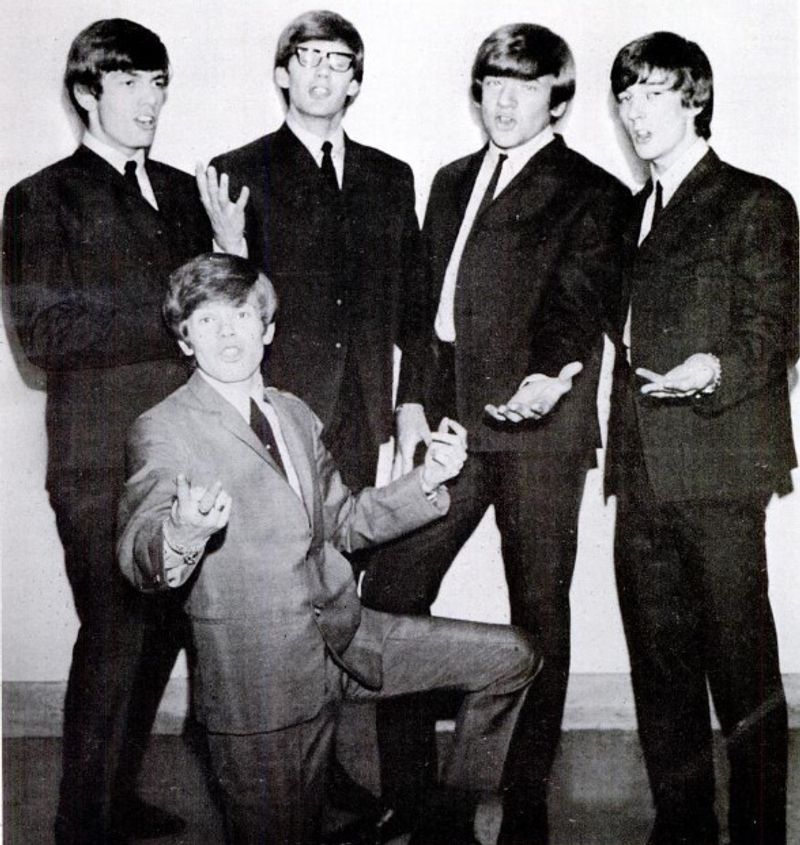
Herman’s Hermits took a music hall song from 1910 and turned it into a sixties hit. The track is aggressively repetitive, with the chorus appearing more times than seems necessary or sane.
Yet it climbed to number one in America, proving that British Invasion bands could sell anything.
The song tells the story of a man who marries a widow who’s been married seven times before, all to men named Henry. The humor is supposed to come from the absurd repetition and the silly premise.
Whether it actually succeeds is debatable.
Peter Noone’s vocal performance is energetic but can’t overcome the song’s fundamental problem: it’s the same thing over and over. The production adds nothing interesting, just straightforward backing for the repetitive melody.
Modern listeners often can’t make it through the entire track.
Herman’s Hermits had much better songs in their catalog, but this one persists in oldies rotation because it’s short and easy to program. That’s not really a compliment.
The track represents the most disposable side of sixties pop, where novelty and catchiness mattered more than lasting quality. It hasn’t aged well because there was nothing substantial to age in the first place.
13. Simon Says – 1910 Fruitgum Company (1968)
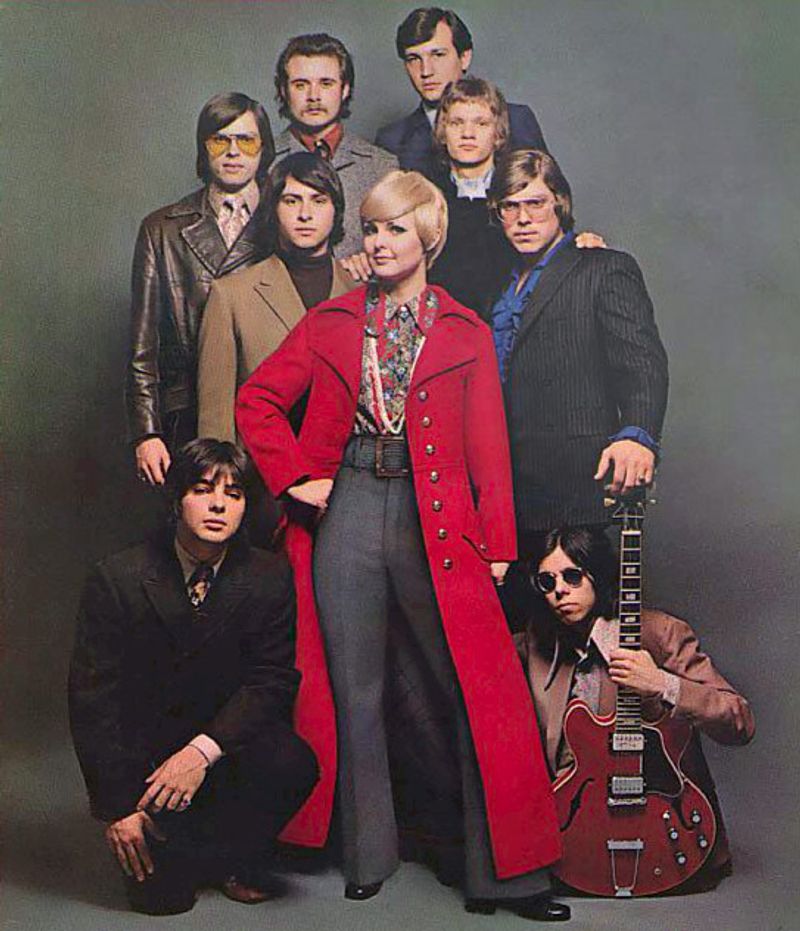
A children’s game became a top ten hit thanks to the 1910 Fruitgum Company. “Simon Says” instructed listeners to follow commands, turning a song into an interactive experience. Kids loved it, and the bubblegum pop production made it irresistible to radio programmers targeting younger audiences.
The song is relentlessly cheerful and simple, with lyrics that literally tell you what to do. Put your hands in the air, spin around, touch your toes.
It’s more of a workout instruction than a traditional pop song, but that’s exactly what made it novel.
Today, the track sounds like something that should be playing at a kindergarten dance party, not on serious music playlists. The production is glossy and artificial, typical of late-sixties bubblegum pop.
Modern listeners find it difficult to take seriously.
The 1910 Fruitgum Company was part of the same bubblegum pop machine that produced several other novelty hits. They were more of a brand than a real band, with rotating members and songs created by professional songwriters.
This track represents the commercial peak of that era, when music for children was also marketed to general audiences. It hasn’t aged well because it was never meant for adults in the first place.



