 Unearth The Voyage
Horror movies test our limits, but some films push boundaries so far that audiences simply cannot take it. Throughout cinema history, certain movies have been so graphic, psychologically tormenting, or realistically disturbing that theatergoers fled before the credits rolled. From legendary classics to modern nightmares, these films earned their reputation the hard way.
1. The Exorcist (1973)
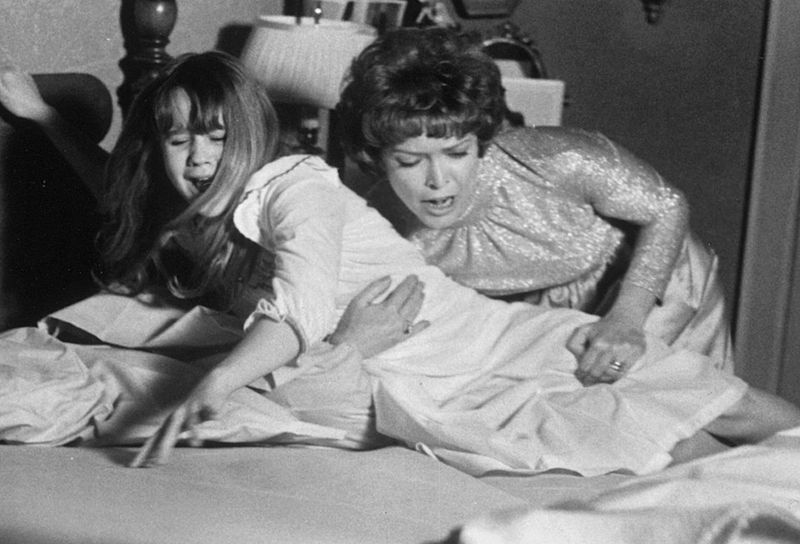
William Friedkin’s masterpiece redefined what horror could do to an audience. When this supernatural thriller first hit theaters, medical professionals were called to multiple screenings because viewers were fainting in the aisles. Some people vomited from sheer terror, while others ran out screaming.
Theaters kept ambulances nearby during showings. The film’s realistic portrayal of demonic possession, combined with groundbreaking special effects, created an experience audiences had never encountered before. Reports flooded in from cities worldwide about people needing psychological counseling after watching.
Religious groups protested outside cinemas, claiming the movie was genuinely evil. The controversy only increased ticket sales, but the walkouts were absolutely real. Even today, first-time viewers often find themselves unprepared for the intensity that made this film a cultural phenomenon and changed horror forever.
2. Antichrist (2009)

Lars von Trier brought this psychological nightmare to the Cannes Film Festival, where it immediately sparked outrage. The Danish director crafted a film so explicit and emotionally brutal that even hardened film critics abandoned their seats. Graphic sexual violence appears throughout, leaving audiences visibly shaken.
Festival attendees described feeling physically ill during certain sequences. The movie explores grief and mental deterioration through increasingly disturbing imagery that many found impossible to endure. Professional reviewers who stayed called it one of the most challenging viewing experiences of their careers.
Von Trier’s unflinching approach to taboo subjects created something that transcended typical horror boundaries. Multiple international screenings reported significant walkouts during the second half. The film remains divisive, with some calling it art and others labeling it unwatchable. Either way, its reputation for clearing theaters is completely justified.
3. Martyrs (2008)

French extreme horror reached new heights with Pascal Laugier’s unrelenting vision. Festival circuits worldwide witnessed mass exits before the final act, as audiences realized the brutality would not stop. The film follows a young woman’s quest for revenge that spirals into something far darker and more philosophical.
What starts as a revenge thriller transforms into an endurance test. The violence escalates beyond what most viewers anticipated, becoming almost meditative in its intensity. Many who walked out reported feeling emotionally drained rather than simply scared.
Critics who stayed described the experience as transformative but warned others to prepare themselves mentally. The movie asks disturbing questions about suffering and transcendence while showing graphic torture sequences. Horror fans debate whether the extreme content serves the story or goes too far. Regardless of interpretation, the documented walkouts at screenings across multiple countries prove its overwhelming impact on unprepared audiences.
4. Cannibal Holocaust (1980)
Ruggero Deodato created something so convincingly brutal that authorities investigated him for murder. Italian courts demanded he prove his actors were still alive after viewers became convinced they had witnessed real deaths on screen. The found-footage style, revolutionary for its time, made everything feel disturbingly authentic.
Audiences fled theaters in disgust, particularly during scenes involving actual animal deaths. The realistic special effects combined with the documentary-style filming created an experience that felt too real. Many countries banned the film outright, which only increased its notorious reputation.
Deodato eventually had to bring his cast on television to prove they survived filming. The director faced obscenity charges in multiple countries. Even decades later, the movie remains one of the most controversial horror films ever made. Those early theatrical walkouts helped cement its status as something genuinely transgressive in cinema history.
5. Irreversible (2002)
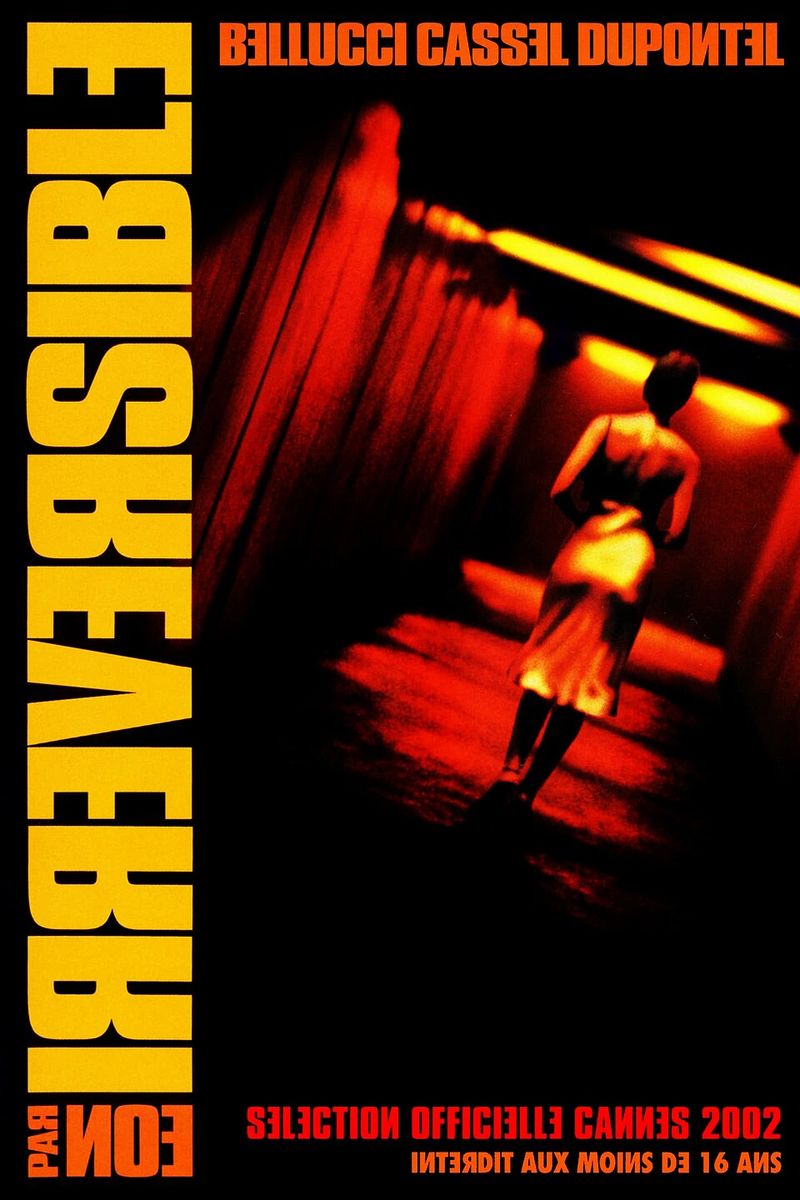
Gaspar Noé structured this French film in reverse chronological order, making the viewing experience deliberately disorienting. The infamous assault scene, shot in one unbroken take lasting nearly ten minutes, caused immediate walkouts at Cannes. Viewers left within the first half hour, unable to endure what they were witnessing.
The director used extremely low-frequency sound waves that reportedly caused nausea and discomfort. Combined with the graphic content and spinning camera work, audiences experienced physical reactions beyond typical movie discomfort. Medical professionals have noted the film’s intentional use of techniques designed to create unease.
Critics who remained called it important but unwatchable. The reverse structure means viewers see the horrific consequences before understanding the context, amplifying the emotional impact. International screenings consistently reported people leaving in distress. Noé achieved his stated goal of creating something that forces viewers to confront violence in its most raw, unfiltered form.
6. The Texas Chainsaw Massacre (1974)
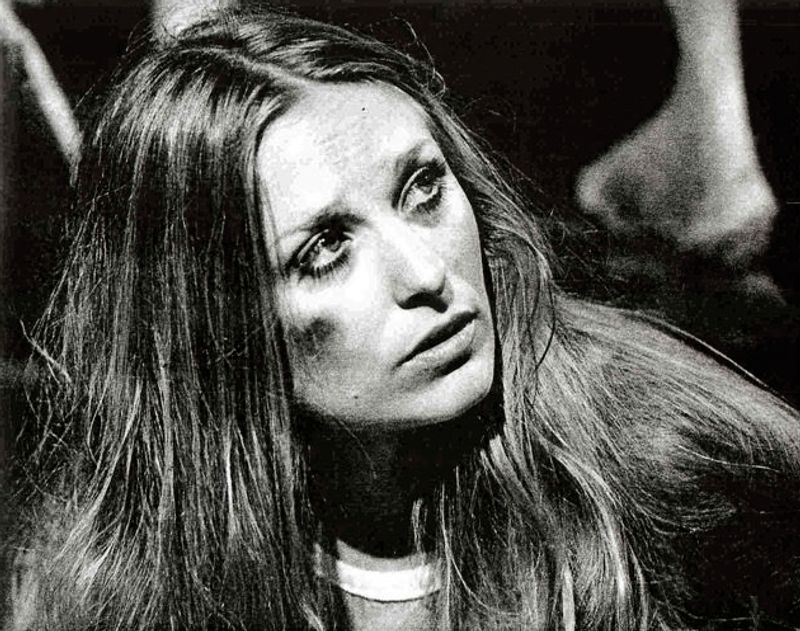
Tobe Hooper’s low-budget masterpiece felt more like a documentary than fiction to 1970s audiences. The grainy film quality and raw, unpolished aesthetic made everything seem disturbingly real. Many viewers genuinely believed they were watching events based closely on actual murders, which amplified their terror beyond measure.
Early screenings saw people rushing for exits during Leatherface’s first appearance. The relentless intensity never lets up, creating a suffocating atmosphere of dread. Despite containing relatively little actual blood on screen, the implied violence and psychological horror proved too much for many.
Drive-in theaters reported families leaving partway through, shocked by the film’s brutality. The dinner scene near the end became particularly notorious for causing walkouts. Hooper created something that felt genuinely dangerous and transgressive for its era. The movie’s reputation grew through word-of-mouth stories about audience reactions, cementing its place in horror history.
7. Salò, or the 120 Days of Sodom (1975)
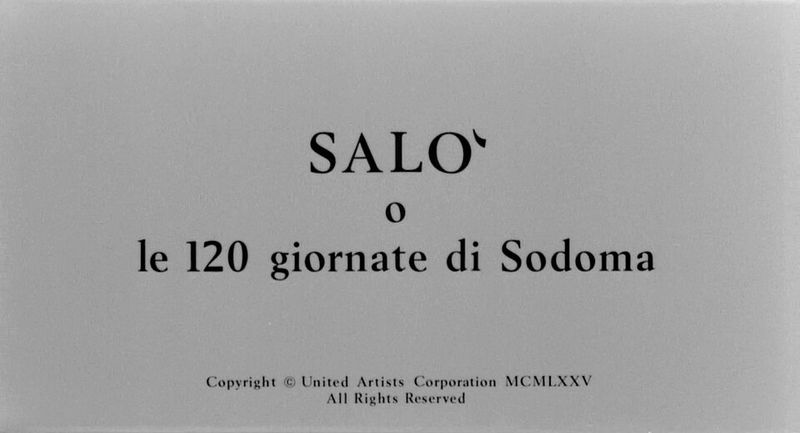
Pier Paolo Pasolini’s final film remains one of cinema’s most unbearable experiences. Banned in numerous countries for decades, this Italian art film depicts fascist cruelty in excruciating detail. Audiences who attempted to watch it in theaters rarely made it through the entire runtime.
The film presents systematic degradation and torture set during World War II. Pasolini intended it as political commentary, but the graphic content overwhelmed any intellectual message for most viewers. Festival screenings consistently emptied as the movie progressed into increasingly disturbing territory.
Critics debate whether the extreme content serves artistic purpose or crosses into exploitation. Either way, the documented walkouts speak to its effectiveness at disturbing audiences. Many countries lifted bans only recently, decades after its release. Pasolini was murdered shortly after completing the film, adding to its dark legacy. Even hardened horror fans approach this one with caution and preparation.
8. Audition (1999)

Takashi Miike’s deceptive thriller begins as a gentle romantic drama before transforming into pure nightmare fuel. Festival audiences settled in expecting one type of movie and found themselves trapped in something completely different. The shift happens so gradually that viewers don’t realize they’re in danger until it’s too late.
By the final act, the torture sequences had festival-goers fleeing en masse. The infamous wire scene became legendary for clearing theaters. Miike’s patient buildup makes the eventual horror even more shocking because audiences have invested emotionally in the characters.
Those who walked out reported feeling betrayed by the tonal shift. The psychological manipulation extends beyond the characters to the viewers themselves. Critics praised the director’s skill at subverting expectations while acknowledging the final scenes’ unwatchability. The film gained cult status partly because of stories about audience reactions. Seasoned horror fans warn newcomers to prepare themselves for something truly disturbing.
9. The Blair Witch Project (1999)
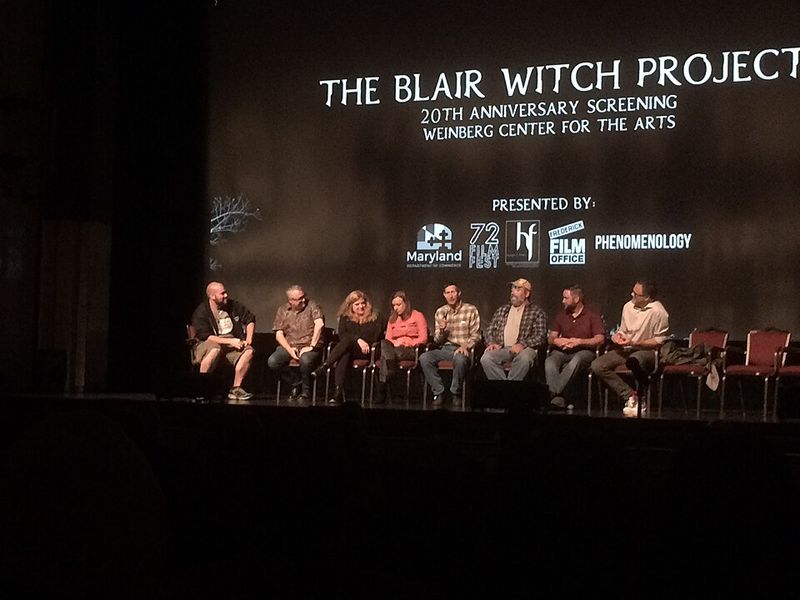
Daniel Myrick and Eduardo Sánchez revolutionized horror with shaky handheld cameras and improvised dialogue. The found-footage style caused severe motion sickness in theaters, with viewers stumbling out feeling nauseated. Many genuinely believed they were watching real footage of missing filmmakers, which intensified their physical and emotional reactions.
The marketing campaign convinced audiences the events were real. Theaters posted warnings about the camera work causing dizziness, but people still left mid-screening feeling ill. The psychological horror combined with physical discomfort created a unique viewing experience that some simply couldn’t endure.
Beyond motion sickness, the ambiguous ending left audiences confused and frustrated. Some walked out believing they had witnessed actual deaths. The film’s massive success proved that sometimes less is more in horror. Its influence on found-footage films continues today, though theaters learned to warn audiences about potential motion sickness beforehand.
10. Funny Games (1997)

Michael Haneke deliberately crafted this Austrian thriller to punish audiences for enjoying violence. The director openly stated his goal was making viewers uncomfortable and forcing them to examine their relationship with on-screen cruelty. His strategy worked, with people leaving theaters feeling attacked rather than entertained.
The film breaks the fourth wall, making viewers complicit in the violence. Characters directly address the audience, asking if they want more suffering. This meta-approach creates psychological discomfort beyond typical horror. Many found the experience too confrontational and walked out feeling manipulated.
Haneke refuses to provide catharsis or traditional narrative satisfaction. The relentless cruelty serves no purpose except forcing self-examination. Critics acknowledged the film’s intelligence while admitting it’s nearly unwatchable. The documented walkouts proved Haneke achieved exactly what he intended. He later remade it shot-for-shot in English, producing the same uncomfortable reactions from American audiences.
11. A Clockwork Orange (1971)
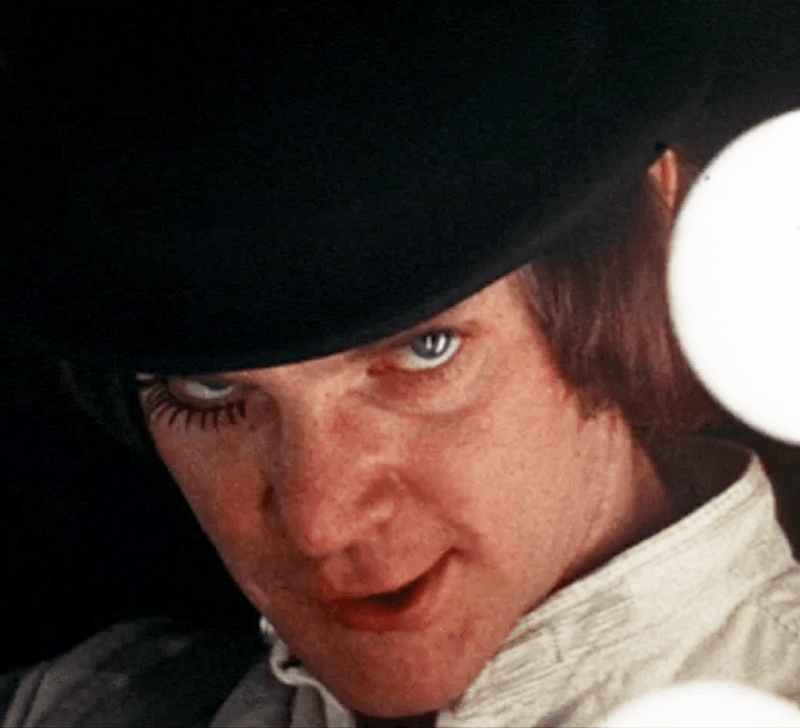
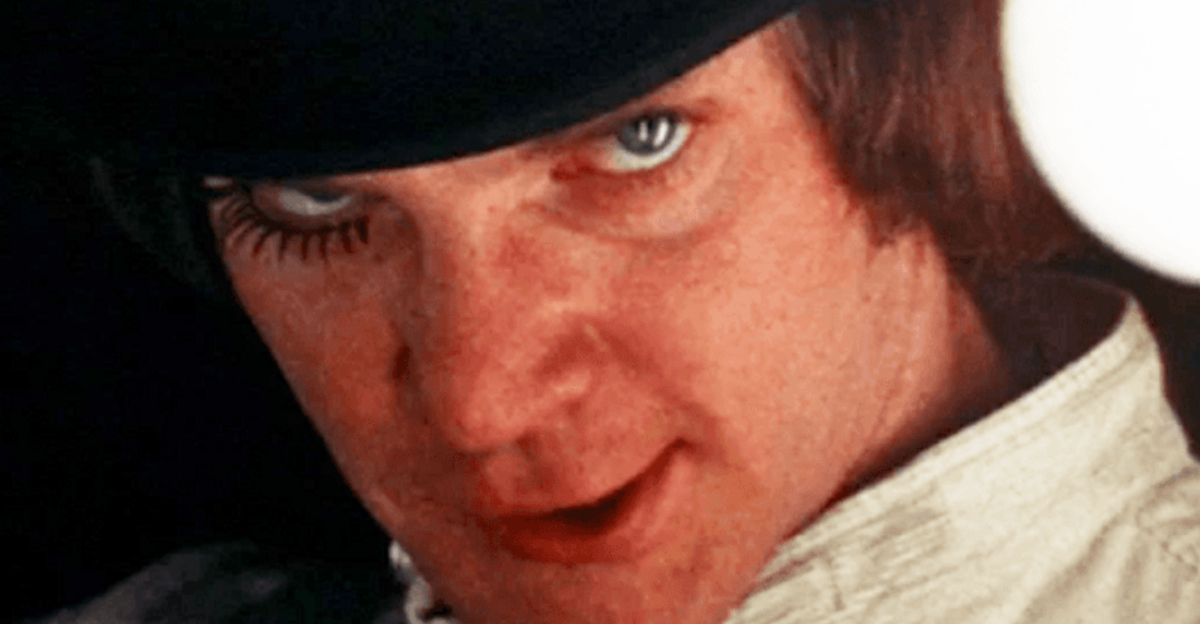
Stanley Kubrick’s adaptation of Anthony Burgess’s novel shocked audiences with its unflinching depiction of youth violence. The stylized brutality and sexual assault scenes drove viewers from theaters in disgust and horror. British audiences reacted so strongly that Kubrick himself requested the film be pulled from UK distribution.
The movie’s controversial content sparked copycat crimes, leading to intense public backlash. Kubrick received death threats and kept the film banned in Britain until after his death. Early screenings saw consistent walkouts during the home invasion sequence and the psychological conditioning scenes.
The film’s artistic merit couldn’t overcome the disturbing content for many viewers. Its influence on cinema remains undeniable, but the initial theatrical run was marked by controversy and audience flight. The voluntary withdrawal from British theaters lasted nearly three decades. Even today, first-time viewers find certain sequences extremely difficult to watch despite the film’s acknowledged brilliance.
12. Hereditary (2018)
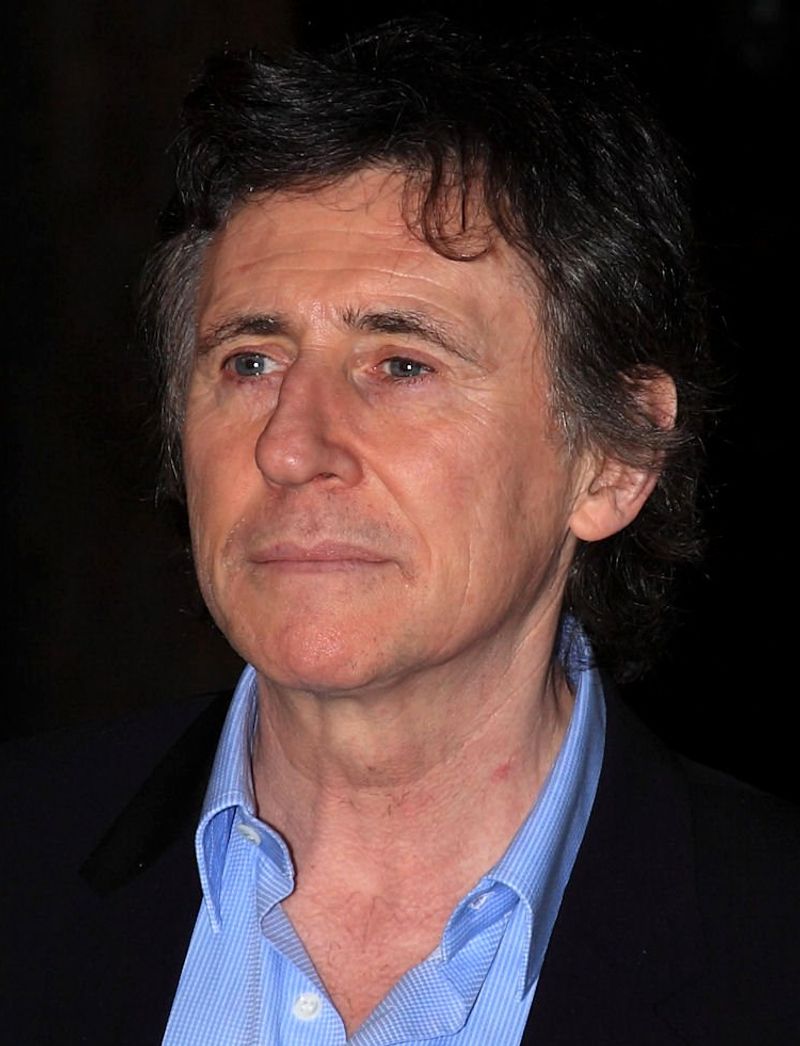
Ari Aster’s debut feature proved that modern horror can still clear theaters. Opening weekend screenings across America reported walkouts during specific shocking moments. The emotional devastation combined with disturbing imagery created something audiences weren’t prepared for despite decades of horror movie evolution.
One particular scene involving a car accident left viewers traumatized and heading for exits. The film’s slow-burn approach builds unbearable tension before delivering horrifying payoffs. Toni Collette’s performance adds emotional weight that makes the supernatural horror even more affecting.
Social media exploded with stories of people leaving screenings feeling genuinely disturbed. Unlike older films on this list, Hereditary proved walkouts aren’t just historical curiosities. The grief and family trauma portrayed hit deeper than typical horror scares. Critics praised its artistic achievement while acknowledging its difficult viewing experience. Aster established himself as a director unafraid to push audiences past their comfort zones.
13. Terrifier 2 (2022)
Damien Leone’s indie slasher proved that extreme gore still has power to overwhelm audiences. Reports went viral about viewers vomiting and fainting during screenings. Paramedics were called to theaters where people passed out during particularly graphic kill sequences. The practical effects work is so realistic that it triggers physical reactions.
Art the Clown’s brutal methods spare no detail, showing everything in extended, unflinching shots. Unlike mainstream horror that cuts away, this film lingers on the violence. Social media amplified the phenomenon, with people sharing their experiences of walking out or witnessing others flee.
The movie’s success came partly from its reputation for being unwatchable. Young audiences challenged themselves to endure it, but many couldn’t finish. Theater staff reported cleaning up after viewers became physically ill. The film demonstrates that despite decades of desensitization, truly extreme content can still provoke visceral reactions and theatrical exits.



