 Unearth The Voyage
From clam shacks on rocky coasts to smoky roadside pits on sunbaked highways, America’s regional food tells a story you can actually taste. Each dish carries local history, immigrant influence, and a sense of place that no chain can replicate.
You will get practical tips on where to try them, how to order like a local, and what makes each one unforgettable. Hungry yet?
Let’s hit the map.
1. New England – Clam Chowder
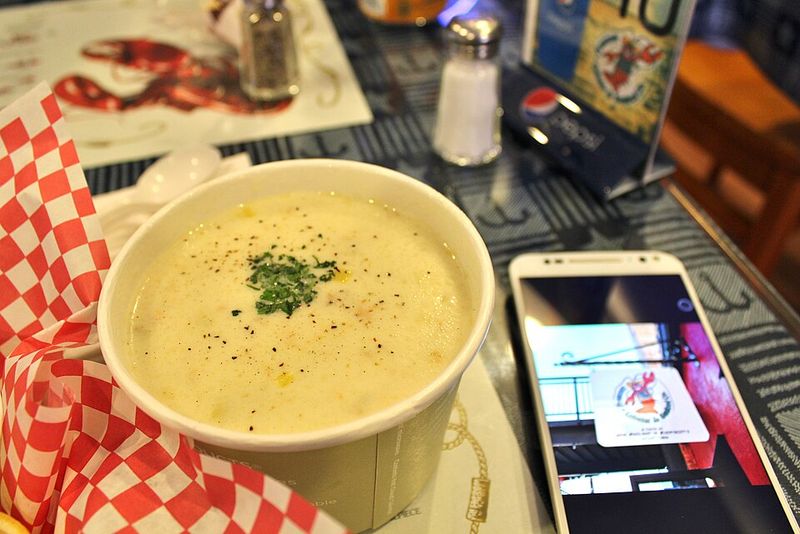
New England clam chowder is coastal comfort in a bowl, a recipe shaped by cold Atlantic mornings and bustling fish markets. You will taste briny clams, tender potatoes, and smoky salt pork folded into a cream base that stays velvety without turning gluey.
Order it with oyster crackers, crush a few on top, and let the broth thicken naturally as it cools.
Locals argue about thickness, but balance counts more than heft. Seek spots that source fresh quahogs and render their own pork for depth.
Practical tip: ask how the stock is built. If the cook smiles and says clam liquor and cream, you are in good hands.
Pair with a light ale.
2. The South – Fried Chicken
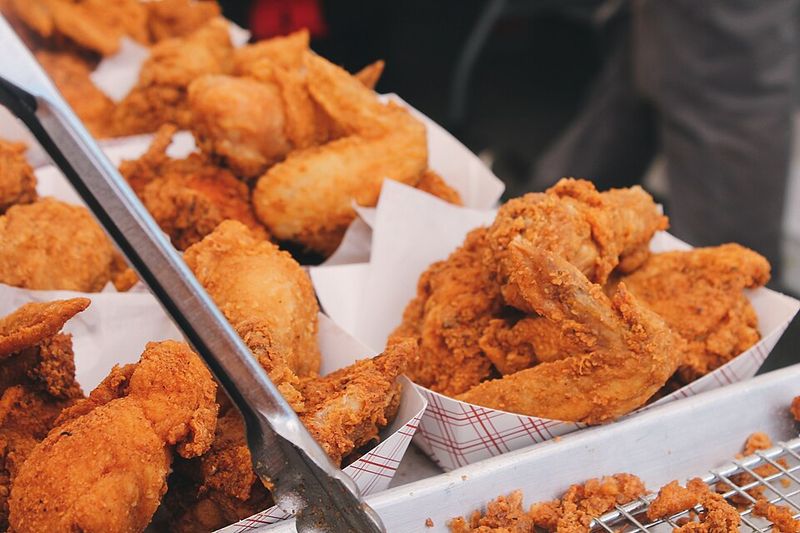
Southern fried chicken is a master class in texture. The best versions deliver shattering crust over juicy meat, with seasoning that reaches the bone.
You will notice paprika warmth, black pepper bite, and maybe a hint of garlic. Buttermilk brining tenderizes, while double dredging creates craggly ridges that fry into crunch.
Compare two methods: skillet shallow fry for old-school control, or pressure-fry for ultra-juicy interiors. A Nashville hot variation adds a cayenne oil lacquer that hums.
According to the National Chicken Council, U.S. chicken consumption has topped 100 pounds per capita annually in recent years, reflecting how deeply fried chicken sits in everyday eating.
Practical tip: listen for the sizzle. Oil too cool equals soggy crust, too hot scorches spices.
Seek places that rest pieces on a wire rack, not paper towels, so steam does not wilt the crust. Pair with collards and a dill pickle.
3. The Deep South – Shrimp and Grits
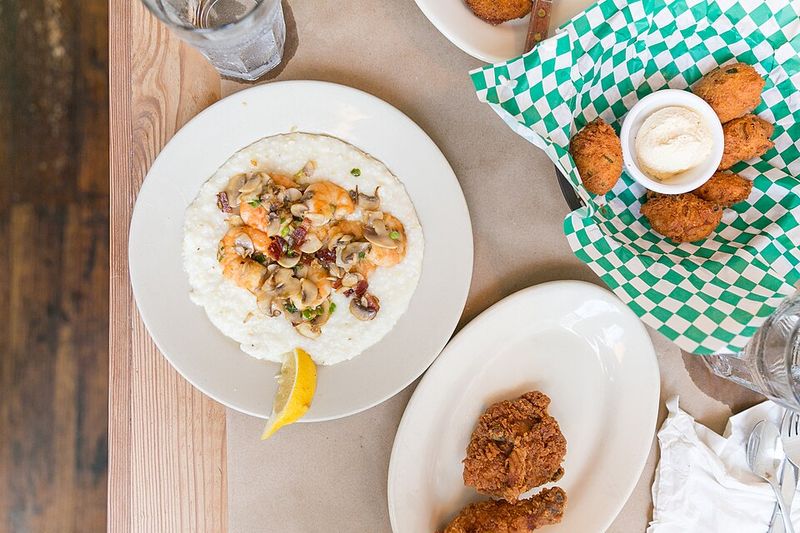
Shrimp and grits started humble, a tidewater breakfast for fishermen. Today it is a Deep South icon with restaurant finesse.
You will want stone-ground grits for texture, slowly simmered with milk or stock until plush. Gulf shrimp should taste sweet and snappy, kissed by paprika and garlic.
A bacon or andouille base adds smoke and depth.
Case study two plates: Charleston’s silky style versus a spicier Lowcountry rendition with tomato gravy. The contrast shows how seasoning and fat turn the same canvas into distinct experiences.
Freshness counts most with shrimp, so ask about sourcing.
Pro tip: finish grits with a knob of butter and sharp cheddar for lift. The sauce should glaze, not drown, the bowl.
When you drag a spoon through and see a brief trail, the consistency is right. Pair with a crisp white and hot sauce on the side.
4. Midwest – Deep-Dish Pizza
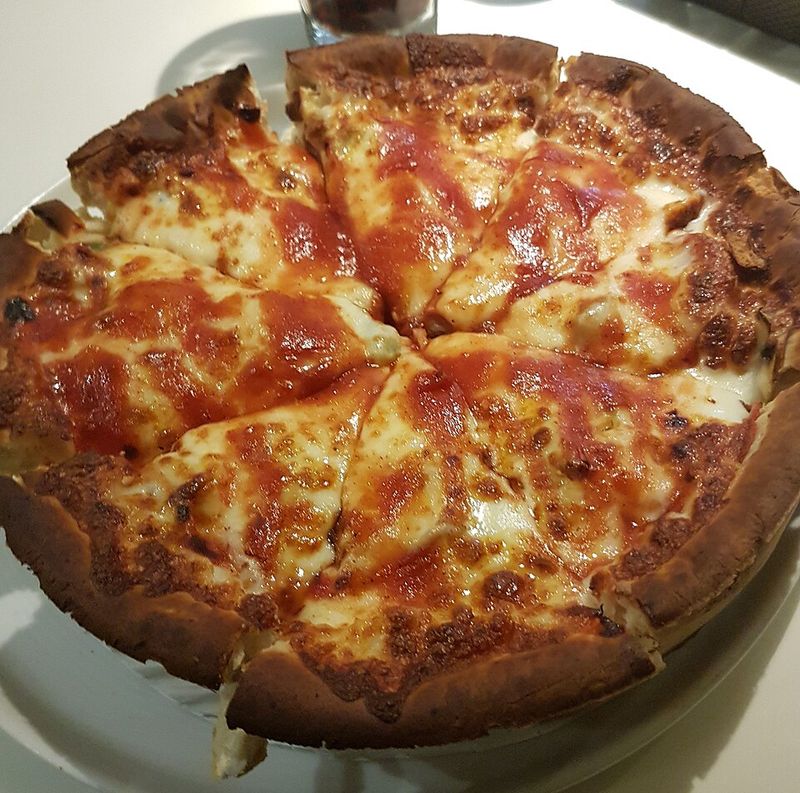
Chicago deep-dish is knife-and-fork pizza engineered like a casserole. You will meet a buttery, cornmeal-adjacent crust, layers of cheese, toppings, and a bright tomato crown.
Good versions bake long enough to caramelize edges without drying the interior. That first slice should release steam and a stretchy cheese pull.
Case study: compare a sausage wheel classic to a spinach-mushroom version and taste how hearty sauce balances rich dairy. Skip overloaded toppings that turn the crust soggy.
Many shops par-bake the shell to prevent seepage, a technique worth noting if you try this at home.
Practical tip: let the pie rest a few minutes so layers set. Order a simple salad to reset your palate between bites.
Tourists rush slices, locals pace themselves. Deep-dish is not a quick snack.
It is a destination meal with old-school hospitality baked in.
5. Great Plains – Chicken-Fried Steak
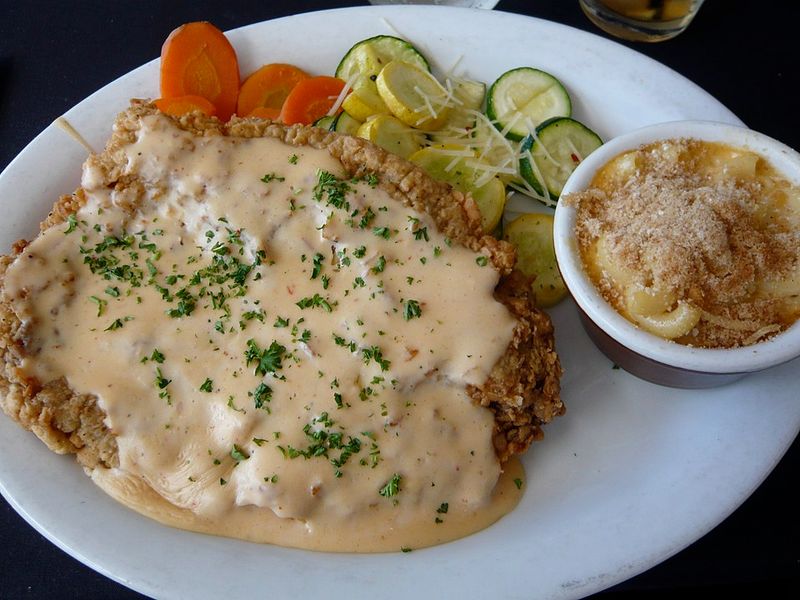
Chicken-fried steak proves the Plains’ gift for comfort. A tenderized beef cube steak gets dredged, fried, and blanketed in creamy pepper gravy.
You will want a crust that crackles, with seasoning that shows up even under sauce. The steak inside should stay juicy, not leathery.
Mashed potatoes and green beans round out the classic plate.
Case study the crunch by tapping your fork on the crust. If it fractures with a gentle snap, the oil temperature was right.
A milk-egg wash boosts adhesion, while resting the breaded steak before frying helps the coating set. Gravy should show black pepper flecks and a silky sheen.
Practical tip: order at a place that fries in small batches and serves immediately. The Plains diner ethos values hot plates and quick turn.
Pair with iced tea. Then plan a nap.
This dish hugs from the inside out.
6. Texas – Brisket
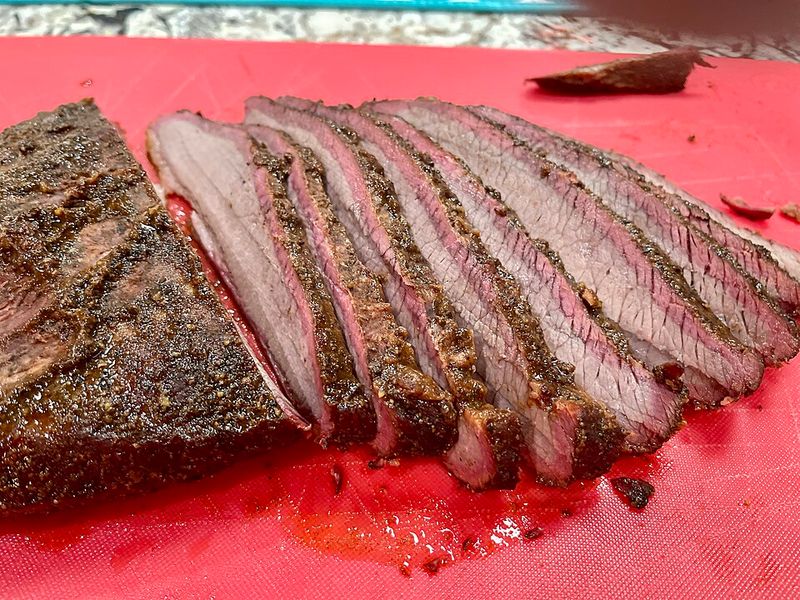
Texas brisket is a patient craft that rewards restraint. You will taste post oak smoke, salt and pepper rub, and hours of steady heat transforming tough collagen into silk.
Proper slices bend and almost break, with a juicy glisten. The bark should be peppery and firm, not burnt.
Ask for fatty and lean to compare textures.
Case study two line-famous joints. One nails consistent heat management; the other wins on rest time, holding meat in a warm box to reabsorb juices.
Both matter. According to state tourism data, barbecue tourism drives significant weekend traffic, with visitors queueing for hours because perfect brisket is hard to fake.
Practical tip: skip sauce on the first bites. Let smoke and beef speak, then add a dab if you like.
Pair with pickles and raw onion for balance. White bread is there as an edible napkin.
7. Mid-Atlantic – Cheesesteak
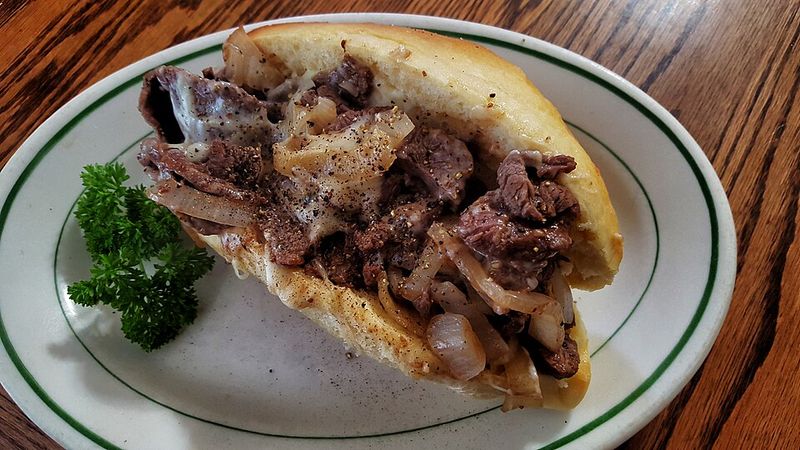
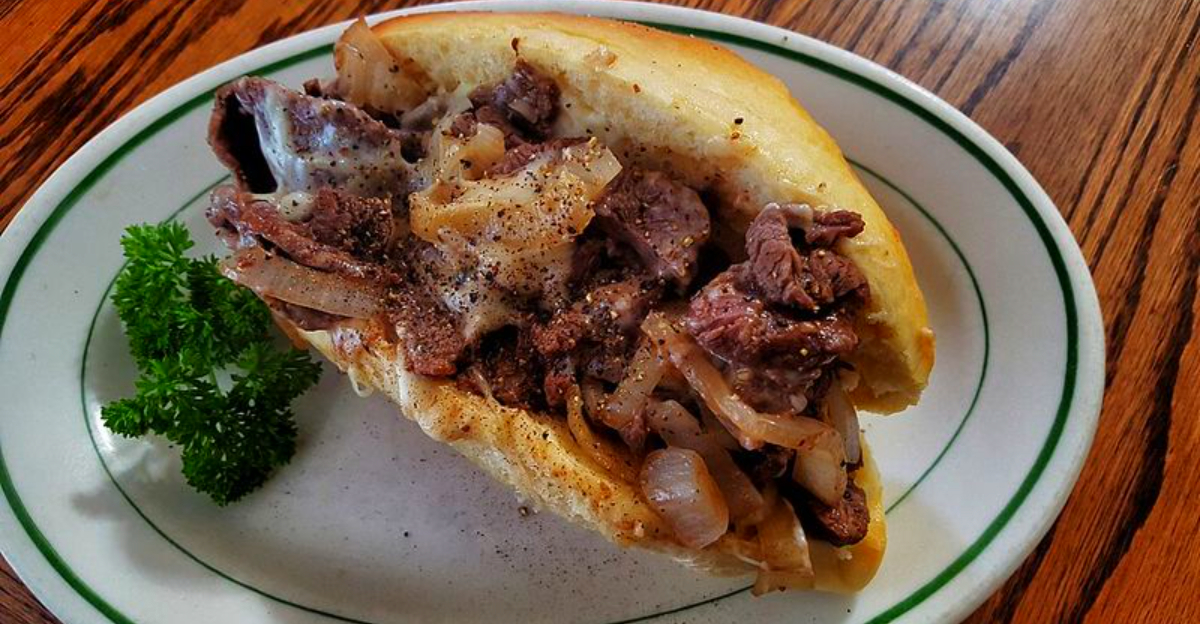
The cheesesteak is all about hot griddle energy and timing. Thinly shaved ribeye hits steel, onions soften, and the fat mingles into a juicy strata.
You will choose your cheese style, often provolone or Cheez Whiz, and call your order with or without onions like a local. The sandwich should drip, but the roll needs enough structure to hold everything.
Technique matters: meat chopped on the grill creates more surface area for flavor, while intact strips feel steakier. Case study this by splitting two from rival shops and comparing heat, fat, and bread chew.
Philadelphia’s long history of Italian bakeries explains the roll’s signature bite.
Data point: the USDA pegs Americans’ annual beef consumption near 57 pounds per capita, reinforcing why this classic remains ubiquitous. Practical tip: avoid overstuffed tourist versions.
A balanced ratio of beef to bread means every bite stays cohesive, not a fork-required mess.
8. Mountain West – Bison Burger
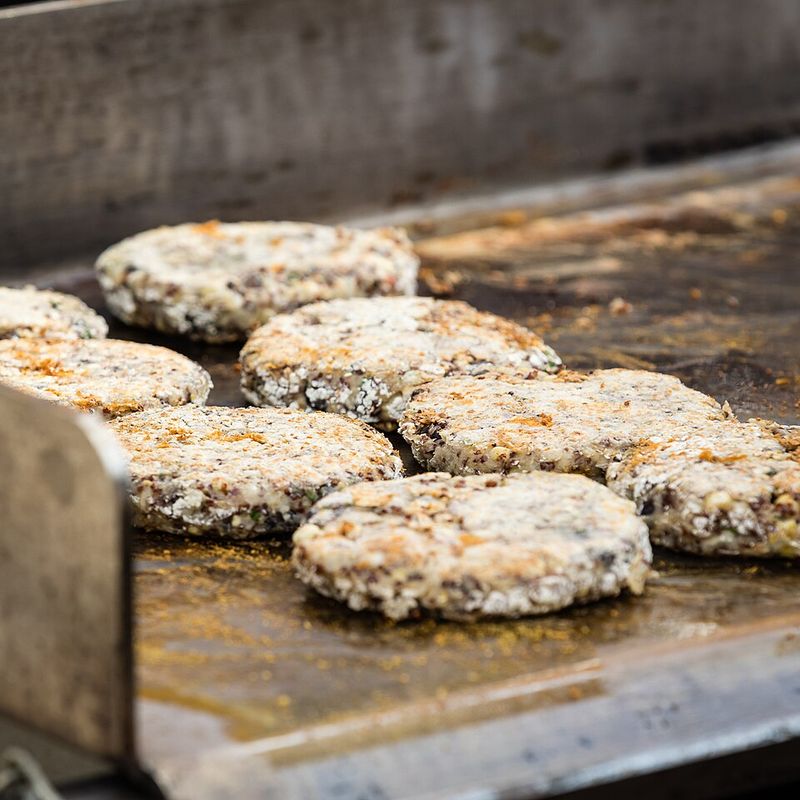
A bison burger carries the Mountain West’s lean, clean character. You will get concentrated beefy flavor without heaviness, thanks to lower fat.
The trick is not overcooking. Aim medium to preserve juiciness.
Toppings should support, not smother: sharp cheddar, pickled onions, maybe a huckleberry ketchup nodding to regional fruit.
Case study: compare a griddle-seared patty to a flame-grilled one. Griddle gives superior crust; flame adds smoke.
Because bison is lean, a touch of tallow or butter on the grill helps. The National Park Service once noted recovery milestones for American bison herds, reminding diners this meat connects to conservation and ranching stewardship.
Practical tip: ask the kitchen for a gentle cook and a toasted bun to protect structure. Skip iceberg for arugula or crisp lettuce that will not wilt fast.
Pair with a malty amber ale and mountain air.
9. Pacific Northwest – Cedar-Plank Salmon
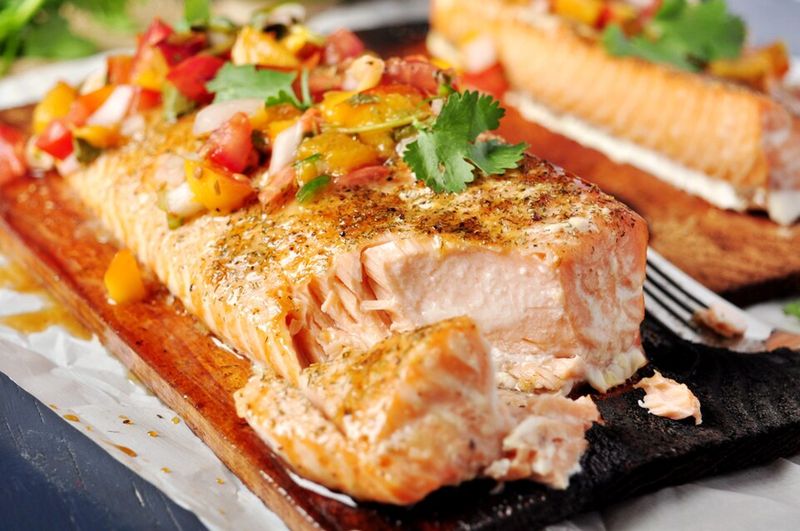
Cedar-plank salmon showcases the Northwest’s forest-to-sea pantry. You will get aromatic wood smoke, wild salmon richness, and citrus-herb brightness in one bite.
The plank steams and smolders, keeping fillets tender while infusing a gentle cedar perfume. Done right, the fish flakes with gloss, not dryness.
Case study: compare sockeye to king salmon. Sockeye brings bold color and lean intensity, while king offers buttery luxury.
Sustainability matters here. Look for wild-caught certifications and seasonal availability.
NOAA data regularly tracks Pacific salmon runs, guiding responsible buying decisions.
Practical tip: soak planks thoroughly so they smolder rather than ignite. Season lightly with salt, pepper, lemon, and dill, then finish with a brush of maple or alder honey for regional sweetness.
Pair with a crisp white or a citrusy pale ale. Serve with charred asparagus and potatoes.
10. California – Fish Tacos
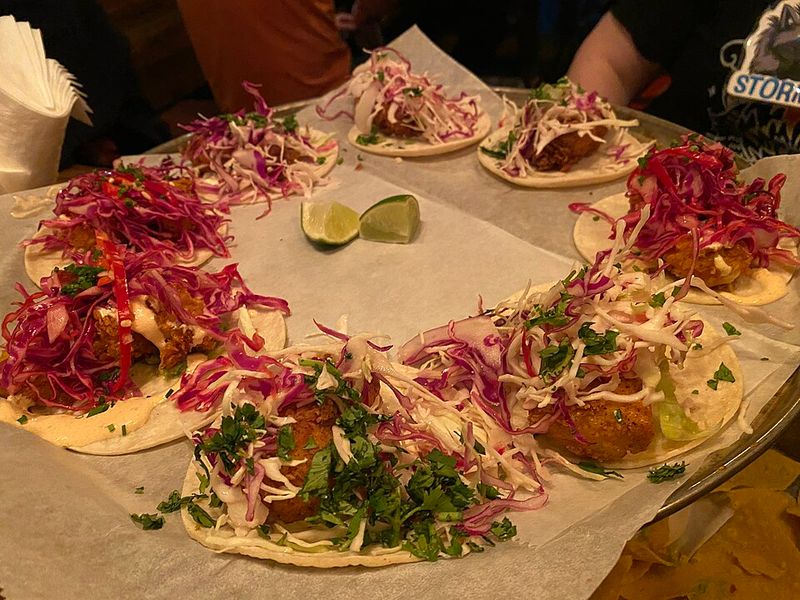
California fish tacos taste like a sunny drive along the coast. You will get crunch from light batter, cool cabbage snap, and lime-sparked crema.
Corn tortillas should be warm and pliable, doubling up to prevent breakage. Balance reigns: crispy fish, fresh salsa, and a hit of cilantro keep every bite bright.
Case study: grilled versus battered. Grilled mahi or halibut leans clean and smoky; battered cod brings pub-level crunch.
Try both. Southern California’s surf culture pushed these from Baja stands into mainstream menus, and they never looked back.
Freshness is nonnegotiable.
Practical tip: ask for house-made tortillas and taste salsa before dousing. If it is peak tomato season, go heavy on pico.
Otherwise, cabbage and lime will carry. A cold lager and ocean air complete the moment, no reservation required.
11. Alaska – King Crab Legs
Alaskan king crab legs are dramatic and unbelievably sweet, like the sea’s version of prime rib. You will crack thick shells to reveal snowy meat that needs little more than butter and lemon.
The pleasure is in the yield and the clean, briny finish. Good spots keep it simple and let the crab speak.
Case study: chilled on ice versus steamed. Chilled highlights sweetness and snap; steamed amplifies aroma and tenderness.
Alaska’s fisheries are tightly managed, with state reports emphasizing sustainability and quotas that protect long-term stocks. That stewardship is part of the flavor story.
Practical tip: ask for shell crackers and a warm finger bowl. Dip lightly into butter, then try plain to calibrate.
Pair with a crisp pilsner or sparkling wine. If you are splurging, enjoy the ceremony of the cracking.
It is half the fun and all the memory.
12. Hawaii – Poke
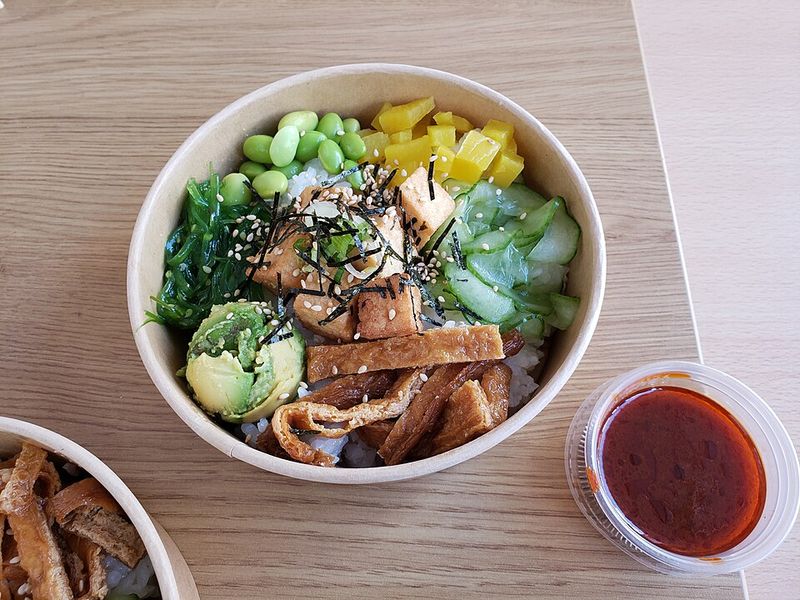
Poke in Hawaii is about respectful simplicity. You will taste pristine fish, often ahi, dressed with shoyu, sesame, and green onion.
The texture is tender and cool, with seaweed adding minerality. Bowls can be over rice or enjoyed by the quarter pound from a market deli.
The best shops turn inventory fast, so freshness is visible.
Case study: classic shoyu versus spicy mayo. Shoyu keeps it clean and oceanic; spicy mayo leans creamy and rich.
Try limu for crunch and depth. Local practice favors minimal handling and sharp knives to preserve texture.
Practical tip: ask which cut came in that morning. You want vibrant color and a clean scent.
If you add toppings, choose two or three so fish remains the star. Pair with an ice-cold lager and a beach view if you can swing it.
13. Southwest – Green Chile Stew
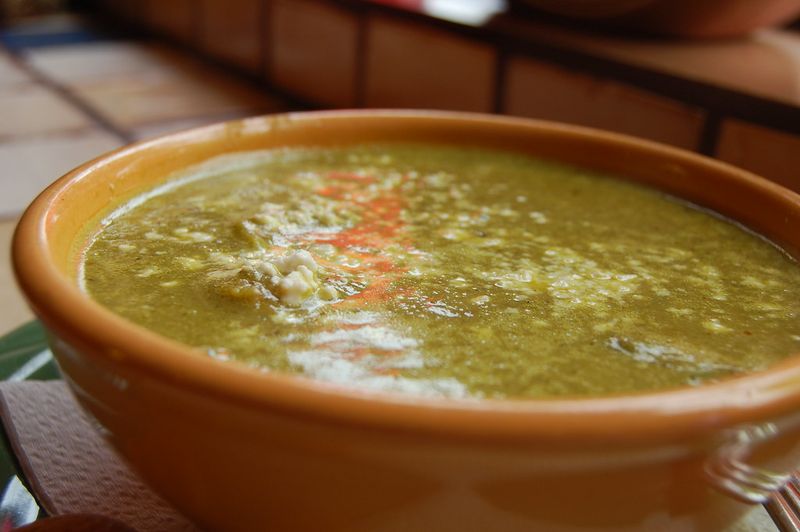
Green chile stew defines New Mexico’s cozy side, a bowl that warms without overwhelming. You will notice roasted Hatch chiles bringing smoke, sweetness, and a building heat.
Pork and potatoes soak up that flavor, while cumin and oregano add earthiness. The broth should glisten with just enough fat to carry spice.
Case study: try mild and hot chiles side by side. Heat shifts the entire character, changing how you pace bites.
Locals ask red or green daily, proof of how entwined chile is with identity. State agriculture reports highlight annual Hatch harvests that draw travelers each late summer.
Practical tip: order with a warm flour tortilla to scoop and cool the stew. A squeeze of lime brightens everything.
If you cook it at home, roast chiles until blistered, then peel and seed to control heat while keeping that irresistible smoky depth.



