Canada is a country where you can eat outrageously well, and not just in the obvious places. Sure, everyone knows about poutine and butter tarts, but the real story is far more exciting.
Across this enormous country, chefs are turning local fish, foraged herbs, wild game, and farm-fresh produce into meals that stop people mid-conversation. Some restaurants are hidden in 17th-century stone vaults.
Others sit on an exposed ocean floor during low tide, which is exactly as dramatic as it sounds. A few have earned Michelin Stars.
One is run out of a 300-year-old wooden cottage. From Toronto to Tofino, from Quebec City to Fogo Island, Canada’s best dining spots share one thing in common: they are genuinely unforgettable.
This list covers 13 of the most remarkable places to eat across the country, ranked from impressive to absolutely jaw-dropping. Bookmark it before your next Canadian road trip.
1. Restaurant Pearl Morissette – Jordan Station, Ontario
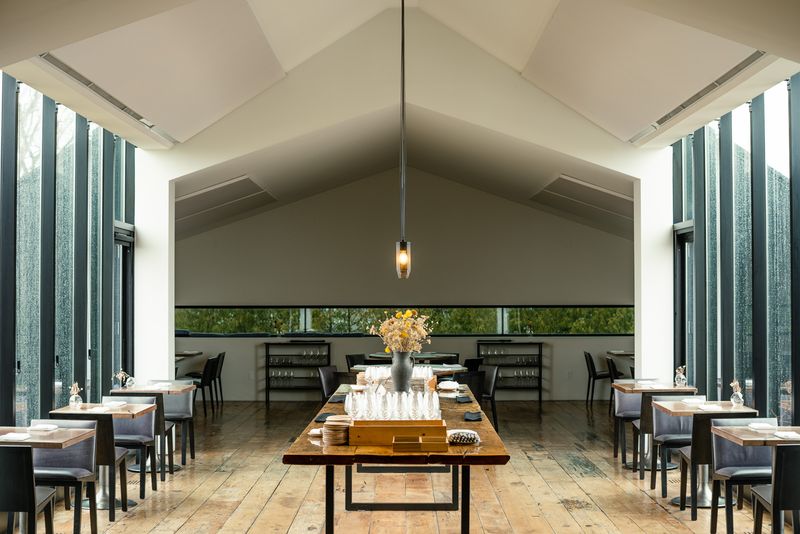
Canada’s top-ranked restaurant for two consecutive years sits not in a major city, but quietly in the middle of wine country in Jordan Station, Ontario. Restaurant Pearl Morissette claimed the number one spot on Canada’s 100 Best Restaurants list in both 2025 and 2026, and also holds two Michelin Stars plus a Green Star for sustainability.
The menu changes constantly, built around ingredients grown on the restaurant’s own 17 hectares of farmland, vineyards, and gardens. That kind of control over sourcing is rare, and it shows in every dish.
Guests choose a tasting menu format, and non-alcoholic garden pairings are available for those who prefer them. The setting feels calm, unhurried, and genuinely connected to the land surrounding it.
For serious food lovers visiting Ontario, this is the destination that belongs at the very top of the list.
2. Mon Lapin – Montreal, Quebec
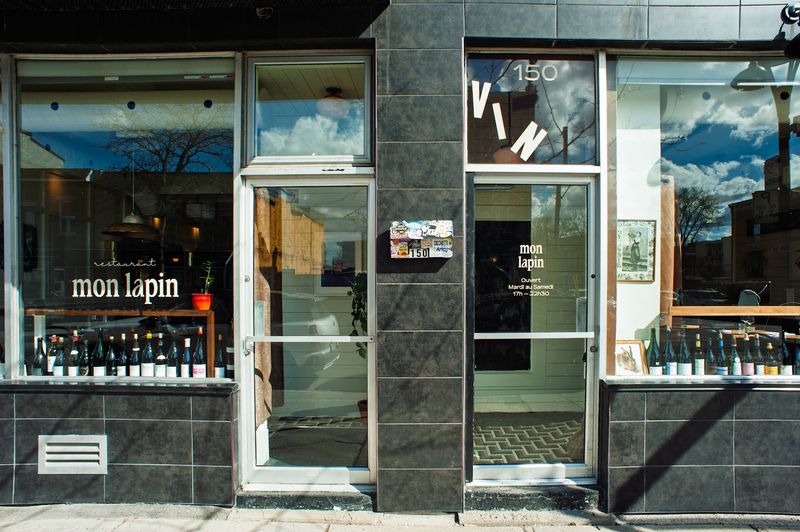
Not every great restaurant needs white tablecloths and hushed reverence to prove a point. Mon Lapin in Montreal has earned its place at number two on Canada’s 100 Best Restaurants list for 2026 with a completely different approach: lively, unpretentious, and genuinely fun.
The menu changes daily, built around market-driven French-Italian cooking that celebrates local and seasonal ingredients. Small plates arrive creatively prepared, and the kitchen clearly enjoys experimenting without losing focus on flavor and quality.
Michelin has also taken notice, adding Mon Lapin to its recognized list. The natural wine selection is extensive, though non-alcoholic options are equally thoughtful.
Montreal already has a strong reputation for outstanding restaurants, and Mon Lapin fits right into that tradition while doing something distinctly its own. Reservations are recommended, especially on weekends, when the room fills up fast with regulars who clearly know something worth knowing.
3. Tanière³ – Quebec City, Quebec
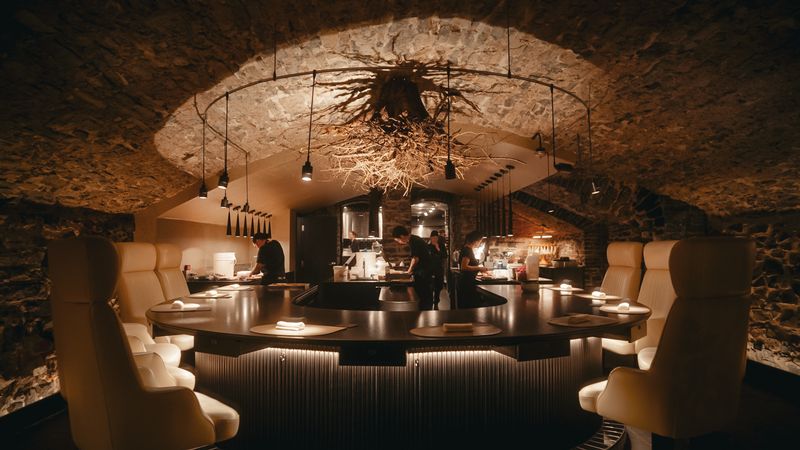
Ranked third on Canada’s 100 Best Restaurants list for 2026, Tanière³ occupies one of the most extraordinary dining spaces in the entire country: the stone vaults of a 17th-century building in Old Quebec City. The room has no windows, which turns the focus entirely inward toward the food and the experience.
The kitchen works exclusively with indigenous and locally sourced Quebec ingredients, with a strong emphasis on boreal terroir. That means ingredients pulled from northern forests, rivers, and farms specific to the region.
The tasting menu runs between 12 and 18 courses, and guests do not choose their dishes in advance.
Tanière³ also holds two Michelin Stars and received the Art of Hospitality Award for North America, which is not a small achievement. The combination of historic architecture, hyperlocal sourcing, and a blind tasting format makes this one of the most genuinely unique restaurant experiences in Canada.
4. Quetzal – Toronto, Ontario
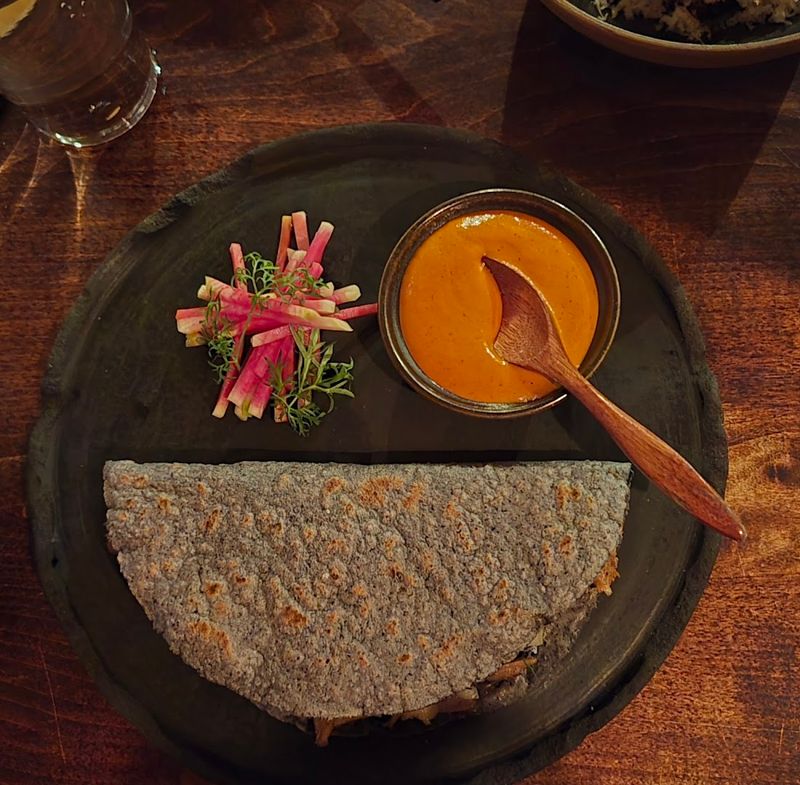
Wood-fire cooking is having a moment across North America, but Quetzal was ahead of the trend. This Toronto restaurant built its entire identity around a 26-foot-long wood-burning grill that nearly every dish passes through, creating results that a standard kitchen simply cannot replicate.
Ranked fourth in Canada’s 100 Best Restaurants for 2026, Quetzal also became the first Mexican restaurant in Toronto to earn a Michelin Star, which is a milestone worth noting. The menu focuses on upscale Modern Mexican cuisine, and the kitchen makes its tortillas in-house using traditional nixtamalization, a corn preparation process that goes back thousands of years.
The restaurant does not try to be a casual taco spot, and it does not pretend to be a fusion experiment either. It commits fully to elevated Mexican cooking with serious technique.
For anyone curious about what Mexican cuisine looks like at its most refined, Quetzal delivers a clear and convincing answer.
5. Edulis – Toronto, Ontario
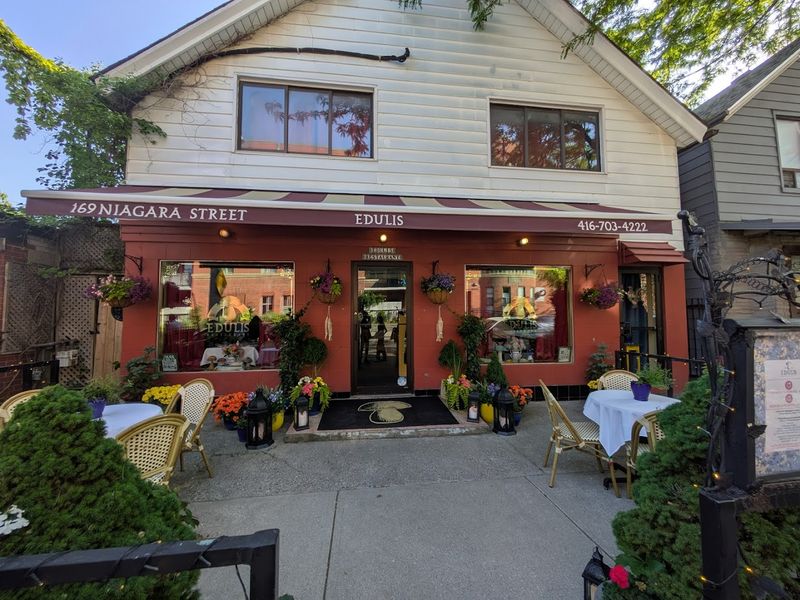
Some restaurants build their menus weeks in advance. Edulis builds its menu the morning of service, based entirely on what arrived fresh that day.
That daily commitment to the freshest possible ingredients has earned this Toronto bistro a Michelin Star and a spot at number five on Canada’s 100 Best Restaurants list for 2026.
The cooking draws from French and Spanish traditions, with a particular focus on wild and foraged foods, especially seafood. The room itself is small and intimate, closer in feel to a neighborhood bistro than a grand dining destination, which makes the quality of the food even more surprising.
Tasting menus change constantly, so two visits to Edulis rarely produce the same experience. Regulars consider that a feature rather than an inconvenience.
For food lovers who appreciate precision, seasonal honesty, and a kitchen that genuinely responds to what nature provides, this spot is hard to beat in Toronto.
6. AnnaLena – Vancouver, British Columbia
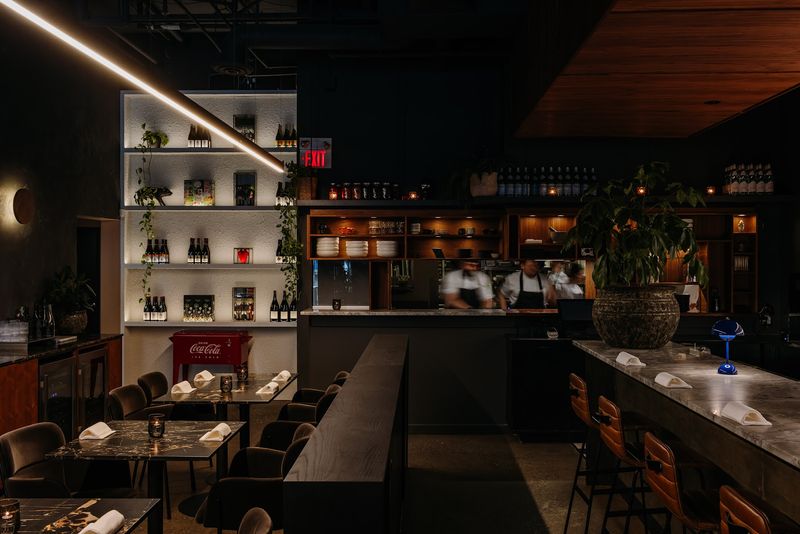
Most fine dining restaurants play it safe with their decor. AnnaLena in Vancouver decided that Star Wars memorabilia and original sculptures belonged in the dining room, and the result is a space that feels genuinely distinct from every other Michelin-starred restaurant in the country.
The food matches the personality of the room. Modern West Coast cuisine built around fresh British Columbia ingredients arrives with creativity and confidence.
AnnaLena earned its Michelin Star while also landing at number 12 on Canada’s 100 Best Restaurants list for 2026, proving that a playful atmosphere and serious cooking are not mutually exclusive.
The kitchen highlights B.C. seafood, local produce, and regional flavors without becoming predictable or formulaic about it. Service is warm rather than formal, which fits the neighborhood feel of the Kitsilano location.
For visitors who want outstanding food without the stuffiness that sometimes accompanies it, AnnaLena is a genuinely refreshing choice in Vancouver.
7. Published on Main – Vancouver, British Columbia
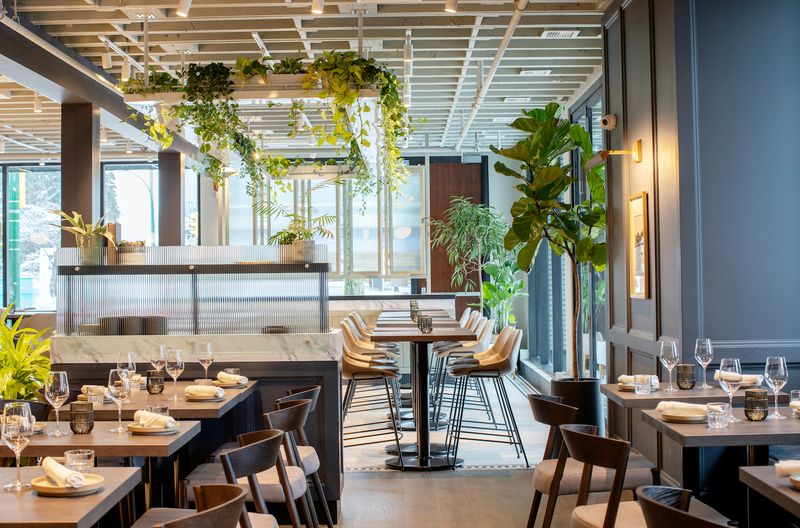
Eleven courses in two and a half hours sounds like a commitment, and at Published on Main in Vancouver, it absolutely is. The restaurant earned a Michelin Star for its hyper-local, seasonal tasting menu that takes sourcing seriously enough to name specific local areas where ingredients are gathered.
Elderflower, morels, and other foraged and farmed ingredients from around British Columbia show up across the menu, often in combinations that feel both surprising and logical at the same time. The kitchen uses restraint well, letting individual ingredients carry the weight of each dish rather than layering on unnecessary complexity.
The dining room maintains a fine dining standard without becoming cold or transactional. Service is attentive and knowledgeable, which matters when a tasting menu involves this many courses and this much explanation.
For Vancouver visitors who want a structured, carefully considered meal built entirely around what B.C. has to offer, this restaurant delivers exactly that.
8. River Café – Calgary, Alberta
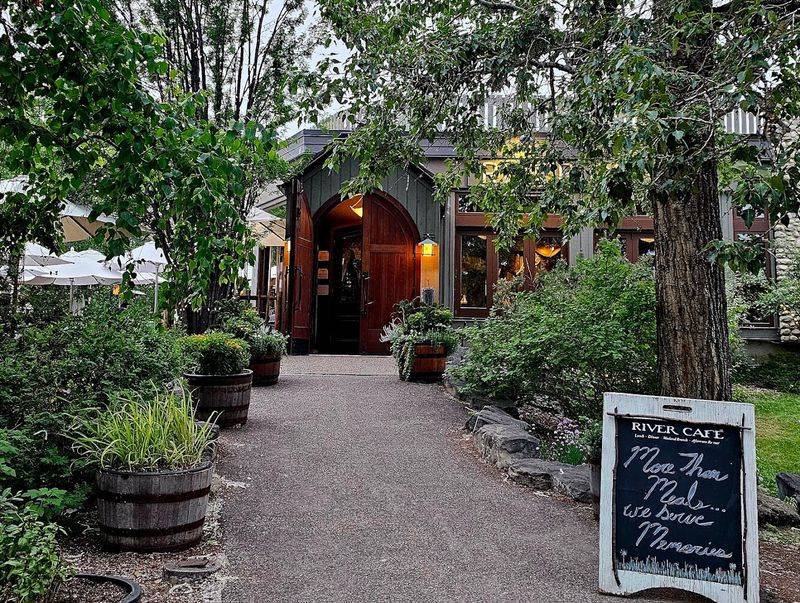
There are not many restaurants in Canada where the dining room overlooks an urban park island and the fireplace is built from fieldstone. River Café in Calgary occupies a genuinely special location inside Prince’s Island Park, and the setting has shaped everything about how the restaurant operates.
The menu centers on seasonal Canadian cuisine with a strong commitment to local, organic, and sustainably sourced Albertan ingredients. The kitchen works with regional producers to keep the menu connected to what is actually growing and available, rather than importing ingredients from elsewhere.
The interior design references an old Rocky Mountain fishing lodge, complete with the aforementioned fieldstone fireplace that anchors the room during colder months. Panoramic views of the park and Calgary’s skyline are visible from multiple tables.
It is the kind of restaurant that works equally well for a weekday lunch and a special occasion dinner, which is a harder balance to strike than it looks.
9. Fogo Island Inn – Joe Batt’s Arm, Newfoundland

Getting to Fogo Island requires a ferry, which means the guests who show up for dinner have already committed to the journey before they even sit down. The dining room at Fogo Island Inn rewards that effort with views of the Atlantic that sometimes include whales and icebergs, depending on the season.
Around 80 percent of the ingredients served here are sourced locally, meaning fished, farmed, or foraged from Fogo Island itself. Menus change with the seasons and are built around stories of local producers, which gives each course a context that most restaurants cannot offer.
The inn reinvests its profits directly back into the surrounding community, so a meal here supports the island in a concrete way. Dishes reflect the rugged, coastal character of the place without resorting to gimmicks.
This is destination dining in the truest sense, where the location and the food are completely inseparable from each other.
10. Atelier – Ottawa, Ontario
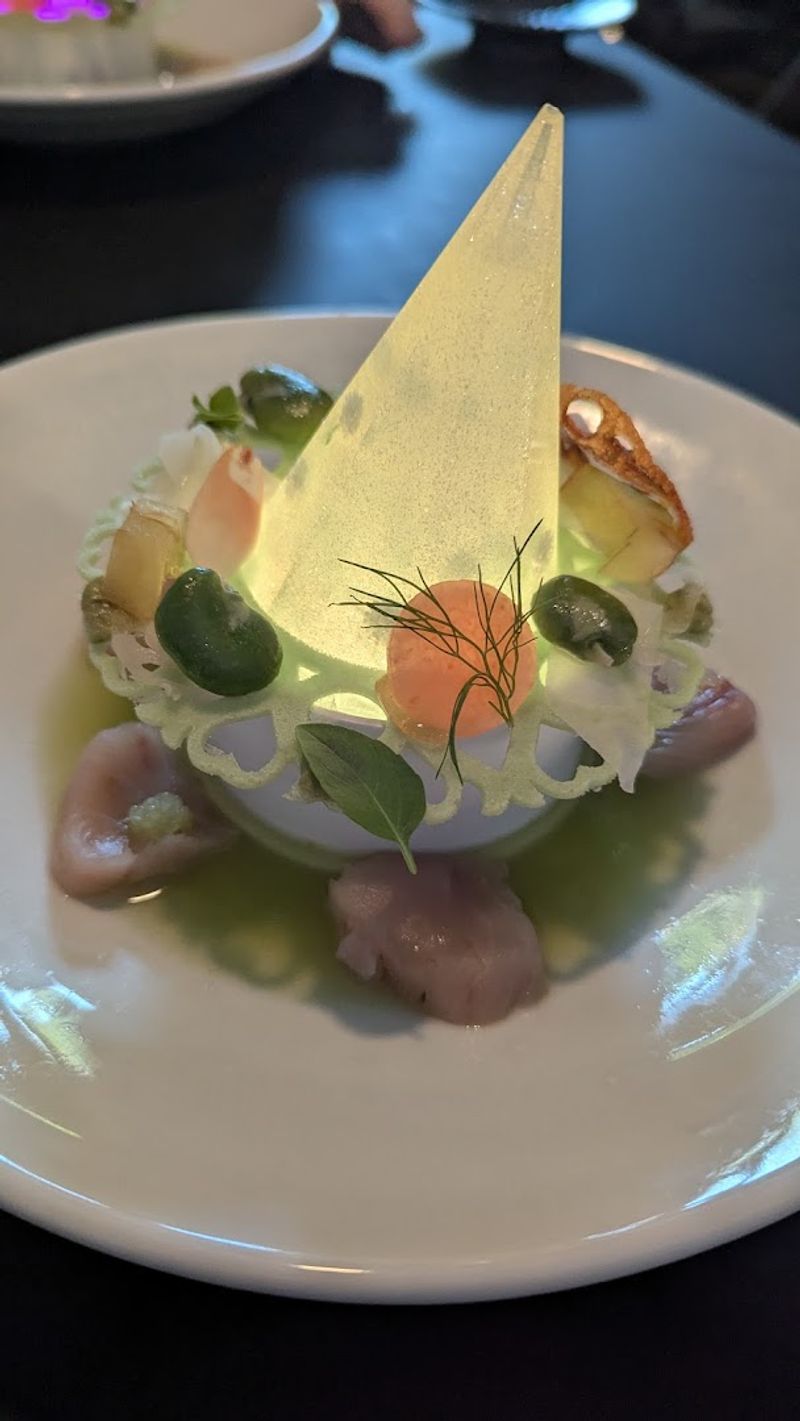
Chef Marc Lepine has won the Canadian Culinary Championships twice, and his Ottawa restaurant Atelier is the reason people keep nominating him. The kitchen operates at a level of technical precision that puts it in a category shared by very few Canadian restaurants.
Atelier is known for molecular gastronomy and avant-garde tasting menus that push the boundaries of what a course can look like or function as. In 2021, the restaurant offered a 44-course experience built from rapid-fire small bites, which is either an act of culinary ambition or a very elaborate party trick, depending on your perspective.
Either way, it made headlines.
The menu evolves continuously, and guests rarely know exactly what to expect before arriving, which is entirely the point. Ottawa does not always get the same culinary attention as Montreal or Toronto, but Atelier has been making a strong argument for the capital’s place on the national dining map for years.
11. Dark Table – Vancouver, British Columbia
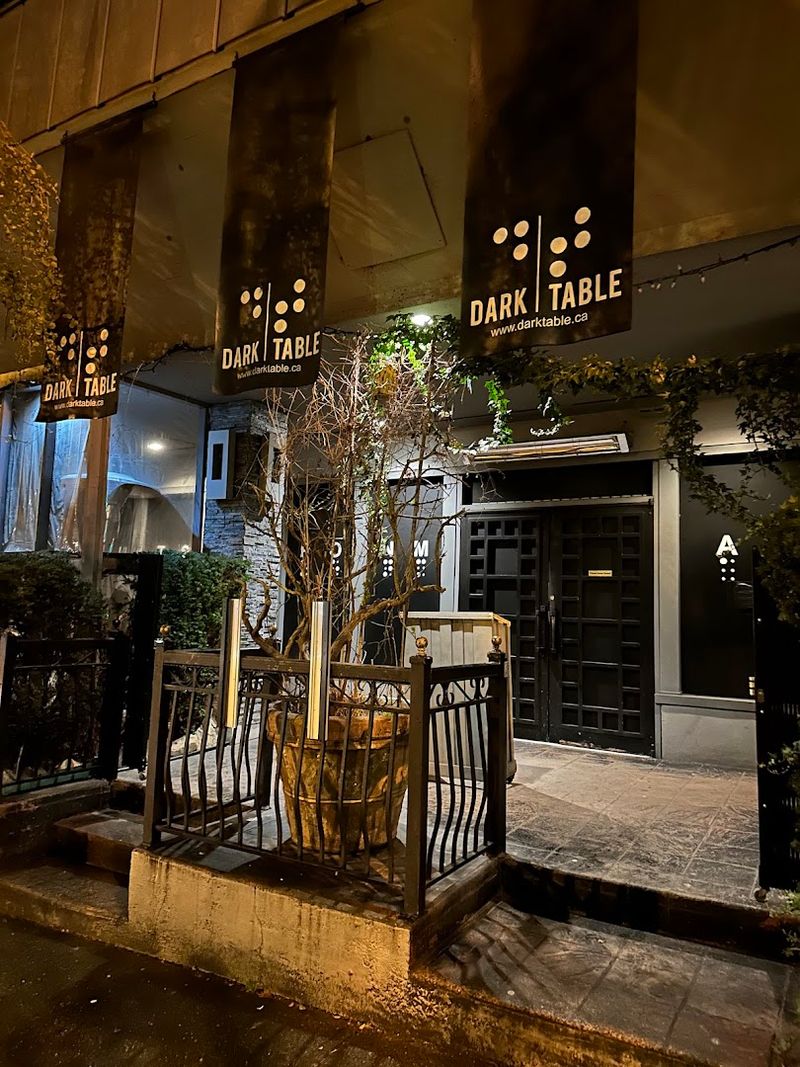
Dining completely in the dark sounds like a challenge, and honestly, it is. Dark Table in Vancouver removes all light from the dining room entirely, which means guests navigate the meal without being able to see their plates, their companions, or anything else in the room.
The concept was built around a meaningful purpose: the servers at Dark Table are members of the blind community, and the restaurant was designed to highlight their skills and create employment in a setting where their expertise is genuinely central to the experience. The menu features Italian and Canadian dishes.
Without visual cues, guests tend to focus more carefully on each bite and on conversation, which changes the pace and feel of the meal in unexpected ways. It is one of the few restaurants in Canada where the dining format itself is the defining feature, separate from any single dish or ingredient.
A second location operates in Montreal.
12. Mallard Cottage – St. John’s, Newfoundland
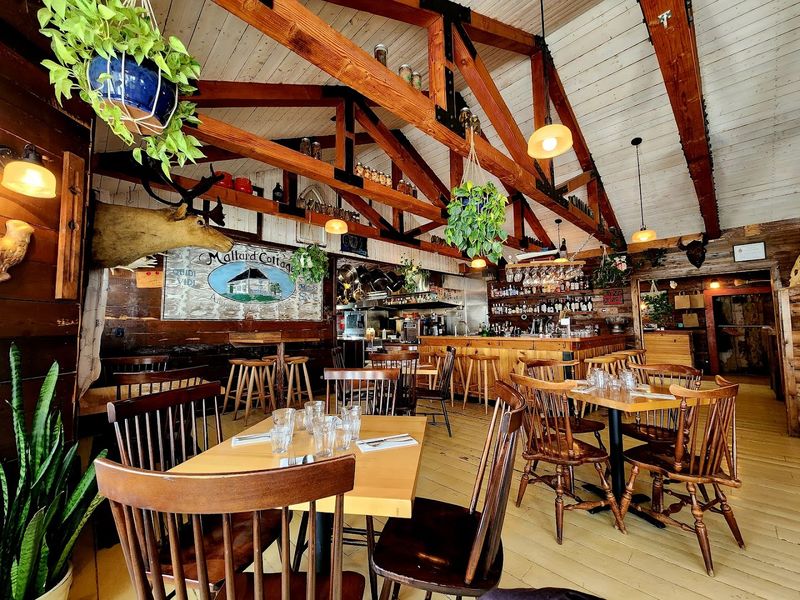
The building that houses Mallard Cottage in Quidi Vidi Village has been standing for roughly 300 years, making it one of the oldest structures used as a restaurant in North America. The village itself is considered one of the oldest settlements on the continent, which gives this spot a historical context that most dining rooms simply cannot claim.
The kitchen serves reimagined Newfoundland cuisine built from fresh, local, and wild-caught ingredients. Standout dishes include cod cheeks and cod tongues, which are traditional Newfoundland preparations that the restaurant elevates without erasing their roots.
The dessert table has developed its own reputation among regular visitors.
The daily-changing menu keeps things current while the rustic wooden interior and warm service maintain the feeling of a down-home gathering rather than a formal restaurant. Brunch at Mallard Cottage has become particularly popular with travelers exploring St. John’s, and the line out front on weekend mornings tells you everything you need to know.
13. Prime Seafood Palace – Toronto, Ontario
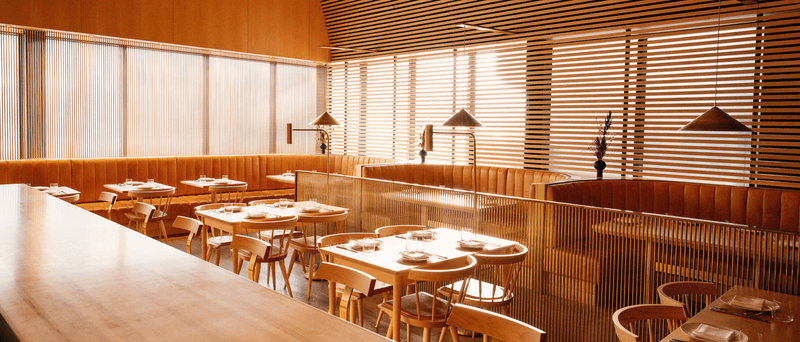
Celebrity chef Matty Matheson built his public reputation on bold, unpretentious cooking, which makes Prime Seafood Palace in Toronto a genuinely interesting pivot. This restaurant is a full-on luxury experience, described by critics as one of Canada’s top destinations for a high-end splurge dinner.
The concept is a hybrid steakhouse and seafood spot, combining two classic formats into one menu that prioritizes ingredient quality above everything else. Lobster spaghetti is among the signature dishes that regulars return for specifically.
The ambiance is sophisticated without being cold, and the kitchen’s commitment to premium sourcing is visible in every plate.
Matheson’s involvement brings a level of public attention that keeps the restaurant consistently in conversations about Toronto’s best tables. It is not an everyday dining option for most people, but for a celebration dinner or a deliberate treat, Prime Seafood Palace offers exactly the kind of memorable, high-quality experience that justifies the occasion and the cost.
Share this story