Food brings people together in ways few other things can, and some cities around the world have mastered the art of creating unforgettable culinary experiences. From bustling street markets serving up centuries-old recipes to elegant restaurants pushing the boundaries of modern cuisine, these destinations offer flavors that tell stories of culture, history, and passion.
Whether you’re dreaming of fresh sushi in Tokyo or authentic pizza in Naples, these 13 incredible food cities will take your taste buds on a journey you won’t soon forget.
Tokyo, Japan — Sushi, Street Snacks & Kaiseki Mastery
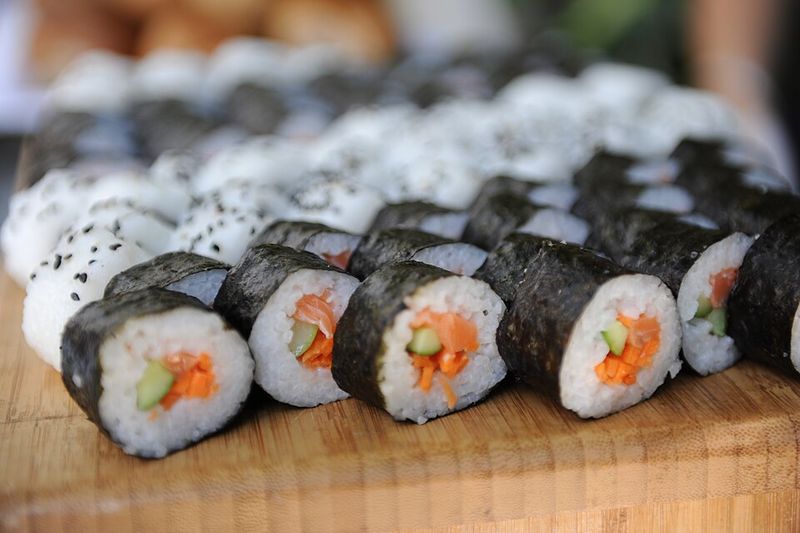
Walking through Tokyo feels like stepping into a culinary wonderland where every corner reveals something delicious. This Japanese capital holds more Michelin stars than nearly any other city on Earth, with sushi masters crafting perfect bites of fresh fish that melt in your mouth.
Century-old traditions blend seamlessly with bold new ideas, creating a food scene that never stops evolving.
Street food here is just as impressive as the fancy restaurants. Hot takoyaki balls stuffed with octopus sizzle on griddles while yakitori skewers char over open flames, filling the air with mouthwatering aromas.
Steaming bowls of ramen and crispy tempura are everywhere you look.
Neighborhood izakayas serve up small plates perfect for sharing, while depachika food halls beneath department stores showcase incredible variety. Seasonal markets highlight Japan’s respect for fresh, local ingredients prepared with care.
Every meal becomes an adventure, whether you’re sitting at a counter watching a chef work or grabbing a quick bite from a vending machine that somehow still tastes amazing.
Naples, Italy — Pizza, Sfogliatella & Italian Classics
Pizza lovers everywhere owe a debt to Naples, the birthplace of the legendary Pizza Margherita. Wood-fired ovens blast pies at scorching temperatures, creating those signature blistered crusts with slightly charred bubbles that crackle when you bite in.
Simple toppings like San Marzano tomatoes, fresh mozzarella, and basil let quality ingredients shine without any fuss.
But reducing Naples to just pizza would be a huge mistake. Gnocchi alla sorrentina brings pillowy potato dumplings swimming in rich tomato sauce and melted cheese.
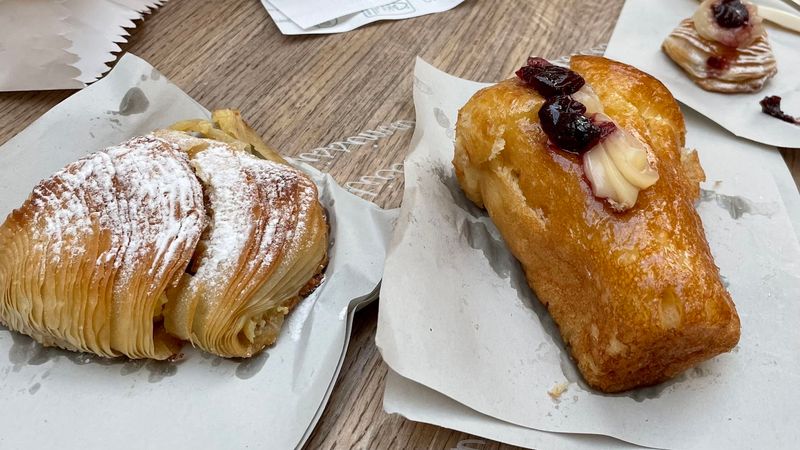
The flaky sfogliatella pastry shatters into a thousand buttery layers with each bite, while fried zeppole dusted with sugar practically beg you to grab another.
Family-run trattorie pass down recipes through generations, serving southern Italian comfort food that warms your soul. Street markets overflow with seasonal produce, fresh seafood, and regional specialties you won’t find anywhere else.
Historic pizzerias draw crowds day and night, their ovens never cooling as hungry visitors and locals alike line up for a taste of authentic Neapolitan magic.
Lima, Peru — Ceviche, Lomo Saltado & Fusion Flair
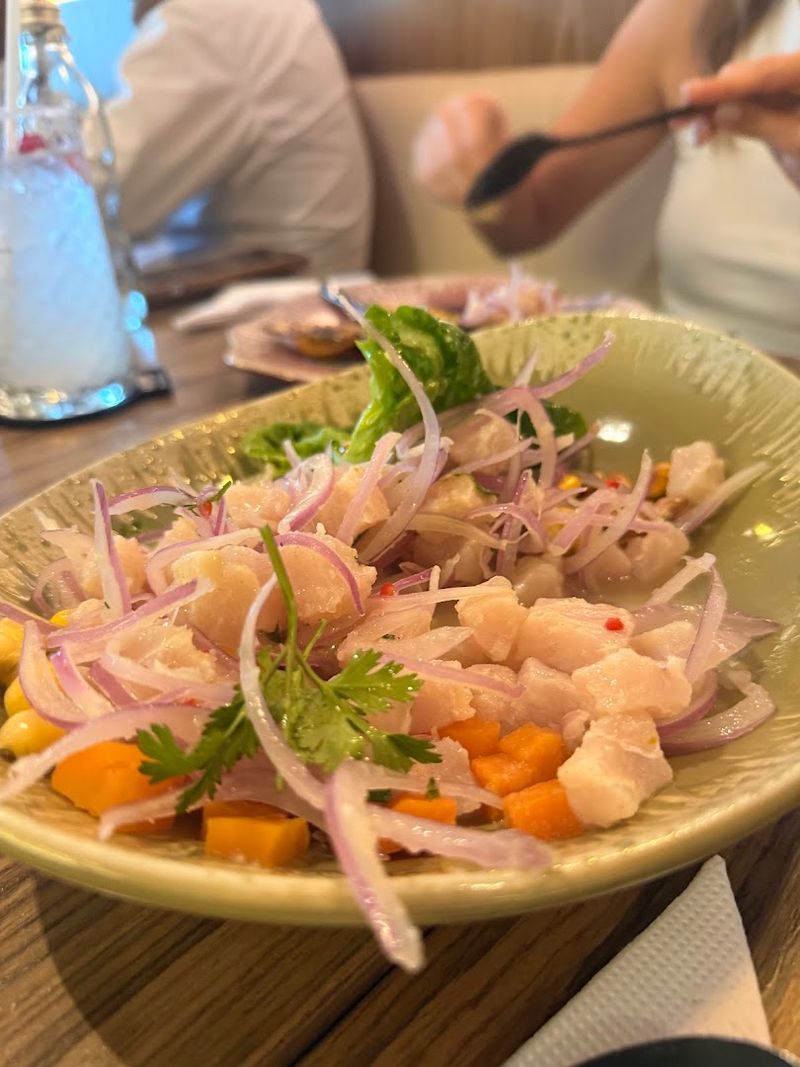
Lima has exploded onto the global food scene as Latin America’s undisputed culinary champion. Indigenous traditions mix with Spanish, African, and Asian influences to create dishes that taste both familiar and thrillingly new.
Coastal location means seafood takes center stage, with ceviche leading the charge as the city’s most iconic dish.
Raw fish cured in tangy lime juice and kicked up with spicy chili peppers showcases Peru’s incredible ocean bounty. Lomo saltado tells a different story, stir-frying tender beef with soy sauce and potatoes in a fusion that reflects Chinese immigrant influence.
Sweet picarones made from squash and drizzled with syrup offer dessert perfection.
Street vendors serve pollo a la brasa, rotisserie chicken so flavorful it’s become a national obsession. World-class restaurants experiment with ancient ingredients like quinoa and purple corn, elevating them to haute cuisine status.
Markets burst with exotic fruits and vegetables you’ve never seen before. From casual sidewalk stalls to elegant dining rooms, Lima delivers flavor combinations that challenge everything you thought you knew about South American food.
Paris, France — Pastries, Classics & Haute Cuisine
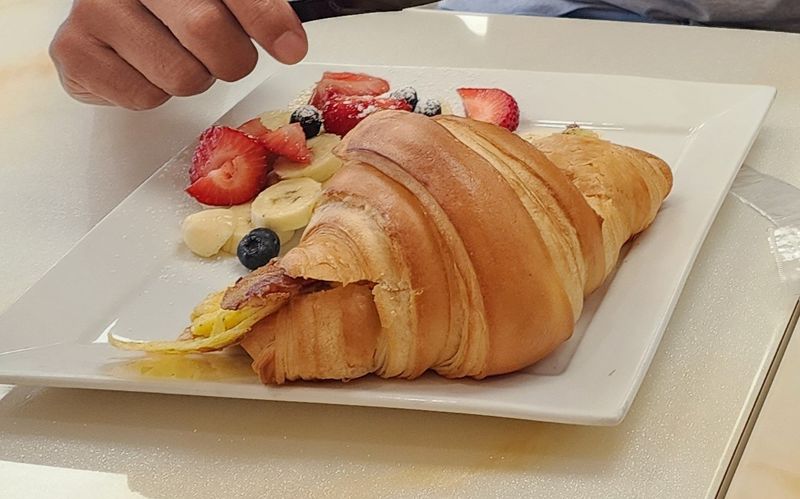
Morning in Paris means the smell of fresh croissants drifting from every boulangerie, their buttery layers shattering into flaky perfection with the first bite. Pain au chocolat oozes rich chocolate while tarte tatin caramelizes apples into sticky-sweet heaven.
Pastry shops here don’t just make breakfast; they create edible art that tastes even better than it looks.
Classic bistro fare defines French comfort food at its finest. Steak tartare topped with a raw egg yolk, slow-cooked coq au vin braised in red wine, and silky foie gras showcase techniques perfected over centuries.
Michelin-starred restaurants push boundaries while respecting tradition, turning dinner into theater.
Local markets overflow with treasures: pungent cheeses aged in caves, hand-cut charcuterie, and seasonal produce picked at peak ripeness. Corner cafés serve espresso so strong it’ll wake up your ancestors.
Whether you’re splurging at a fancy restaurant or grabbing a jambon-beurre sandwich, Paris treats food with reverence. Every meal matters here, from the humblest baguette to the most elaborate tasting menu.
Rome, Italy — Pasta, Pizza Al Taglio & Roman Comfort Foods
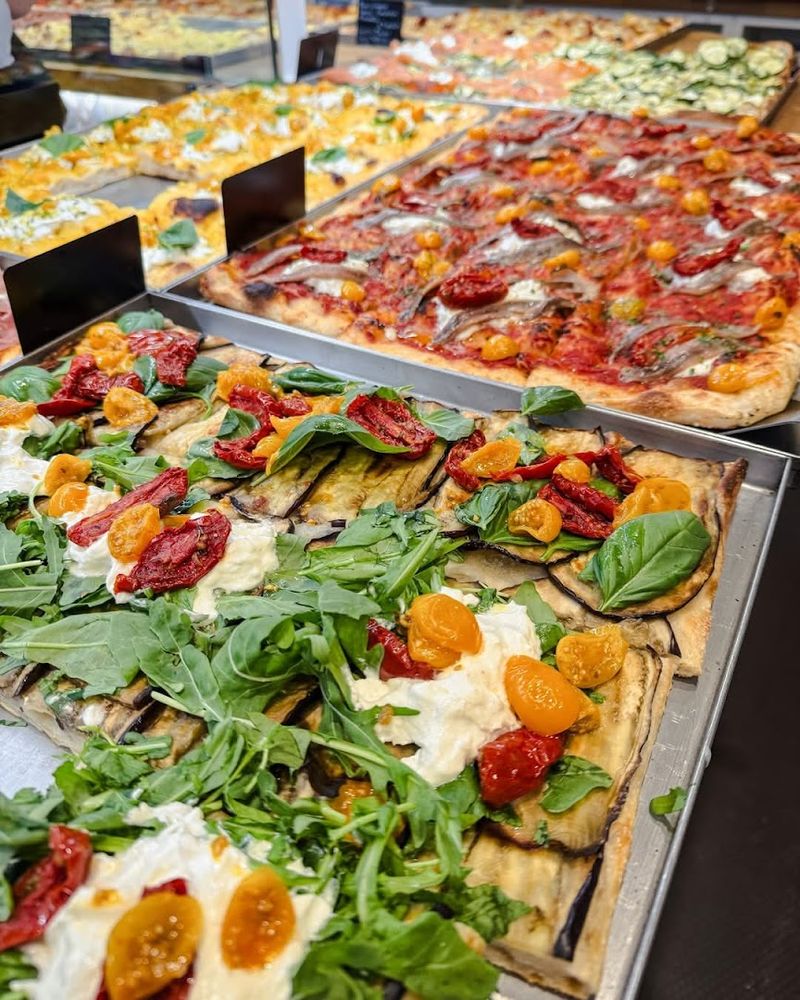
Roman pasta dishes prove that the best food doesn’t need fancy ingredients or complicated techniques. Cacio e pepe combines just three things—pasta, pecorino cheese, and black pepper—into something so delicious it feels like magic.
Carbonara adds guanciale and egg for creamy richness without any cream, while amatriciana brings tomato and chili heat to the party.
Trattorie across the city have been perfecting these recipes for generations, each claiming their version is the authentic one. Pizza al taglio lets you grab a quick slice from street-side windows, the rectangular pies topped with everything from potato to zucchini flowers.
Supplì rice croquettes hide molten mozzarella centers that stretch when you bite in.
Gelato shops on every corner tempt you with flavors ranging from classic stracciatella to wild combinations like ricotta and fig. Espresso bars buzz with locals downing tiny cups of intense coffee while standing at marble counters. Rome doesn’t try to reinvent the wheel; it just makes traditional food so perfectly that you understand why these dishes conquered the world.
Bangkok, Thailand — Street Eats & Thai Spice Harmony
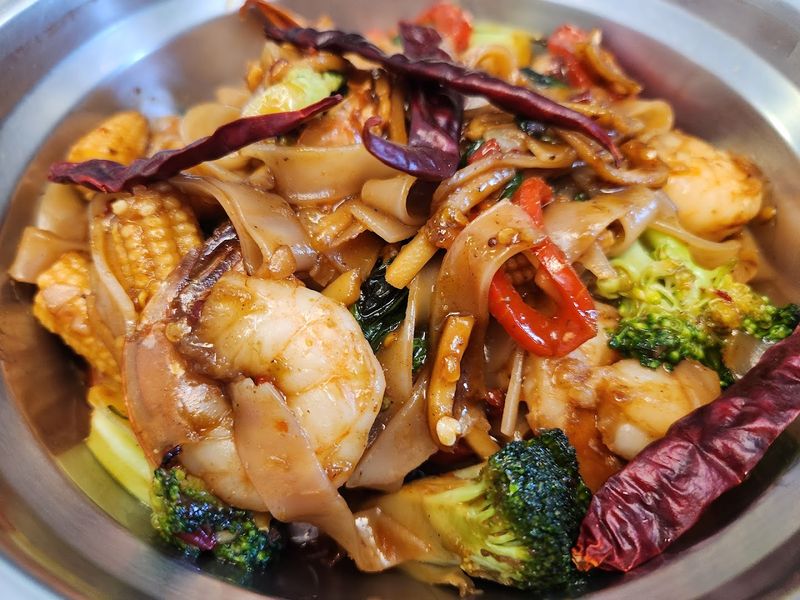
Sensory overload hits you the moment you step into Bangkok’s food scene. Smoke rises from countless street stalls where vendors flip pad thai in blazing woks, the noodles catching char while staying perfectly chewy.
Night markets transform neighborhoods into open-air restaurants where you can eat your way through Thailand’s greatest hits for pocket change.
Green curry simmers with coconut milk and Thai basil, its heat building slowly then exploding across your tongue. Tangy som tam papaya salad balances spicy, sour, salty, and sweet in every crunchy bite.
Mango sticky rice drizzled with coconut cream proves Thai desserts deserve as much attention as the savory stuff.
Boat noodles served in tiny bowls pack intense flavor from hours of simmering broth. Regional specialties from across Thailand find homes in Bangkok’s diverse food landscape, from northern khao soi to southern massaman curry.
Vendors work from dawn until late night, some specializing in just one dish they’ve perfected over decades. Refined restaurants elevate street food classics without losing their soul, showing Thai cuisine’s incredible range.
New Orleans, USA — Creole & Cajun Soul Food
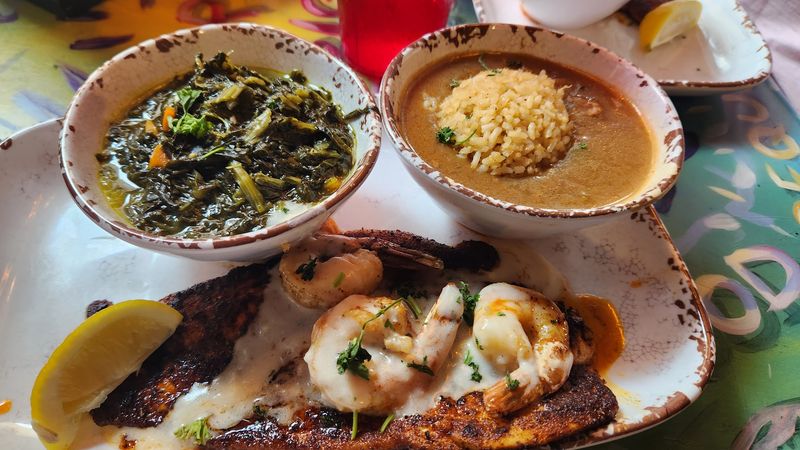
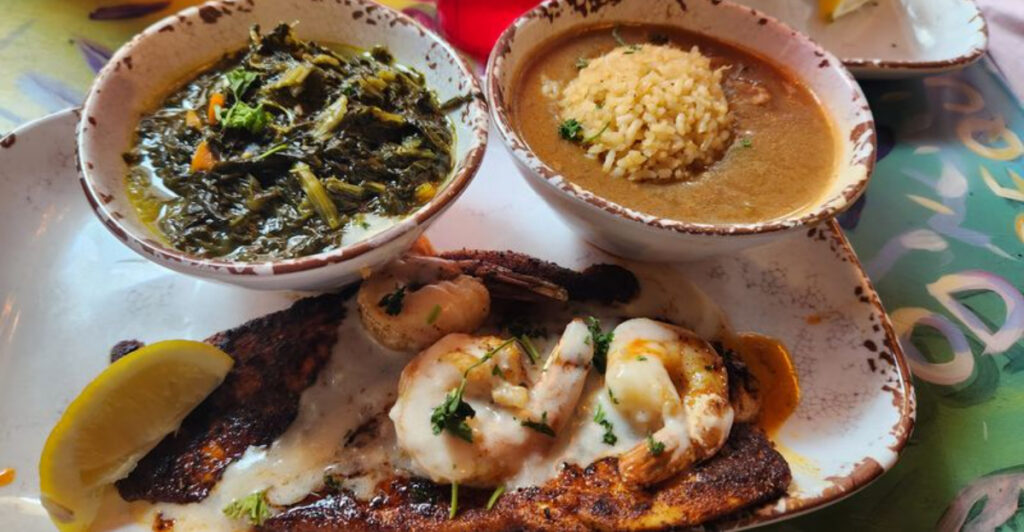
Nowhere else in America tastes quite like New Orleans, where French elegance crashed into African soul, Spanish spice, and Native American wisdom. Gumbo simmers in huge pots, thick with seafood or andouille sausage and the dark roux that gives it depth.
Every family claims their recipe is the right one, and honestly, they’re all correct.
Jambalaya packs rice with meat, seafood, and the holy trinity of celery, bell pepper, and onion. Po’ boy sandwiches overflow with fried shrimp or roast beef, dressed with lettuce, tomato, and mayo on crusty French bread.
Beignets arrive at your table hot and buried under so much powdered sugar you’ll wear it home on your shirt.
Red beans and rice on Mondays follows tradition dating back to washday, when the dish could simmer unattended for hours. Crawfish boils bring communities together, everyone digging into spicy mudbugs with their hands. Étouffée smothers shellfish in rich sauce while jazz music drifts through the air.
Every bite tells stories of cultures colliding and creating something entirely new and utterly delicious.
Mumbai, India — Street Snacks & Regional Favorites
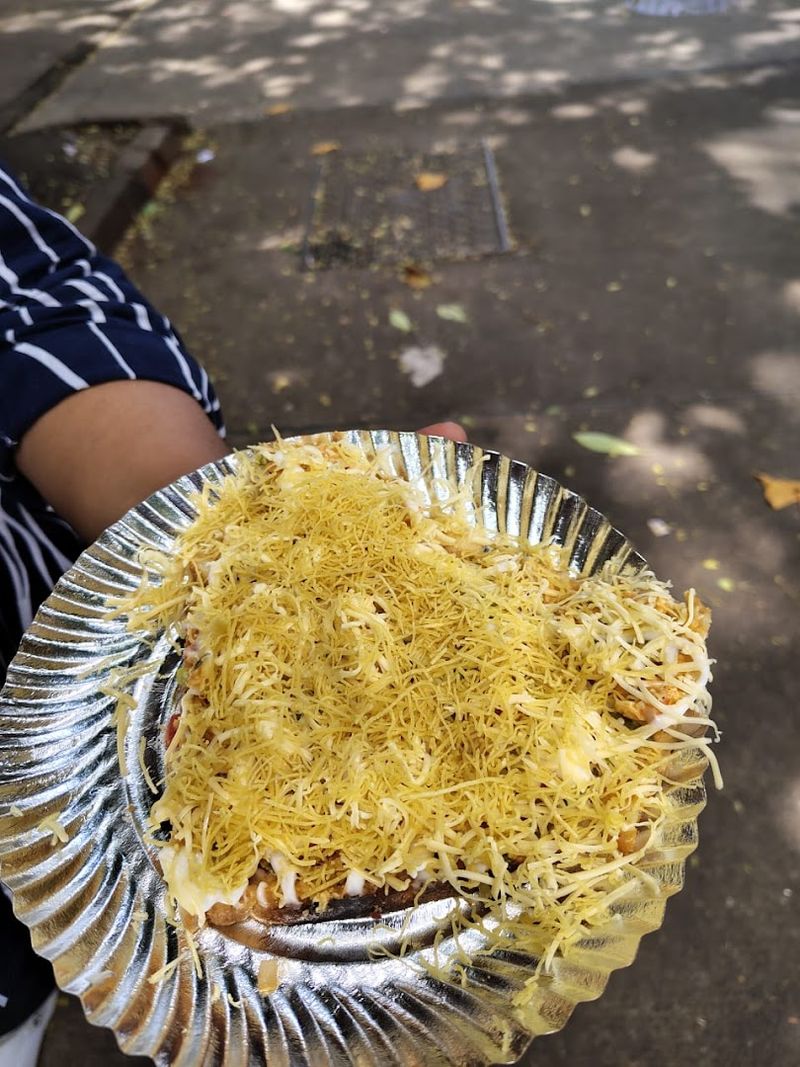
Mumbai’s streets pulse with energy that matches its explosive food scene. Vada pav—the city’s answer to the burger—stuffs spiced potato fritters into soft buns slathered with chutneys that range from sweet to face-meltingly hot.
Vendors work from tiny carts, somehow producing hundreds of these perfect snacks throughout the day.
Pani puri brings pure joy in crispy shell form. You pop the whole thing in your mouth and tangy tamarind water floods your senses while spiced potatoes and chickpeas add substance.
Bhelpuri tosses puffed rice with vegetables, chutneys, and sev for a snack that’s crunchy, tangy, and totally addictive.
Maharashtrian dishes like spicy akuri scrambled eggs and pav bhaji vegetable curry showcase regional pride. Bold spices define everything, from turmeric’s golden glow to chili’s fierce heat.
Food culture here connects deeply to community, with certain stalls becoming neighborhood institutions where generations have gathered. Markets overflow with fresh produce, aromatic spices, and street snacks that prove Mumbai never stops eating.
The city runs on chai and chaat, fueling millions through their daily hustle.
Milan, Italy — Risotto & Northern Italian Elegance
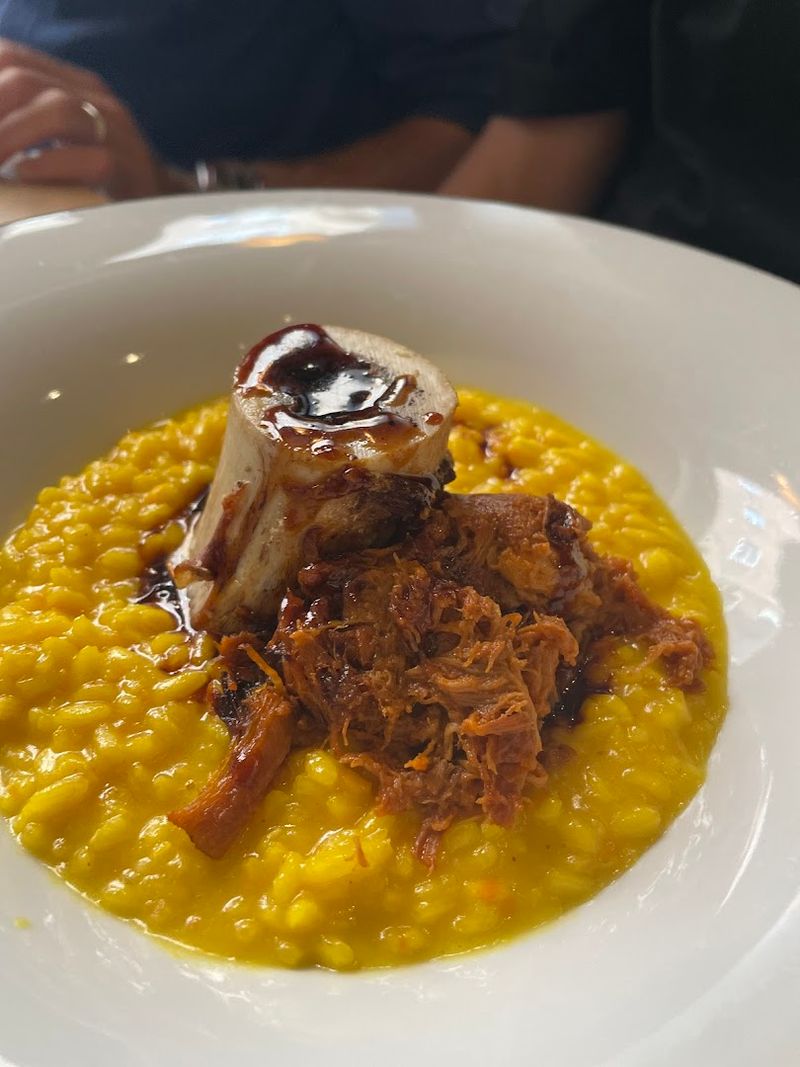
Milan trades southern Italy’s tomato-based comfort for northern richness and refinement. Risotto alla Milanese glows golden from precious saffron threads, each grain of rice creamy outside while maintaining a slight bite within.
This dish represents Milanese cooking perfectly: simple ingredients treated with respect and technique to create something elegant.
Ossobuco braised veal shanks fall off the bone, their marrow becoming the prize everyone fights over. Cotoletta alla Milanese pounds veal thin, coats it in breadcrumbs, and fries it until the crust shatters with each bite.
These hearty dishes pair beautifully with Lombardy’s wines and cheeses, creating meals that satisfy without overwhelming.
Historic cafés serve espresso and pastries in surroundings that haven’t changed in a century. The city’s cosmopolitan energy infuses its food scene, with international influences appearing alongside traditional recipes.
Fashion capital status means presentation matters—plates arrive looking runway-ready. Markets showcase northern Italy’s agricultural wealth, from rice grown in nearby paddies to mountain cheeses aged in caves.
Milan proves Italian food extends far beyond pizza and pasta into sophisticated territory that deserves equal attention.
Bologna, Italy — Pasta Classics & Artisan Traditions
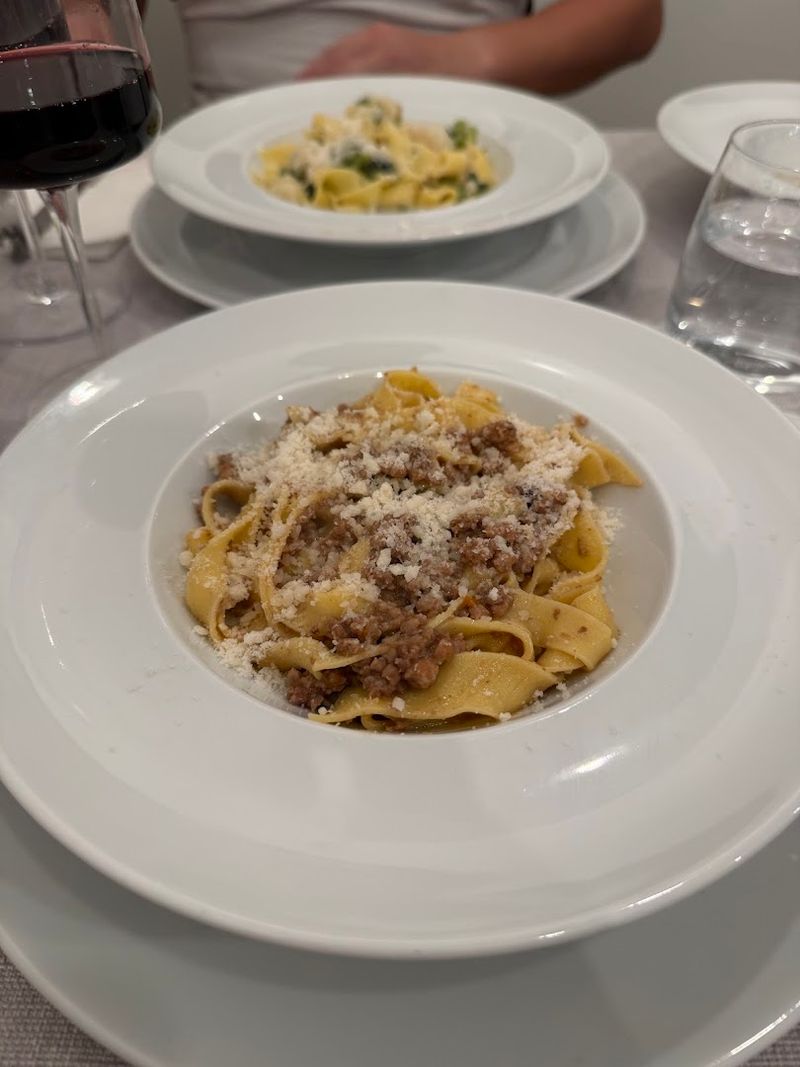
Food lovers call Bologna Italy’s gastronomic heart, and one bite of authentic ragù explains why. Tagliatelle al ragù—what the rest of the world incorrectly calls “spaghetti Bolognese”—simmers meat for hours until it becomes a rich, complex sauce that clings to fresh ribbon pasta.
Locals take this dish seriously, defending proper preparation with passionate intensity.
Tortellini in brodo floats delicate stuffed pasta in clear broth, a dish so beloved that Bologna claims its invention. Lasagne alla Bolognese layers pasta, ragù, and béchamel into something that makes you understand why this city owns Italian comfort food.
Every grandmother here guards her recipe like a state secret.
Local producers craft some of Italy’s finest cured meats and cheeses using methods unchanged for centuries. Mortadella originated here, though it bears little resemblance to the lunch meat found elsewhere.
Parmigiano-Reggiano wheels age in nearby facilities, their crystals crunching with concentrated flavor. Markets and trattorie embrace farm-to-table philosophy because that’s how they’ve always operated.
Bologna doesn’t chase trends; it sets standards that others try desperately to match.
Vienna, Austria — Hearty Classics & Sweet Pastries
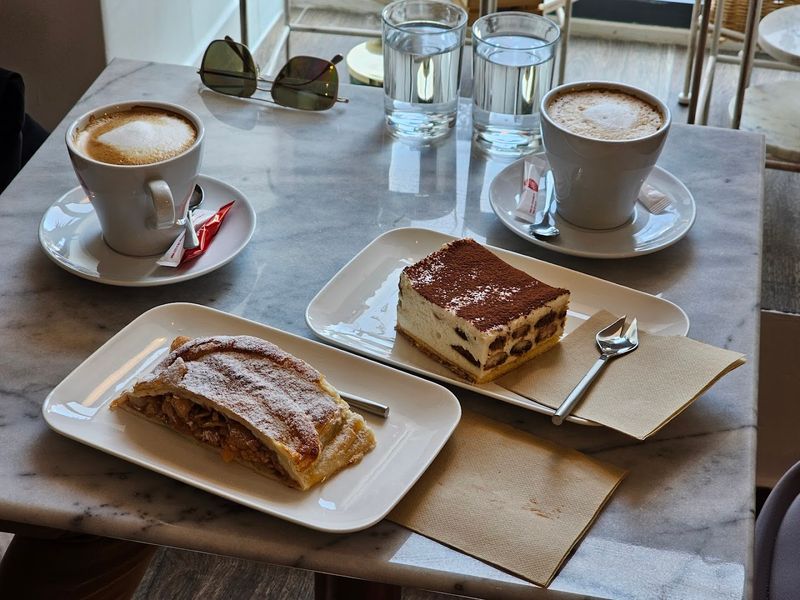
Vienna’s food culture reflects its imperial past, when the Austro-Hungarian Empire brought influences from across Europe. Wiener Schnitzel pounds veal impossibly thin before breading and frying it until the coating puffs away from the meat, creating a crispy shell with air pockets throughout.
Squeeze lemon over the top and experience Austrian comfort food at its finest.
Tafelspitz boiled beef might sound boring until you taste how tender and flavorful it becomes when prepared correctly. Zwiebelrostbraten tops beef with caramelized onions that add sweetness to the savory meat.
These hearty dishes sustained people through cold winters, sticking to your ribs in the best possible way.
Café culture defines Viennese afternoons, where Apfelstrudel arrives warm with vanilla sauce and Sachertorte’s chocolate layers hide apricot jam inside. Historic coffeehouses serve as living museums where you can spend hours over a single cup.
Markets sell everything from pumpkin seed oil to smoked sausages, while Christmas markets transform the city into a winter food wonderland. Vienna marries substance with elegance, proving hearty food can still feel refined when done right.
Genoa, Italy — Pesto & Ligurian Flavors
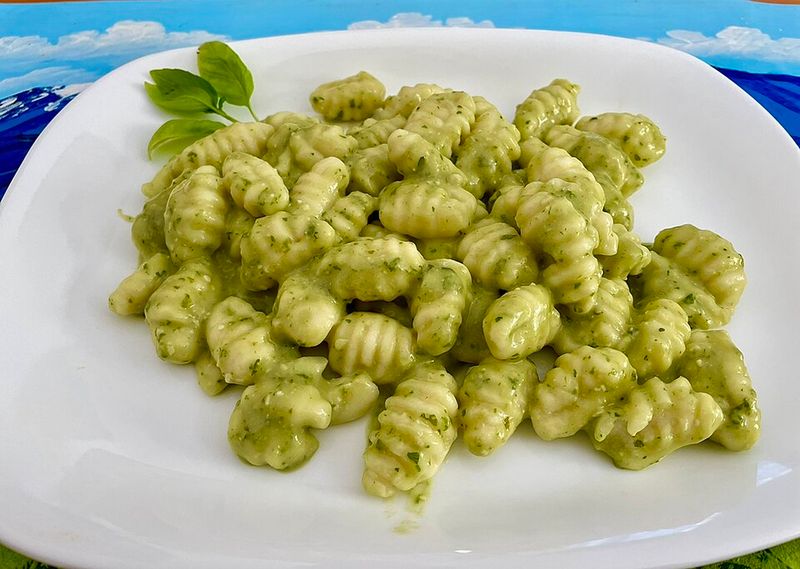
Genoa flies under the radar compared to Italy’s more famous food cities, which means you get authentic Ligurian cuisine without the tourist crowds. Pesto was born here, and tasting it in Genoa reveals how far most versions fall from the original.
Fresh basil pounded with pine nuts, garlic, Parmigiano, and local olive oil creates a sauce so bright and aromatic it makes store-bought pesto seem like a completely different food.
Trofie al pesto and trenette al pesto showcase this signature sauce, the pasta shapes designed specifically to catch every bit of that green gold. Farinata chickpea flatbread bakes in wood ovens until crispy outside and creamy within, a simple street food that’s been satisfying locals for centuries.
Cappon magro layers seafood and vegetables into an elaborate salad that shows off Ligurian creativity.
The port city’s maritime heritage influences everything, with fresh fish and seafood appearing in countless dishes. Markets overflow with produce from the surrounding hills, where terraced farms grow vegetables in rocky soil.
Regional identity runs deep here, with recipes passed down and protected fiercely. Genoa rewards curious eaters willing to explore beyond Italy’s greatest hits.
Iloilo City, Philippines — Regional Fusion & Local Staples

UNESCO recognized Iloilo City as a Creative City of Gastronomy, and locals will tell you it’s about time the world noticed. La Paz batchoy warms you from the inside out, a noodle soup rich with pork, liver, and crushed chicharron that adds crunch to every spoonful.
This dish defines Ilonggo comfort food, sold from neighborhood shops where recipes haven’t changed in generations.
Pancit molo wraps seasoned meat in delicate dumplings floating in clear broth, showing Chinese influence on Filipino cooking. Kansi sour beef soup uses batwan fruit for tang that cuts through rich meat, while kadyos baboy langka combines pigeon peas, pork, and jackfruit into something uniquely Ilonggo.
These dishes tell stories of trade, colonization, and adaptation.
Spanish colonial rule left its mark through baking traditions that flourish in Iloilo today. Barquillos roll thin wafers into delicate tubes, and biscocho twice-baked bread becomes the perfect coffee companion.
Dynamic markets sell everything from fresh seafood to tropical fruits you’ve never heard of. Historic bakeries operate from buildings older than your grandparents, their ovens fired up daily to produce treats that taste like edible history.
Share this story