Palma de Mallorca is one of Spain’s most exciting island cities, packing beaches, history, food, and art into a place you can actually walk around without needing a map. Sitting on the southwestern coast of Mallorca, the city mixes Gothic cathedrals with buzzing markets and sun-soaked waterfront promenades.
Whether you are into culture, food, or just soaking up that Mediterranean vibe, Palma delivers something memorable at every corner. First-time visitors are often surprised by just how much this city offers beyond its famous sunshine.
Visit La Seu Cathedral
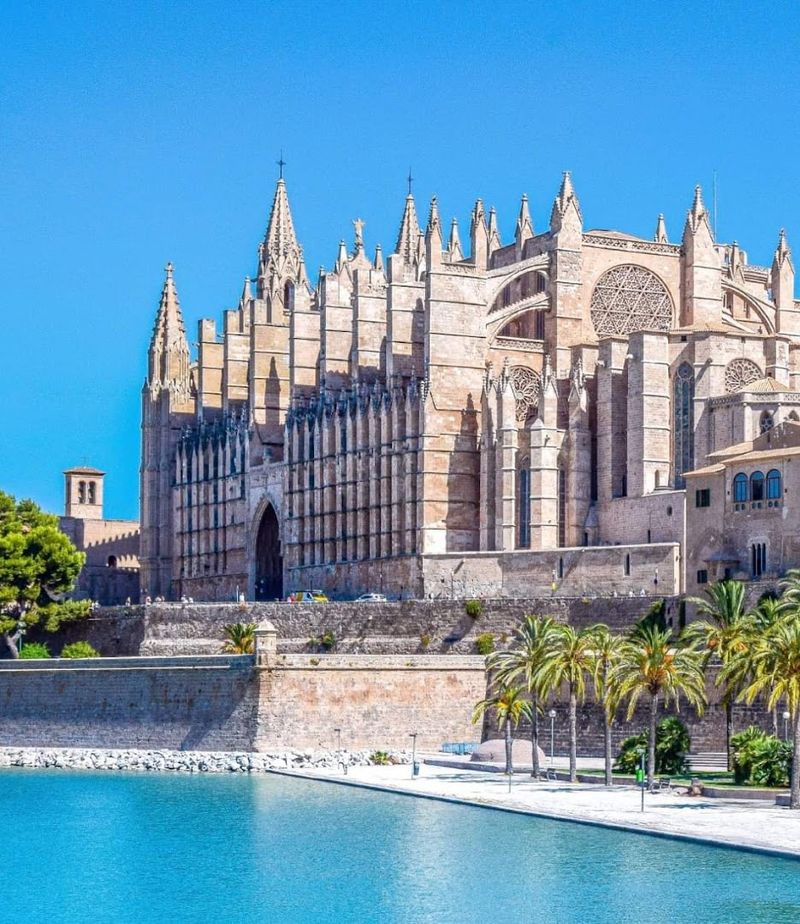
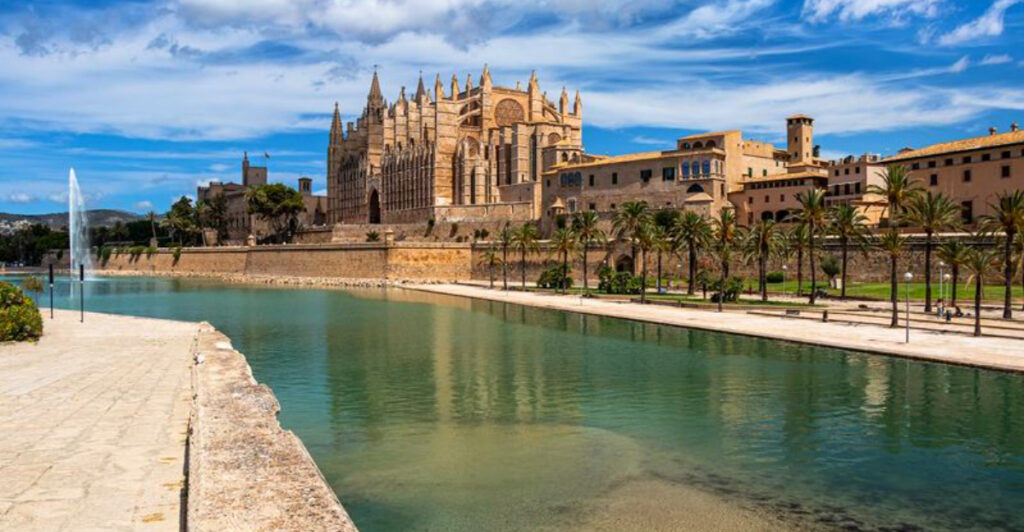
Standing in front of La Seu for the first time genuinely stops people in their tracks. The sheer size of this Gothic cathedral, rising directly above the sea, is almost hard to believe until you are actually standing there.
It is one of the most dramatic church entrances in all of Europe.
Construction began in the 13th century and continued for over 300 years, giving the building a layered, evolving personality. Antoni Gaudi was brought in during the early 1900s to redesign the interior, adding his signature style to the central canopy above the altar.
The result is a fascinating mix of medieval Gothic and modernist flair you rarely see in a single building.
The stained glass windows inside are extraordinary, filtering colored light across the stone floors in ways that feel almost theatrical. Arrive early in the morning when the light hits the rose window on the east facade for the most stunning effect.
Entry costs a small fee, but the experience is absolutely worth every cent for first-time visitors.
Wander Through Palma Old Town
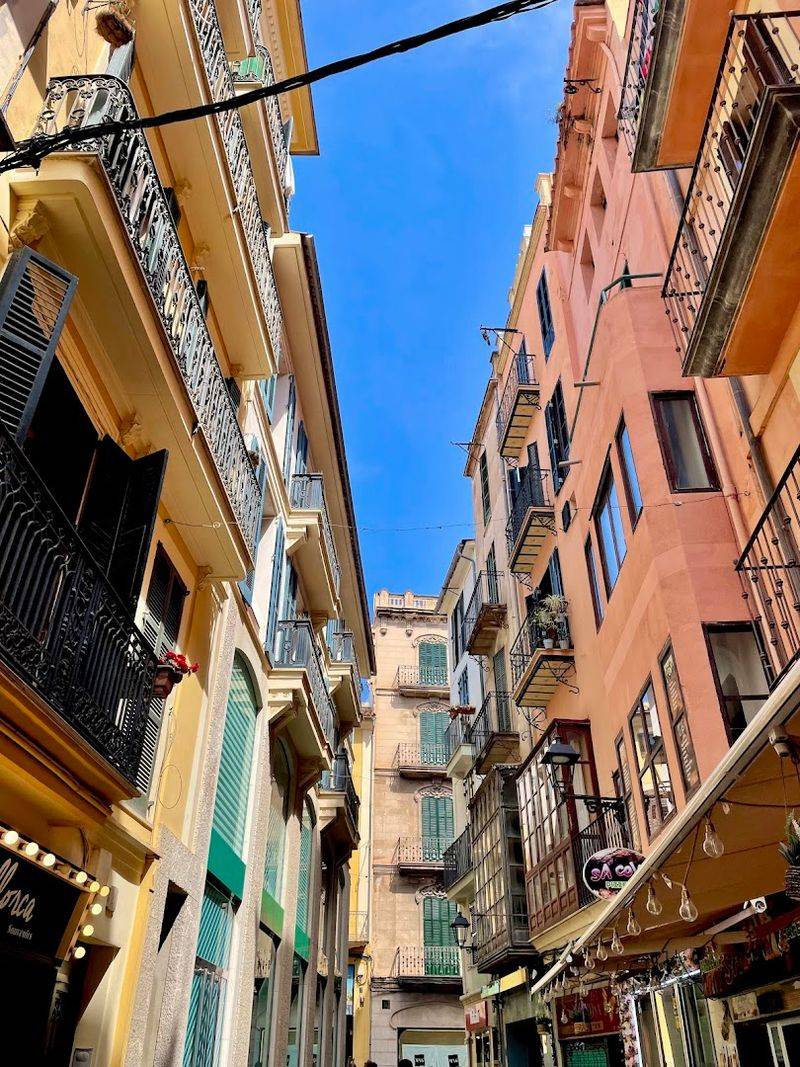
Getting lost in Palma’s Old Town is not a problem. It is actually the whole point.
The winding cobblestone alleys, hidden archways, and sun-bleached limestone walls create a neighborhood that rewards slow, aimless wandering more than any guided tour ever could.
Every few steps reveals something worth stopping for: a centuries-old courtyard visible through an open gate, a tiny bakery selling warm ensaimada pastries, or a boutique tucked into what was once a medieval merchant’s house. The architecture shifts subtly between Moorish, Gothic, and Renaissance styles as you move through the streets, reflecting the many civilizations that shaped this city.
The best time to explore is mid-morning, before the heat peaks and the tourist crowds build up around the main squares. Wear comfortable shoes because the cobblestones are charming but uneven.
Locals still live and work throughout the Old Town, so you will find authentic cafes, small grocery shops, and neighborhood bars sitting comfortably alongside boutique hotels and art galleries. It feels lived-in and real in a way that many European old towns no longer manage.
Explore Bellver Castle
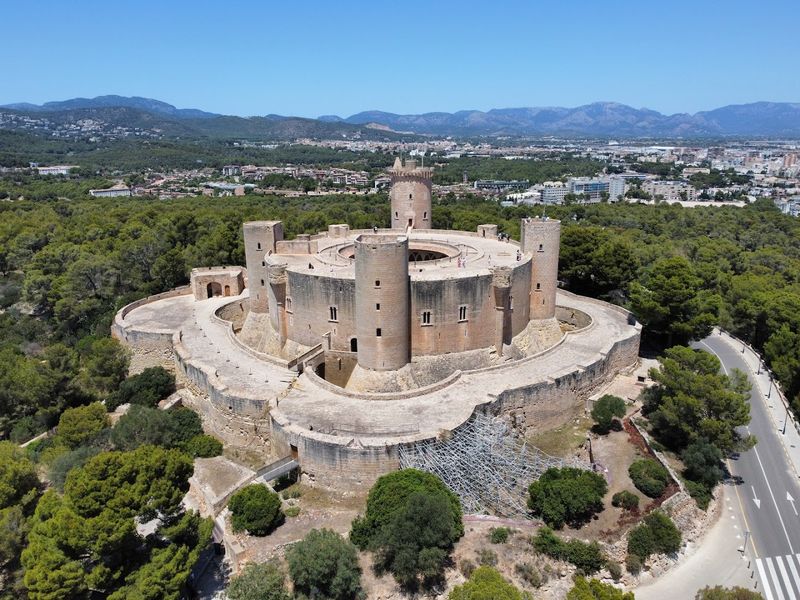
Bellver Castle might be the only completely circular Gothic castle in all of Spain, and that alone makes it worth the uphill walk. Perched on a pine-covered hill about three kilometers from the city center, the 14th-century fortress has watched over Palma Bay for more than 700 years.
The views from the castle’s tower and outer walls are genuinely spectacular. On a clear day you can see across the entire bay, over the city rooftops, and toward the mountains of the Tramuntana range in the distance.
Bring a camera because the panorama from the top is one of the best in all of Mallorca.
Inside, the castle houses a small but interesting museum covering the history of Palma, with Roman artifacts and medieval exhibits displayed throughout the circular courtyard. The building itself served as a royal residence, a military prison, and eventually a public museum, giving it a surprisingly layered biography.
Admission is affordable and the surrounding pine forest makes the walk up pleasantly shaded even in summer. Evening visits during the summer concert series held in the courtyard add a magical atmosphere to an already memorable spot.
Relax at Parc de la Mar
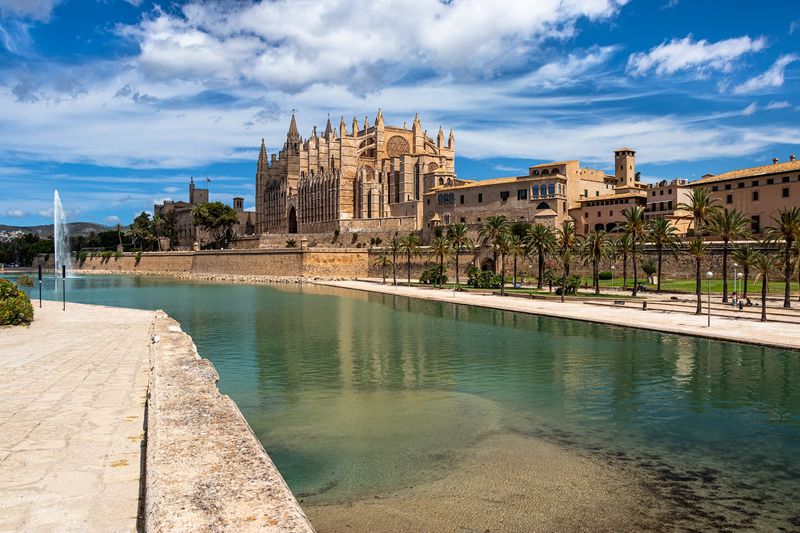
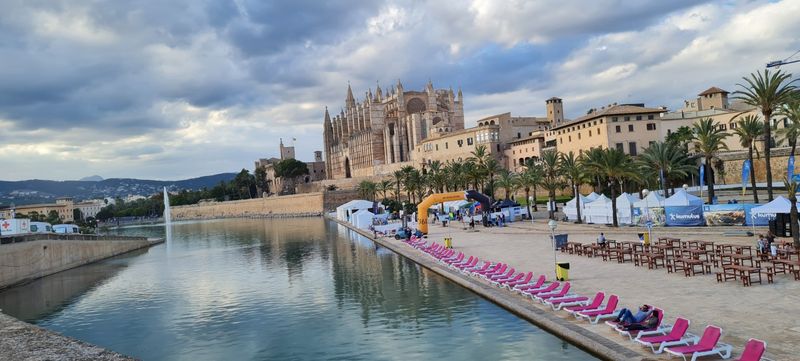
Right beneath the cathedral walls, Parc de la Mar is where Palma slows down and breathes. Created in the 1980s after a coastal highway was rerouted, the park transformed a stretch of waterfront into one of the city’s most beloved public spaces.
An artificial lake runs through the center of the park, mirroring the cathedral above it in a way that makes photographers very happy. Colorful murals by Joan Miro decorate one of the park’s walls, adding a splash of bold artistic energy to the already scenic surroundings.
Benches line the paths throughout, making it an ideal spot to sit, snack, and watch the world go by.
Local families, joggers, tourists, and street performers all share the space comfortably, giving the park a relaxed and genuinely welcoming atmosphere. Grab a coffee from one of the small kiosks nearby and settle in for a proper rest between sightseeing stops.
The park connects naturally to the waterfront promenade, so you can easily continue your walk toward the marina once you have recharged. Visiting at sunset turns the whole scene golden and is easily one of Palma’s most memorable free experiences.
Visit the Royal Palace of Almudaina
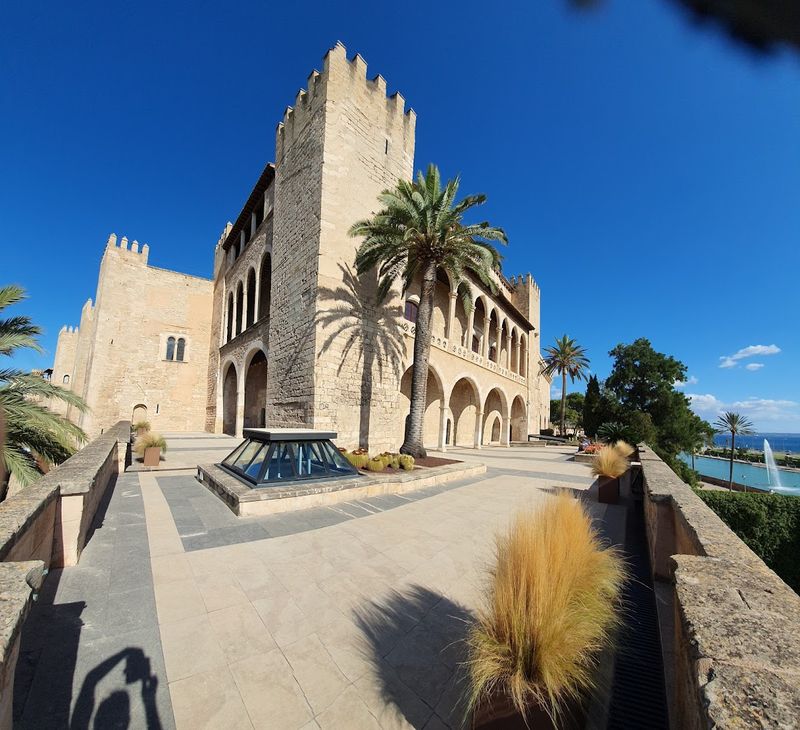
Across the road from La Seu sits a palace that many first-time visitors walk right past without realizing what they are missing. The Royal Palace of Almudaina is an official Spanish royal residence, meaning the King of Spain could technically show up for a visit at any time.
Originally built as an Islamic fortress during the Moorish period, the palace was converted into a Gothic royal residence after the Christian conquest of Mallorca in 1229. The result is a building that carries two completely different architectural identities, which makes exploring its rooms and courtyards genuinely fascinating.
You can spot the transition between styles in the archways, towers, and decorative details throughout the building.
Inside, visitors move through throne rooms, royal chapels, tapestry-lined halls, and open terraces with views across the harbor. The collection of Flemish tapestries on display is considered among the finest in Spain and alone justifies the entrance fee.
Guided tours are available and highly recommended for first-timers who want the full historical context. The palace is typically open most mornings, though it occasionally closes when the royal family is in residence, so checking ahead before visiting is a smart move.
Experience Mercat de l’Olivar
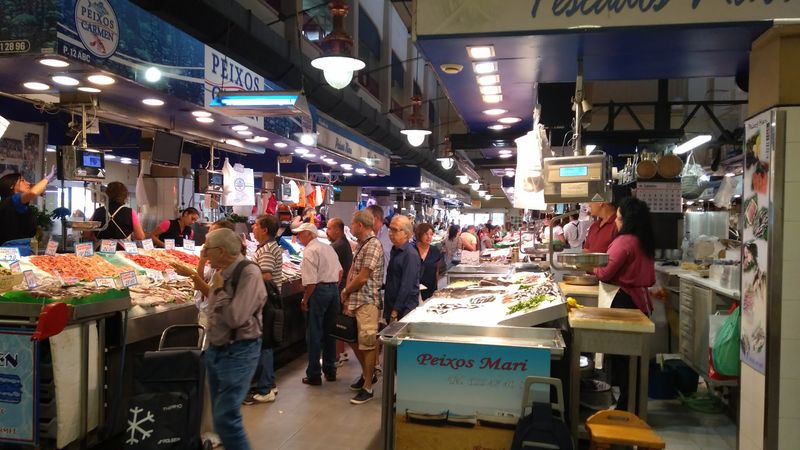
Mercat de l’Olivar smells incredible before you even step inside. Fresh fish, cured meats, ripe tomatoes, and warm pastries hit you all at once as you walk through the entrance, and suddenly your appetite doubles without warning.
Opened in 1951, this covered market is where Palma’s locals actually shop. You will find fishmongers selling the morning’s catch alongside butchers, cheese vendors, olive stalls piled high with dozens of varieties, and bakers offering traditional Mallorcan treats.
The energy inside is lively, loud, and completely authentic in a way that tourist-facing markets rarely manage to replicate.
Beyond shopping, the market has become a great spot for a casual breakfast or mid-morning snack. Several bars and small eateries inside serve fresh seafood tapas, pa amb oli (the local bread-and-olive-oil staple), and cold local wine at very reasonable prices.
Arriving between 9am and noon on a weekday gives you the best experience, when stallholders are fully set up and the atmosphere is buzzing. Pick up some local sobrassada sausage or a box of ensaimadas to take home as edible souvenirs.
Your fellow travelers will be very grateful.
Walk Along Passeig del Born
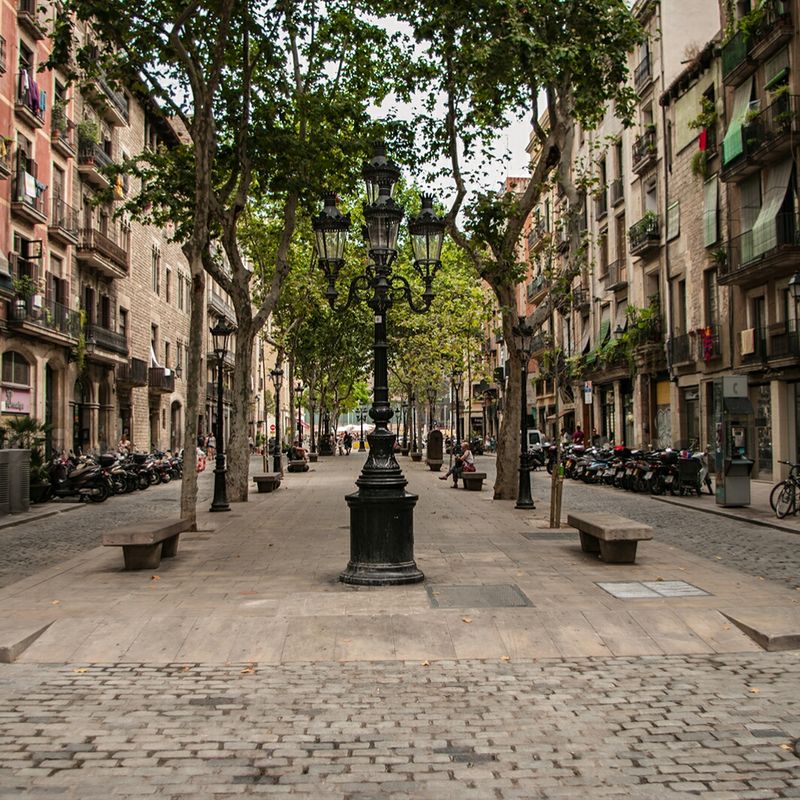
Every great Mediterranean city has one grand boulevard, and Palma’s is Passeig del Born. Shaded by tall plane trees and flanked by elegant 19th-century buildings, this short but stylish avenue has been the social heart of Palma for centuries.
Originally a dry riverbed and later used for jousting tournaments, the Born eventually became the city’s most fashionable promenade. Today it connects the Old Town to the waterfront and serves as a natural gathering point for both locals and visitors at almost any hour.
Cafes spill onto the wide central walkway, and the outdoor seating fills quickly on warm evenings.
Shopping along the Born ranges from high-end Spanish fashion boutiques to independent local designers, making it a genuinely pleasant place to browse even if you are not planning to buy anything. The street also acts as a useful orientation point for navigating the rest of central Palma.
Many of the city’s top restaurants and cocktail bars are clustered within a few minutes’ walk from the boulevard. Stroll it at different times of day and you will notice how the atmosphere shifts from relaxed morning coffee culture to lively evening socializing with impressive ease.
Enjoy a Sunset Boat Trip
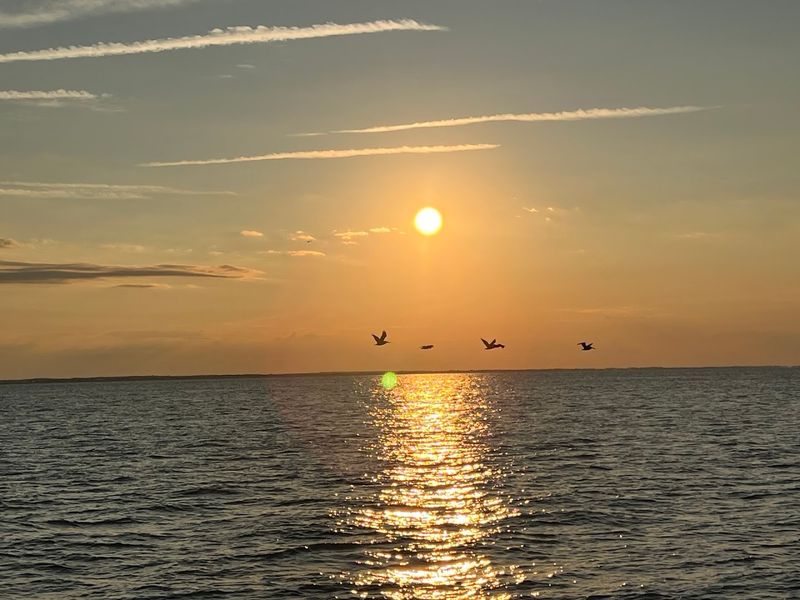
Watching the sun drop into the Mediterranean from the deck of a boat, with Palma’s cathedral glowing pink behind you, is the kind of moment that makes people seriously consider moving to Mallorca permanently. Sunset boat trips are one of the island’s most popular experiences for very good reason.
Several companies offer evening cruises departing from Palma’s marina, ranging from small sailing boats to larger catamarans. Most trips last between two and three hours, heading out along the coastline, stopping for a swim in a calm cove, and then positioning perfectly for the sunset before heading back to port.
Many include drinks and snacks on board.
The perspective from the water completely changes how you see Palma. The cathedral, the castle on the hill, and the old city walls all line up along the waterfront in a way that is simply not visible from land.
Swimming in open Mediterranean water as the temperature cools toward evening is a genuine highlight, especially after a day of city sightseeing. Prices vary by boat type and group size, with shared group tours being the most affordable option.
Booking at least a day or two in advance during summer months is a very smart idea.
Visit Es Baluard Museum
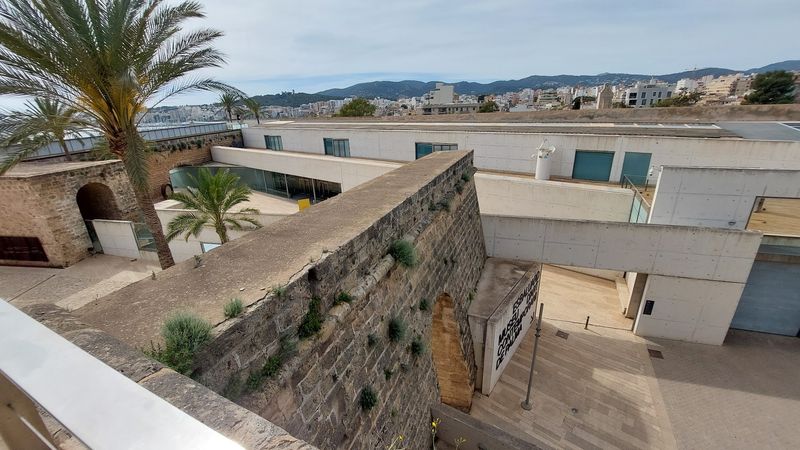
Built directly into Palma’s 16th-century defensive walls, Es Baluard manages to be both a serious art museum and one of the most architecturally interesting buildings in the city. The contrast between ancient stone ramparts and sleek modern exhibition spaces creates an atmosphere that is genuinely unlike any other gallery in Spain.
The permanent collection focuses on Spanish and Catalan modernism, with works by Picasso, Miro, and several Mallorcan artists who shaped 20th-century Mediterranean art. Rotating temporary exhibitions bring in international contemporary artists, keeping the museum fresh and worth returning to on multiple visits.
The curation is thoughtful without being overwhelming, making it accessible even for visitors who do not usually gravitate toward art museums.
The real surprise for many visitors is the rooftop terrace. Stretching along the top of the old city walls, it offers sweeping views across the harbor, the marina, and the open sea beyond.
There is a small outdoor cafe up there, and spending time with a coffee while looking out over the water is honestly one of Palma’s most underrated pleasures. Entry fees are modest, and the museum offers free admission on certain afternoons, so checking the website before visiting can save you a few euros.
Spend Time at Palma Beach
Playa de Palma stretches for about five kilometers just east of the city center, offering easy access to the kind of clear, calm Mediterranean water that makes you forget every stressful thing that happened in the past six months. It is the closest proper beach to central Palma and one of the most popular on the island.
The water here is genuinely beautiful: shallow, warm, and that particular shade of turquoise that only seems to exist in the Mediterranean. The sandy beach is wide and well-maintained, with rental sunbeds and umbrellas available throughout the summer season.
Beach bars and chiringuitos line the promenade behind the sand, serving cold drinks, fresh grilled fish, and generous plates of paella at reasonable prices.
Getting to Playa de Palma from the city center is simple using the local bus or a short taxi ride, making it a very practical half-day option for visitors based in central Palma. The beach gets busy during peak summer weeks, so arriving before noon secures a good spot.
If you prefer something quieter, the beaches around Cala Major just west of the city offer a more relaxed alternative with equally clear water and far fewer crowds during the busiest months of July and August.
Discover Palma’s Rooftop Bars
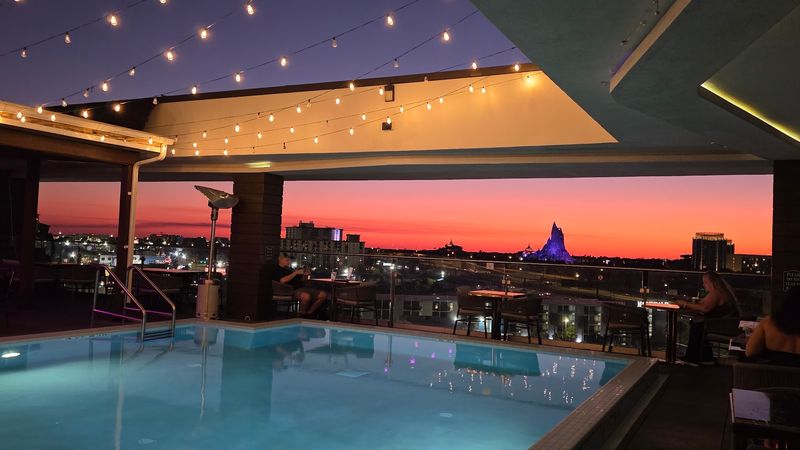
Palma has quietly developed one of the best rooftop bar scenes in the Mediterranean, and first-time visitors who discover this fact tend to spend significantly more evenings up high than they originally planned. The combination of warm air, cathedral views, and a cold drink in hand is almost unfairly good.
Several hotels and restaurants across the city have opened rooftop terraces in recent years, each with its own distinct personality. Some lean toward sleek cocktail lounges with low lighting and background music, while others are more relaxed and family-friendly with simple drinks menus and casual seating.
The Hotel Nakar and the rooftop of Hotel Saratoga are among the most visited, though newer spots continue to open regularly.
Arriving around sunset is the obvious move, but showing up slightly earlier means you can grab a good seat before the post-dinner crowd arrives. Most rooftop bars in Palma do not require reservations for walk-ins, though busier spots on weekend evenings can fill up quickly.
Prices are higher than street-level bars, as expected, but the views more than justify the premium. Ordering a local Mallorcan wine or a classic Spanish gin and tonic while watching the sun disappear over the sea is a perfectly reasonable way to spend an evening.
Try Traditional Mallorcan Cuisine
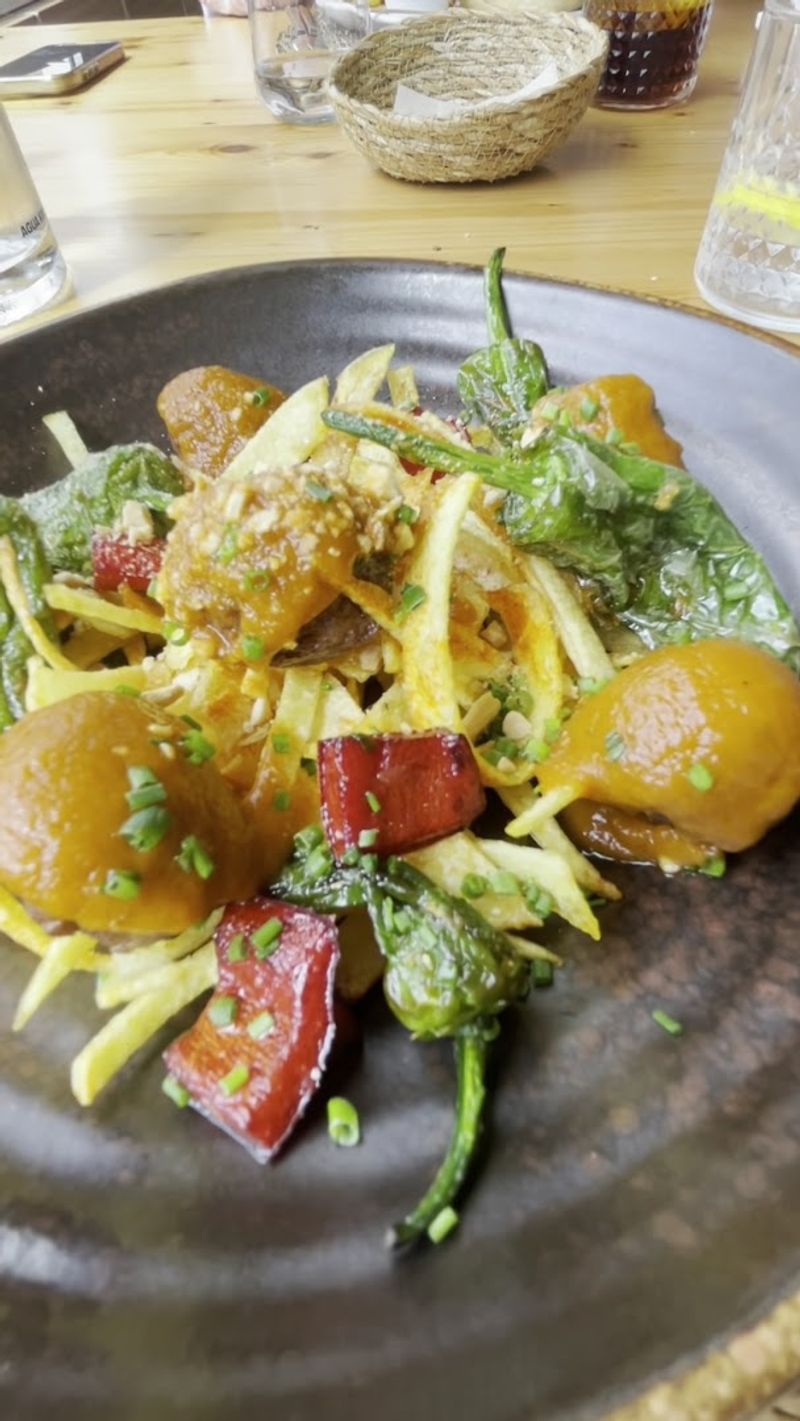
Mallorcan food is one of the island’s best-kept secrets, and first-time visitors who stick to international restaurant menus are genuinely missing out. The local cuisine is deeply rooted in peasant cooking traditions, built around simple, high-quality ingredients that the island has been producing for centuries.
Pa amb oli is the essential starting point: thick bread rubbed with ripe tomato and drizzled with local olive oil, then topped with whatever the kitchen has available. Sobrassada, a soft cured pork sausage seasoned with sweet paprika, is another cornerstone of Mallorcan eating and goes on almost everything.
Tumbet is a slow-cooked vegetable dish layered with potato, aubergine, and peppers in a rich tomato sauce that tastes far more complex than its humble ingredients suggest.
For dessert, ensaimada is non-negotiable. This fluffy, spiral-shaped pastry dusted with powdered sugar has been made on the island for hundreds of years and is sold in every bakery and cafe in Palma.
The city’s restaurant scene now blends these traditional recipes with modern Mediterranean techniques, giving visitors a wide range of dining options from casual tapas bars to seriously impressive fine dining. Eating well in Palma does not require spending a fortune, which makes the food scene even more enjoyable.
Wander the Waterfront at Night
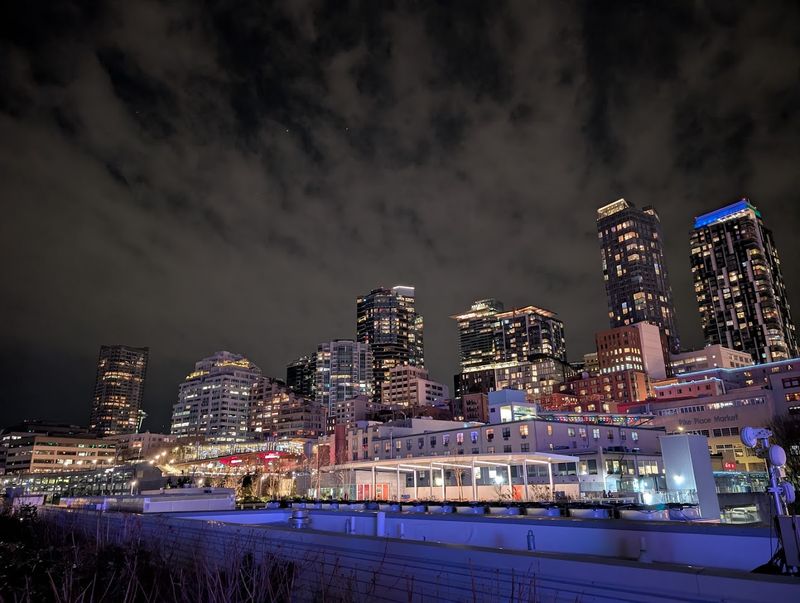
Palma after dark has a completely different energy from the daytime city, and the waterfront is where that transformation is most obvious. The marina fills with the gentle sounds of rigging, the cathedral glows amber against the night sky, and the whole promenade takes on a slower, more romantic pace that feels tailor-made for an evening stroll.
Starting near Parc de la Mar and walking west along the seafront toward the marina gives you one of the most visually impressive evening walks in the Mediterranean. Luxury yachts line the harbor, their lights reflecting in the still water below.
Outdoor restaurants set up along the promenade serve everything from fresh seafood platters to cold tapas and local wine, with most tables staying busy well past midnight in summer.
The waterfront walk connects naturally to several of Palma’s best evening neighborhoods, including the Santa Catalina district just beyond the old city walls, which has become the city’s liveliest dining and cocktail area in recent years. Warm evenings make the whole experience feel effortless in a way that northern European cities simply cannot replicate.
Wear comfortable shoes, leave the schedule at the hotel, and just follow the lights. Palma’s waterfront at night is the kind of place that makes you want to stay one more day, and then another.
Share this story