Kansas does not always get credit for being a destination state, but its museums might change your mind in a hurry. Across the state, you can descend 650 feet underground into an active salt mine, come face to face with prehistoric marine creatures, and explore spacecraft that actually traveled beyond Earth’s atmosphere. These are not the kind of museums where you quietly shuffle past dusty objects with tiny labels. Kansas has put serious effort into building collections that surprise, educate, and genuinely entertain visitors of all ages.
From Wild West history in Dodge City to Oz memorabilia in a small town most people have never heard of, the variety is remarkable. Road trippers, families, history buffs, and science lovers all have reasons to stop. The thirteen museums on this list represent some of the most interesting, unexpected, and rewarding cultural stops the Sunflower State has to offer.
1. Strataca, Hutchinson, Kansas
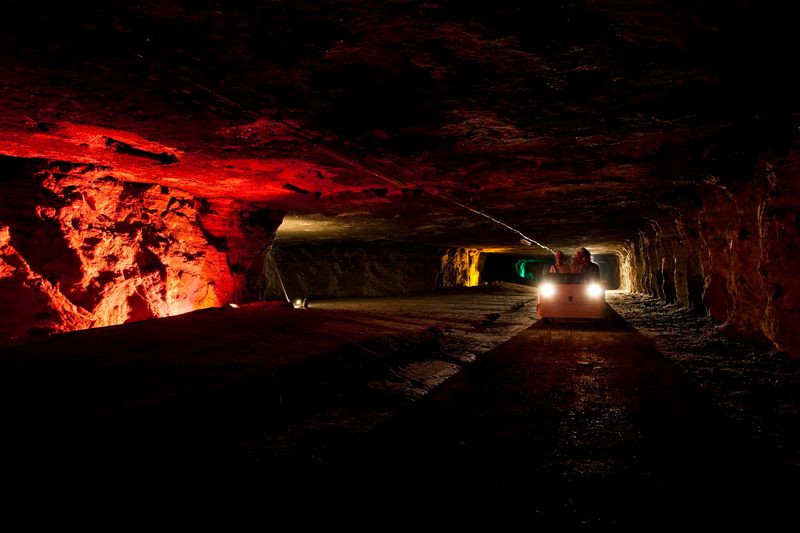
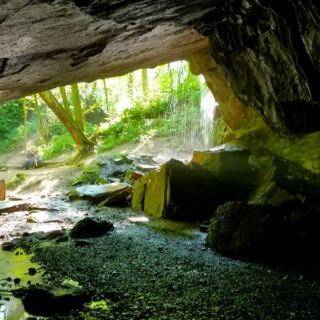
No other museum in Kansas asks you to travel 650 feet underground before the exhibits even begin. Strataca sits inside one of the world’s largest rock salt deposits, formed roughly 275 million years ago when Kansas was covered by an ancient inland sea. The descent alone, a 90-second drop in a double-decker hoist, is unlike anything most visitors have experienced at a museum.
Once underground, the temperature holds at a steady 68 degrees Fahrenheit with moderate humidity, which makes the environment surprisingly comfortable for exploring. Guests can choose from several tour options, including the Salt Mine Express train ride, the Dark Ride tram tour, and the hour-long Salt Safari that reaches more remote sections of the mine.
Tire tracks and footprints from the 1950s remain visible in those far reaches, preserved exactly as workers left them. A 250-million-year-old salt crystal on display once contained a living bacterium that scientists later re-animated, which is the kind of detail that makes Strataca genuinely unforgettable.
2. Cosmosphere, Hutchinson, Kansas
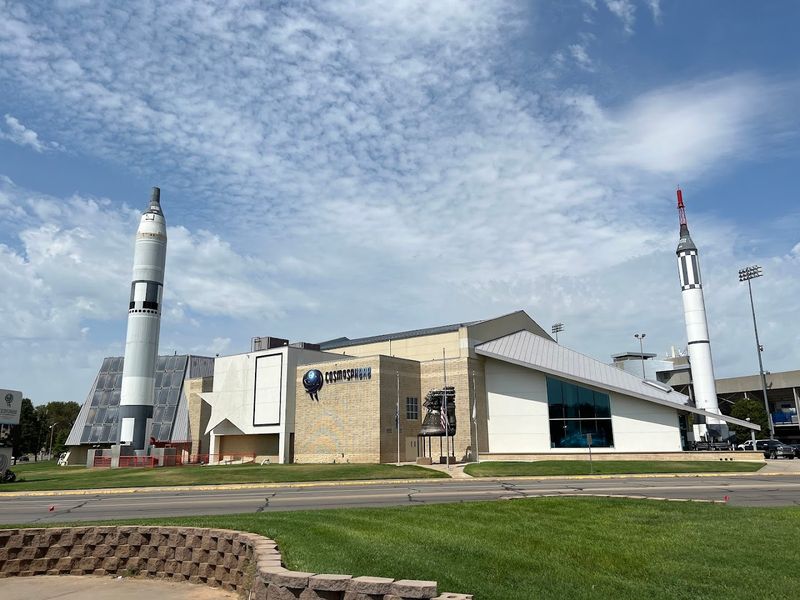
Hutchinson might seem like an unlikely home for one of the most important space collections on the planet, but the Cosmosphere has earned that distinction fair and square. Outside of their home countries, few institutions hold more authentic American and Russian space artifacts than this museum located in central Kansas.
Visitors can examine actual spacecraft, Apollo-era capsules, and equipment used by real astronauts and cosmonauts during the Space Race. The collection covers both sides of that historic competition, which gives the exhibits a depth that many NASA-focused museums simply cannot match.
Interactive elements throughout the building make the experience accessible for younger visitors, while serious space history enthusiasts will find plenty of detail to keep them engaged for hours. The museum also runs a planetarium and educational programs for school groups. People who arrive expecting a small regional attraction routinely leave astonished by what Hutchinson has quietly assembled over the years.
3. Museum Of World Treasures, Wichita, Kansas
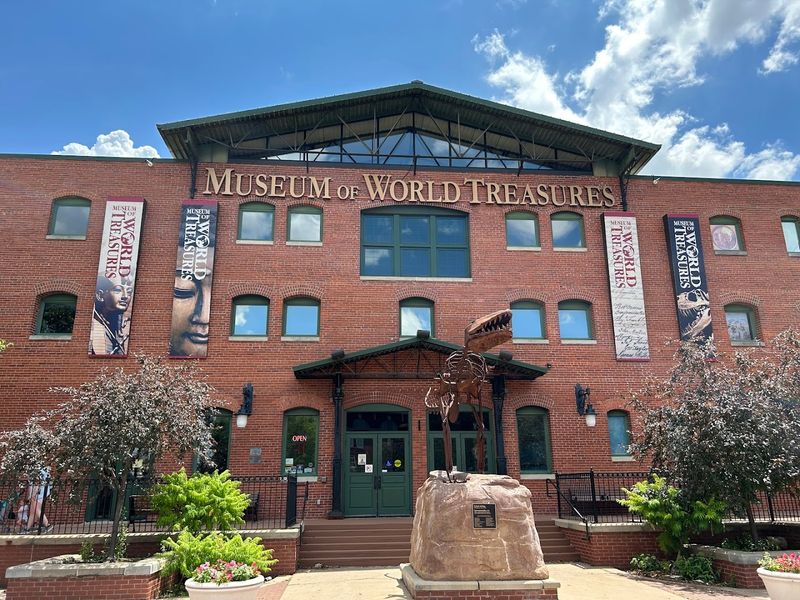
Three floors of exhibits cover an almost absurd range of human history, which is exactly what makes this Wichita museum worth an extended visit. Ancient Egyptian mummies, genuine dinosaur skeletons, medieval armor, and military history collections occupy different sections of the building, so the experience shifts dramatically as you move from room to room.
That variety is intentional. The museum’s founders wanted to create a space where a single visit could take a family from prehistoric times through the modern era without ever feeling repetitive. Most visitors find themselves spending far more time here than they originally planned.
Families with children tend to gravitate toward the dinosaur and natural history sections, while adults often linger in the historical artifacts galleries. The Egyptian mummy display consistently draws the largest crowds. For a city the size of Wichita, having a collection this broad under one roof is genuinely impressive and well worth the admission cost.
4. Old Cowtown Museum, Wichita, Kansas
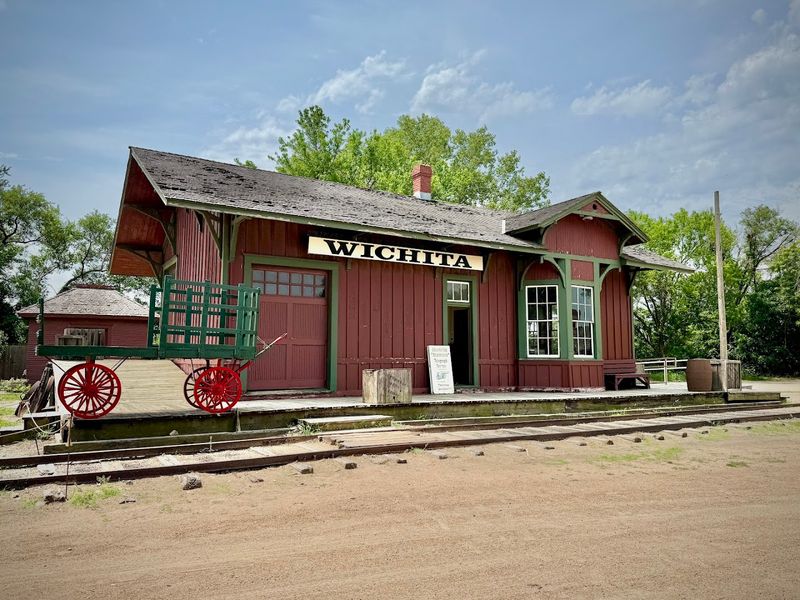
History gets a lot more convincing when you can walk through it rather than just read about it. Old Cowtown Museum recreates Wichita as it existed during the cattle drive era of the 1870s, with dozens of historic and reconstructed buildings spread across an open-air campus along the Arkansas River.
Blacksmith shops, a general store, a schoolhouse, and period homes fill the grounds, and costumed interpreters bring daily life to life during scheduled programming and living history events. During peak season, demonstrations and reenactments add another layer of authenticity to the experience.
The museum draws on Wichita’s actual history as a cattle town, so the stories told here are grounded in real events and real people rather than Hollywood mythology. Families with kids tend to enjoy the interactive elements, while history enthusiasts appreciate the careful attention to period detail. It is one of the more underrated outdoor history museums in the central United States.
5. Boot Hill Museum, Dodge City, Kansas
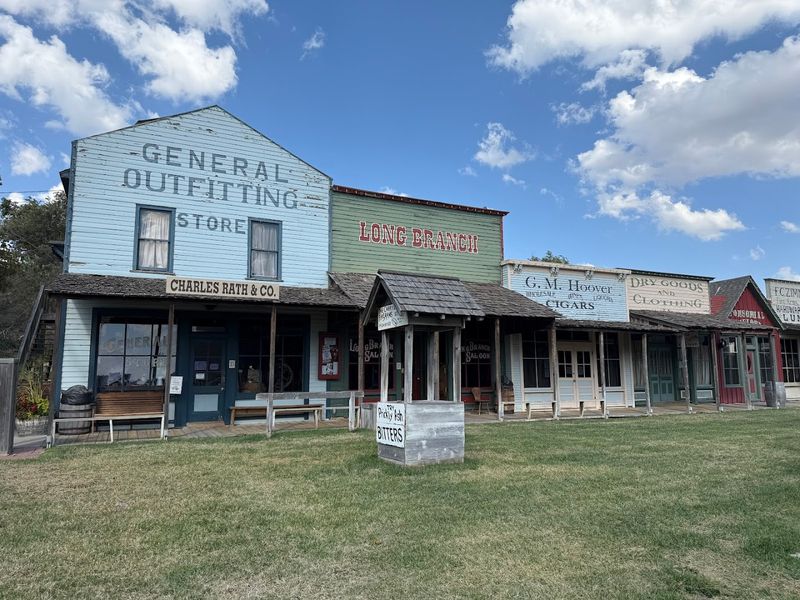
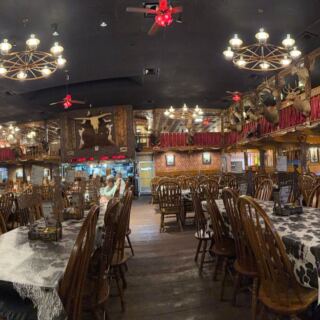
Dodge City has one of the most recognizable names in American frontier history, and Boot Hill Museum does a solid job of living up to that reputation. The museum sits atop the original Boot Hill cemetery site and explores the town’s cattle drive era with historic structures, period artifacts, and exhibits that cover everything from law enforcement to trail drives.
Seasonal gunfight reenactments draw crowds during the summer months, giving visitors a theatrical look at the kind of conflict that made Dodge City famous in dime novels and early cinema. The performances are family-friendly and historically informed rather than purely sensational.
Inside the museum building, galleries cover the lives of the people who actually lived and worked in Dodge City during its most turbulent decades. That includes cowboys, merchants, lawmen, and the women who built businesses in a rough-and-tumble frontier town. For anyone curious about the real history behind the legend, Boot Hill Museum provides a grounded and entertaining starting point.
6. Sternberg Museum Of Natural History, Hays, Kansas
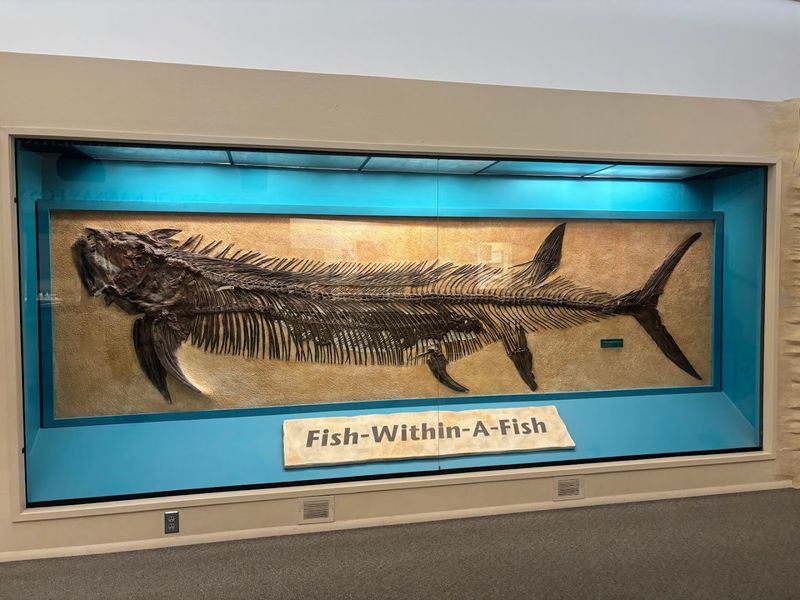
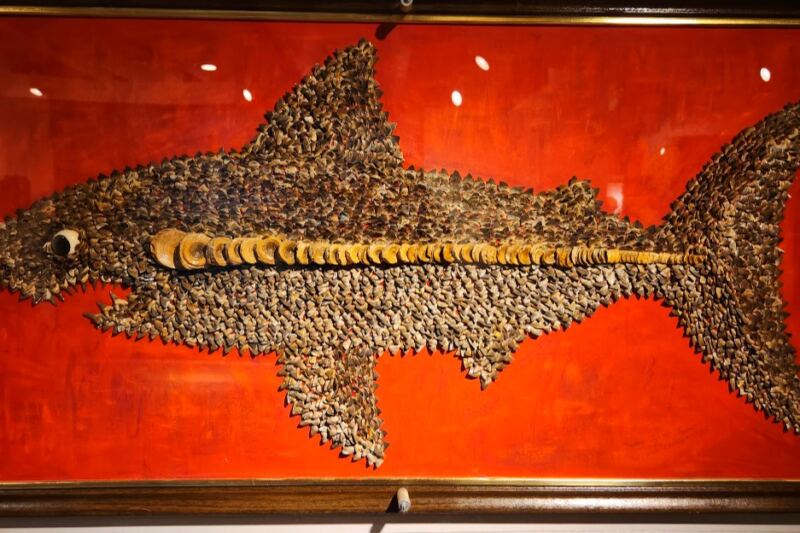
Before Kansas was a landlocked prairie state, it sat beneath a vast inland sea teeming with enormous marine creatures. The Sternberg Museum of Natural History in Hays makes that hard-to-believe fact completely convincing through its collection of fossils, skeletal reconstructions, and geological exhibits that document life in western Kansas millions of years ago.
The museum’s centerpiece is a remarkable fish-within-a-fish fossil, one of the most well-known specimens in paleontology, showing a large prehistoric fish with a smaller fish still inside it. That single display tends to stop visitors in their tracks.
Beyond the ancient sea exhibits, the Sternberg also covers Plains dinosaurs, Ice Age mammals, and the natural history of the region through the present day. The building itself is modern and well-organized, making it easy to move through the collection at your own pace. Named after the famous fossil-hunting Sternberg family, the museum carries a legacy that serious natural history enthusiasts will immediately recognize and appreciate.
7. Dwight D. Eisenhower Presidential Library And Museum, Abilene, Kansas
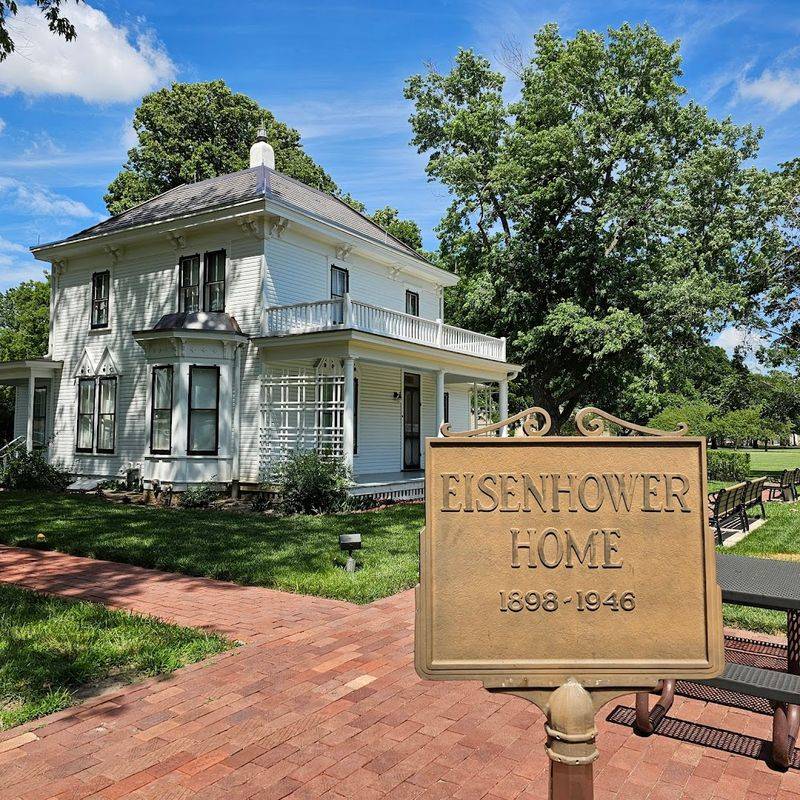
Abilene is a small town, but it produced one of the most consequential figures of the twentieth century. The Dwight D. Eisenhower Presidential Library and Museum explores the full arc of his life, from his modest upbringing in Kansas through his military career and two terms as President of the United States.
The museum campus includes his restored boyhood home, the presidential library, a visitor center, and the Place of Meditation where Eisenhower and his wife Mamie are interred. Each building serves a distinct purpose, and visitors can spend a full half-day moving through the entire complex.
Exhibits cover major historical events including World War II, the Korean War, the Interstate Highway System, and the early years of the Cold War. Personal artifacts, original documents, and photographs add depth to the historical narrative. The museum does a particularly good job of showing Eisenhower as a human being rather than just a historical figure, which makes the entire experience more engaging.
8. OZ Museum, Wamego, Kansas
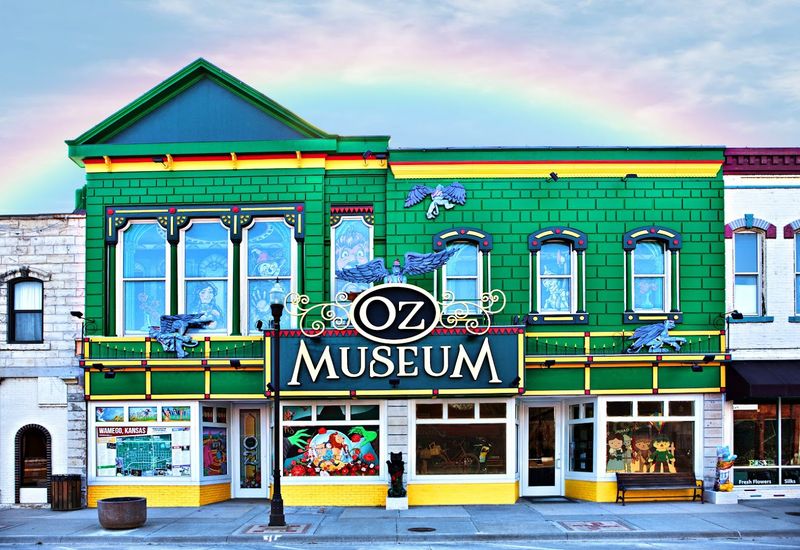
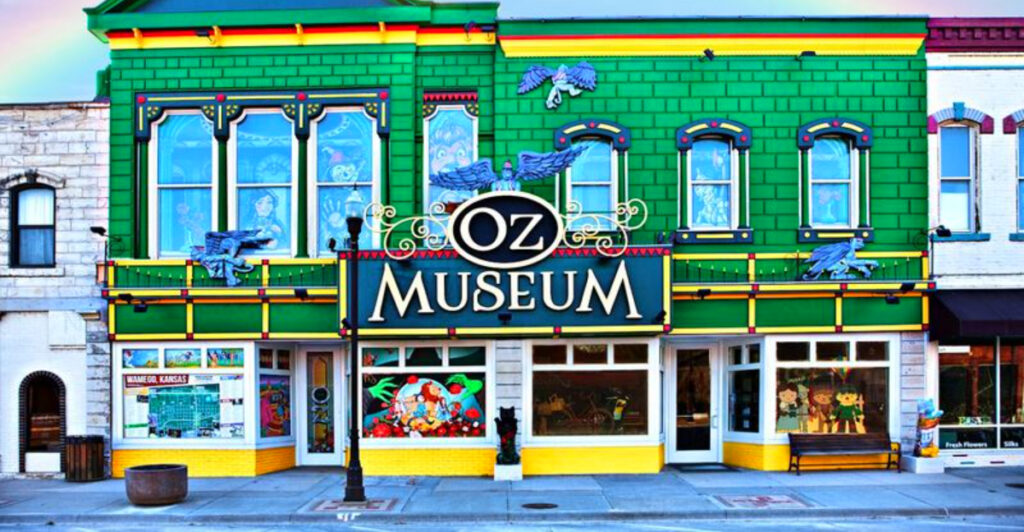
Wamego is a small Kansas town with a population of a few thousand people and, somehow, an entire museum dedicated to one of the most beloved stories in American popular culture. The OZ Museum celebrates L. Frank Baum’s original Wizard of Oz books and the 1939 film adaptation with a collection that spans decades of memorabilia, costumes, and rare collectibles.
The displays trace the evolution of the Oz story from its literary origins through its transformation into a cultural phenomenon. Vintage posters, original props, and collector items fill the space in a way that rewards careful attention.
Fans of the film will recognize many of the items on display, but the museum also highlights the broader history of Baum’s fourteen Oz novels, which many visitors did not know existed. The cheerful presentation and colorful design make it a genuinely fun stop for families and devoted fans alike. It is one of the more delightfully unexpected museums anywhere in the Midwest.
9. Amelia Earhart Hangar Museum, Atchison, Kansas
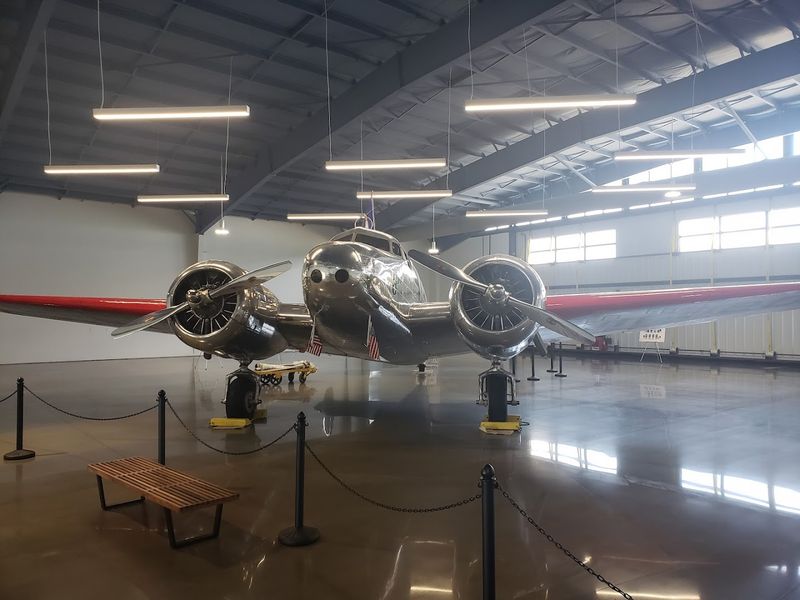
Atchison, Kansas is the birthplace of Amelia Earhart, and the city has built a striking modern museum to honor its most famous daughter. The Amelia Earhart Hangar Museum opened in 2023 and immediately became one of the most talked-about new cultural attractions in the state, drawing aviation enthusiasts and history lovers from across the country.
The centerpiece of the collection is a beautifully restored Lockheed 10-E Electra, the same model aircraft Earhart flew during her record-setting career. The plane is displayed in a purpose-built hangar that forms the architectural heart of the museum building.
Interactive exhibits cover Earhart’s achievements in aviation, her advocacy for women in professional fields, and the broader history of early flight. The museum deliberately frames her story within the context of innovation and determination rather than focusing narrowly on her disappearance. The architecture alone is worth a visit, with the building’s design drawing on aviation themes in a way that feels purposeful rather than decorative.
10. Combat Air Museum, Topeka, Kansas
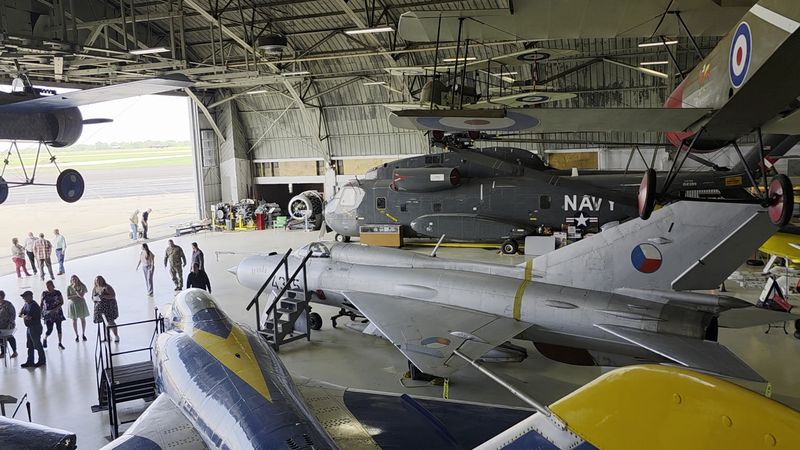
Military aviation history gets a lot of square footage at this Topeka museum, and it uses every bit of it well. The Combat Air Museum houses dozens of historic aircraft inside large hangars at Topeka’s Forbes Field, displaying everything from World War II fighters to Cold War-era jets and military helicopters.
Unlike some aviation museums where aircraft sit behind barriers, visitors here can get remarkably close to the planes and read detailed histories about the crews who flew them. That personal connection to the machines and the people gives the collection an emotional weight that goes beyond simple hardware appreciation.
The museum relies heavily on volunteer support, including many veterans who bring firsthand knowledge to the exhibits and visitor interactions. That community involvement shows in the quality of the information available throughout the hangars.
11. Kansas Museum Of History, Topeka, Kansas
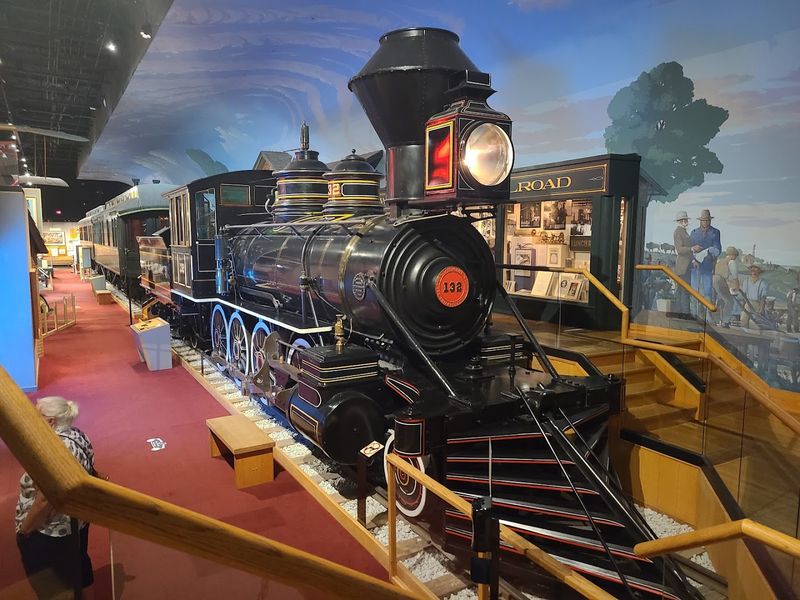
After a major renovation, the Kansas Museum of History in Topeka returned with updated galleries that present the state’s story in a way that feels fresh and relevant rather than frozen in time. The museum covers thousands of years of Kansas history, from Indigenous peoples through European settlement, statehood, and the modern era.
Exhibits address transportation, agriculture, social movements, and cultural change in ways that connect Kansas history to national and global events. The renovation paid particular attention to making the collection interactive and accessible for a broad range of visitors, including school groups and families with young children.
One of the stronger aspects of the museum is its willingness to address complicated chapters of state history alongside the more celebrated ones. That honesty gives the overall narrative more credibility and depth.
12. Exploration Place, Wichita, Kansas
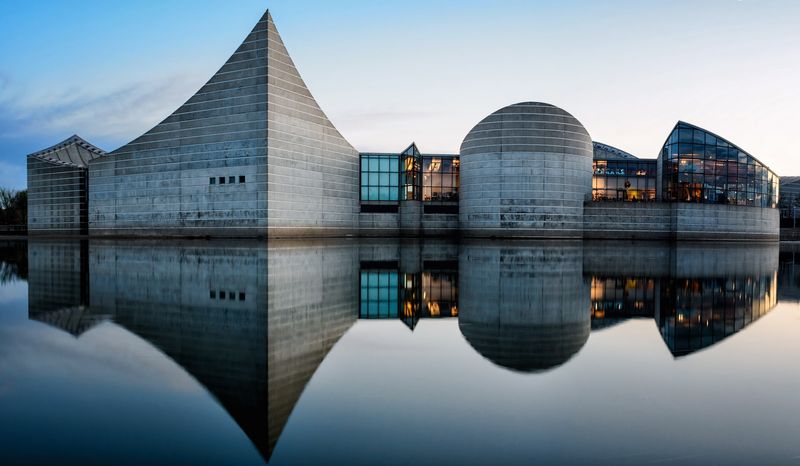
Science museums live or fall on the quality of their hands-on exhibits, and Exploration Place in Wichita takes that responsibility seriously. The museum sits along the Arkansas River and covers topics ranging from engineering and aviation to Kansas wildlife and water science, with a layout designed to encourage active participation rather than passive observation.
Rotating exhibitions keep the experience fresh for repeat visitors, which matters in a family-oriented museum where the same guests often return multiple times. The permanent collection provides a solid foundation, but the rotating shows add enough variety to make each visit feel at least partially new.
The museum also connects its science content to Kansas-specific contexts, showing how engineering, agriculture, and natural systems play out in the region visitors actually live in. That local grounding makes abstract concepts more concrete and relatable for younger audiences.
13. Mid-America Air Museum, Liberal, Kansas
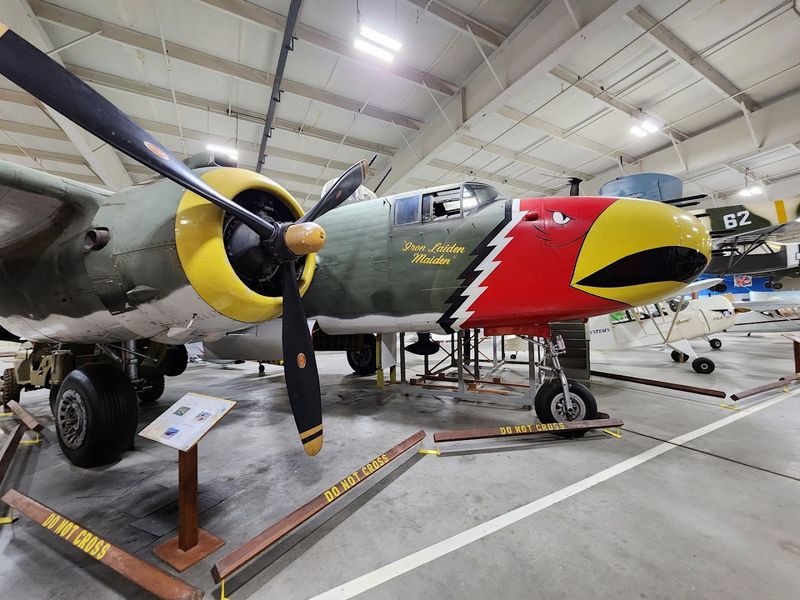
Liberal, Kansas sits in the far southwestern corner of the state, which makes it easy to overlook on a road trip itinerary. That would be a mistake, because the Mid-America Air Museum holds one of the largest aircraft collections in the central United States, with more than 100 planes representing decades of aviation history spread across multiple hangars.
The collection spans military aircraft, commercial planes, experimental designs, and general aviation, giving visitors a comprehensive look at how flight technology developed from the early twentieth century onward. The sheer number of aircraft on display takes most visitors by surprise.
Each plane comes with historical context explaining its role, its era, and the technology it represented at the time. That educational framework prevents the collection from feeling like a simple inventory of old machines and turns it into a genuine narrative about human ingenuity.
Share this story