Long before kitchens started blinking, beeping, and connecting to apps, everyday cooking depended on sturdy little tools that asked for skill instead of software. Baby Boomers, born between 1946 and 1964, came of age during a postwar wave of consumer inventions, and many of those gadgets promised speed, neatness, and a bit of modern pride on the countertop.
Some look quaint now, but each one reveals how midcentury households cooked, served, stored, and improvised in an era shaped by television dinners, company casseroles, suburban routines, and a rising appetite for convenience. Keep reading, and you will spot the practical logic, design quirks, and cultural habits that turned these once-common tools into kitchen legends.
1. Manual Bread Slicer Guide
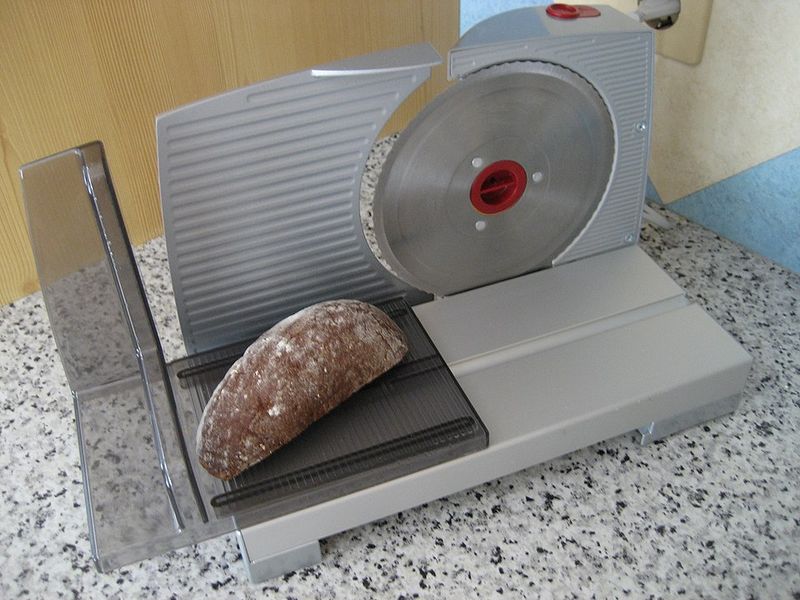
Uniform sandwich slices once counted as a small household victory. The manual bread slicer guide helped home bakers cut even pieces from fresh loaves, especially when bread machines were not around and store-bought sandwich bread did not dominate every pantry shelf.
Usually made of wood or metal, the guide acted like a frame with evenly spaced slots, keeping the knife straight and the loaf steady. That mattered in the postwar decades, when home baking still carried everyday importance and a tidy loaf looked like proof that you knew exactly what you were doing.
Boomers saw these tools in kitchens where thrift and presentation often shared the same counter. A family stretching ingredients over the week wanted bread that sliced neatly for toast, school lunches, and weekend French toast without wasting half the loaf to uneven cuts.
There is also a practical truth here: fresh bread is notoriously tricky to slice cleanly. The guide solved that problem with no cords, no settings, and no instruction manual thicker than the bread itself.
2. Percolator Coffee Pot
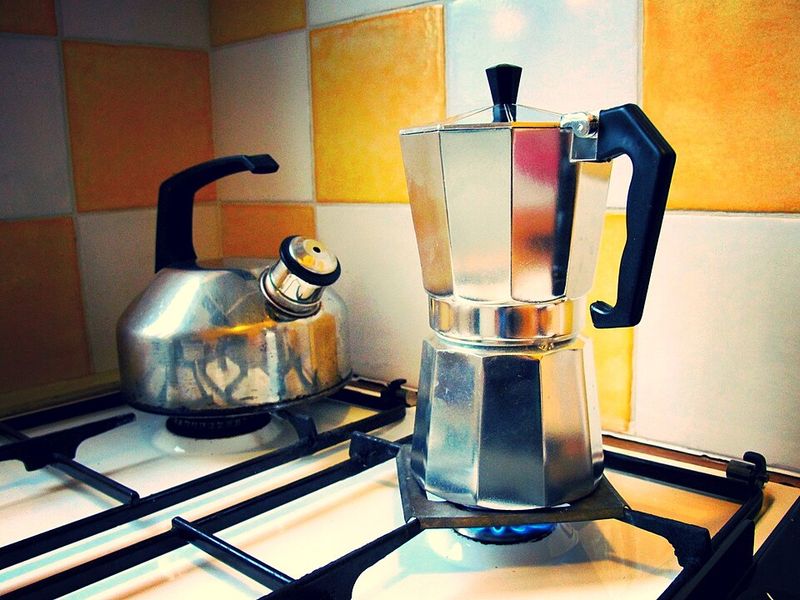
Before countertop coffee makers took over, the percolator ran the show with steady confidence. Whether electric or stovetop, it brewed by cycling boiling water up a tube and over coffee grounds, a method that defined countless American kitchens through the 1940s, 1950s, and well into the 1970s.
The design was simple, durable, and deeply tied to routine. Boomers remember it because it was often visible during breakfast, after dinner, and when neighbors stopped by, which made it as much a social fixture as a brewing device.
Companies like Farberware and Corningware turned the percolator into a stylish object as well as a practical one. It matched the era’s fascination with streamlined metal finishes and household products that promised modern efficiency without asking families to give up familiar habits.
Percolated coffee could be strong, and sometimes very strong, but that was part of its identity. In many homes, the pot stayed in service for years, proving that a dependable kitchen gadget could earn loyalty long before single-serve pods tried to rewrite the script.
3. Butter Cutter and Curler
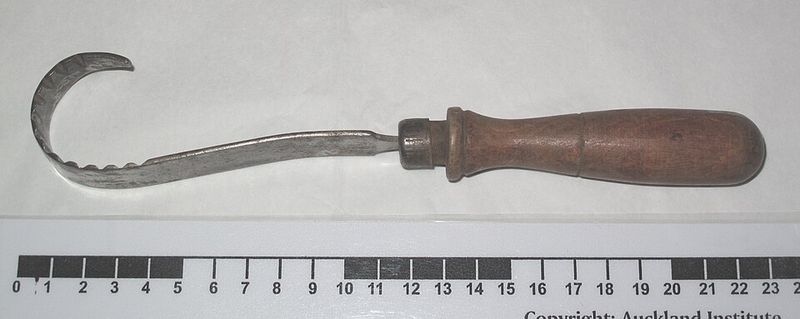
At some point, even butter got a formal introduction to the dinner table. The butter cutter and curler turned a basic staple into neat pats or decorative curls, reflecting a period when everyday meals often borrowed a little ceremony from company dinner standards.
These tools appeared in midcentury kitchens and dining rooms where presentation mattered, especially for bridge clubs, holiday spreads, and Sunday meals. A simple gadget could make store-bought butter look polished, and that fit a broader culture shaped by hostess guides, magazine entertaining tips, and postwar consumer design.
Many versions used a wire, blade, or grooved scoop to create tidy portions that were easier to serve than hacking away at a cold stick. Boomers remember them because they sat in drawers beside pickle forks and gelatin molds, ready whenever a table needed a touch of order.
Today the curler may seem delightfully extra, but it solved real problems of portioning and presentation. It also reminds you how often older kitchen tools were built around serving rituals, not just raw efficiency.
4. Handheld Potato Masher
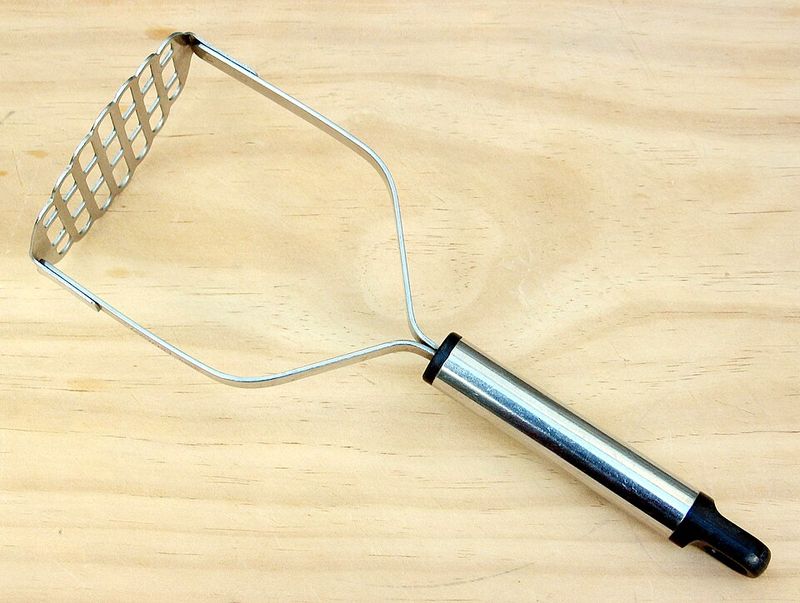
If one kitchen tool earned its reputation by doing exactly one job well, this was it. The handheld potato masher stayed popular through every wave of electric gadgetry because it was cheap, sturdy, and capable of turning boiled potatoes into dinner with almost no fuss.
Most models used a metal wire head or perforated plate attached to a wooden or plastic handle. That straightforward design worked for potatoes, squash, turnips, and even egg salad, which made it more versatile than its plain appearance suggested.
Boomers grew up in homes where mashed potatoes showed up often, especially alongside roasts, meatloaf, and weeknight suppers built around economical staples. A masher fit that style of cooking perfectly, because it cleaned easily, took little space, and did not demand electricity, assembly, or patience with a tricky motor.
It also gave cooks more control over texture than many later machines. Whether you wanted a few lumps or a smoother bowl, this tool responded to effort rather than presets, and that hands-on reliability is exactly why so many drawers still hold one.
5. Wall-Mounted Can Opener
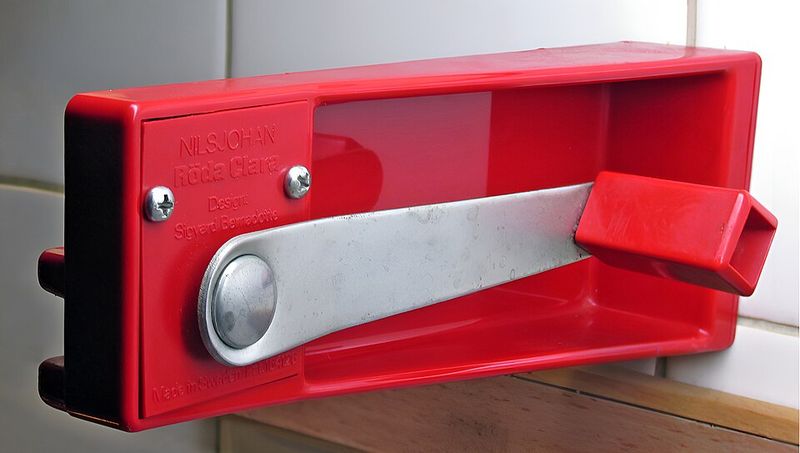
Some gadgets announced themselves as permanent residents, and the wall-mounted can opener definitely did. Bolted to the kitchen wall or cabinet, it opened cans through a rotating cutting wheel and crank system that felt far sturdier than the loose handheld versions rattling around drawers.
These openers became common in midcentury homes when canned goods were central to everyday cooking. Soup, fruit cocktail, vegetables, tomato products, and convenience foods all depended on easy access, so a reliable opener was not a luxury but part of the basic kitchen infrastructure.
I think boomers swore by this one because it was always in the same place and usually worked without drama. Brands such as Swing-A-Way became household names by making hardware that could survive years of regular use, even in busy family kitchens where dinner often started with several cans in a row.
There was also a subtle design logic behind it. By anchoring the tool to the wall, manufacturers saved drawer space and reduced slipping, proving that practical engineering once mattered as much as novelty in the race to modernize the American kitchen.
6. Onion Chopper with Metal Grid
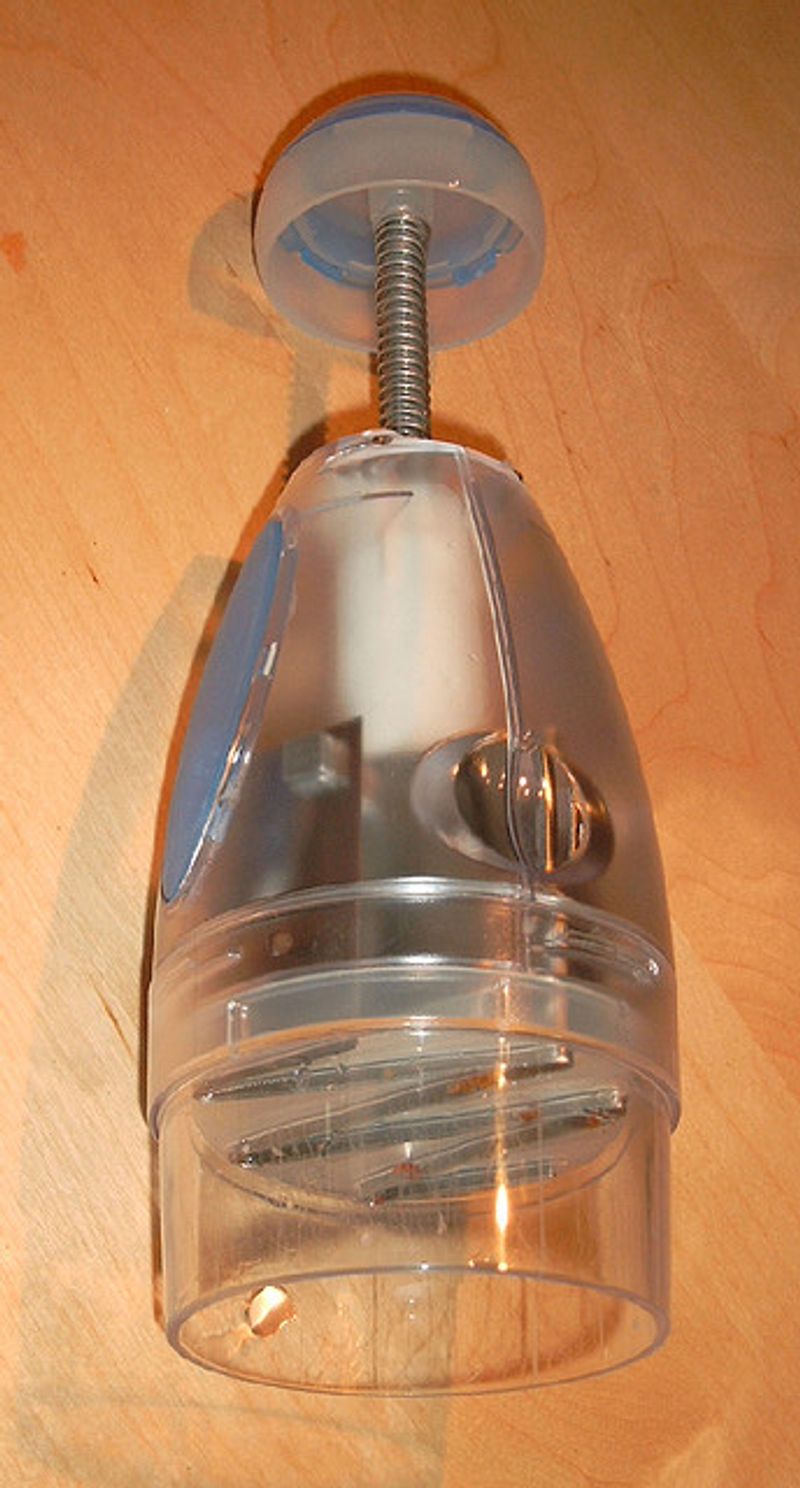
Few gadgets promised domestic order as boldly as the onion chopper with its little metal grid of authority. Press the onion down, and you got a pile of neat pieces that looked impressively uniform, which suited the era’s growing preference for speed, tidiness, and standardized home cooking.
These choppers became especially useful as convenience cooking expanded in the 1950s and 1960s. Casseroles, dips, relishes, and chopped salad recipes filled community cookbooks, and a device that reduced prep time without requiring electricity fit perfectly into the midcentury gadget boom.
Most models used a hinged top and sharp metal blades arranged in squares. They were marketed as labor savers, the kind of tool that suggested modern kitchens could be more efficient without becoming industrial, and that message landed well in households balancing family meals, work schedules, and rising expectations around presentation.
The metal grid also reflected a bigger design trend: mechanical precision in small domestic tasks. Boomers remember it because it made repetitive chopping easier, even if cleaning those tiny blade spaces required more determination than the cheerful packaging ever admitted.
7. Cookie Press (Spritz Maker)
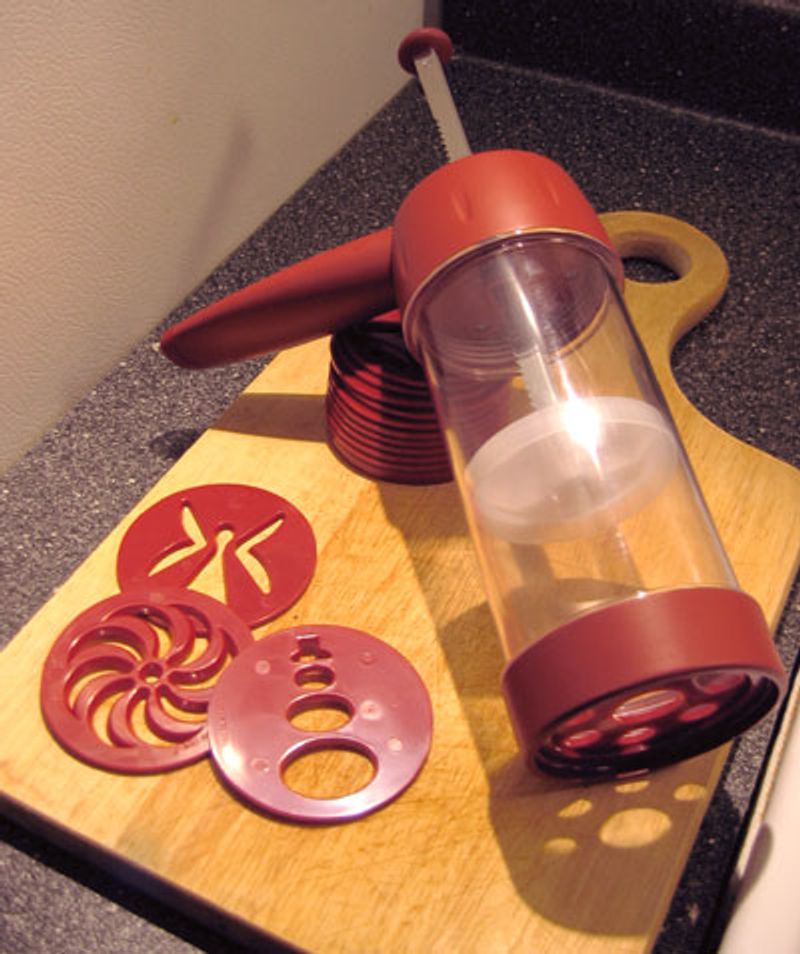
Holiday baking got a mechanical upgrade the moment the cookie press entered the drawer. Also called a spritz maker, this gadget pushed soft dough through decorative discs to create uniform shapes, turning home bakers into efficient producers of stars, trees, wreaths, and other highly organized sugar-based ambition.
The press became especially popular in the mid-20th century, when molded and decorative foods carried a certain social currency. Community cookbooks, women’s magazines, and seasonal advertising all encouraged attractive homemade treats, and the cookie press offered a clever shortcut that still looked impressively homemade on the plate.
Usually made of metal or durable plastic, it relied on a plunger or trigger mechanism rather than hand shaping. Boomers remember it because it often appeared during December baking sessions, where quantity mattered almost as much as taste thanks to school events, neighbor visits, church socials, and family gift tins.
It also solved a practical problem. Instead of rolling, cutting, and rerolling dough, you could make many cookies quickly, which is probably why so many presses outlived fashion trends and still show up every year like they never left.
8. The Hand-Crank Egg Beater
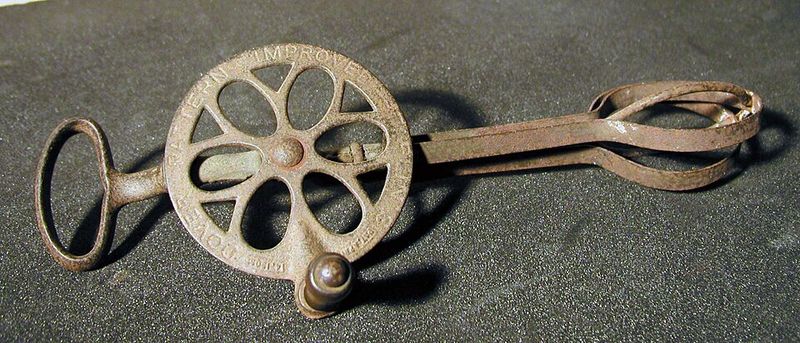
Nothing says pre-button convenience quite like a tool that made your wrist part of the recipe. The hand-crank egg beater was a standard kitchen helper before electric mixers became common in the 1950s and 1960s, and plenty of households kept one nearby even after plug-in models arrived.
Its gears turned twin metal blades fast enough to whip eggs, pancake batter, cream, and cake mixes without much equipment or counter space. I can see why boomers trusted it, because it was affordable, easy to rinse, and rarely needed more than an occasional tightening of a screw.
Brands such as Dover and Androck made versions with wooden or bakelite handles, and many were built so solidly they lasted for decades. It also fit the rhythm of midcentury cooking, when recipes often assumed you would mix by hand and did not require a specialized machine for every step.
Today it feels charming, but its real appeal was practicality. When a gadget survived drawers, moves, and generations, people remembered it for good reason.
9. Metal Ice Cube Tray with Lever

Opening a freezer once involved a little engineering, and the metal ice cube tray was proof. Before flexible plastic and silicone versions took over, these aluminum trays used a lever that cracked the frozen grid so cubes could be released, at least when the mechanism cooperated.
They were common through the mid-20th century, especially before automatic icemakers became standard in home refrigerators. That made them a daily tool in households that expected to make ice manually, store it carefully, and refill the tray before someone else discovered the freezer already empty.
Boomers remember the lever because it gave the tray its personality and sometimes its attitude. If the cubes stuck, you had to wait a moment or run a bit of water over the base, a small routine that many families considered normal rather than inconvenient.
What stands out now is how durable they were. Made of metal and built with a simple moving part, they reflected an era when household goods aimed for longevity, and even something as ordinary as ice preparation came with a sturdy mechanism and a little user participation.
10. Food Mill
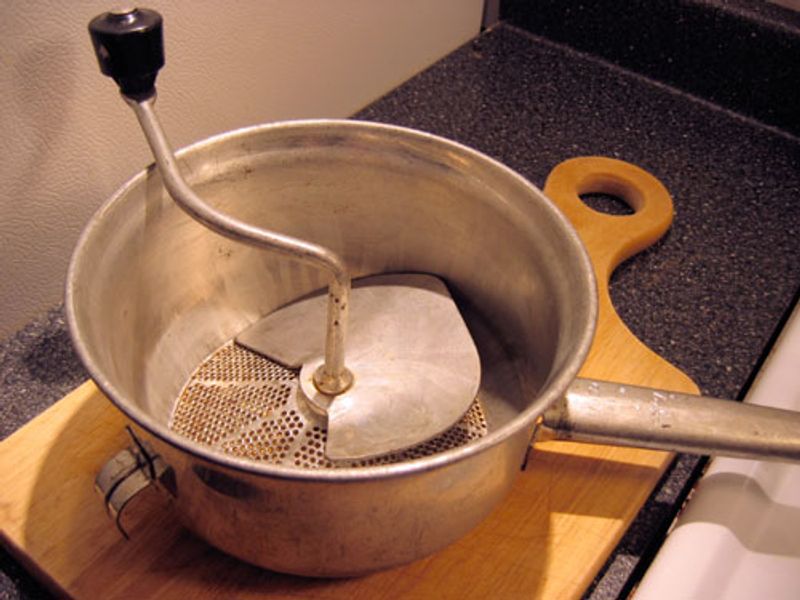
Quietly brilliant tools rarely get top billing, yet the food mill earned a permanent place in serious home kitchens. With a hand crank, perforated disk, and rotating blade, it pureed soft foods while leaving behind skins, seeds, and fibrous bits that cooks did not want in the final dish.
This made it ideal for tomato sauce, applesauce, mashed vegetables, fruit purees, and homemade baby food. In the decades before food processors became common, the food mill offered a tidy middle ground between rough mashing and fully electric blending, which is exactly why many boomers saw it used regularly.
French in origin but widely adopted in American kitchens, the tool fit midcentury habits that valued homemade texture without unnecessary waste. It also appealed to practical cooks, because one device could handle multiple tasks and usually cleaned up with less drama than a blender full of hidden corners.
There is a reason this one still survives in modern kitchens. It was never trying to be flashy, only useful, and in a room full of gadgets that promised miracles, dependable usefulness often won the long game.
11. Rotary Cheese Grater
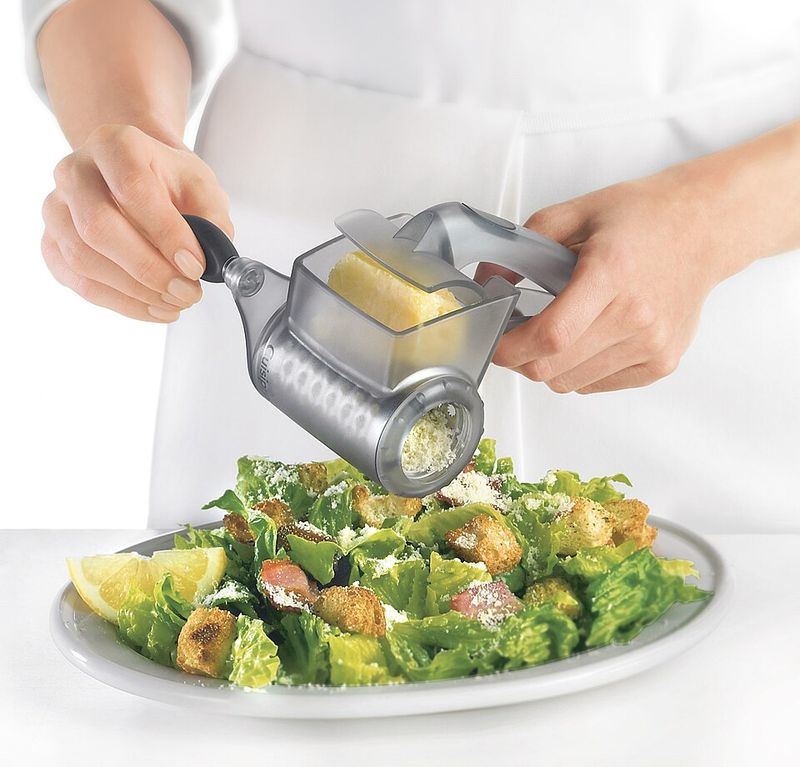
A handle, a drum, and a wedge of cheese were all this gadget needed to earn loyal fans. The rotary cheese grater turned hard cheeses into neat shreds quickly, keeping fingers farther from the sharp parts and reducing the awkward slipping that came with flat box graters.
It became especially familiar in households where Parmesan or other firm cheeses appeared regularly on pasta, casseroles, and salads. Midcentury kitchens valued tools that could speed up repetitive prep work, and the rotary mechanism delivered a small but satisfying dose of efficiency without asking for electricity or much storage space.
Many designs clipped over a dish or were held directly above the plate, which made serving simpler during family dinners. Boomers remember them not just for convenience, but because they often carried a distinctly European flair at a time when American home cooking was gradually widening beyond the basic postwar rotation.
There was also an element of kitchen theater to the turning action, though the real selling point was control. You could grate just enough, stop instantly, and avoid scraping your knuckles, which is a practical benefit every generation can appreciate.
12. Glass Citrus Juicer
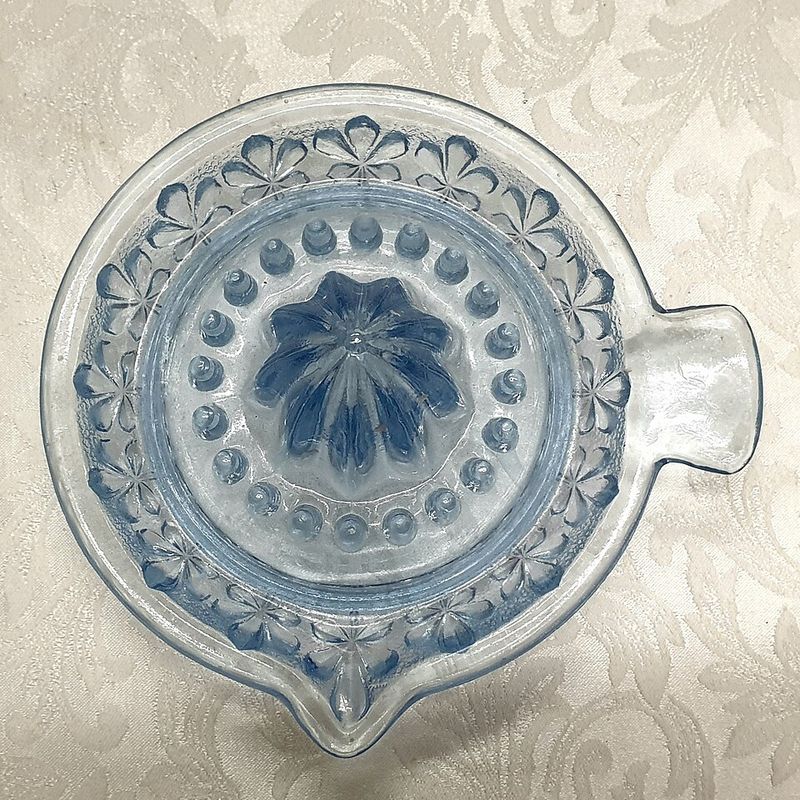
Some of the smartest kitchen tools were almost stubbornly simple, and the glass citrus juicer proves it. With a ridged cone in the center and a surrounding reservoir for juice, it let cooks press and twist lemons, limes, or oranges without any motor, filter basket, or cleanup puzzle.
These juicers were common in midcentury homes because fresh citrus had many jobs. It went into dressings, desserts, marinades, breakfast juice, and home remedies, and a solid glass tool handled all of it while fitting neatly into a drawer or cabinet shelf.
Pressed glass versions were inexpensive, durable, and often attractive enough to leave out on the counter. Boomers remember them because they worked exactly as expected, and because earlier generations treated practical glassware as an essential part of kitchen setup rather than an occasional specialty item.
The design also speaks to an era before single-purpose electric gadgets flooded the market. You used your hands, watched the seeds collect, poured directly from the spout, and moved on.
That kind of direct usefulness is probably why these juicers never truly disappeared from home kitchens.
13. Meat Tenderizer Mallet
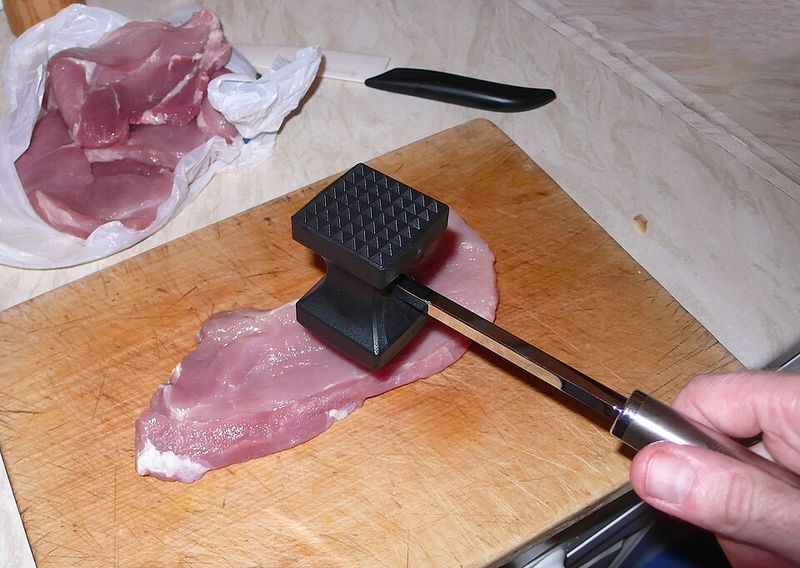
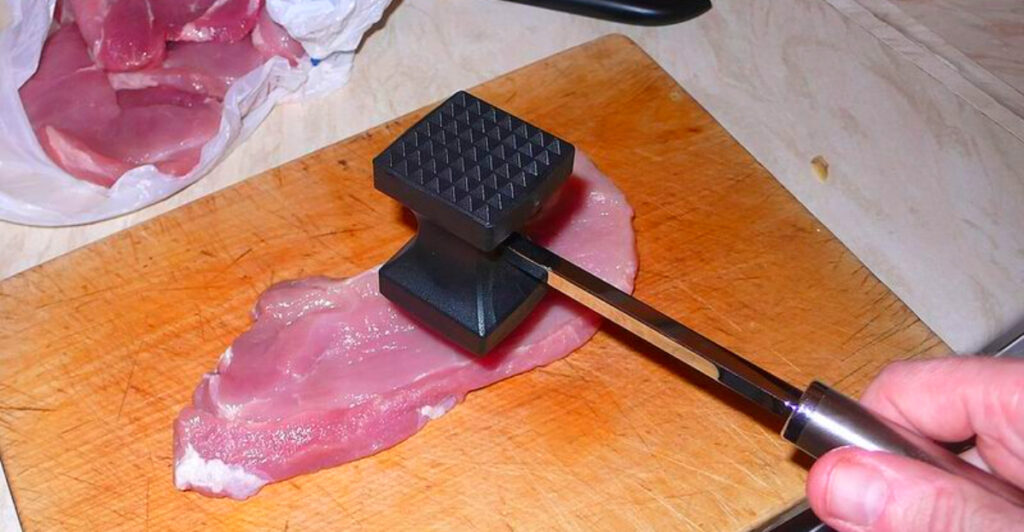
Dinner prep could get surprisingly strategic, and the meat tenderizer mallet was part of that strategy. Designed with a flat side and a textured side, it helped soften tougher cuts, flatten portions for even cooking, and stretch ingredients into meals that felt more polished than their budget suggested.
This mattered in many boomer-era households, where cooks often worked with economical cuts rather than premium ones. A mallet made round steak, pork cutlets, and chicken pieces easier to prepare for recipes that depended on uniform thickness, from breaded cutlets to skillet suppers and oven bakes.
The tool also reflected postwar thrift, when practical cooking still relied on technique as much as shopping power. By improving texture and reducing cooking time, it gave home cooks more flexibility, which is one reason it remained useful even as supermarkets expanded their selection of pretrimmed and preportioned meats.
Its continued survival is no mystery. The mallet is simple, durable, and effective, which puts it in the same honorable category as many vintage kitchen tools boomers loved: not flashy, not delicate, and very hard to argue with when dinner needed reliable help.
Share this story