 Unearth The Voyage
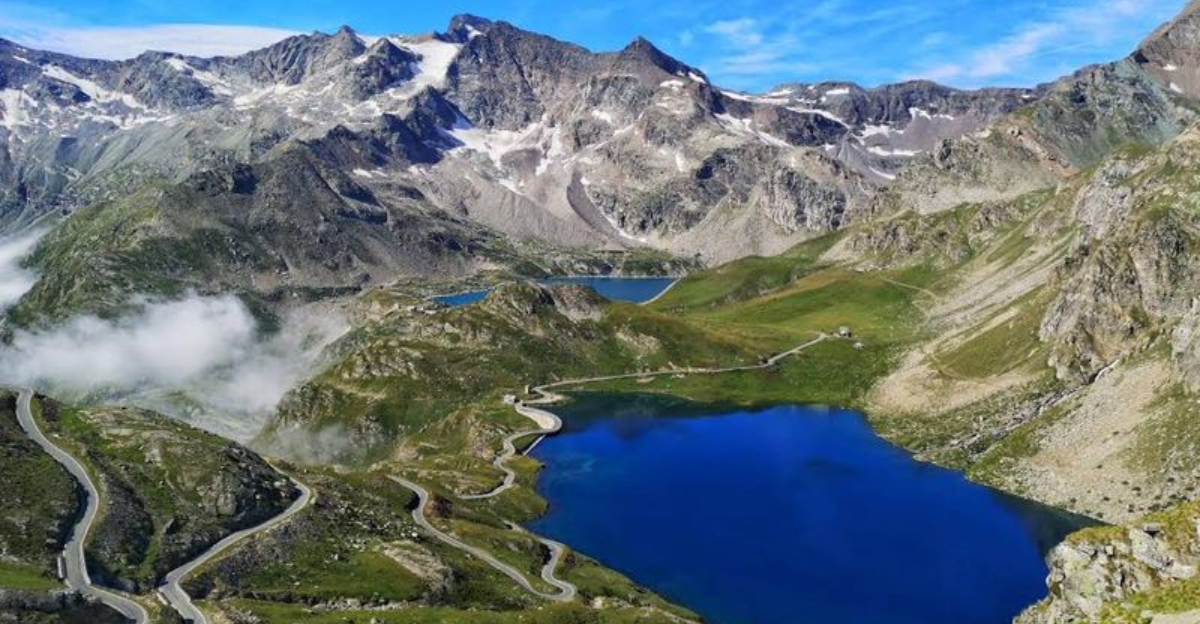
Europe is full of famous parks that everyone seems to know, but some of the best ones barely get a mention. From wild Atlantic mountains in Portugal to remote Swedish wilderness with zero roads, these spots punch way above their weight.
I spent a good chunk of time researching places that keep showing up in serious hiking forums but almost never on mainstream travel blogs. These 13 parks are genuinely worth your attention, and honestly, they might just steal the show.
Peneda-Gerês National Park, Portugal
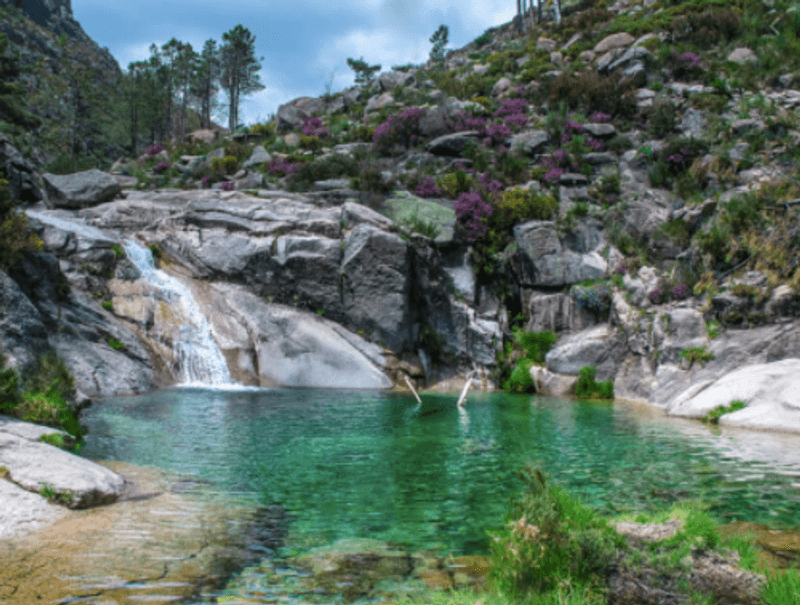
Portugal’s only national park is one of Western Europe’s most underrated outdoor destinations, and that title is well earned. Peneda-Gerês sits in the northwest corner of the country, where granite mountains rise dramatically above ancient villages that look frozen in time.
The contrast between rough stone landscapes and lush green valleys is genuinely striking.
Wildlife fans will be pleased to know that wolves, golden eagles, and wild Garrano horses all call this park home. That is not something you can say about many places in Western Europe.
The park also has a network of trails ranging from gentle riverside walks to serious mountain routes.
I stumbled across Peneda-Gerês while planning a trip to Porto, and it completely hijacked my itinerary. The waterfalls alone are worth the detour.
If you want dramatic Portuguese scenery without the tourist crowds, this park delivers in a big way.
Durmitor National Park, Montenegro
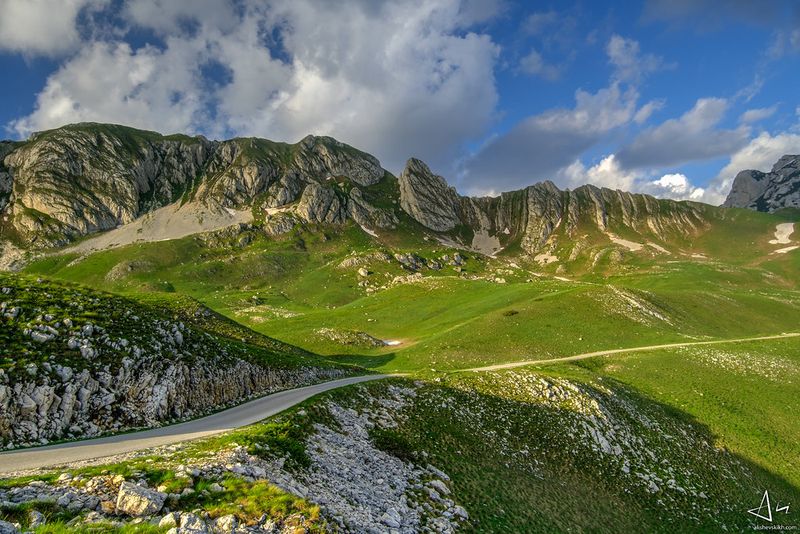
Durmitor is the kind of place that makes you wonder why it is not plastered on every travel magazine cover. Montenegro’s crown jewel of the outdoors, this UNESCO World Heritage site packs together mountain massifs, glacial lakes, and canyons so deep they barely see sunlight.
The Tara River Canyon is one of the deepest in the world, and yes, it is every bit as dramatic as that sounds.
The park has excellent infrastructure for hiking, rafting, and winter skiing, which means it works as a destination across multiple seasons. Black Lake, one of the most photographed spots in the park, sits right near the town of Zabljak and is easy to reach.
Travelers who have been to Durmitor often say the same thing: they wished they had gone sooner. Montenegro as a whole is still flying under the radar compared to its Adriatic neighbors.
Durmitor is the main reason to go inland.
Prokletije National Park, Montenegro
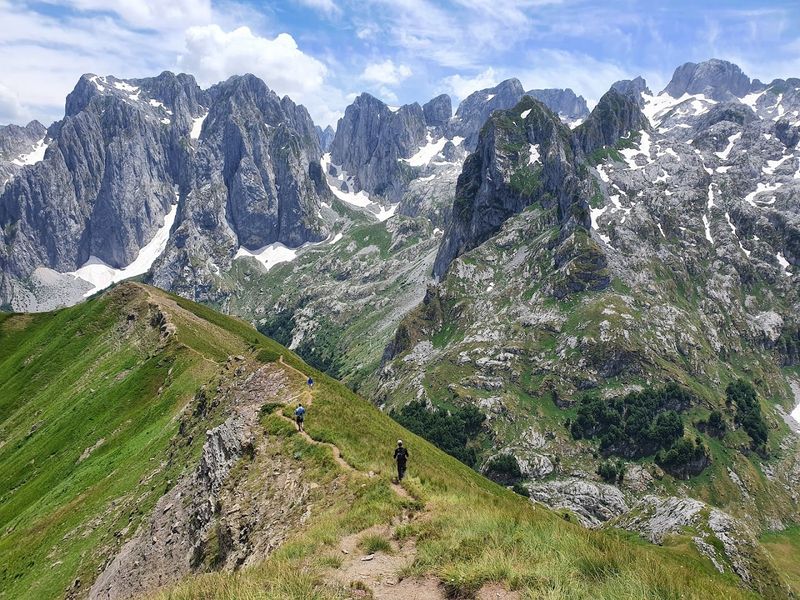
The name Prokletije translates to “Accursed Mountains,” which is honestly peak branding for a wild, jagged mountain range that few travelers have heard of. Montenegro’s newest national park sits on the border with Albania and Kosovo, and it delivers the kind of raw alpine drama that usually requires a much longer flight.
The peaks here top 2,500 meters and the scenery is relentlessly spectacular.
Because it is still relatively new as a formally protected area, the trail network is less developed than in older parks. That actually works in its favor for adventurous hikers who prefer fewer crowds and more genuine wilderness.
The Peaks of the Balkans trail passes through the park and connects three countries in one epic multi-day route.
Prokletije is the kind of destination that serious hikers talk about in hushed, reverent tones. It has not gone mainstream yet.
That window is still open, and smart travelers should use it.
Triglav National Park, Slovenia
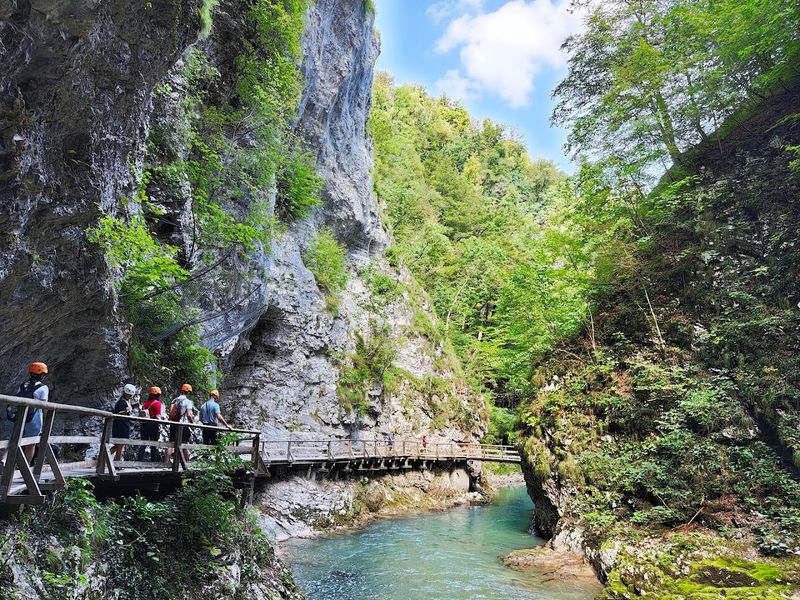
Slovenia has been getting more travel buzz lately, but Triglav National Park still does not get the credit it deserves on the global stage. Covering a massive stretch of the Julian Alps, this is the country’s only national park and it manages to pack in high peaks, emerald rivers, and charming mountain huts all in one protected area.
The Soča River alone is worth the trip.
What makes Triglav stand out is how well it is managed. The park handles visitor flow thoughtfully, which keeps the experience feeling natural rather than theme-park-ish.
Trails are well marked, huts are bookable in advance, and the infrastructure genuinely supports the landscape rather than overwhelming it.
Mount Triglav, the park’s centerpiece and Slovenia’s highest peak, is considered a national symbol. Climbing it is practically a rite of passage for Slovenians.
For international visitors, just getting close to it and soaking in the alpine scenery is more than enough reward.
Hohe Tauern National Park, Austria
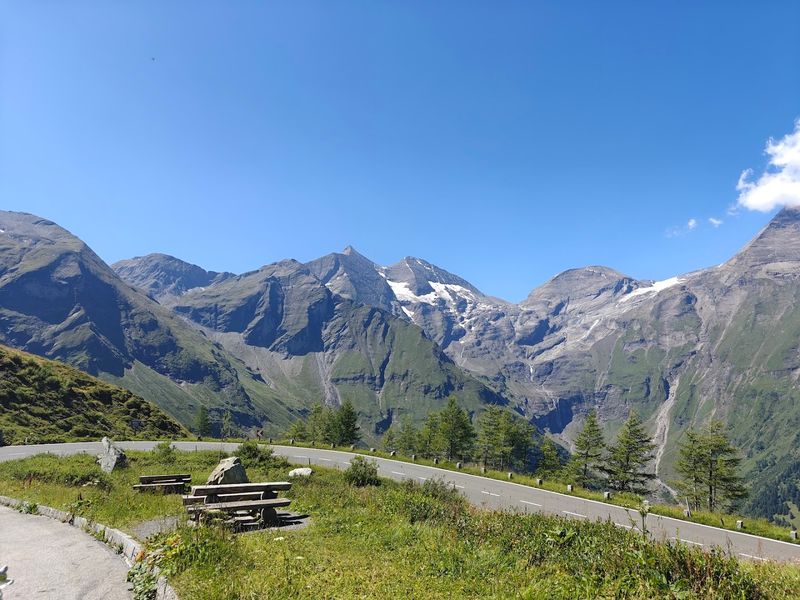
Austria is famous for its mountains, but Hohe Tauern somehow keeps getting overshadowed by the bigger brand names in Alpine tourism. This is the largest national park in the Alps, and official park materials describe it as one of the most spectacular high-mountain landscapes on the planet.
That is not marketing fluff. The park covers parts of three Austrian states and contains over 300 glaciers.
The Krimml Waterfalls, located within the park, are the highest in Austria and among the tallest in Europe. Watching them roar in late spring when snowmelt is at its peak is genuinely impressive.
The park also supports golden eagles, ibex, and chamois, making it a solid bet for wildlife spotting.
For hikers, the Grossglockner, Austria’s highest mountain, sits right in the heart of the park. The famous Grossglockner High Alpine Road passes through as well.
It is a proper powerhouse destination that just needs a louder megaphone.
Šumava National Park, Czechia
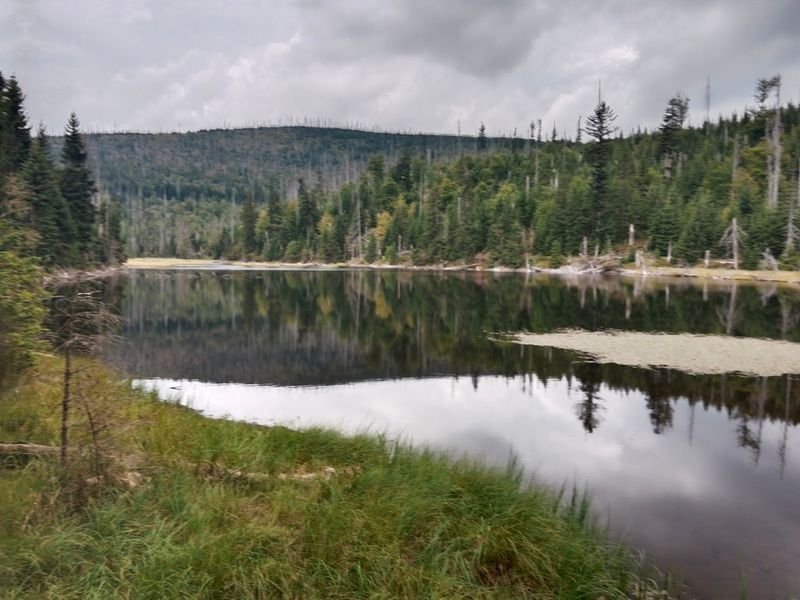
Called the “green roof of Europe,” Šumava is the kind of park that rewards slow travel. Located along the Czech-German-Austrian border, it covers one of Central Europe’s largest continuous forest areas and feels refreshingly untouched compared to many more accessible nature spots.
Ancient trees, glacial lakes, and vast peat bogs give the landscape a moody, almost prehistoric quality.
The park is home to lynx, otters, and black storks, which is a wildlife lineup that would make any nature enthusiast very happy. Cycling is especially popular here, with well-maintained routes that cut through the forest without disturbing the peace.
The trails are varied enough to suit both casual walkers and serious trekkers.
Šumava also has a fascinating human history, sitting in what was once the Iron Curtain borderland. Some abandoned villages from that era are still visible within the park boundaries.
It adds a layer of quiet, unexpected history to an already compelling natural destination.
Hossa National Park, Finland
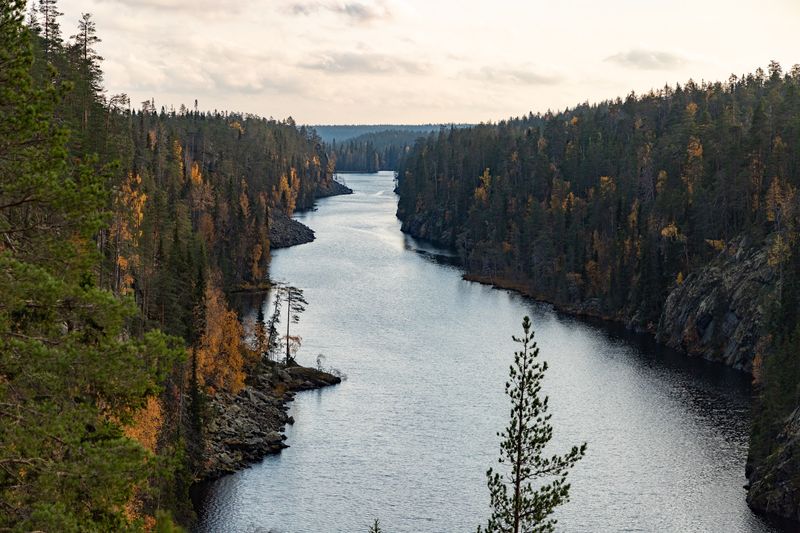
Finland established Hossa as a national park in 2017, partly to celebrate the country’s 100th anniversary of independence. That backstory alone gives it a certain charm.
Located in the Kainuu region, the park sits on a series of esker ridges that create a rolling, lake-dotted terrain unlike anything you find in most European parks. The landscape feels genuinely otherworldly.
One of Hossa’s most fascinating features is its prehistoric rock paintings, estimated to be around 3,500 years old. They are accessible by a short paddling route, which makes the experience feel like a proper mini-adventure.
The park also has over 90 kilometers of hiking trails and a well-developed paddling network that connects many of its lakes.
Wildlife in Hossa includes brown bears, wolverines, and ospreys, which is a solid trio of reasons to keep your eyes open. The park is not heavily crowded, even in peak summer.
For anyone who thinks Finland’s best nature is just the Northern Lights, Hossa is a compelling counterargument.
Archipelago National Park, Finland
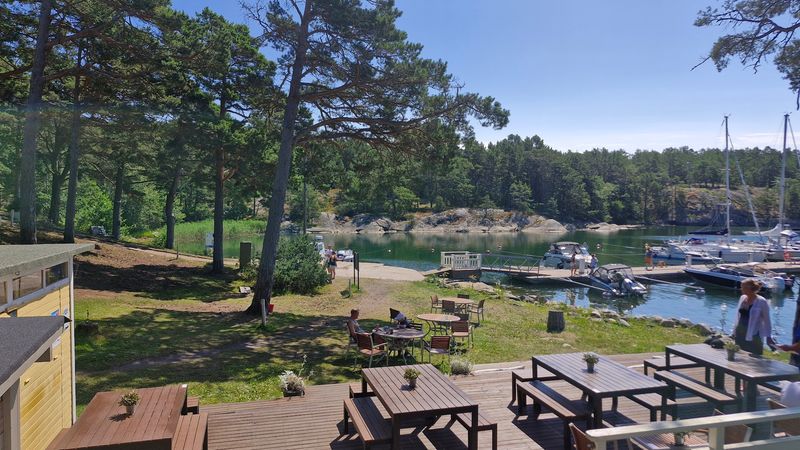
Not every great park needs a single dramatic peak to anchor it. The Archipelago National Park in southwestern Finland is built entirely from water, rock, and sky, and it is one of the most visually distinctive protected areas in all of Europe.
The park sits within the Archipelago Sea, where an estimated 50,000 islands and islets create a maze-like seascape that feels genuinely unique.
Getting around requires ferries and boats, which immediately makes the experience feel like an adventure rather than a standard day hike. Many islands have guest harbors, and sea kayaking is one of the best ways to explore the outer archipelago at your own pace.
Seals, white-tailed eagles, and countless seabird species are regular sights.
The park is open year-round, and winter visits when the sea freezes offer an entirely different kind of experience. Most international travelers skip this one entirely, which is their loss.
Finland’s archipelago is quietly one of Europe’s most extraordinary natural landscapes.
Fulufjället National Park, Sweden
Fulufjället is home to Old Tjikko, a Norway spruce that is approximately 9,500 years old and considered one of the world’s oldest living trees. That single fact should be enough to get anyone on a plane to Sweden.
The tree itself looks modest, but knowing its age makes standing near it feel oddly significant. Not many parks can offer that kind of perspective.
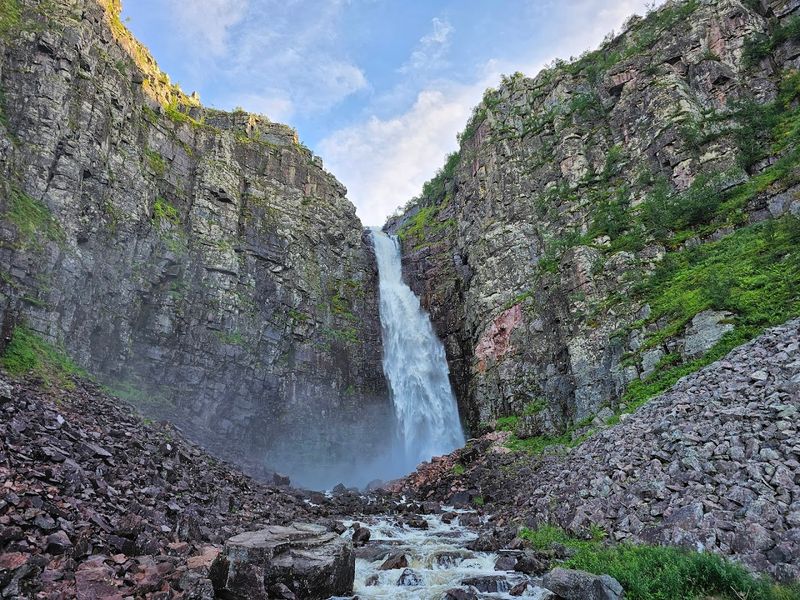
The park’s plateau landscape stretches wide and flat in a way that feels almost cinematic, especially in autumn when the ground turns deep red and gold. Njupeskär, Sweden’s highest waterfall, is located here and is reachable by a well-marked trail that most fit visitors can handle in a day.
The combination of ancient forest, open fell, and dramatic waterfall gives the park unusual variety for its size.
Fulufjället sits near the Norwegian border in the Dalarna region, making it easy to pair with other Swedish destinations. It is uncrowded, well-maintained, and genuinely special.
More people should be talking about it.
Sarek National Park, Sweden
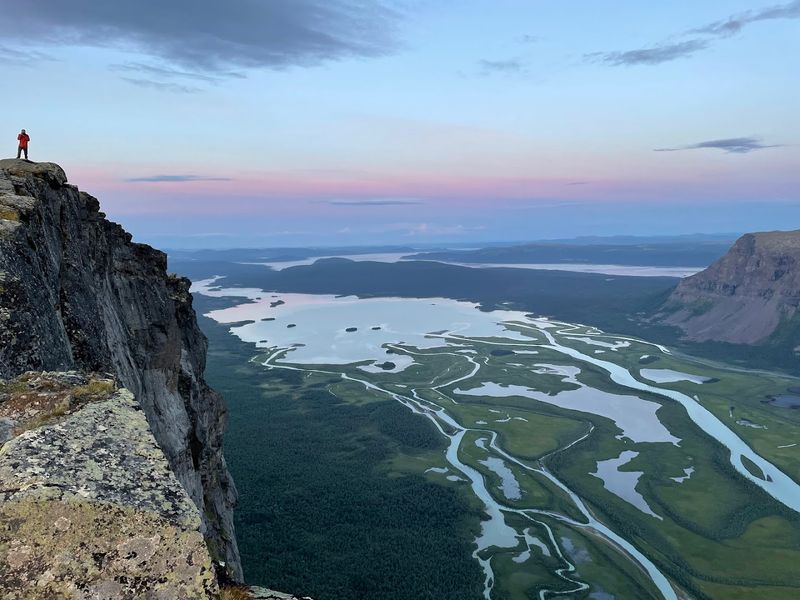
Sarek is not a park you casually wander into on a whim. There are no roads, no marked trails, no mountain huts, and no visitor center.
Sweden’s official park information is refreshingly honest about this, describing Sarek as one of the most inaccessible national parks in the country. That description is not a warning so much as a badge of honor for experienced wilderness hikers.
The park covers around 1,970 square kilometers of untouched sub-arctic wilderness in Swedish Lapland. It contains roughly 200 glaciers and 90 peaks over 1,800 meters.
Brown bears, wolverines, lynx, and reindeer all live here, largely undisturbed by human activity.
Reaching Sarek typically involves a long hike from Kvikkjokk or access via helicopter. The reward is total wilderness immersion at a level that is almost impossible to find elsewhere in Europe.
For hikers who have done it, Sarek tends to become the benchmark against which all other trips are measured. It earns every bit of that reputation.
Wadden Sea National Park, Denmark
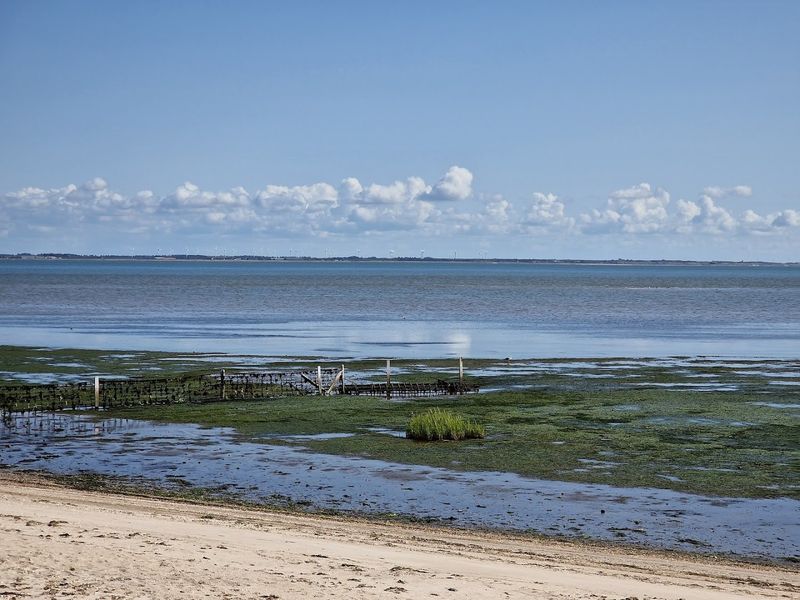
The Wadden Sea does something that no mountain park can do: it completely reinvents itself twice a day. As the tide pulls back, an enormous mudflat landscape appears, exposing a rich ecosystem of worms, shellfish, and sediment that feeds millions of migratory birds.
It is part of a UNESCO World Heritage area shared between Denmark, Germany, and the Netherlands, and it is genuinely one of the world’s great wildlife spectacles.
The Danish section of the park includes the island of Fanø and stretches along the Jutland coast. Seal safari tours are popular, and the murmuration of starlings known locally as the Black Sun is one of those natural events that people travel specifically to witness.
The tidal flat walks, done with a licensed guide, are a highlight that most visitors do not expect to enjoy as much as they do.
For travelers who associate national parks only with mountains and forests, Wadden Sea is a perspective-shifting experience. It is wild, dynamic, and seriously underappreciated on the international travel circuit.
Gran Paradiso National Park, Italy
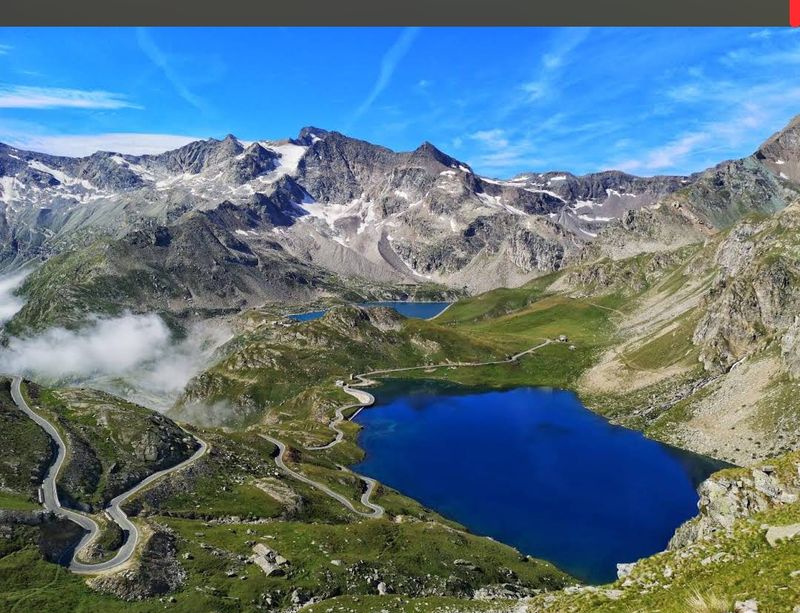
Gran Paradiso holds a pretty impressive title: it is Italy’s oldest national park, established in 1922. Originally a royal hunting reserve, it was converted into a park largely to protect the Alpine ibex, which was nearly extinct at the time.
Today, ibex populations have recovered so well that spotting one on a rocky ridge is a realistic expectation rather than a lucky fluke.
The park spans the Aosta Valley and Piedmont regions, with five valleys radiating out from the Gran Paradiso massif. The main peak reaches 4,061 meters, making it the only mountain entirely within Italian territory that tops 4,000 meters.
That is a detail worth knowing before you visit, because it gives the landscape a certain weight.
Hiking here is excellent, with routes that range from easy valley walks to serious high-altitude ascents. The scenery shifts from wildflower meadows to glaciers within a single day’s walk.
Gran Paradiso deserves a much louder international reputation than it currently has.
Rondane National Park, Norway
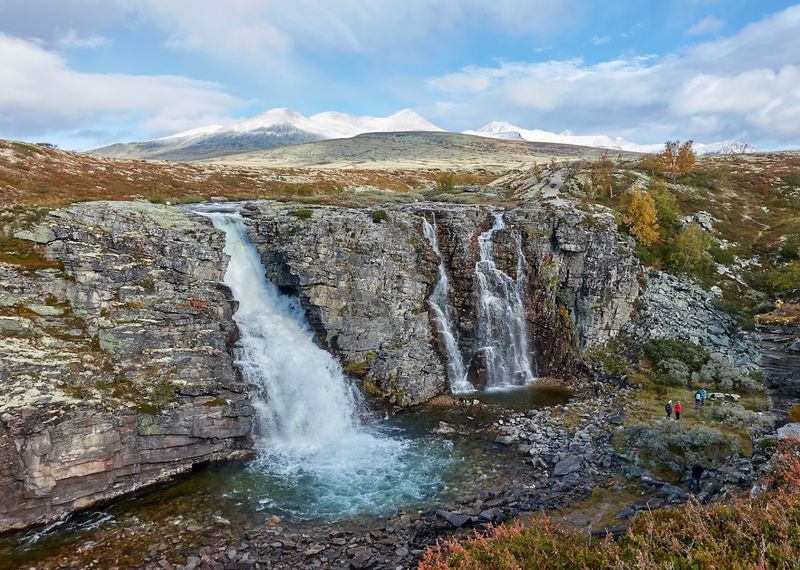
Norway’s first national park has been quietly doing its thing since 1962, while flashier destinations like the fjords and Trolltunga hog all the social media attention. Rondane sits in the Innlandet region and protects a landscape of rounded, ancient mountains that feel completely different from Norway’s more dramatic coastal scenery.
The rounded summits are a result of being shaped over hundreds of millions of years, and the terrain has a timeless, unhurried quality.
The park is famous for its cabin-to-cabin hiking routes, where you walk between staffed mountain huts that serve hot food and provide beds. It is one of the most civilized ways to do serious wilderness hiking in Europe.
Reindeer herds roam freely throughout the park, and the open tundra makes spotting them straightforward.
Winter brings excellent cross-country skiing on well-prepared tracks. Summer hiking is outstanding too, with ten peaks topping 2,000 meters.
Rondane is classic Norway without the queues, the crowds, or the inflated prices that come with the headline attractions.



