Montana may be best known for its mountains and wide-open spaces, but its museums are just as impressive. Across the state, you’ll find world-class collections featuring dinosaur fossils, Western art, mining history, Native American culture, and beautifully preserved historic homes.
Whether you’re fascinated by science, history, or unique local stories, these museums offer something for every interest. These 13 destinations showcase a side of Montana that many travelers never expect – and are well worth adding to your itinerary.
1. Museum of the Rockies, Bozeman, Montana
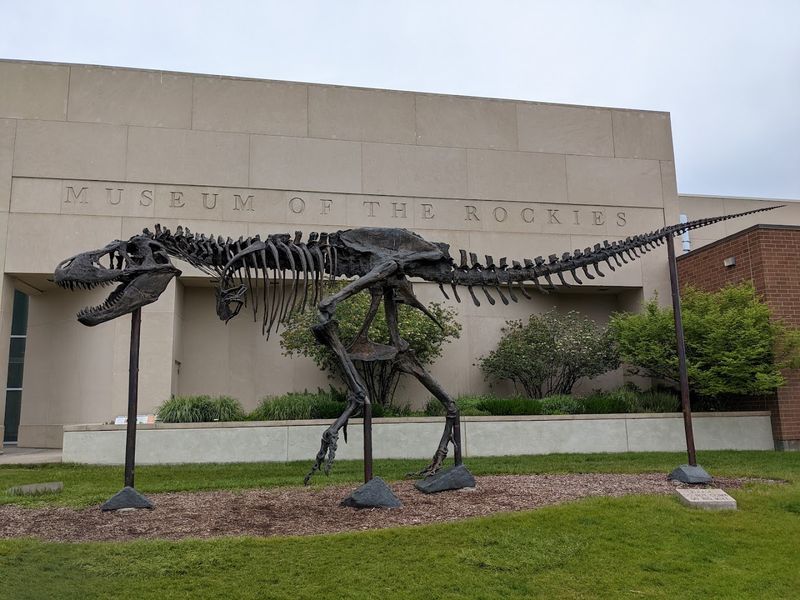
Montana has a lot going for it, but few bragging rights top this one: the Museum of the Rockies houses the largest T. rex skull ever discovered, and it is right there in Bozeman for anyone to see.
The Siebel Dinosaur Complex is the centerpiece, packed with towering skeletons and a T. rex thigh bone that still contains preserved soft tissue, which is about as remarkable as fossils get.
Beyond the prehistoric highlights, the museum covers over 500 million years of regional history across more than 300,000 objects. Exhibits explore Native American cultures, fur traders, gold seekers, and early Montana settlers in vivid detail.
The Paugh History Hall and the seasonal Living History Farm recreate a working Montana homestead from around 1890 to 1910, complete with costumed interpreters. A 40-foot domed planetarium rounds out the experience. As a Smithsonian Affiliate, this place earns its reputation easily.
2. World Museum of Mining, Butte, Montana
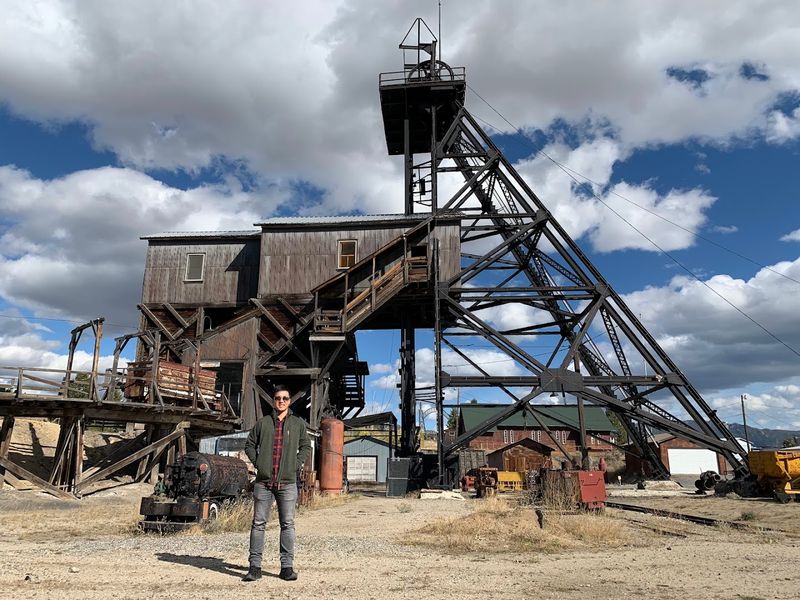
Not many museums sit directly on top of an actual working mine, but the World Museum of Mining in Butte is not your average institution.
Built on the historic Orphan Girl Mine site, which ran from 1875 to 1956 and reached a depth of 3,200 feet, the museum spreads across 22 acres of former mine yard. The star attraction is the guided underground tour, which takes visitors 100 feet down into original mine workings and past one of North America’s only publicly accessible exposed mineral veins.
Above ground, Hell Roarin’ Gulch is a meticulously recreated 1890s mining town featuring over 50 authentic buildings, including a general store, Chinese laundry, and First National Bank. Artifacts fill every corner. A Miners Memorial Wall honors more than 2,500 people who lost their lives in Butte’s mines, giving the visit a meaningful, grounded quality that sticks with you long after you leave.
3. C.M. Russell Museum, Great Falls, Montana
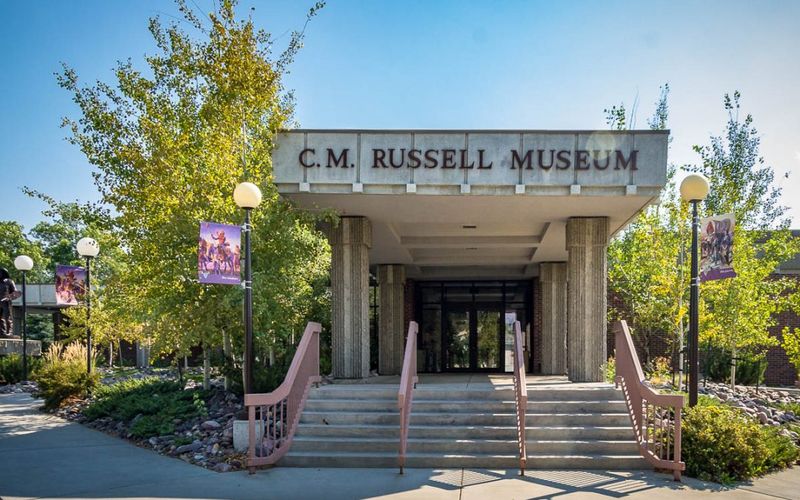
Charles M. Russell created over 4,000 works during his lifetime, and a substantial portion of them ended up right here in Great Falls, at a museum that spans an entire city block.
Known as “America’s Cowboy Artist,” Russell captured the American West in oils, watercolors, sculptures, and illustrated letters with a level of authenticity that came from living it. His original log cabin studio, built in 1903 from western red cedar telephone poles, still stands on the museum grounds as a National Historic Landmark.
Inside the studio, visitors can see the props, tools, and reference objects Russell actually used while working. His two-story home, also a National Historic Landmark, sits nearby and adds another layer of personal history to the visit.
The museum’s 65,000 square feet of gallery space also features work by contemporaries like O.C. Seltzer and a buffalo diorama exhibit that puts the plains in perspective.
4. Yellowstone Art Museum, Billings, Montana
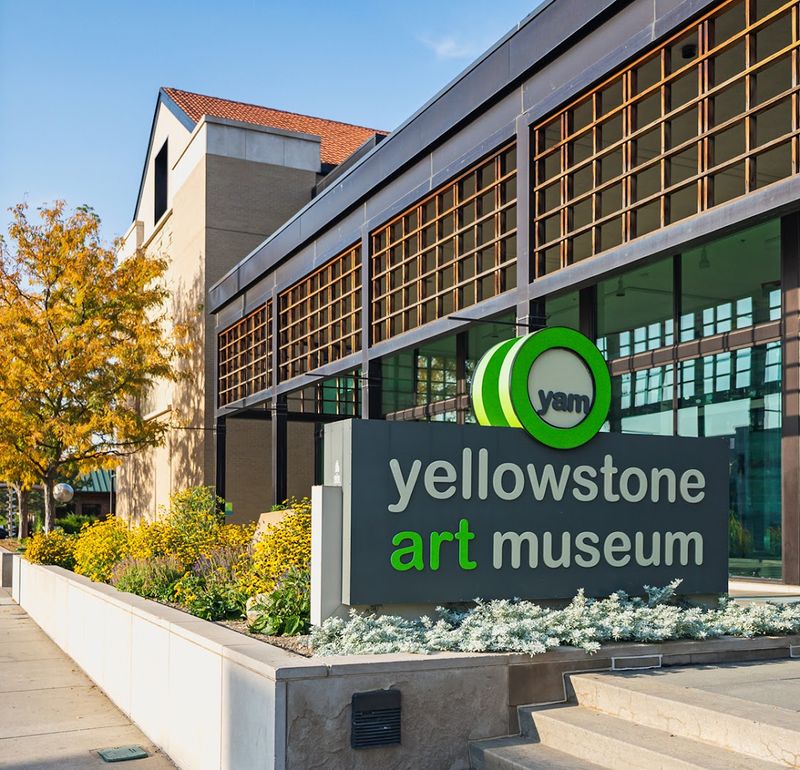
There is something quietly clever about turning a former county jail into an art museum, and the Yellowstone Art Museum in Billings pulls it off with style.
The building itself is part of the story, its architectural bones giving the space a character that purpose-built galleries rarely achieve. Inside, the collection leans heavily into contemporary and regional art, with a particular focus on works from the Northern Rockies and Plains.
What keeps visitors coming back is the museum’s commitment to rotating exhibitions. The displays change regularly, meaning a return trip a few months later can feel like an entirely different experience. Both casual visitors and serious art enthusiasts tend to find something worth their attention here.
The museum has built a reputation for championing artists whose work reflects the landscape and culture of the American West, making it a genuinely relevant institution rather than just a place to store old paintings on walls.
5. Moss Mansion Museum, Billings, Montana
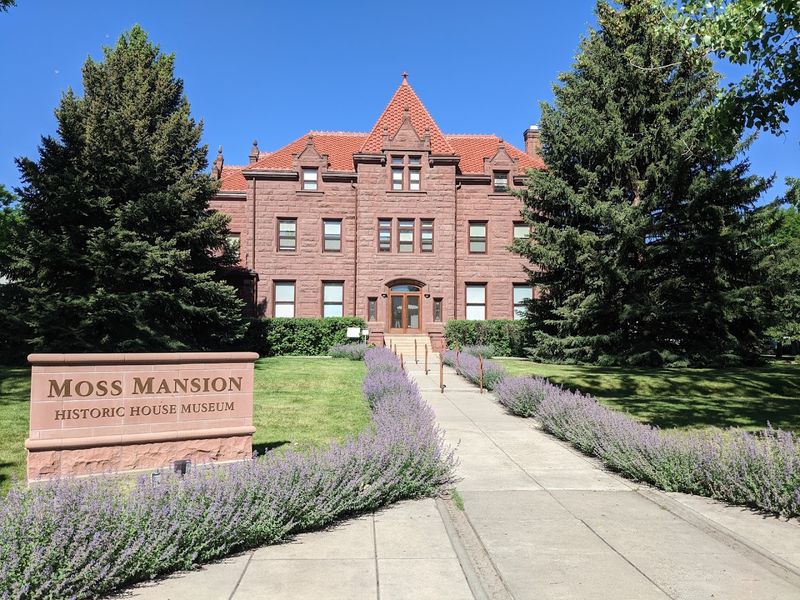
The architect behind the original Waldorf Astoria and Plaza Hotels designed this place, which tells you something immediately about what to expect inside.
Completed in 1903 for entrepreneur Preston Boyd Moss, the Moss Mansion is a three-story English Renaissance structure built from red sandstone, featuring 28 rooms filled with original furnishings, ornate moldings, stained glass, and a grand staircase that commands attention the moment you enter.
What makes the mansion particularly interesting beyond its visual grandeur is how forward-thinking it was for its time. It featured heated indoor plumbing on every floor, an electric bell system for staff, and an early rotary telephone, all in an era when such conveniences were genuinely rare.
Guided and self-guided tours walk visitors through the family’s history and P.B. Moss’s role in shaping Billings. The property is listed on the National Register of Historic Places and has served as a backdrop for period films, adding a bit of Hollywood credibility to its already impressive resume.
6. Conrad Mansion Museum, Kalispell, Montana
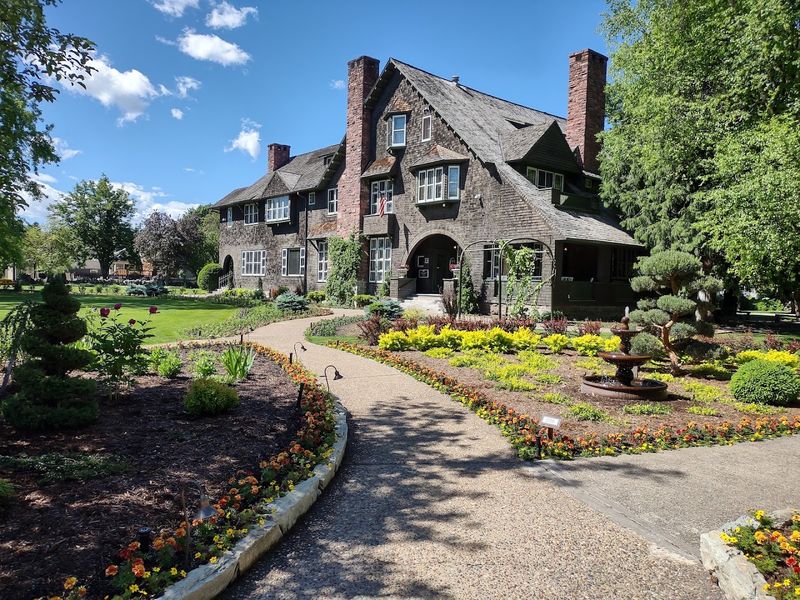
Ninety percent of the original furnishings are still inside this 1895 mansion, and that single fact separates the Conrad Mansion from nearly every other historic home open to the public.
Designed by architect Kirtland Cutter for Kalispell founder Charles E. Conrad, the 26-room, 13,000-square-foot residence features eight sandstone fireplaces, quarter-sawn oak trim, and windows ranging from diamond-paned leaded glass to Tiffany stained glass. It is the kind of place where the details reward slow, careful looking.
The remarkable state of preservation is largely credited to the youngest Conrad daughter, Alicia, who lived in the home until the 1960s before donating it to the city. Original Thomas Edison light bulbs from 1900 still function inside the mansion, which also featured a freight elevator, dumbwaiter, and intercom system decades before such amenities became standard.
Three acres of landscaped grounds complete the experience. The property holds a well-deserved spot on the National Register of Historic Places.
7. American Computer & Robotics Museum, Bozeman, Montana
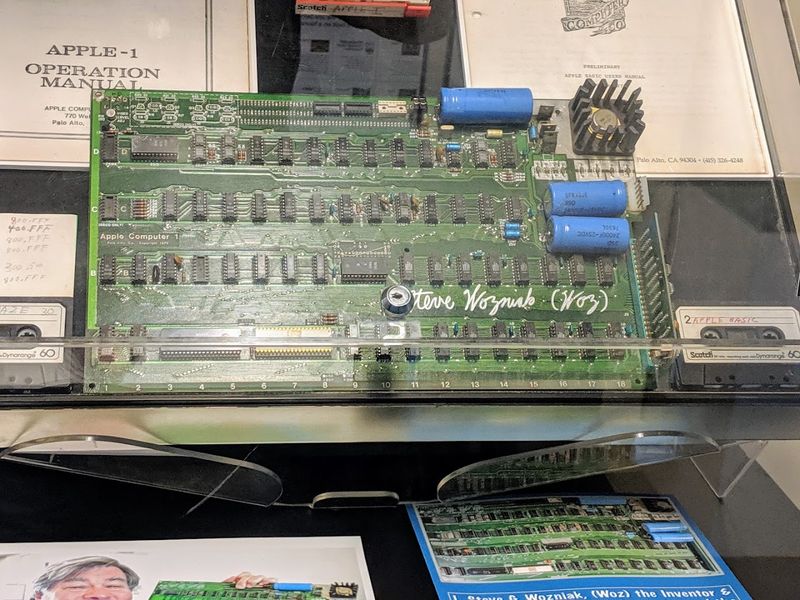
Harvard scientist Edward O. Wilson once called this place “inch for inch, the best museum in the world,” and once you know what is inside, that quote stops sounding like an exaggeration.
Founded in 1990, the American Computer and Robotics Museum holds the distinction of being the oldest continuously operating museum of its kind anywhere on the planet. Its exhibits span 4,000 years of human ingenuity, moving from original cuneiform tablets all the way through to quantum computing concepts.
Among the standout artifacts is an original Apple I computer personally signed by Steve Wozniak, alongside genuine Apollo mission artifacts and displays on how the Enigma Code was cracked. The range is genuinely impressive for a museum that many visitors stumble upon by accident.
Admission is free, with donations welcomed, and the museum earned TripAdvisor’s top Hidden Gem ranking in Bozeman for 2025. Interactive exhibits and hands-on robotics workshops make it worthwhile for visitors of practically any age or background.
8. Miracle of America Museum, Polson, Montana
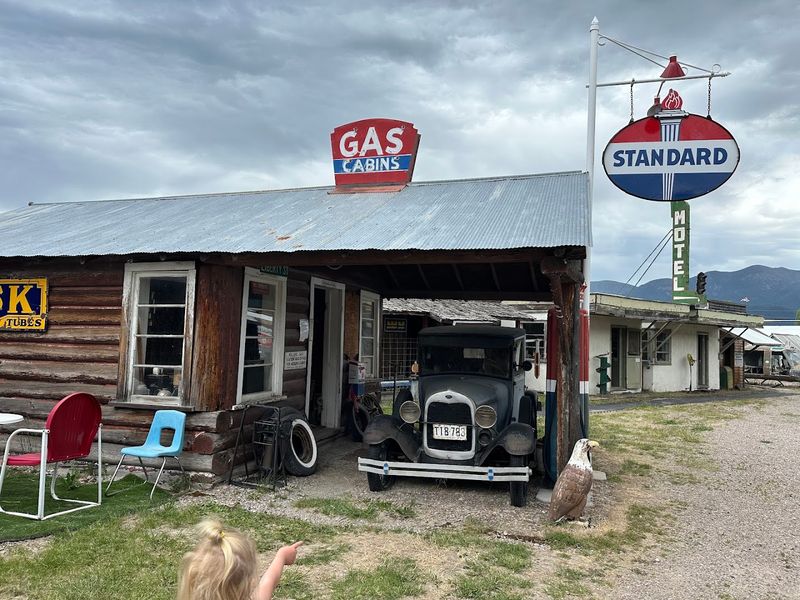
Most museums ask you to walk through a few rooms. The Miracle of America Museum in Polson asks you to clear your schedule.
This sprawling institution near Flathead Lake defies easy categorization. Its collection ranges from classic cars and military vehicles to vintage tractors, pioneer cabins, antique toys, motorcycles, and a broad spectrum of Americana that covers more ground than most visitors expect when they first pull up.
The sheer density of artifacts creates an experience closer to a treasure hunt than a traditional museum visit. Items appear around every corner, often in unexpected combinations, and the mix of indoor galleries and outdoor historical village keeps the layout from feeling repetitive.
Pioneer cabins and reconstructed structures on the grounds illustrate different chapters of American history in a hands-on, walk-through format. For anyone interested in the everyday objects and vehicles that shaped life in the American West, this museum delivers an honest and genuinely absorbing collection without pretension.
9. Missoula Art Museum, Missoula, Montana
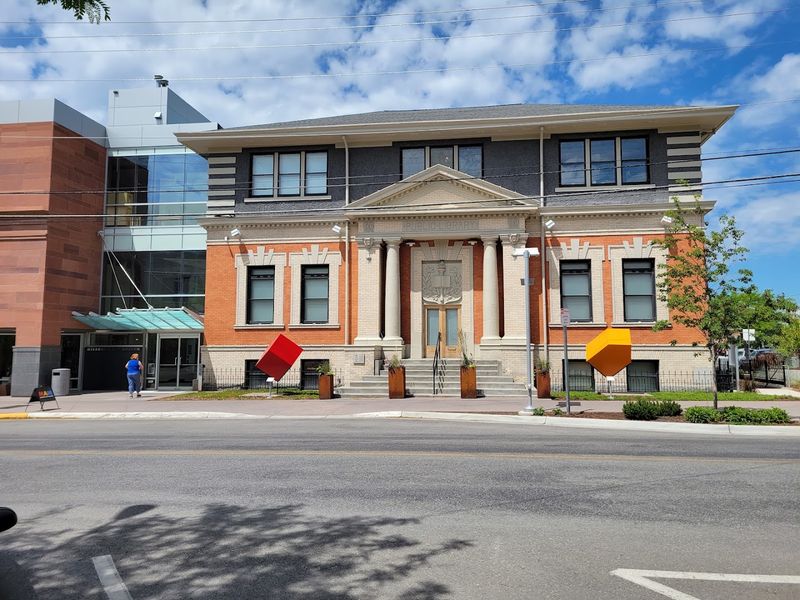
Free admission has been the Missoula Art Museum’s policy since 1975, and the quality of what is inside makes that fact feel almost unreasonably generous.
Housed in a beautifully renovated Carnegie Library building in downtown Missoula, the museum expanded in 2006 to include eight galleries, a library, an education center, and an outdoor Art Park featuring large-scale sculpture. The permanent collection holds over 2,300 objects, with a particular focus on contemporary artists from Montana and the American West.
The museum holds the largest collection of contemporary Native American art in Montana, including the most extensive holdings anywhere of works by celebrated Salish Kootenai artist Jaune Quick-to-See Smith. That alone makes it a significant cultural institution by any standard.
Rotating national and international exhibitions keep the programming fresh throughout the year. Monthly events like First Friday Art Walks, gallery talks, and family workshops ensure the museum functions as a genuine community hub rather than a passive display space.
10. Mai Wah Museum, Butte, Montana
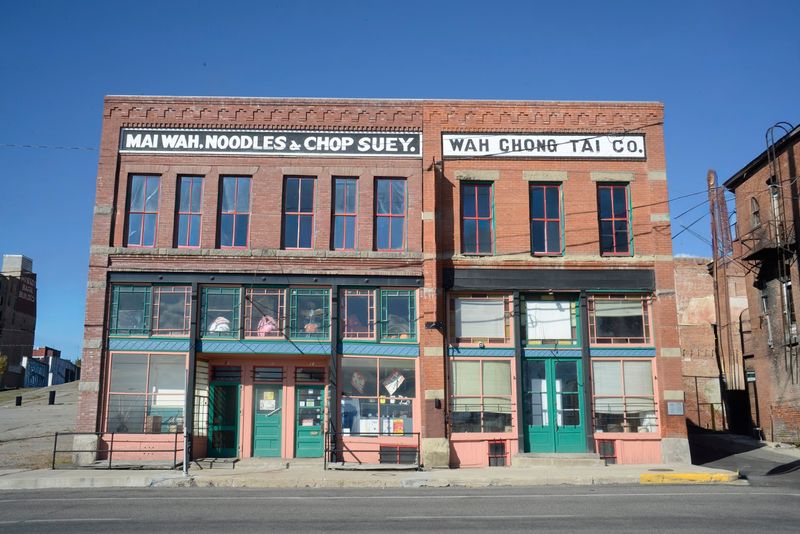
Butte’s Chinatown was once the largest between Minneapolis and Seattle, a fact that surprises most visitors who arrive without knowing this chapter of Montana’s history.
The Mai Wah Museum preserves that history inside two remarkably intact buildings: the Mai Wah Noodle Parlor, built in 1909, and the Wai Chong Tai Mercantile, which operated as Butte’s Chinese general store from 1899 to 1942 and stands today as the only surviving Chinese-American store of its kind from the nineteenth century.
The collection includes around 2,500 artifacts dating to 1905, original merchandise and furniture from the Wai Chong Tai building, a reproduction Chinese doctor’s office, and a Chinese shrine. Archaeological excavations on the site have uncovered over 60,000 additional artifacts, including celadon ceramics imported directly from China.
Exhibits do not shy away from difficult history, addressing the Chinese Exclusion Act of 1882 and the hardships faced by immigrant communities. The museum gives these stories the serious, respectful treatment they deserve.
11. Original Governor’s Mansion, Helena, Montana
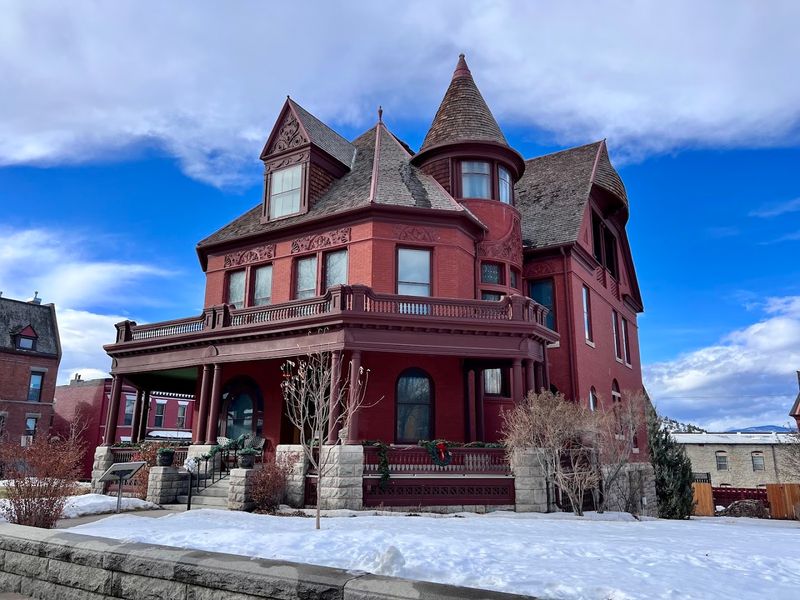
Built in 1888 as a private residence, this stately Queen Anne mansion in Helena eventually became the official home of nine Montana governors before the state moved on to newer accommodations in 1959.
Designed by the firm of Hodgson, Stem, and Welter, the three-story structure is constructed from pressed brick, terracotta, and stone. Its exterior is defined by gables, turrets, chimneys, balconies, and dormers that give the building an unmistakably Victorian personality. Inside, 20 rooms and seven fireplaces await visitors.
The mansion fell into disuse after its tenure as the governor’s home, but a dedicated citizen group launched a restoration effort in 1969, eventually returning it to state control in 1980. Today it appears much as it did when Governor Samuel V. Stewart’s family moved in during 1913.
Operated by the Montana Historical Society, the mansion is open for public tours, typically free of charge. It holds a listing on the National Register of Historic Places and a designation as a Partner Place of the National Trust for Historic Preservation.
12. Museum of the Plains Indian, Browning, Montana
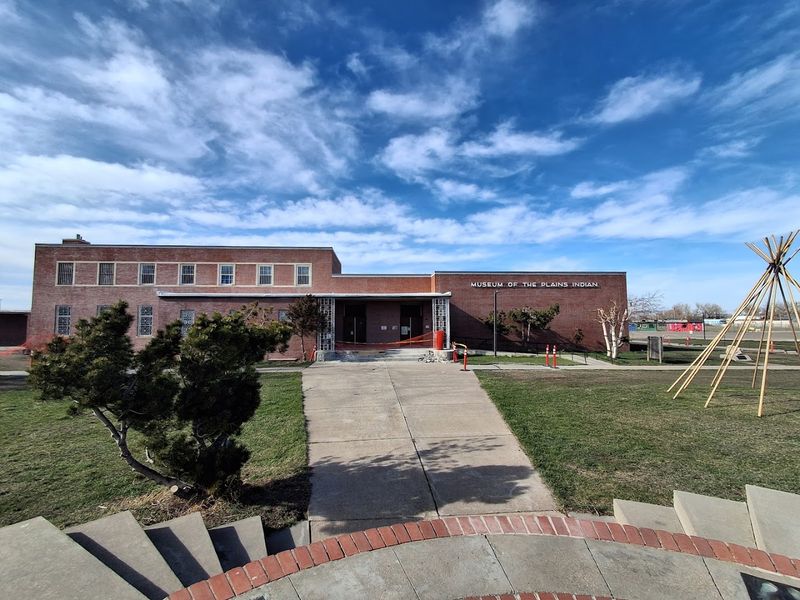
Positioned near the eastern gateway to Glacier National Park, the Museum of the Plains Indian has been celebrating Northern Plains tribal cultures since 1941, making it one of Montana’s longest-running cultural institutions.
This Smithsonian-affiliated museum works in partnership with the U.S. Department of the Interior and the National Park Service to represent the artistic traditions of eleven tribes, including the Blackfeet, Crow, Northern Cheyenne, Sioux, Assiniboine, Arapaho, Shoshone, Nez Perce, Flathead, Chippewa, and Cree.
The permanent collection features traditional clothing, intricately beaded regalia, ceremonial horse gear, weapons, household implements, baby carriers, and children’s toys, all presented with care and context. Multimedia presentations, dioramas, carved wood panels by Blackfeet sculptor John Clarke, and murals by Blackfeet artist Victor Pepion add depth to the displays.
Rotating exhibitions actively promote contemporary Native American artists and craftspeople, ensuring the museum reflects living culture rather than treating it as something frozen in the past. A gift shop offers authentic handcrafted jewelry and items made by Native American artists.
13. Yellowstone Historic Center, West Yellowstone, Montana
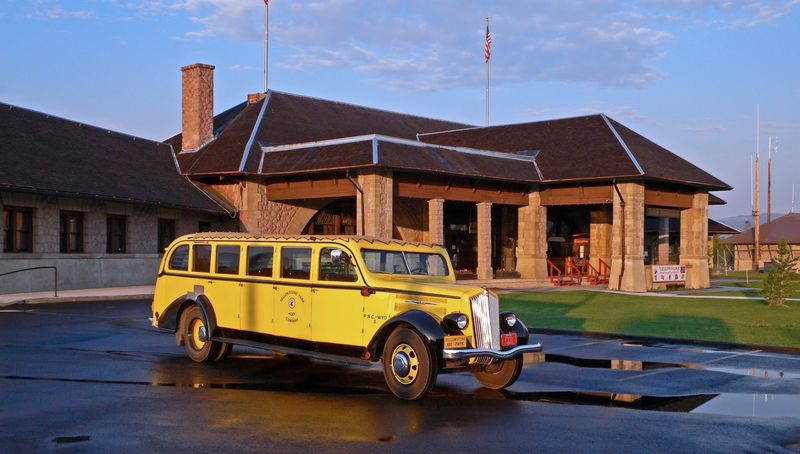
West Yellowstone exists largely because a railroad arrived in 1908, and the Yellowstone Historic Center, set inside the beautifully restored Union Pacific Depot, tells that origin story with real depth and detail.
The museum focuses on how travelers reached America’s first national park long before modern highways made the journey straightforward. Exhibits feature vintage rail equipment, historic vehicles, classic stagecoaches, early trains, and snow machines that illustrate how transportation to the park evolved across different seasons and decades.
The depot and surrounding structures form part of the Oregon Short Line Terminus Historic District, where a self-guided walking tour with interpretive plaques lets visitors retrace the route of early rail travelers and learn about key historical events tied to the area.
The museum also manages the historic Union Pacific dining hall, now a popular event venue that connects visitors to the community’s past in a practical, living way. For anyone heading into or out of Yellowstone National Park, this is a worthwhile stop that adds genuine context to the journey.
Share this story