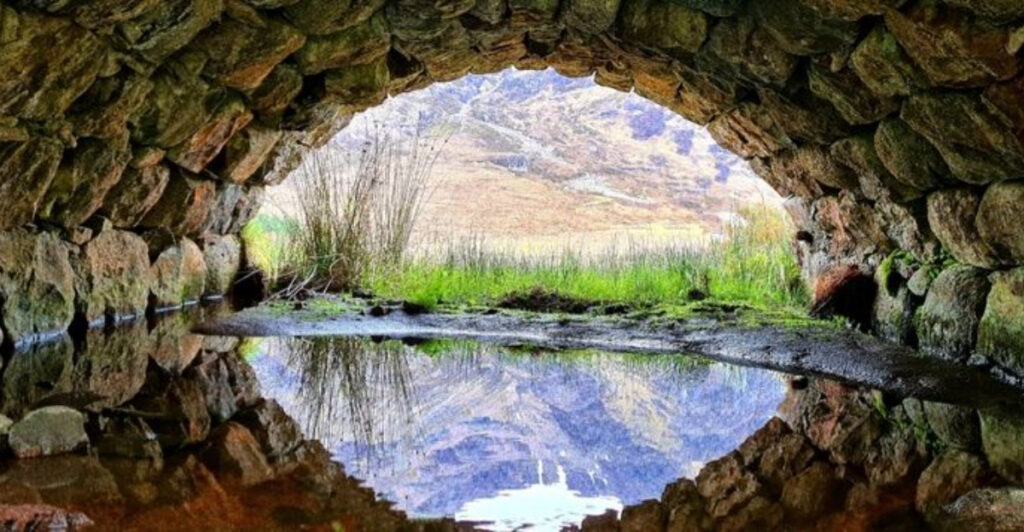
Scotland is one of those places that earns every bit of its reputation. From ancient castles to wild coastlines, there is always something surprising around the next corner.
I visited for the first time expecting rain and bagpipes, and I got both, plus so much more. Whether you are planning your first trip or your fifth, these activities are genuinely worth your time.
Walk Edinburgh’s Royal Mile and Visit Edinburgh Castle
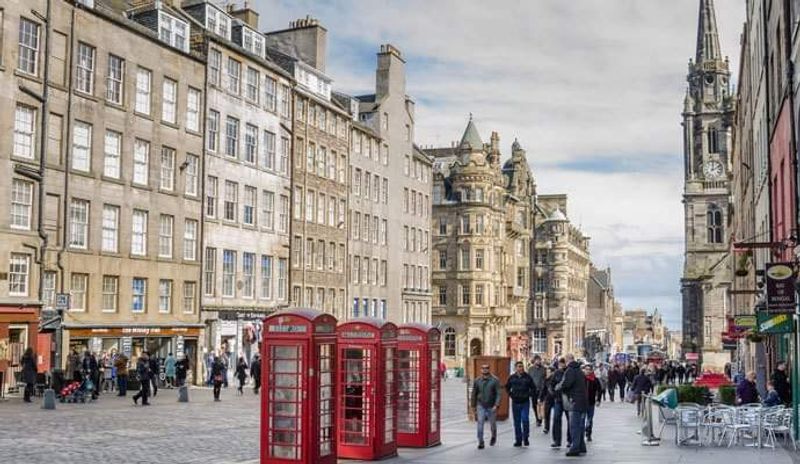
Edinburgh Castle sits on a volcanic rock like it owns the whole city, which, historically speaking, it kind of did. The Royal Mile stretches below it, packed with narrow closes, quirky shops, and centuries of stories crammed into every stone.
I spent a full morning just wandering the side streets and still missed half of them.
The castle itself is worth the entrance fee. The views over the city are hard to beat, and the Scottish Crown Jewels are on display inside.
St Giles’ Cathedral along the Mile is free to enter and genuinely beautiful.
Come early to beat the crowds. The closes off the main street are quieter and often more interesting than the Royal Mile itself.
This is the kind of walk that rewards slow exploration rather than speed. Block out at least half a day, and do not skip the uphill section at the top.
Spend a Few Hours Inside the National Museum of Scotland
Rain in Scotland is not a rumor. It is a scheduling tool.
The National Museum of Scotland in Edinburgh is the perfect answer when the weather turns dramatic, and honestly, it is worth visiting even on a sunny day.
The museum covers Scottish history, world cultures, science, fashion, and technology across multiple floors. There is enough here to keep curious minds busy for three or four hours without breaking a sweat.
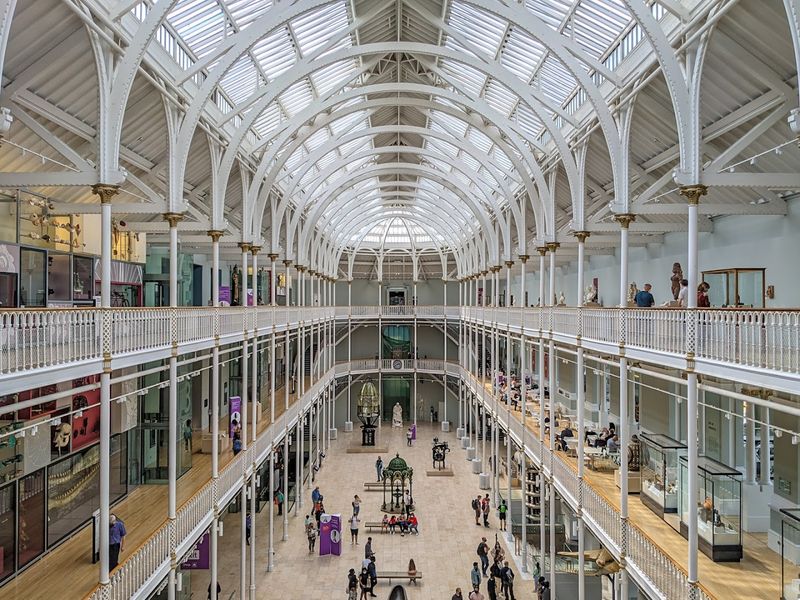
The Grand Gallery alone is worth the trip, a soaring Victorian space filled with exhibits.
Admission is free, which makes it one of the best value stops in the city. Families, solo travelers, and history fans all get something different out of it.
The Scottish history galleries on the upper floors are particularly well done and give great context for everything else you will see across the country. Check the museum website before visiting for current opening times.
Tour the Royal Yacht Britannia in Leith
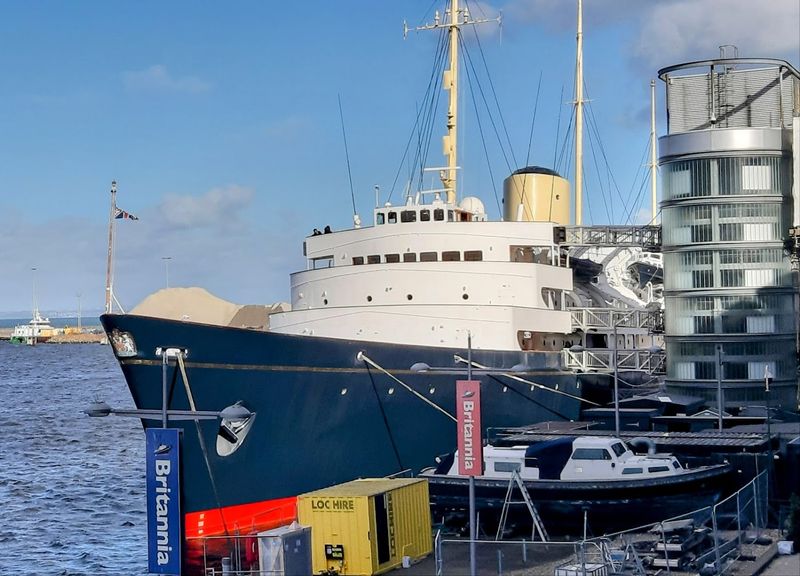
Not many people can say they have had tea on a royal yacht, but at Britannia in Leith, that is genuinely on the menu. The Royal Yacht Britannia served the British royal family for over 40 years before being decommissioned in 1997, and today it is one of the most visited attractions in Scotland.
Five decks are open to explore, including the State Apartments, the engine room, and the crew quarters. The audio guide is available in multiple languages and does a solid job of bringing the ship’s history to life.
It is a surprisingly personal experience, with plenty of detail about daily royal life on board.
Leith itself is worth exploring before or after the tour. The neighborhood has excellent restaurants, independent coffee shops, and a waterfront that feels very different from central Edinburgh.
Book tickets in advance during summer. The yacht is closed on Christmas Day and New Year’s Day, so plan accordingly.
Glasgow’s Bold Culture: Museums, Murals, and Music

Glasgow gets overlooked in favor of Edinburgh by a lot of first-time visitors, and that is a genuine mistake. The city has world-class museums, a buzzing music scene, striking architecture, and some of the friendliest people in the country.
It also has better street food, but that is just my opinion.
Kelvingrove Art Gallery and Museum is the standout free attraction. The collection spans fine art, natural history, and Scottish culture, all inside a jaw-dropping red sandstone building in the West End.
The city centre murals are another highlight, turning ordinary walls into an open-air gallery worth wandering.
For music lovers, Glasgow has a live venue for every genre and budget. The West End neighborhood is excellent for an afternoon of independent shops, cafes, and galleries.
Do not treat Glasgow as a one-day stop. It rewards a longer stay, and most people who give it two days wish they had given it three.
Step Into Royal History at Stirling Castle
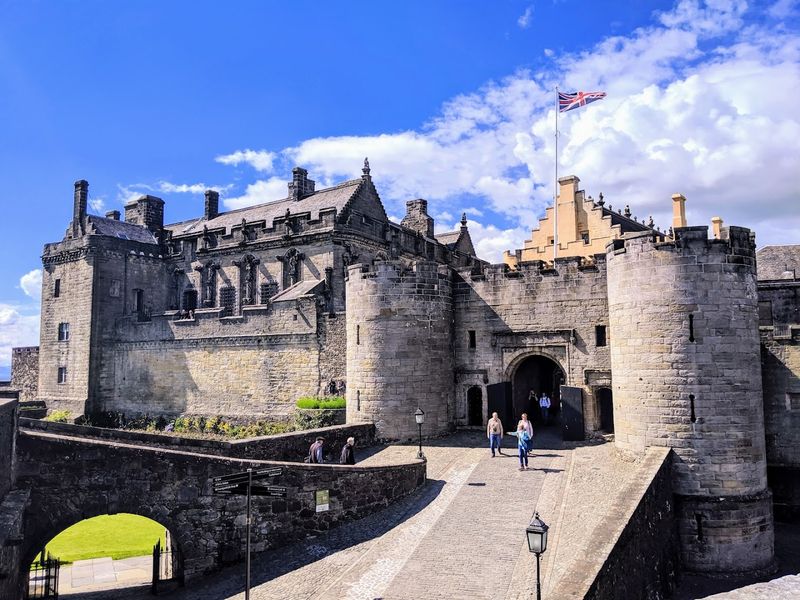
Stirling Castle has the kind of dramatic setting that makes you understand why so many battles were fought over it. Sitting high on a volcanic crag with sweeping views across the Scottish lowlands, it is one of the most strategically placed buildings in the country.
Mary Queen of Scots was crowned here as an infant, which is a detail that never gets old.
The Royal Palace interiors have been meticulously restored and are genuinely impressive. The Great Hall is one of the finest medieval great halls in Scotland, and the carved figures known as the Stirling Heads are worth seeking out.
Historic Environment Scotland runs the site well, with good interpretation throughout.
Stirling sits between Edinburgh and the Highlands, making it a natural stop on a road trip north. Allow at least two to three hours to do it justice.
The views from the castle walls on a clear day stretch all the way to the Wallace Monument and beyond.
Loch Lomond and the Trossachs: Scotland’s Natural Playground
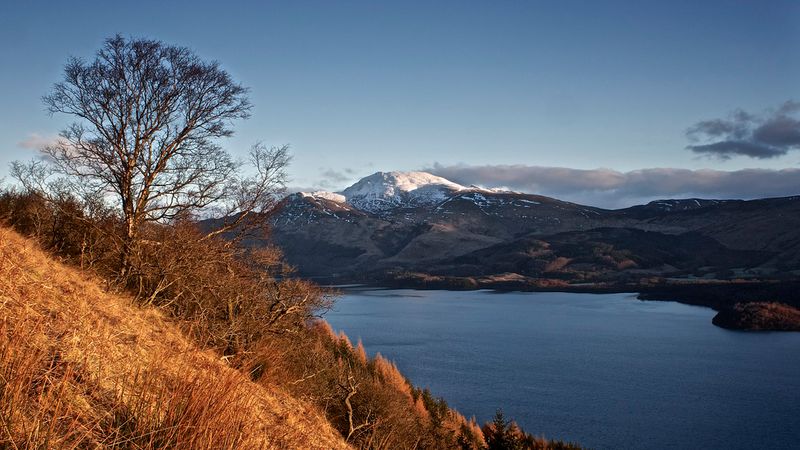
Loch Lomond is only about an hour from Glasgow, but it feels like a completely different world. The national park covers 22 lochs, 21 Munros, sea lochs, rivers, and miles of unspoilt countryside.
You can go for a gentle lochside stroll or a full-day hillwalk, depending on your energy levels and footwear choices.
The village of Luss on the western shore is one of the prettiest spots in the park, with stone cottages and loch views that look almost too good to be real. Balmaha on the eastern shore is a great starting point for walks and has a well-known viewpoint hike up Conic Hill.
Go on a weekday if possible. Summer weekends can get crowded, especially at popular car parks and viewpoints.
The park has good walking route information on its official website, along with safety advice for hillwalking. This is the kind of place that makes you want to slow down and stay longer than planned.
Glencoe: Where Scotland Gets Seriously Dramatic
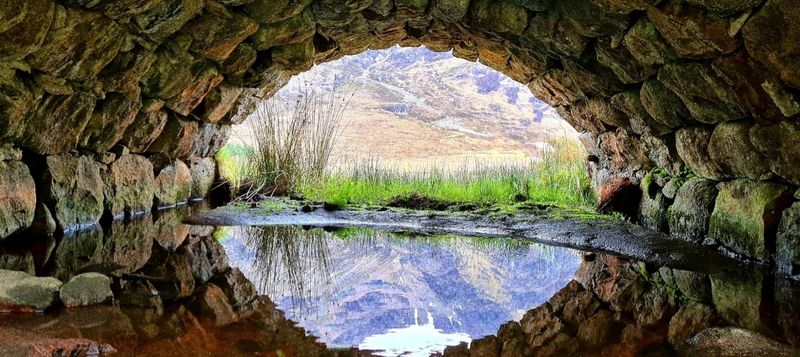
Glencoe does not do subtle. The mountains are steep, the weather shifts fast, and the history of the 1692 massacre hangs quietly over the whole valley.
It is one of those places that genuinely stops you in your tracks the first time you see it.
The National Trust for Scotland’s Glencoe Visitor Centre is the best starting point, especially if you are planning to walk or hike. Staff there can advise on current trail conditions, weather forecasts, and wildlife in the area.
The centre is eco-friendly and well set up for visitors of all experience levels.
Glen Etive, a side road off the main A82, is worth taking if you have time. It is quieter than the main glen and spectacularly beautiful.
Experienced walkers will find serious routes here, but even a short roadside stop delivers remarkable scenery. Check conditions before heading out, and always tell someone your plans if you are heading into the hills.
Ride the West Highland Line: Scenery by the Seat
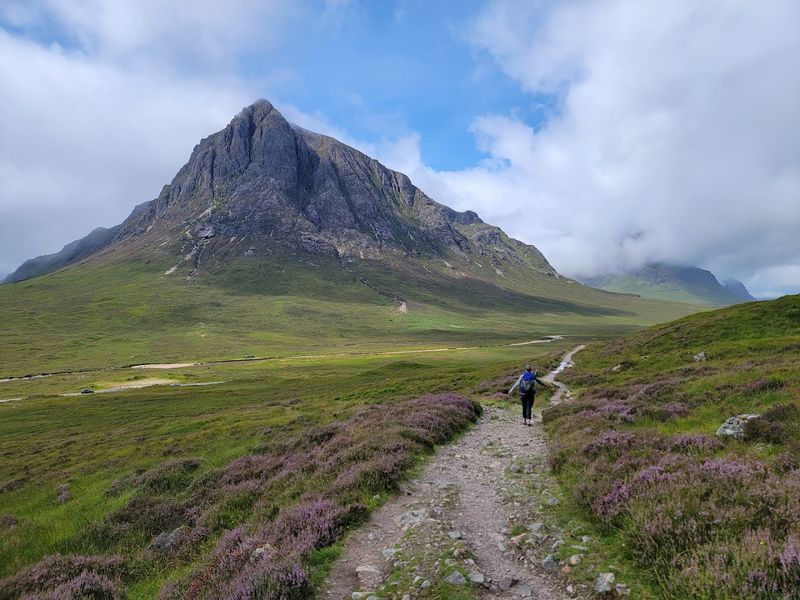
The West Highland Line is one of the most scenic train journeys in the world, and the best part is that you do not need a car to experience it. ScotRail runs regular services from Glasgow to Oban, Fort William, and Mallaig, passing through landscapes that would make a landscape painter weep with joy.
The route covers Loch Lomond, Rannoch Moor, and remote Highland terrain before reaching the west coast. The Fort William to Mallaig section is the standout stretch, crossing the famous Glenfinnan Viaduct and skirting sea lochs and islands.
Yes, that viaduct is the one from a certain wizarding film franchise.
Book a window seat on the right-hand side heading north for the best views on the Mallaig leg. Journeys can be slow by modern standards, but that is entirely the point.
This is not commuter transport. Bring snacks, keep your eyes up, and resist the urge to stare at your phone the whole way.
Isle of Skye: Wild, Rugged, and Worth Every Mile
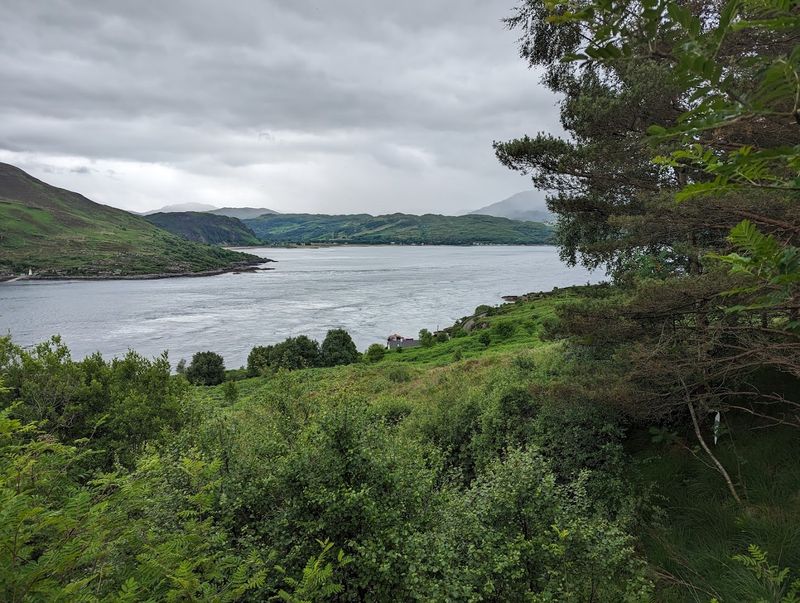
The Isle of Skye has a reputation for being spectacular, and for once, the hype is completely justified. The island delivers dramatic cliffs, sea views, and walking routes that range from gentle to genuinely challenging.
I made the mistake of rushing it on my first visit and barely scratched the surface.
The Old Man of Storr is the most photographed spot on the island, and the Quiraing is arguably even better. The Fairy Pools near Glenbrittle are popular for good reason, though the path can get slippery after rain.
Portree is the main town and a good base, with a colorful harbor and solid food options.
Skye gets very busy in summer, particularly on weekends. Arriving mid-week and staying at least two nights makes a huge difference to the experience.
Some car parks fill by 9am at peak times, so early starts are not just recommended but necessary. Check path conditions on the NatureScot website before heading out on longer routes.
Loch Ness and Urquhart Castle: More Than a Monster Story
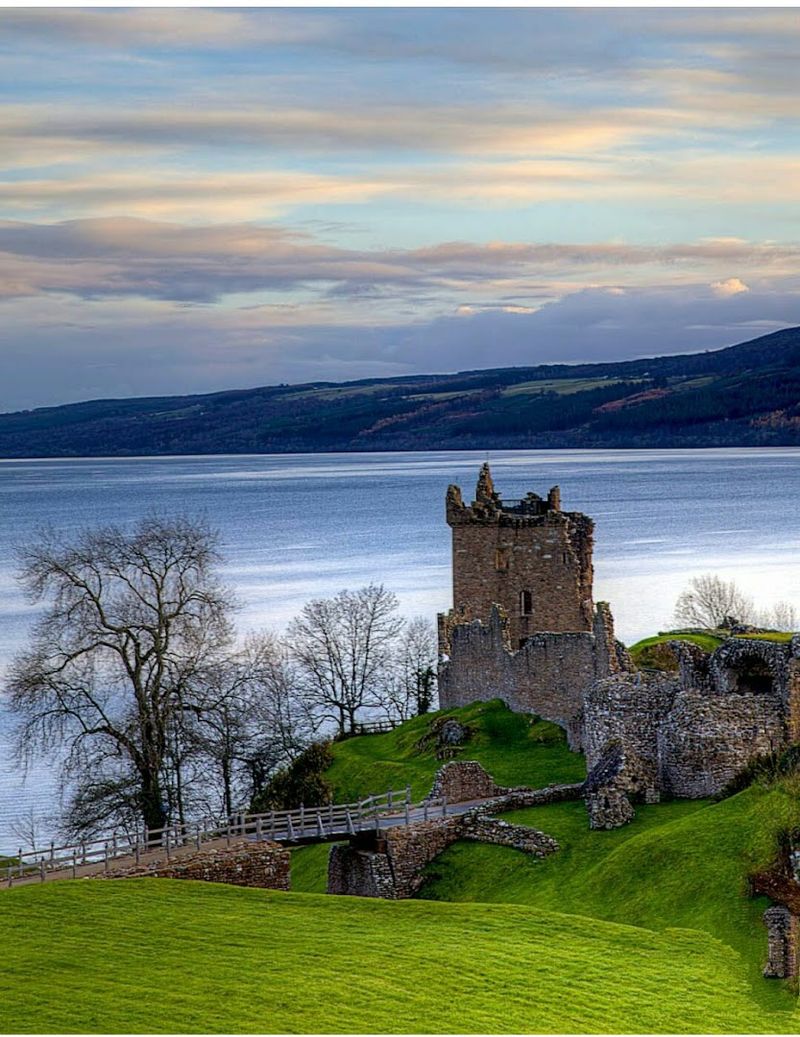
Loch Ness is famous for a creature that almost certainly does not exist, but the landscape that surrounds it absolutely does, and it is worth the trip on its own merits. The loch is deep, dark, and genuinely atmospheric, especially on an overcast afternoon when the mist sits low on the water.
Urquhart Castle, perched on the loch’s edge, is one of the most picturesque ruin sites in Scotland. Historic Environment Scotland runs it as an active visitor attraction, with Grant Tower still standing and medieval artifacts on display.
The views across the loch from the castle walls are excellent.
A cruise on the loch combines well with a castle visit and gives a different perspective on the scenery. The Loch Ness Experience operates cruises with commentary about both the landscape and the legend.
Drumnadrochit village nearby has cafes and visitor facilities. Skip the tacky monster museums and spend that time at the castle instead.
Take a Scotch Whisky Distillery Tour

Scotland produces some of the finest whisky on the planet, and visiting a distillery is one of the most genuinely Scottish things you can do on a trip here. Even if whisky is not usually your drink, a good distillery tour has a way of changing minds.
The smell of a working still room alone is worth the entrance fee.
VisitScotland’s whisky guide covers warehouse tastings, behind-the-scenes production tours, historic distillery sites, and seasonal whisky festivals. There are distilleries across the country, from Speyside to Islay to the Highlands, and each region produces noticeably different styles.
A guided tasting will help you understand the differences between regions and cask types.
New distilleries have opened across Scotland in recent years, so this is not just a heritage experience. Some of the most innovative whisky being made right now is coming from small, newer producers.
Book tours in advance, especially at well-known names. Designated drivers are usually well catered for with non-alcoholic alternatives.
Cairngorms National Park: The UK’s Wildest Backyard
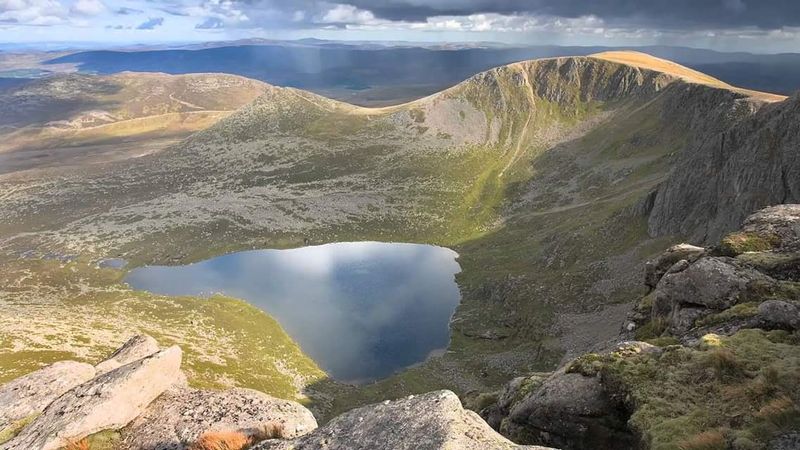
Cairngorms National Park is the largest national park in the UK, covering a landscape of ancient mountains, native pine forests, rivers, and moorland that feels genuinely remote. It is also home to wildlife that you simply will not find anywhere else in Britain, including red squirrels, ospreys, and wild red deer.
The town of Aviemore is the main base and has good transport links, making it accessible without a car. Rothiemurchus Estate just outside town offers walking, cycling, and wildlife-watching activities across beautiful ancient forest.
Loch Morlich is a short drive away and popular for watersports and beach walks, yes, a beach, in the Scottish Highlands.
In winter, the Cairngorms ski area at CairnGorm Mountain is the highest ski resort in the UK. VisitCairngorms lists a huge range of activities for every season, so there is no bad time to visit.
Check the official park website for trail conditions and any seasonal access restrictions before heading out.
Orkney and Skara Brae: History at Its Most Ancient
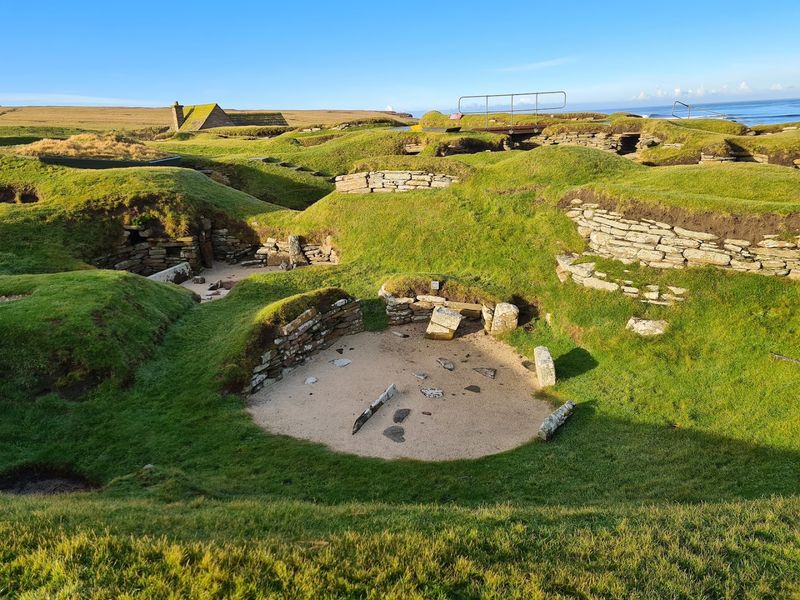
Skara Brae is older than Stonehenge and older than the Egyptian pyramids, which is the kind of fact that makes your brain do a small backflip. This Neolithic village on Orkney’s west coast was buried under sand for thousands of years before a storm uncovered it in 1850, and today it is one of Europe’s best-preserved prehistoric settlements.
Historic Environment Scotland manages the site, and the visitor centre gives excellent context before you walk out to the ruins themselves. The stone furniture inside the dwellings, beds, shelves, and hearths, is remarkably intact.
The Ring of Brodgar stone circle nearby is another unmissable Neolithic site on the same island.
Getting to Orkney requires a ferry from the north coast or a short flight, but the journey is part of the adventure. Stromness and Kirkwall are both worth exploring, and Highland Park Distillery in Kirkwall is one of Scotland’s most northerly whisky producers.
Allow at least two full days on Orkney to avoid feeling rushed.
Share this story