Nebraska gets a bad reputation as a state you just drive through on the way somewhere else. That is a mistake a lot of travelers end up regretting once they actually stop and look around.
The Great Plains are not empty or boring. They are full of dramatic rock formations, ancient fossil beds, towering waterfalls, and sweeping river valleys that stop people in their tracks.
From the far western panhandle to the wooded bluffs along the Missouri River, Nebraska holds a surprising variety of landscapes packed into one state. Some of these places look like they belong in a nature documentary.
Others carry centuries of history in every layer of rock and soil. This list covers 13 spots across the state that will make you rethink everything you thought you knew about Nebraska and the Great Plains.
1. Chimney Rock National Historic Site, Bayard, Nebraska
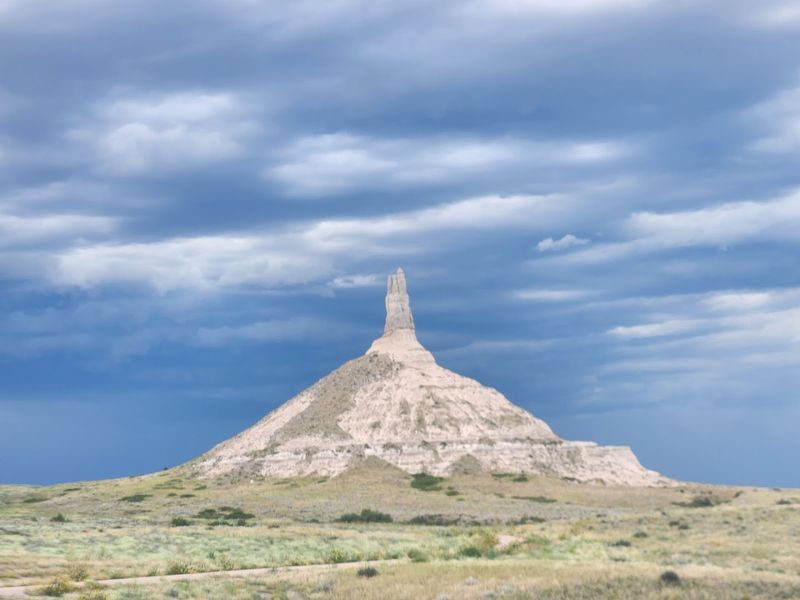
Few landmarks in American history are as instantly recognizable as this narrow spire of rock jutting nearly 300 feet above the surrounding prairie. Chimney Rock served as one of the most important guideposts for pioneers traveling the Oregon, California, and Mormon Trails during the 1800s.
Travelers wrote about it in their journals more than almost any other landmark along those routes.
The formation is made of volcanic ash, clay, and sandstone layers that erosion carved into its current shape over millions of years. It continues to shrink slightly each year, so what visitors see today is actually shorter than what those early pioneers described.
Pronghorn antelope and red-tailed hawks still roam and circle the surrounding grassland, keeping the scene feeling wild and unhurried.
The visitor center nearby tells the full story of westward migration with exhibits that are genuinely engaging for all ages.
2. Scotts Bluff National Monument, Gering, Nebraska
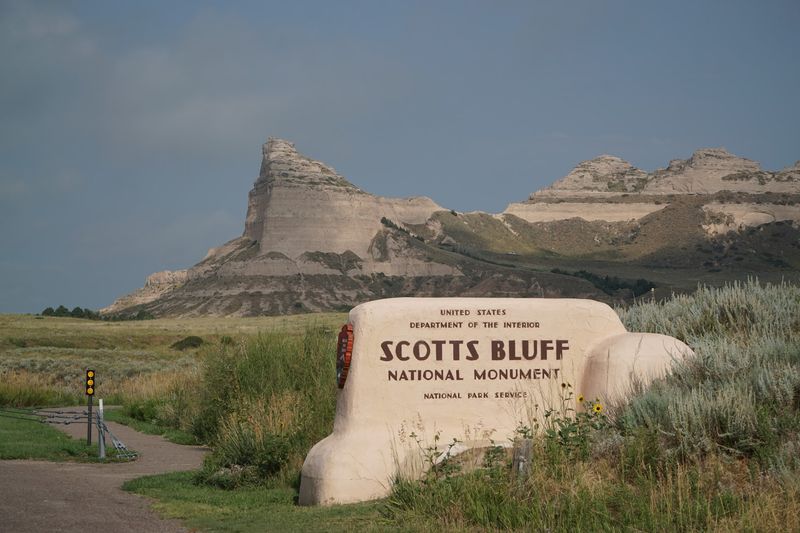
Standing roughly 800 feet above the North Platte River Valley, Scotts Bluff is the kind of geological feature that makes you stop the car and just stare. The monument’s towering sandstone and clay formations include distinct sections called Eagle Rock and Saddle Rock, each shaped by millions of years of wind and water erosion.
Pioneers on the Oregon Trail used Scotts Bluff as a landmark and passed through Mitchell Pass at its base, a narrow route that still exists today. Visitors can drive or hike to the summit, where the panoramic view stretches across miles of open countryside in every direction.
The monument also protects remnant prairie ecosystems that support native plants and wildlife rarely found elsewhere in the region. It is one of the most historically layered and visually impressive destinations in all of Nebraska, and the summit view alone is worth the trip.
3. Sandhills Journey Scenic Byway, Central Nebraska
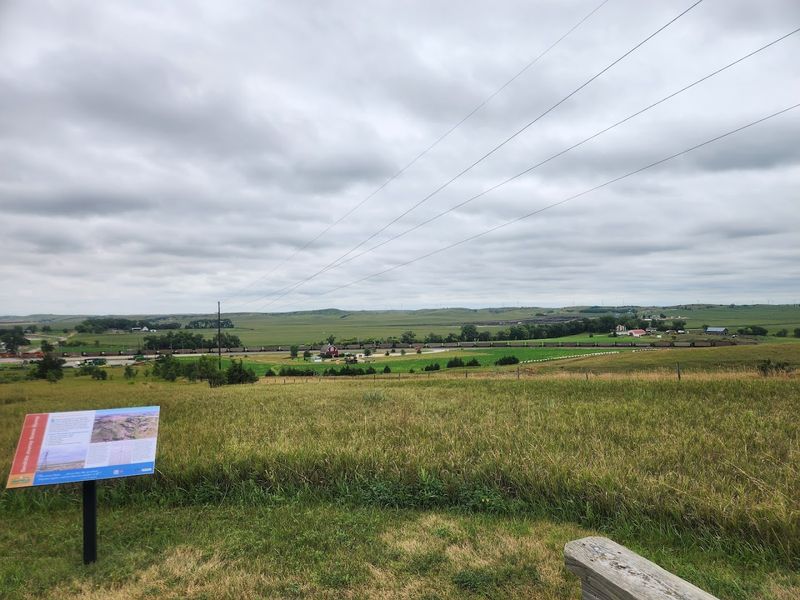
Covering approximately 19,000 square miles, the Nebraska Sandhills make up the largest stabilized sand dune region in the entire United States. The Sandhills Journey Scenic Byway cuts right through the heart of this ecosystem, offering a driving route that most travelers never expect to find this beautiful.
The dunes formed from wind-deposited sand during the late Pleistocene era and are now held in place by native mixed-grass prairie. Hidden lakes, winding rivers, and small ranching communities dot the landscape along the route, giving it a genuine sense of place that feels nothing like a tourist corridor.
Wildlife is abundant here, including mule deer, prairie dogs, and hundreds of bird species that rely on the wetlands tucked between the dunes. The route feels unhurried by design, and that is exactly the point.
This is one of those rare drives where getting lost is actually the goal.
4. Toadstool Geologic Park, Crawford, Nebraska
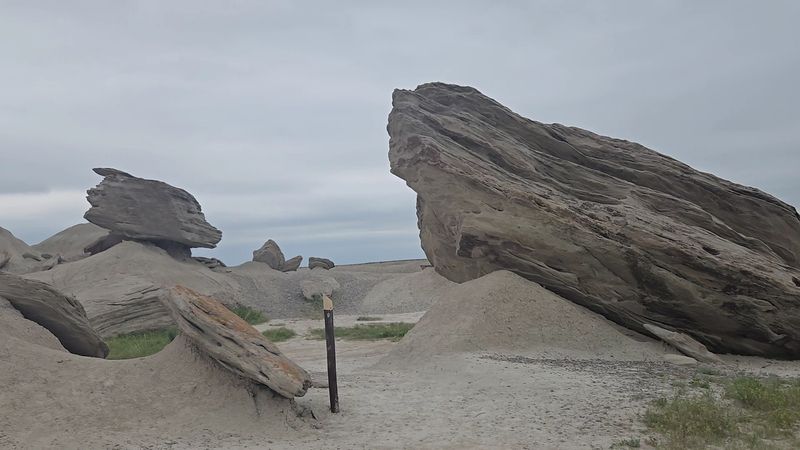
Nothing quite prepares first-time visitors for Toadstool Geologic Park. The landscape here looks like the surface of another planet, with mushroom-shaped rock formations rising from eroded clay and siltstone hills that stretch across the Nebraska Badlands.
Wind and water carved these shapes over millions of years, balancing harder caprock on top of narrower columns below.
The rock layers visible in this park date back roughly 30 million years, and fossils are embedded throughout the terrain. Ancient turtle shells, early rhinoceros bones, and three-toed horse remains have all been found in this area, making it one of the most scientifically significant spots in the Great Plains.
A short hiking trail loops through the formations and connects to the Hudson-Meng Bison Bone Bed nearby. There are no crowds, no entrance fees, and almost no cell service, which somehow makes the whole experience feel more memorable, not less.
5. Niobrara State Park, Niobrara, Nebraska
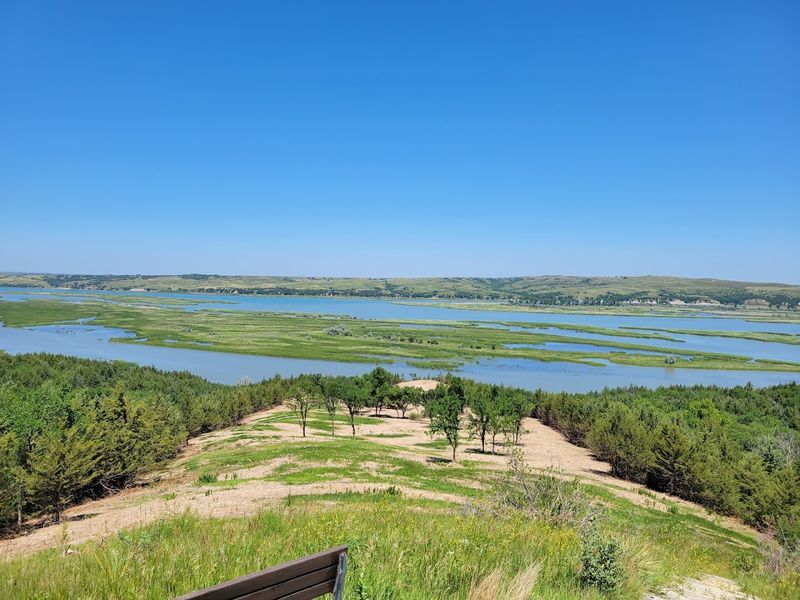
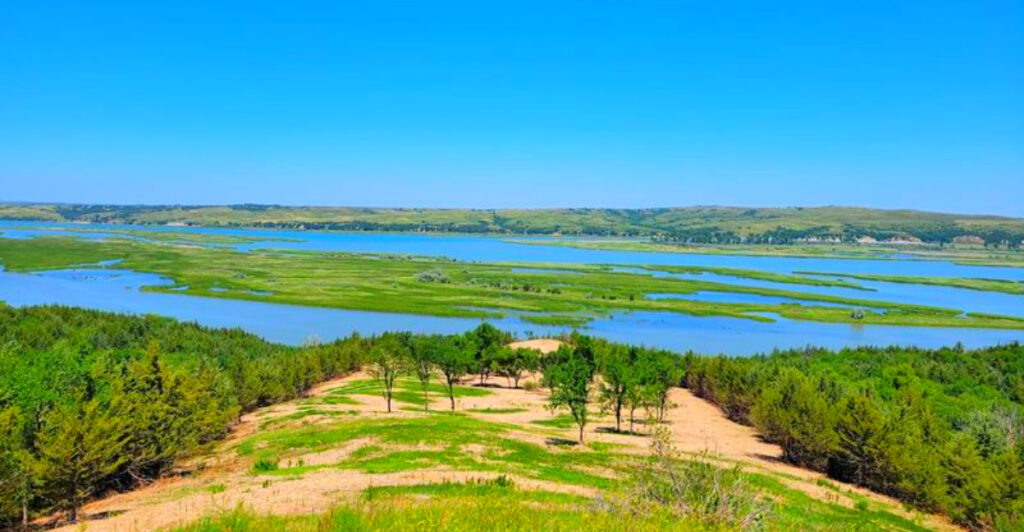
Where two rivers meet, something interesting always happens. Niobrara State Park sits at the confluence of the Missouri and Niobrara Rivers in northeastern Nebraska, creating a landscape that blends river views, wooded bluffs, and open meadows into one surprisingly compact area.
The park is home to a bison herd that roams a dedicated pasture, and visitors regularly spot deer, wild turkeys, and bald eagles throughout the year. The mix of eastern deciduous forest and western prairie plants in this region is ecologically unusual, a transition zone where two very different landscapes overlap.
Camping options range from basic tent sites to cabins with river views, and the trail system covers enough terrain to keep hikers busy for a full day. The park also offers a swimming pool and a playground, making it a practical family destination that does not sacrifice scenery for convenience.
6. Smith Falls State Park, Valentine, Nebraska
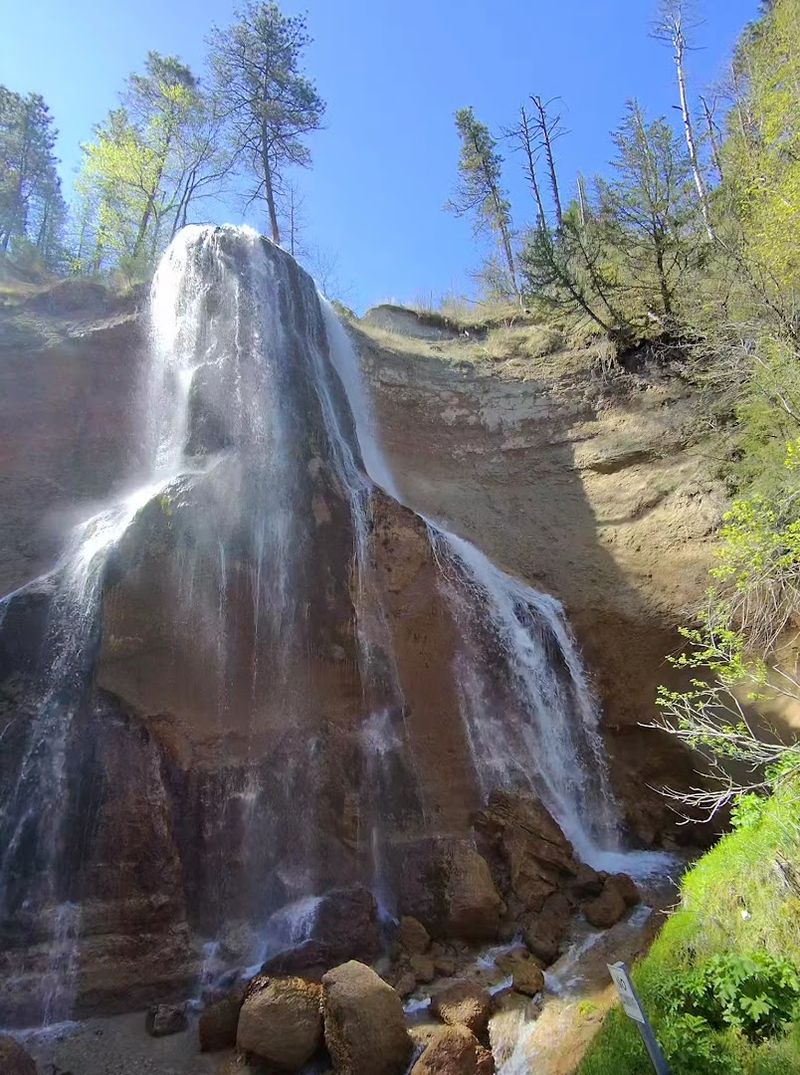
Nebraska has a 70-foot waterfall, and most people have no idea it exists. Smith Falls is the tallest waterfall in the state, tucked into a forested canyon along the Niobrara River near Valentine.
The falls drop from a moss-covered cliff face into a clear pool below, and the surrounding greenery makes the whole scene look nothing like the Nebraska most travelers picture.
Access to the falls requires crossing a footbridge over the Niobrara River, which adds a bit of adventure to the short hike. The Niobrara River itself is a federally designated National Scenic River, and the stretch near Smith Falls is one of its most photogenic sections.
The park also connects to the broader Niobrara corridor, where kayaking, canoeing, and tubing are popular during summer months. For a state not exactly famous for waterfalls, Smith Falls delivers a genuinely memorable natural attraction that earns its reputation easily.
7. Nebraska National Forest, Halsey, Nebraska
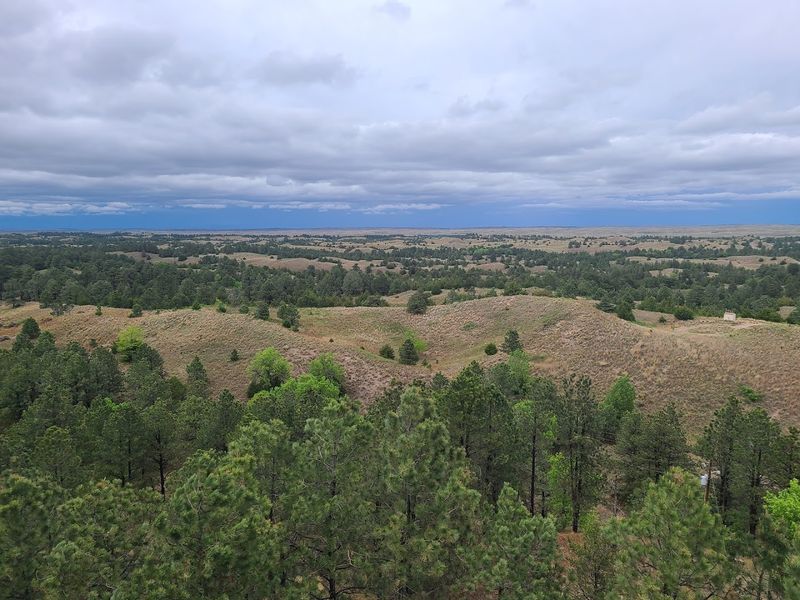
The Nebraska National Forest near Halsey holds a title that surprises almost everyone who hears it: it is one of the largest hand-planted forests in the world. In the early 1900s, foresters and volunteers planted thousands of trees across the Sandhills to test whether a forest could be established in that environment.
It worked, and the result is a landscape that feels genuinely unexpected.
Rows of ponderosa pine and other conifers rise from sandy soil in a region where trees were never supposed to grow in large numbers. The contrast between the planted forest and the surrounding open grassland is striking from almost any vantage point in the area.
Hiking and camping options are available throughout the forest, and the Charles E. Bessey Nursery on the grounds still produces trees for restoration projects across the country.
The whole place is a quiet monument to what patient, long-term conservation work can actually accomplish.
8. Fort Robinson State Park, Crawford, Nebraska
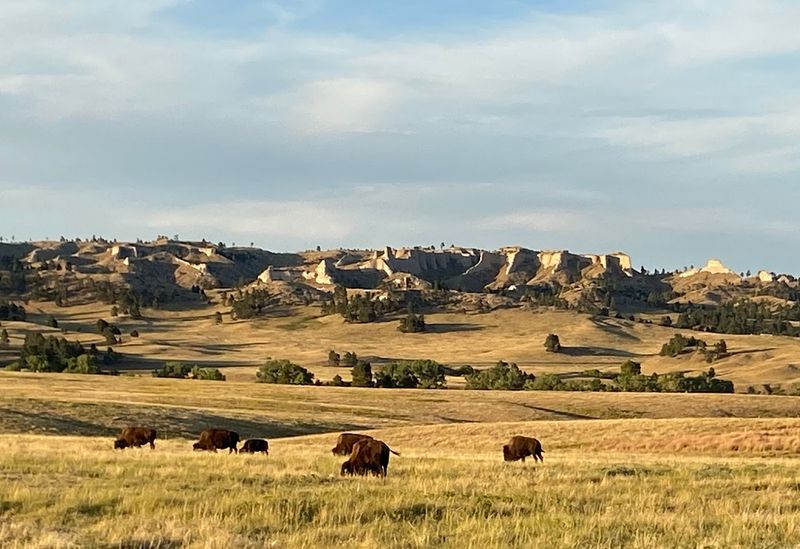
Fort Robinson has more layers of history packed into one location than almost anywhere else in Nebraska. Originally established as a military post in 1874, the fort played a significant role in the conflicts of the American West and later served as a World War II prisoner of war camp and a K-9 training facility for the military.
Today, the park covers more than 22,000 acres of buttes, rolling hills, and open meadows in the Pine Ridge area of western Nebraska. The scenery shifts dramatically depending on where you stand, from rugged canyon views to wide grassland vistas that stretch toward the horizon.
Horseback riding, hiking, mountain biking, and wildlife watching are all available within the park boundaries. Bison, elk, and longhorn cattle roam specific areas of the park, adding to the sense that this is a living landscape with real history still attached to it.
9. Indian Cave State Park, Shubert, Nebraska
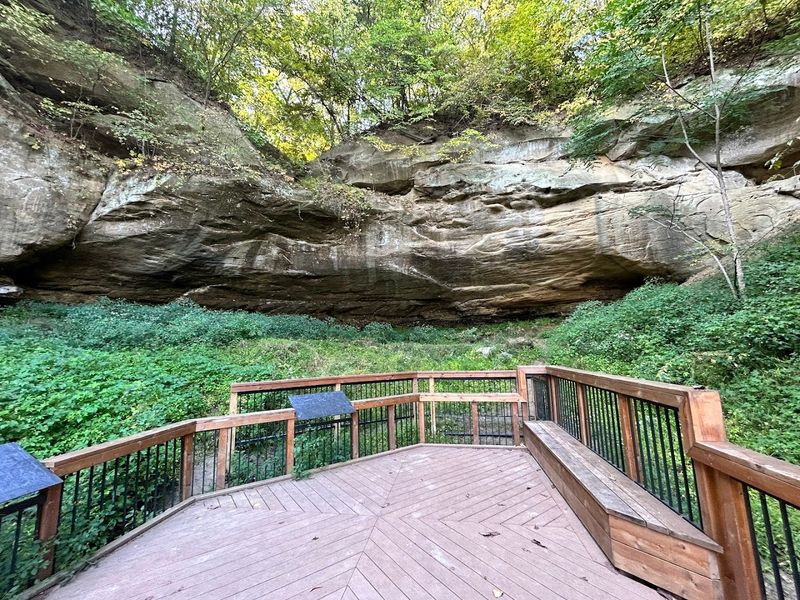
Southeastern Nebraska does not always get credit for its dramatic terrain, but Indian Cave State Park makes a strong case for the region. Perched above the Missouri River, the park features dense hardwood forests, rugged bluffs, and elevated overlooks that deliver sweeping river views across into Missouri.
The park’s namesake cave contains ancient petroglyphs carved into the sandstone walls, adding a historical dimension that most state parks simply cannot match. The cave itself is accessible by trail and gives visitors a direct connection to the people who lived in this landscape long before European settlers arrived.
Fall is a particularly popular time to visit, when the hardwood forests turn into a full display of reds, oranges, and yellows across the hillsides. The park also includes a recreation of the 19th-century ghost town of St. Deroin near the river, which makes for an interesting detour on any visit.
10. Ashfall Fossil Beds State Historical Park, Royal, Nebraska
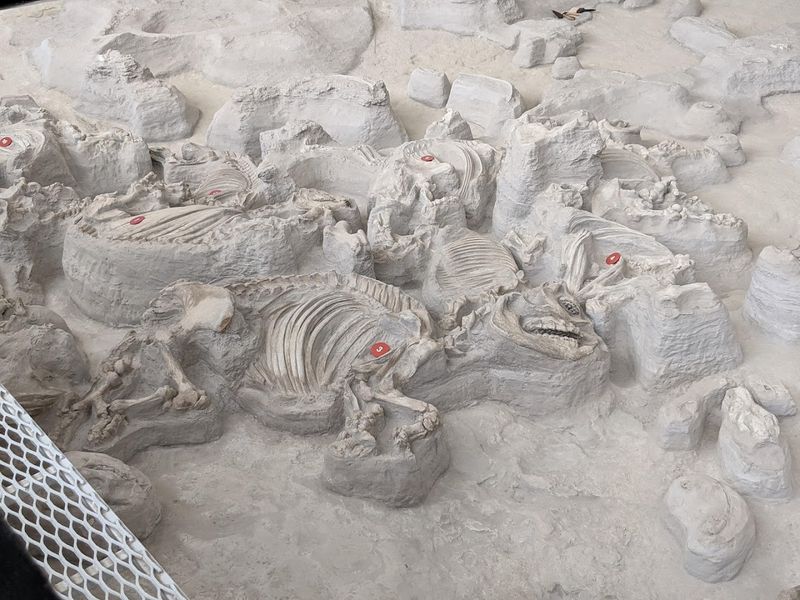
About 12 million years ago, a massive volcanic eruption in what is now Idaho sent a thick cloud of ash drifting eastward across the Great Plains. Animals gathered at a watering hole in what is now northeastern Nebraska were buried where they stood, preserved in extraordinary detail.
Ashfall Fossil Beds is where scientists and visitors can see exactly what that moment left behind.
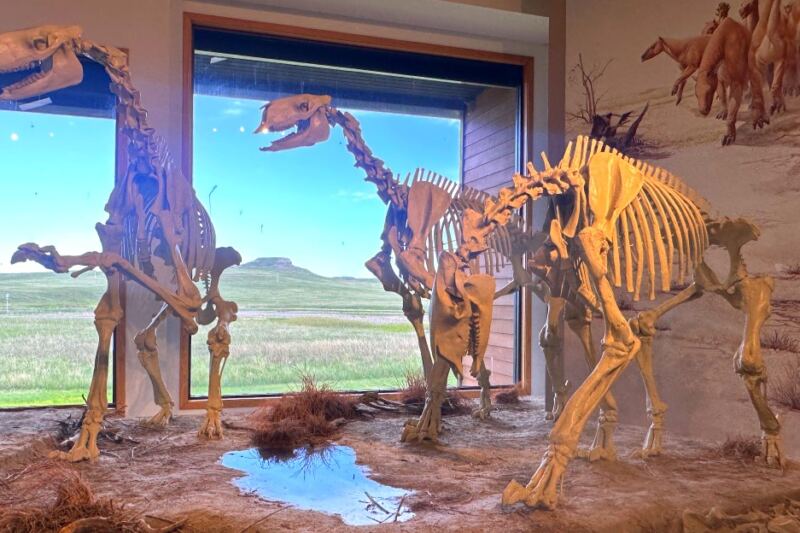
The Hubbard Rhino Barn covers the main excavation site, protecting fossils that remain in the exact positions where the animals were found. Complete skeletons of ancient rhinoceroses, three-toed horses, camels, and giant tortoises are visible in the ground, some still articulated exactly as they fell.
Over 200 complete skeletons have been documented at the site, making it one of the most significant paleontological discoveries in North America. The surrounding prairie trails provide additional context about the prehistoric environment, and the visitor center explains the science clearly for all ages.
11. Eugene T. Mahoney State Park, Ashland, Nebraska
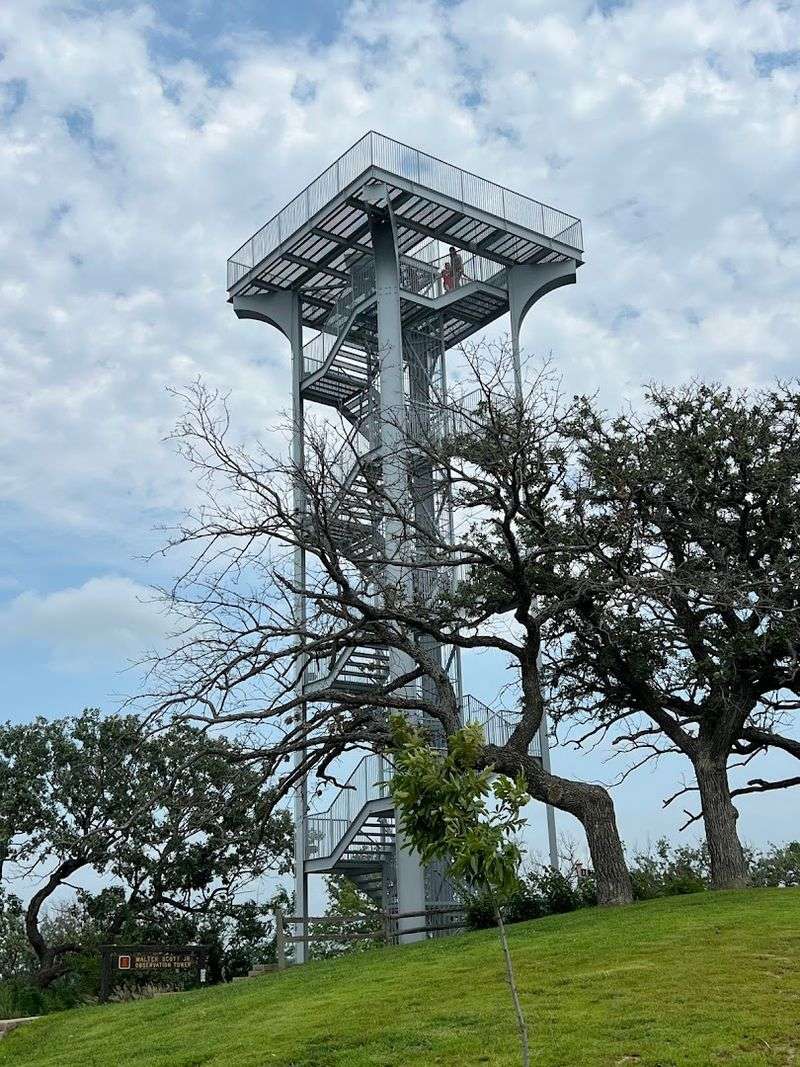
Positioned almost perfectly between Omaha and Lincoln along Interstate 80, Mahoney State Park is the most accessible major natural area in Nebraska, and it earns that traffic with a genuinely impressive set of offerings. The park sits on a stretch of rolling hills and wooded terrain along the Platte River valley that gives it a more varied landscape than many visitors expect from a highway-adjacent park.
Trails wind through forested areas and across open ridges, with observation towers offering elevated views of the surrounding countryside. The park also includes an aquatic center, miniature golf, a climbing wall, and cabin rentals, which makes it a practical choice for families who want outdoor recreation without sacrificing comfort.
The combination of natural scenery and well-maintained facilities is hard to beat anywhere in the state. Mahoney proves that proximity to a major highway does not have to mean compromising on the quality of the outdoor experience.
12. Platte River Near Kearney, Nebraska
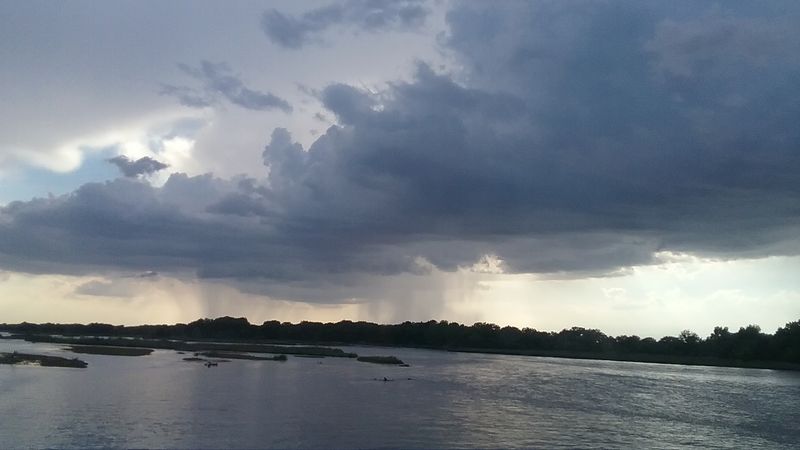
Every spring, the Platte River near Kearney becomes the temporary home of more than half a million sandhill cranes, making it one of the largest wildlife migration events on the entire continent. The cranes stop here to rest and feed during their northward journey, using the river’s broad, shallow channels as staging grounds for several weeks between late February and early April.
Viewing blinds and guided tours are available through the Rowe Sanctuary and other local organizations, allowing visitors to observe the cranes from close range without disturbing them. The sight of thousands of birds filling the sky at once is something that regular visitors describe as genuinely difficult to put into words.
Outside of migration season, the Platte River valley still offers classic Great Plains scenery, with wide water channels, cottonwood groves, and open horizons that define the visual character of central Nebraska. The river itself has shaped the landscape and the culture of this region for centuries.
13. Wildcat Hills State Recreation Area, Gering, Nebraska
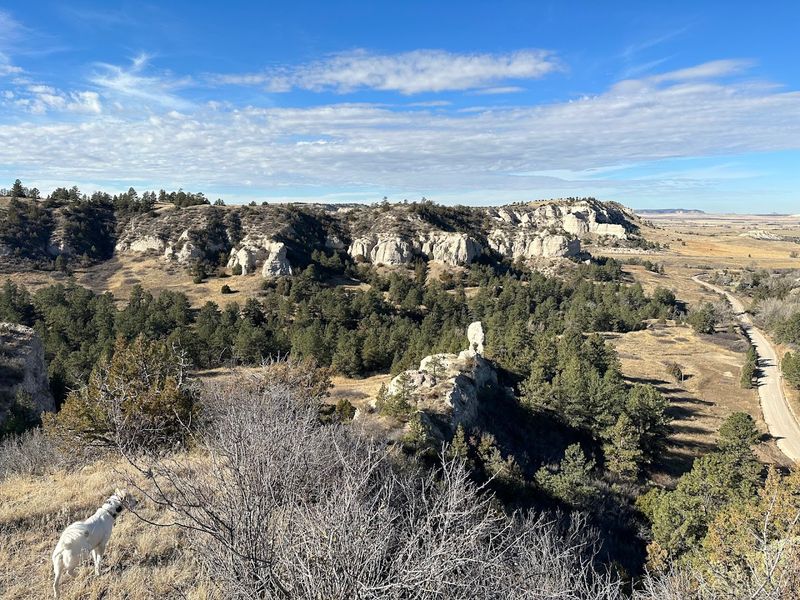
Just south of Scotts Bluff, Wildcat Hills offers a completely different kind of Nebraska scenery that even many locals have not fully explored. Pine-covered ridges rise above rocky canyons, creating a terrain that feels closer to the Rocky Mountain foothills than the open plains most people associate with the state.
The recreation area features a nature center, a bison and elk viewing area, and several miles of hiking trails that wind through the pines and along the canyon edges. Elevated viewpoints along the trails reveal sweeping vistas of the surrounding panhandle landscape, with the North Platte River valley visible in the distance on clear days.
The combination of rugged geology, native wildlife, and panoramic views makes Wildcat Hills one of the most underrated destinations in western Nebraska. Visitors who make the short detour from nearby Scotts Bluff almost always say the extra stop was worth every minute of the additional drive.
Share this story