 Unearth The Voyage
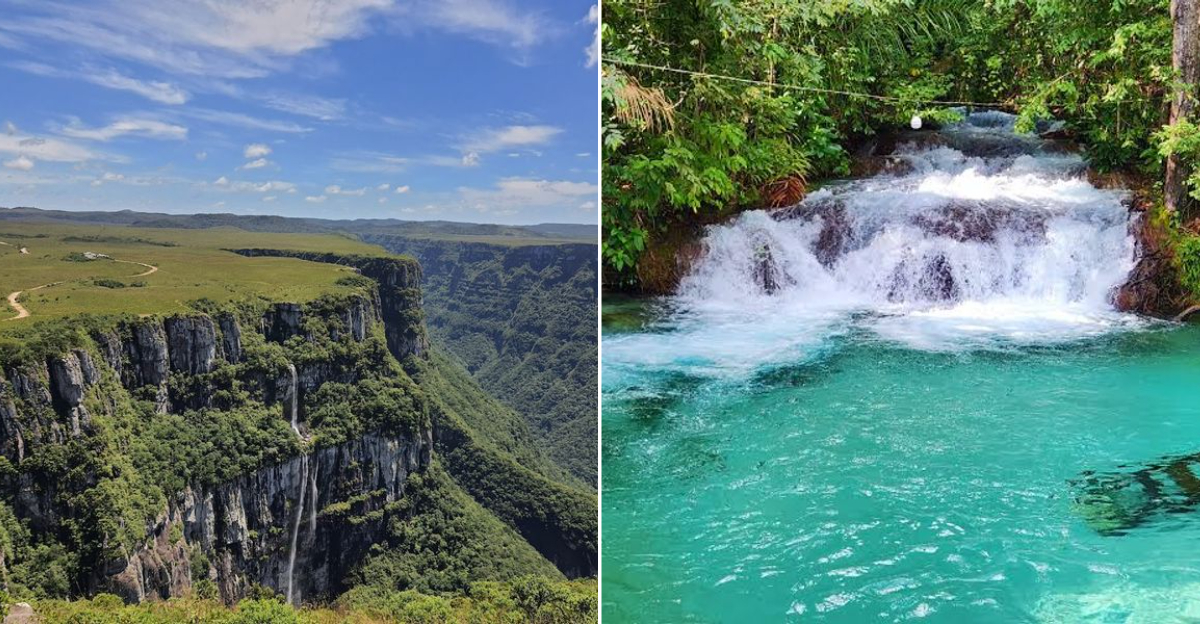
Most people think of Brazil and picture Carnival, Copacabana, and caipirinhas. But this massive country hides landscapes and cultures that barely make it onto the tourist radar.
From prehistoric rock art in the northeast to freshwater beaches deep in the Amazon, Brazil has a seriously underrated wild side. These 13 destinations prove that the country is so much bigger and stranger than its postcard version.
Lençóis Maranhenses
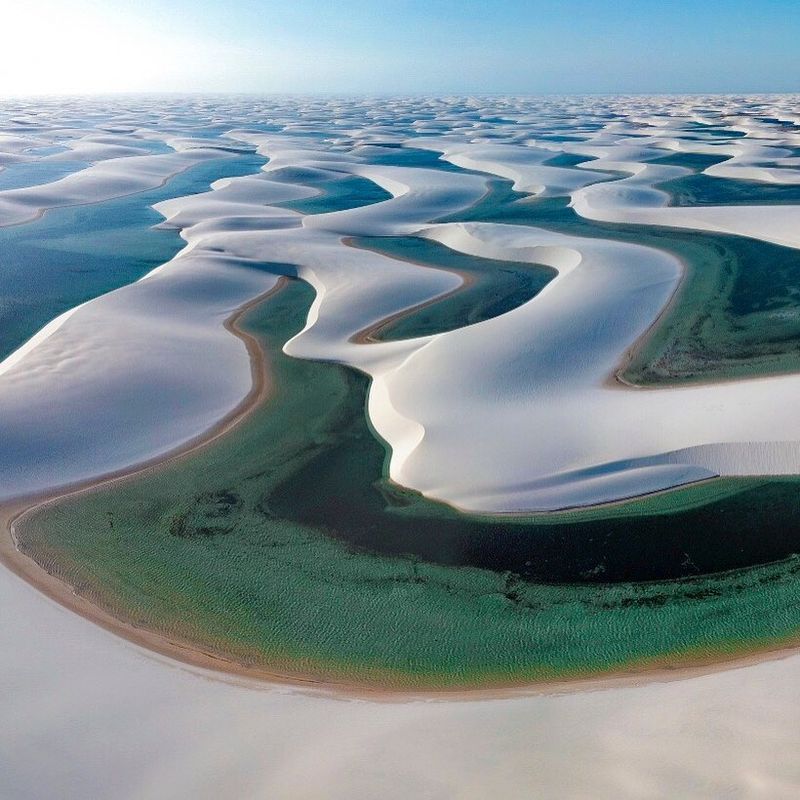
White dunes and blue lagoons in the middle of nowhere sounds like a geography teacher made it up, but Lençóis Maranhenses is completely real. Located in Maranhão, this national park covers over 155,000 hectares of sweeping dunes that fill with seasonal rainwater lagoons every year.
The result is one of the most surreal landscapes on the planet.
The best window to visit runs from June to September, when the lagoons are full and the contrast between white sand and turquoise water is at its sharpest. Getting here takes some effort, which is honestly part of the charm.
The nearest town is Barreirinhas, and from there, jeep tours do most of the heavy lifting. Pack light, bring sunscreen, and prepare to feel very small against those dunes.
Jalapão
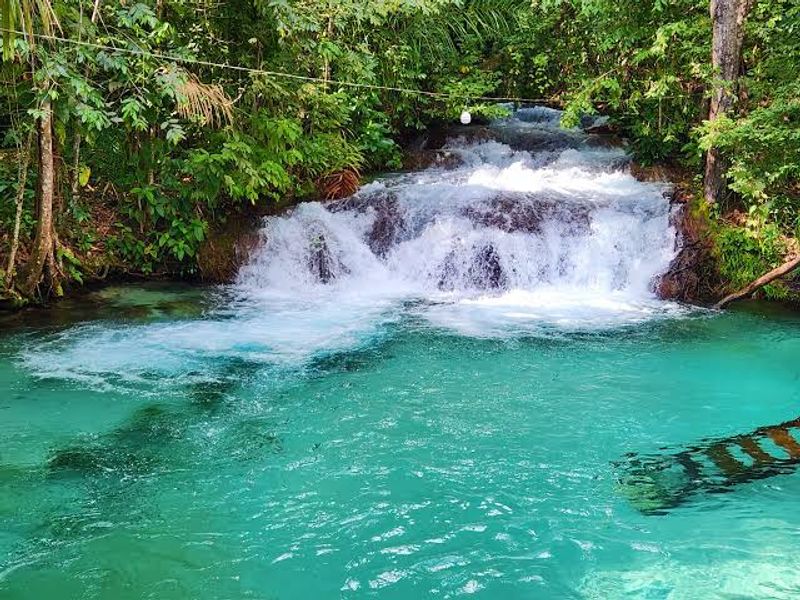
Jalapão is the kind of place that makes you question why it isn’t famous. Tucked into eastern Tocantins, this enormous stretch of preserved Cerrado packs in golden dunes, dramatic canyons, waterfalls, and the legendary fervedouros, natural springs where the water pressure is so strong that you literally float without effort.
It is one of Brazil’s largest protected areas of the Cerrado biome, a fact that somehow doesn’t stop it from flying under the radar. Adventure travelers and ecotourism fans are slowly catching on, but crowds are still refreshingly thin.
The dry season, from May to September, is the ideal time to visit. Roads can get rough, so a 4×4 is less of a luxury and more of a survival strategy out here.
Jalapão doesn’t do polished, and that’s exactly the point.
Alter do Chão
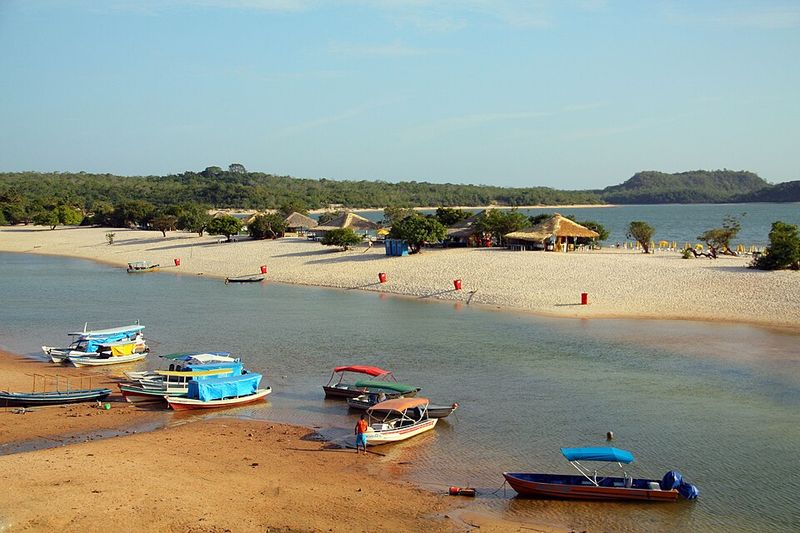
Freshwater beaches inside the Amazon rainforest are not supposed to exist, and yet here we are. Alter do Chão, near Santarém in Pará, pulls off exactly that trick.
Every year between August and December, the river levels drop and reveal stretches of golden sand that look more Caribbean than jungle.
The village itself is small, relaxed, and genuinely charming. Local restaurants serve fresh river fish, and the pace of life makes you forget that São Paulo is even in the same country.
Boat trips to Ilha do Amor, a sandbar island in the middle of the river, are basically mandatory. I spent an afternoon there convinced I had somehow wandered into two different ecosystems at once, which is not a bad feeling at all.
Alter do Chão rewards travelers who show up without too many expectations.
Nobres
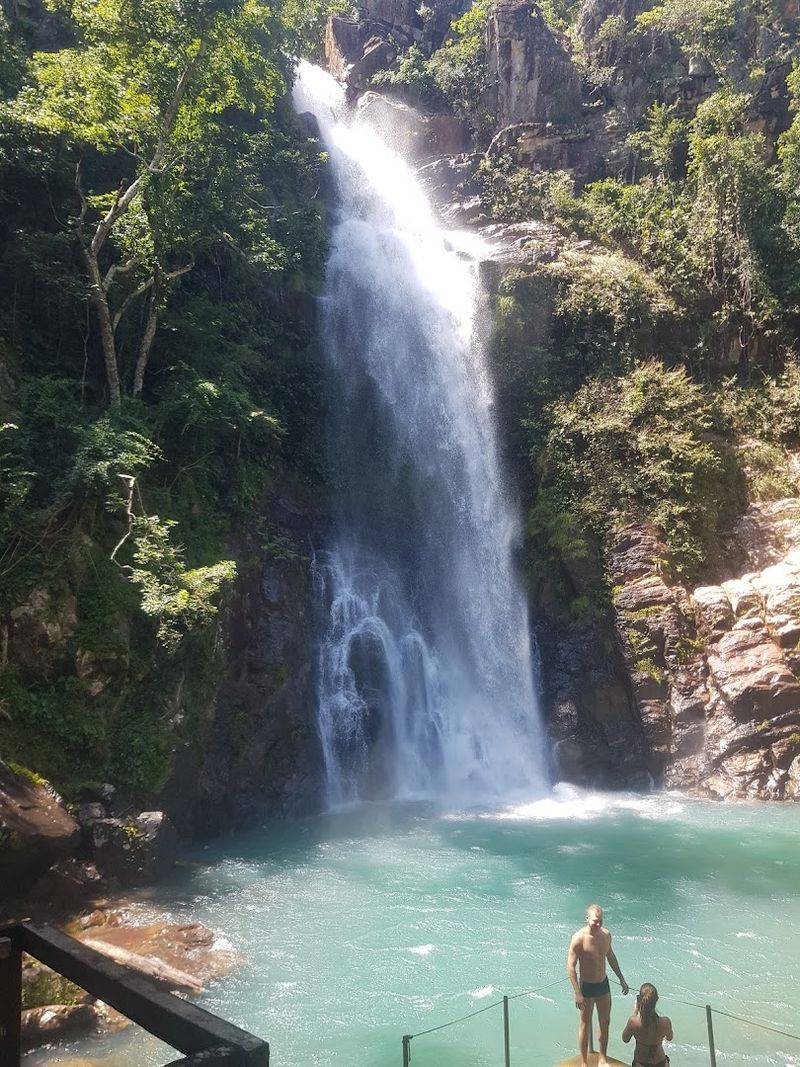
Bonito gets all the press for crystal-clear water experiences in Brazil, but Nobres in Mato Grosso is quietly offering the same magic with fewer selfie sticks. The rivers, springs, and caves here have a transparency that makes the water look more like glass than liquid.
Float trips through underground cave rivers are the main event, and they absolutely deliver.
Local ecotourism is well organized, and the infrastructure has improved a lot in recent years without losing its low-key character. The Bom Jardim district, just outside Nobres, is the hub for most activities, including snorkeling with fish in crystal pools that feel almost too perfect to be natural.
Water temperatures stay comfortable year-round. If you have already done Bonito and want something equally spectacular without the booking queues, Nobres is the answer you didn’t know you were looking for.
Serra da Capivara National Park
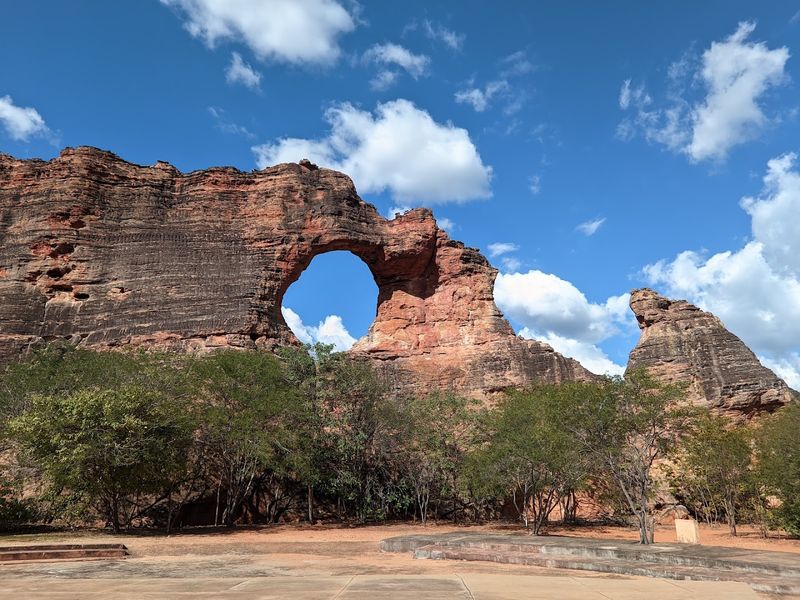
Brazil’s party reputation takes a back seat at Serra da Capivara, where the headlines belong to rock paintings that are thousands of years old. Located in Piauí, this UNESCO World Heritage Site protects one of the densest concentrations of prehistoric archaeological sites in the Americas.
Some of the rock art found here may push back the timeline of human presence in the Americas significantly.
The landscape itself is dramatic, full of red sandstone canyons and dry caatinga vegetation that looks like it belongs in a Western film. Over 1,300 archaeological sites have been recorded within the park boundaries.
Guided tours are essential because the sites are spread across a large area, and context makes everything richer. This is not a destination for thrill-seekers looking for waterfalls.
It is for travelers who want to stand in front of something genuinely ancient and feel the weight of it.
Delta do Parnaíba
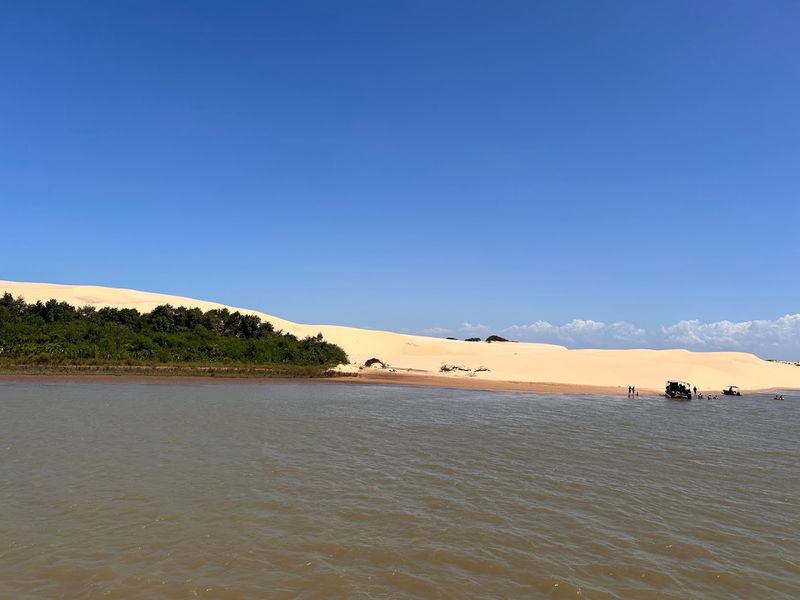
Only three river deltas in the world are considered “open sea” deltas, and one of them is hiding in Piauí. The Parnaíba Delta is where the river breaks into dozens of channels before hitting the Atlantic, creating a maze of islands, mangroves, dunes, and waterways that stretches across roughly 2,700 square kilometers.
Boat trips are the main way to explore, weaving through channels where pink dolphins show up uninvited and wildlife density is genuinely impressive. The town of Parnaíba is the launching point for most tours, and the delta sits on the border between Piauí and Maranhão, so it pairs well with a Lençóis Maranhenses trip.
The landscape shifts constantly between river, forest, dune, and coast, which keeps things visually interesting for hours. For anyone who finds standard beach breaks a bit one-note, the delta is a multi-track playlist in comparison.
Xingó Canyons
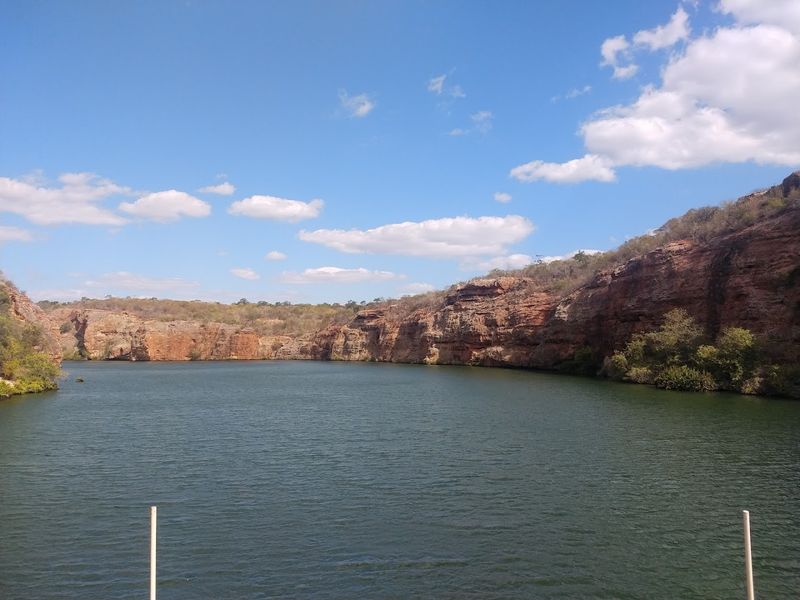
Brazil’s largest navigable canyon doesn’t get nearly enough credit. The Xingó Canyons stretch along the São Francisco River near Canindé de São Francisco in Sergipe, and the scenery is legitimately jaw-dropping.
Towering walls of orange and red rock rise on both sides of the river, and the water running between them is an almost unnatural shade of emerald green.
Boat tours from the Xingó dam are the standard way in, and most last a few hours with stops for swimming in natural pools carved into the canyon walls. The northeast of Brazil is not typically associated with this kind of dramatic geological scenery, which makes the whole experience feel like a genuine discovery.
Canindé de São Francisco is a small city with enough accommodation and infrastructure to make a visit comfortable. Think less tourist trap, more geological expedition with excellent swimming breaks.
Ilha de Marajó
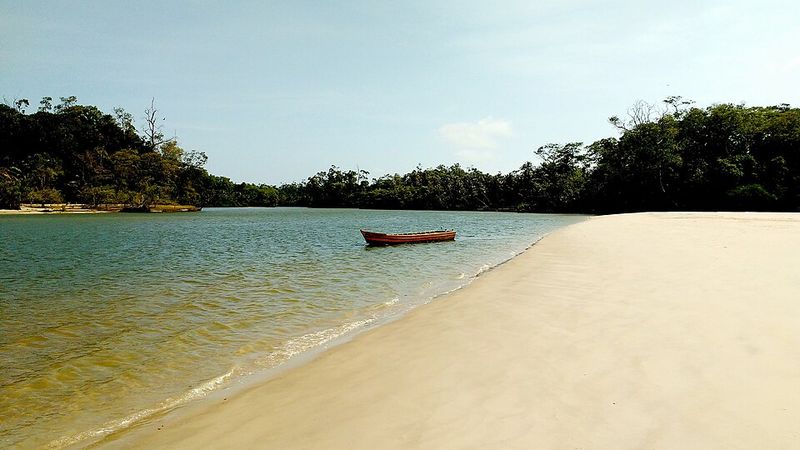
The world’s largest fluvial-maritime island sits at the mouth of the Amazon, and it has water buffaloes roaming the streets. That’s not a typo.
Marajó’s local culture adopted buffalo herding centuries ago, and the animals are now central to the island’s economy, cuisine, and identity. Buffalo cheese from Marajó is genuinely excellent, for the record.
Beyond the novelty factor, the island offers a deep Amazon cultural experience that feels nothing like the packaged jungle tours sold in Manaus. Forests, mangroves, rivers, and traditional communities all exist in a landscape that moves at its own quiet pace.
Reaching Marajó requires a ferry from Belém, which takes a few hours but is part of the experience. The island’s largest town, Soure, has guesthouses and local guides.
This is the kind of place that rewards curiosity over comfort-seeking.
Caraíva
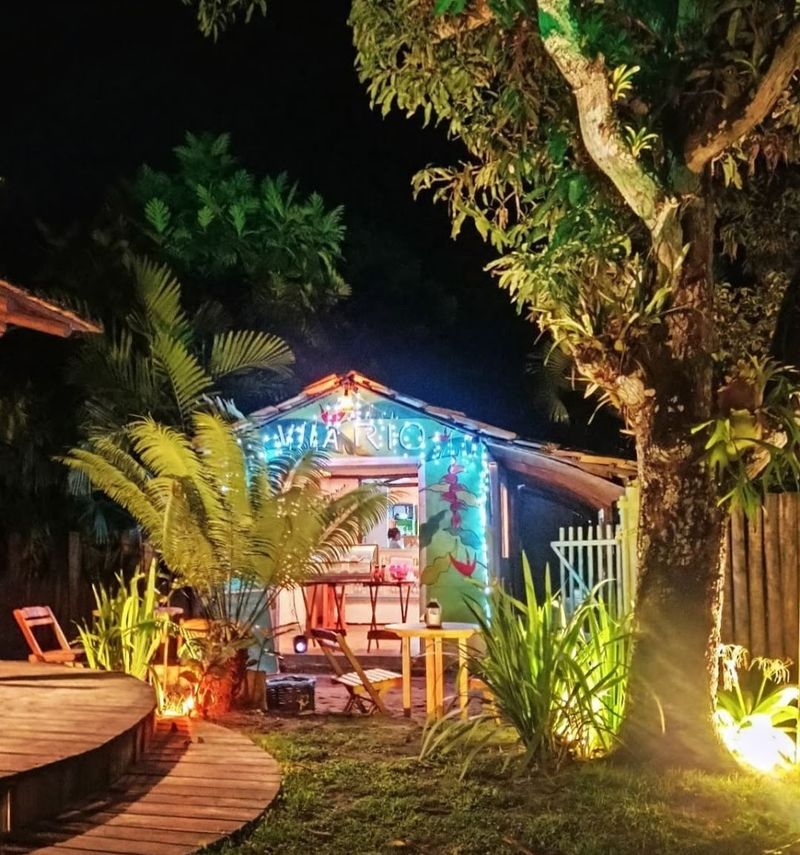
No cars, no ATMs, and no paved roads. Caraíva, in southern Bahia, has made a lifestyle out of being deliberately difficult to reach, and its fans are fiercely grateful for that.
The village sits between a river and the sea, which sounds romantic because it absolutely is. Getting there involves a boat crossing or a canoe ride, depending on conditions.
The vibe is unhurried in a way that feels almost radical by modern standards. Restaurants are mostly family-run, electricity is limited in some parts, and the beaches stretch for kilometers without a sunbed vendor in sight.
Caraíva attracts artists, surfers, and travelers who are allergic to resort culture. It sits near the Caraíva-Trancoso Ecological Station, so the natural surroundings stay protected.
If you are the kind of person who checks their phone every ten minutes, Caraíva will cure you of that habit faster than any app.
São Miguel das Missões
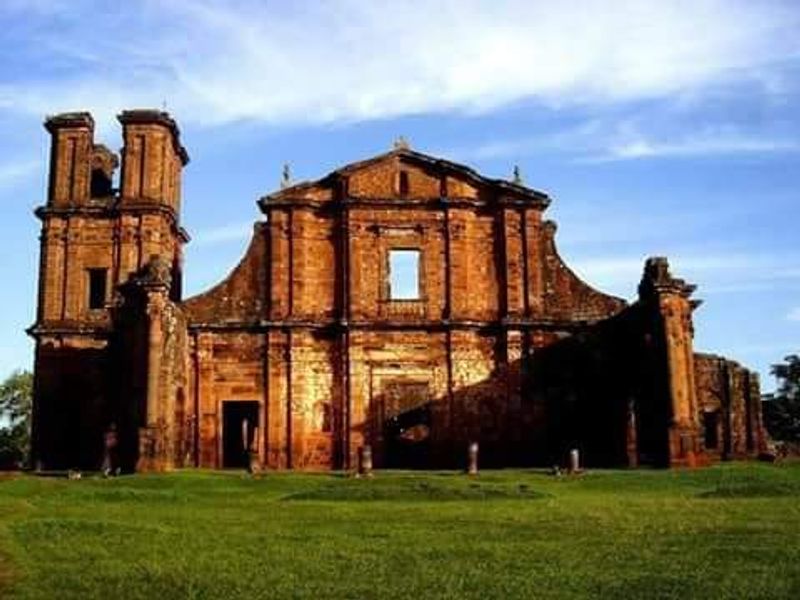
There is something quietly powerful about standing in front of a 300-year-old stone church that was built in the middle of South American jungle by Jesuit missionaries and Guaraní people working together. The ruins of São Miguel das Missões in Rio Grande do Sul are a UNESCO World Heritage Site, and they carry a weight that no amount of Instagram filters can fully capture.
The mission was founded in 1687 and reached its peak in the early 1700s before being destroyed following the expulsion of the Jesuits. What remains is a roofless but still imposing sandstone church and a small but excellent on-site museum.
Every night during the tourist season, a sound and light show runs against the ruins, which sounds tacky but is actually moving. The surrounding gaucho countryside adds another layer to a destination that already has plenty of them.
Marimbus Pantanal
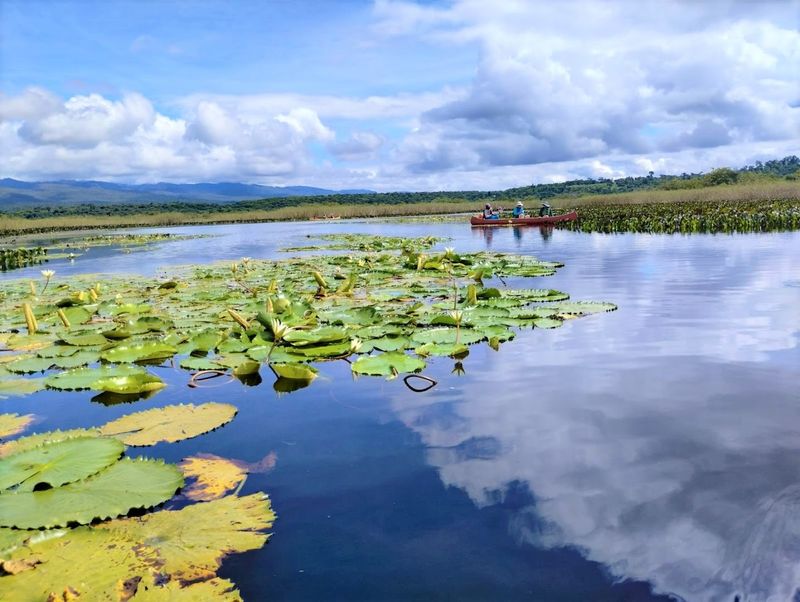
Most visitors to Chapada Diamantina come for the waterfalls and the trekking, and they leave without ever hearing about Marimbus. Tucked into the lowlands of the same national park region, Marimbus Pantanal is described as the only pantanal in the northeast of Brazil, a flooded wetland ecosystem completely unlike anything else in Bahia.
Canoe trips through the flooded vegetation are the best way to explore, and the birdwatching here is exceptional. The slow pace of paddling through reeds and water plants feels like a different country from the dramatic clifftop trails a few kilometers away.
The contrast within a single region is one of Chapada Diamantina’s best-kept secrets. Even travelers who have visited the area before are often surprised to learn this ecosystem exists.
Sometimes the most interesting thing in a famous destination is the thing nobody told you to look for.
Serra Geral National Park
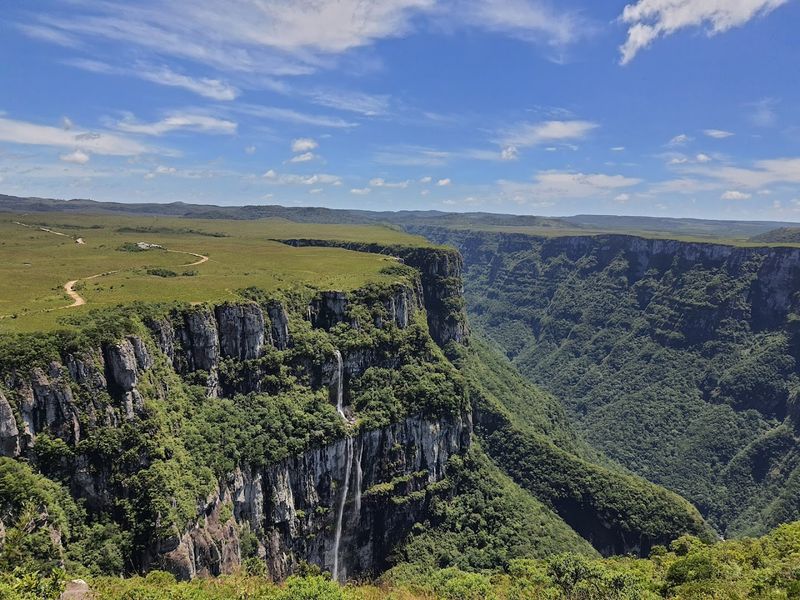
Southern Brazil does not get enough credit for its canyon scenery, and Serra Geral National Park is the strongest argument for fixing that oversight. Neighboring the better-known Aparados da Serra, the park is part of the UNESCO-recognized Caminhos dos Cânions do Sul Geopark and contains Fortaleza Canyon, one of the longest and deepest canyons in South America.
The scale here is genuinely humbling. Canyon walls drop hundreds of meters into forested valleys, and on clear days the views stretch toward the coast.
Hiking trails range from accessible lookout walks to full multi-day routes for serious trekkers. The region sits on the border of Rio Grande do Sul and Santa Catarina, making it easy to combine with other southern destinations.
For travelers who associate Brazil exclusively with tropical beaches, Serra Geral is the geographical plot twist they didn’t see coming.
Saco do Mamanguá
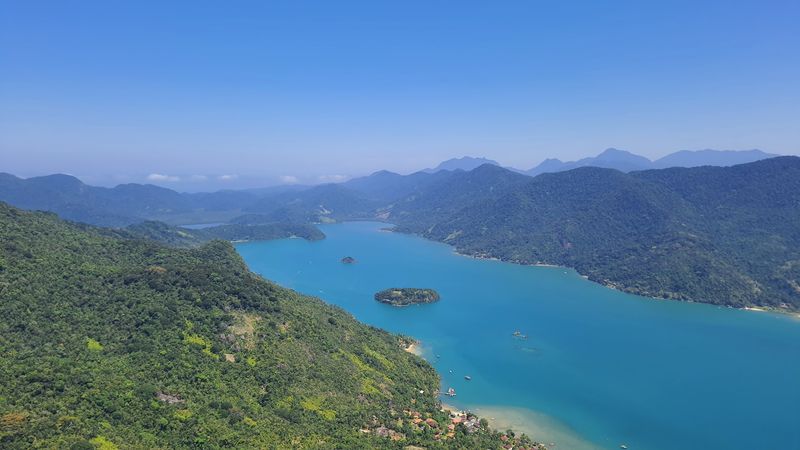
Brazil has exactly one tropical fjord, and most people drive right past it on the way to Paraty. Saco do Mamanguá is a narrow inlet of calm water flanked by steep forested hills near the colonial town of Paraty in Rio de Janeiro state.
Visit Brasil officially calls it the only tropical fjord in the country, which is a claim worth taking seriously.
Kayaking is the best way to explore the inlet, gliding past mangroves, small fishing communities, and forested slopes that plunge straight into the water. Day trips from Paraty are easy to arrange, and some operators offer overnight boat stays for a more immersive experience.
The area is protected and relatively undeveloped, which keeps it feeling genuinely secluded. It is a small but perfect reminder that even one of Brazil’s most visited regions still holds surprises for anyone willing to look slightly off the main path.



