 Unearth The Voyage
Some dinners from the mid-century household are now more likely to trend as memes than meal plans. You still see them in vintage cookbooks and family stories, but online they often draw eye rolls and punchlines.
This list looks at why those plates were popular and why today’s feeds would roast them. You might even feel a little nostalgic while appreciating how tastes have changed.
1. Tuna Noodle Casserole
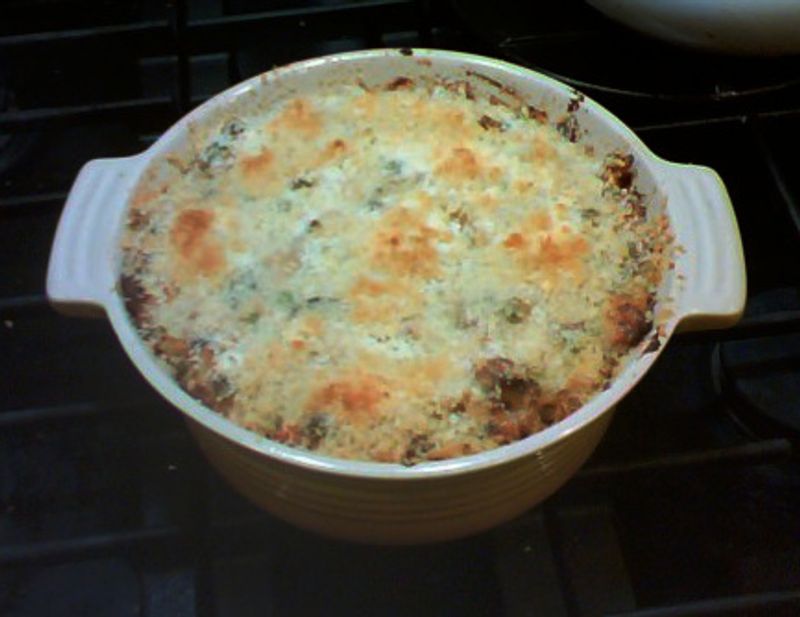
Tuna noodle casserole was weeknight strategy before it was internet fodder. Pantry tuna, egg noodles, cream of mushroom soup, and frozen peas made dinner predictable and cheap.
A crushed potato chip or breadcrumb topping delivered crunch and color, turning a gray sauce into something with texture and aroma.
Today it gets roasted for the exact traits that once made it practical. Canned fish plus condensed soup reads processed, salty, and one-note in a world that prizes fresh herbs, bright acids, and short labels.
Photos can look beige and flat, which feeds the algorithm’s appetite for ridicule.
Still, the dish tells a story about postwar kitchens and convenience culture. It solved time, cost, and kid appeal with ingredients that stored well and cooked fast.
If you remake it now, you can swap in seared fresh mushrooms, a quick béchamel, lemon zest, and panko for lift without losing its comforting blueprint.
2. Spam and Pineapple (or Spam Dinner Loaf)
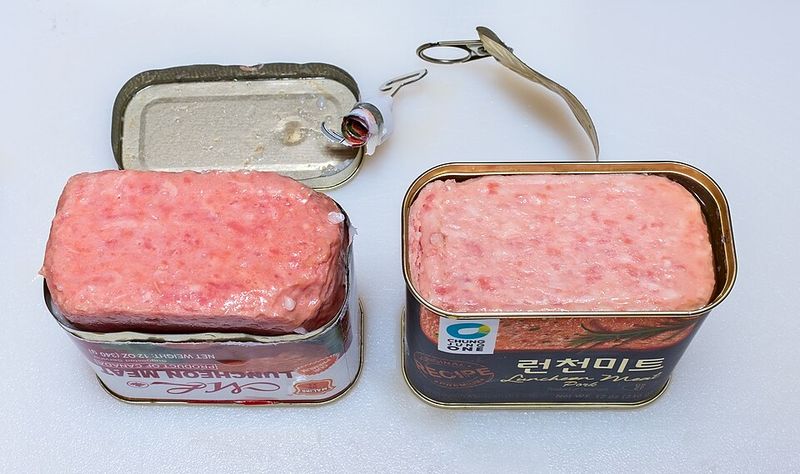
Spam and pineapple was not a joke to its fans. Wartime distribution, long shelf life, and predictable texture kept Spam on hand, and a sweet glaze or pineapple ring made it dinner-ready in minutes.
The pairing echoed ham and pineapple traditions, just faster and cheaper.
Online, it gets clowned as processed meat plus sugar. People question the ingredient list, the salt, and the glossy sheen that photographs like plastic.
The flavor balance can also skew sweet if the pan is not hot enough to properly brown the Spam and caramelize the fruit.
Context matters. In the 1940s through the 1970s, this combo brought protein to the table with minimal equipment, and it stayed popular in places where shelf stability was essential.
Upgrade paths exist: crisp the Spam hard, add chili flakes, use fresh pineapple, and deglaze with rice vinegar. You keep the salty-sweet idea while bringing brightness and texture.
3. Salisbury Steak (with brown gravy)
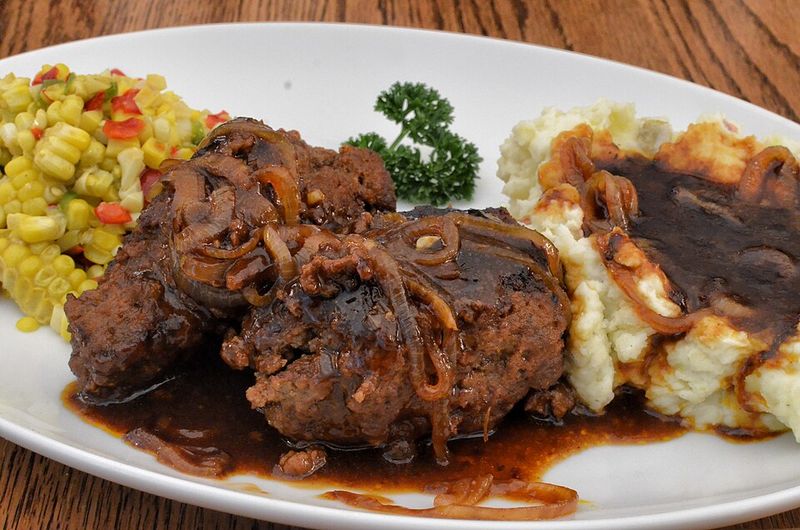
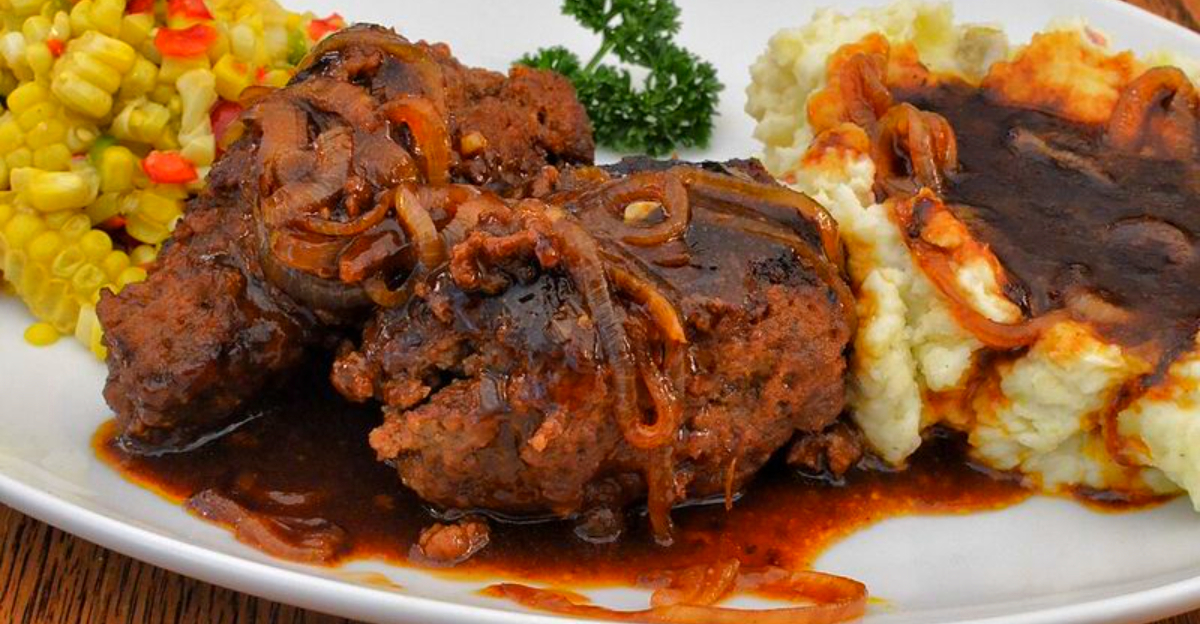
Salisbury steak began as seasoned ground beef shaped into patties and simmered in brown gravy. It promised steak vibes at ground-beef prices, and it aligned with early nutrition theories that emphasized meat as fuel.
With onions, mushrooms, and a glossy sauce, it delivered comfort with familiar pantry staples.
Now it is tied to cafeterias and TV dinners. The patties can appear uniform and gray, and the gravy can seem thick and opaque under bright lighting.
That look gets roasted online, even when the flavors are savory and balanced.
Technique can shift the narrative. Browning patties deeply, blooming tomato paste, and deglazing with stock or sherry builds complexity.
A splash of Worcestershire, fresh thyme, and a controlled cornstarch thickener keeps the sauce shiny, not stodgy. Serve with crisp-tender beans and buttery mash for a plate that reads classic rather than cafeteria.
4. Meatloaf with Ketchup Glaze
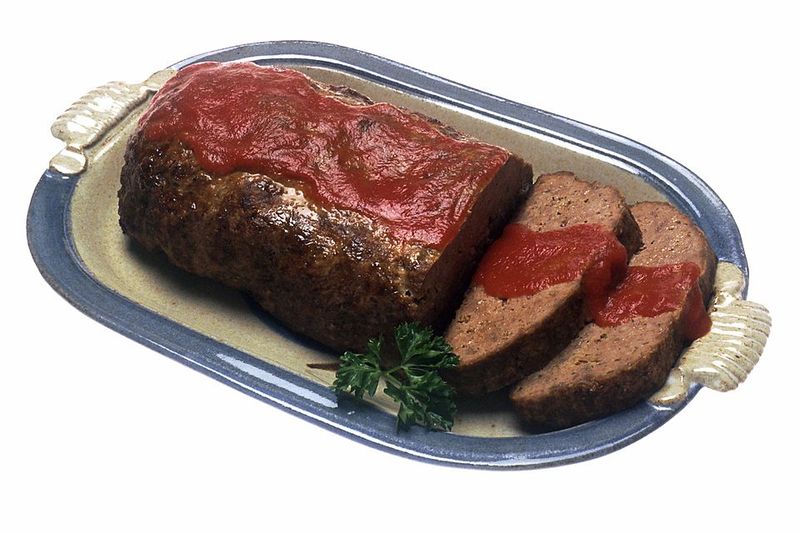
Meatloaf was a budget solution that stretched meat with breadcrumbs, milk, and eggs. The ketchup glaze added tang, sugar, and a lacquered finish that protected moisture.
It was popular because it used common ingredients and fed a crowd with reliable leftovers.
Online, people treat it like punishment food. Photos highlight dense slices, leaking juices, and an aggressively red top that can feel childish.
That makes it an easy target, even though seasoning and method change everything.
Use a light touch. Mix gently, add panade for tenderness, and avoid overbaking.
Sauté aromatics first, layer umami with Worcestershire and tomato paste, and rest before slicing. If the glaze feels dated, try a ketchup-mustard-brown sugar mix with cider vinegar, or switch to a thin tomato demi with smoked paprika.
You keep the spirit while improving texture and balance.
5. Jell-O Salad (as a side dish)
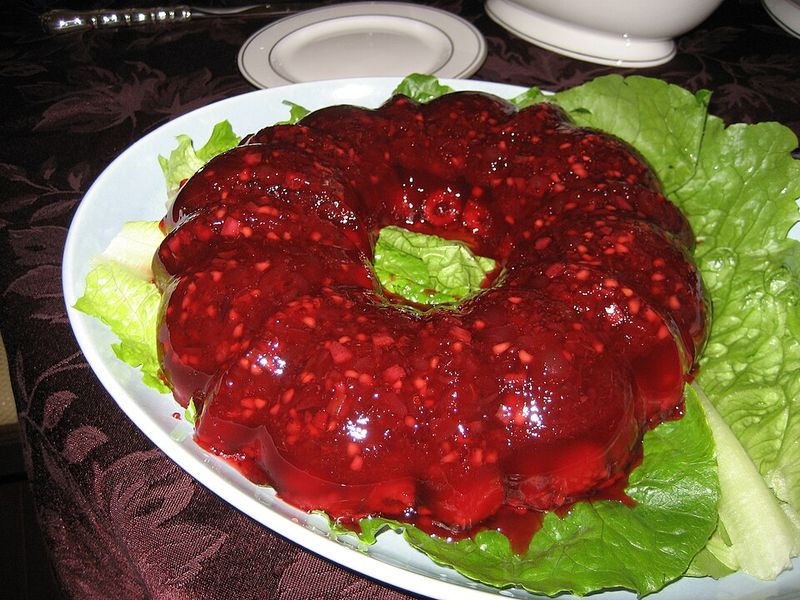
Jell-O salads once signaled hospitality and thrift. Molded gelatin with fruit, cottage cheese, or even vegetables sat proudly at potlucks, bright and wobbly.
The color, the shine, and the easy unmolding made them a centerpiece with minimal effort.
Today, savory gelatin is a meme. Internet culture laughs at suspended olives, shredded carrots, or canned fish locked in translucent cubes.
Texture and temperature expectations have shifted, and sweet-salty gels read uncanny.
Still, the form has potential. If you want to revisit it, lean dessert and use real fruit juice, fresh berries, and a light tang from yogurt.
For savory, think clarified tomato aspic with herbs served very cold alongside crisp lettuce. Presentation matters: unmold onto chilled plates, slice cleanly, and garnish with care so the joke becomes craftsmanship.
6. Chicken à la King
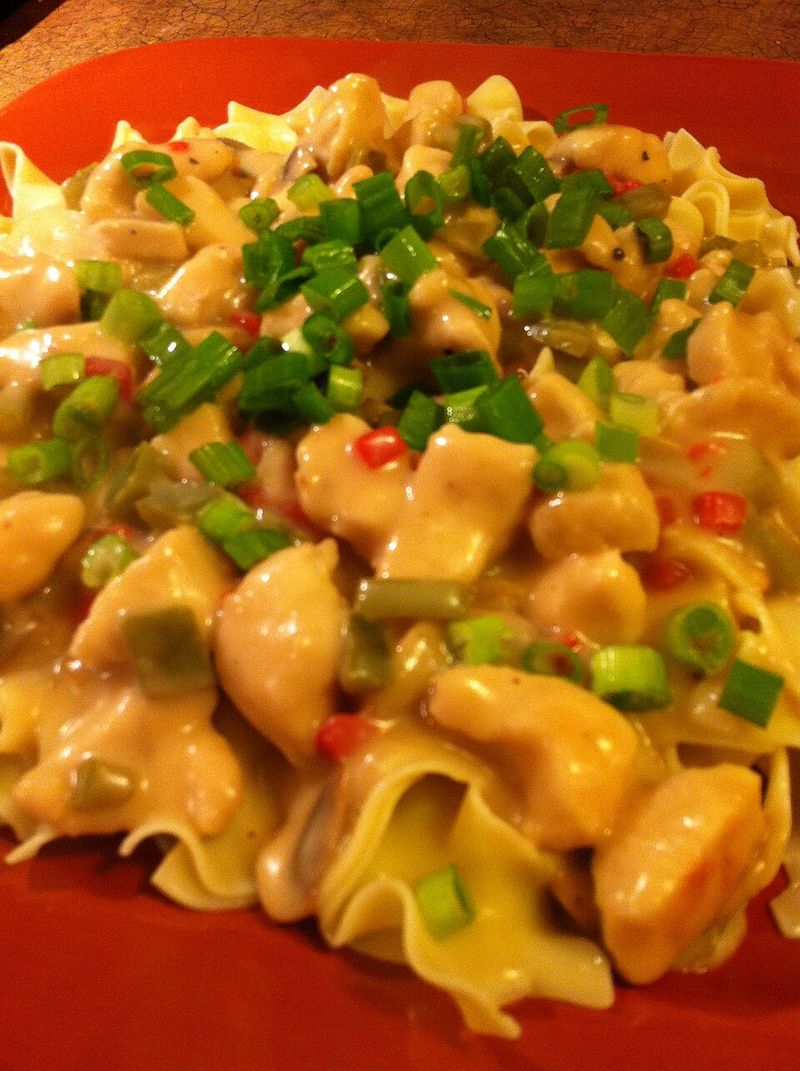
Chicken à la King is diced chicken in a cream sauce with mushrooms, peas, and pimentos, served over toast, rice, noodles, or pastry shells. It bridged restaurant flair and home convenience, using leftover roast chicken and pantry vegetables.
The sauce felt indulgent without expensive cuts.
On social platforms, beige sauce invites roasting. Photos flatten the dish, and heavy cream can seem stodgy.
Without acid or fresh herbs, it reads one-note and old-fashioned, especially next to brighter, spice-forward meals.
Technique helps. Build a light roux, add warm stock gradually, and finish with cream off heat.
Layer flavors with sautéed mushrooms, a splash of sherry, and fresh parsley. Lemon zest or a touch of Dijon can wake it up.
Serve over crisp toast or flaky pastry for contrast so it looks composed instead of gloopy.
7. Creamed Chipped Beef on Toast (S.O.S.)
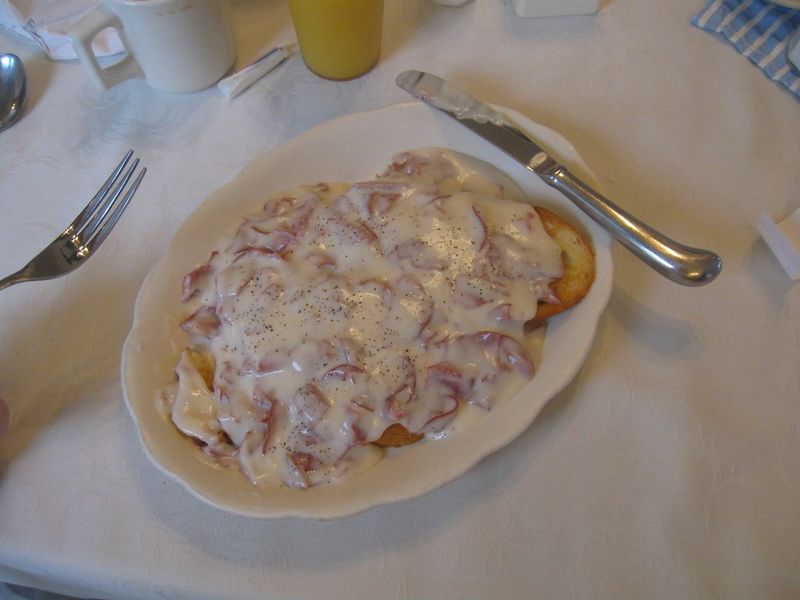
Creamed chipped beef on toast, nicknamed S.O.S., is dried beef in a white sauce poured over toast. It was a military staple for calories, salt, and speed, later adopted by diners for its low cost.
The combination is simple, filling, and easy to batch-cook.
Online it gets roasted for two reasons: the name and the look. The sauce can photograph as gluey and pale, with ribbons of meat that seem mysterious.
That makes it meme bait, even when seasoned correctly.
Execution matters. Toast needs real crunch, the roux should be lightly blond, and warm milk whisked in gradually.
Pepper, nutmeg, and a small dash of Worcestershire bring depth, while chopped parsley adds color. Serve with a fried egg and hot sauce to introduce texture and brightness.
You end up with diner comfort that feels deliberate rather than drab.
8. TV Dinner Fried Chicken + Mashed Potatoes
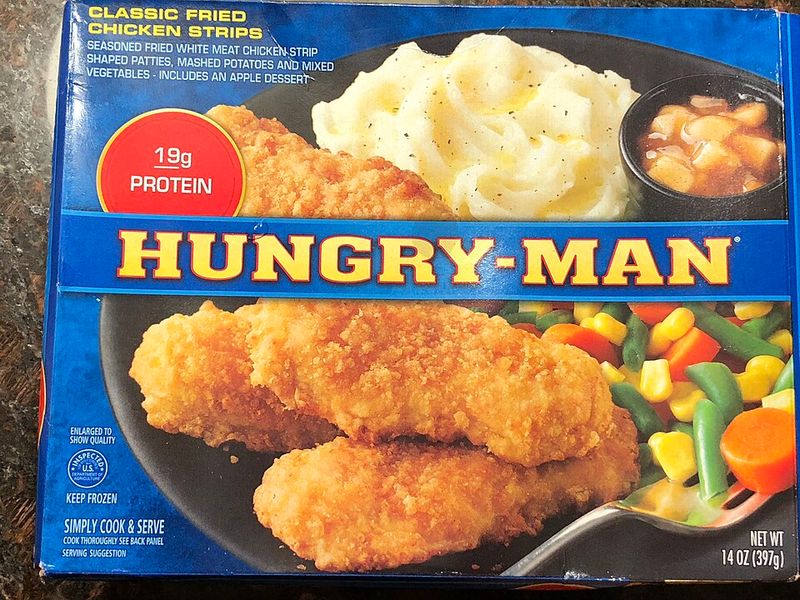
Frozen TV dinners made weeknights predictable. A compartmented tray with fried chicken, mashed potatoes, and a veg slid from oven to table with no planning.
The packaging, the aluminum, and the ritual in front of the television defined an era.
Now, freshness rules the discourse. Frozen breading can steam, potatoes can taste rehydrated, and the gravy’s texture varies after reheating.
Photos of frosty trays invite dunking in comments about additives and soggy crusts.
Nostalgia aside, the idea still works when quality improves. Air fryers crisp breading, and freezer-to-oven products are better than decades ago.
For a modern nod, batch-cook real mashed potatoes, buy decent frozen chicken, and add quick pan gravy. This keeps the speed advantage while landing closer to homemade.
9. Liver and Onions
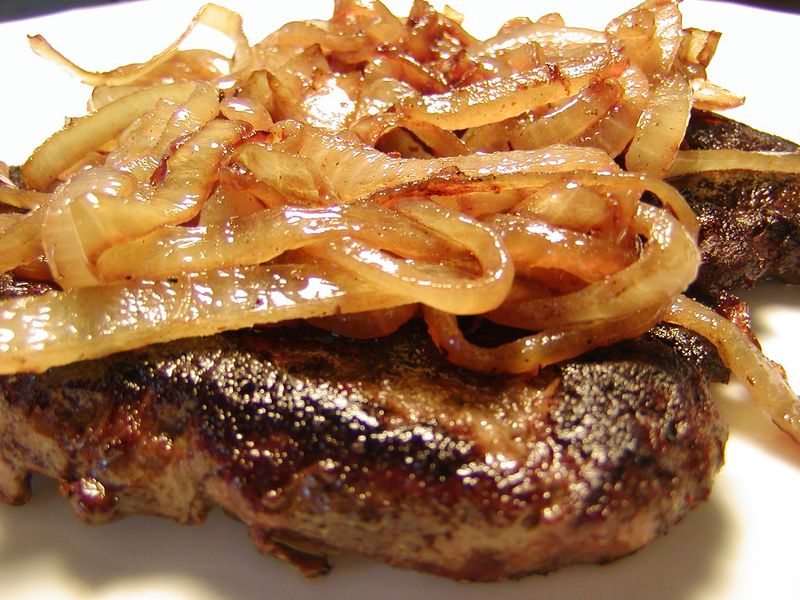
Liver and onions used to be a routine dinner. It is affordable, cooks quickly, and is nutritionally dense with iron and vitamin A.
Caramelized onions bring sweetness, while a quick sear keeps texture tender.
Online, liver triggers strong reactions. The mineral taste, the softness when overcooked, and the perception of offal as scary make it a frequent target.
Pictures can look dark and uneven, which does not help.
Technique is the pivot. Soak in milk briefly, pat very dry, and sear hot for a pink center.
Deglaze with sherry or vinegar for contrast, and finish with butter and parsley. Thin slices, not slabs, improve tenderness.
Served alongside creamy mash or polenta, it becomes balanced and intentional rather than a dare.
10. Shake ‘n Bake Pork Chops
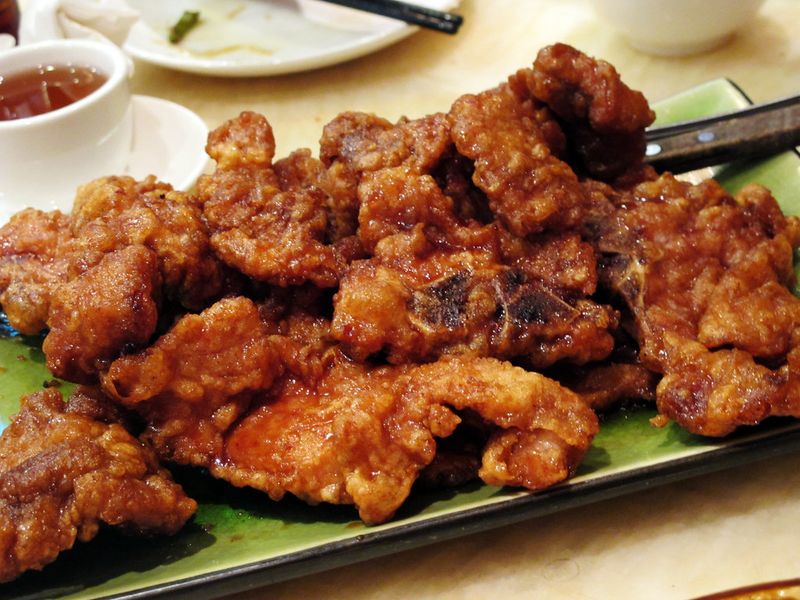
Shake ‘n Bake made crisp-coated pork chops accessible without frying. The bag-and-bake method seasoned and breaded in one step, delivering a weeknight main fast.
It fit the era’s interest in convenience and cleaner kitchens.
Online, dry pork chop trauma is real. Lean chops overcooked in a hot oven lose juiciness, and the coating can taste dusty if it never fully hydrates in rendered fat.
That combination fuels jokes about chewing forever.
Modern fixes help. Choose thicker, bone-in chops, brine briefly, and pull at 140 degrees for a safe, juicy 145 after rest.
Add a light oil mist, place on a rack for airflow, and let carryover finish. A squeeze of lemon and a pan sauce from mustard and stock add moisture.
The result keeps the crisp concept without the sawdust stereotype.
11. Beef Tongue (often braised)
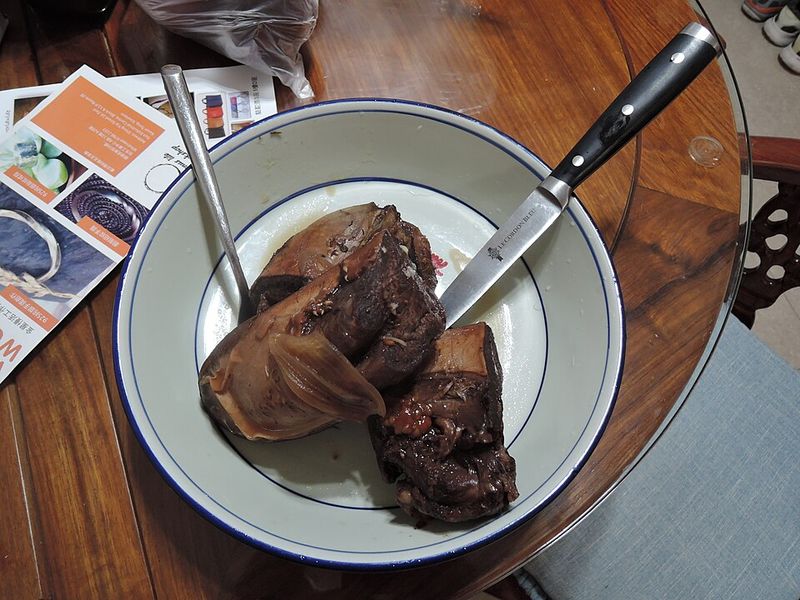
Beef tongue was common in many households and delis. It is economical for the yield, deeply beefy, and tender when braised then peeled and sliced.
The cooking liquid makes a rich sauce or stock for later meals.
Online, unfamiliar cuts get roasted. People assume weird equals unsafe or unpleasant, and photos of whole tongue before peeling can shock.
That first impression crowds out discussions of flavor and sustainability.
Handled well, it is excellent. Simmer with aromatics until tender, peel while warm, then chill for clean slices.
Pan-sear slices to add crust, and finish with a tangy sauce or pile into tacos with onions and cilantro. Normalizing nose-to-tail eating reduces waste and expands options beyond steak and ground beef.
12. Sloppy Joes
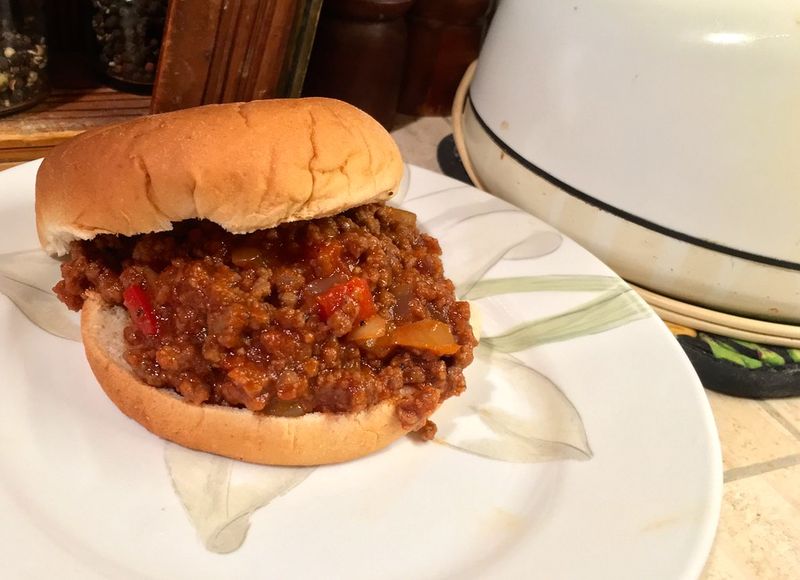
Sloppy Joes are ground beef simmered in a sweet-savory tomato sauce, piled on a soft bun. They became popular for feeding groups with minimal prep and predictable flavor.
The texture is loose by design, encouraging big, saucy bites.
Online, the mess becomes the joke. The mixture can look like cafeteria ladle food, glossy and indistinct.
Sweetness levels vary, and overly sugary versions fuel criticism.
Balance fixes the reputation. Bloom spices, add vinegar or mustard for tang, and finish with smoked paprika or chipotle for depth.
Toasted buns hold structure, while a quick slaw or pickles cut richness. Portioning with a scoop keeps things neat enough for photos.
You keep the comfort and gain contrast and control.
13. Vienna Sausages + Instant Mashed Potatoes
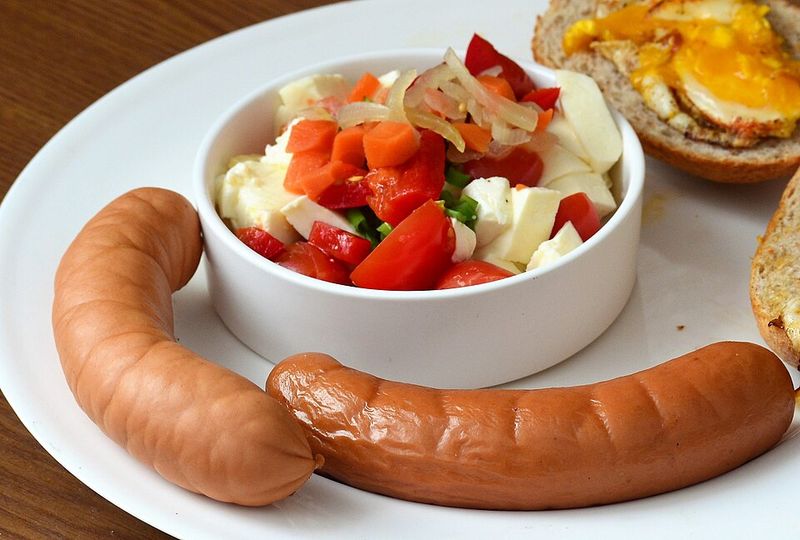
Vienna sausages with instant mashed potatoes show how families stretched budgets and time. The sausages store for months, heat in minutes, and deliver predictable salt and fat.
Instant potatoes offered volume and comfort with just water, milk, and butter.
On today’s internet, canned sausages invite automatic roasting. Their pale color, soft texture, and tiny size read toy-like.
Instant potatoes can taste flat when mixed only with water, and that plainness gets called out.
You can improve both quickly. Brown sausages in a hot pan for color, add a spoon of mustard, and finish with onions.
Enrich potatoes with stock, butter, and sour cream, then season assertively. A side of frozen peas with lemon or a quick cucumber salad adds freshness.
The result is still fast but feels considered, not apologetic.



