 Unearth The Voyage
Travel tastes change fast, and some once-buzzy spots are seeing thinner crowds and quieter streets. Prices rose, flights got trickier, and travelers started chasing better value and fresh experiences.
If you have noticed shorter lines and easier dinner reservations, you are not imagining it. Here are the former hot tickets that many Americans now skip, plus what changed and what to consider instead.
1. Las Vegas, Nevada
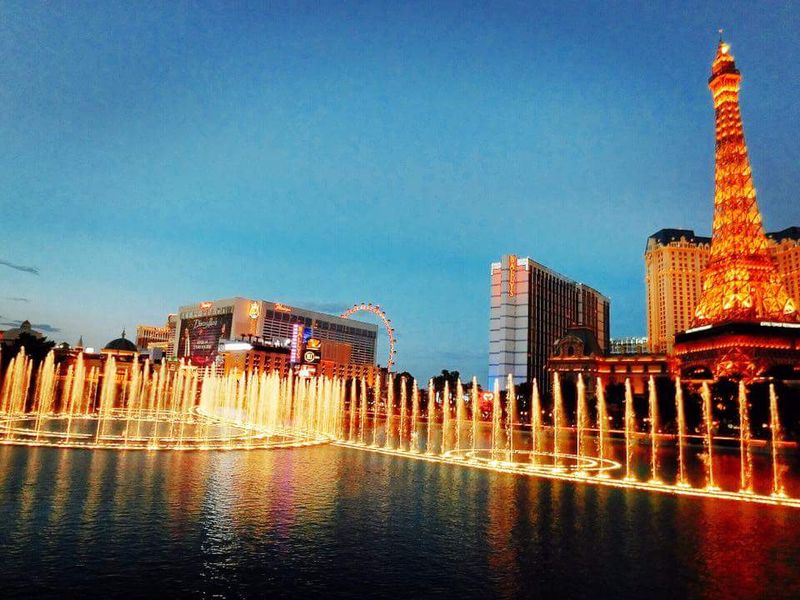
Las Vegas used to be the no brainer weekend escape, but sticker shock hits harder now. Resort fees, ride shares, and show tickets add up fast, and the budget buffet days feel long gone.
You notice fewer comp deals and more surge pricing on everything.
Visitor numbers dipped as travelers traded roulette tables for road trips and national parks. Value focused guests look beyond neon to find experiences that feel less manufactured.
If you still go, hunt midweek rates, skip the Strip rideshare zones, and eat off Strip for better prices.
2. Miami, Florida
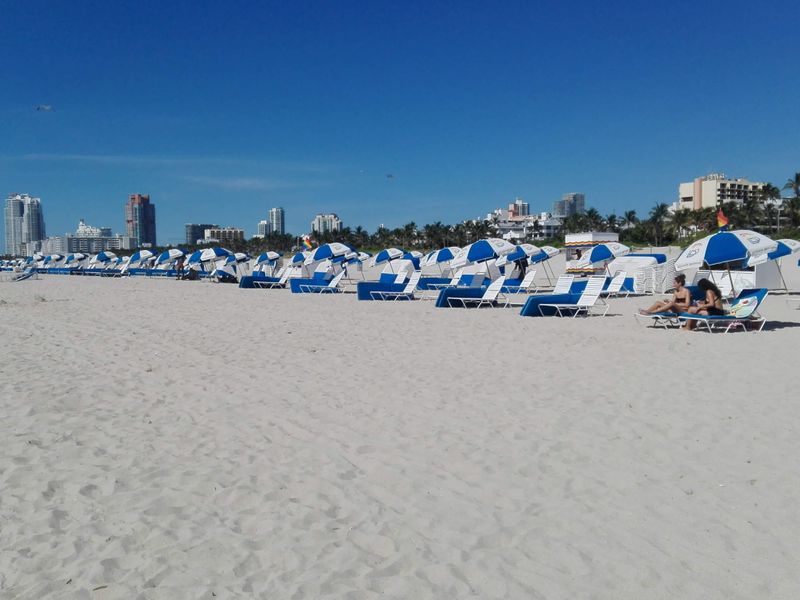
Miami still sparkles, but many beach seekers now chase better value in the Caribbean or Mexico. Resort fees, parking costs, and nightlife premiums wear people out quickly.
You can feel the shift when Collins Avenue seems less gridlocked at dusk.
For a leaner trip, choose neighborhood joints in Little Havana and save South Beach for sunrise. Off season offers pockets of affordability if you watch hurricane timing.
If you want pure beach bliss, compare islands where flights and packages bundle smarter. Miami remains fun, just not everyone’s first pick.
3. New York City, New York
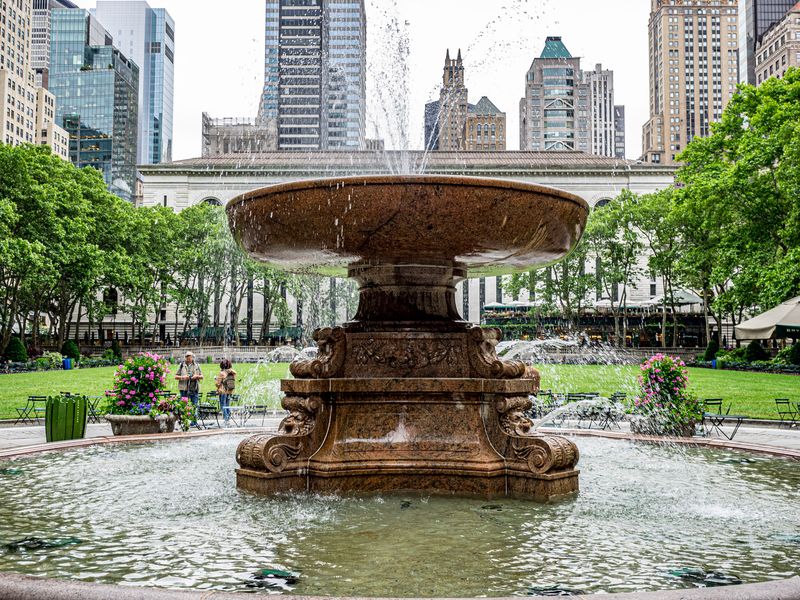
New York still delivers big moments, yet tourism headwinds show. Visa issues and safety worries have some visitors pausing trips.
Hotel rates jump during events, and restaurant prices can surprise even savvy planners.
If you go, explore beyond midtown to save money and sanity. Queens food halls, the Bronx’s green spaces, and Brooklyn waterfronts offer real character.
Buy subway passes, book timed museum entries, and choose free cultural events. The city rewards curiosity, but many travelers now chase easier, cheaper adventures elsewhere.
4. Atlantic City, New Jersey
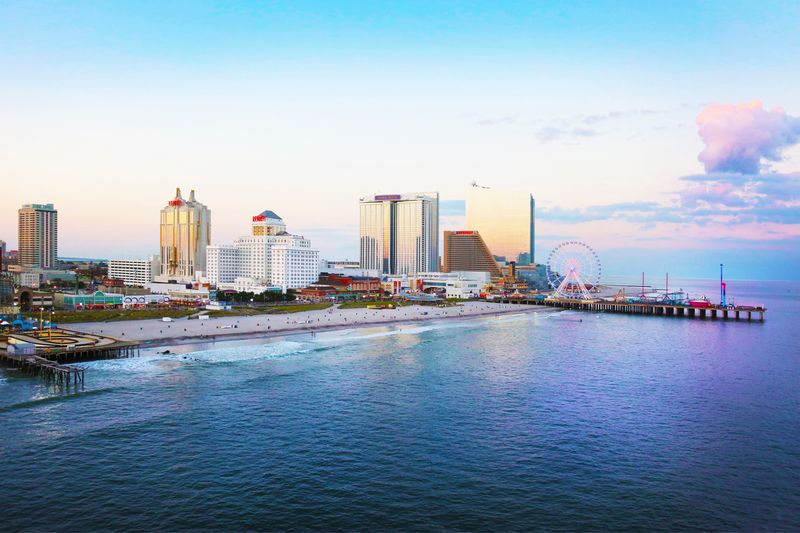
Atlantic City’s boardwalk once buzzed nonstop, but the energy is patchier now. Some casinos refreshed, others lag, and midweek feels downright sleepy.
Shoppers find fewer standout stores, and entertainment calendars vary season to season.
If nostalgia calls, you can score cheap midweek rooms and long beach walks. For a livelier scene, compare nearby shore towns with upgraded dining and family friendly vibes.
You might still enjoy the boardwalk’s quirks, just adjust expectations. The glitz is softer, the crowds thinner, and value requires careful timing.
5. Aspen, Colorado
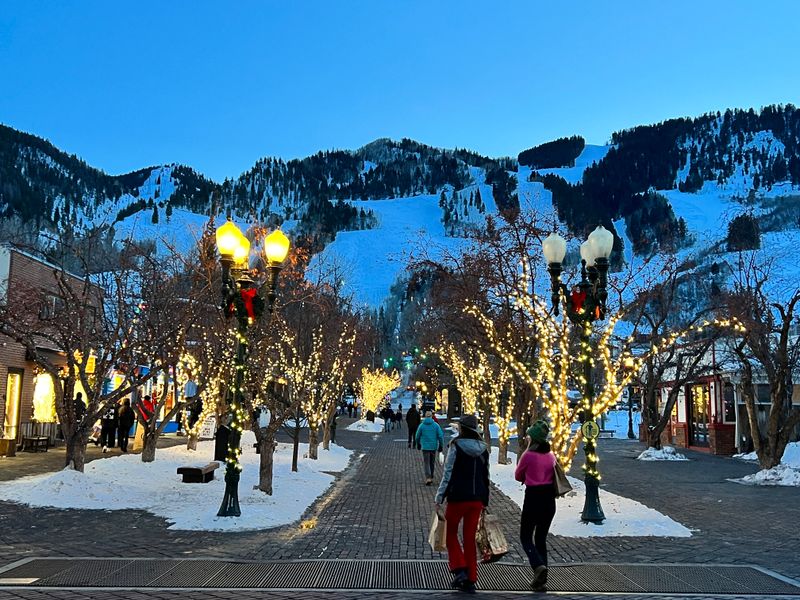
Aspen’s slopes still gleam, but costs climbed into rare air. Lift tickets, rentals, and lodging create a steep barrier for many skiers.
You feel it when a simple lunch rivals a dinner back home.
Travelers pivot to Ikon or Epic resorts with better package math or smaller mountains with charm. Shoulder seasons invite hikers and leaf peepers who prefer boutique inns in nearby towns.
If Aspen calls, book early, share lodging, and cook a few meals. Otherwise, Colorado’s quieter valleys deliver powder without the premium.
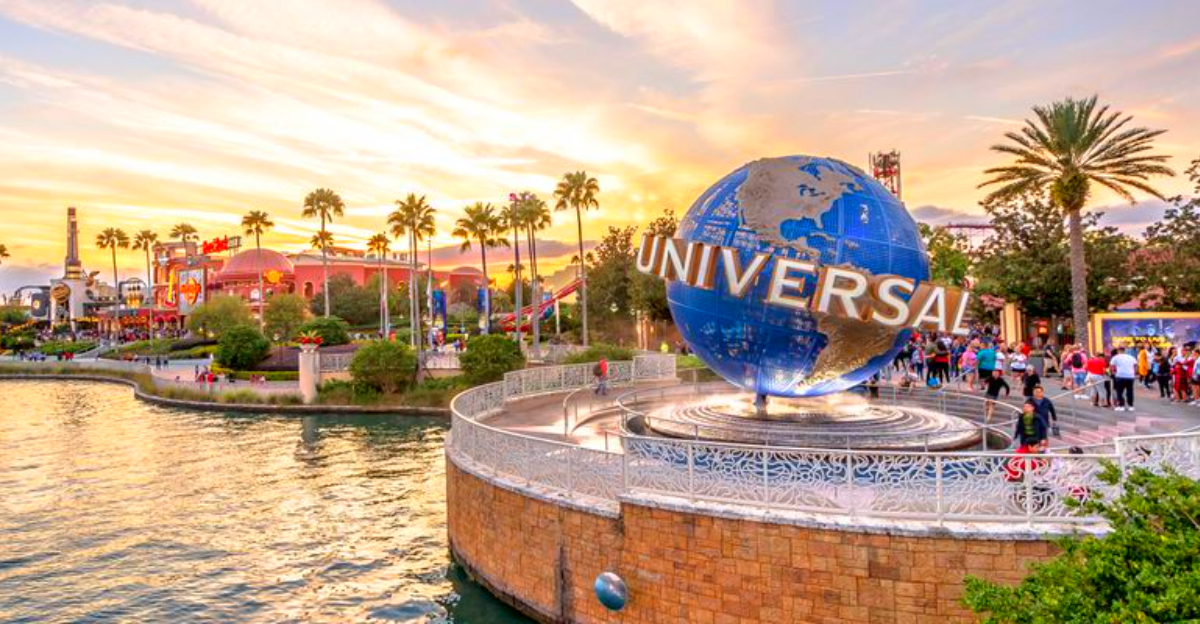
6. Orlando, Florida
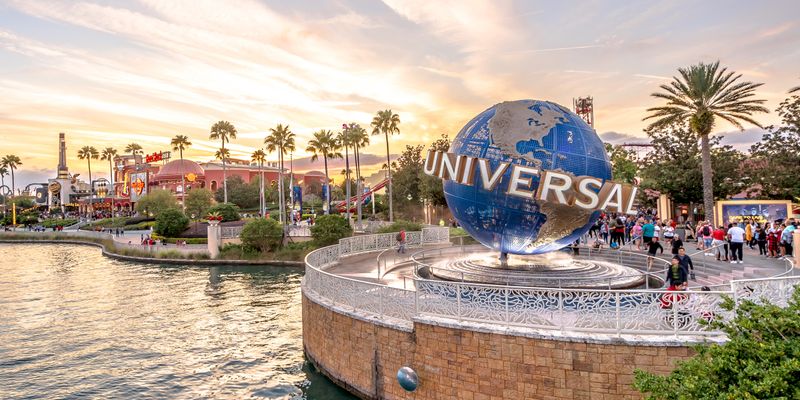
Orlando’s magic is real, but international arrivals slowed and the parks feel different. Visa hurdles and higher package costs mean fewer families flying in for weeklong splurges.
You might enjoy shorter queues, yet dynamic ticket pricing still stings.
Locals say off season windows are wider now, though hotel promos vary wildly. If you go, plan strategically: arrive early, bring snacks, and target weekdays.
Consider mixing free springs or state parks with a one day park hit. That balance keeps the budget in check without sacrificing memories.
7. Niagara Falls, New York/Canada
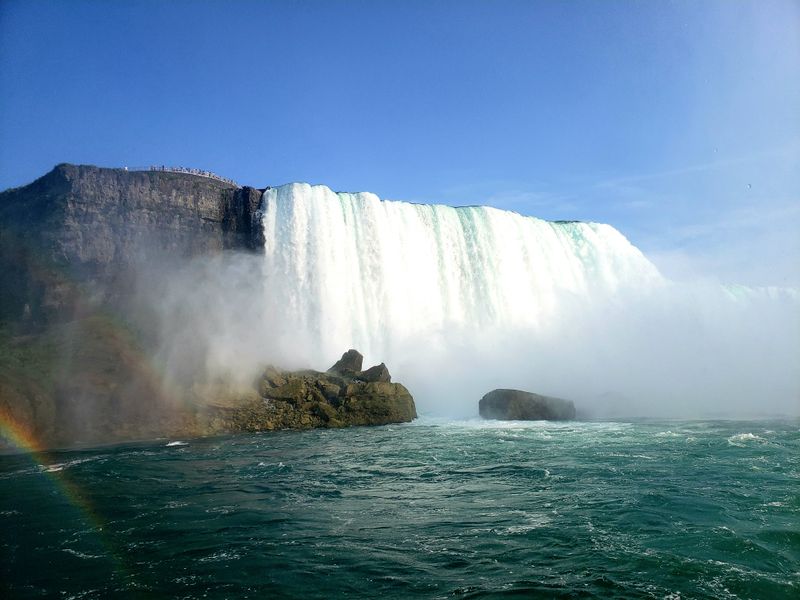
Niagara’s roar still thrills, yet the honeymoon mystique faded. Many couples chase remote beaches or foodie cities instead of heart shaped tubs.
Day trippers snap photos, then continue to wineries or Toronto.
To make it special, time sunrise at the Horseshoe Falls and cross border viewpoints if paperwork allows. Off season rates help, and nearby trails add depth beyond souvenir rows.
It remains bucket list worthy for first timers, just not a weeklong anchor anymore. Short, intentional visits win.
8. Mall of America, Minnesota
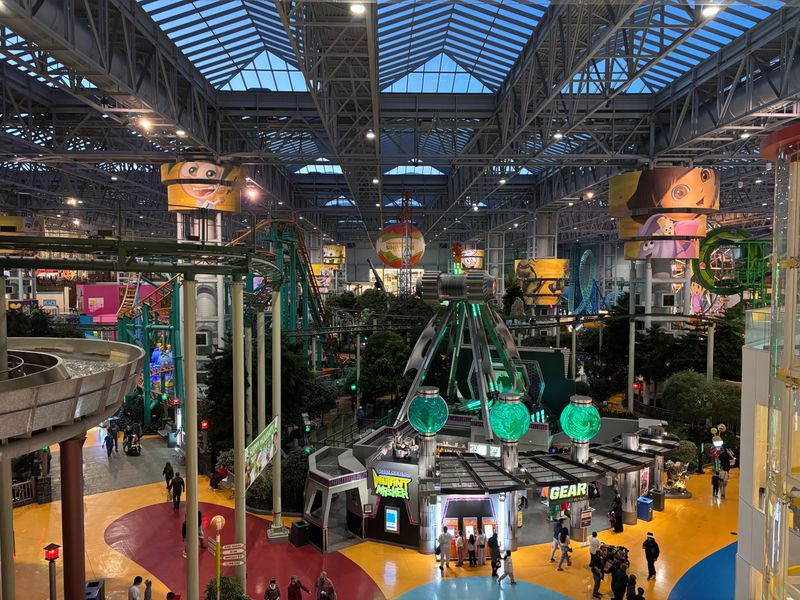
Mall of America once felt like a pilgrimage, but e commerce changed habits. Families still come for rides, yet shopping bags are lighter.
You notice more food court lingering and fewer big ticket hauls.
If you go, treat it like an indoor theme park with bonus browsing. Plan a budget for attractions and skip impulse buys.
Nearby Twin Cities museums and lakes deliver richer experiences for the same spend. The mall can still be fun, just no longer the blockbuster draw it used to be.
9. Fisherman’s Wharf, San Francisco, California
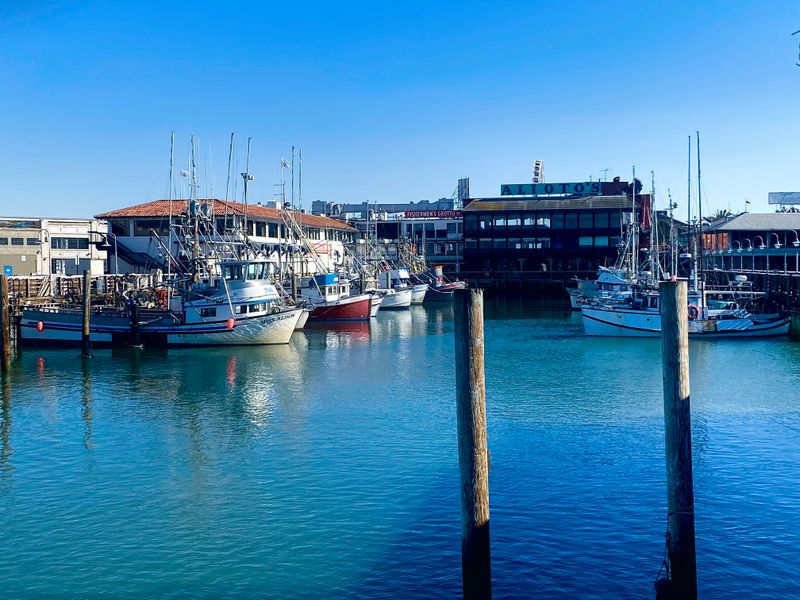
Fisherman’s Wharf stayed photogenic, but travelers chase more dynamic San Francisco neighborhoods now. Pier souvenirs and chowder bowls compete with rising prices and repeat fatigue.
You feel the lull when the waterfront sidewalks open up at noon.
For better value, ride the ferry to the Presidio, explore Richmond eats, or walk Lands End. Time cable car rides early, then pivot to local bakeries and parks.
The Wharf works for quick snapshots, not full day itineraries anymore. Short, selective stops keep the magic intact.
10. Four Corners Monument (AZ/UT/CO/NM)

Four Corners had massive novelty appeal, but many road trippers now skip it. The marker’s quick photo op rarely justifies the detour for tight itineraries.
Fees and limited nearby amenities push travelers toward richer parks.
If you still want the checklist moment, arrive early and keep expectations realistic. Tie it to Monument Valley, Mesa Verde, or Bears Ears for substance.
Bring water, sun protection, and patience for winds. You will get the snapshot, then be glad you planned bigger landscapes around it.
11. Key West, Florida
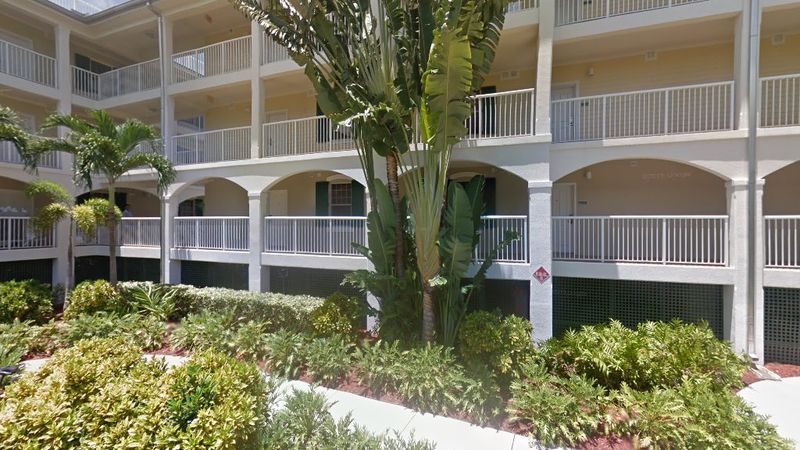
Key West’s sunsets still wow, but some travelers prefer quieter, cheaper coasts. Long drives, pricey lodging, and cruise waves make timing tricky.
You notice more space at Mallory Square and fewer packed bars midweek.
For a smarter trip, aim shoulder season, bike instead of rideshares, and book guesthouses early. Snorkel from less crowded operators and spend afternoons kayaking mangroves.
The island charms at a slower pace when you plan intentionally. Many Americans now chase Gulf towns that stretch budgets further.
12. Branson, Missouri
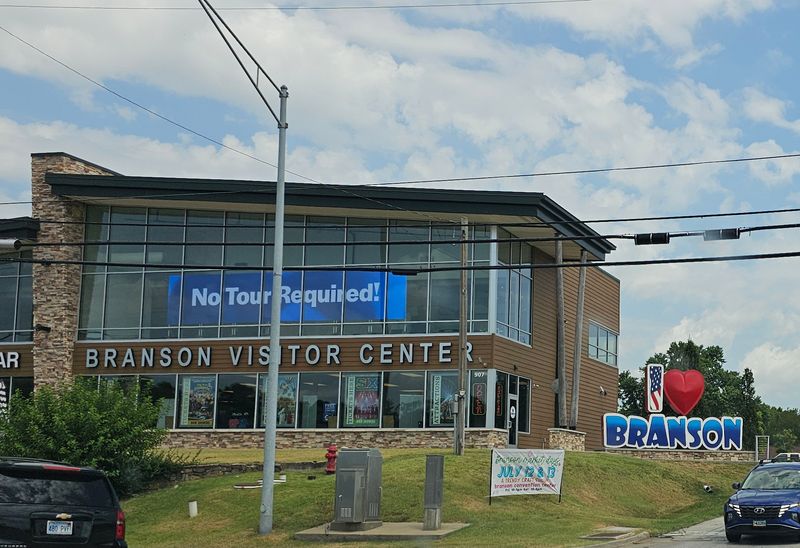
Branson once dominated family road trips, but options multiplied nationwide. Theme parks, beach towns, and outdoor resorts compete for limited time.
You might find show seats plentiful and traffic less intense than before.
If you go, lean into nature with lakes, hikes, and quieter museums. Weekday deals beat weekends, and cabin rentals stretch budgets.
The entertainment still has heart, just fewer must see headliners. Many families now split trips between cities and state parks instead of dedicating a whole week here.
13. Pigeon Forge and Gatlinburg, Tennessee
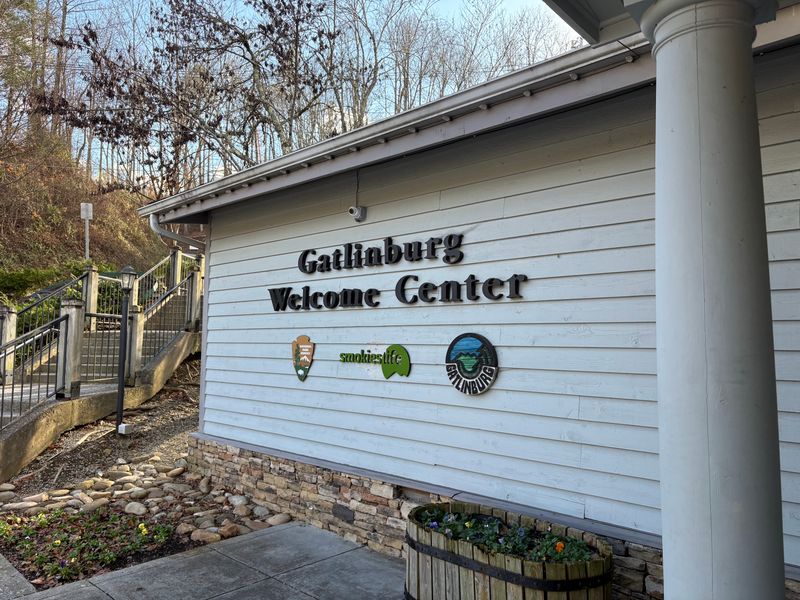
Pigeon Forge and Gatlinburg used to overflow year round, but crowds eased a bit. Travelers seek quieter mountain towns and national park trailheads beyond the main strip.
Prices rose with popularity, nudging families to broaden their circle.
If you go, anchor days in Great Smoky Mountains National Park and minimize souvenir stops. Early trail starts, picnic lunches, and cabin kitchens help budgets.
The region still shines with nature and nostalgia, just not everyone’s default pick anymore. Choose weekdays and shoulder seasons to keep it peaceful.



