 Unearth The Voyage
History books are full of kings, generals, and geniuses who planned their way to greatness. But some of the biggest changes in human history came from totally regular people who were just going about their day.
A curious kid, a forgetful scientist, a secretary who kept some papers safe – these folks had no idea they were about to matter. Get ready for the wildest collection of accidental world-changers you never learned about in school.
Mary Anning, the Fossil Hunter Who Helped Launch Paleontology
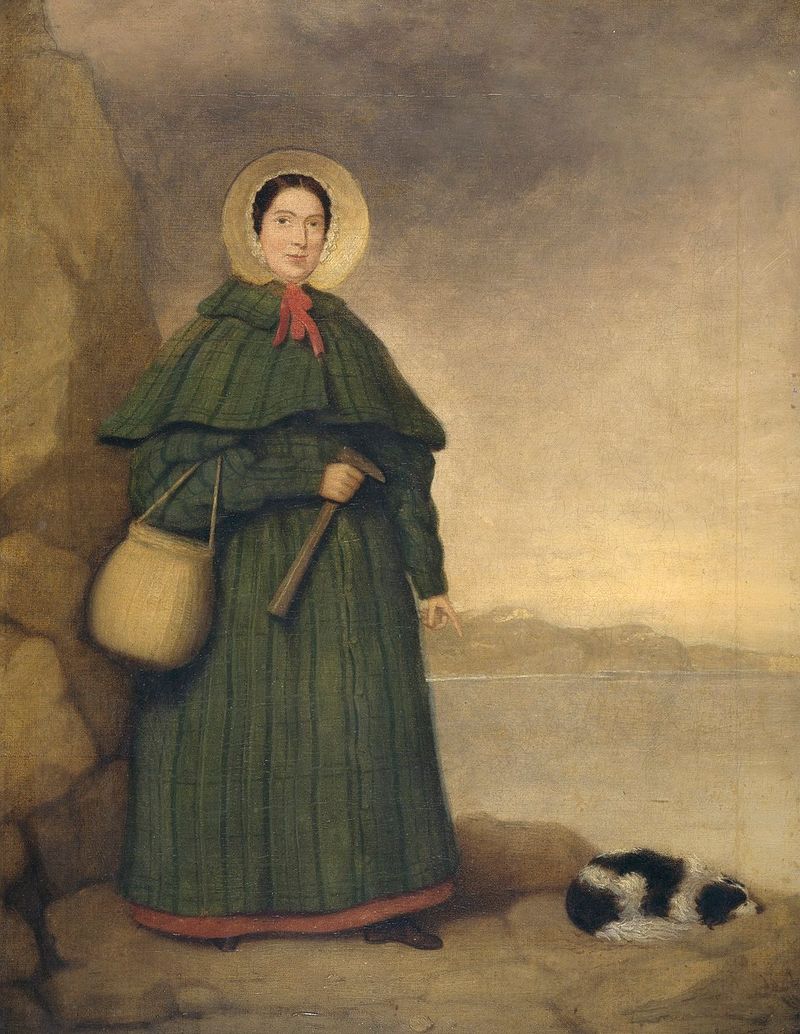
She started digging fossils as a kid just to help her family pay the bills. Mary Anning grew up poor in Lyme Regis, England, and sold fossils to tourists for pocket change.
Nobody handed her a lab coat or a research grant.
At 12, she and her brother uncovered a massive ichthyosaur skull along the cliffs. Scientists were baffled.
The creature had no match in any known species. Suddenly, people had to rethink how old the Earth actually was.
Anning kept digging and discovered plesiosaurs and pterosaurs too. Male scientists often published papers based on her finds without crediting her.
Still, her work quietly forced the scientific world to accept that extinction was real. She never had formal training, yet she shaped paleontology from the rocky beach of a small English town.
Not bad for a girl selling fossils to make rent.
Alexander Fleming, the Scientist Who Noticed Mold and Changed Medicine
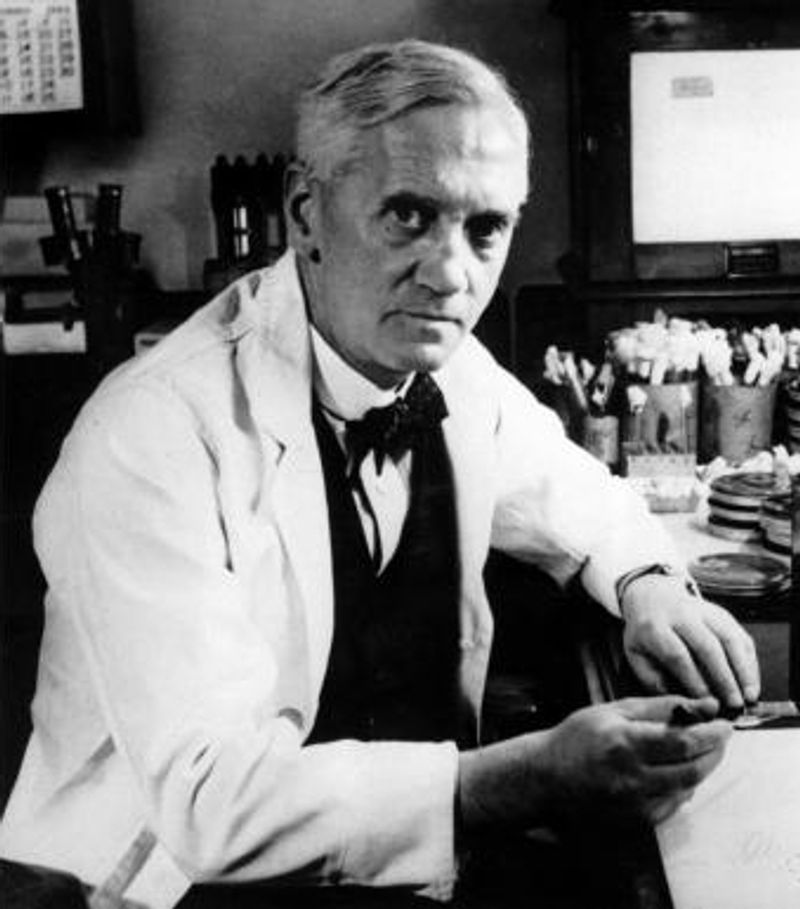
Most people see mold and throw it away. Alexander Fleming saw mold and saved roughly 200 million lives.
That is a pretty solid return on not cleaning your petri dish.
In 1928, Fleming returned from vacation to find a strange fungus had contaminated one of his bacterial cultures. Instead of tossing it, he noticed the bacteria around the mold were dead.
That uninvited fungus was Penicillium notatum, and it was quietly killing germs like a microscopic bouncer.
Fleming published his findings, but penicillin sat mostly ignored for over a decade. It took Howard Florey and Ernst Chain to turn it into the antibiotic that changed the world.
Still, Fleming gets the credit for spotting the clue. He reportedly said the best preparation for discovery is an open mind.
Or maybe just a messy lab and a long holiday. Either works.
Charles Goodyear, the Inventor Whose Rubber Accident Changed Industry
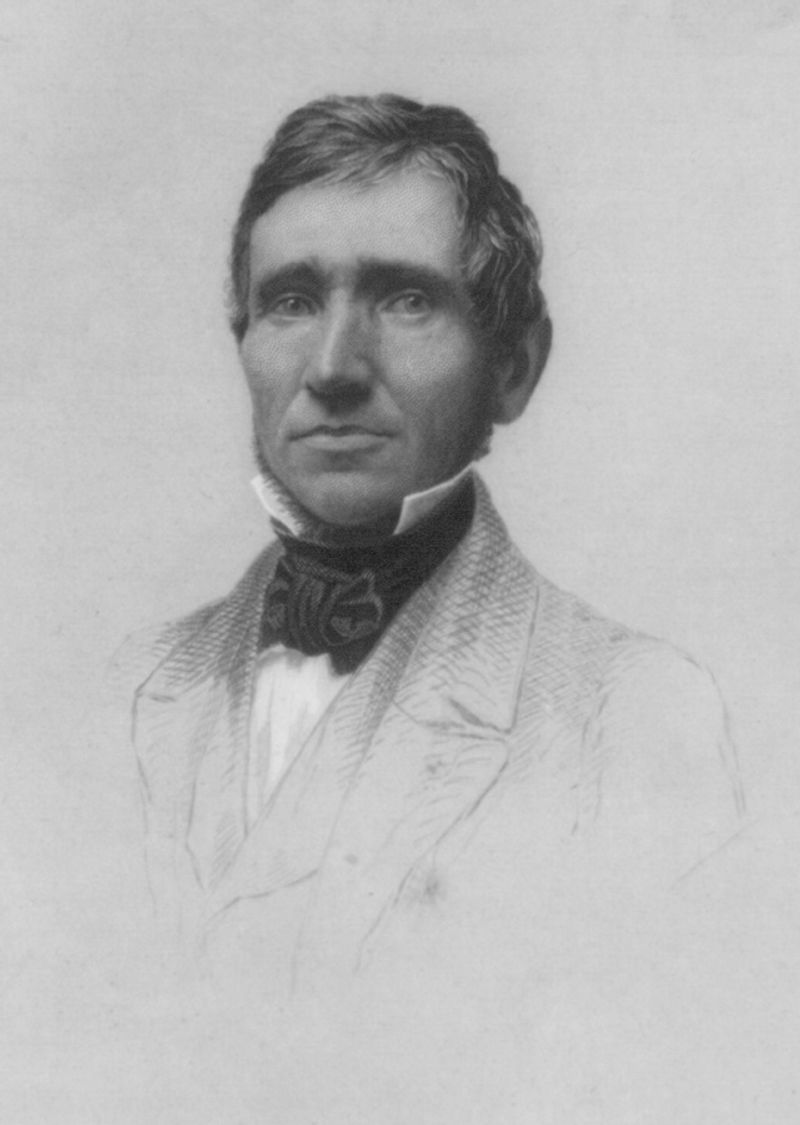
Charles Goodyear was obsessed with rubber at a time when rubber was basically useless. It melted in summer, cracked in winter, and smelled terrible year-round.
His friends and family thought he had lost his mind.
After years of failed experiments and multiple stints in debtors prison, Goodyear accidentally dropped a rubber-sulfur mixture onto a hot stove in 1839. Instead of melting into a gooey mess, it charred slightly and stayed flexible.
He had discovered vulcanization, the process that makes rubber durable and stable.
Goodyear never got rich from his discovery. Other companies copied his patents, and he died 200,000 dollars in debt.
The Goodyear Tire and Rubber Company, named in his honor, was founded 38 years after his death. He never worked for them or profited from them.
History has a funny way of celebrating people just slightly too late to matter to them personally.
George de Mestral, the Hunter Who Turned Burrs Into Velcro
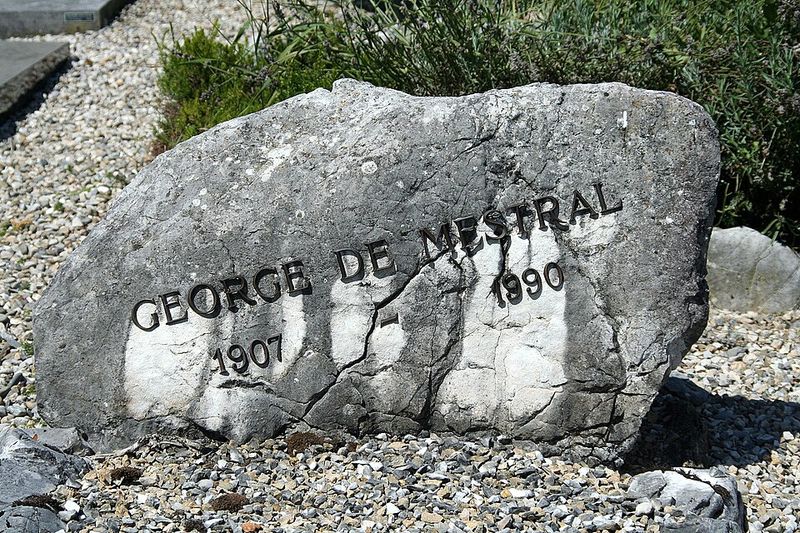
George de Mestral came home from a hunting trip in 1941 annoyed. His jacket and his dog were covered in burdock burrs, and picking them off was a pain.
Most people grumble, pull them off, and move on. De Mestral grabbed a microscope.
Under magnification, he saw that each burr was covered in tiny hooks that grabbed onto fabric loops. The design was simple and brilliant.
He spent the next decade trying to recreate it artificially, mostly getting laughed at by the textile industry along the way.
By 1955, he had patented Velcro, a name combining the French words for velvet and hook. NASA adopted it for astronaut suits.
Surgeons found uses for it. Kids with no patience for shoelaces became its most loyal fans.
De Mestral turned an annoying dog-walking problem into a global fastening revolution. The burr that stuck to his jacket ended up sticking to pretty much everything else too.
Henri Becquerel, the Physicist Who Discovered Radioactivity by Chance
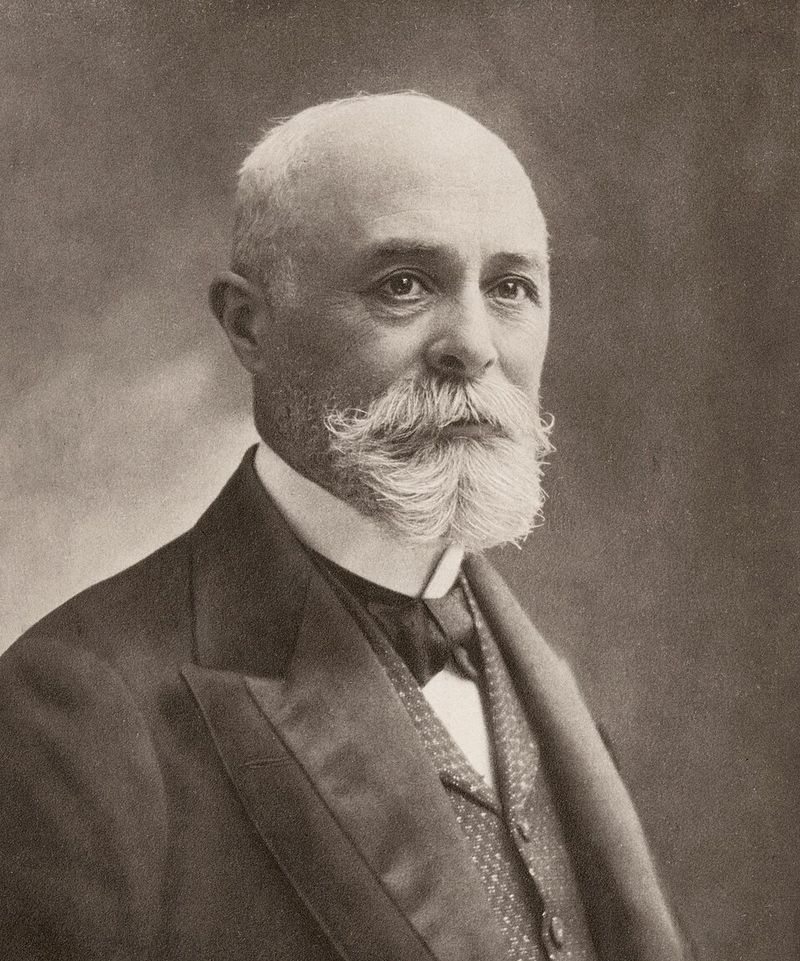
Henri Becquerel planned to study how sunlight energized uranium salts and made them emit X-rays. Then Paris got cloudy.
He shelved his experiment and left uranium-wrapped photographic plates in a drawer together. When he developed the plates days later, they were fully exposed despite zero sunlight.
The uranium had done it all on its own.
That accidental discovery in 1896 revealed that certain elements emit energy spontaneously. Becquerel had stumbled onto radioactivity, a word that did not even exist yet.
He shared the 1903 Nobel Prize in Physics with Marie and Pierre Curie, who took his discovery and ran with it.
Radioactivity changed medicine, energy, and warfare forever. Nuclear power, cancer radiation therapy, and atomic weapons all trace back to a cloudy week in Paris and one physicist who could not find enough sunlight.
Sometimes bad weather is the best thing that can happen to science. Becquerel would probably agree.
Kitty Genovese, the Woman Whose Murder Reshaped Psychology and Emergency Response
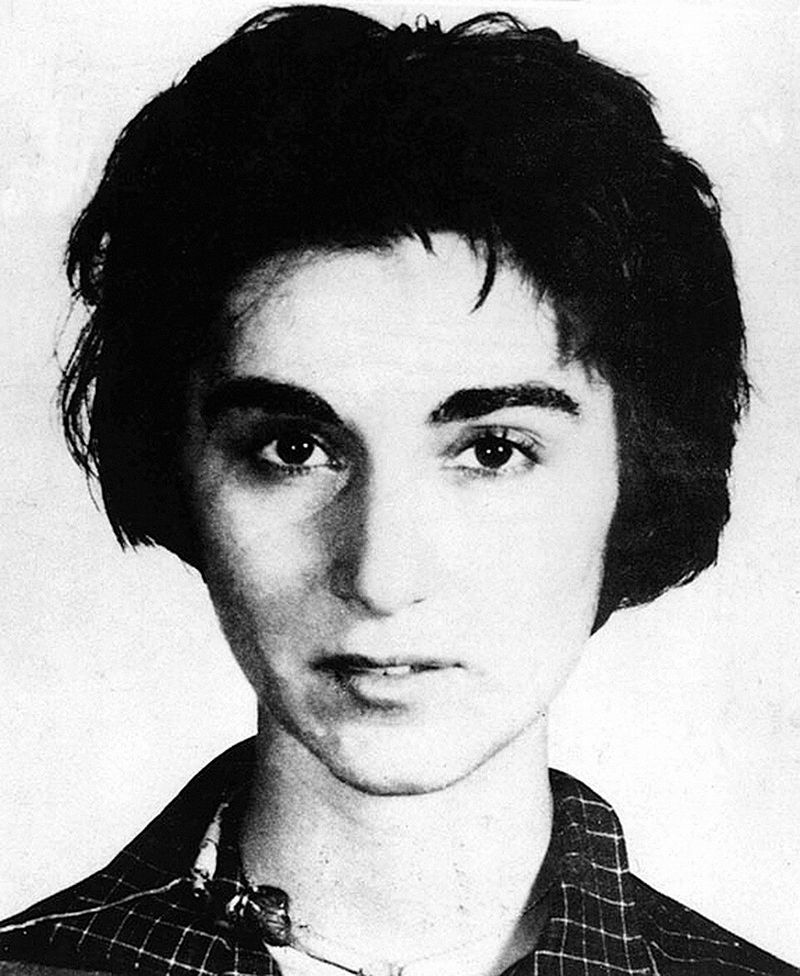
Kitty Genovese was 28 years old when she was attacked outside her Queens apartment in 1964. The New York Times reported that 38 neighbors had watched and done nothing.
That number was later disputed, but the story had already changed everything.
Psychologists John Darley and Bibb Latane were disturbed by the reports and ran experiments to understand why people fail to help in emergencies. They identified the bystander effect: the more witnesses present, the less likely any individual feels personally responsible to act.
It was a genuinely unsettling finding about human nature.
Their research led to major changes in emergency response training, public safety campaigns, and how cities design call-for-help systems. The 911 emergency line was partly inspired by the need for a clear, simple way to summon help.
Genovese never chose to become a case study. But her story pushed the world to take a hard, uncomfortable look at what people do when they think someone else will handle it.
Kim Phuc, the Child at the Center of a Photo That Shook the World
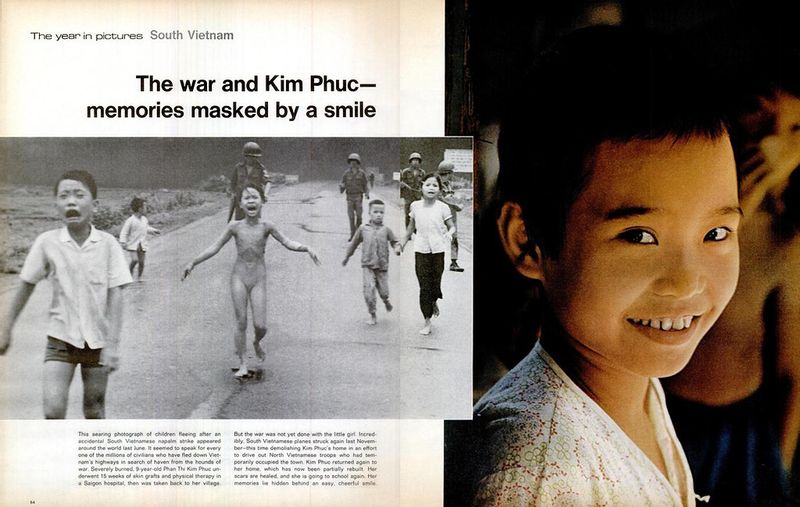
Nick Ut took the photo. But Kim Phuc lived it.
She was nine years old when a napalm bomb hit her village of Trang Bang, Vietnam, in 1972. She ran down the road, badly burned, screaming.
Ut captured the moment and then took her to a hospital.
The photograph won the Pulitzer Prize and became one of the most powerful anti-war images ever published. It ran on front pages worldwide and shifted public opinion on the Vietnam War in a way that political speeches simply could not match.
A single image of one child changed the conversation.
Kim Phuc survived after 17 surgeries. She later became a UNESCO Goodwill Ambassador and founded an organization helping child victims of war.
She has spoken publicly about forgiveness and healing for decades. She did not choose to be a symbol.
But she chose what to do with it, and that choice has helped thousands of children around the world.
Tank Man, the Unknown Protester Who Became a Global Symbol of Defiance

Nobody knows his name. Nobody knows what happened to him after the cameras stopped rolling.
But on June 5, 1989, one man stood alone in front of a column of tanks rolling through Tiananmen Square in Beijing, and the whole world held its breath.
The Chinese government had just violently suppressed pro-democracy protests. Hundreds, possibly thousands, had been killed.
Then this one man, carrying shopping bags, stepped into the street and refused to move. The lead tank tried to go around him.
He stepped in front of it again. And again.
Photographers captured it from hotel windows. The images were smuggled out and published worldwide.
Tank Man became an instant symbol of individual courage against overwhelming power. China has censored the image ever since.
His identity remains unknown, his fate unconfirmed. He never gave an interview or signed a book deal.
He just stood there. And somehow that was enough to be remembered forever.
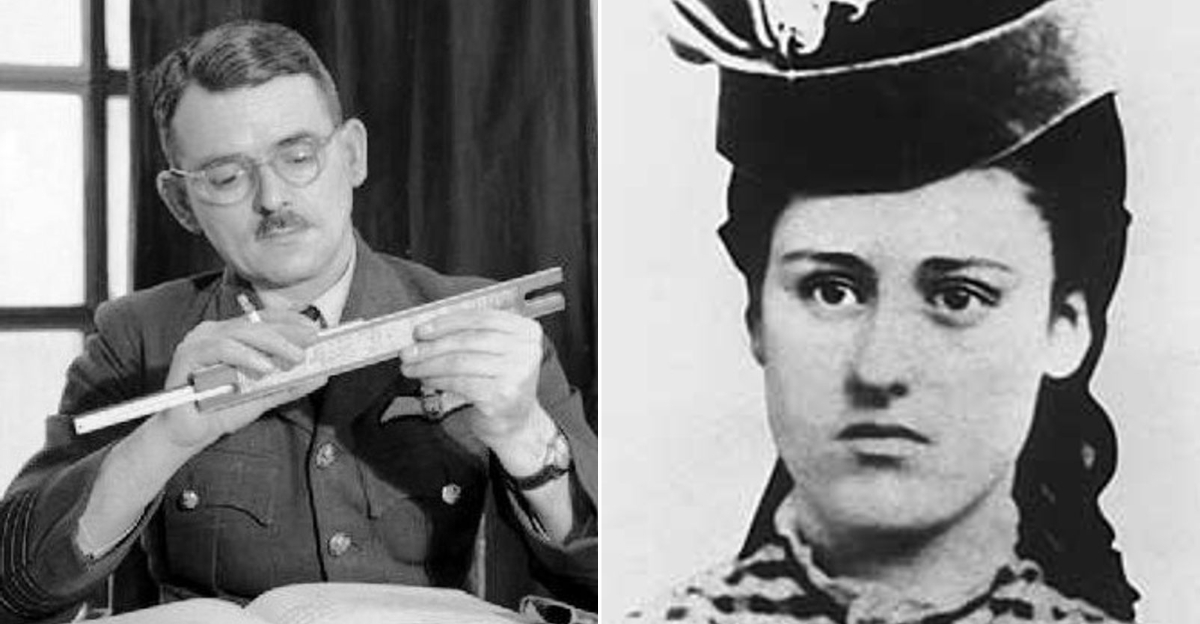
Frank Whittle, the Young RAF Officer Who Helped Bring About the Jet Age
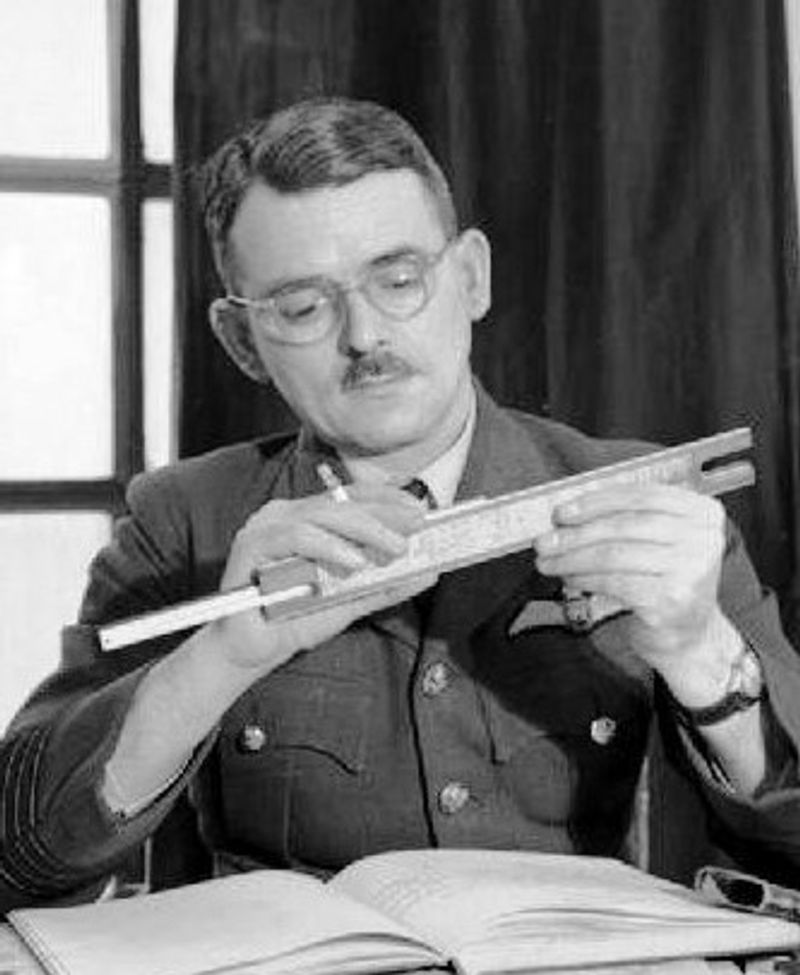
Frank Whittle was a 22-year-old Royal Air Force cadet when he submitted his thesis proposing jet propulsion as the future of flight. His superiors were unimpressed.
The British Air Ministry passed on funding it. Even Rolls-Royce turned him down.
The kid was ahead of his time in the most frustrating way possible.
Whittle kept going anyway. He patented his jet engine design in 1930 and scraped together funding from private investors.
By 1937, his engine ran successfully in testing. By 1941, a jet-powered aircraft made its first flight in Britain.
Meanwhile, Germany had independently developed jet engines and was already flying them in combat.
After the war, jet travel transformed the world. Flights that once took days now took hours.
Whittle received a knighthood and a cash award, though far less than his invention was worth. He was eventually recognized as a founding father of the jet age.
Not bad for a cadet whose thesis got a polite rejection.
Miep Gies, the Secretary Who Preserved Anne Frank’s Diary
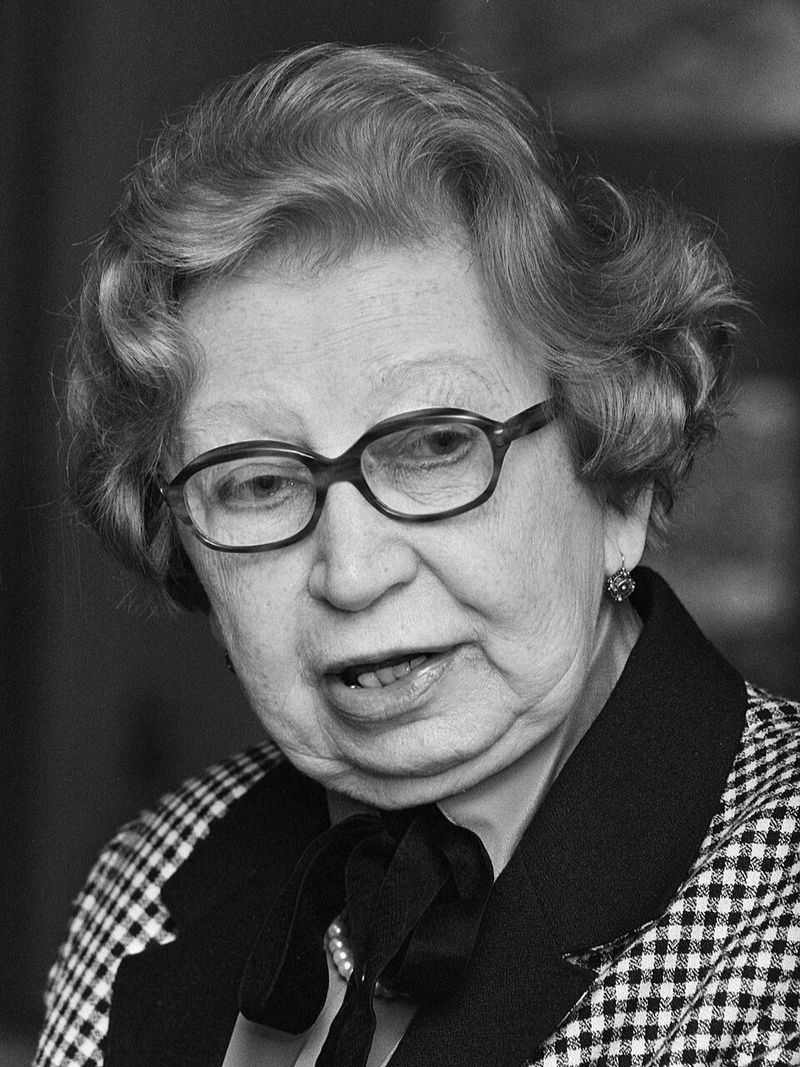
When the Nazis raided the secret annex in Amsterdam on August 4, 1944, Miep Gies rushed upstairs afterward and gathered what she found on the floor. She did not read it.
She locked it in her desk drawer, intending to return it to Anne Frank when the war ended.
Anne Frank never came back. She died in Bergen-Belsen concentration camp in early 1945.
Miep gave the diary to Anne’s father, Otto Frank, the only family member to survive. She later said she had not read it because if she had known its contents, she might not have been able to hand it over.
Otto Frank published the diary in 1947. It has since been translated into over 70 languages and read by tens of millions of people.
Miep Gies called herself ordinary. But she hid a Jewish family for two years at enormous personal risk, then preserved the most widely read testimony of the Holocaust.
Ordinary is not the word that comes to mind.
Srinivasa Ramanujan, the Clerk Whose Letter Reached Hardy and Changed Mathematics
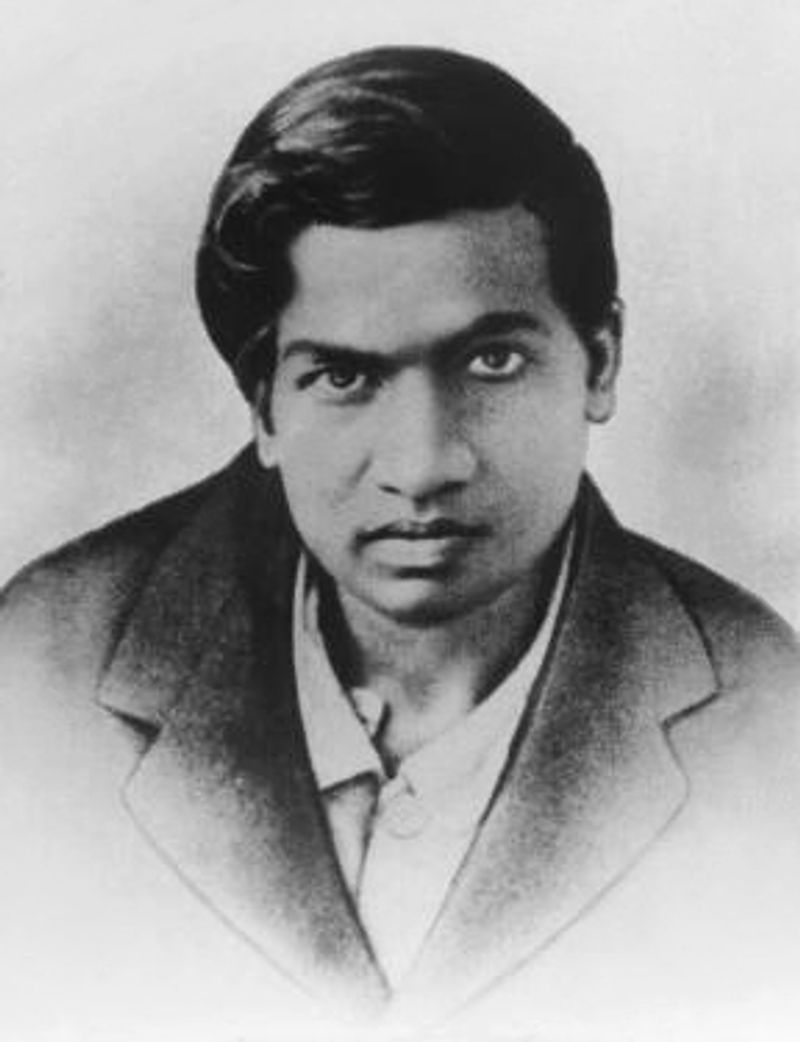
Srinivasa Ramanujan had no formal advanced training in mathematics. He was working as a clerk in Madras, India, earning the equivalent of about 20 dollars a month.
In his spare time, he was quietly producing some of the most astonishing mathematical work anyone had ever seen.
In 1913, he sent a letter stuffed with theorems to G.H. Hardy, a top mathematician at Cambridge.
Hardy initially thought it might be a fraud. Then he sat down and actually read it.
He later said the results were so extraordinary that only a mathematician of the highest class could have written them.
Hardy brought Ramanujan to Cambridge, where he produced groundbreaking work in number theory, infinite series, and continued fractions. He died at 32, likely from tuberculosis worsened by the English climate and dietary restrictions.
His notebooks contained thousands of theorems, many of which mathematicians are still proving today. One letter from a clerk changed the course of an entire field.
Alexander Selkirk, the Castaway Who Inspired Robinson Crusoe
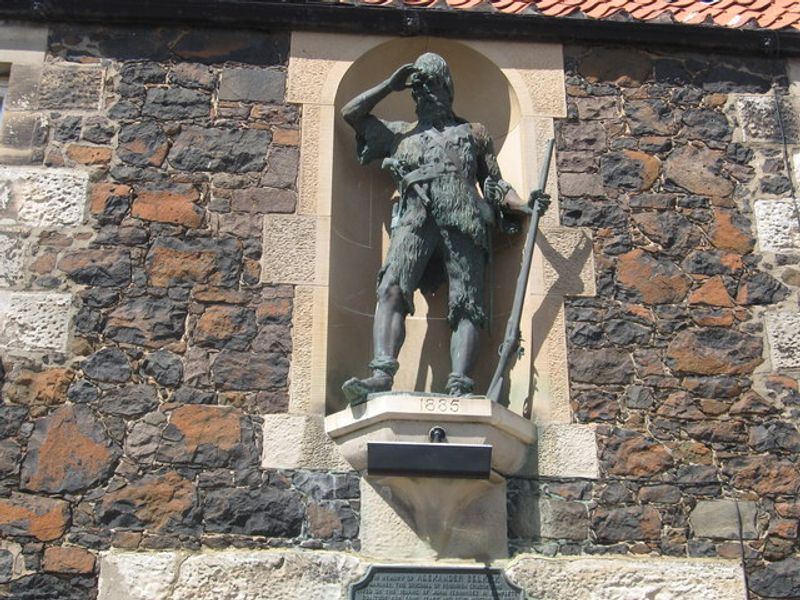
Alexander Selkirk was a Scottish sailor with a temper and strong opinions about ship safety. In 1704, he argued with his captain so fiercely about the seaworthiness of their vessel that he demanded to be left ashore on a remote Pacific island.
His captain obliged. The ship sailed away.
Selkirk spent four years and four months alone on Mas a Tierra, an island off the coast of Chile. He learned to hunt goats, built shelters, and reportedly went a little feral before rescuers arrived in 1709.
The ship he had refused to stay on later sank, killing most of the crew. His instincts were correct.
His timing was terrible.
Writer Daniel Defoe heard Selkirk’s story and turned it into Robinson Crusoe in 1719, one of the earliest and most influential novels in the English language. The island was later renamed Robinson Crusoe Island in honor of the fictional character inspired by a very real, very stubborn sailor.
Grace Bedell, the Eleven-Year-Old Girl Who Convinced Lincoln to Grow His Beard
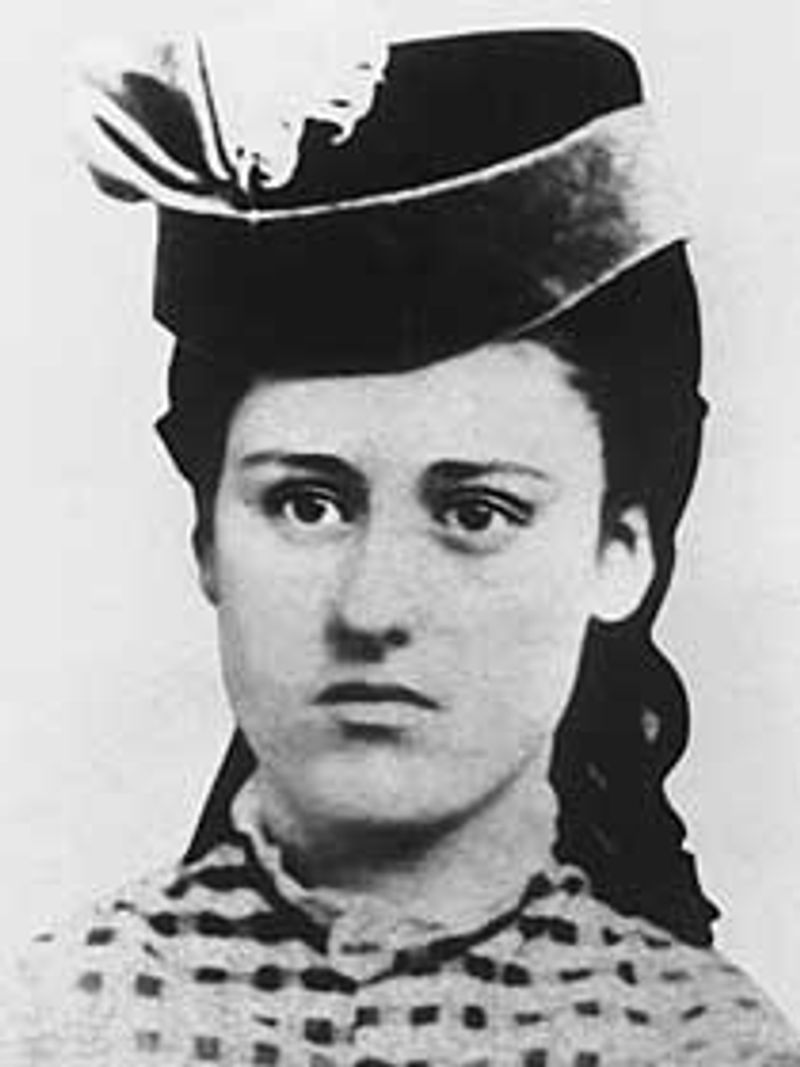
She was just a kid from Westfield, New York, and she had an opinion about Abraham Lincoln’s face. In October 1860, eleven-year-old Grace Bedell wrote Lincoln a letter suggesting he grow a beard.
She thought it would make him look better and help him win more votes.
Lincoln actually wrote back. He was playful about it, wondering if people might think it was a silly move.
But he grew the beard anyway. When his train stopped in Westfield on the way to his inauguration, he spotted Grace in the crowd and gave her a kiss on the cheek.
That beard became one of the most iconic images in American history, all because a young girl sent a letter nobody expected him to answer.



