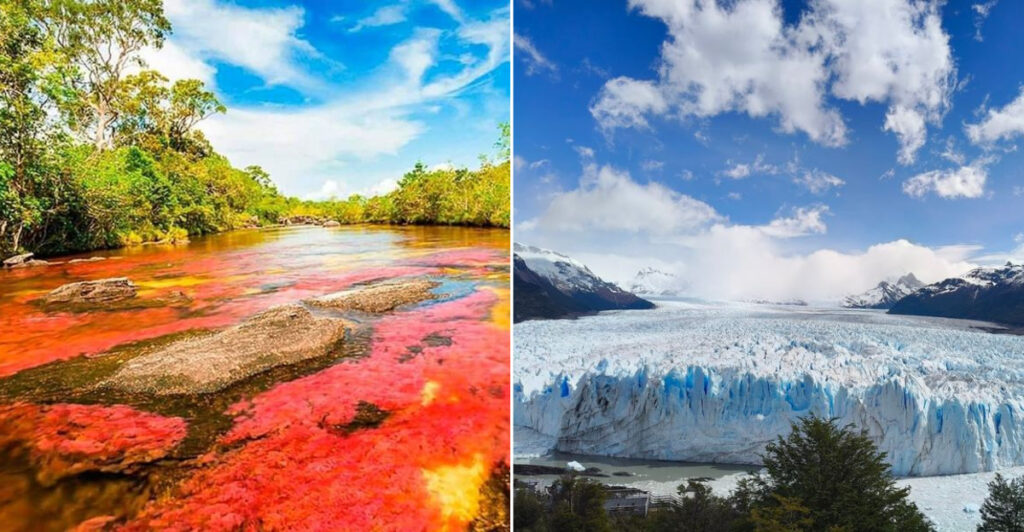
Beach vacations are great, but South America is hiding some seriously jaw-dropping alternatives. From ancient ruins perched on mountain cliffs to salt flats that look like another planet, this continent has destinations that will make you forget all about sunscreen and overpriced cocktails.
I took my first trip to Peru expecting ruins and got a full-on life reset instead. If you are ready to swap the beach towel for something way more memorable, these 13 places are calling your name.
Machu Picchu, Peru
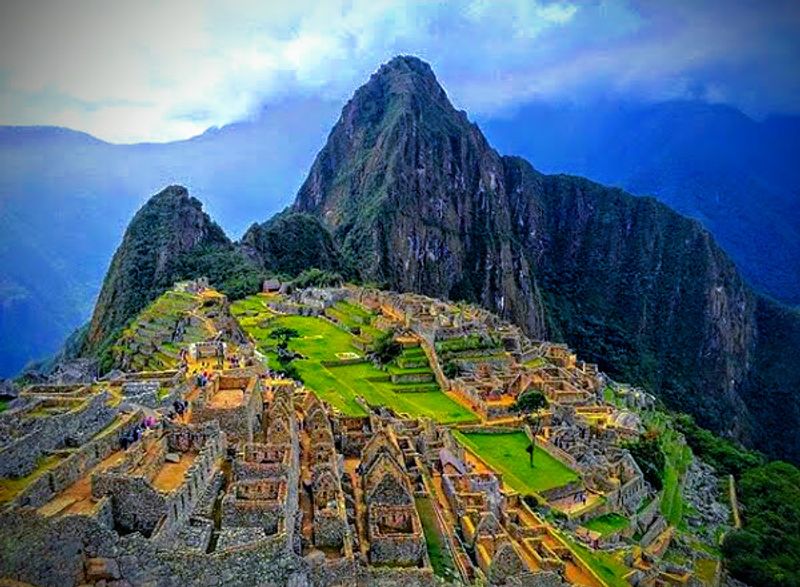
A tan fades in two weeks, but Machu Picchu stays in your head forever. Built by the Inca Empire in the 15th century, this citadel sits roughly 2,430 meters above sea level in the Andes.
Peru’s official visitor system keeps ticketing and route access updated, so planning a trip is straightforward.
Getting there is part of the whole experience. Whether you take the train through the Sacred Valley or hike the classic Inca Trail, the journey builds serious anticipation.
Every step toward those stone walls feels earned in a way that no poolside lounger ever could.
First-time visitors often underestimate how emotional the arrival moment actually feels. Standing among those terraces with the mountains wrapped in clouds around you is genuinely hard to describe.
Book your tickets early because daily visitor limits mean this one sells out fast, especially during peak season.
Torres del Paine National Park, Chile
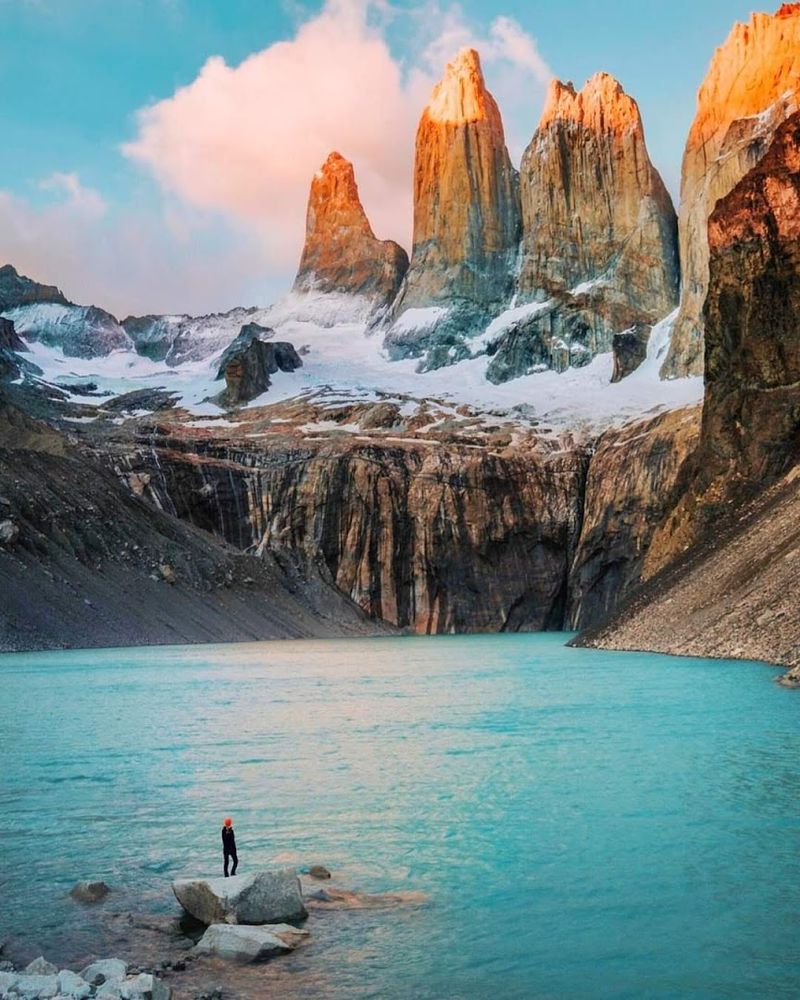
Three granite towers shooting straight up from the Patagonian steppe is not something you forget over brunch. Torres del Paine sits in Chile’s far south, and the park draws serious hikers and casual visitors alike with equal enthusiasm.
Official seasonal bulletins keep travelers informed about current conditions before they show up with the wrong gear.
The famous W Trek covers lakes, glaciers, and lookout points across several days of hiking. Shorter day hikes are also available for those who prefer their adventure with a side of comfort.
Either way, the scenery is relentless in the best possible way.
Turquoise lakes sit between those towers like nature showing off on purpose. Wildlife like pumas, guanacos, and Andean condors roam the park freely.
Compared to a week at a resort, a few days here feels like you actually did something worth bragging about at the next family dinner.
Iguazu Falls, Argentina
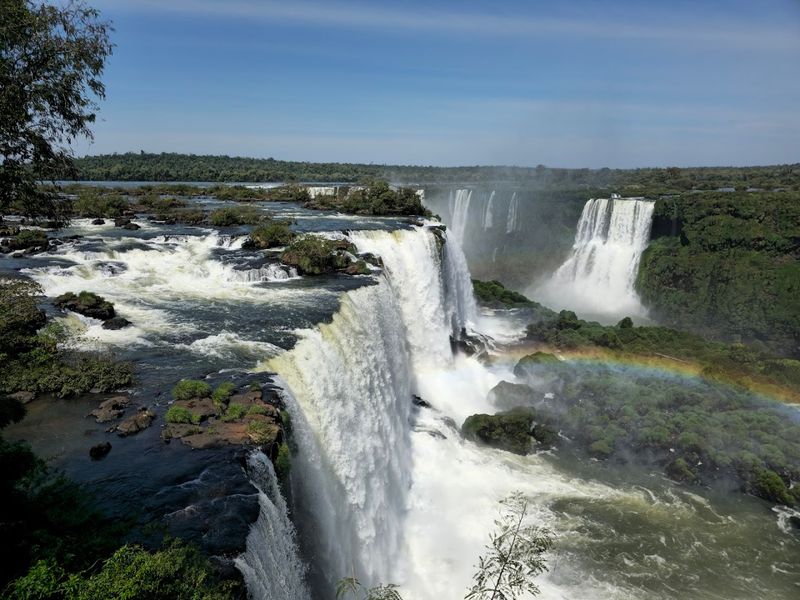
Eleanor Roosevelt reportedly said “Poor Niagara” when she first saw Iguazu Falls, and honestly, same. Stretching nearly 2.7 kilometers wide, Iguazu is the largest waterfall system on Earth by width.
Argentina’s official park and concessionary sources keep hours and ticketing current, so there are no nasty surprises at the gate.
The Devil’s Throat section alone is worth the entire trip. Standing at the viewpoint above that U-shaped drop, with water roaring below and mist rising up, is one of those moments that short-circuits your brain in a good way.
Butterflies land on your arms while toucans fly overhead, completely unbothered by the chaos.
The surrounding subtropical forest adds another layer of richness. Trails loop through dense greenery where coatis beg for snacks and monkeys occasionally crash the scene.
A beach vacation gives you relaxation, but Iguazu gives you a full sensory overload that you will still be talking about five years later.
Salar de Uyuni, Bolivia
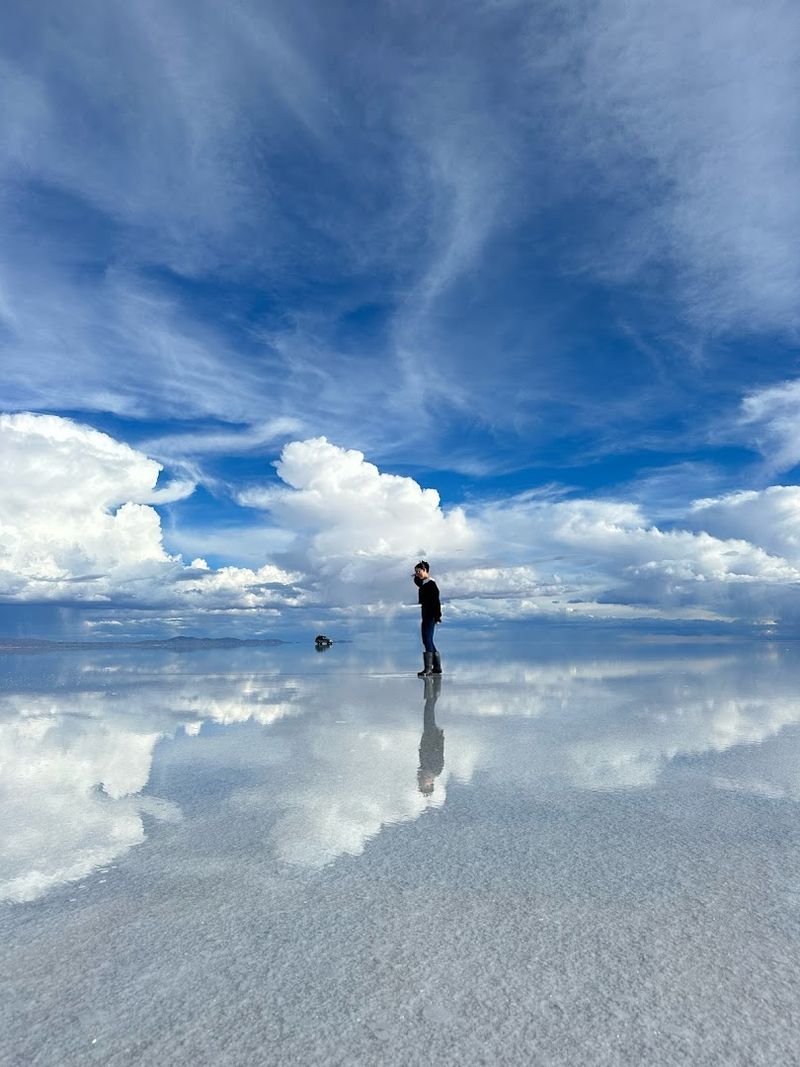
At over 10,000 square kilometers, Salar de Uyuni is the world’s largest salt flat, and it sits at over 3,600 meters above sea level. Bolivia’s headline travel draw has been pulling visitors in for decades, and 2026 travel resources confirm it is still very much open for business.
Nothing about this place feels ordinary.
During the rainy season, a thin layer of water transforms the surface into a perfect mirror reflecting the sky above. The effect is so surreal that first-timers often assume the photos must be edited.
They are not. Photographers travel from every corner of the globe specifically for that shot.
Even in the dry season, the flat white expanse stretching to the horizon is visually staggering. Novelty perspective photos are basically mandatory here.
A beach gives you waves and sand, but Uyuni gives you a landscape that looks like it belongs on a different planet entirely. That is a much better story to bring home.
San Pedro de Atacama, Chile
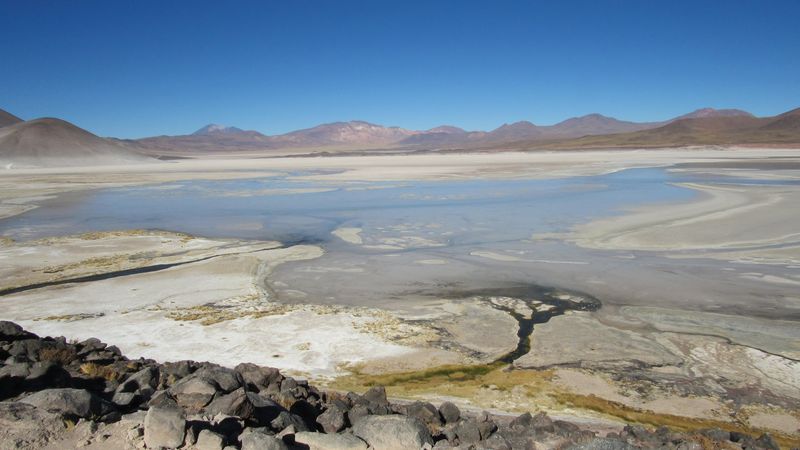
San Pedro de Atacama sits in the driest non-polar desert on Earth, which sounds intimidating until you realize that also means zero clouds and some of the clearest night skies anywhere on the planet. Chile’s official tourism site lists it as a fully bookable, active destination with plenty of guided options.
The town itself is small, dusty, and completely charming.
Days here are packed with options. You can explore the Valle de la Luna, soak in high-altitude hot springs, see geysers erupt at dawn, or drive past flamingo-dotted salt lagoons.
Each activity feels genuinely different from the last, which keeps the trip from ever feeling repetitive.
Stargazing tours operate most nights, and the altitude plus dry air makes the Milky Way look almost cartoonishly bright. I booked a two-night stop and ended up extending by three more days.
When a place makes you rearrange your flights, you know it has done something right.
Colca Canyon, Peru
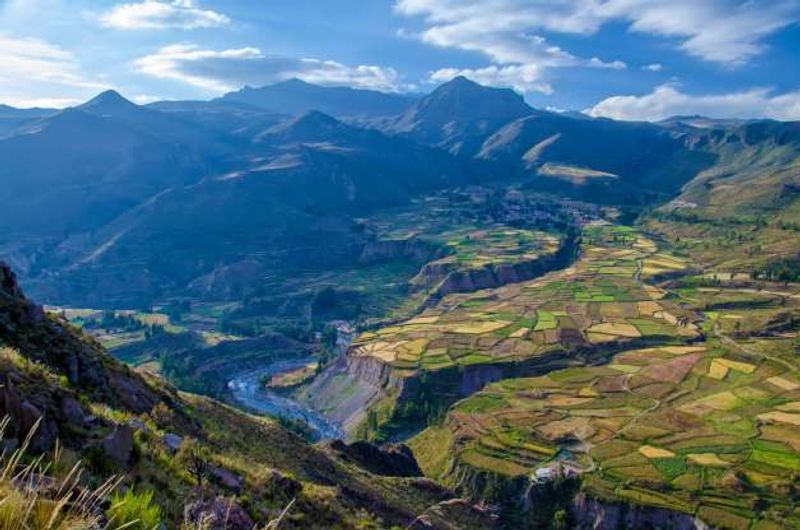
Colca Canyon is roughly twice as deep as the Grand Canyon, which is a fact worth sitting with for a moment. Peru’s official tourism platform highlights it as a major destination for trekking, wildlife spotting, and cultural experiences, and those highlights are completely deserved.
This is not a place that oversells itself.
The condor sightings at Cruz del Condor viewpoint are genuinely legendary. These massive birds ride thermal currents at eye level, close enough that you can see every feather detail.
No zoo, no wildlife documentary, and certainly no beach resort can replicate that particular feeling.
Thermal baths in the canyon bottom are a reward for hikers who make the steep descent and back up. Traditional Andean villages dot the rim, each with its own local weaving traditions and colonial churches.
Colca offers wildlife, culture, history, and adventure all folded into one valley. That is hard to beat, especially when compared to a week of sunbathing.
Perito Moreno Glacier, Argentina
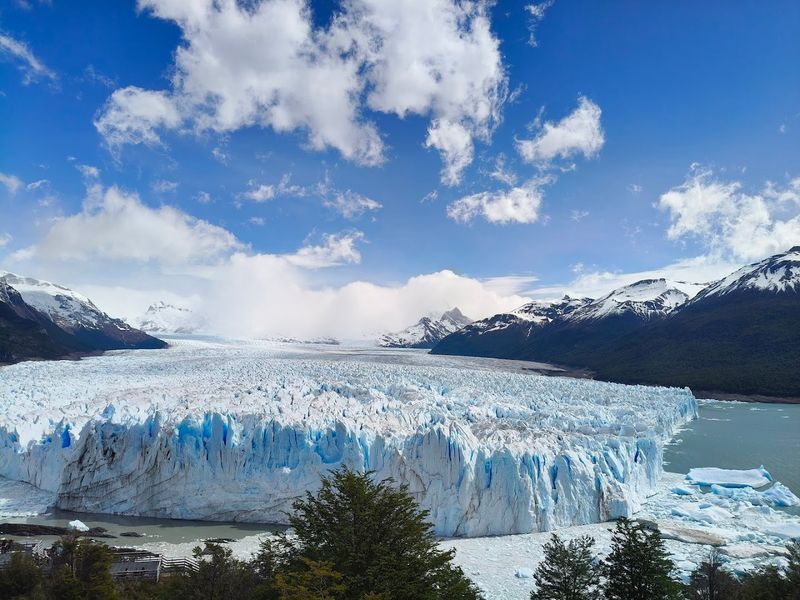
Perito Moreno is one of the few glaciers in the world that is actually growing, which makes it both a geological celebrity and a rare good-news story. Los Glaciares National Park remains active with current access and ticketing through Argentina’s official tourism and parks sources.
Getting there from El Calafate is a manageable half-day trip.
The glacier’s ice front stands up to 70 meters tall above the lake surface. Every few minutes, chunks of ice calve off with a thunderous crack and crash into the water below.
Watching that happen from the walkway system feels like attending a live show that nature puts on for free.
Authorized ice trekking excursions let you strap crampons on and walk directly across the glacier surface. That is an activity with a very short list of competitors worldwide.
A beach week is pleasant, but walking on ancient ice while icebergs float past below? That is the kind of trip that earns permanent status in your top five.
Lencois Maranhenses National Park, Brazil
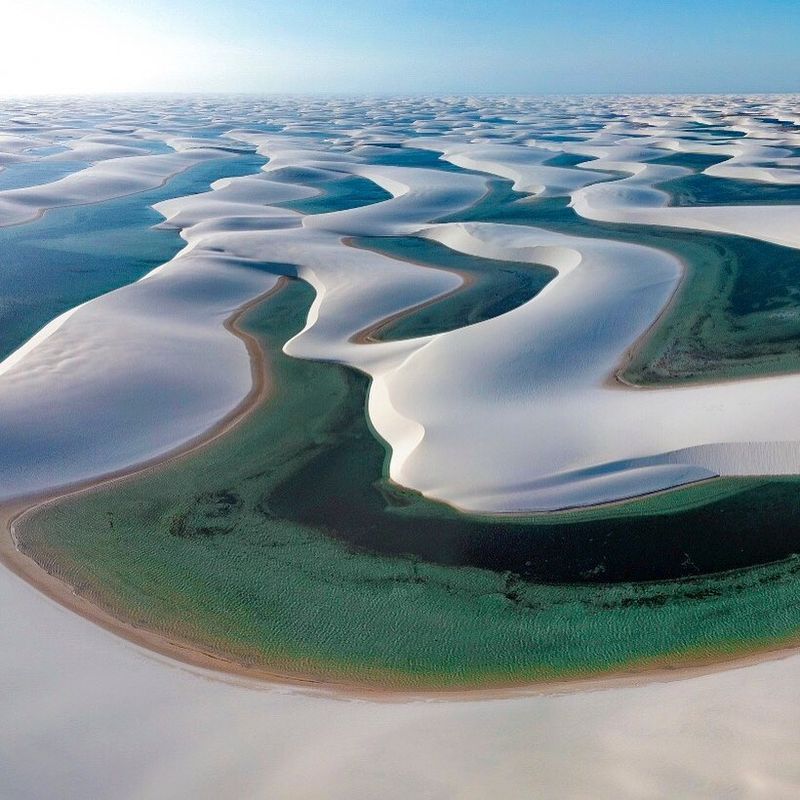
White sand dunes filled with crystal-clear freshwater lagoons sounds like a description someone made up, but Lencois Maranhenses is entirely real and entirely stunning. Official Brazilian tourism sources continue to feature the park as one of the country’s most visually striking destinations.
It looks like a desert decided to go swimming and nobody stopped it.
The lagoons form between June and September when seasonal rains fill the dune valleys. At peak season, the landscape turns into a patchwork of blue and green pools stretching as far as you can see.
Swimming in those lagoons, surrounded by white sand on all sides, is its own kind of magic.
Getting there requires some effort, which is actually part of the appeal. The park sits in northeastern Brazil, and most visitors fly into Sao Luis before heading overland.
That slight remoteness keeps the crowds manageable and the experience feeling genuinely off the beaten path. Far more interesting than yet another crowded beach boardwalk.
The Pantanal, Brazil
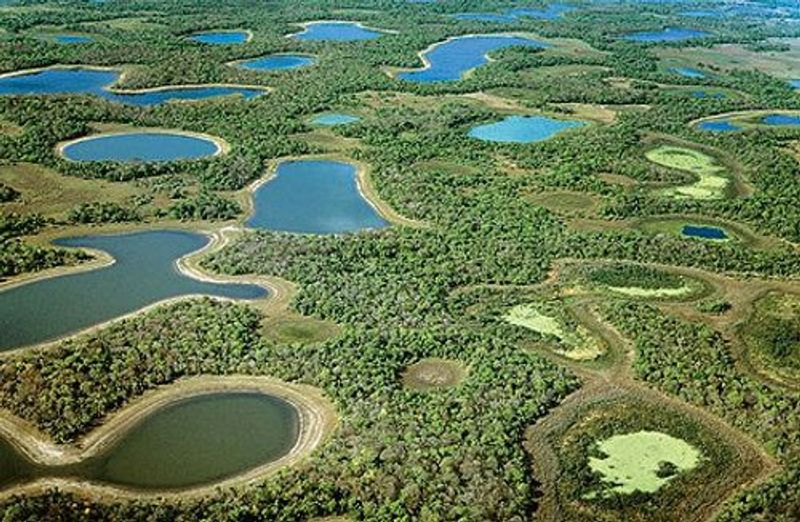
The Pantanal is the world’s largest tropical wetland, covering an area roughly the size of France. Brazil’s official tourism platform promotes it as one of the country’s standout nature experiences, and the wildlife density here is genuinely hard to overstate.
This is where you go when a beach umbrella and a paperback just will not cut it.
Jaguar sightings are far more reliable here than in the Amazon, thanks to the open terrain and skilled local guides. Giant otters, capybaras, caimans, and hundreds of bird species round out the daily wildlife checklist.
Some lodges report jaguar sightings on nearly every boat excursion during peak season.
Accommodation ranges from rustic eco-lodges to comfortable fazendas with guided excursions included. The best time to visit is the dry season between July and October, when animals concentrate around shrinking water sources.
If your vacation goal is raw, unfiltered nature rather than a crowded shoreline, the Pantanal wins without breaking a sweat.
Rapa Nui, Chile
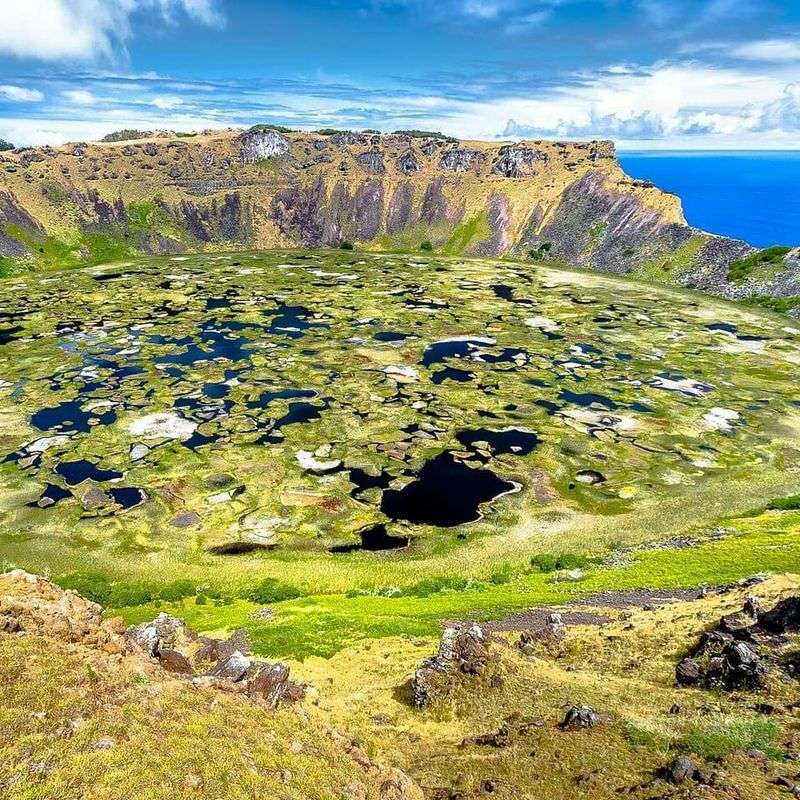
Easter Island sits 3,700 kilometers off the coast of Chile in the middle of the Pacific, making it one of the most isolated inhabited islands on Earth. Chile’s official tourism site lists current entry requirements, national park tickets, and the need for certified guides at major archaeological sites.
The logistics are manageable, and the payoff is extraordinary.
The moai statues are the obvious draw, and they absolutely deliver in person. Nearly 900 of these massive stone figures were carved by the Rapa Nui people between the 13th and 16th centuries.
Standing in front of a row of them at sunset, with the ocean behind you and volcanic craters nearby, is a genuinely rare experience.
Beyond the statues, the island has beautiful beaches, snorkeling, horseback riding, and one of the most fascinating archaeological stories on the planet. Rapa Nui offers mystery, history, and remoteness in a package that no beach resort could replicate even if it tried very hard.
Colombia’s Coffee Cultural Landscape
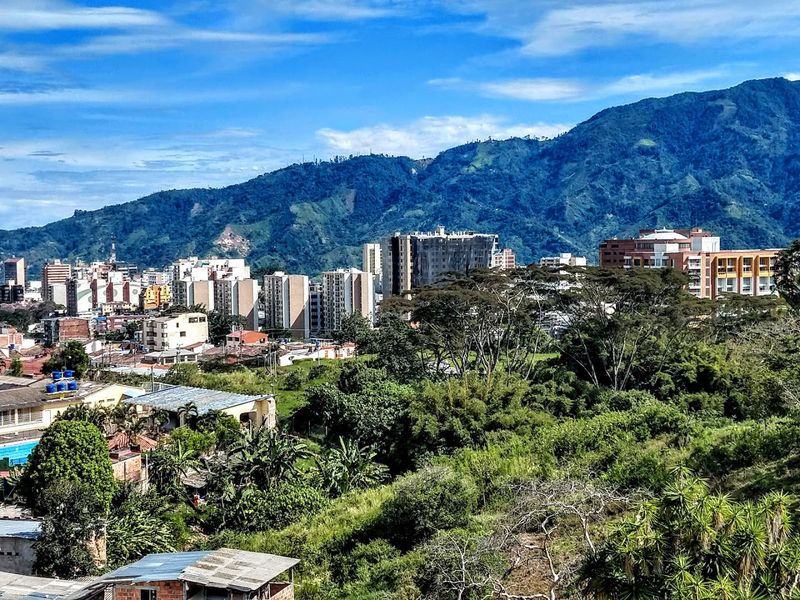
Colombia’s Coffee Cultural Landscape is a UNESCO World Heritage Site, and it earned that status by being genuinely beautiful, culturally rich, and unlike almost anywhere else on the continent. The region spans Caldas, Quindio, Risaralda, and northern Valle del Cauca, and Colombia’s official tourism site highlights it as a fully active, bookable destination.
It is warm, green, and endlessly photogenic.
Coffee farm tours let you follow the bean from cherry to cup, which sounds nerdy until you are standing on a steep hillside in the morning mist and suddenly everything makes sense. Towns like Salento and Filandia are packed with colorful colonial architecture, local artisan shops, and restaurants serving food that tastes nothing like airport food.
The Cocora Valley, home to the world’s tallest palm trees, sits just outside Salento and adds a surreal hiking option to the mix. This region offers culture, scenery, coffee, and charm in one compact area.
Way more character than a generic beach resort ever manages to pull together.
Cano Cristales, Colombia
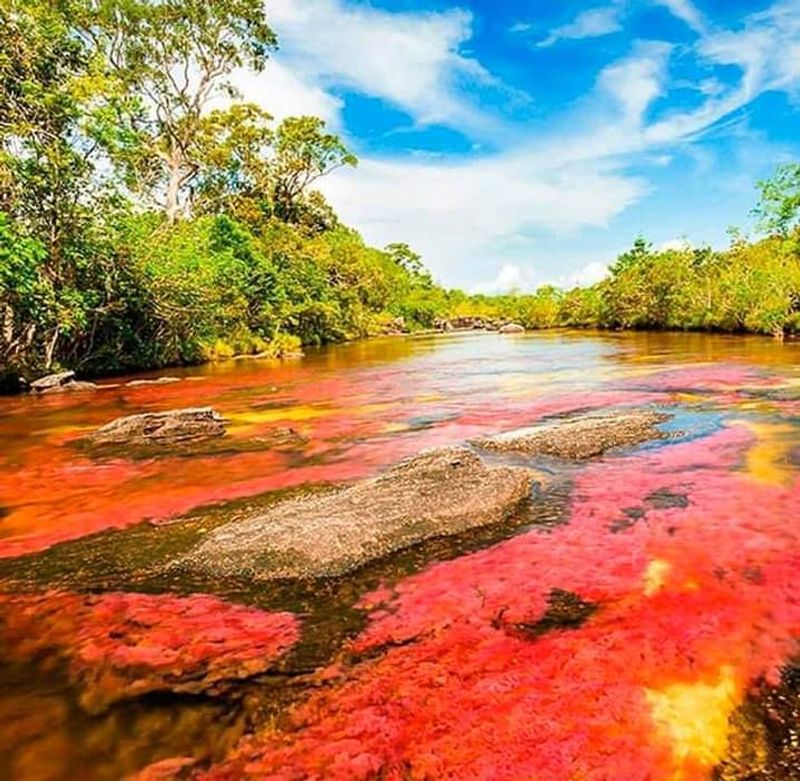
Cano Cristales gets called the River of Five Colors, and for once, a nickname actually holds up. The brilliant reds, pinks, yellows, and greens come from a unique aquatic plant called Macarenia clavigera that blooms between roughly June and November.
Colombia’s official tourism sources describe the seasonal color shifts in detail, so timing your visit correctly is easy enough.
The river sits inside Sierra de la Macarena National Park, which means access is controlled and guided visits are required. That system keeps the ecosystem protected and the experience from feeling overcrowded.
A small group walking along that river feels like something genuinely exclusive.
Photos of Cano Cristales get flagged as edited on social media constantly because the colors look too vivid to be real. They are completely unedited.
Getting there involves a flight to La Macarena followed by a short trek, but the effort is absolutely proportional to the reward. This is the trip you show people when they ask why you skipped the beach.
The Ecuadorian Amazon including Yasuni National Park
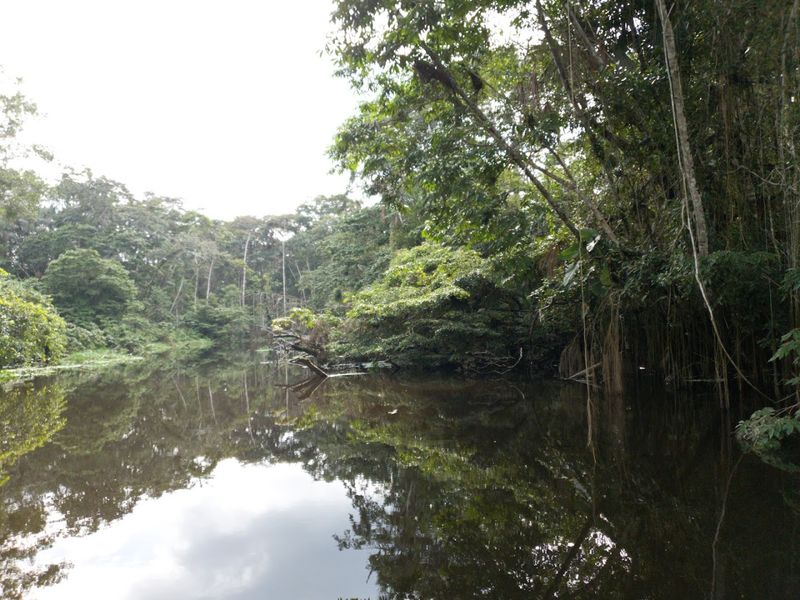
Yasuni National Park holds one of the highest concentrations of biodiversity on Earth, with more tree species in a single hectare than in all of North America combined. Ecuador’s official tourism site promotes Amazon travel and specifically highlights Yasuni as the country’s largest protected mainland area.
That is not a destination you stumble into casually, and that is exactly the point.
Eco-lodges along the rivers offer guided canoe trips, night walks, birdwatching, and visits to indigenous communities who have called this forest home for generations. The depth of those cultural interactions is something no resort activity schedule could replicate.
You leave knowing something real about the world.
The Amazon is also famously loud at night in the best possible way. Frogs, insects, and birds create a soundtrack that is completely unlike anything urban life prepares you for.
If a typical beach vacation feels like pressing pause, the Ecuadorian Amazon feels like pressing play on something much bigger and far more alive.
Share this story