Some trips are planned around museums, beaches, or historic sites. But the best trips?
Those get planned around meals. A single restaurant or market can completely change how you experience a city, turning a regular vacation into something you talk about for years.
These 13 places around the world are exactly that kind of destination.
Central – Lima, Peru
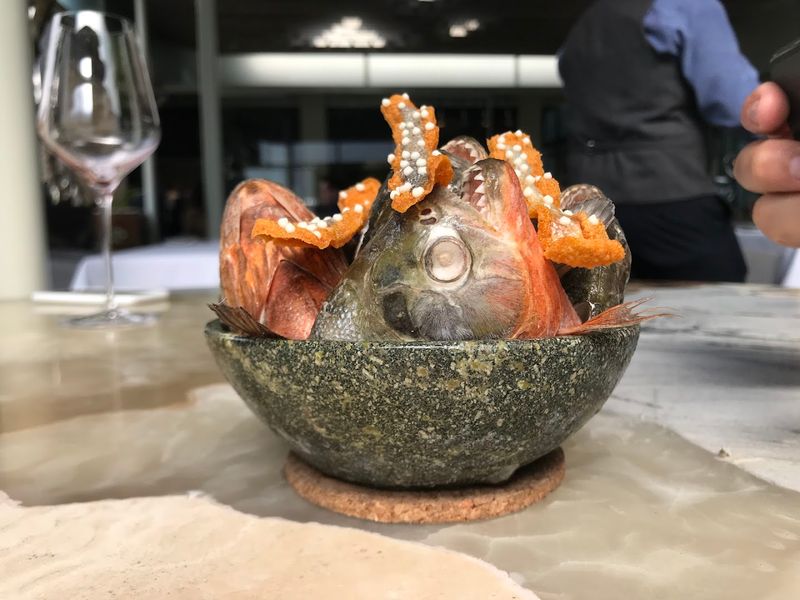
Chef Virgilio Martinez built Central around one wild idea: what if a tasting menu told the story of an entire country’s geography? Each course represents a different altitude of Peru, from the ocean floor to the high Andes.
It sounds like a concept, but it tastes like a revelation.
Lima has become one of the world’s great food cities, and Central sits at the top of that conversation. The restaurant earned its place on the World’s 50 Best “Best of the Best” list, which is basically the hall of fame for restaurants.
Reservations are competitive, so book early.
First-timers often don’t realize how emotional the meal can feel. You’re eating Peru in sequence, course by course.
It’s ambitious, beautiful, and surprisingly fun for a restaurant at this level. If you’re flying into Lima, clear your schedule for the night you get a table here.
Quintonil – Mexico City, Mexico
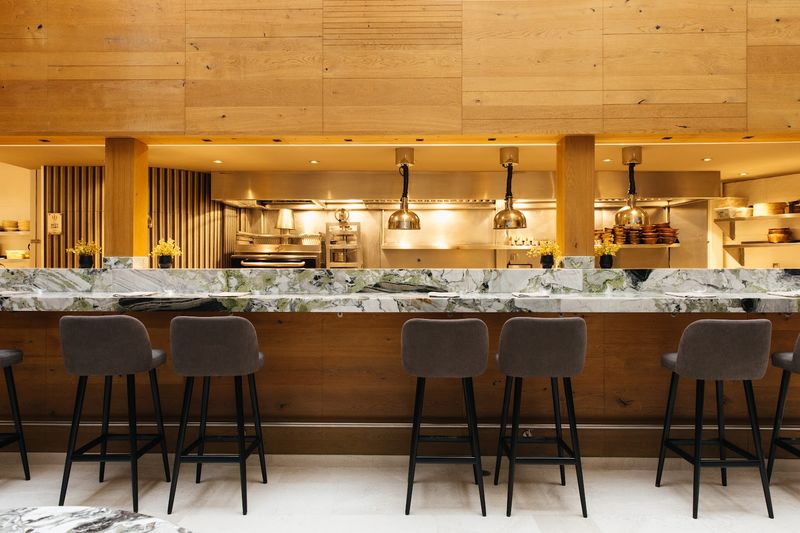
Jorge Vallejo and Alejandra Flores run Quintonil like a love letter to Mexican ingredients. The restaurant holds two Michelin stars and currently ranks third on The World’s 50 Best Restaurants list.
That’s not just impressive, that’s “rearrange your entire Mexico City itinerary” impressive.
Polanco is already a great neighborhood to wander, but Quintonil gives you a real reason to sit down and stay a while. The menu celebrates native plants, traditional techniques, and modern creativity without ever feeling like it’s showing off.
It earns every bit of the hype.
Reservations open through Tock, and the restaurant runs Tuesday through Saturday. Book as far ahead as you can.
The experience is refined but not stiff, and the staff genuinely seems excited about the food they’re serving. For anyone building a serious food trip through Mexico City, this is a must-add, not a maybe.
Katz’s Delicatessen – New York City, USA
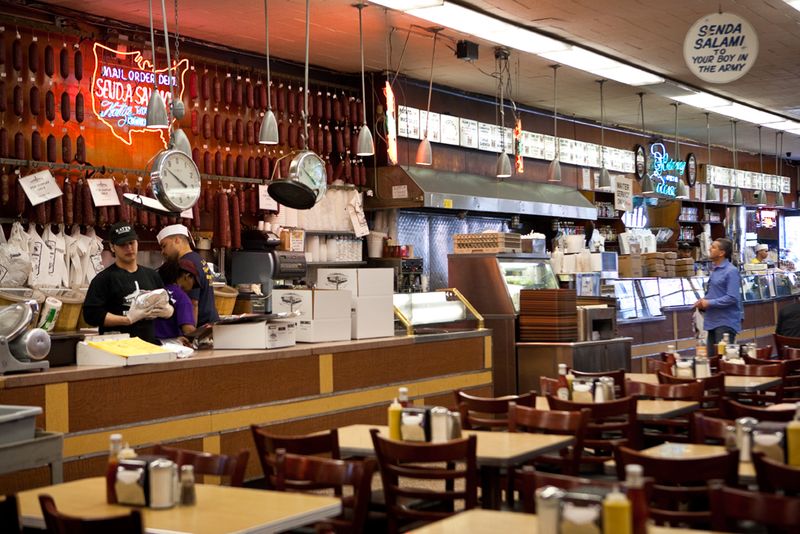
Katz’s Delicatessen has been feeding New Yorkers since 1888. That’s older than most countries’ subway systems.
The pastrami on rye here isn’t just a sandwich, it’s a cultural artifact you get to eat.
Located at 205 East Houston Street on the Lower East Side, Katz’s is loud, a little chaotic, and completely wonderful. You grab a ticket at the door, order at the counter, and find a table in a room that has barely changed in decades.
There’s even a sign marking the table from a famous movie scene, which you’ll recognize immediately.
New reporting confirms that Katz’s is reopening a historic dining room for the first time since 1949, which makes a visit right now feel extra special. The portions are massive.
The mustard is sharp. The atmosphere is pure New York.
Whether it’s your first visit or your fifteenth, Katz’s always delivers.
Osteria Francescana – Modena, Italy
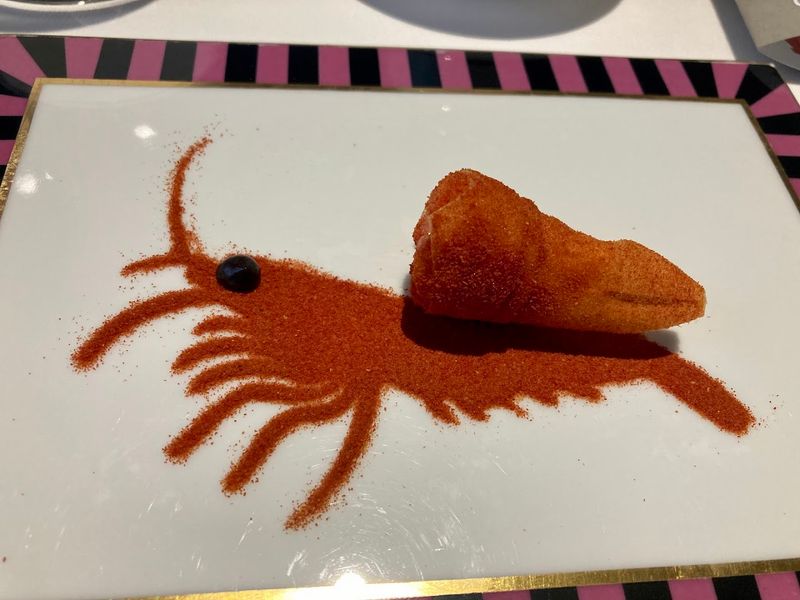
Massimo Bottura once made a dish called “Oops, I Dropped the Lemon Tart” after a pastry chef accidentally smashed a dessert. He served the broken version and it became one of his most celebrated plates.
That tells you everything you need to know about how he thinks.
Osteria Francescana holds three Michelin stars in the 2026 Italy guide and remains one of the most talked-about restaurants in the world. Modena is a small city in Emilia-Romagna, already famous for balsamic vinegar and Lamborghini.
Bottura adds another reason to make the detour.
The tasting menu plays with Italian culinary tradition in ways that feel both irreverent and deeply respectful. Booking is essential and competitive.
This is not a casual dinner but it’s also not a stiff one. If you’re planning a food-focused trip through northern Italy, building an itinerary around a table at Francescana makes complete sense.
St. JOHN – London, England
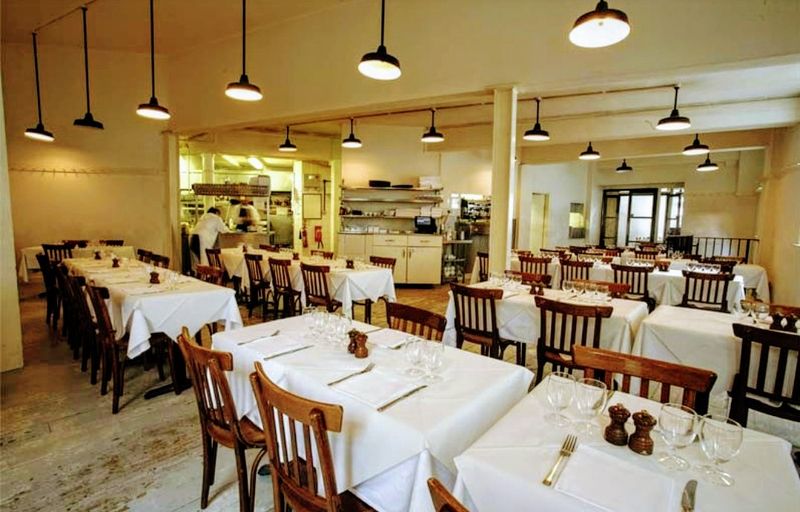
St. JOHN opened in 1994 in a former smokehouse near Smithfield Market, and its philosophy was radical for the time: use the whole animal, keep it simple, and trust the ingredients. Three decades later, that idea still feels fresh.
Chef Fergus Henderson put nose-to-tail cooking on the map here, and the bone marrow with parsley salad has become one of London’s most iconic dishes. The Michelin Guide awarded St. JOHN one star in the 2026 UK guide, which feels almost understated for a restaurant this influential.
Beyond the original restaurant, the St. JOHN group now runs a bakery, a winery, and a wine company. So even if you miss a table at the main spot, there are other ways to get a taste of what they do.
For travelers who want British food with genuine character and history, St. JOHN is a non-negotiable stop in London.
L’Antica Pizzeria da Michele – Naples, Italy
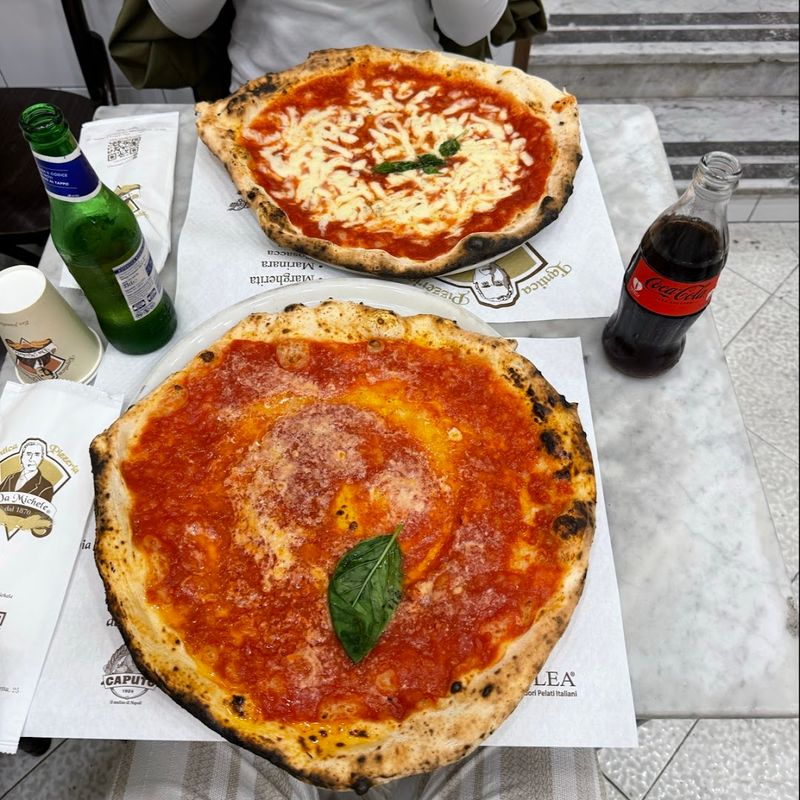
Da Michele serves only two pizzas: marinara and margherita. That’s it.
No extras, no customization, no fusion experiments. And somehow, the line still wraps around the block every single day.
Founded in 1870, this Naples institution uses a numbered-ticket system that Michelin actually mentions in its 2026 Italy guide. You wait, you sit, you eat, and then you understand why people travel specifically to this address.
The simplicity is the whole point.
Naples is already a city worth visiting for its energy and history, but Da Michele gives you a very specific reason to show up hungry. The crust is soft in the middle, slightly charred at the edges, and cooked in a wood-fired oven the way it’s been done for over 150 years.
For pizza lovers, skipping this place while in Naples would be a genuine regret. Go early or be prepared to wait happily.
El Celler de Can Roca – Girona, Spain
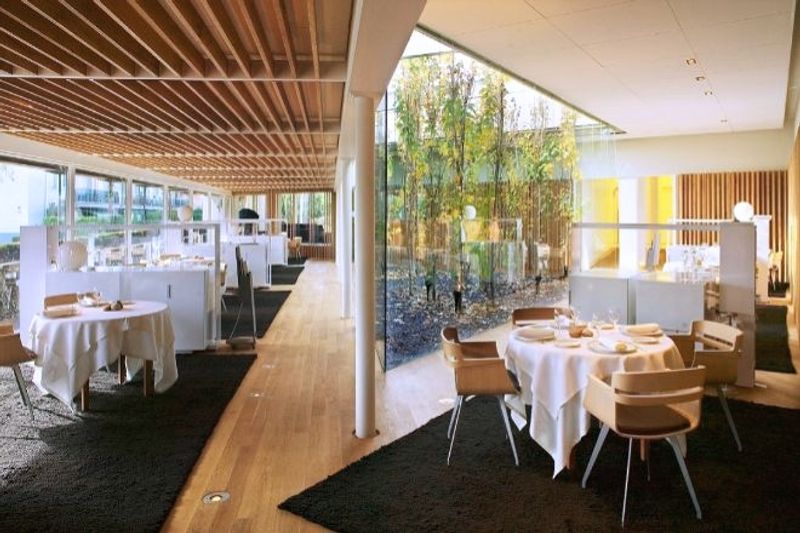
Three brothers. One restaurant.
Countless reasons to visit Girona specifically because of it. El Celler de Can Roca is run by Joan, Josep, and Jordi Roca, and each one brings a completely different skill set to the table, literally.
Joan handles the savory courses, Josep manages the wine program, and Jordi runs the desserts. The result is a meal where every single part of the experience feels equally considered.
Michelin awards it three stars in the 2026 Spain guide, and the restaurant operates Tuesday through Saturday.
Girona itself is a beautiful medieval city about an hour from Barcelona, and it’s the kind of place that rewards travelers who slow down. El Celler sits just outside the old city and has its own reservation page for booking.
If you’re already planning a Barcelona trip, adding a day or two in Girona for this meal turns a good vacation into a truly great one.
Mercado de San Miguel – Madrid, Spain
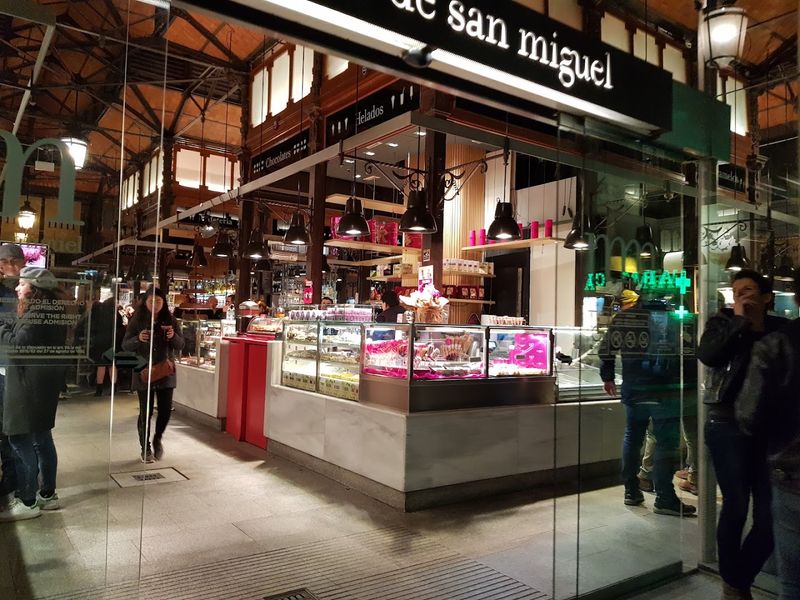
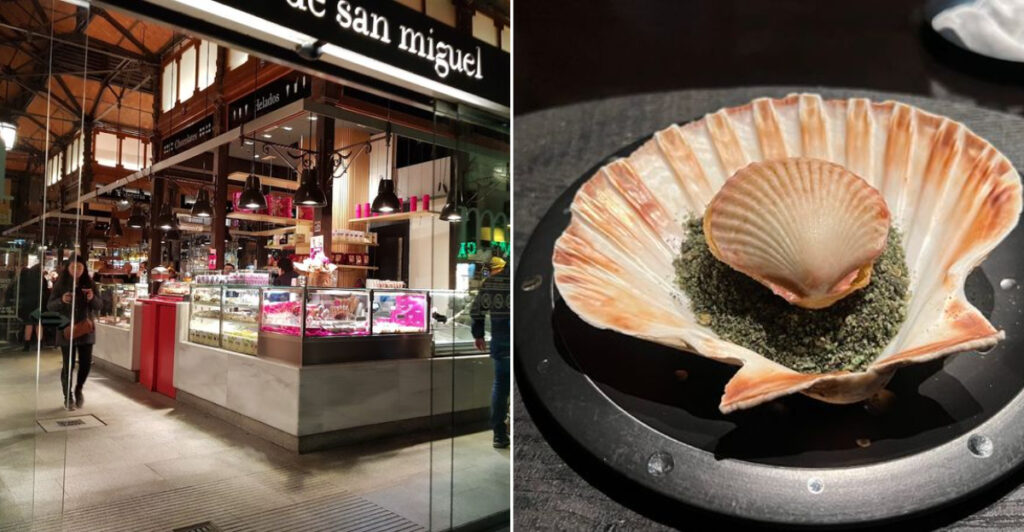
Madrid’s Mercado de San Miguel is the answer to the eternal traveler’s dilemma: you want to try everything, but you only have one stomach. The market packs dozens of gourmet stalls into a stunning 1916 iron-and-glass building right next to Plaza Mayor.
After a temporary closure for conservation work in early 2026, the market officially reopened on February 26, 2026. So the timing couldn’t be better for a visit.
Madrid’s tourism office calls it the city’s first gourmet market, and it’s become one of the most visited spots in the entire city.
Grab a glass of vermouth, grab some jamón, grab a few anchovies, and just wander. The crowd is a mix of locals and tourists, and the energy is always buzzing.
It’s casual, social, and genuinely delicious. For travelers who’d rather graze than commit to a single sit-down meal, San Miguel is the perfect solution in the heart of Madrid.
Den – Tokyo, Japan
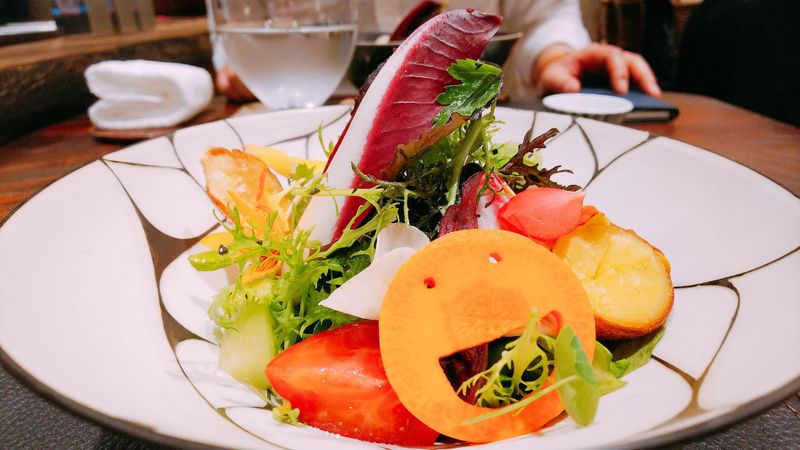
Den chef Zaiyu Hasegawa once sent diners home with a bag of Japanese pickles as a gift. That gesture says a lot about what makes this restaurant different from other two-Michelin-star spots in Tokyo.
Den is technically fine dining, but it feels more like being cooked for by a very talented, very funny friend. The menu is rooted in Japanese ingredients and hospitality, and the service is warm rather than formal.
Michelin lists it as a two-star restaurant in the 2026 Japan guide, which undersells how much personality the place has.
Tokyo has more Michelin-starred restaurants than any other city in the world, so choosing where to spend a serious dinner requires real thought. Den earns its spot by being memorable in a way that goes beyond the food.
It’s refined without being cold, creative without being confusing. For first-time Tokyo visitors, this is the table worth fighting for.
The Chairman – Hong Kong
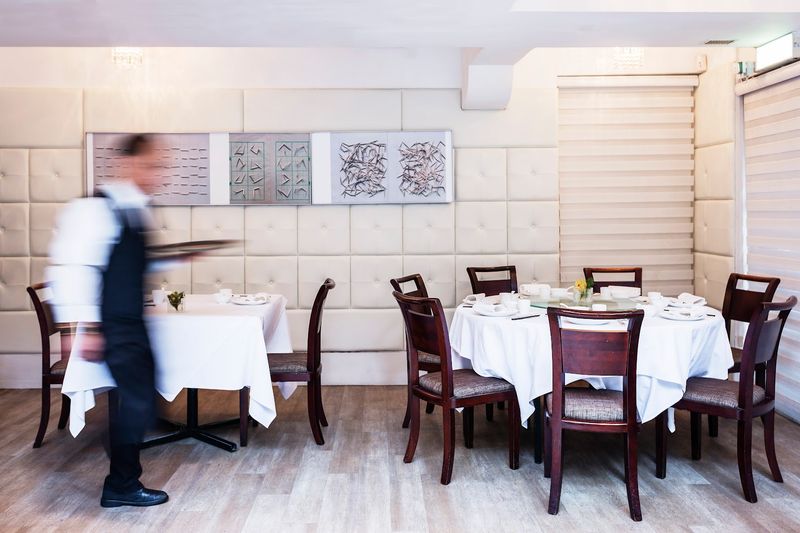
The Chairman just reclaimed the No. 1 spot on Asia’s 50 Best Restaurants 2026. For a Cantonese restaurant in Hong Kong, a city that takes its food extremely seriously, that ranking means something real.
The restaurant focuses on traditional Cantonese cooking made with premium local and regional ingredients. The approach is deceptively simple: source the best, cook with care, and let the flavors do the work.
Michelin includes it as a one-star restaurant in the 2026 Hong Kong guide, but the Asia’s 50 Best ranking tells a fuller story.
Current lunch and dinner hours are listed on the official site, and booking ahead is strongly recommended. Hong Kong’s dining scene is incredibly competitive, but The Chairman consistently stands apart.
If you’ve never had truly exceptional Cantonese food, this is the restaurant that will recalibrate your expectations entirely. It’s the kind of meal that makes you rethink everything you thought you knew about Chinese cuisine.
Gaggan – Bangkok, Thailand
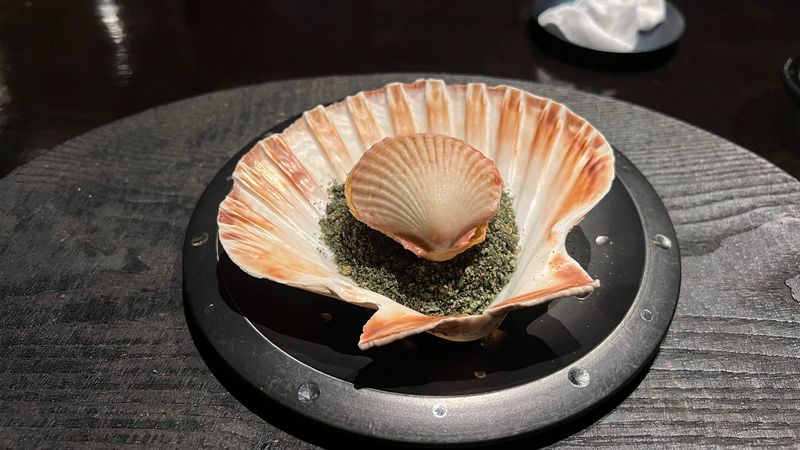
At Gaggan, dinner comes with an emoji tasting menu. Each course is represented only by an emoji on the menu card, with no written description.
You have no idea what’s coming next. It’s chaotic, brilliant, and one of the most fun dining experiences in Asia.
Chef Gaggan Anand’s Bangkok restaurant is listed as a one-star spot in the 2026 Michelin Thailand guide, but its reputation goes well beyond stars. The food is progressive Indian cuisine, meaning it takes the flavors of India and pushes them into completely unexpected territory.
The restaurant is open Thursday through Monday.
Bangkok is already a world-class food city, from street carts to hotel restaurants. But Gaggan occupies a category entirely its own.
The meal is theatrical, personal, and genuinely surprising from start to finish. For travelers who want dinner to be an event rather than just a meal, Gaggan is the Bangkok reservation that delivers on every level.
Lau Pa Sat Satay Street – Singapore
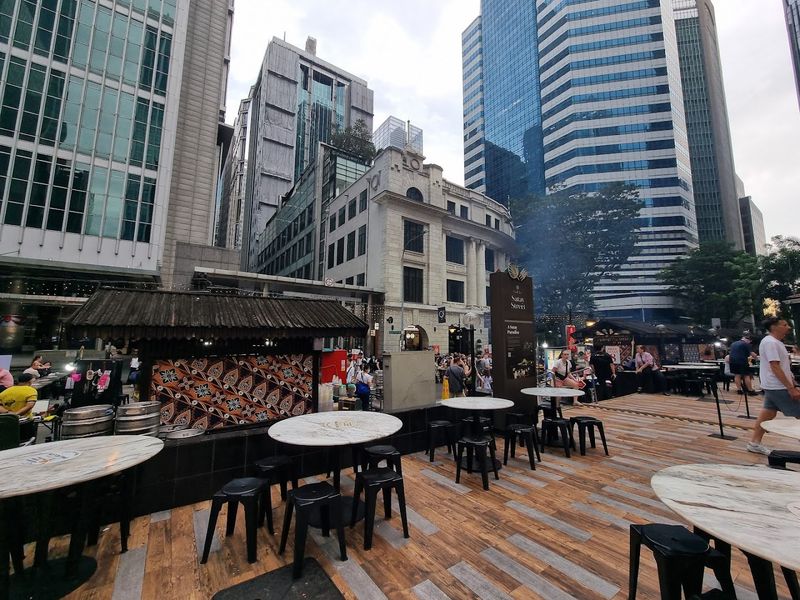
Every night at 7 p.m., Boon Tat Street closes to traffic and vendors roll out their charcoal grills. The smoke takes over, the skewers start flying, and Satay Street becomes one of the best spots in Singapore to eat outdoors.
Lau Pa Sat itself is a Victorian cast-iron market building that dates back to 1894. During the day it operates as a regular hawker center.
After dark, Satay Street takes over the road outside and turns the whole block into a communal feast. It’s casual, smoky, and completely alive.
Chicken, beef, mutton, and prawn skewers come with peanut sauce and rice cakes. The prices are low, the portions are generous, and the atmosphere is impossible to replicate indoors.
For travelers who want the full Singapore hawker experience without overthinking it, Satay Street is the most straightforward answer. Show up hungry, order more than you think you need, and enjoy every skewer.
JUMBO Seafood – Singapore
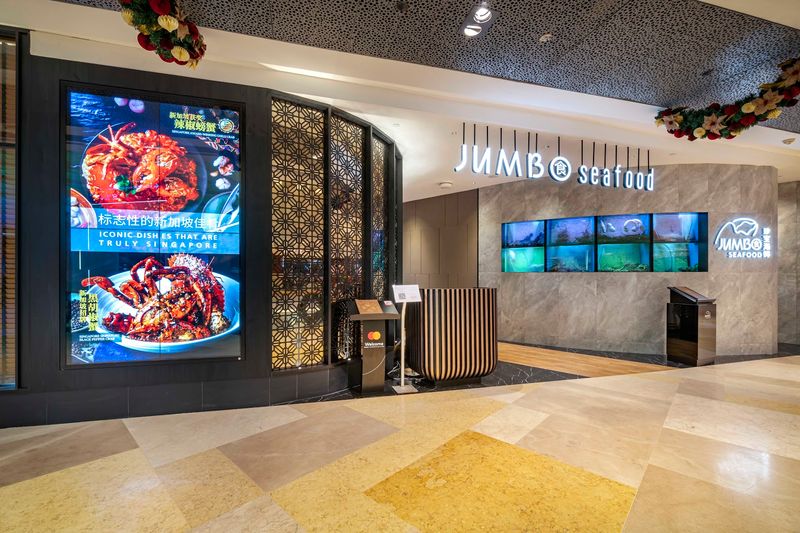
Singapore chili crab is one of those dishes that sounds simple until you actually eat it. The sauce is sweet, spicy, tangy, and savory all at once, and soaking it up with a fried mantou bun is one of the most satisfying things you can do at a dinner table.
JUMBO Seafood has been serving this dish since 1987, and it’s built a reputation as one of the go-to spots for both locals and visitors. The restaurant group is known specifically for chili crab and black pepper crab, and both are worth ordering if you have the appetite.
Unlike the hawker-center experience at Satay Street, JUMBO offers a proper sit-down seafood feast. It’s a different kind of Singapore food moment but equally essential.
Multiple locations operate across the city, so it’s easy to fit into most itineraries. Order the crab, order the buns, and plan to leave extremely full and extremely happy.
Share this story