 Unearth The Voyage
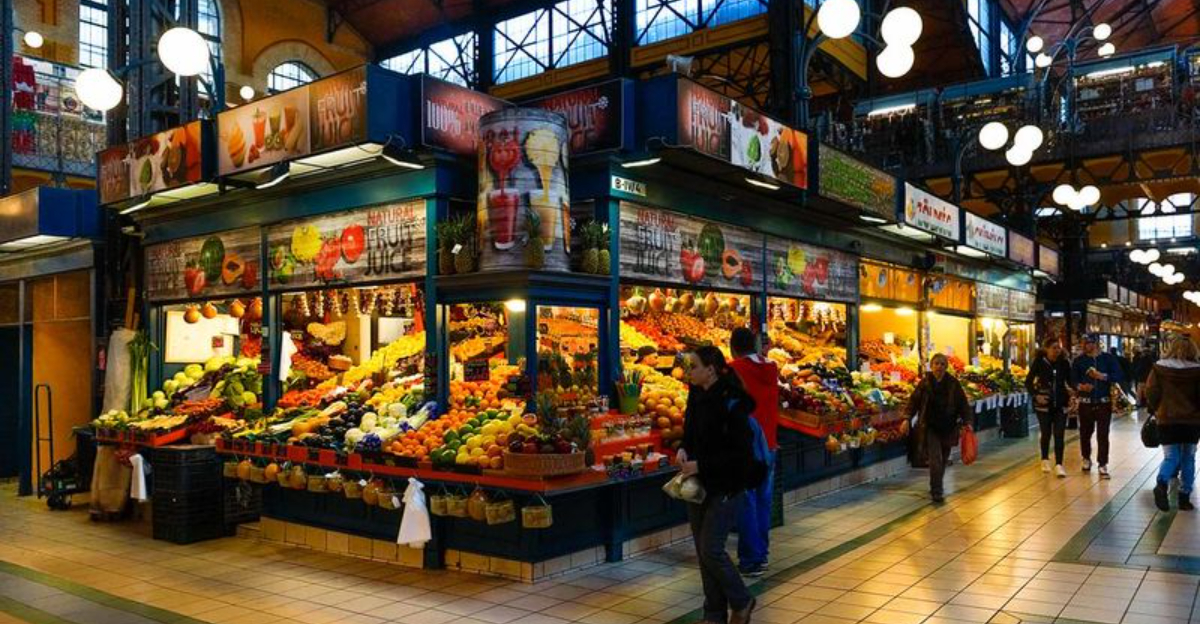
Some people collect fridge magnets. I collect market memories.
There is something about a local market that tells you more about a place than any museum ever could. From spice-dusted stalls to steaming food carts, these 13 destinations are absolute gold for anyone who lives to shop, eat, and wander like a local.
Istanbul for the Grand Bazaar and Spice Market Energy
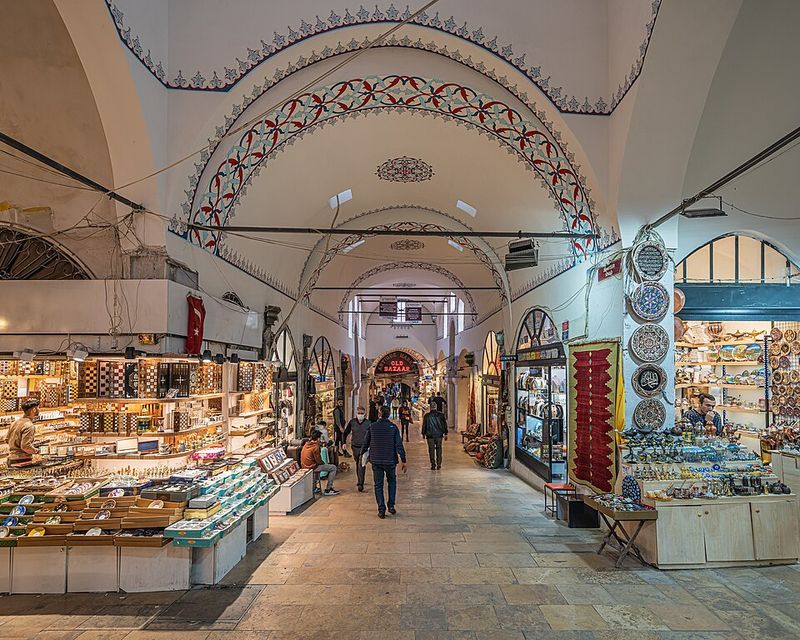
Few places on earth hit you with as much color, noise, and sheer personality as Istanbul’s markets. The Grand Bazaar is one of the oldest covered markets in the world, with over 4,000 shops packed into a labyrinth of vaulted corridors.
Vendors will call out to you, offer you tea, and somehow convince you that you absolutely need a hand-painted ceramic bowl.
The nearby Spice Market is a completely different beast. Pyramids of turmeric, sumac, and dried rose petals line every stall.
I once spent 45 minutes just staring at the saffron display like it owed me money.
Pro tip: go on a weekday morning to avoid the thickest crowds. Bargaining is expected, so do not be shy about it.
Istanbul’s markets are not just shopping stops, they are a full-on cultural experience that will spoil every other market you visit afterward.
Marrakech for the Maze of Souks Inside the Medina
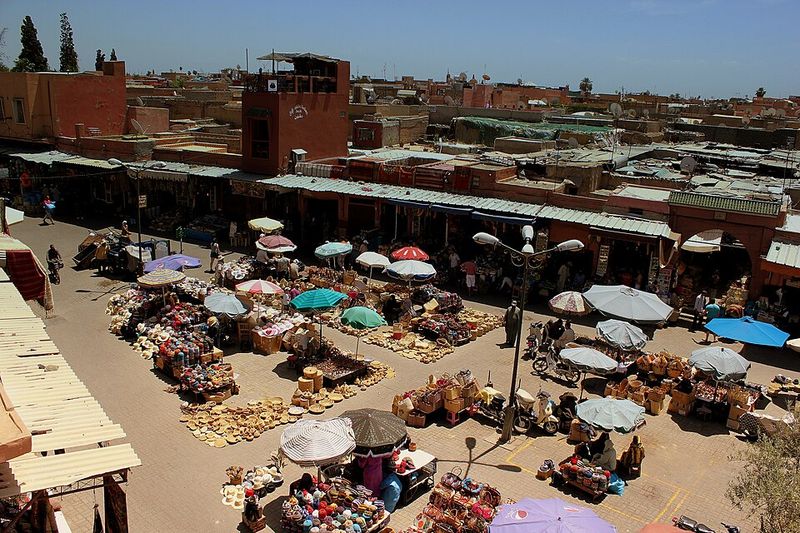
Getting lost in Marrakech’s medina is basically the whole point. The souks here are not organized by convenience.
They are organized by chaos, and honestly, that is what makes them brilliant. Each neighborhood cluster has its own specialty: leather goods here, metalwork there, mountains of Moroccan slippers just around that corner you almost missed.
The tanneries near Chouara are worth the detour. Watching the leather dyeing process from a rooftop terrace above the vats is genuinely one of those jaw-dropping travel moments.
Vendors near the tanneries will hand you a sprig of mint to hold under your nose, which is both thoughtful and very necessary.
Navigating the souks is easier with a rough map and a healthy sense of humor when you inevitably circle back to the same brass lamp shop three times. Wear comfortable shoes and carry small change.
The medina rewards curious wanderers generously.
Mexico City for Its Sprawling Neighborhood Markets and Food Halls
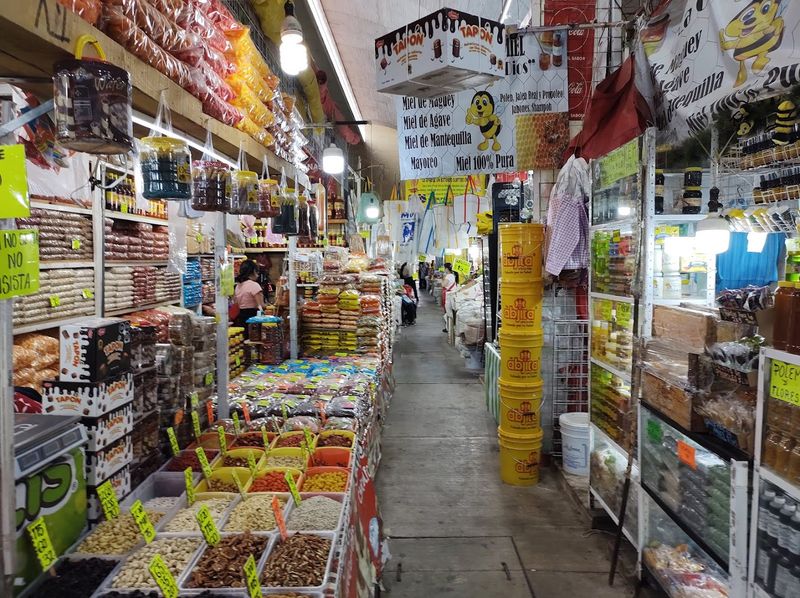
Mexico City does not have one great market. It has dozens.
Mercado de la Merced is so enormous it practically has its own zip code. Mercado Jamaica overflows with flowers in every shade you can think of.
And then there is Mercado de San Juan, which functions as the city’s unofficial gourmet food hall, stocked with imported cheeses, fresh oysters, and tacos that will reset your entire understanding of the word lunch.
The neighborhood tianguis markets, which are open-air weekend markets, pop up across the city every week. They sell everything from vintage records to handmade tamales wrapped in banana leaves.
You will leave with things you did not plan to buy and zero regrets about it.
Mexico City’s market culture is deeply tied to daily life here. Locals shop at these markets every single week, not just for groceries but for community.
That energy is infectious and entirely worth flying across a continent for.
Kyoto for the Old-School Magic of Nishiki Market
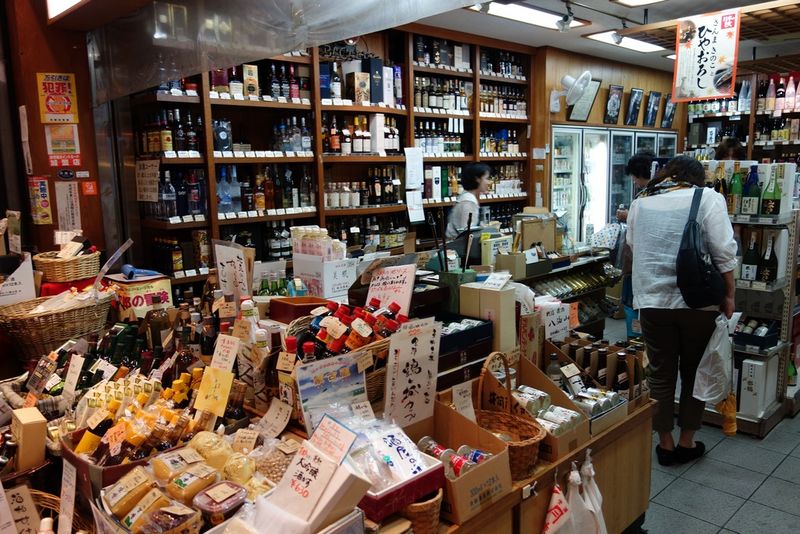
Nishiki Market has been feeding Kyoto since the 1300s, which makes it older than most countries and significantly more interesting than your average grocery run. Locals call it Kyoto’s Kitchen, and once you walk through it, you will completely understand why.
The covered arcade stretches five blocks and packs in over 100 stalls selling pickled plums, fresh tofu, grilled skewers, and wagashi sweets shaped like seasonal flowers.
What sets Nishiki apart is how unhurried it feels. Unlike some markets that cater almost entirely to tourists, this one still serves the neighborhood.
You will see elderly shoppers haggling over fish and chefs picking up the day’s ingredients.
The stalls toward the western end tend to be more food-focused and perfect for snacking your way through. Arrive hungry, bring cash since many vendors do not accept cards, and pace yourself.
There is a lot to taste and you will want to try most of it.
Riga for the Sheer Scale of Riga Central Market
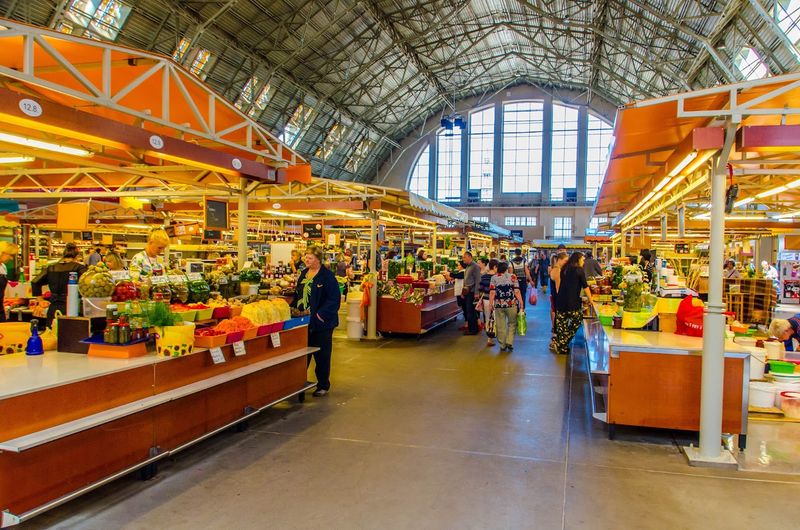
Not many markets can say they are housed inside old German zeppelin hangars, but Riga Central Market absolutely can. Built in the 1930s and now a UNESCO World Heritage Site, this place is the size of a small town.
Five giant pavilions cover meat, fish, dairy, produce, and dry goods, each one buzzing with vendors and regulars who have been coming here for decades.
The fish pavilion alone is worth the trip to Latvia. Smoked eel, pickled herring, and fresh Baltic catch are stacked high across long wooden counters.
It smells exactly like you would expect, and yet somehow you end up buying more than planned.
Outside the main halls, a sprawling outdoor section sells everything from Soviet-era trinkets to hand-knitted wool socks. Riga Central Market is the kind of place where you go for 30 minutes and somehow emerge two hours later with a bag full of rye bread and zero memory of time passing.
Oaxaca City for the Flavors and Traditions of Benito Juarez Market
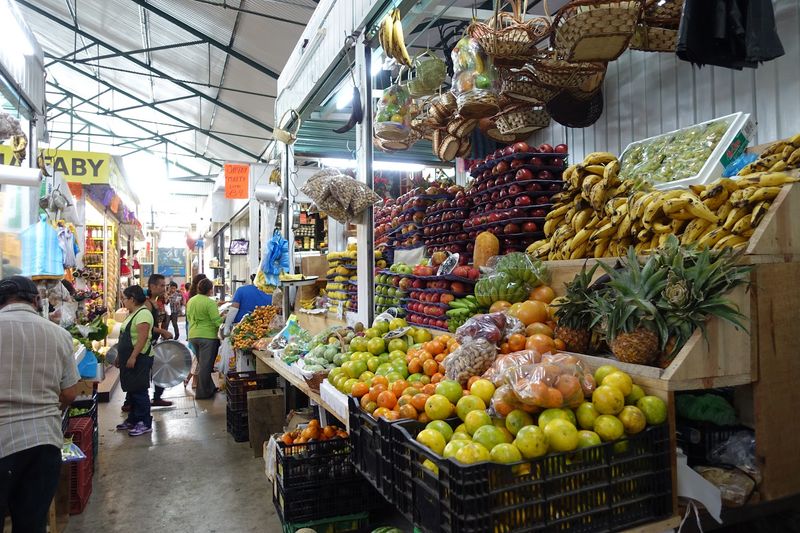
Oaxaca is already one of Mexico’s most celebrated food destinations, and Benito Juarez Market is the beating heart of that reputation. Stalls here sell chapulines, which are toasted grasshoppers seasoned with lime and chili, alongside enormous wheels of Oaxacan cheese, black mole paste, and mezcal in unlabeled bottles that locals swear by.
The market has been running since the colonial era, and the layout still reflects that history. Textile vendors sit alongside food stalls, and the smell of copal incense drifts between the rows.
It is lively, a little loud, and completely absorbing.
Eating at the market comedores, which are the small in-market restaurants, is a must. Order a tlayuda, Oaxaca’s oversized crispy tortilla topped with beans, cheese, and meat, and eat it at a plastic table surrounded by locals doing exactly the same.
That experience alone is worth the trip to this city.
Budapest for a Classic Afternoon Inside Great Market Hall
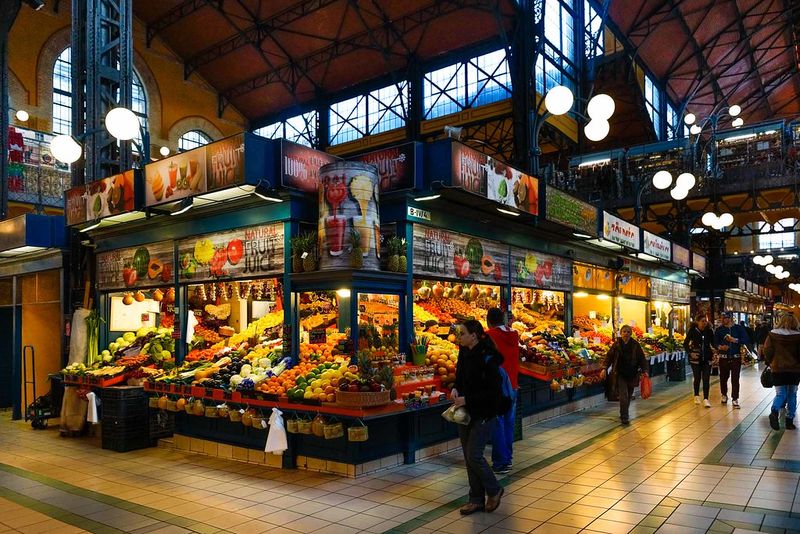
Great Market Hall in Budapest is the kind of building that makes you stop walking just to look up. Built in 1897 and sitting right at the end of Vaci Street, this iron-framed beauty is the largest and oldest indoor market in Hungary.
The ground floor is stacked with paprika in every grade and heat level, along with Pick salami, fresh vegetables, and handmade pasta.
Head upstairs and the vibe shifts. The first floor is lined with embroidered tablecloths, folk art, and souvenir stalls that are actually worth browsing.
There is also a small food court up there serving langos, Hungary’s deep-fried bread topped with sour cream and cheese, which is as dangerously good as it sounds.
The market is busiest on Saturday mornings when locals do their weekly shop alongside tourists. Go early, grab a coffee from the small cafe near the entrance, and take your time.
Budapest’s Great Market Hall rewards slow visitors the most.
Barcelona for the Sensory Overload of La Boqueria
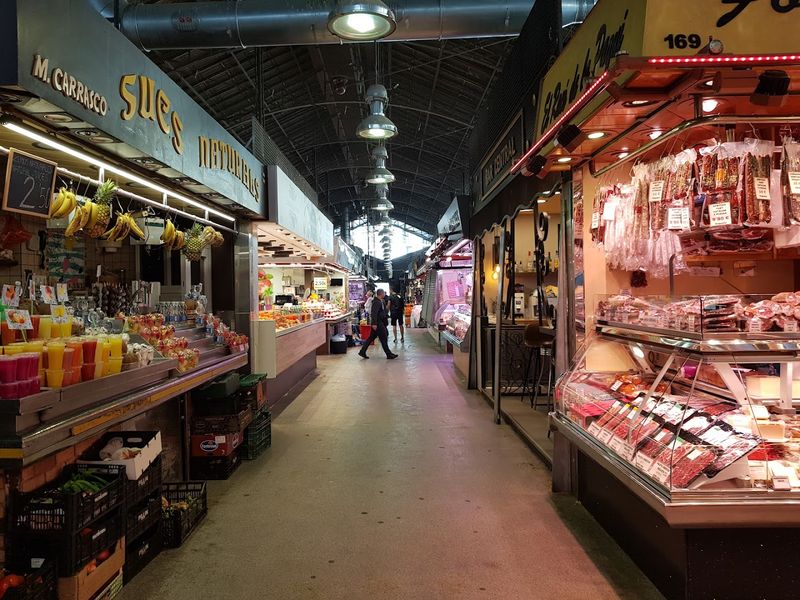
La Boqueria has had its reputation dragged through the tourist-trap debate for years now, and yet locals still shop here. That alone says something.
Yes, it gets crowded. Yes, the fruit cups near the entrance are overpriced.
But push past the front stalls and you will find proper fishmongers, butchers, and produce vendors who have held their spots for generations.
The market sits right on Las Ramblas and has been a fixture of Barcelona life since the 13th century. The stained-glass entrance and the iron-vaulted ceiling are genuinely beautiful, and the seafood counter displays are some of the most visually striking things I have seen in any market anywhere.
For the best experience, visit on a Tuesday or Wednesday morning when it is less packed. Skip the overpriced juice stands and instead head to one of the market bars for a glass of cava and a plate of jamón.
That is the Barcelona way to do it.
Bologna for the Historic Food Lanes of the Quadrilatero
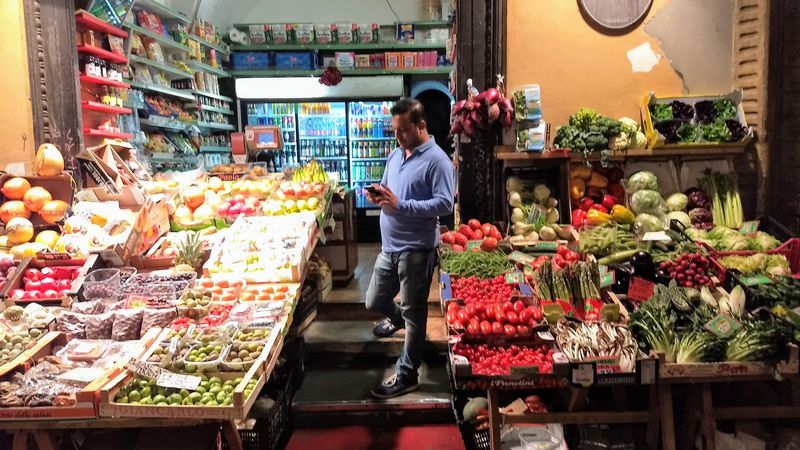
Bologna is already nicknamed La Grassa, meaning The Fat One, which is the highest possible praise in Italy. The Quadrilatero district, a tightly packed grid of medieval streets near Piazza Maggiore, is the reason that nickname exists.
These lanes have been a food market since Roman times, and the shops here still operate with that same single-minded dedication to quality.
Salumerias hang cured meats from the ceiling. Cheese shops stack Parmigiano-Reggiano wheels like edible furniture.
Fresh pasta shops sell tortellini by the gram, and the pasta here is so good it genuinely ruins you for pasta anywhere else.
The Quadrilatero is not a market hall with a roof. It is an entire neighborhood that functions as one.
Wander through on a weekday morning when deliveries are happening and the streets hum with activity. Pick up some mortadella, find a bench in the piazza nearby, and eat it with absolutely no apologies.
Bologna earned this reputation honestly.
Chiang Mai for Local Snacks and Everyday Life at Warorot Market
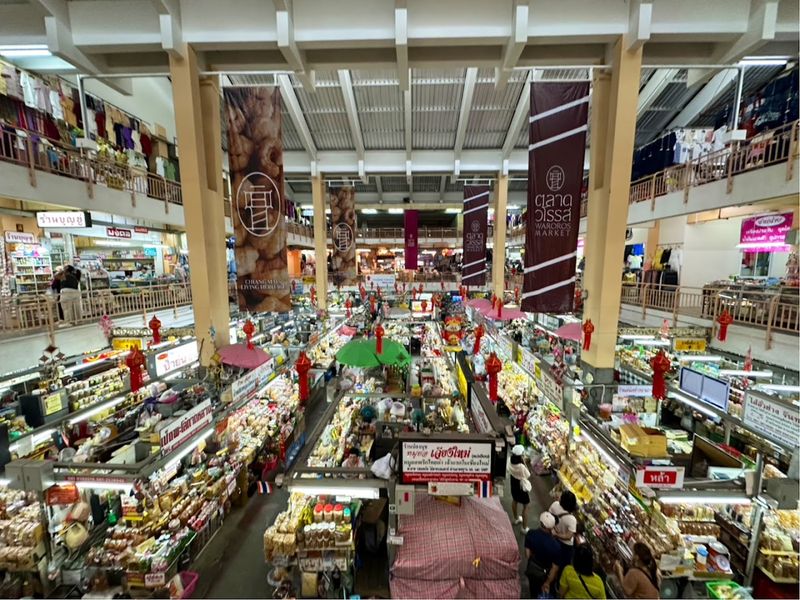
While tourists flock to Chiang Mai’s famous night bazaar, the locals head to Warorot. Known affectionately as Kad Luang, meaning The Big Market, Warorot is a multi-story covered market that has been running since 1910.
It sells everything from hill tribe textiles and silk scarves to northern Thai snacks you will not easily find anywhere else in the country.
The ground floor is a full sensory workout with dried fish, fresh herbs, and flower garlands stacked in neat rows. The upper floors carry household goods, traditional clothing, and all the snacks you will want to pack into your luggage.
Sai ua, which is Chiang Mai’s herby northern sausage, is a must-buy here.
Warorot sits next to the Ping River and is open daily from early morning until evening. It is relaxed, unhurried, and genuinely local in a way that makes you feel less like a tourist and more like someone who actually lives here.
That is the highest market compliment I can give.
Taipei for the Packed Food Stalls of Raohe Street Night Market
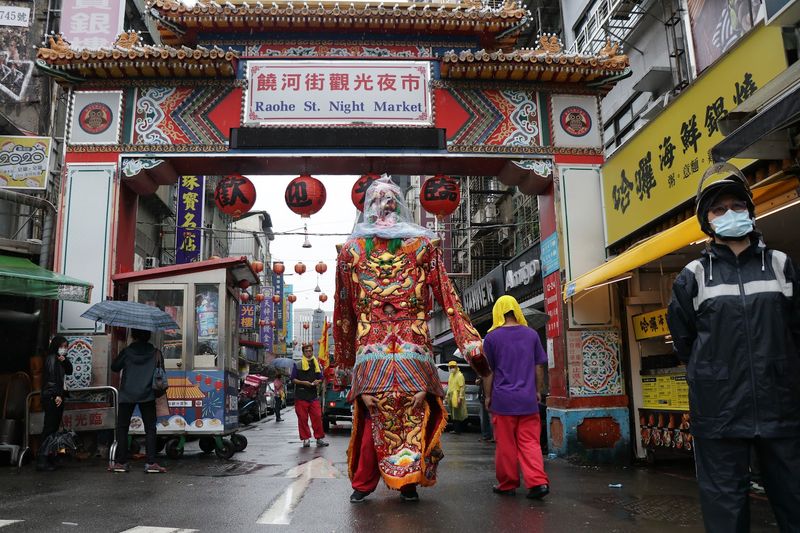
Taiwan takes its night markets very seriously, and Raohe Street is the one that consistently delivers. Running 600 meters long and packed shoulder to shoulder most evenings, this market has been a Taipei institution since the 1980s.
The entrance is marked by a massive Songshan Ciyou Temple, which is a pretty dramatic way to kick off a street food crawl.
The black pepper buns at the stall near the temple entrance are the stuff of legend. Vendors bake them in a clay oven, stuff them with pork and scallions, and hand them over piping hot.
There is almost always a queue, and it is always worth it.
Beyond the pepper buns, Raohe offers oyster vermicelli, grilled corn, medicinal herb soups, and bubble tea in every format known to humanity. Go on an empty stomach and wear comfortable shoes because you will be standing, walking, and eating simultaneously for at least two hours.
No complaints.
Palermo for the Raw Street-Market Atmosphere of Ballaro
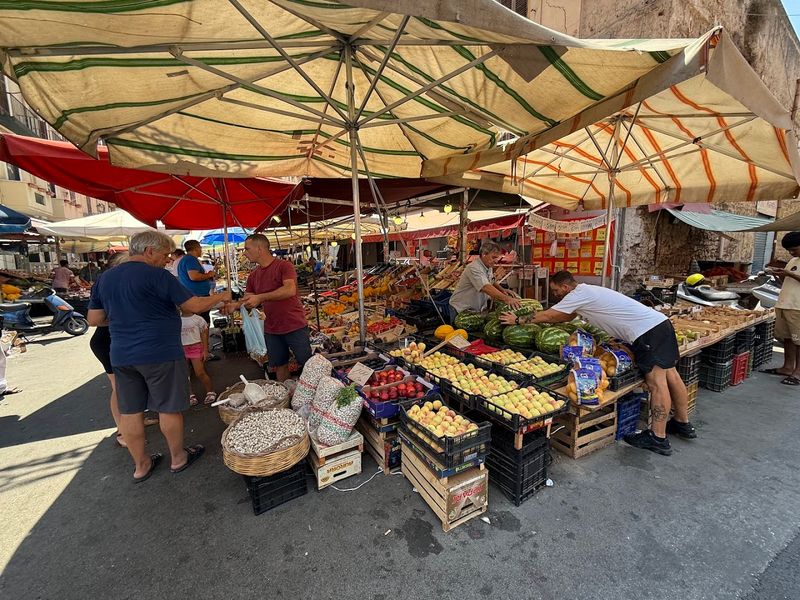
Ballaro is not polished. It is not designed for Instagram.
It is a raw, loud, gloriously chaotic street market that has been running in Palermo’s Albergheria neighborhood for over a thousand years, making it one of the oldest markets in Sicily. Vendors shout out their prices in a singsong Sicilian style called abbanniate, which is essentially competitive auctioneer poetry, and it is wildly entertaining.
The produce here is spectacular. Sicilian blood oranges, enormous artichokes, and fresh ricotta sold straight from the wheel sit alongside octopus, swordfish, and sea urchin on beds of crushed ice.
Street food stalls offer pane con la milza, which is a spleen sandwich that sounds alarming and tastes incredible.
Ballaro runs every morning except Sunday and is best visited before noon when the energy peaks. Bring cash, wear shoes you do not mind getting wet from the fishmongers’ ice runoff, and prepare to fall a little bit in love with Palermo’s unfiltered version of market life.
Ho Chi Minh City for the Iconic Bustle of Ben Thanh Market
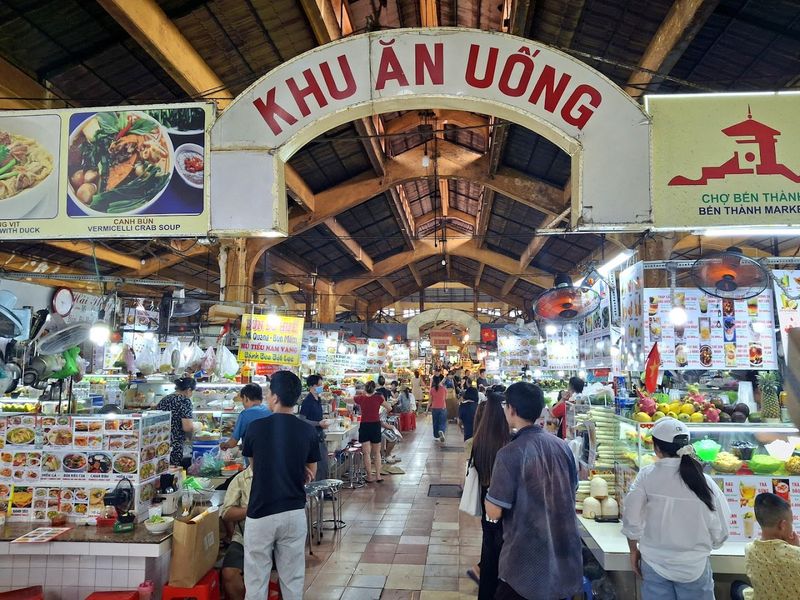
Ben Thanh Market is so central to Ho Chi Minh City’s identity that its clock tower is basically the unofficial symbol of the entire city. Built by the French in 1914, this covered market has survived wars, renovations, and the arrival of every major shopping mall in the district, and it is still standing strong in the middle of District 1.
Inside, vendors sell fresh pho, banh mi, dried seafood, lacquerware, conical hats, and silk by the meter. The food section at the back of the market is where I spent most of my time, eating a bowl of bun bo Hue at 9am with zero hesitation and maximum happiness.
After dark, the surrounding streets transform into an outdoor night market with extra food stalls and vendors selling everything from handmade jewelry to knockoff sneakers. Ben Thanh is touristy, yes, but it is also genuinely alive in a way that keeps drawing people back.
That energy does not fake itself.



