 Unearth The Voyage
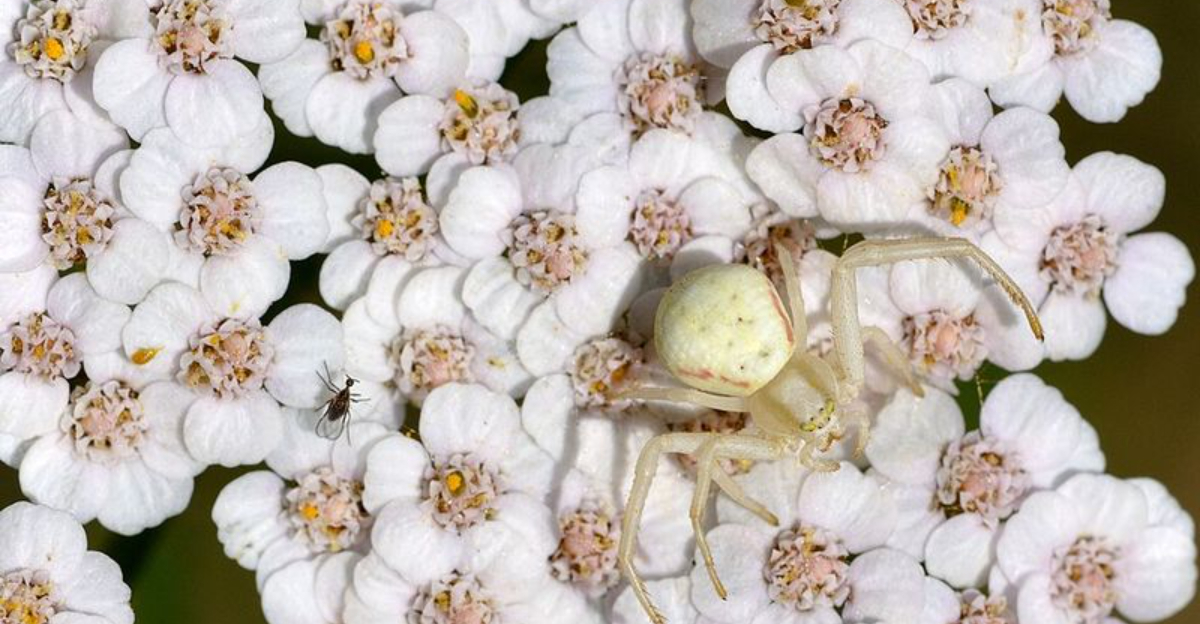
Long before modern medicine and grocery stores, Native American tribes built deep, meaningful relationships with the plants around them. These weren’t just herbs or trees – they were teachers, healers, and spiritual guides.
Across hundreds of tribes and thousands of years, certain plants earned a special place in ceremonies, prayers, and daily life. Get ready to meet the green guardians that have shaped Indigenous culture for generations.
White Sage (Salvia apiana)
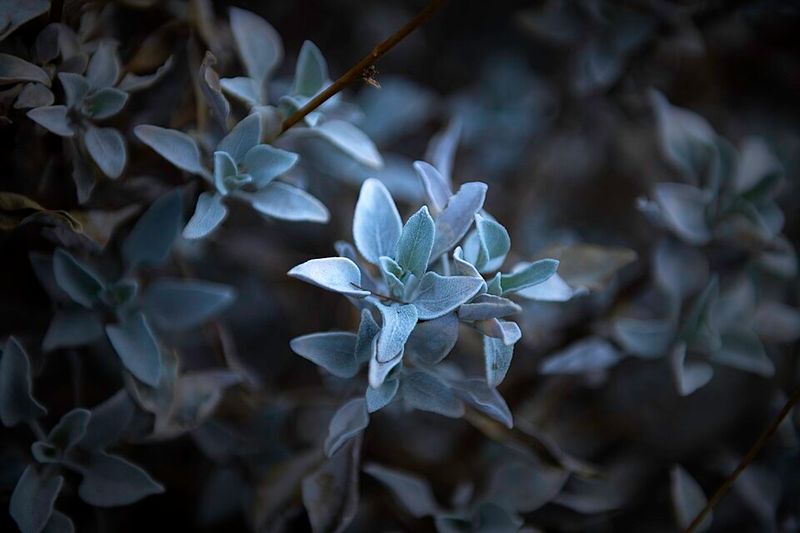
Walk into almost any Native American ceremony in the Southwest, and you’ll likely catch the unmistakable smoky, earthy scent of white sage drifting through the air. Known as a powerful purifier, this silvery plant has been used for centuries by the Lakota, Chumash, and many other tribes to cleanse spaces, objects, and people of negative energy.
The ritual of burning it is called smudging.
White sage grows wild in California’s coastal mountains and desert regions, making it a true child of the West. Tribes believed its smoke carried prayers upward to the Creator while sweeping away spiritual heaviness.
It wasn’t just symbolic the act was deeply intentional and respected.
Today, white sage faces serious overharvesting due to commercial demand. In some areas, it is legally protected.
Respecting its sacred status means sourcing it responsibly and honoring its cultural roots.
Sweetgrass (Hierochloe odorata)
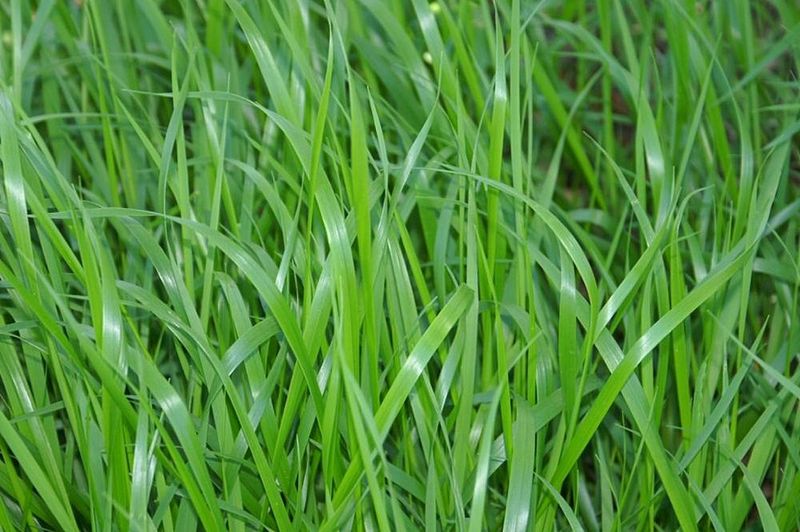
Nicknamed “the hair of Mother Earth,” sweetgrass has one of the most poetic identities in the plant world. Plains tribes like the Blackfoot and Cree braided it into long, fragrant strands and burned it during ceremonies to invite kindness, positivity, and connection to the Creator.
The smell alone feels like a warm hug from the earth itself.
Unlike white sage, which is used to drive out negativity, sweetgrass is burned to welcome good spirits and energy in. Think of it as the yin to sage’s yang – a welcoming beacon rather than a cleanser.
These two plants are often used together in ceremony.
Sweetgrass grows in cool, moist meadows across North America and is notoriously tricky to cultivate outside its native habitat. Harvesting it respectfully, by hand and in small amounts, is a practice many Indigenous communities still honor today.
Tobacco (Nicotiana rustica / Nicotiana tabacum)
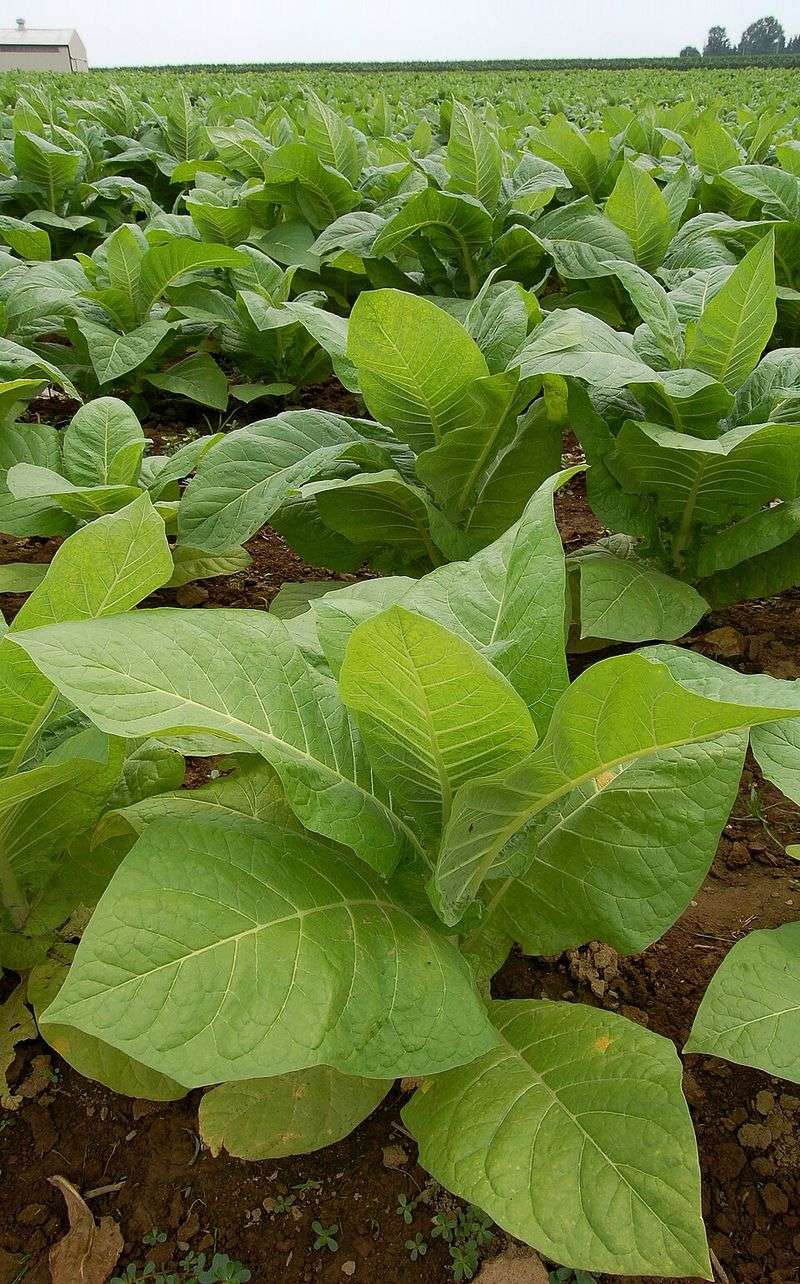
Before cigarettes ever existed, tobacco held a completely different identity – one of reverence, prayer, and sacred communication. Nearly every Native American culture across the continent used tobacco in some form, making it perhaps the most universally sacred plant in Indigenous tradition.
It served as a mediator between humans and the spirit world.
Offerings of tobacco were made during prayer, placed at the base of trees, sprinkled into water, or smoked in ceremonial pipes called calumets. The act was never casual.
It was always intentional, always meaningful, and always accompanied by deep respect. Traditional tobacco is also far stronger and more potent than commercial varieties.
Here is where a crucial distinction matters: traditional ceremonial tobacco is nothing like the mass-produced product sold in stores today. Commercial tobacco has been stripped of its spiritual context entirely.
For many Native communities, that difference is not just important – it is everything.
Cedar (Thuja spp. / Juniperus spp.)
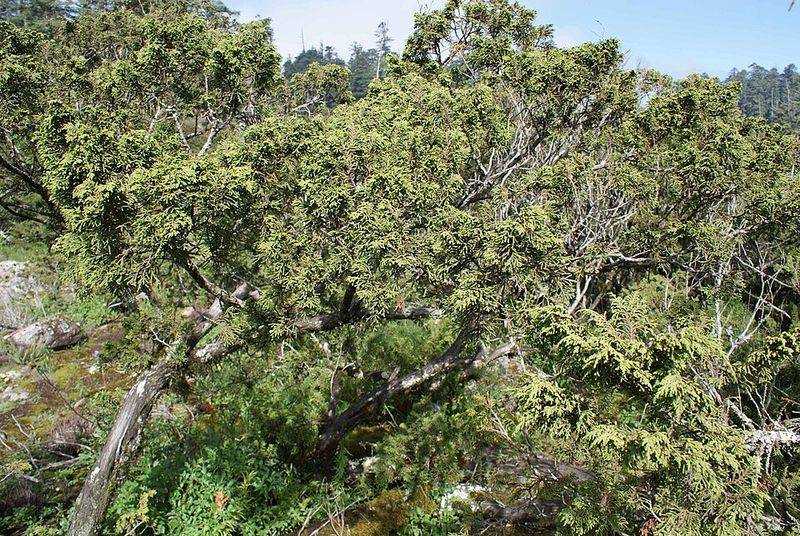
Cedar has a reputation that precedes it – this ancient, aromatic tree is one of the most protective plants in Native American tradition. Burned in purification rituals and hung in homes, cedar was believed to ward off negative spirits and shield the people inside from harm.
Its sharp, clean scent signals safety to those who know its story.
Tribes across North America, from the Pacific Northwest to the Great Plains, incorporated cedar into their spiritual practices. Some hung branches above doorways.
Others burned the leaves as incense during healing ceremonies. A few tribes even used cedar in sweat lodge rituals to purify both body and spirit.
Cedar trees can live for hundreds of years, and many Indigenous communities see them as ancient guardians of the forest. Their longevity alone commands respect.
Burning cedar is not just a ritual – it is a conversation with something much older than ourselves.
Sage (Artemisia tridentata)
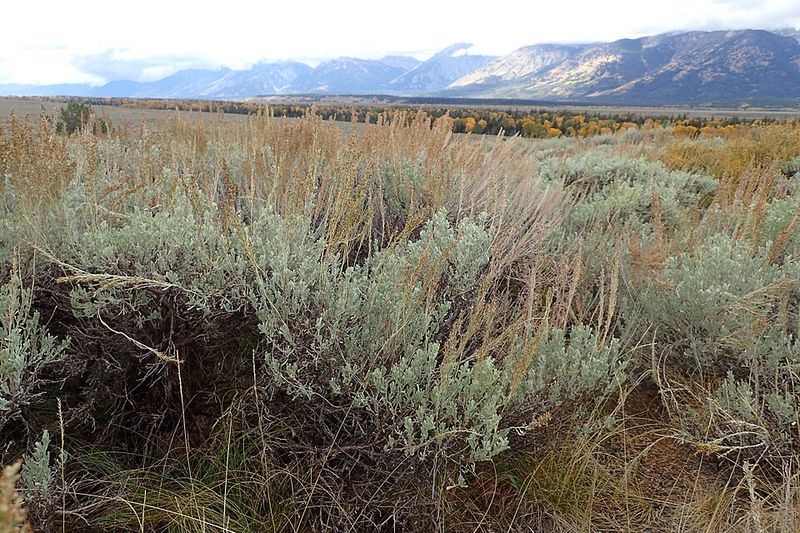
Out on the wide, windswept plains and Great Basin deserts, a different kind of sage rules the landscape – big sagebrush, or Artemisia tridentata. It is not the same as white sage, but it carries its own powerful spiritual identity among the tribes who call that land home.
The scent alone is something unforgettable.
Great Basin and Plains tribes used this sage for cleansing rituals, much like white sage was used in the West. Burned or carried, it was thought to clear the mind and space of unwanted energies before important ceremonies began.
Healers used it to prepare both themselves and their patients for spiritual work.
Sagebrush is one of the most common plants in the American West, blanketing millions of acres of land. Yet its abundance has never made it ordinary to those who hold it sacred.
For many tribes, stepping into sagebrush country means stepping onto holy ground.
Peyote (Lophophora williamsii)
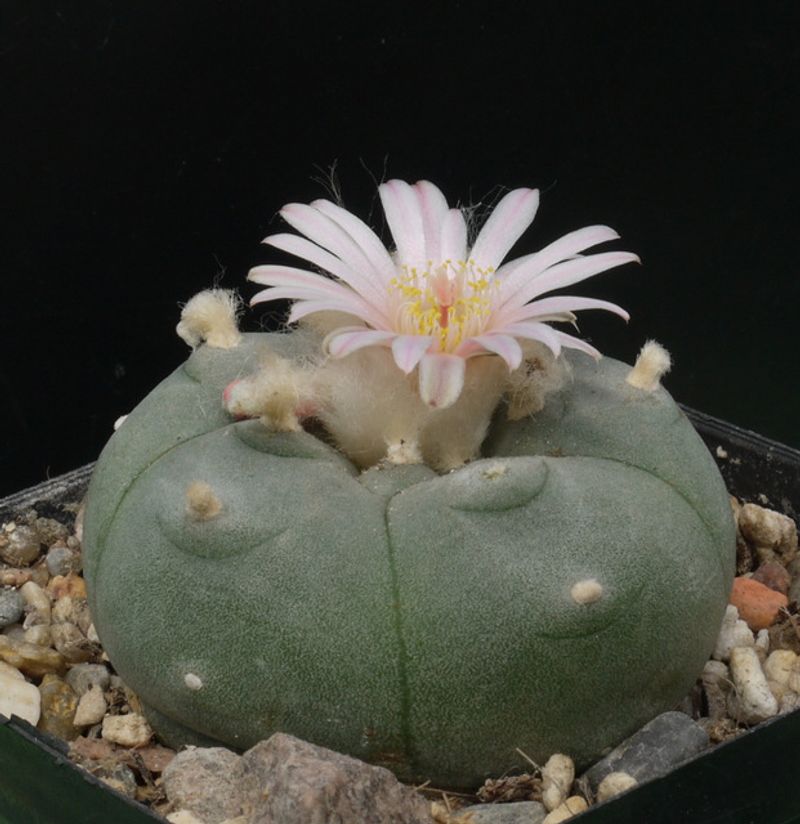
Small, spineless, and barely noticeable in the desert landscape, peyote might be the most quietly powerful plant on this list. This small cactus, native to the Chihuahuan Desert, has been used in sacred ceremonies by Indigenous peoples for thousands of years.
Today, it remains central to the spiritual practices of the Native American Church.
Peyote ceremonies are serious, structured, and deeply spiritual events. Participants use the cactus as a sacrament during all-night prayer meetings that involve singing, drumming, and intense personal reflection.
Healers have long used it to address both physical illness and spiritual distress, treating the whole person rather than just symptoms.
In the United States, peyote is legally protected for use in bona fide Native American religious ceremonies. This protection reflects a hard-won recognition of Indigenous religious rights.
Approaching peyote with anything less than full cultural respect is not just inappropriate – it misses the point entirely.
Corn (Zea mays)
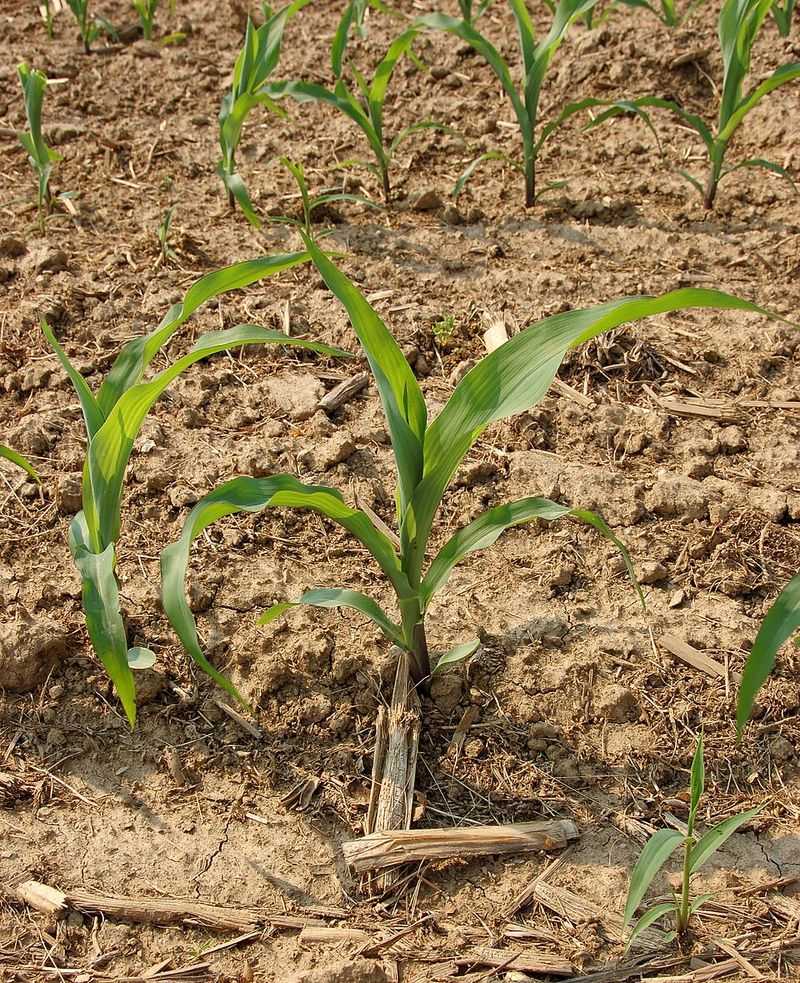
Corn is not just food – for many Native American tribes, it is life itself. The Hopi, Navajo, and Iroquois, among dozens of others, built entire spiritual frameworks around this remarkable plant.
It represents sustenance, fertility, and the sacred bond between humans and the earth. Corn without ceremony would be like a song without meaning.
Part of the legendary “Three Sisters” alongside beans and squash, corn anchored agricultural societies across the continent. Ceremonies marked every stage of its life cycle, from planting to harvest.
Cornmeal was sprinkled as offerings, and corn pollen held special spiritual significance in Navajo rituals, symbolizing life, health, and beauty.
Blue corn, white corn, and multicolored varieties each carried their own symbolism within different tribal traditions. Hopi people, for example, associate different corn colors with the four directions.
Growing corn was never a simple act of farming – it was participation in something sacred and generational.
Tobacco Sage / Desert Sage (Salvia dorrii)
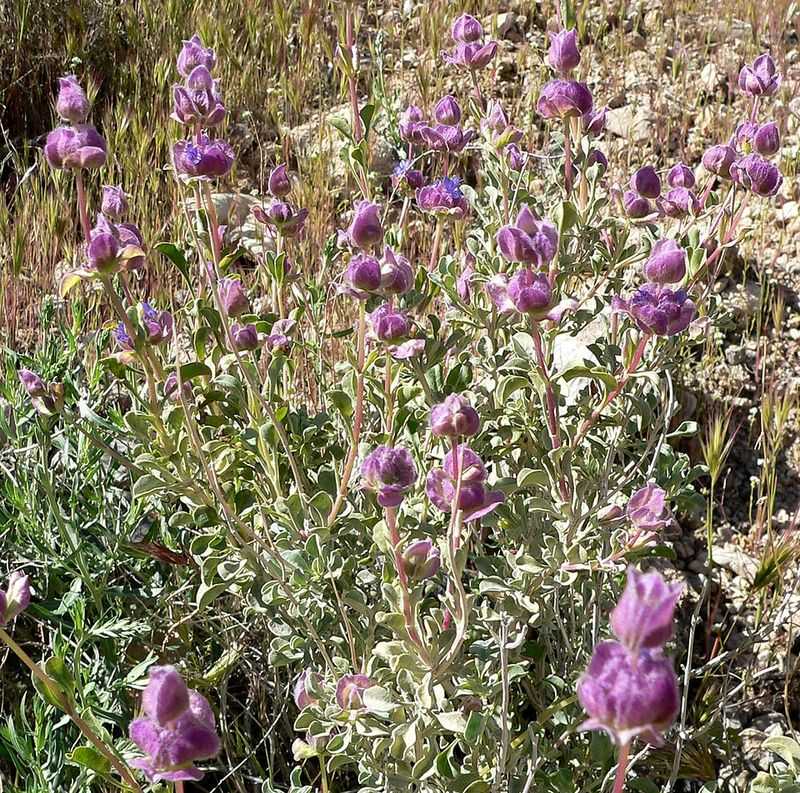
Meet the lesser-known cousin of white sage – desert sage, or Salvia dorrii, a scrappy little plant that punches well above its weight in spiritual importance. Used by western tribes for smudging and purification, this sage is a workhorse of the desert landscape, thriving in conditions that would flatten most other plants.
Its resilience alone makes it worthy of admiration.
Like white sage, desert sage is burned to cleanse spaces and people before ceremonies or healing work. The smoke is believed to carry away negative energy and prepare the environment for spiritual connection.
Tribes in California, Nevada, and surrounding western regions have relied on it for generations as a readily available sacred tool.
What makes Salvia dorrii stand out is its stunning purple flower clusters, which bloom in spring and attract pollinators from miles around. It is beautiful, tough, and deeply useful.
In the plant world, that combination is genuinely rare.
Bearberry (Arctostaphylos uva-ursi)
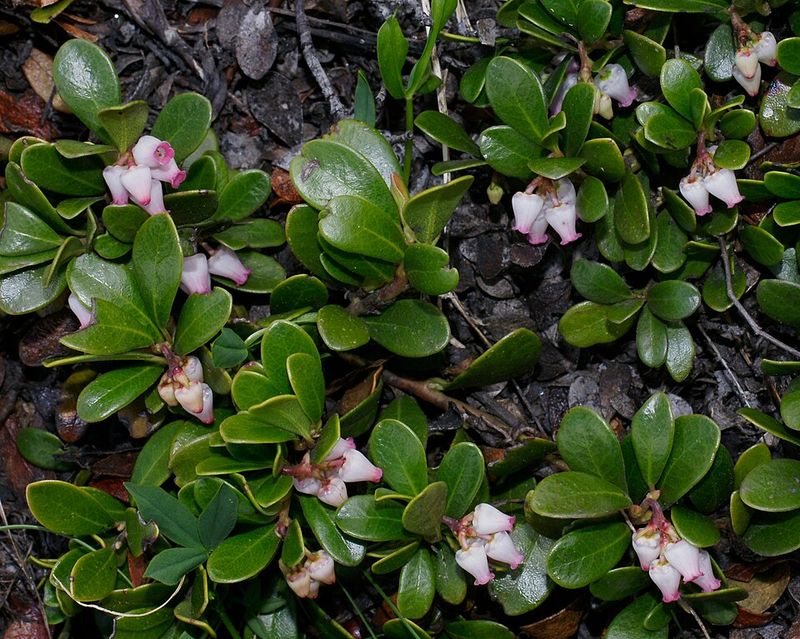
Bearberry goes by a name that sounds like a hiking snack, but its role in Native American tradition is anything but casual. Known widely among northern tribes as kinnikinnick, the dried leaves of this low-growing plant were blended into traditional smoking mixtures used in sacred rituals and pipe ceremonies.
Bears apparently love the berries too – hence the name.
Tribes across Canada and the northern United States used kinnikinnick as a sacred offering and ceremonial smoking blend, often mixed with other plants like tobacco or red willow bark. The mixture was smoked in pipes during prayer, diplomacy, and healing rituals.
Its use was always tied to intention and respect, never recreation.
Bearberry thrives in cold, rocky environments where most plants struggle, spreading quietly across forest floors and mountain slopes. Its toughness mirrors the communities that rely on it.
Sometimes the most quietly persistent plants carry the most powerful medicine.
Willow (Salix spp.)
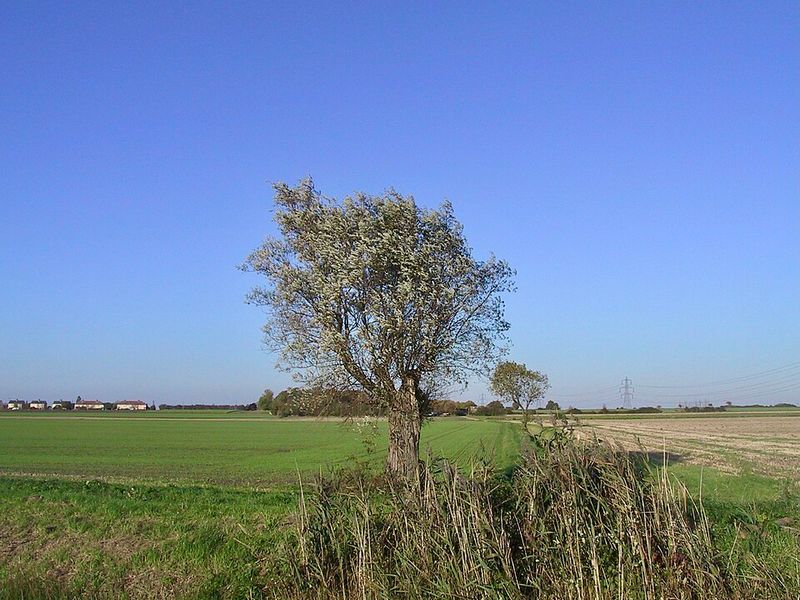
Willows have always had something almost magical about them – those long, trailing branches swaying near water like they are listening to the river speak. Across many Native American tribes, willow held deep ceremonial and medicinal importance, revered as a symbol of healing, resilience, and the ability to bend without breaking.
That flexibility was not lost on anyone.
Medicinally, willow bark contains salicin, a compound closely related to aspirin, making it a natural pain reliever that Indigenous healers understood long before modern pharmacology caught up. Tribes used it for fevers, headaches, and joint pain.
Its healing power was practical and proven over thousands of years of careful observation.
In ceremony, willow branches were woven into sweat lodge frames, used in Sun Dance preparations, and incorporated into prayer bundles. The willow’s connection to water made it symbolically linked to purification and emotional healing.
It was, in every sense, a plant that worked on multiple levels at once.
Sunflower (Helianthus annuus)
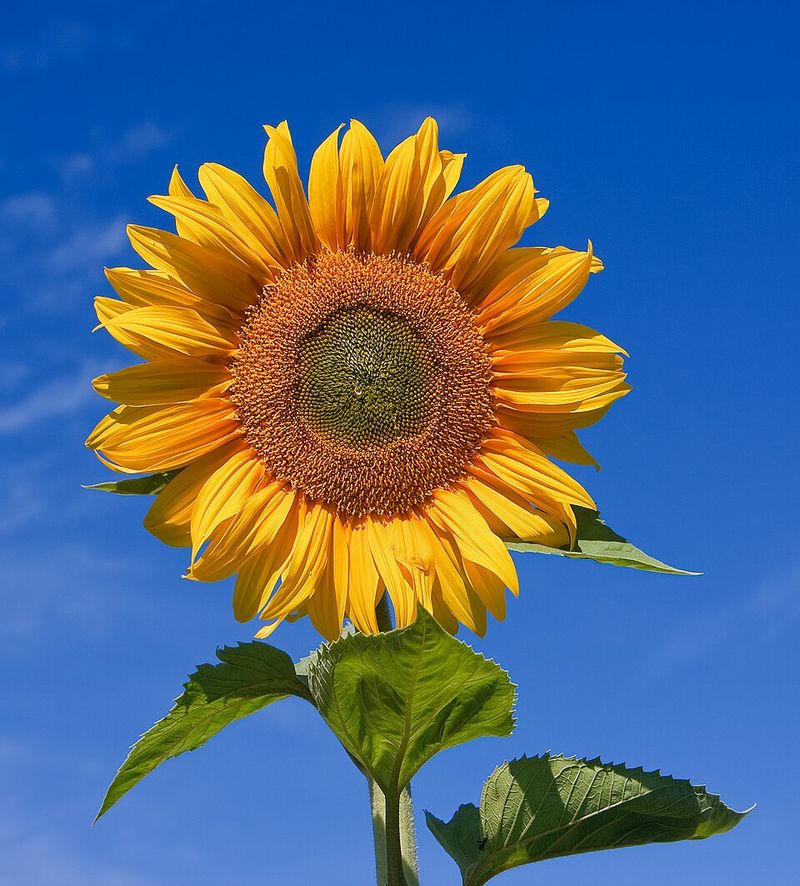
Sunflowers are basically the optimists of the plant kingdom – always turning toward the light, always standing tall. For Plains tribes and many other Indigenous agricultural communities, the sunflower was a sacred symbol of the sun, harvest, and abundance.
Its cheerful face was not just decorative; it carried real spiritual weight.
Native Americans were the first to domesticate sunflowers, cultivating them for food, oil, and dye long before European contact. Seeds were ground into flour, pressed for oil, and eaten as a high-energy food source during hunts and journeys.
In ceremony, sunflower seeds were offered as gifts to the sun and used in harvest celebrations that honored the earth’s generosity.
Some tribes planted sunflowers at the edges of fields to signal abundance and attract pollinators to their crops. It was smart agriculture wrapped in spiritual intention.
The sunflower managed to be beautiful, useful, and sacred all at the same time – a genuinely impressive resume for any plant.
Devil’s Club (Oplopanax horridus)
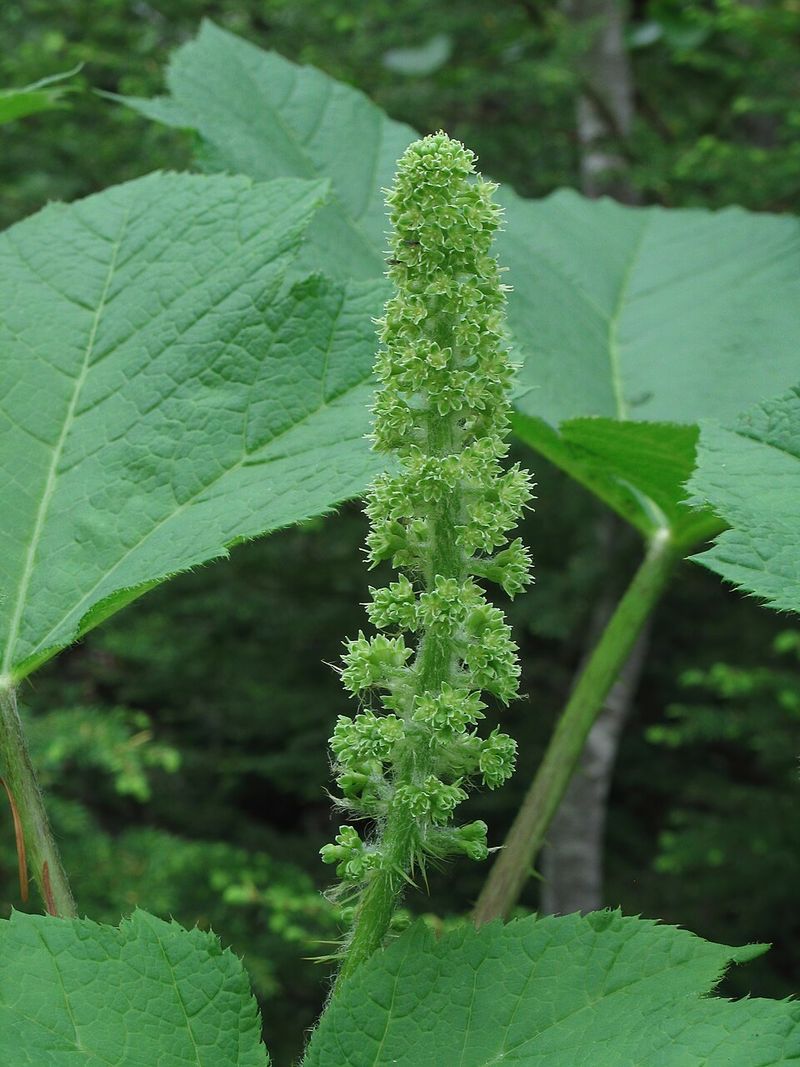
Do not let the name fool you – Devil’s Club is one of the most respected plants in Pacific Northwest Indigenous tradition, even if its spiny stems suggest otherwise. With enormous leaves, vivid red berries, and sharp spikes covering every surface, this plant makes its presence known.
Pacific Northwest tribes like the Haida, Tlingit, and Coast Salish have long regarded it as one of their most powerful spiritual protectors.
Healers used Devil’s Club to treat everything from infections and respiratory illness to diabetes-like conditions, making it a true cornerstone of Indigenous medicine. Spiritually, it was carried or placed near homes to ward off evil and provide protection against harmful forces.
Its bark was burned and used in rituals that required serious spiritual strength.
Even the act of harvesting Devil’s Club requires care and respect – those spines are no joke. Many believe the plant’s prickliness is itself a message: powerful medicine does not come without effort, attention, and a healthy dose of humility.
Yarrow (Achillea millefolium)
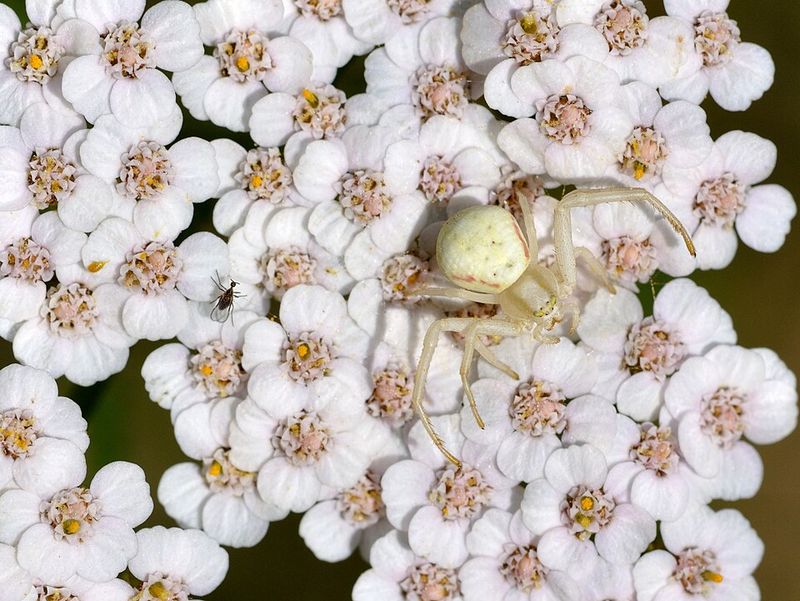
Named after the Greek hero Achilles, who supposedly used it to treat his soldiers’ wounds, yarrow has a battle-tested reputation that stretches across cultures and continents. Native American tribes across North America independently discovered its remarkable healing properties and wove it into both medicinal and ceremonial life.
When a plant earns that kind of cross-cultural respect, you pay attention.
Tribes used yarrow to stop bleeding, reduce fevers, and treat wounds – making it one of the original field medicines of the natural world. Ceremonially, it was burned, carried, or worn for protection.
Some tribes believed it strengthened a person’s spiritual defenses the same way it physically helped the body fight off illness and injury.
Yarrow grows almost everywhere – roadsides, meadows, mountain slopes – making it one of the most accessible healing plants in North America. Its very commonness made it a democratic medicine, available to everyone who knew how to look.
For many tribes, that accessibility was itself a gift from the earth.



