Summer 1970 occupied a peculiar space in American cultural history. The 1960s had officially ended on the calendar, but the music refused to acknowledge that fact. Rock was expanding in every direction at once, pulling in gospel, jazz, funk, folk, and classical influences, while artists churned out songs that felt urgent, experimental, and impossible to ignore. Radio listeners that year were treated to an unusually rich stretch of chart-toppers, from fuzz-drenched guitar anthems to orchestrated soul epics that addressed everything from late-night writer’s block to full-blown societal unrest.
These were not background songs. They were the kind of tracks that stopped conversations, defined road trips, and got debated in living rooms across the country. Each one carried a distinct personality, a specific cultural fingerprint that tells us something real about where popular music was heading and what people were feeling at the time. The 13 songs covered here represent some of the most memorable and historically interesting chart hits of that summer, each with a backstory worth knowing.
1. Spirit in the Sky – Norman Greenbaum
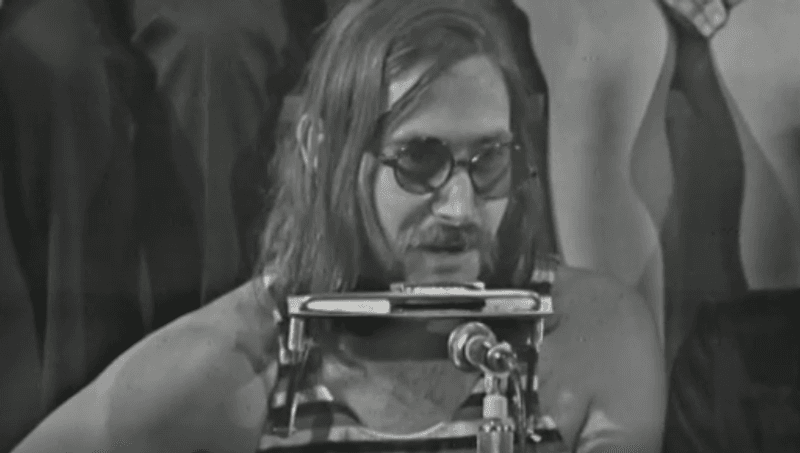
Few songs reach number one in three countries while being written in under 15 minutes, but Norman Greenbaum managed exactly that with this gospel-infused rock track. Greenbaum, who is Jewish, drew inspiration from watching country singer Porter Wagoner perform a gospel number on television, an unexpected creative spark that shaped the song’s spiritual tone.
The fuzz-drenched guitar sound was produced using a Fender Telecaster fitted with a built-in fuzz box, which became nearly as iconic as the song itself. It hit number three on the Billboard Hot 100 in April 1970 and topped charts in the UK, Australia, and Canada.
John Lennon named it among his favorite tracks in a 1970 interview. Despite being widely labeled a one-hit wonder, the song has appeared in films and television series for decades, continuing to reach new audiences.
2. Ride Captain Ride – Blues Image
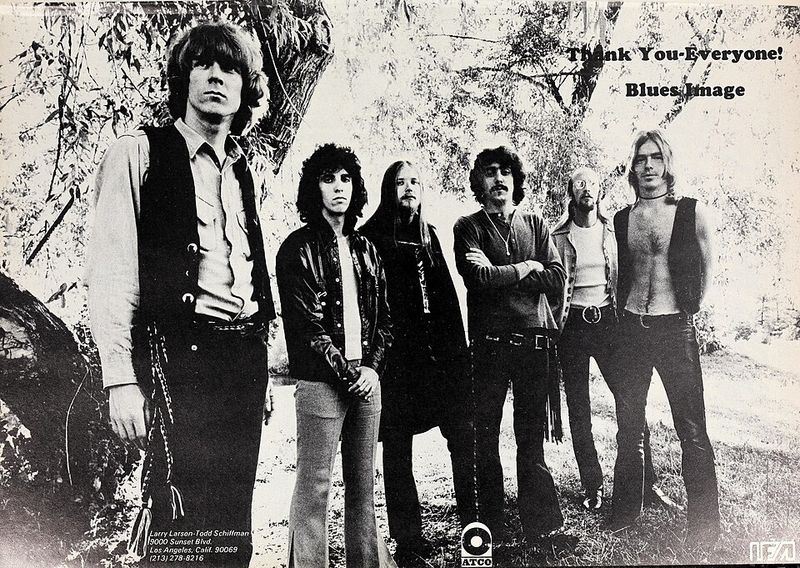
The opening guitar riff of this track was not the product of careful planning. Keyboardist Frank Skip Konte played a casual lick on a Rhodes electric piano during a studio session, and the song essentially built itself from there. Co-written with guitarist Mike Pinera, it peaked at number four on the US Billboard Hot 100 by mid-1970 and earned Gold certification by August of that year.
The lyric referencing 73 men sailing from San Francisco Bay has a surprisingly mundane origin. Pinera chose the number simply because there are 73 keys on the Rhodes piano he was using, not because of any historical maritime event.
Despite selling over one million copies, Blues Image never placed another song in the Top 40, earning them the one-hit wonder label. Jimi Hendrix had reportedly praised the band as one of the best up-and-coming acts around before their breakthrough.
3. Green-Eyed Lady – Sugarloaf
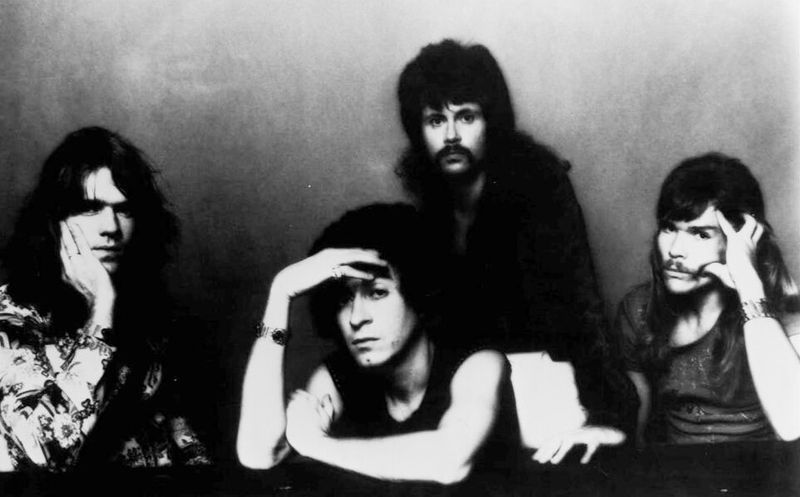
Keyboardist Jerry Corbetta pulled the central organ riff for this track directly from a scale exercise in a music theory book, then turned it into one of the most recognizable hooks of 1970. The song peaked at number three on the Billboard Hot 100 in October and sat at number one in Canada for two consecutive weeks.
The green-eyed lady of the title was Corbetta’s then-girlfriend, Kathy Peacock, giving the song a personal dimension that contrasted with its grand, progressive rock arrangement. The album version stretched past six minutes with an improvisational jazz-influenced organ solo, though radio stations played a significantly shorter edit.
Before landing on the name Sugarloaf, the band performed as Chocolate Hair, a name their record label urged them to change due to concerns about potential racial overtones. The Colorado mountain gave them their final, more radio-friendly identity.
4. Spill the Wine – Eric Burdon & War
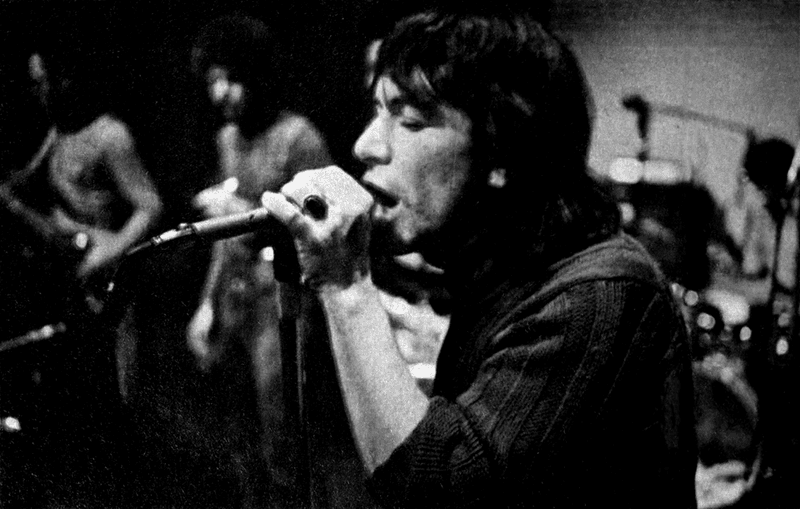
According to the story surrounding this track, a spilled drink during a recording session launched one of the summer’s most distinctive hits. Keyboardist Lonnie Jordan reportedly knocked wine onto the mixing board, prompting Eric Burdon to improvise a spoken-word narrative about a surreal dream involving a seductive woman.
The resulting song blended psychedelic funk, Latin rhythms, blues rock, and spoken word into something that defied easy classification. It peaked at number three on the Billboard Hot 100 by August 1970 and originally was intended to be the B-side for a track called Magic Mountain.
This collaboration marked Burdon’s final Top 10 hit and served as a major commercial breakthrough for War, whose genre-fusing style would carry them through the decade. A London performance by the group in September 1970 holds a notable place in rock history as Jimi Hendrix’s final public appearance.
5. Question – The Moody Blues
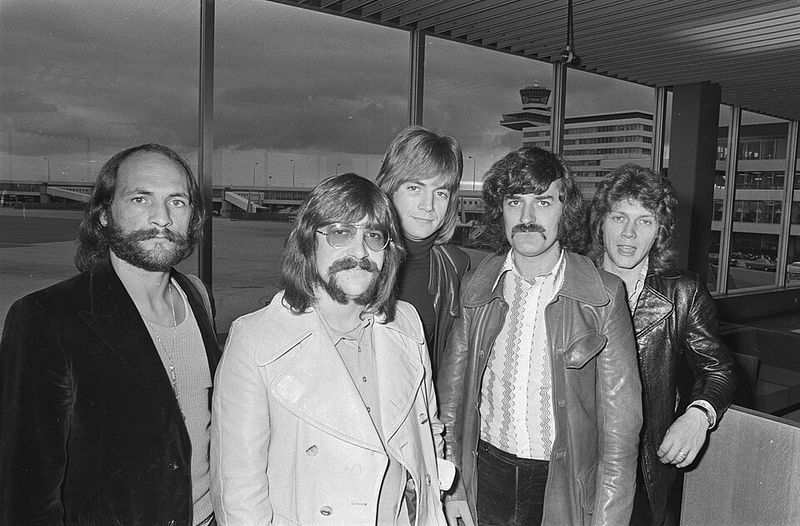
Justin Hayward wrote this song out of genuine frustration after observing the fear young American audiences carried during the band’s US tours, particularly anxiety about the Vietnam War and military conscription. He described channeling his own anger at what was happening into the lyrics, which shift between aggressive urgency and reflective balladry.
The song’s unusual structure came from Hayward combining two unfinished compositions, resulting in a five-minute single with two distinct tempo changes, a bold choice that still connected with mainstream audiences. It reached number two in the UK, their highest-charting single with their classic lineup, and number 21 on the US Billboard Hot 100.
Hayward stated the track was recorded live with no overdubbing or double-tracking, giving it a raw, immediate quality. The Moody Blues had built their reputation on Mellotron-heavy, layered arrangements, making this more stripped approach a noticeable shift in direction.
6. Lay Down (Candles in the Rain) – Melanie
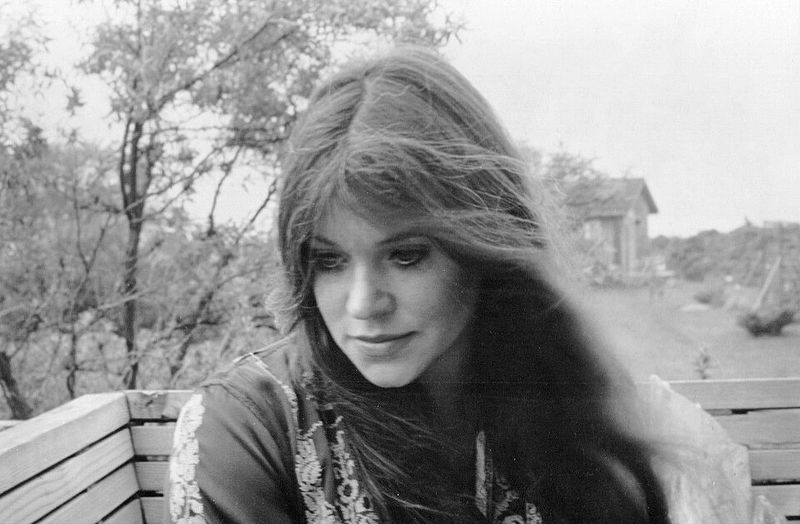
Melanie Safka was a relatively unknown performer when she took the Woodstock stage in August 1969 during a rainy evening after another act refused to go on. As she performed, audience members began lighting candles and matches in the darkness, a sight she found so overwhelming that she wrote this song to capture it.
Released in March 1970, the folk and gospel-inflected track reached number six on the US Billboard Hot 100 and topped charts in Canada and the Netherlands. A collaboration with the Edwin Hawkins Singers provided the gospel vocal backing that gave the recording its spiritual weight.
The song became associated with the November 1969 Moratorium to End the War in Vietnam, connecting it to broader political currents of the era. At subsequent concerts, audiences continued the tradition of lighting candles and lighters during her performances, turning it into a recurring communal ritual.
7. House of the Rising Sun – Frijid Pink
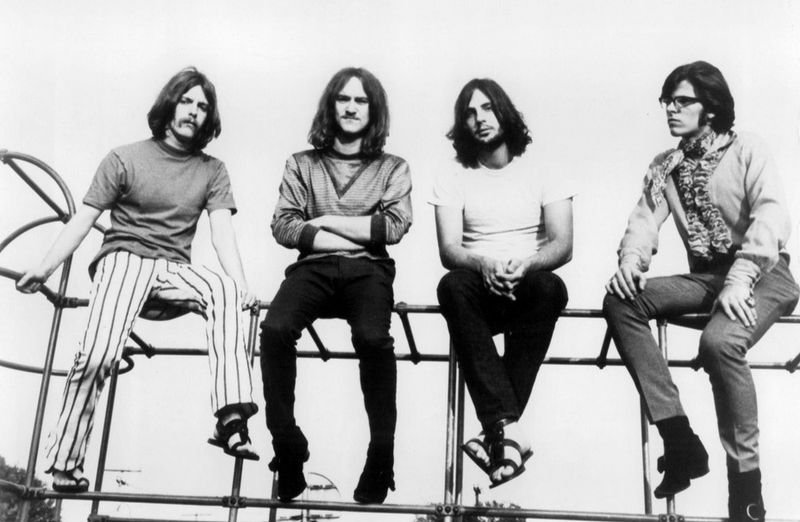
Recorded as filler to use up leftover studio time, this Detroit band’s take on the traditional folk narrative was captured in a single take and went on to sell over one million copies. Gary Ray Thompson’s fuzz and wah-wah saturated guitar work made their version dramatically different from The Animals’ 1964 hit, which most listeners still recognized.
Released as a single in December 1969, it gained national traction by February 1970 and peaked at number seven on the US Billboard Hot 100 in April. Internationally, it reached number one in Germany and Norway, number three in Canada, and number four in the UK.
Formed in Detroit in 1967 as The Detroit Vibrations, the band channeled the city’s raw energy into this recording. Their debut album, also titled Frijid Pink, rode the single’s momentum to reach number 11 on the Billboard Pop Albums chart.
8. Vehicle – The Ides of March
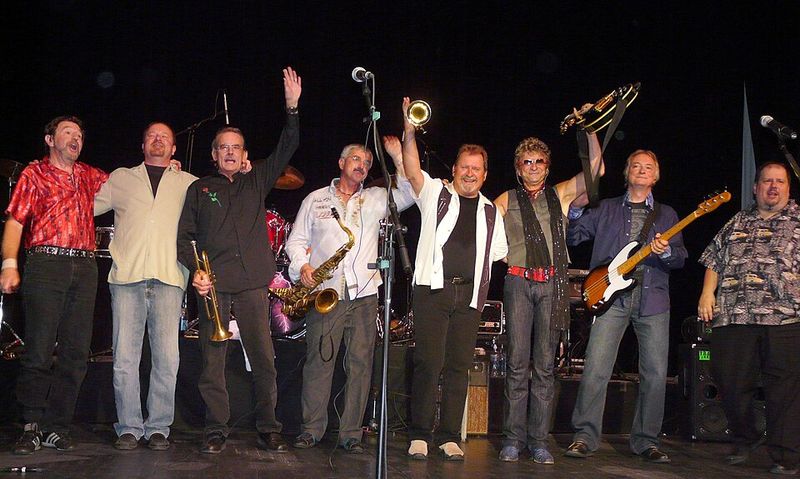
Jim Peterik wrote this song after a girl he liked kept using him primarily for rides in his car, turning personal irritation into one of the fastest-selling singles in Warner Bros. history at the time. The memorable opening line was partially drawn from an anti-drug pamphlet Peterik had come across, an unexpected source for what became a Top 5 hit.
Released in March 1970, it peaked at number two on the Billboard Hot 100 by May and hit number one on the Cashbox chart, selling over one million copies. The band’s horn-heavy sound led some listeners to mistake them for Chicago or Blood, Sweat and Tears.
A 14-second section of the guitar solo on the master tape was accidentally erased during production, requiring a careful splice from a discarded take to save the track. Peterik would later co-write Eye of the Tiger for Survivor, but Vehicle remained his most immediate commercial landmark.
9. American Woman – The Guess Who
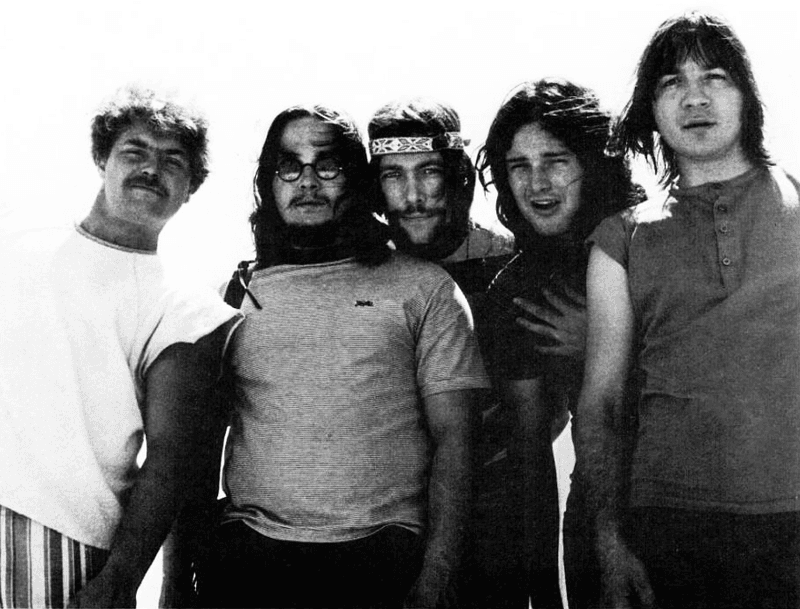
Randy Bachman broke a guitar string during a performance at a Canadian curling rink, and while replacing it, began playing a repetitive riff that the rest of the band joined spontaneously. Burton Cummings improvised lyrics on the spot, and an audience recording of that moment later served as the demo for one of the year’s biggest hits.
Released in March 1970, it held the number one position on both the US Billboard Hot 100 and the Canadian RPM chart for three weeks in May, making The Guess Who the first Canadian rock act to top the American chart. The meaning of the lyrics became a long-running debate between Bachman, who called it an anti-war statement, and Cummings, who maintained it was simply about preferring Canadian women.
The track was reportedly pulled from White House rotation after the band performed for President Nixon, due to its perceived critical stance on American culture.
10. Make Me Smile – Chicago
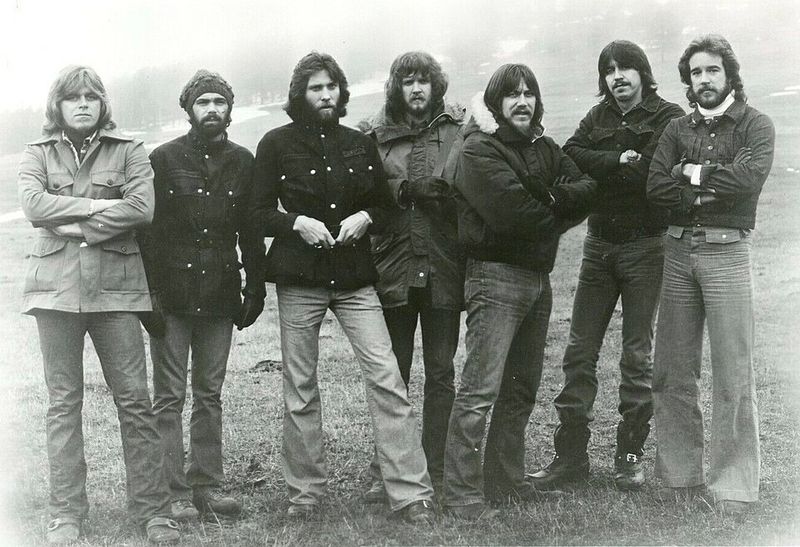
Trombonist James Pankow composed this track as the opening movement of a seven-part suite called Ballet for a Girl in Buchannon, an ambitious structure that the record company quietly bypassed by creating a radio edit without the band’s initial knowledge. That edited version, featuring a modified introduction and shortened guitar solo, became Chicago’s first Top 10 hit.
Released in March 1970, it peaked at number nine on the Billboard Hot 100 and stayed on the chart for 14 weeks. The parent album, Chicago II, reached number four on the Billboard 200 and was the first to feature the band’s now-famous script logo after they shortened their name from Chicago Transit Authority to avoid legal action.
The album’s liner notes carried a dedication to the people of the revolution, reflecting the era’s political consciousness. Guitarist Terry Kath, who sang lead on this track, was so highly regarded that Jimi Hendrix once called him a superior guitarist.
11. Ball of Confusion (That’s What the World Is Today) – The Temptations
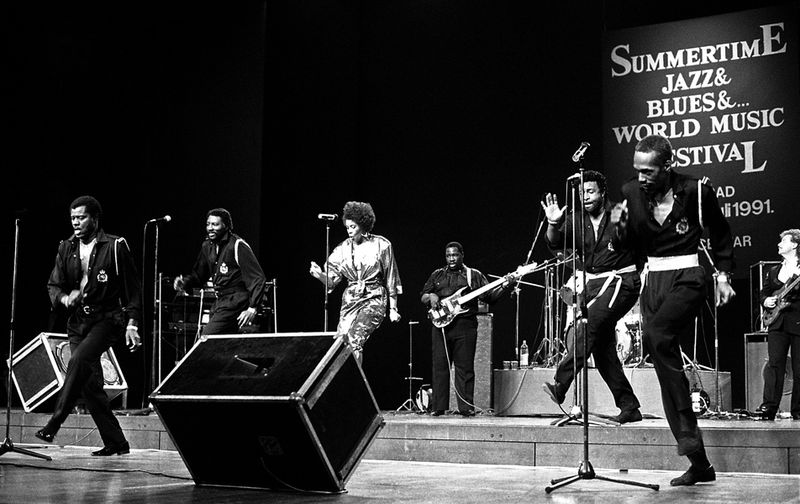
Norman Whitfield and Barrett Strong packed this track with a rapid-fire list of contemporary problems including the Vietnam War, urban decay, racial tensions, drug addiction, and the Nixon administration, making it one of the most explicitly political songs ever released by Motown. Otis Williams later noted the lyric density reminded him of Bob Dylan’s Subterranean Homesick Blues.
Released on May 7, 1970, it reached number three on the Billboard Hot 100 and number two on the R&B chart, finishing as the number 24 song of the year. All five Temptations members contributed lead vocals in a rotating style that edged toward what would later be recognized as rap.
Whitfield had been studying Jimi Hendrix and Sly and the Family Stone to push Motown’s sound into funkier territory. The closing phrase, and the band played on, delivered a pointed commentary on a society that kept moving despite mounting internal pressures.
12. Woodstock – Crosby, Stills, Nash & Young
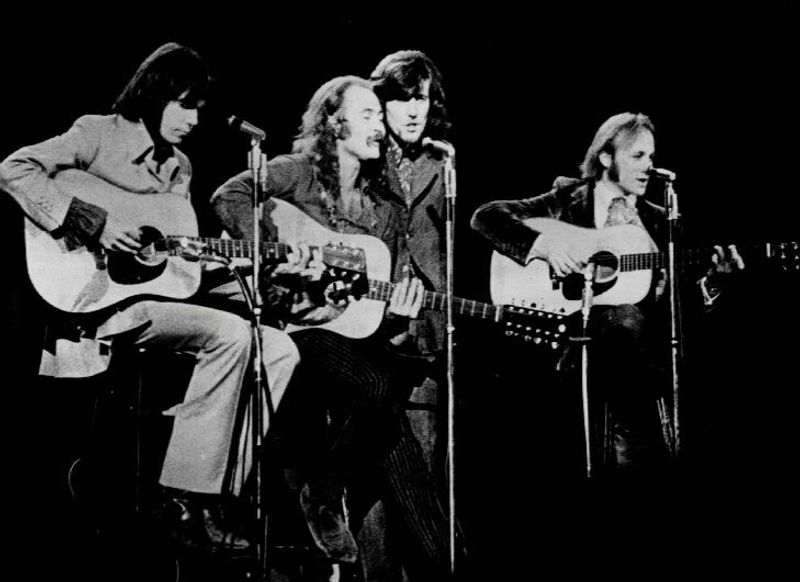
Joni Mitchell wrote this song without attending the festival, piecing together the experience from television news coverage and descriptions from Graham Nash, her boyfriend at the time. Her management had grounded her for a scheduled appearance on The Dick Cavett Show, keeping her away from Woodstock entirely, yet her composition became the definitive musical account of the event.
Crosby, Stills, Nash and Young released their version in March 1970 on the Deja Vu album, and it climbed to number 11 on the Billboard Hot 100. Their Woodstock performance had been only the group’s second live show together, making the experience particularly high-stakes despite their individual reputations.
A recording of the CSNY version also appeared under the closing credits of the Woodstock documentary film released in March 1970. David Crosby acknowledged that Mitchell’s lyrics captured the festival’s feeling more accurately than the accounts of those who were actually there.
13. 25 or 6 to 4 – Chicago
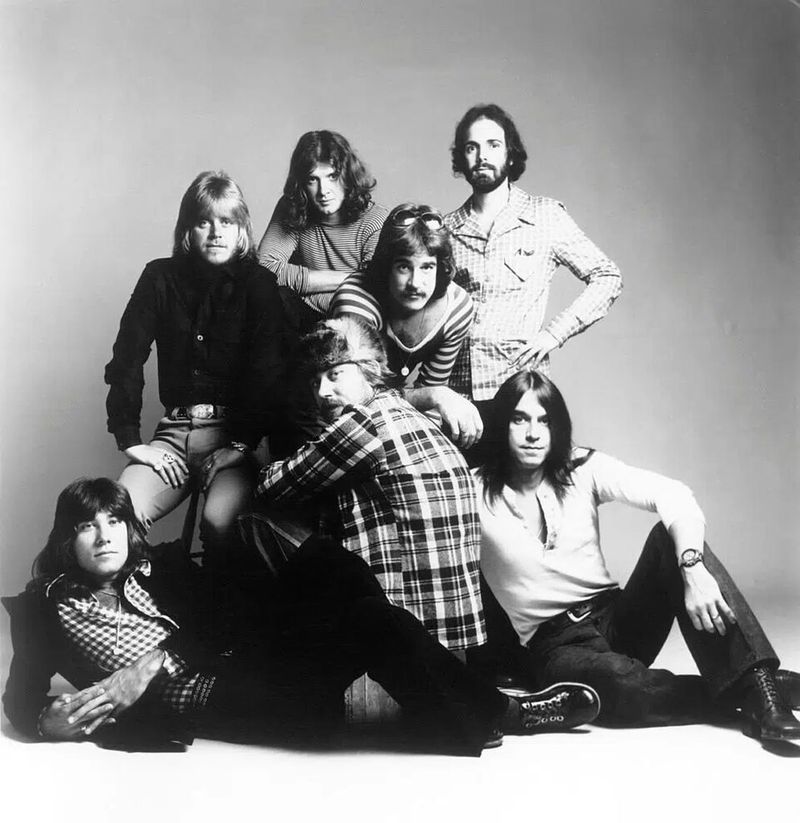
Robert Lamm wrote this song late at night while staring over Los Angeles, unable to sleep and struggling to find something to write about. The title refers to the exact time on the clock: either 25 or 26 minutes before 4 AM, a detail Lamm clarified repeatedly after widespread speculation that it referenced drug quantities.
Released in June 1970, it peaked at number four on the US Billboard Hot 100 and reached number seven in the UK, marking Chicago’s first US Top 5 entry. The track was banned in Singapore in 1970, partly due to the persistent drug rumor that Lamm spent years trying to correct.
Peter Cetera handled lead vocals, while Terry Kath delivered an electric guitar solo built around precise wah-wah pedal technique that became one of the most studied moments in the band’s catalog. Kath’s playing was held in such high regard that Jimi Hendrix reportedly told band members Kath outplayed him.
Share this story