 Unearth The Voyage
Going out to eat used to feel like a special treat, but something has shifted. More Americans are skipping restaurants and choosing to stay home instead.
From rising prices to long waits and unexpected fees, the dining-out experience has become harder to justify. Here is a closer look at what is driving people away from their favorite tables.
1. Menu Prices Have Risen Significantly
Flipping open a menu used to feel exciting. Now, for many Americans, it comes with a bit of sticker shock.
Over the past few years, restaurant menu prices have climbed sharply, driven by rising costs in food, labor, and supplies.
According to the U.S. Bureau of Labor Statistics, food-away-from-home prices rose faster than grocery prices during recent years.
Restaurants have had to pass those extra costs on to customers to stay in business.
A meal that once cost $12 might now run $18 or more. When that happens across multiple visits, families start doing the math.
Many decide it is simply not worth it anymore, especially when tighter household budgets are already stretched thin.
2. Added Fees and Surcharges Surprise Diners
You order your meal, enjoy the food, and then the bill arrives with a line you did not expect. Service fees, kitchen appreciation charges, credit card processing fees, and health mandates are now showing up on restaurant receipts across the country.
A 2023 survey by Bankrate found that many diners were caught off guard by these added costs. Some restaurants add 3 to 5 percent on top of the subtotal, which can push the final bill well above what customers anticipated.
The frustration is real. People feel misled when the price on the menu does not match what they actually pay.
Transparency matters to consumers, and when restaurants tack on hidden charges at the end, trust erodes quickly. Many diners simply choose to avoid the guessing game altogether by eating at home.
3. Tipping Expectations Have Expanded Widely
Remember when tipping 15 percent was considered generous? Those days feel long gone.
Today, tip prompts pop up at coffee counters, food trucks, fast-casual windows, and even self-serve kiosks where no one actually served you anything.
Many Americans report feeling pressured and uncomfortable when a screen spins around and asks for 20, 25, or even 30 percent. A Pew Research Center survey found that a majority of U.S. adults have a negative view of how tipping culture has grown in recent years.
Full-service restaurant servers absolutely deserve fair compensation, but the expansion of tip requests into every corner of the food industry has created confusion and frustration. When people feel guilty for choosing a lower tip option, the enjoyment of dining out takes a real hit.
For some, skipping the whole situation feels like the easiest solution.
4. Portion Sizes Have Shrunk While Prices Climbed
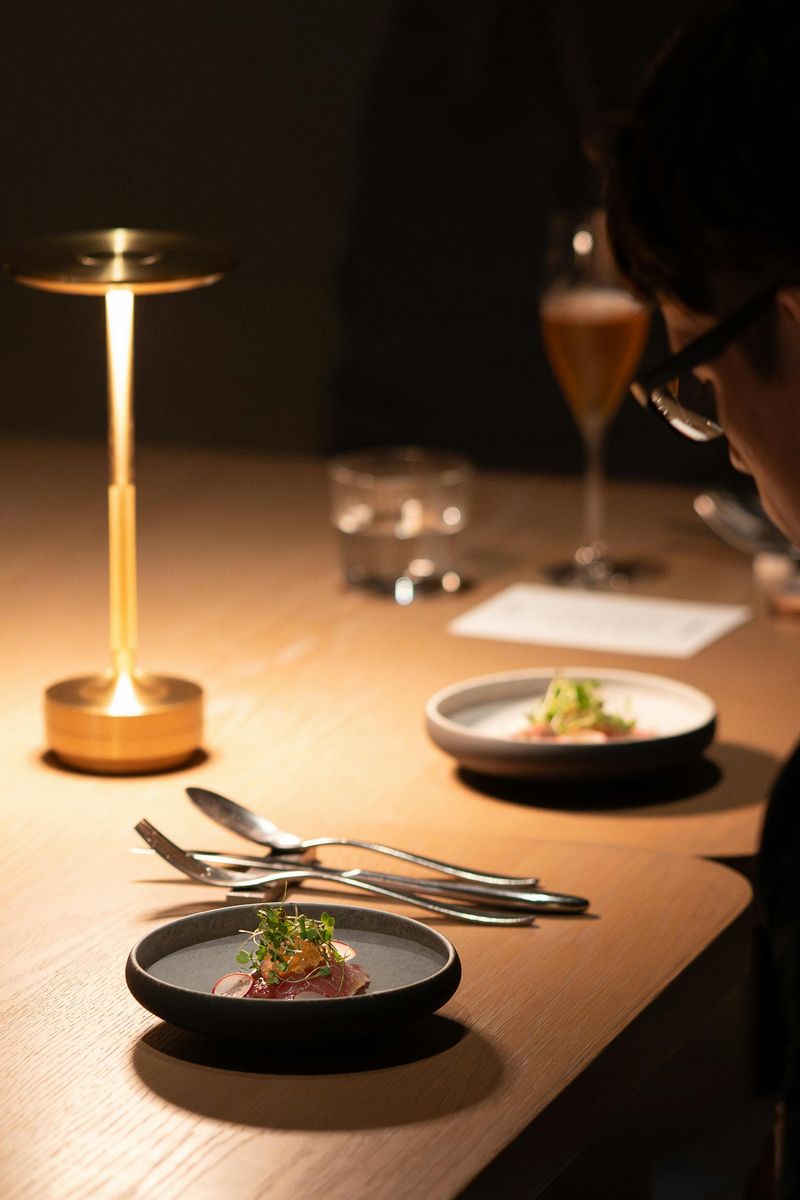
Shrinkflation has arrived at the dinner table. Many restaurants have quietly reduced portion sizes while keeping prices the same or even raising them.
Customers are noticing, and they are not happy about it.
Food industry analysts call this a common strategy businesses use to protect profit margins during periods of high ingredient costs. While it makes financial sense for restaurants, it leaves diners feeling shortchanged.
A pasta dish that once came overflowing now arrives looking sparse on the plate.
Social media has amplified this frustration, with photos of disappointingly small portions going viral regularly. When customers feel they are paying more and getting less, the value equation breaks down fast.
Loyalty fades. People begin to wonder if cooking a bigger, better meal at home for the same price would simply be the smarter choice, and increasingly, they are deciding it is.
5. Staffing Shortages Slow Down Service
The restaurant industry has been dealing with a serious staffing crisis since the pandemic reshuffled the workforce. Many workers left the industry and never came back, choosing jobs with better pay, steadier hours, or less physical demand.
As a result, many restaurants operate with leaner teams than they used to. That means longer waits between courses, slower drink refills, and occasionally, mistakes with orders.
None of those things make for a relaxing evening out.
The National Restaurant Association has reported ongoing challenges with hiring and retaining workers across all segments of the industry. Customers often understand that staff shortages are not entirely the restaurant’s fault, but understanding something and enjoying the experience are two different things.
When service consistently falls short, diners start choosing restaurants less often, or they stop going out altogether in favor of quicker, more predictable options closer to home.
6. Delivery Apps Raised the Bar for Convenience
Getting restaurant-quality food delivered to your front door without changing out of pajamas has become completely normal. Apps like DoorDash, Uber Eats, and Grubhub have fundamentally changed what people expect from the dining experience.
When you can browse dozens of menus, customize your order, track delivery in real time, and eat in your own space, the effort of driving to a restaurant, finding parking, and waiting for a table starts to feel unnecessary. Convenience has become a powerful competitor to the traditional sit-down meal.
Even when delivery fees add up, many diners still prefer the control and comfort of eating at home. The restaurant experience now has to compete not just with other restaurants, but with the couch.
That is a surprisingly tough contest to win. Restaurants that want to stay relevant are working hard to offer something delivery simply cannot replicate.
7. Long Wait Times Test Patience
Waiting 45 minutes for a table on a Friday night was once considered part of the experience at a popular restaurant. Today, that same wait feels a lot less acceptable when so many other options are available at the tap of a screen.
Even with reservation systems, long waits are still common. Tables run late, parties linger, and the gap between when you arrive and when you sit down can stretch well beyond the promised time.
That lost hour adds up over a month of dining out.
Families with young children, people with early work schedules, or anyone who simply values their time are increasingly unwilling to budget that kind of wait. The opportunity cost is real.
When the wait alone becomes a reason to reconsider the outing, restaurants lose customers before those customers even walk through the door.
8. Noise Levels Make Conversation Hard
Some restaurants today feel less like a place to enjoy a meal and more like a concert with food. Hard floors, exposed ceilings, open kitchens, and minimal soft furnishings have become trendy design choices, but they come at a cost: noise.
Studies, including research published in the journal Noise and Health, have linked excessive restaurant noise to increased stress, reduced enjoyment, and even changes in how food tastes. When you cannot hear the person sitting across from you without shouting, dinner stops being fun.
Many diners, especially older adults and those with hearing difficulties, actively avoid restaurants that are known to be loud. They would rather eat somewhere quieter, even if that means staying home.
As restaurants compete for a cool, energetic atmosphere, they sometimes forget that a good conversation is part of what makes a meal memorable in the first place.
9. Automatic Gratuities Catch Guests Off Guard
Automatic gratuity, sometimes called auto-grat, has become increasingly standard at many restaurants, particularly for parties of six or more. But the practice is spreading to smaller groups and even some solo diners, leaving guests feeling like the choice was taken away from them.
When a mandatory tip is added to the bill without clear notice upfront, customers often feel blindsided. Some have already mentally calculated a tip before seeing it already applied, which can lead to awkward double-tipping situations or frustration at the lack of transparency.
Restaurants argue that auto-grat protects their staff from being undertipped on large or complex orders, which is a fair point. Still, many diners feel that tipping should remain a personal decision tied to the quality of service they received.
When that choice disappears without warning, it chips away at the goodwill that keeps people coming back regularly.
10. Food Quality Has Become Inconsistent
One visit, the burger is perfectly cooked and the fries are crispy. The next time, the same order arrives overcooked, underseasoned, and lukewarm.
Inconsistency in food quality is one of the most frustrating things a loyal customer can experience.
High staff turnover in restaurant kitchens plays a big role. When experienced cooks leave and are replaced by newer team members still learning the menu, the results on the plate can vary widely.
Cost-cutting measures that swap quality ingredients for cheaper alternatives also affect the outcome.
Customers who visit a restaurant regularly build expectations based on past experiences. When those expectations are not met, disappointment sets in fast.
A few bad meals in a row can undo years of loyalty. People start questioning whether the restaurant is still worth the price, and many quietly decide to move on to something more reliable, whether that is a different spot or their own kitchen.
11. Parking Fees and Urban Congestion Add Up
The cost of a night out does not start when you sit down. For many city diners, it starts the moment they look for a parking spot.
Paid parking garages, metered street spots, and valet fees can add $10 to $30 or more to the total cost before a single dish is ordered.
In dense urban areas, the stress of navigating traffic and circling for parking can take the fun right out of the evening before it even begins. Rideshare services help, but those costs add up too, especially for couples or families making multiple trips per month.
When you factor in parking alongside the meal, drinks, tax, and tip, a dinner for two can easily top $100 in many cities. That total is hard to justify when a home-cooked meal for the same two people might cost a fraction of that, with zero traffic involved and no parking meter counting down.
12. Cooking at Home Has Become More Appealing
Grocery stores have stepped up their game in a big way. Better produce sections, international ingredients, prepared meal components, and high-quality butcher counters have made home cooking more accessible and exciting than ever before.
Meal kit services like HelloFresh and Blue Apron have also played a role, delivering pre-measured ingredients and easy-to-follow recipes straight to the front door. For many households, these kits offer the fun of trying something new without the intimidation of starting from scratch.
Cooking at home also offers something restaurants cannot always guarantee: control. You choose the ingredients, the portion size, the salt level, and the timing.
For people managing dietary needs or food allergies, that control is especially valuable. As home cooking has become easier, trendier, and more rewarding, the pull of a restaurant meal has weakened for a growing number of American households who have rediscovered the joy of their own kitchens.
13. Overall Value No Longer Matches the Cost
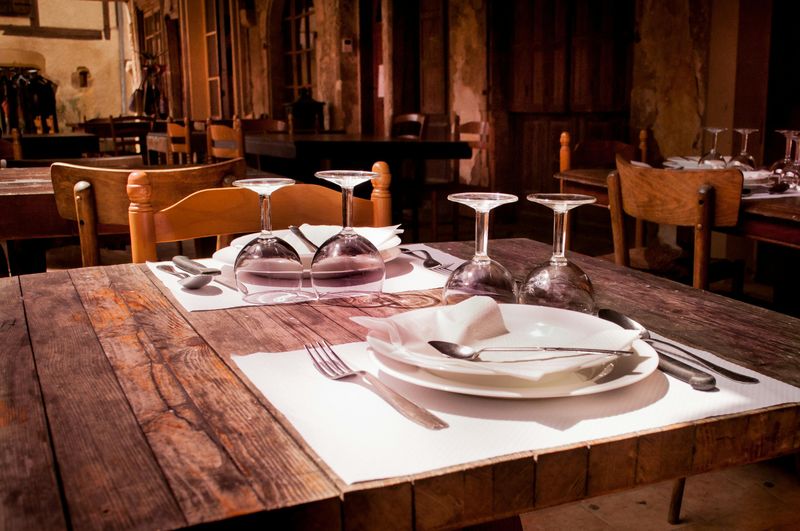
At the end of the day, dining out is a trade. You exchange money for food, service, and an experience.
When all three of those things deliver, the price feels fair. But when prices are high, service is slow, portions are small, and the noise makes conversation difficult, the trade stops feeling balanced.
Value is not just about the dollar amount. It is about how the whole experience makes you feel when you walk out the door.
A $60 dinner that leaves you satisfied and happy feels worth it. The same bill after a frustrating evening does not.
More Americans are running that mental calculation and coming up short. They are not necessarily anti-restaurant.
They still love good food and a great atmosphere. But they are becoming more selective, more budget-conscious, and more willing to say the experience simply did not deliver what it promised.
That shift in mindset is reshaping how the industry operates.



