 Unearth The Voyage
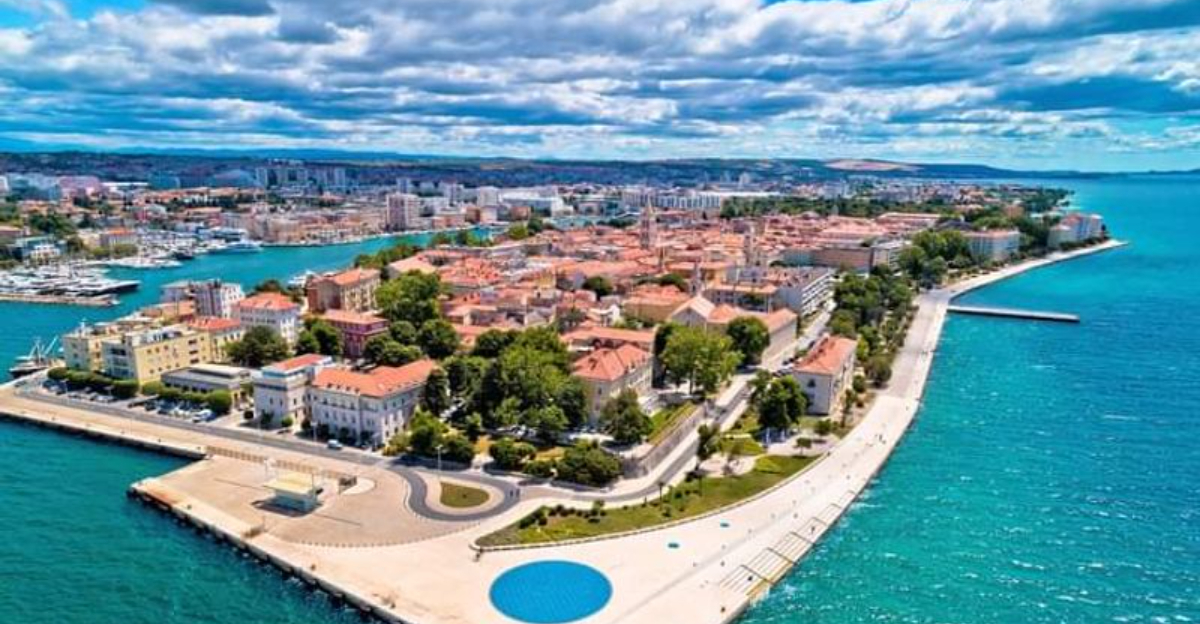
Croatia keeps showing up on every travel list, and honestly, it deserves the hype. From ancient Roman palaces you can actually walk through to islands so blue they look edited, this country punches way above its size.
Last summer I finally made the trip, and I came back with a full camera, a serious truffle obsession, and zero regrets. Here is exactly why Croatia should be at the top of your summer plans.
A Small Country Packed With Big World Heritage
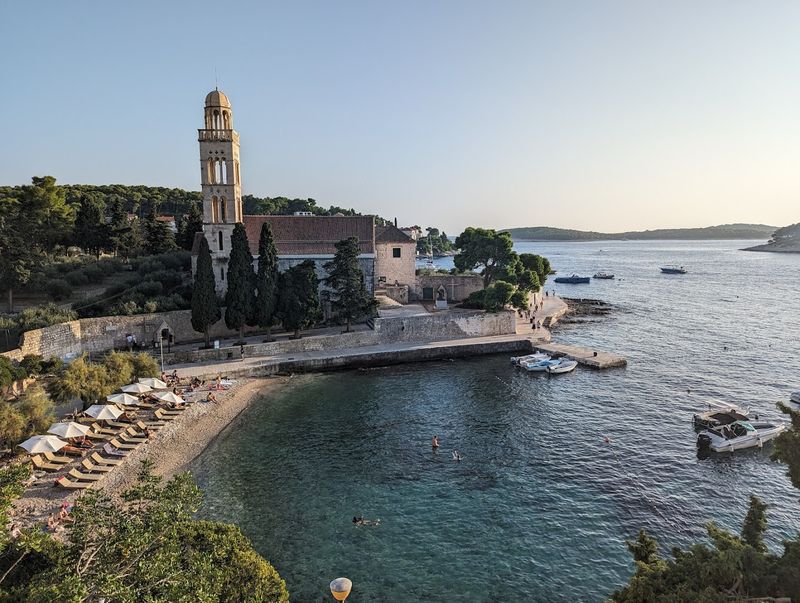
Croatia is roughly the size of West Virginia, yet it holds more UNESCO World Heritage Sites than most countries twice its size. That ratio is almost unfair to the rest of Europe.
Croatia’s official tourism board proudly calls it a “small country with great world heritage,” and that is not just marketing talk. You can realistically hit multiple bucket-list landmarks without spending half your trip on a train or plane.
I managed to visit three UNESCO sites in four days without feeling rushed. That kind of efficiency is rare in travel.
Most countries make you choose. Croatia just hands you a full menu and says, go ahead, order everything.
For travelers who want maximum cultural payoff without marathon travel days, this country is basically a cheat code.
Dubrovnik’s Old City: Medieval Fantasy, No CGI Needed
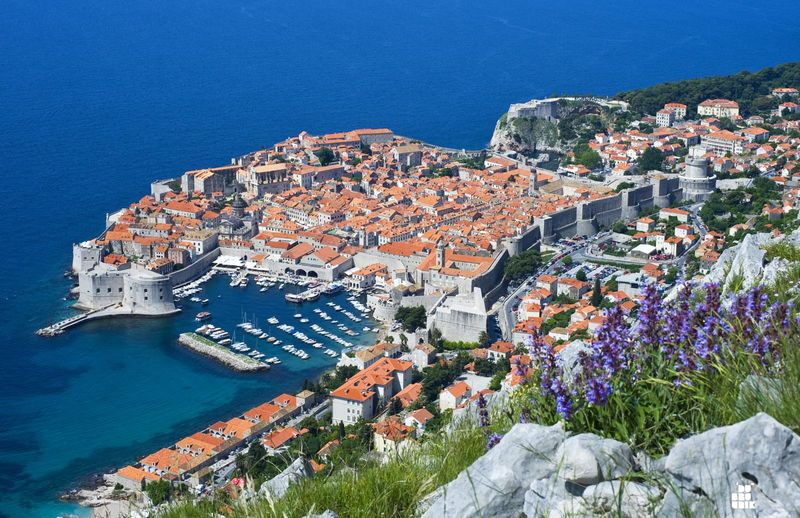
Dubrovnik’s Old City looks like someone built a movie set and forgot to take it down. Which, technically, is not far from the truth since several major productions have filmed here.
UNESCO recognized the city for its jaw-dropping collection of Gothic, Renaissance, and Baroque architecture. The famous limestone walls, the polished stone streets, the orange rooftops over the sea, all of it is genuinely that good in person.
No filter required.
Walking the city walls at golden hour is one of those travel moments you replay for years. Every corner reveals a new angle, a hidden church, or a cafe tucked into an old archway.
The crowds are real, so go early in the morning when the light is soft and the tour groups are still sleeping. That version of Dubrovnik feels like the city belongs only to you.
Split: Where Romans Left Their Best Work
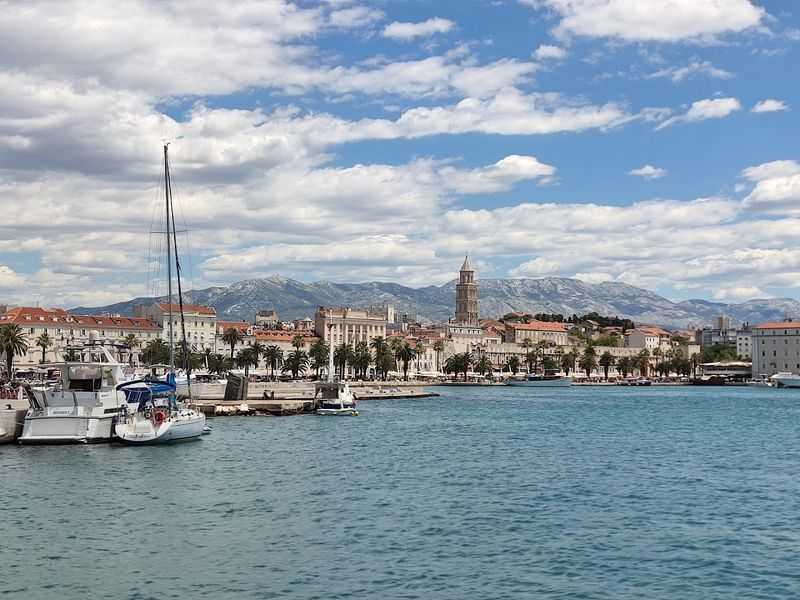
Most ancient ruins sit behind a fence with a sign telling you not to touch anything. Diocletian’s Palace in Split lets you eat dinner inside it.
Built in the late 3rd and early 4th century, the palace complex is now woven directly into Split’s daily city life. Restaurants, apartments, bars, and boutiques all occupy what were once imperial Roman walls.
UNESCO recognized this extraordinary layering of history and living culture, and rightly so.
I had coffee in a courtyard that Roman emperors once used for ceremonies. That sentence still sounds made up, but it happened.
Split manages to be a fully functioning, buzzing modern city while simultaneously being one of the best-preserved Roman sites in the world. It is the kind of place that makes history feel less like a textbook and more like something you are actually standing inside of.
Plitvice Lakes: Nature Went Completely Overboard Here
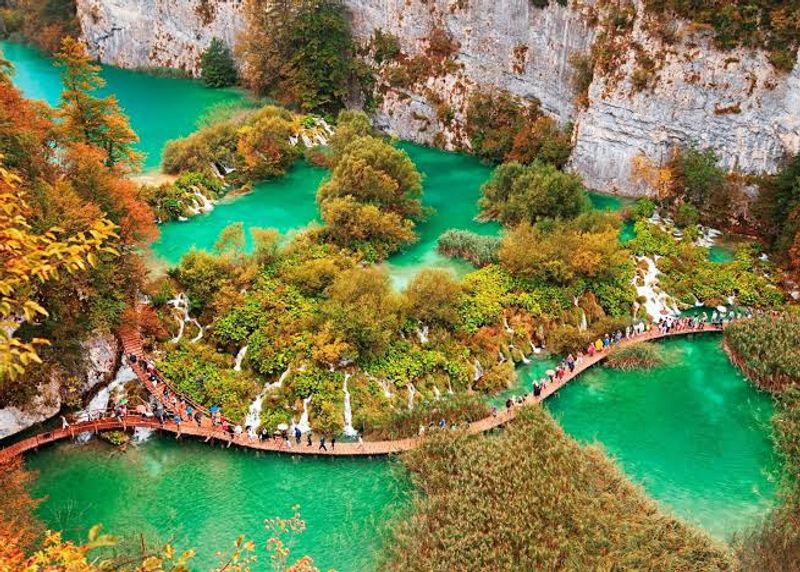
Plitvice Lakes looks like someone turned up the saturation slider on reality and forgot to turn it back down. The water is genuinely that color.
Listed on UNESCO’s World Heritage register, the park is a series of terraced lakes connected by waterfalls, all formed through a natural process called tufa buildup. Basically, minerals in the water slowly create barriers that shape the lakes and cascades over thousands of years.
Nature doing its slow, spectacular thing.
The wooden boardwalks take you right over and alongside the water, which is both thrilling and slightly nerve-wracking if you are carrying expensive camera gear. Visit in early summer to catch peak water flow before the July crowds arrive in full force.
Plitvice is one of those rare places that actually exceeds the photos, which, given how good those photos already look, is saying quite a lot.
Eight National Parks and Zero Excuses Not to Explore
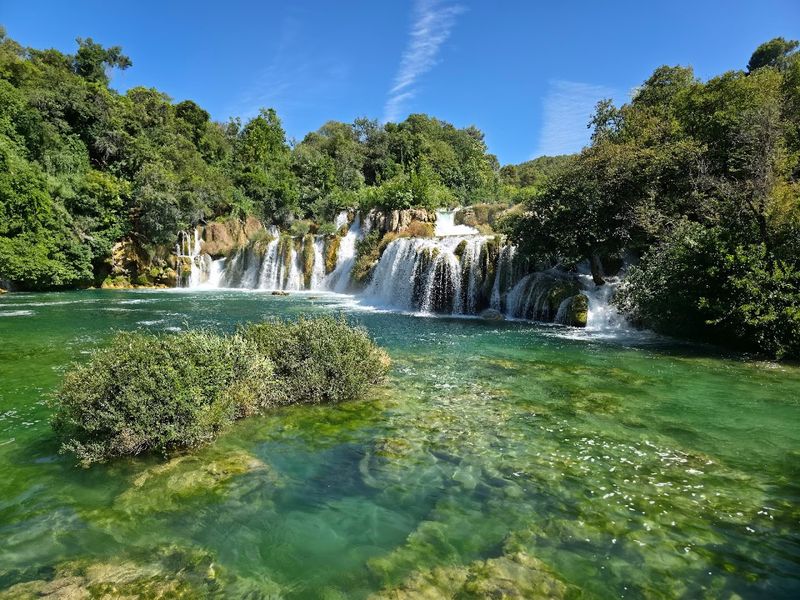
Croatia has eight national parks, and each one offers something completely different from the last. That is not a range you expect from a country this compact.
You have got Plitvice for lakes and waterfalls, Krka for swimming holes near cascades, Kornati for a dramatic island archipelago, Paklenica for canyon hiking, and Risnjak for mountain trails, among others. The national parks portal lists them all with practical visitor info, making it easy to build a custom adventure itinerary before you even land.
Picking just one park feels like a waste when they are this accessible to each other. A road trip that strings together two or three parks with coastal stops in between is genuinely one of the best ways to experience Croatia’s full range.
Pack sunscreen, good shoes, and a willingness to get slightly lost. That last part is where the best memories usually happen.
1,244 Islands: The Math Is in Your Favor
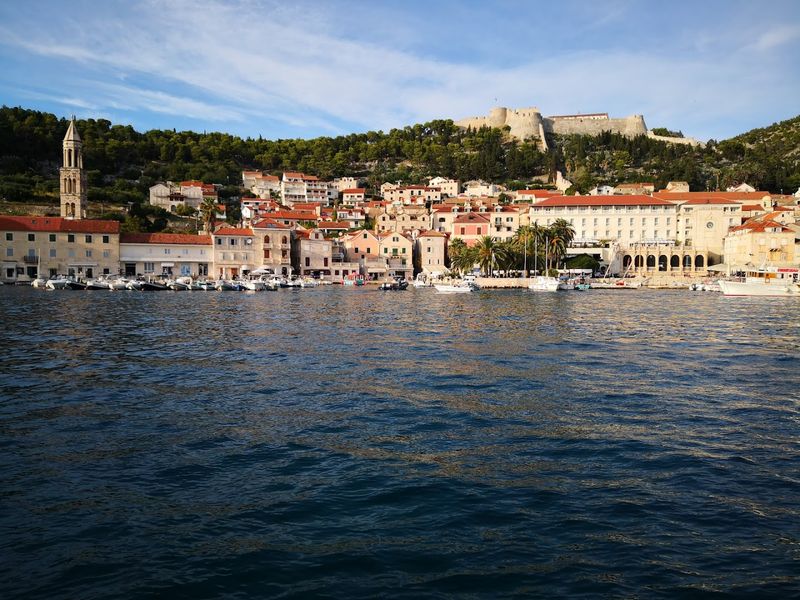
Croatia has 1,244 islands, islets, rocks, and reefs along its coastline. Even if you visited one per day, you would need over three years to get through them all.
Some islands are lively and full of restaurants, beach bars, and nightlife. Others are quiet, car-free, and the kind of place where the loudest sound is a fishing boat engine at dawn.
Croatia’s tourism site frames nautical travel as one of the country’s signature experiences, and with this many options, it is easy to understand why.
Hvar is glamorous and social. Vis is quieter and cooler.
Korcula has medieval streets and great wine. Mljet is mostly national park.
The variety is almost ridiculous. You could return every summer for a decade and still discover an island you had never heard of.
That kind of endless replay value is genuinely rare in travel destinations.
A Coastline That Was Built for Boats and Lazy Swim Stops
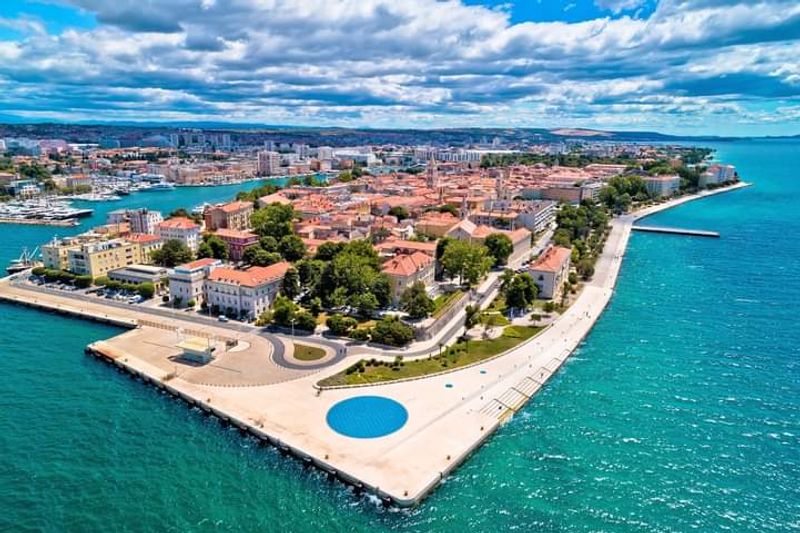
Croatia’s coastline was practically designed with sailors in mind. Thousands of berths, modern marinas, sheltered bays, and calm summer winds make it one of Europe’s top nautical destinations.
You do not need to own a yacht to enjoy it. Chartering a sailboat for a week with a group of friends is surprisingly affordable when you split the cost, and it completely changes how you experience the islands.
Drop anchor in a hidden cove, jump in, and stay as long as you like. Nobody is rushing you anywhere.
Even without a boat, Croatia’s coastal towns all have their own swimming spots, often rocky ledges or small pebbly beaches with crystal-clear water just steps from a good restaurant. The rhythm of a Croatian summer day, swim, eat, swim again, repeat, is one of the most genuinely relaxing things I have ever experienced.
Highly recommend doing as little as possible.
Zlatni Rat: The Beach That Never Looks the Same Twice
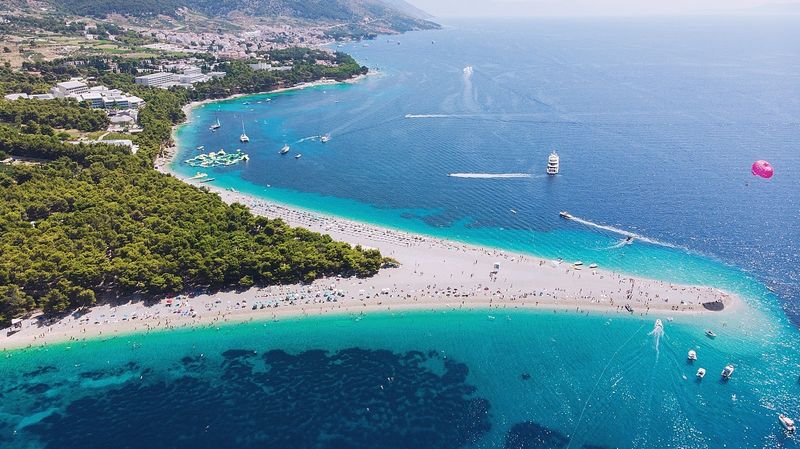
Zlatni Rat on the island of Brac is probably Croatia’s most photographed beach, and it earns every single shot. The tip of this pebble spit actually shifts position depending on winds, waves, and currents.
That means the beach literally looks different depending on when you visit. It is the only beach I know of that is technically shape-shifting.
Geologically speaking, that is fascinating. Photographically speaking, it is a gift that keeps on giving.
The water around Zlatni Rat is shallow and brilliantly clear, making it popular with families and windsurfers alike. The surrounding pine trees provide some shade, which is more than most Croatian beaches offer.
Getting there involves a ferry to Brac and a short walk or taxi from the town of Bol. The effort is worth it.
Some beaches are beautiful. Zlatni Rat is a legitimate natural spectacle that also happens to be a great beach.
Beyond Dubrovnik: Croatia’s Underrated UNESCO Gems
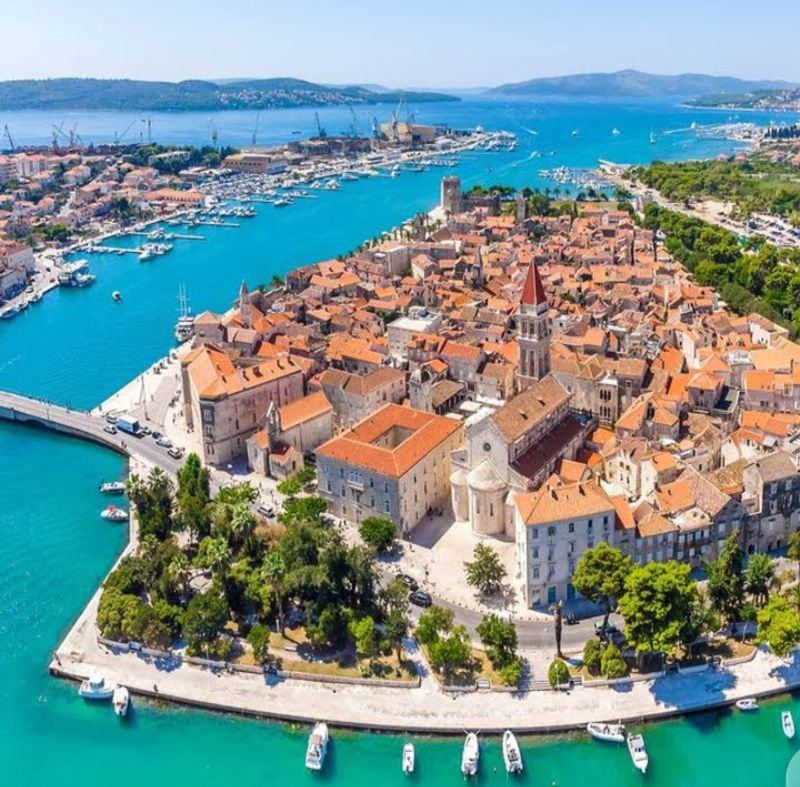
Most people have heard of Dubrovnik and Split, but Croatia’s UNESCO list goes considerably further than those two heavy hitters.
Trogir’s historic core is a perfectly preserved medieval town on a tiny island, connected to the mainland by a short bridge. Sibenik’s Cathedral of St. James took over a century to build and uses no mortar whatsoever, just interlocking stone.
Porec’s Euphrasian Basilica contains some of the finest Byzantine mosaics outside of Ravenna. The Stari Grad Plain on Hvar island is an ancient Greek agricultural landscape still in use today.
All of these are easy to add as day trips or road-trip stops without major detours. Croatia rewards the curious traveler who looks past the obvious highlights.
The lesser-visited UNESCO sites often come with fewer crowds, cheaper coffee, and locals who are genuinely happy to see you because you made the effort to show up.
The Peljesac Bridge Changed Southern Road Trips Forever
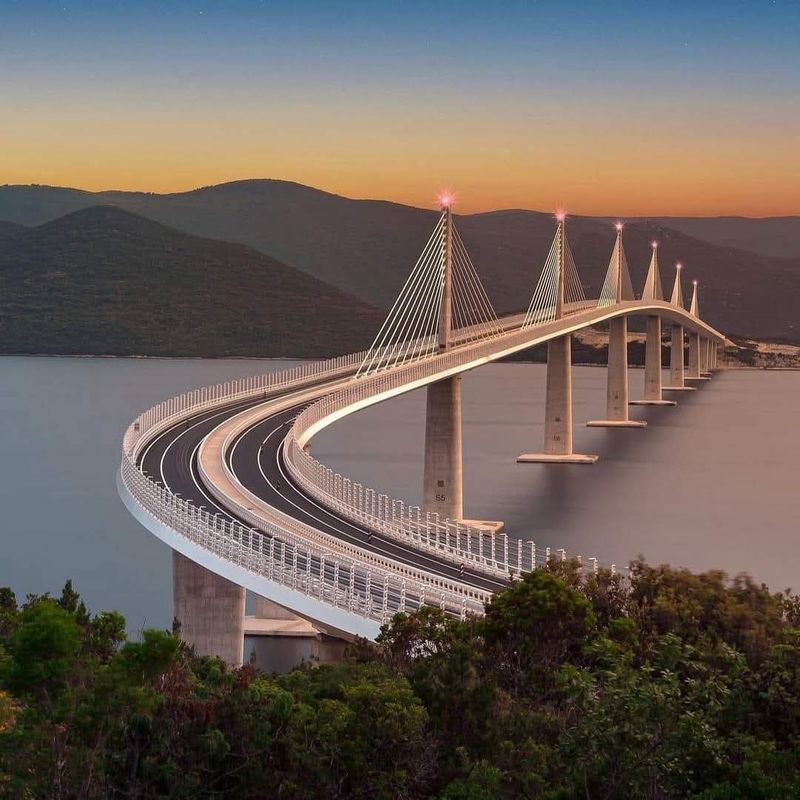
Before July 2022, driving from central Croatia down to Dubrovnik meant passing through Bosnia and Herzegovina at the Neum corridor, which involved border crossings, passport checks, and the kind of delays that turn a pleasant road trip into an endurance sport.
The Peljesac Bridge fixed all of that. It created a direct coastal link that keeps you entirely within Croatia the whole way down.
The bridge itself is an impressive engineering feat, stretching over two kilometers across the sea. It is also genuinely scenic, which is a nice bonus for a piece of infrastructure.
For travelers renting a car and heading south along the coast, this is a meaningful quality-of-life upgrade. Less waiting, less bureaucracy, more time on the road with good music and good views.
The Dalmatian coast road is already one of Europe’s most beautiful drives. The bridge just made the full journey a lot smoother.
Istria’s Truffle Obsession Is Completely Justified
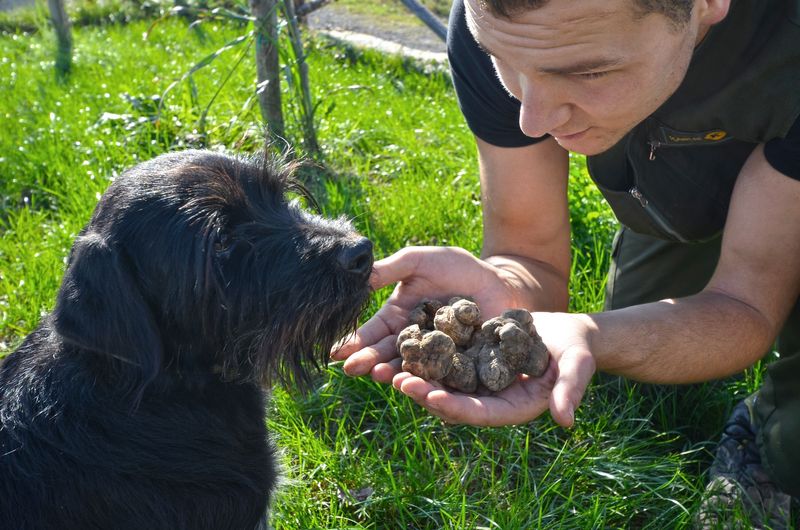
Istria takes its truffles very seriously, and after eating there, I completely understand why. The Michelin Guide lists truffles as one of the region’s true gastronomic symbols, not just a menu item but a genuine local identity.
White truffles from the Motovun forest are among the most prized in Europe, and unlike in France or Italy where truffle dishes can cost a small fortune, Istria still offers them at prices that feel almost reasonable. Shaved over pasta, stirred into eggs, or mixed into local cheese, they show up everywhere and they are extraordinary every time.
Istria also produces excellent olive oil, fantastic seafood, and some underrated wines. The hill towns like Motovun, Groznjan, and Rovinj are beautiful in their own right, with medieval architecture and panoramic views over vineyards and forests.
Honestly, you could spend an entire trip just eating your way through Istria and leave completely satisfied.
Plavac Mali: Order This Wine at Every Seaside Dinner
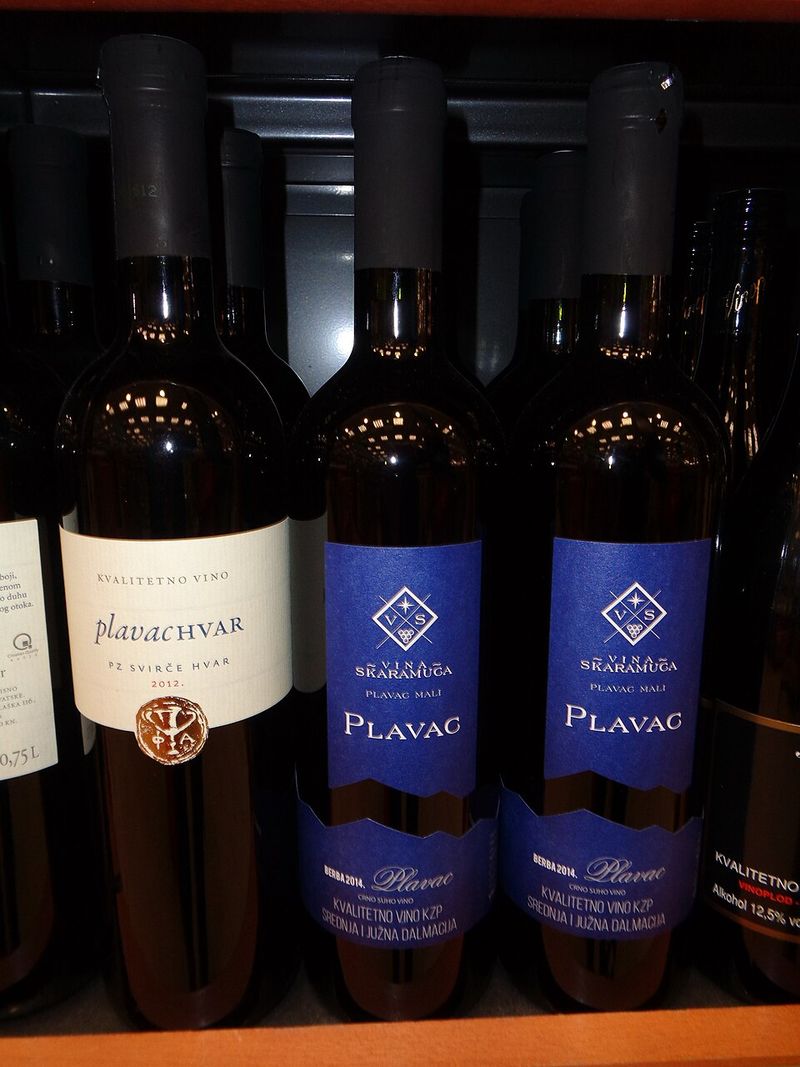
Croatia has its own signature grape, and it deserves far more international attention than it currently gets. Plavac mali is the dominant red variety of Dalmatia, producing bold, full-bodied wines with dark fruit and a pleasantly rustic character.
Croatia’s tourism board spotlights it as the go-to local wine for a reason. When you are sitting at a table by the sea in Split or Hvar or Korcula, ordering a local Plavac mali just makes sense.
It pairs well with grilled fish, lamb, and the general feeling of having absolutely nowhere to be.
The Peljesac peninsula and the island of Hvar are the main production areas, and both are worth visiting for the scenery alone. Some of the best small producers offer tastings at the winery, often with views that make the wine taste even better.
Drinking locally in Croatia is not just good tourism. It is genuinely good wine.
Culture and Nature Come as a Package Deal Here
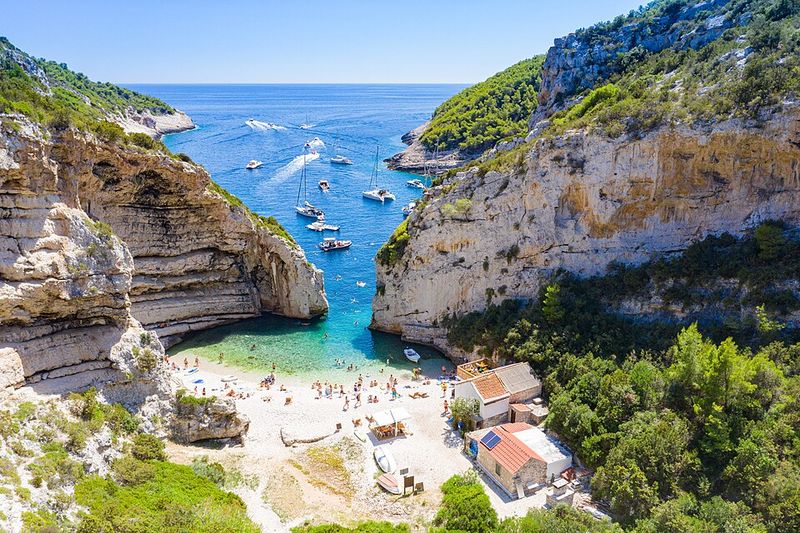
Croatia does not make you choose between a cultural trip and a nature trip. The two are baked into the same itinerary whether you plan it that way or not.
UNESCO heritage sites line the coast. National parks sit just inland.
Islands scatter offshore in every direction. You can spend the morning walking through a Roman palace, eat lunch by the sea, and be hiking a canyon trail by afternoon.
That kind of variety in a single day is genuinely hard to find anywhere else in Europe.
Croatia’s official tourism messaging leans into this combination heavily, and the country backs it up. The proximity of everything means you are never far from something completely different.
For travelers who get bored doing only one type of thing, this is the sweet spot. Croatia is the rare destination that satisfies the culture lover, the outdoor enthusiast, and the person who just wants to float in warm water for a week.
All three win.



