 Unearth The Voyage
If you have been watching film camera prices climb, you know the market is wild right now. Certain classics are not just beautiful to hold but also serious investments. This guide spotlights the models collectors chase, the stories behind their values, and why clean examples can command eye watering sums. Keep reading so you do not miss the sleeper hits and the true crown jewels.
1. Leica M3 (1954-1966)
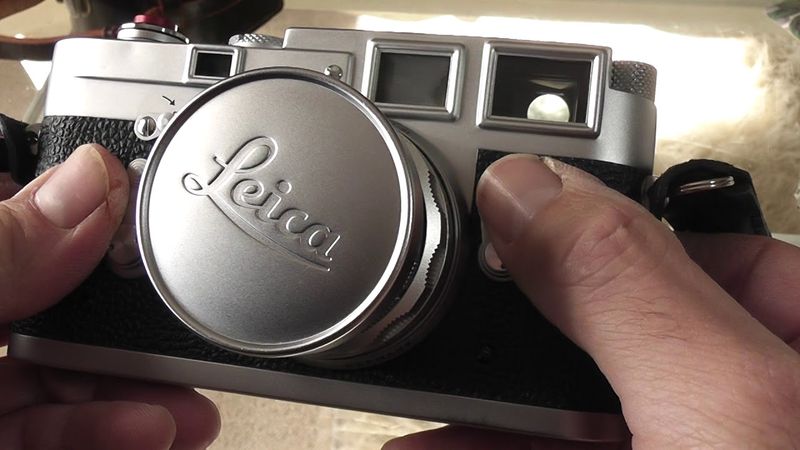
The Leica M3 is the definition of mechanical elegance, with silky film advance and a bright, integrated viewfinder that still feels modern. You notice the tactile precision immediately, from the shutter feel to the framelines snapping into place. Collectors love early double stroke versions and original boxes, and you will see prices jump sharply with pristine chrome or rare configurations.
Why the value? It is reliable, historically important, and genuinely enjoyable to shoot. Pair it with a period Summicron and you have a timeless kit that holds its own against contemporary gear. Mint copies commonly hit several thousand, and special editions soar. If you want one, act fast and verify serial ranges, service history, and finder clarity.
2. Leica M6 (1984-1998)
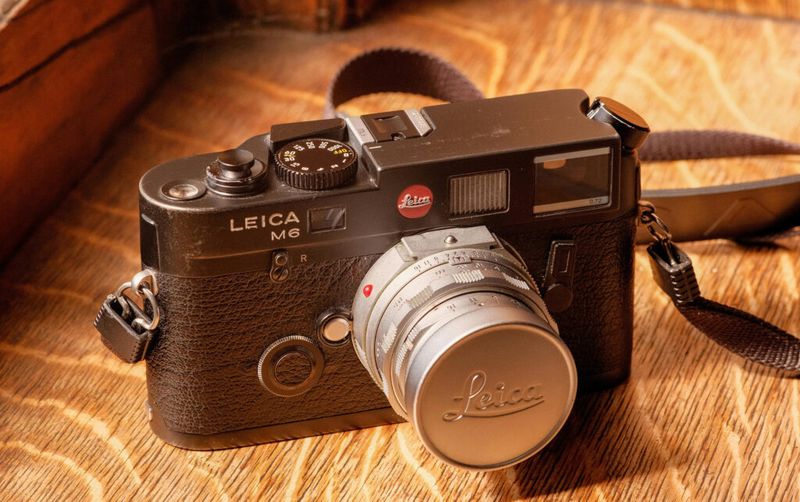
The Leica M6 blends classic rangefinder handling with a built-in meter, making it the sweet spot for many shooters and collectors. You get everything you want in a compact body that disappears in your hands. Prices have surged as film returns and creators crave dependable, all mechanical feel with just enough modern convenience.
Look for the M6 Classic or TTL, and check meter accuracy, shutter speeds, and rangefinder alignment. Original boxes and a spotless top plate push values higher. A clean M6 is the kind of camera you can use daily and still treat as an investment. If you want dependable performance and iconic design, this is the one people chase, especially paired with a fast 35 or 50.
3. Leica M2 Black Paint Editions
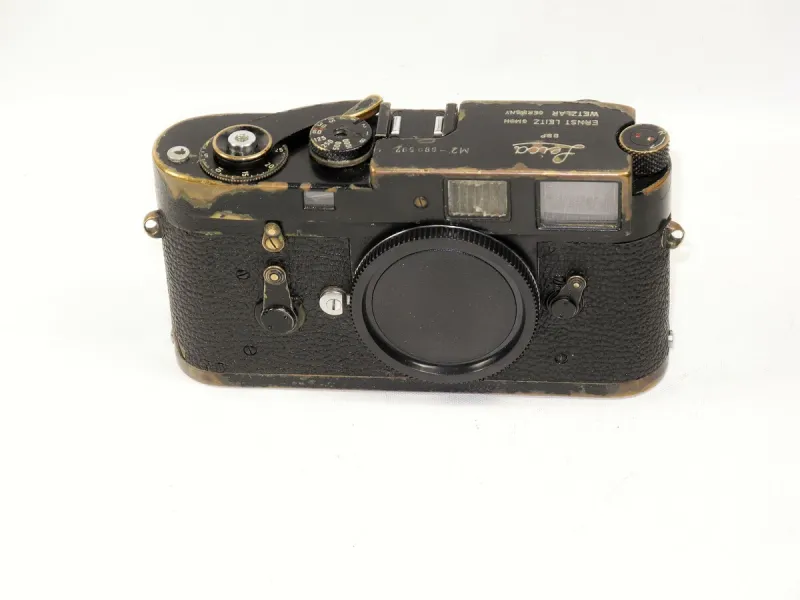
Black paint Leica M2 bodies are the stuff of collector folklore, with glorious brassing that tells a story. You can spot honest wear along edges that makes each example unique. These versions were produced in smaller numbers, so scarcity and provenance send prices into the stratosphere.
When shopping, verify originality of paint, serial ranges, and engravings, because repaints exist. Documentation, matching lens, and period accessories elevate value even more. You will see auction hammers fall well into five figures for exceptional specimens. If you want a camera that feels like jewelry yet begs to be used, this is a grail that rewards patience, careful research, and a serious budget.
4. Nikon SP Rangefinder (1957-1965)
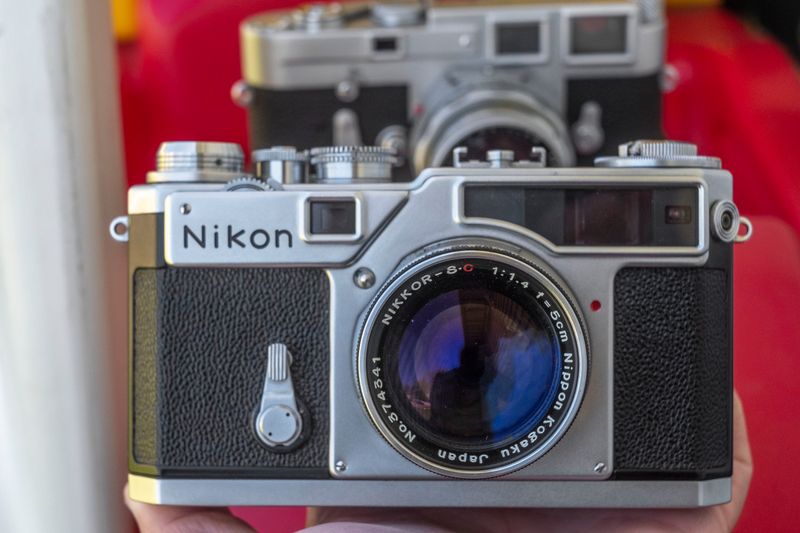
The Nikon SP sits at the peak of Nikon’s rangefinder era, famous for its comprehensive framelines and robust build. You get a professional tool that competed head to head with Leica in its day. The experience is pure and mechanical, with buttery focusing and a finder that keeps up with multiple focal lengths.
Collectors prioritize complete kits, original S-mount lenses, and the rare motor drive. Clean silver bodies with crisp engravings and smooth shutters fetch premium prices. You will pay more for serviced examples because parts and expertise are scarce. If you want Japanese rangefinder excellence that still feels field ready, the SP makes a compelling case and a strong long term hold.
5. Nikon F Apollo or Early Versions (1959)
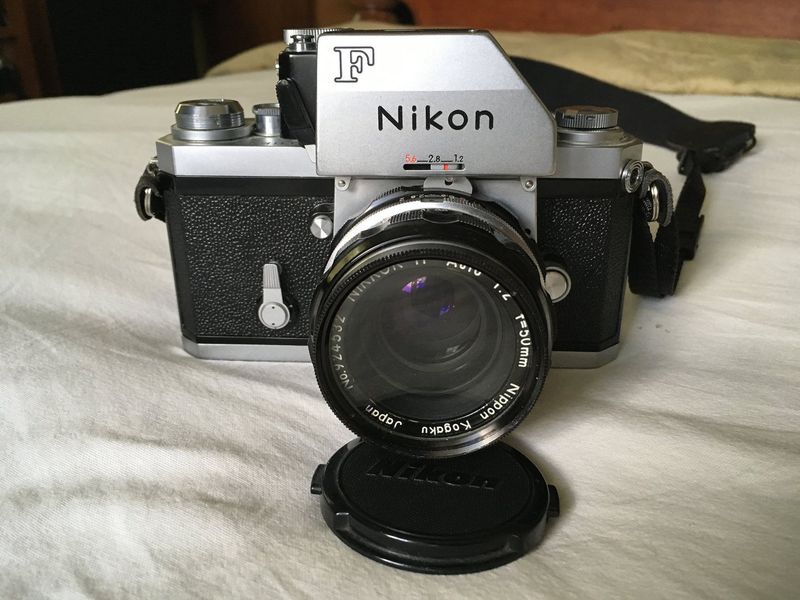
The Nikon F changed everything for professional SLRs, delivering a modular system that defined reliability. Early serial numbers and Apollo features stir collectors because they mark crucial transitions in production. You feel the history when the shutter snaps and the mirror slaps with authority.
Look for clean prisms, working meters on Photomic heads, and matching period lenses. Condition matters, but originality matters more, so avoid swapped parts when possible. Pristine examples with boxes and paperwork climb fast in value. If you want a cornerstone camera that built Nikon’s reputation, the F is the blueprint and a solid collectible you can also shoot confidently.
6. Contax II and IIa Rangefinders (1936-1950s)
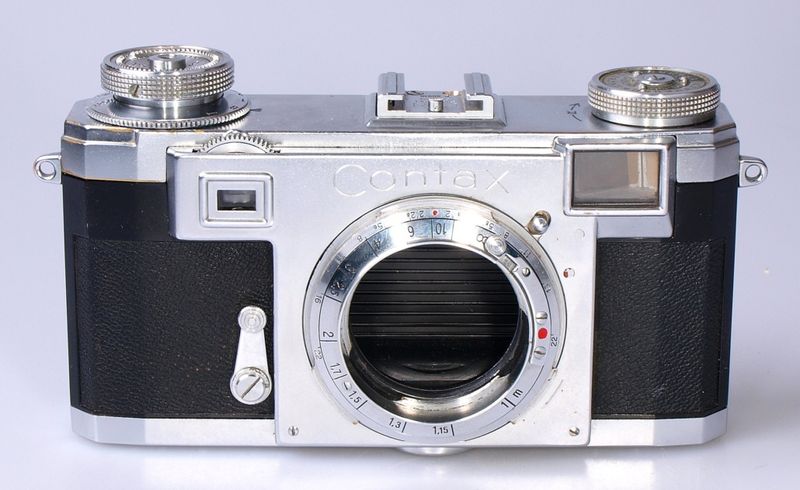
Pre war Zeiss Contax rangefinders are legendary for engineering ambition, with smooth focusing helicoids and Sonnar glass that paints beautifully. You notice the heft and tight tolerances immediately. The II and later IIa offer slightly different ergonomics, but both ooze old world precision.
Collectors chase clean shutter ribbons, accurate rangefinders, and original Carl Zeiss Jena or Opton lenses. Matching serials and wartime provenance can push prices higher. These cameras reward careful maintenance, so serviced examples deserve premiums. If you want classic Zeiss rendering and a tangible slice of photographic history, a Contax with a fast Sonnar delivers charm, character, and dependable appreciation.
7. Hasselblad 500C/M (1957 Onward)
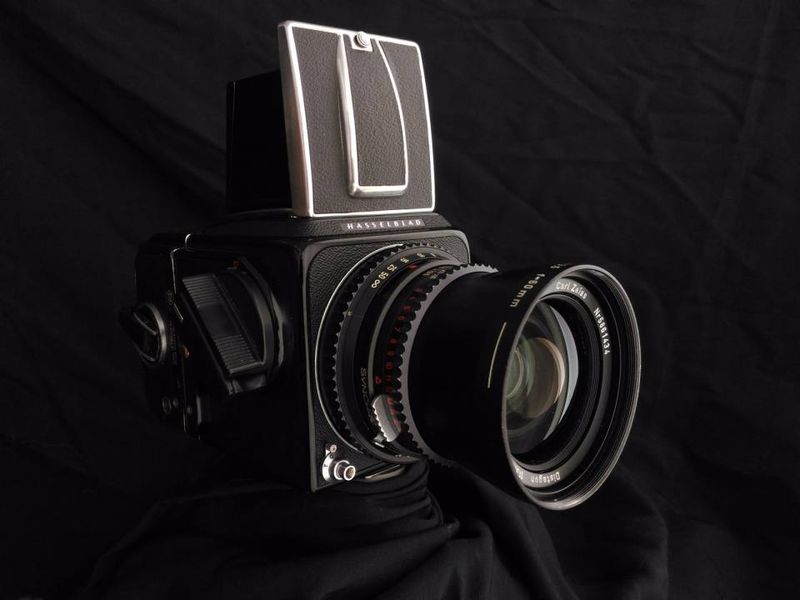
The Hasselblad 500C/M is the medium format icon, modular, beautiful, and famously tough. You get crisp Zeiss optics and that addictive waist level experience. NASA used modified Hasselblads, and that association adds magic to the market narrative.
When buying, check film backs for light seals, dark slide fit, and shutter timing in the lenses. Match serial dates across body, back, and lens for collector confidence. Clean kits with multiple backs and original packaging fetch strong prices. If you want square format perfection that will outlast trends, this system is a joy to shoot and a reliable store of value when kept in top condition.
8. Rolleiflex 2.8F (1958-1976)
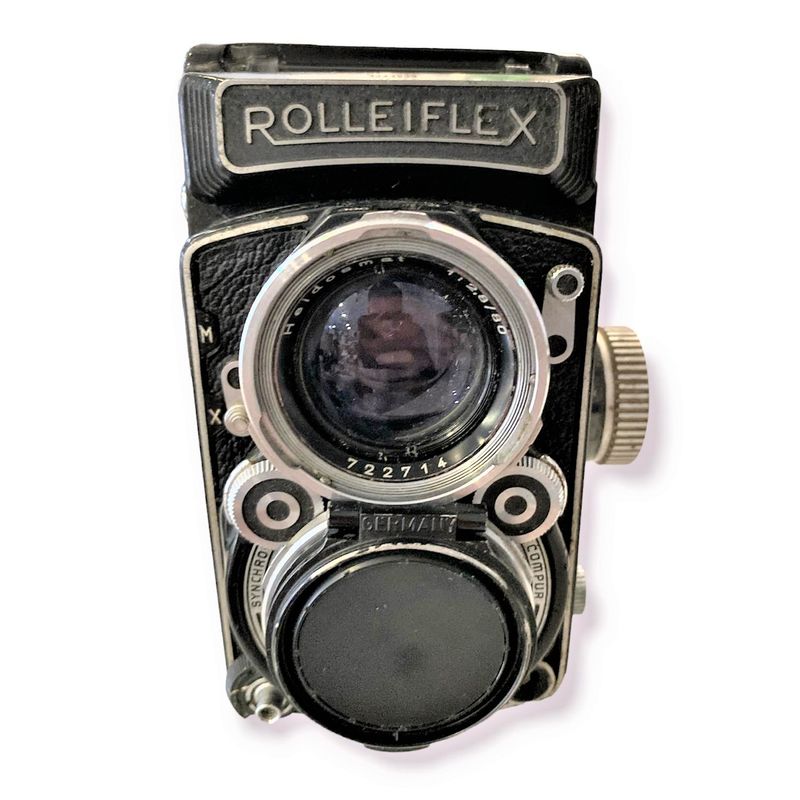
The Rolleiflex 2.8F is the quintessential twin lens reflex, admired for ergonomic focus, quiet shutters, and stunning glass. You will love the waist level perspective and the way it slows you down. Portraits sparkle thanks to the Planar or Xenotar lenses that draw beautifully.
Collectors favor clean focusing screens, smooth crank action, and meters that still track. Complete cases, caps, and Rolleinars amplify desirability. A pristine 2.8F feels like a luxury watch you can actually use. If medium format richness calls your name, this model delivers gorgeous negatives and dependable value, especially when serviced by a respected technician and kept dust free.
9. Alpa Reflex Cameras (Switzerland, 1940s-1970s)
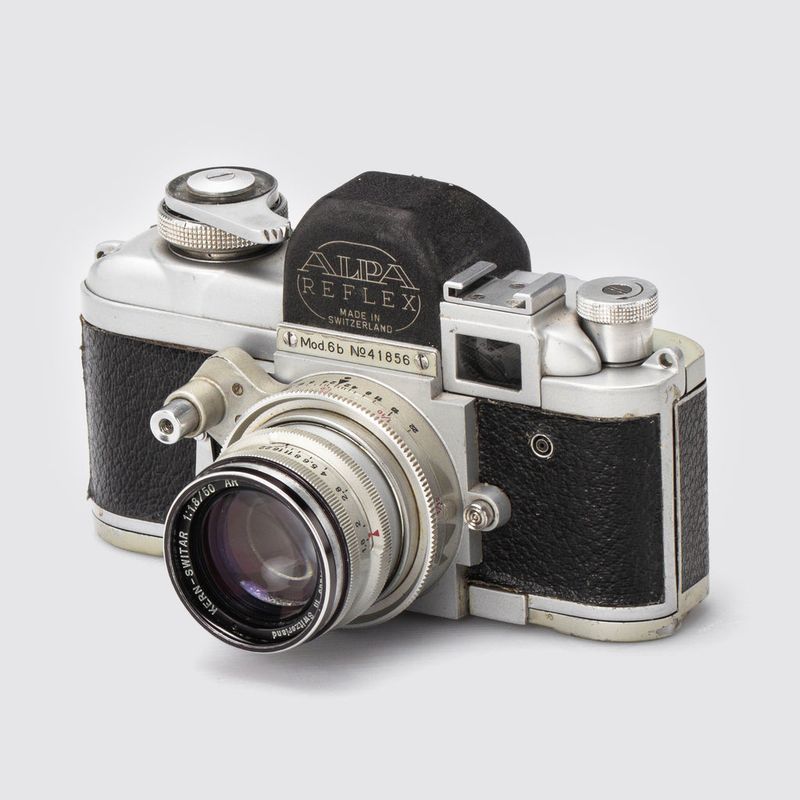
Alpa cameras are Swiss watchmaking applied to photography, with ultra precise machining and unique ergonomics. You feel the craftsmanship in every control. Production numbers were small, and certain models became cult favorites for their rarity and finish.
Collectors seek original prisms, smooth shutters, and rare Kern or Angenieux lenses. Documentation and matching numbers matter a lot, and prices swing widely by model. A pristine Alpa is conversation stopping and deeply satisfying to handle. If you want something truly different that signals connoisseur taste, these reflex cameras deliver exclusivity, mechanical charm, and a dependable appreciation curve when preserved carefully.
10. Pentax 67 Blue Dot Models
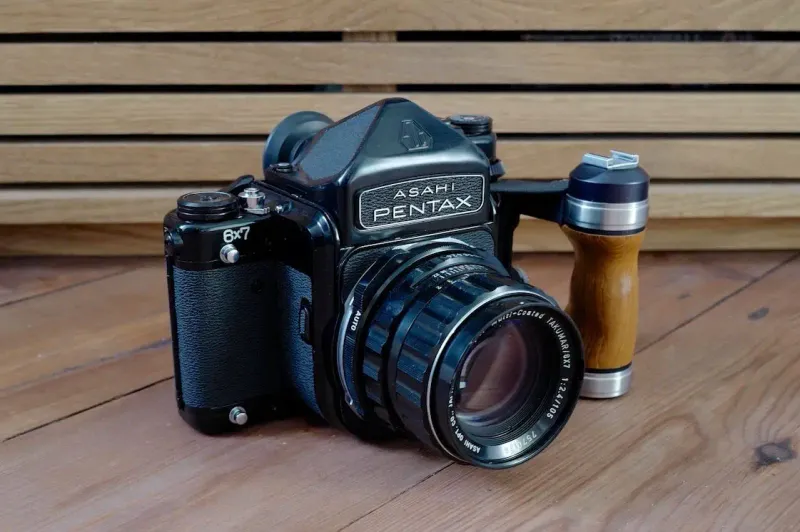
The Pentax 67 delivers medium format with 35mm handling, and the Blue Dot versions are especially sought after. You get that massive negative and a look that flatters portraits and landscapes. The 105mm f/2.4 lens is legendary for creamy bokeh and crisp detail.
Inspect mirror lock up function, shutter timing, and foam seals. The system is heavy, so signs of hard use show on corners and grips. Clean examples with the 105mm command strong prices, especially with original caps and finder options. If you want big film look without complex modularity, this setup offers a satisfying balance of usability, value, and collector interest across the board.
11. Minolta CLE (1980-1984)
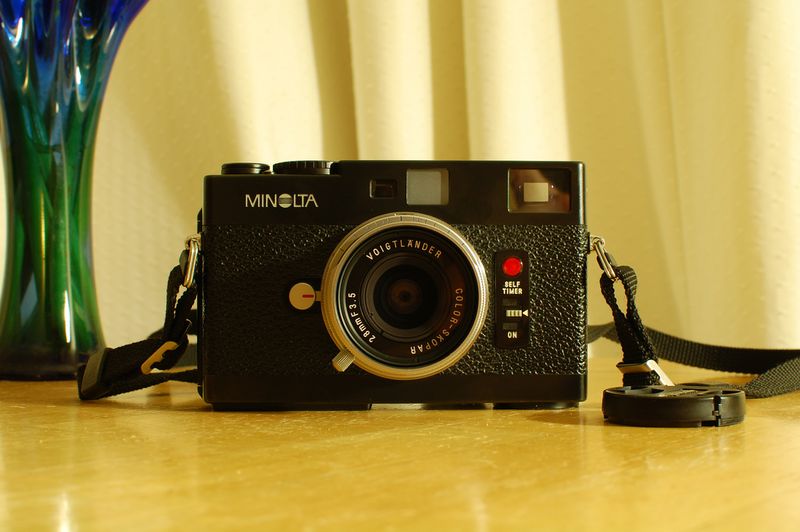
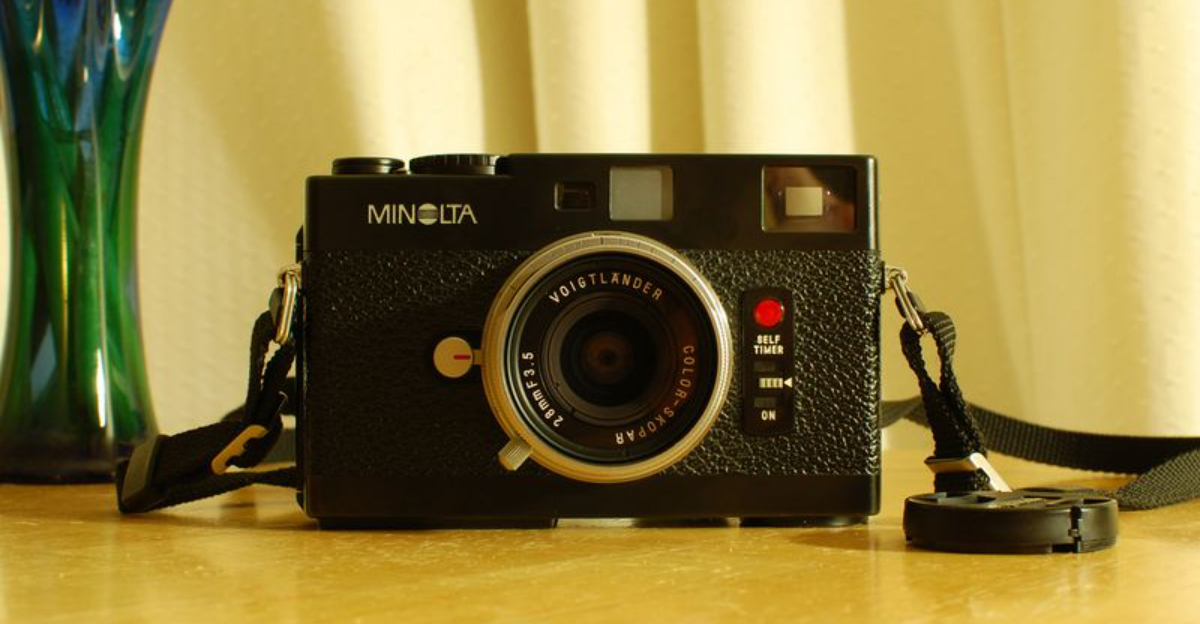
The Minolta CLE is a compact M mount gem with aperture priority and a surprisingly capable meter. You get a lightweight body that handles modern shooting with vintage charm. Frame lines are thoughtful, and the shutter is whisper quiet.
Collectors look for clean electronics, accurate metering, and unobstructed viewfinders. Pair it with the M Rokkor 40mm for a tiny, sharp kit that feels ready for travel. Values have risen steadily as people discover its balance of features and size. If you want Leica mount flexibility without the heavy cost, the CLE is a delightful sleeper that rewards careful shopping and regular use.
12. Konica Hexar AF (1993)
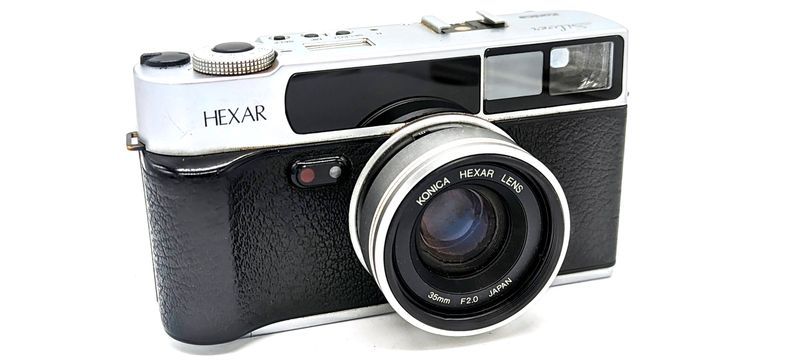
The Konica Hexar AF is a stealthy point and shoot with a stunning 35mm lens and whisper quiet operation. You will love its speed, accurate autofocus, and the way it nails exposure. Street photographers swear by the signature rendering and low light capability.
Check for silent mode functionality, light seal condition, and reliable film transport. Cosmetic wear is common, but clean glass matters most. Prices have climbed sharply as word spread and supply tightened. If you want near silent shooting and a look that flatters skin and night scenes, the Hexar AF delivers charm, practicality, and serious collector momentum in a compact body.
13. Polaroid SX-70 Sonar Gold Models
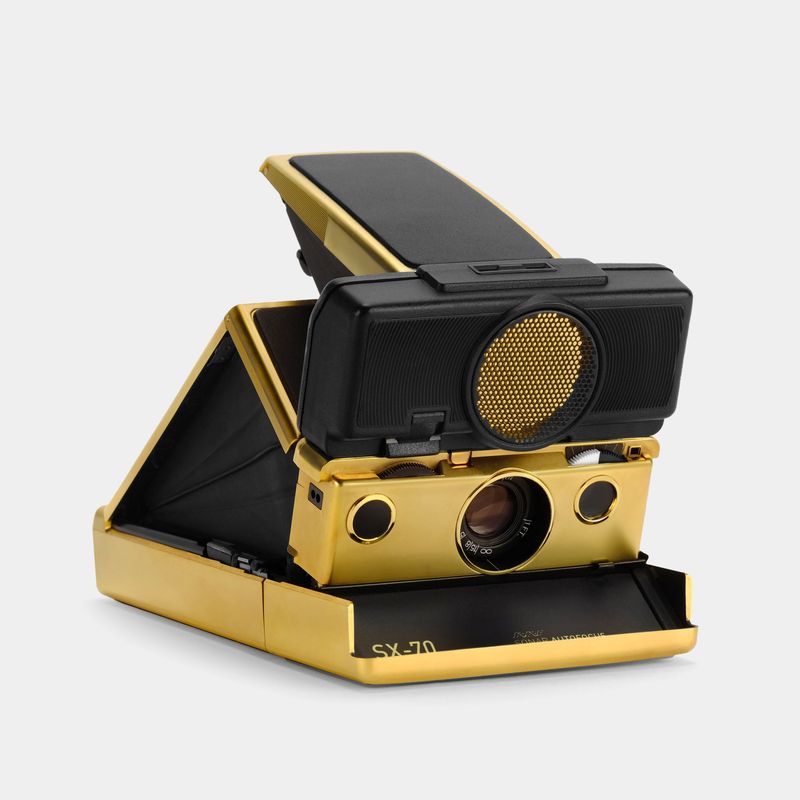
The Polaroid SX 70 Sonar Gold turns instant photography into a luxurious ritual. You get fold flat design, sonar autofocus, and that tactile pop when it opens. The gold accents and special editions make it a display piece as much as a camera.
Collectors look for intact leather, responsive sonar, and clean rollers. Boxes, manuals, and original straps push values notably higher. With modern film available, you can actually shoot it and show results immediately. If you want an instant classic that doubles as decor and conversation starter, the Sonar Gold delivers nostalgia, utility, and strong collector demand when kept in excellent condition.



