 Unearth The Voyage
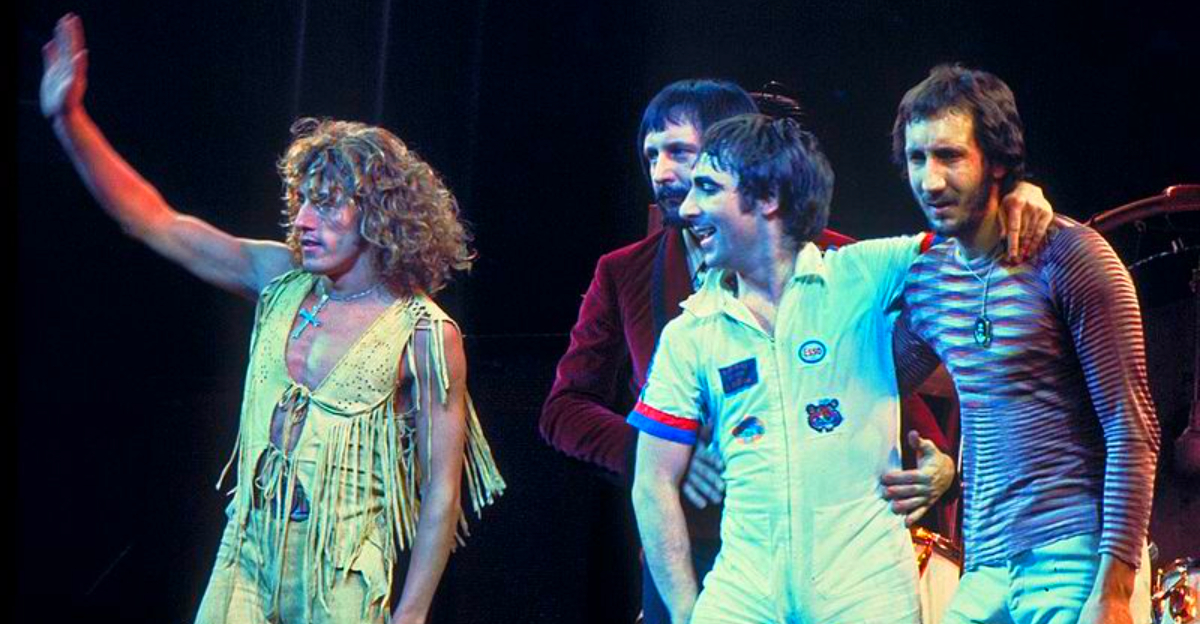
Some years change rock by inches, but 1975 moved it forward in a full stride. Radio, FM album culture, bigger tours, and ambitious studio production all collided, and the result was a batch of songs that still feel remarkably current.
What makes these tracks last is not just familiarity – it is the way they captured shifting ideas about fame, youth, songwriting, and how far a rock single could stretch without losing the crowd. Keep going, and you will get a fast tour through thirteen records that proved 1975 was not merely strong for rock – it was structurally important.
1. Queen – Bohemian Rhapsody
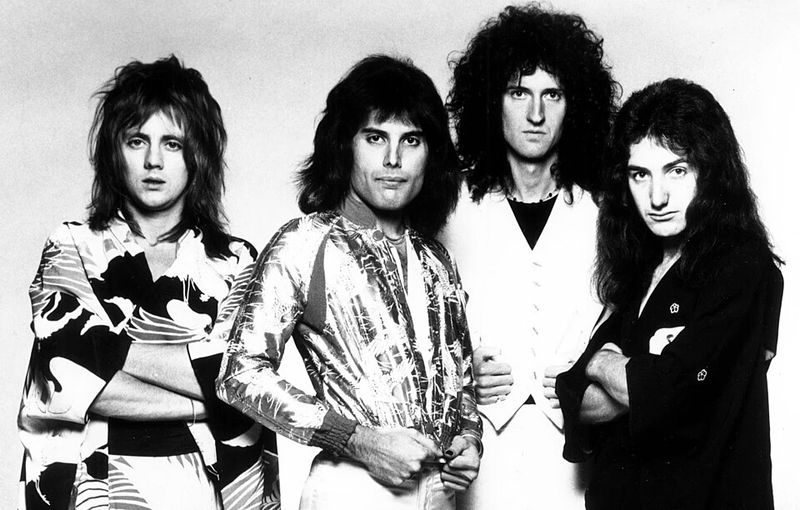
One song basically looked at the rulebook and treated it like optional reading. Queen released “Bohemian Rhapsody” in 1975, and its unusual structure ignored the usual verse-chorus blueprint that radio favored.
Freddie Mercury combined ballad, opera, hard rock, and studio trickery into a six-minute single that should have been too odd for mass success. Instead, it became a chart giant in the UK and later a lasting global standard, helped by one of the earliest promotional videos to shape television-era music marketing.
Its staying power comes from confidence and precision, not nostalgia alone. The layered vocals, sudden shifts, and Brian May guitar passages still feel daring because few hit songs even now attempt that kind of scale.
You can hear 1975 stretching rock outward in real time here. It remains a reminder that audiences will follow bold ideas when the songwriting is strong enough to carry every wild turn.
2. Led Zeppelin – Kashmir
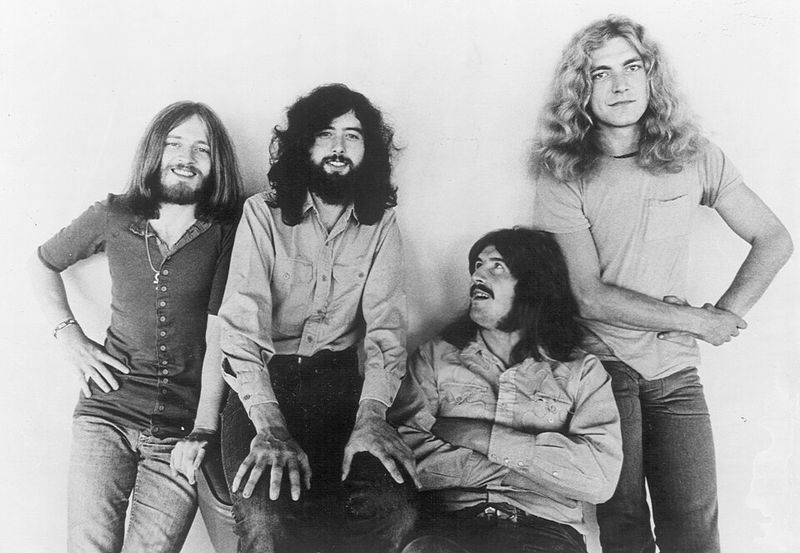
Few riffs enter a room with this much authority. “Kashmir,” released on Physical Graffiti in 1975, showed Led Zeppelin pushing beyond blues-rock habits into something broader, heavier, and more deliberate.
Jimmy Page and Robert Plant built the track around a repeating progression that feels monumental without relying on speed. John Bonham’s drumming gives it weight, while the arrangement folds in orchestral ideas and modal influences that separated it from standard hard rock of the period.
The title suggests travel, yet the music matters more than geography here. It became one of Zeppelin’s defining statements because it sounded huge without being cluttered, and serious without becoming stiff.
Modern rock and metal still borrow its sense of scale. When people talk about songs that feel built for arenas, films, and endless rediscovery, “Kashmir” keeps showing up because its design is so controlled, muscular, and immediately recognizable across generations.
3. Pink Floyd – Wish You Were Here
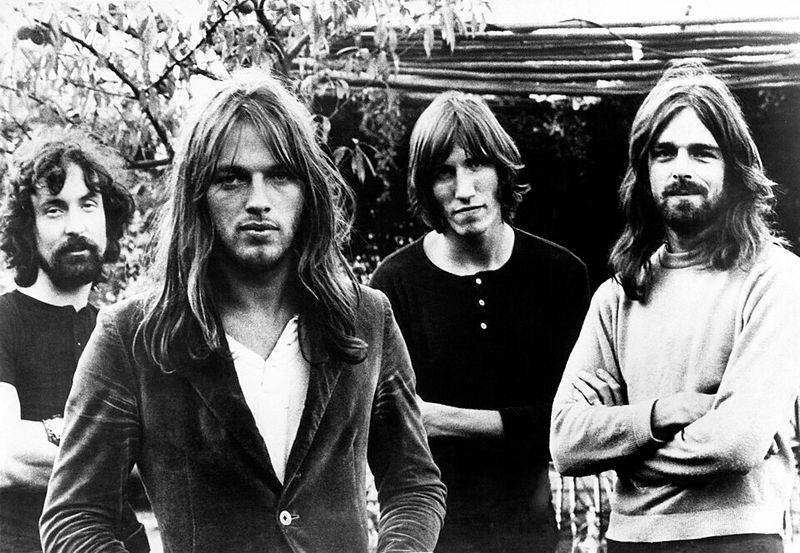
Sometimes the quietest record in the room carries the most weight. Pink Floyd’s “Wish You Were Here,” released in 1975, stripped things back after the enormous success of The Dark Side of the Moon.
Built around acoustic guitar and a direct melody, the song addressed absence, alienation, and the human cost of the music business. It is often linked to former bandmate Syd Barrett, but its appeal goes wider because the lyrics leave room for listeners to bring their own missing person, moment, or version of disconnection.
That openness helps explain why it has lasted. The track never forces emotion, and Roger Waters’ writing avoids ornate language, which gives the song a rare clarity in a decade often interested in excess.
In 1975, rock was getting larger in every commercial way. This song endured by doing the opposite, proving that restraint could be just as powerful as spectacle when the melody, sentiment, and timing all landed exactly right.
4. Bruce Springsteen – Born to Run
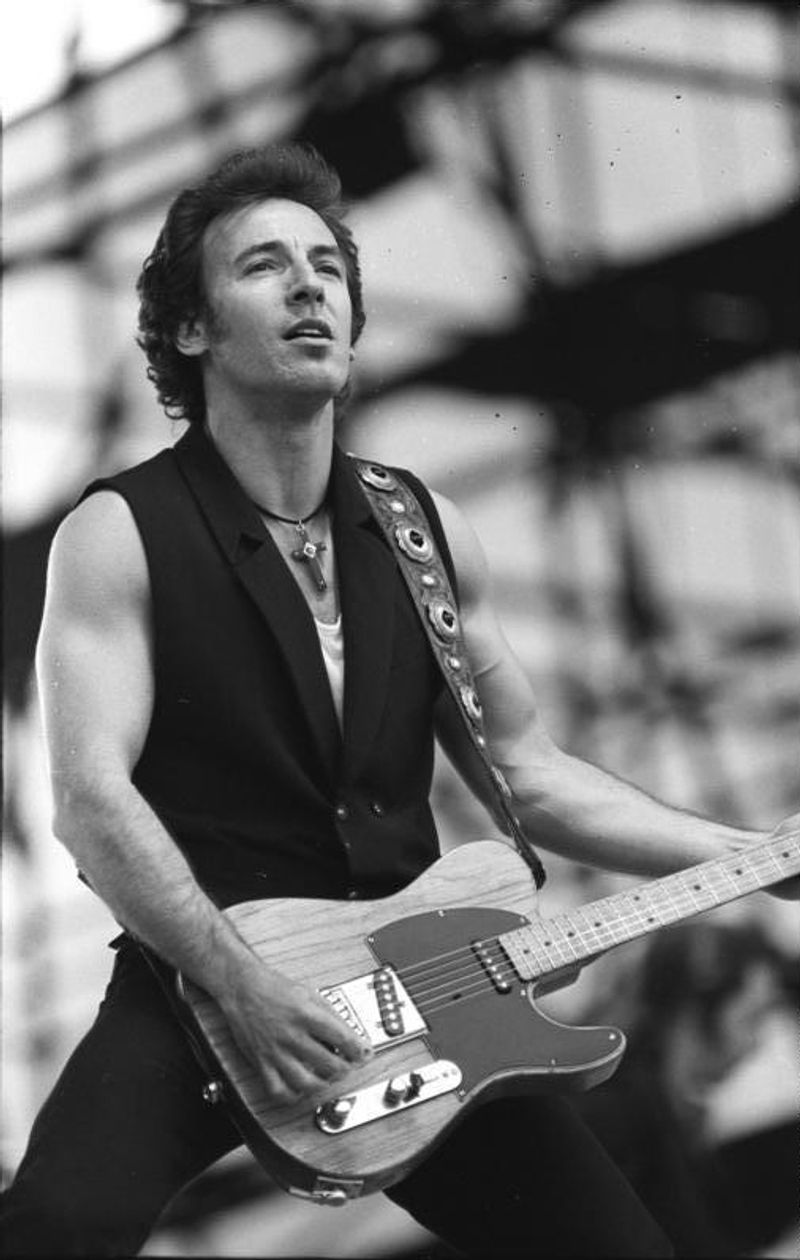
This one arrives like a deadline with a backbeat. Bruce Springsteen released “Born to Run” in 1975 after chasing a bigger sound, and the result turned him from critical favorite into major national figure.
Phil Spector-style production, dense arrangements, and a restless lyric about movement gave the song immediate identity. Springsteen packed in highways, youth, ambition, and escape, but he grounded those ideas in specific characters and hard-earned urgency rather than empty rebellion.
The single also mattered because it helped define album-oriented rock during a moment when FM radio rewarded songs with scale and narrative detail. Clarence Clemons’ saxophone and Max Weinberg’s drumming gave it lift without softening the determination at the center.
You still hear why it connected. Plenty of songs talk about getting out, but this one understands the pressure behind that impulse, which is why it keeps finding new listeners who recognize the drive even if the 1975 references belong to another generation entirely.
5. Aerosmith – Walk This Way
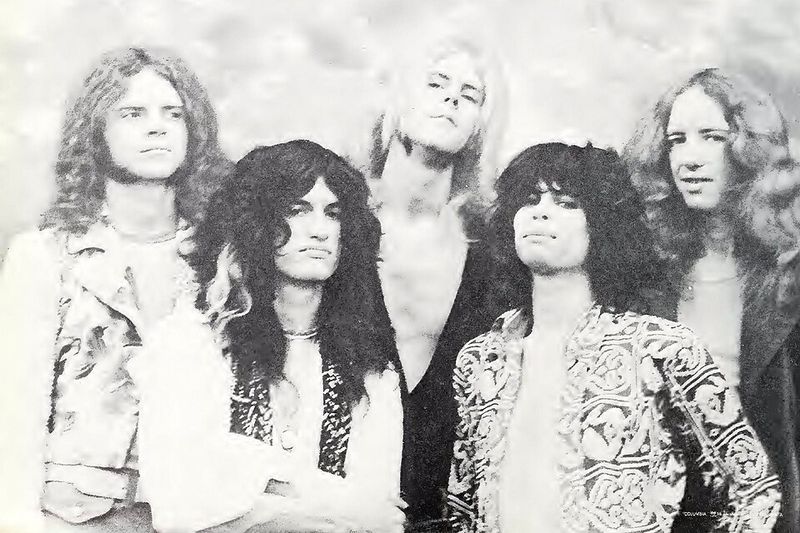
Right away, this track makes it clear that rock could loosen its tie and still mean business. Aerosmith released “Walk This Way” in 1975 on Toys in the Attic, and its groove-centered design stood apart from more straightforward hard rock singles.
Joe Perry’s opening riff did a lot of the heavy lifting, but Steven Tyler’s rapid-fire phrasing gave the song its long afterlife. The lyrics are playful and packed with detail, while the rhythm section keeps everything clipped and agile instead of simply loud.
Its place in history grew even larger in 1986 when Run-D.M.C. revived it with Aerosmith, helping bridge rock and hip-hop for a new audience. That later moment matters because it confirmed how adaptable the original structure already was.
Even without the crossover chapter, the 1975 version still lands. It captured a more elastic idea of mainstream rock, one where funk influence, attitude, and sharp hooks could coexist without sacrificing the muscle that made arena crowds pay attention.
6. Fleetwood Mac – Rhiannon
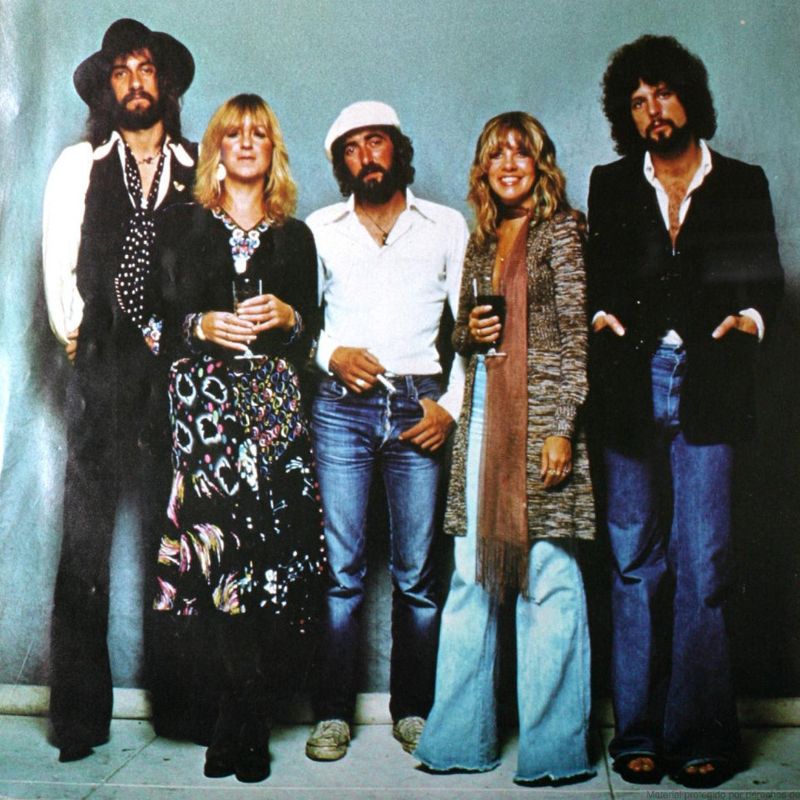
Not every rock classic needs brute force to hold your attention. Fleetwood Mac’s “Rhiannon,” released in 1975 on the band’s self-titled album, introduced many listeners to Stevie Nicks as a writer with an instantly distinct voice.
The song drew inspiration from a novel Nicks had been reading, though later listeners often treated it like ancient folklore from the start. That ambiguity helped, because the lyrics feel suggestive without becoming obscure, and the band supports her with patient arrangement rather than clutter.
This was also a crucial moment in Fleetwood Mac history. The 1975 lineup featuring Nicks and Lindsey Buckingham transformed the group’s commercial future, and “Rhiannon” quickly became one of the clearest signs that the band had entered a new phase.
Its reputation keeps growing because it balances accessibility with character. You can sing along on first listen, yet the performance leaves enough unanswered questions to keep people returning, which is usually how songs move from hit status into permanent rock vocabulary.
7. David Bowie – Fame
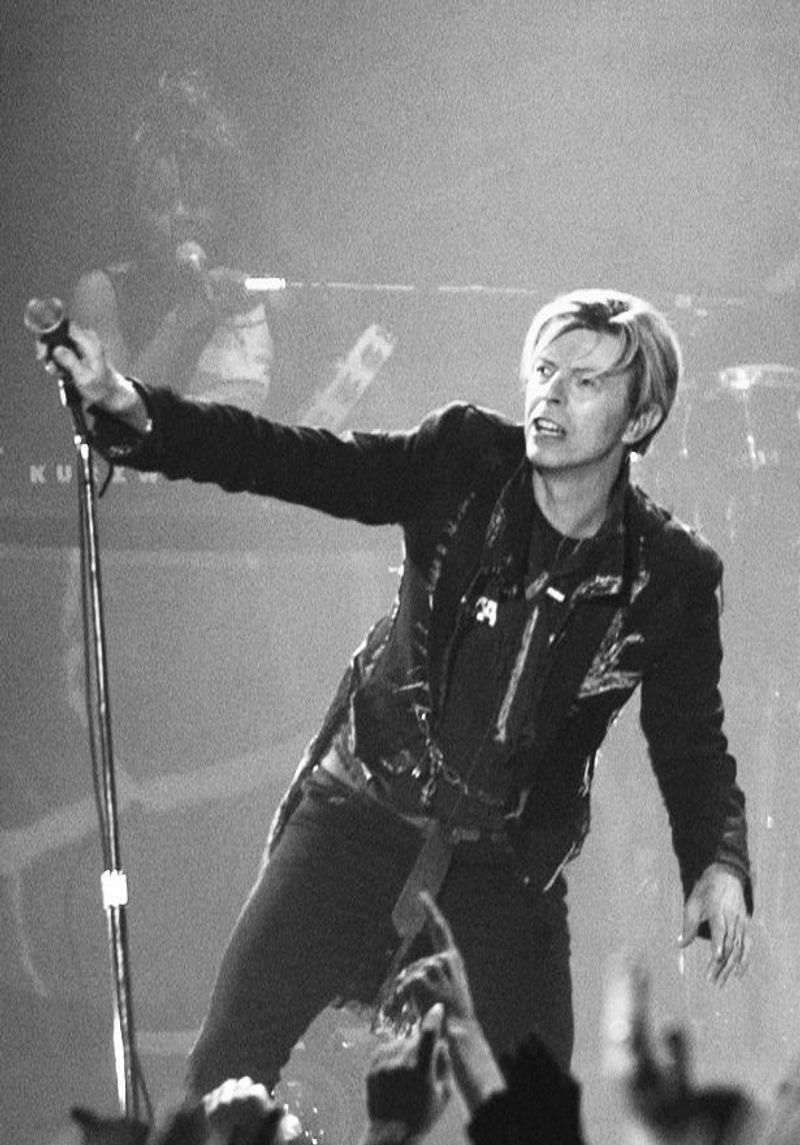
Celebrity rarely gets dissected this smoothly. David Bowie released “Fame” in 1975 with help from John Lennon and guitarist Carlos Alomar, and the track marked a sleek turn toward funk-driven minimalism.
It became Bowie’s first number one hit in the United States, which is fitting given how directly it picks apart status and public image. Rather than delivering a grand lecture, Bowie uses clipped phrases, a wiry groove, and cool detachment to make the subject feel both personal and absurd.
The song also reflects Bowie’s talent for reinvention. Coming after his glam years, it showed he could adapt to changing musical currents without sounding like he was chasing fashion a step too late.
That is one reason it still feels modern. Plenty of songs about attention and image have arrived since then, especially in the social media era, but “Fame” remains unusually sharp because it understands performance as labor, strategy, and trap, all inside a track that stays lean and danceable.
8. Alice Cooper – Only Women Bleed
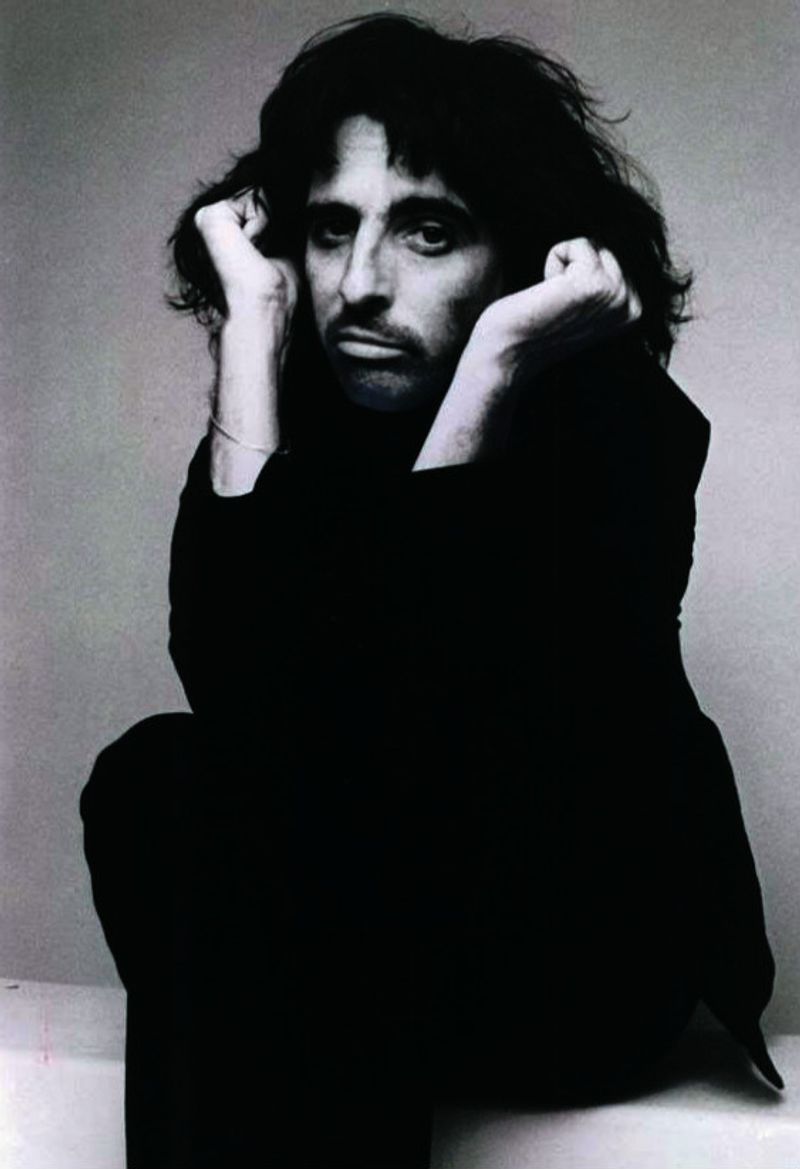
Here is the moment when shock rock stepped aside and let songwriting do the heavy work. Alice Cooper released “Only Women Bleed” in 1975, and the song surprised many listeners who knew him mainly for theatrical stage excess.
Built as a piano-led ballad, it addressed domestic hardship from a perspective rarely heard in mainstream hard rock at the time. Cooper and guitarist Dick Wagner crafted a serious, empathetic lyric, and the arrangement chose restraint over spectacle, which gave the message more credibility.
The title has sometimes caused confusion, but the song’s intent is plain once you hear the verses. It widened Cooper’s reputation by proving he could deliver emotionally grounded material without abandoning his identity as a major rock personality.
Its continued impact comes from that contrast. In 1975, many artists were expanding their public image, and Cooper managed it without sounding calculated, which is harder than it looks.
The song still stands as one of his smartest and most durable recordings.
9. Bad Company – Feel Like Makin’ Love
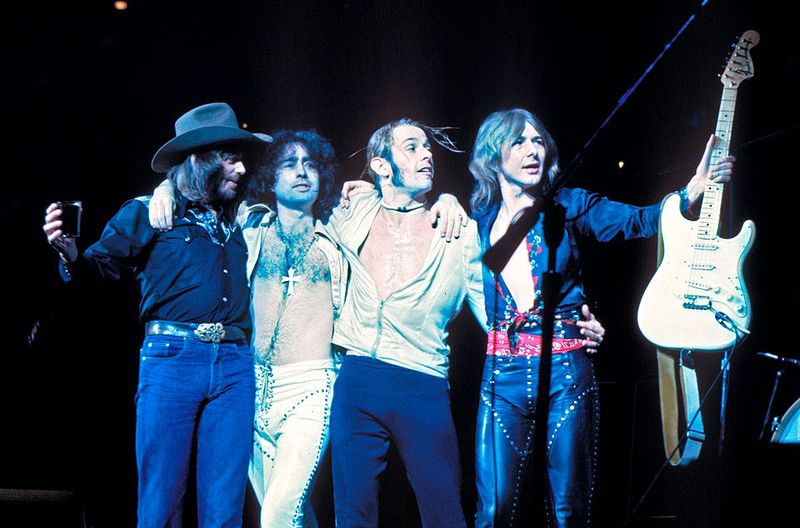
Patience is the secret weapon on this record. Bad Company’s “Feel Like Makin’ Love,” released in 1975 on Straight Shooter, works because it never rushes toward its biggest moment before earning it.
The song opens with an acoustic calm that keeps the vocal front and center, then shifts into a harder section with controlled force. That contrast became a key part of Bad Company’s appeal, since the band specialized in sturdy, uncluttered rock that sounded confident without trying to impress you every second.
Paul Rodgers sells the transition with remarkable ease. His voice carries both the intimate opening and the stronger chorus, making the track feel unified rather than stitched together from two separate ideas.
It still holds up because its dynamics are practical, not flashy. Plenty of mid-1970s rock records aimed for maximum scale, but this one chose balance, and that decision gave it longevity.
You can hear the band trusting arrangement and timing, which remains a powerful combination today.
10. Thin Lizzy – Rosalie
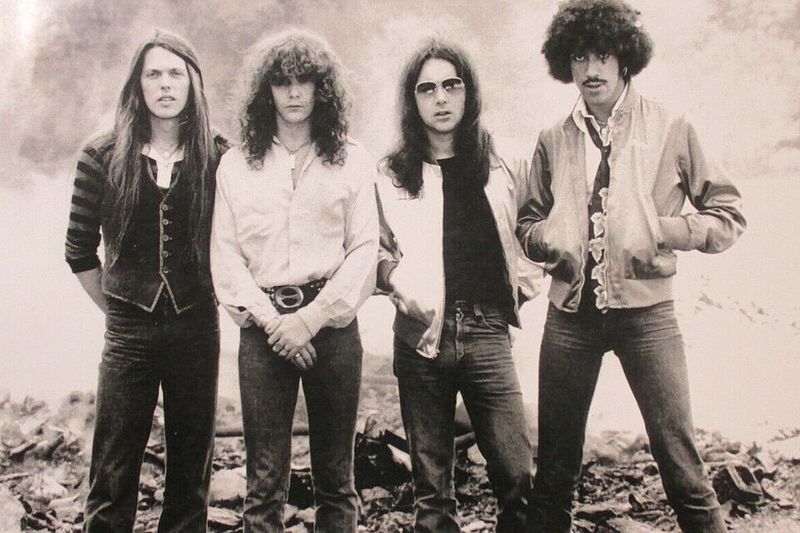
This track wastes no time pretending to be polite. Thin Lizzy’s version of “Rosalie,” released in 1975 on Fighting, took Bob Seger’s song and turned it into a perfect vehicle for Phil Lynott’s charisma and the band’s rising confidence.
It is technically a cover, but Thin Lizzy made it feel like part of their own DNA. The arrangement is tighter, quicker, and more swaggering, which helped the song become a reliable crowd favorite and an ideal showcase for the band’s live strengths.
That matters because 1975 was a transition point for Thin Lizzy. They were sharpening the combination of hard rock drive, melodic instinct, and Lynott’s commanding presence that would soon define their best-known work.
“Rosalie” still connects because it understands a fundamental rock principle: momentum counts. There is no unnecessary decoration, no wasted setup, and no confusion about its job.
It gets in, makes its case with style, and leaves behind the kind of confidence that never really dates.
11. The Who – Squeeze Box
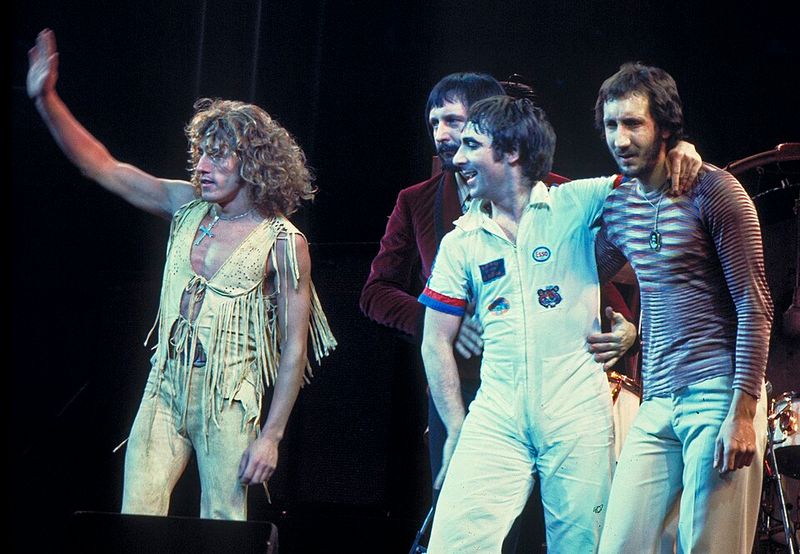
A joke, a hit, and a lesson in economy all show up at once here. The Who released “Squeeze Box” in 1975 on The Who by Numbers, and its simple structure proved how effective a straightforward hook could be.
Pete Townshend wrote it with a wink, and listeners quickly picked up on the double meanings. Still, what keeps the song around is not novelty alone.
The acoustic-driven arrangement is lean, Roger Daltrey delivers it with cheerful conviction, and the band avoids overcomplicating material that works best when it stays punchy.
The track also arrived during a more reflective phase for The Who. After larger conceptual works, this single showed the group could still make something compact, radio-ready, and unmistakably theirs.
That balance helps it endure. Rock history often celebrates complexity, but “Squeeze Box” is a useful reminder that craft matters just as much.
When a band with this much pedigree chooses brevity and precision, the result can be every bit as memorable as a sprawling epic.
12. Nazareth – Hair of the Dog
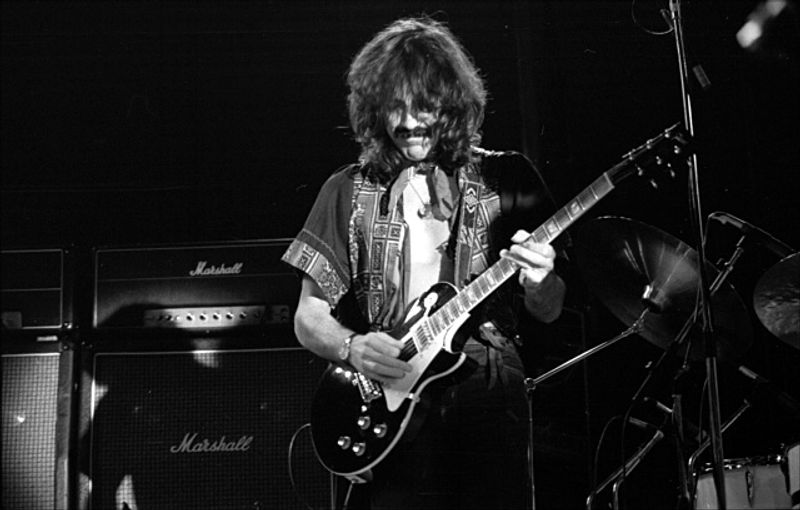
Subtlety clocks out before the first line even lands. Nazareth’s “Hair of the Dog,” released in 1975, became the Scottish band’s signature statement by leaning fully into hard rock attitude and refusing to sand down the edges.
The guitar riff is blunt, the groove is steady, and Dan McCafferty’s vocal sounds committed to the song’s confrontational posture from start to finish. Even people who do not know the whole track tend to recognize its opening phrase, which helped it become a durable FM radio staple.
The song also captures a useful truth about mid-1970s rock. Not every classic needed elaborate production or conceptual ambition.
Sometimes a strong riff, a memorable chorus, and absolute conviction were enough to carve out permanent space in the format.
That is why it still works. “Hair of the Dog” does not chase complexity or prestige. It knows exactly what it is, delivers it with force, and leaves behind a blueprint for countless later hard rock songs that wanted similar punch.
13. Electric Light Orchestra – Evil Woman
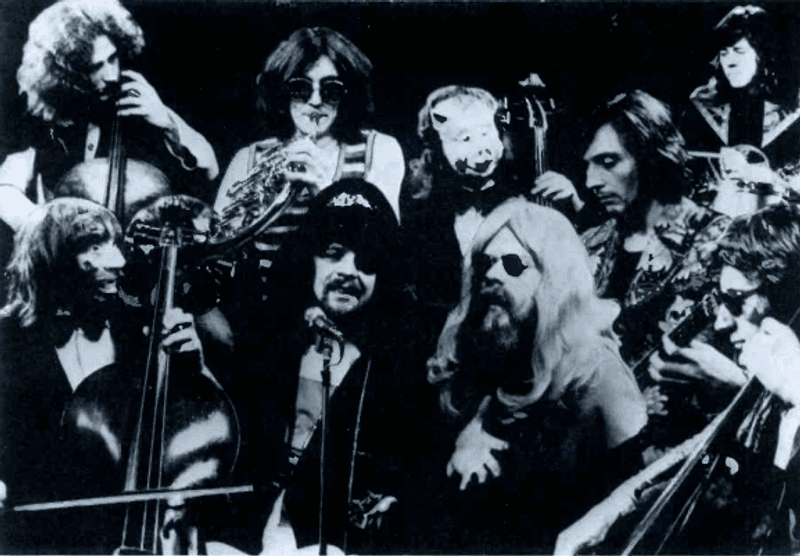
Pop instincts and rock ambition shake hands perfectly on this one. Electric Light Orchestra released “Evil Woman” in 1975 on Face the Music, and the track helped push Jeff Lynne’s studio vision further into the mainstream.
The song blends piano, strings, layered vocals, and a clean rhythmic pulse in a way that feels polished but not sterile. ELO had already been building a reputation for mixing orchestral elements with rock structure, yet “Evil Woman” packaged that approach into a single with immediate commercial appeal.
It also arrived when the boundaries between album rock and pop radio were loosening. That timing mattered, because Lynne’s gift was making sophisticated arrangements feel efficient rather than academic, which broadened the band’s audience significantly.
Today the track still slips easily into playlists because its construction is so smart. It carries 1975 production values without sounding trapped by them, and it proves that elegance, hook-writing, and a little theatrical flair can age very well when the song underneath is this solid.



