 Unearth The Voyage
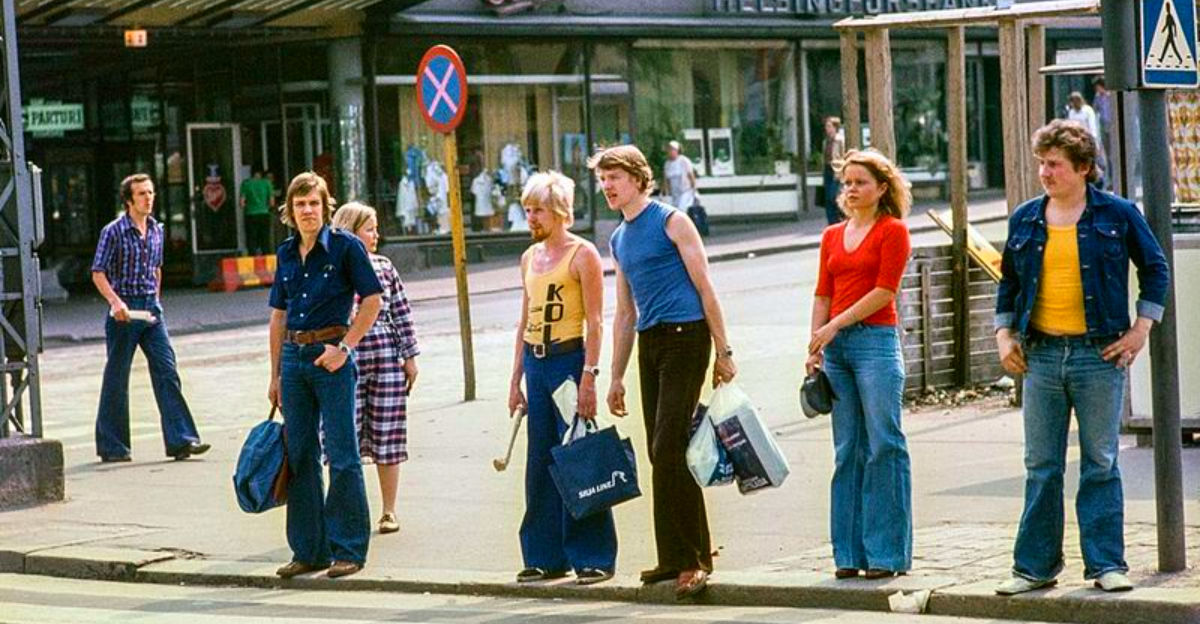
The 1970s were a swirl of glitter, gas lines, and gutsy experimentation. Beyond the headlines, tiny moments grabbed attention and felt enormous in living rooms, schoolyards, and malls. You remember the thrill of a new gadget, the scandal of a TV stunt, or a fashion choice that suddenly defined a generation. These 16 snapshots capture how small sparks lit up the decade in unforgettable ways.
1. The Pet Rock Craze (1975)
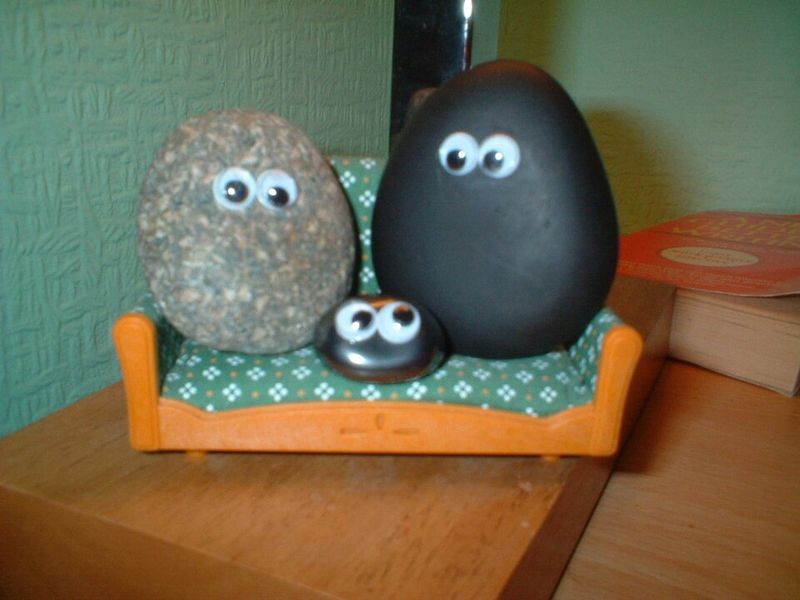
It was a rock in a cardboard box, complete with air holes and a tongue-in-cheek training manual. Somehow, that absurd simplicity felt like genius, a wink at consumerism we were happy to buy. You could gift one to anyone and get a laugh instantly.
At school, kids compared their rocks like they were purebred pups. Adults joked, rolled eyes, and still grabbed one at the checkout. In a decade leaning into novelty, it felt like the perfect mascot for playful, harmless excess.
2. The Debut of the Rubik’s Cube (1977 in Europe)
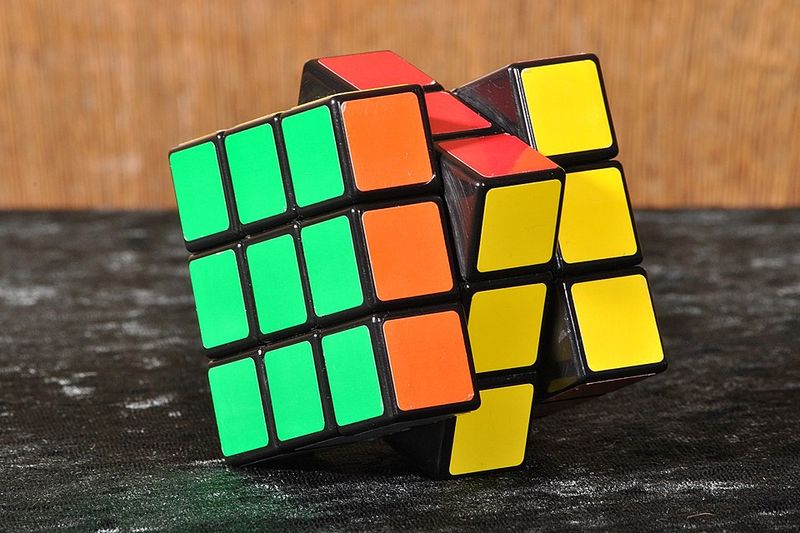
It looked like a toy you could solve in seconds, until you tried and got hooked by its colorful logic trap. Those clicks and turns felt like progress, even when nothing aligned. Friends traded algorithms like secret codes and held bragging rights for the first solve.
Before it went global, it was a rumor from classrooms and hobby shops. Then it became a brainy badge of honor, a puzzle you wore on your coffee table. Mastering it felt like beating the decade’s favorite riddle.
3. School Filmstrips on the Dangers of Disco
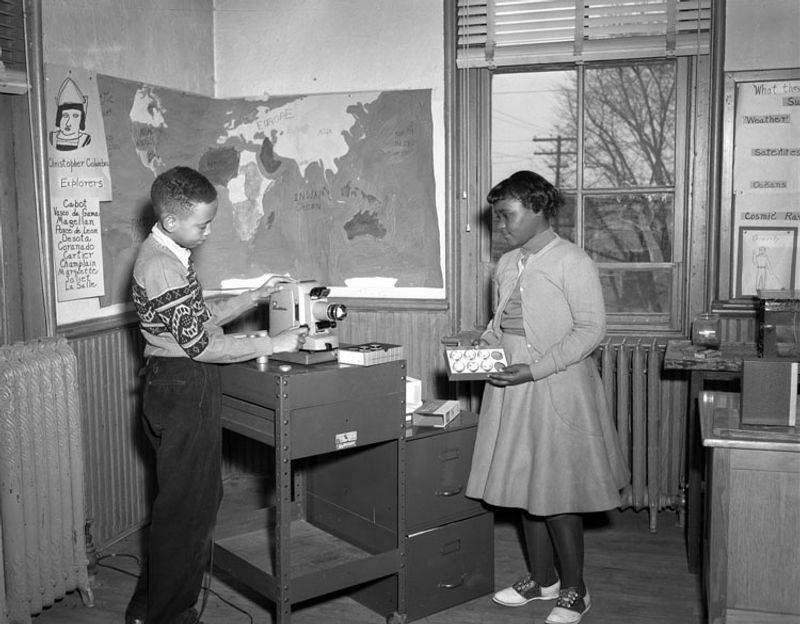
Teachers dimmed the lights and rolled the projector like it was a public safety announcement. Suddenly, disco was framed as a slippery slope, all strobe lights and moral peril. You sat there half amused, half curious whether dancing really needed a warning label.
Those filmstrips felt wildly dramatic, yet they captured genuine anxiety about nightlife and youth culture. The irony made them unforgettable. They turned a beat into a debate, and that made every school hallway whisper.
4. The Arrival of Pong (1972)
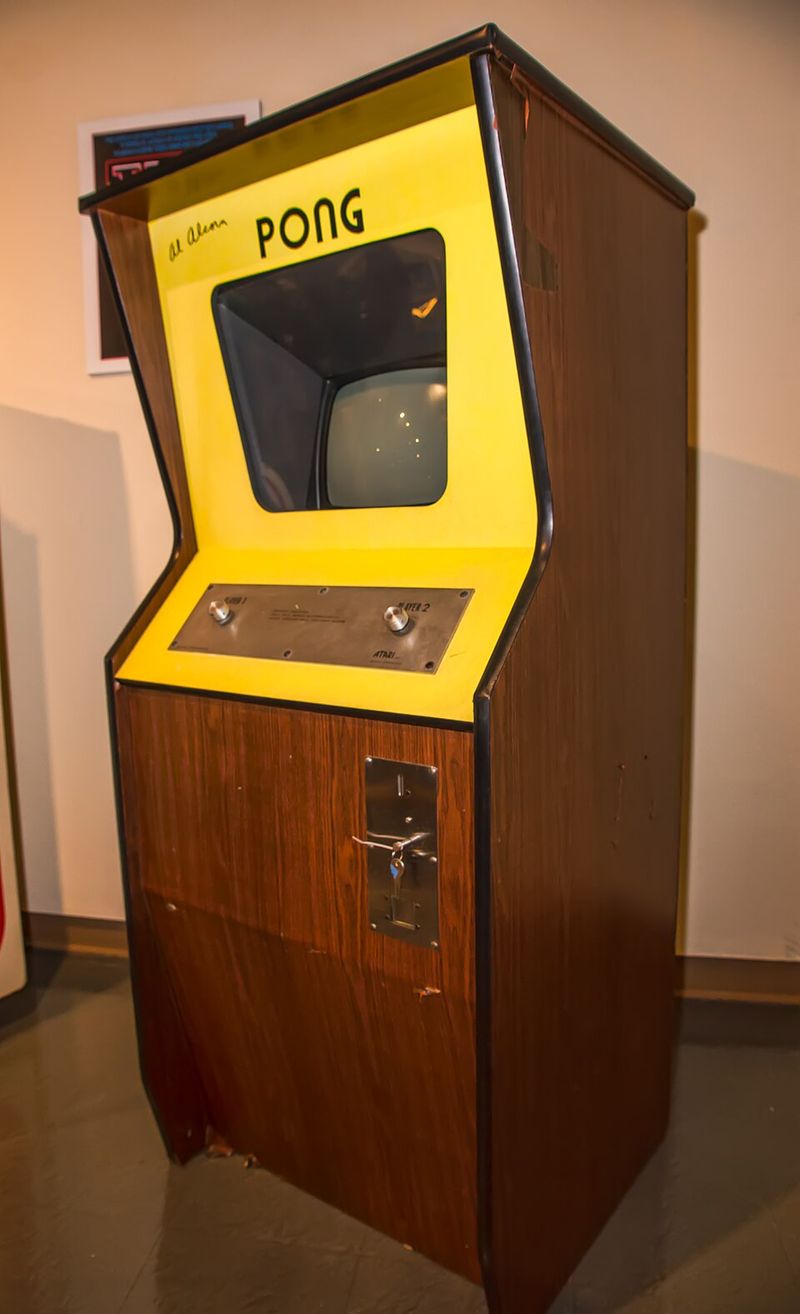
Two paddles, one bouncing square, and suddenly time disappeared into quarters. It felt like the future humming from a simple cabinet, drawing crowds to cheer a pixel. You could hear the blips from across the room like a beacon.
Homes got consoles, bars got bragging rights, and arcades found their heartbeat. That tiny ball taught us how screens could be playgrounds. In that moment, gaming stopped being theory and became a habit.
5. Bell-Bottom Jeans Going Mainstream
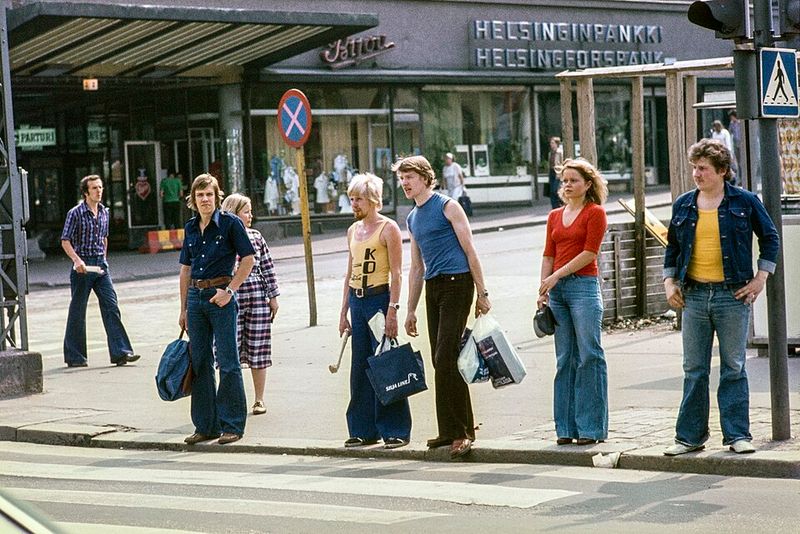
One day flares were for rebels, and the next your dad strolled in wearing them, totally unfazed. That was the moment it felt seismic, when fringe fashion jumped to family default. Hallways at school swished with denim, and tailoring shifted to accommodate the sweep.
Bell-bottoms turned every step into a style statement. You could feel the generational truce stitched into hemlines. When the whole block matched, it seemed like fashion had changed the rules overnight.
6. Mood Rings Predicting Your Emotions (1975)

Slip it on, wait a second, and watch the color bloom like it knew you. Science said temperature, but the heart said magic, and that was enough. Friends compared shades and swapped secret meanings between classes.
It turned fidgeting into fortune-telling and made personal vibes feel measurable. Even skeptics kept checking their hue like weather forecasts. For a season, a cheap ring carried big feelings.
7. Earth Shoes and Natural Fashion
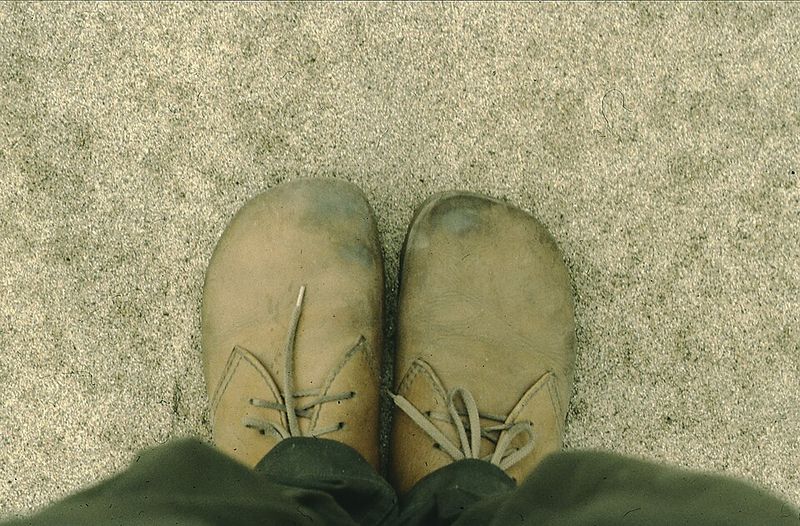
They looked a little odd, sloped backward with a promise of better posture and grounded living. Slip them on, and suddenly you felt like health had a footprint. Stores smelled like leather and patchouli, and the sales pitch sounded wholesome.
Even if the science was debated, the vibe resonated. Wearing them said you were tuned to nature and wellness before that was mainstream. Footwear became a manifesto for simpler living.
8. CB Radios in Everyday Cars
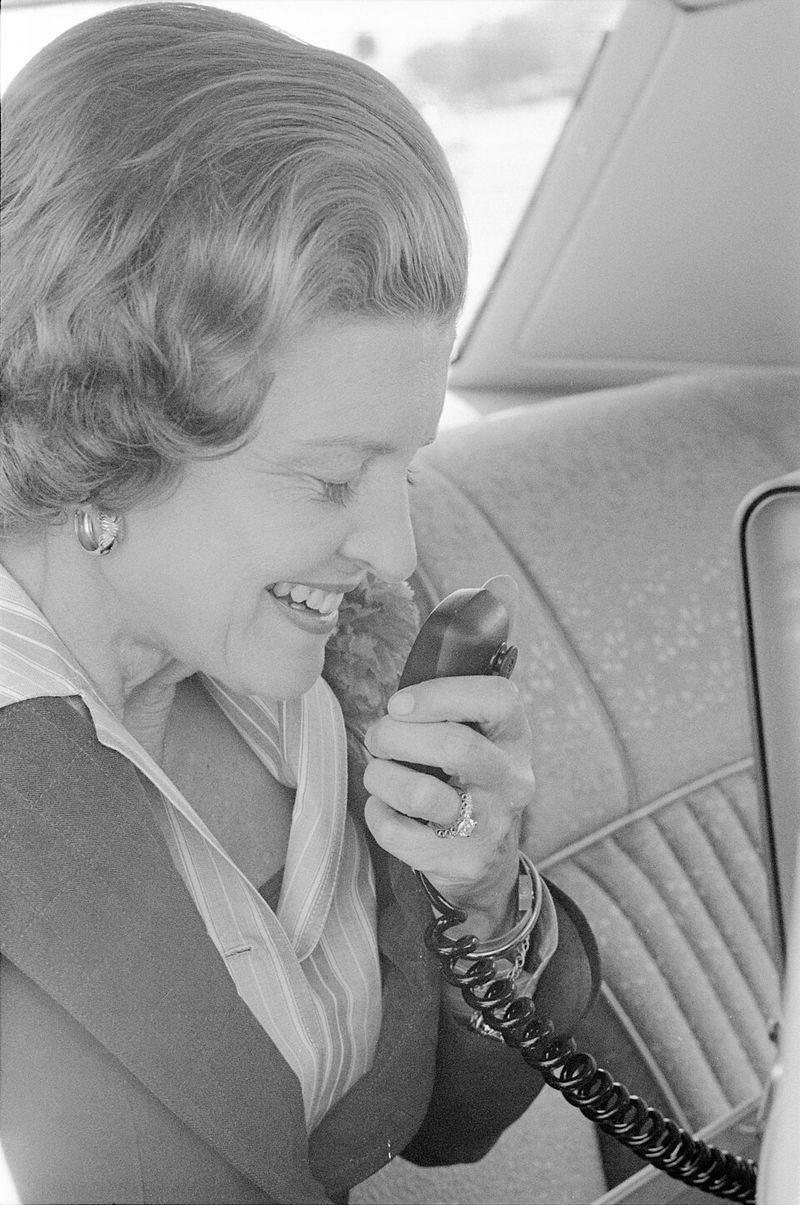
Turn the dial, grab the mic, and suddenly you had a handle and a highway family. Gas shortages made chatter useful, and movies made it cool. You learned the lingo fast because sounding legit mattered.
Static, stories, and warnings zipped through the ether like roadside signals. It felt like hacking the road, a club with open doors. Even short trips turned into broadcasts.
9. LaserDisc Appears — Briefly (1978)
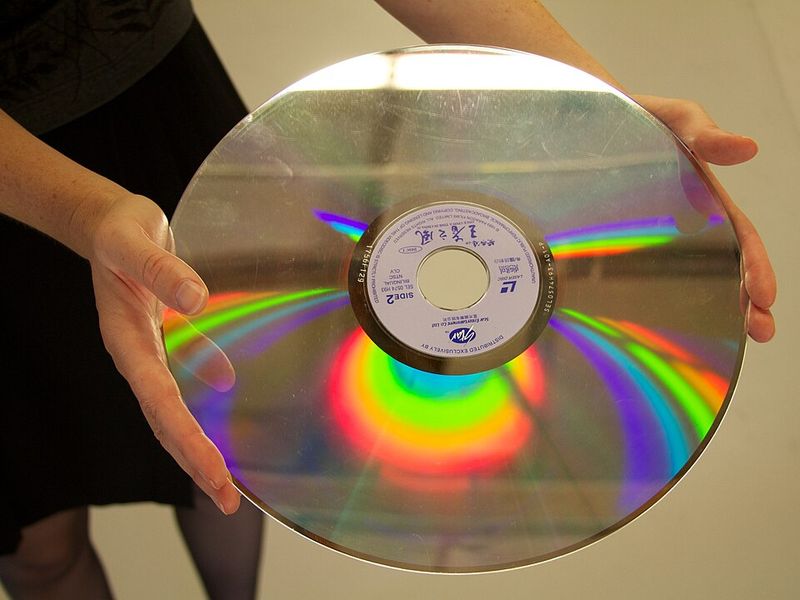
Someone pulled out that gleaming platter, and jaws dropped before the movie even started. It looked like technology from tomorrow, oversized and serious. The sleeves felt like art books, and the player hummed with promise.
Most homes never adopted it, but first encounters felt monumental. Picture clarity seemed otherworldly compared to tape. It made movie night feel like a premiere with backstage access.
10. TV Sign-Offs at Midnight
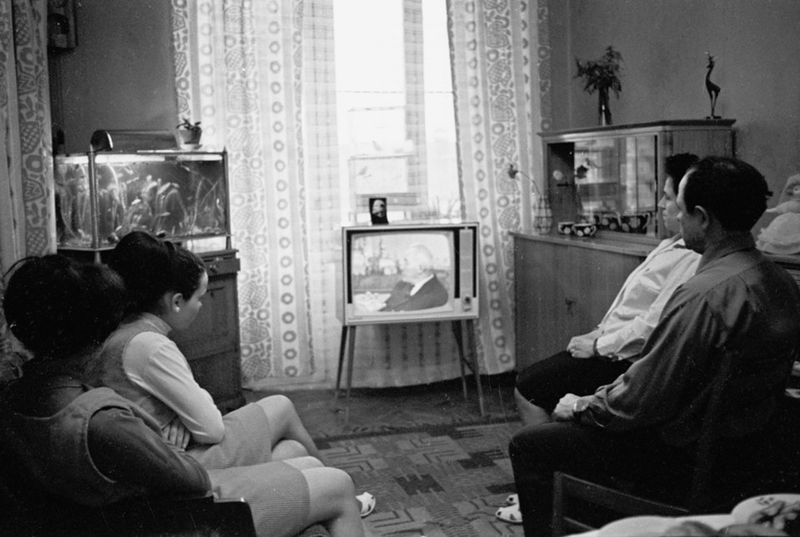
The anthem played, the flag waved, and the screen slipped to snow like a curtain falling. That ritual told the whole house the day was officially done. You felt a small hush settle over the room.
In a 24-7 world it seems quaint, but then it felt ceremonial. The static was a soft barrier against endless noise. Night finally had an off switch, and we believed in it.
11. Cereal Box Prizes Everyone Talked About
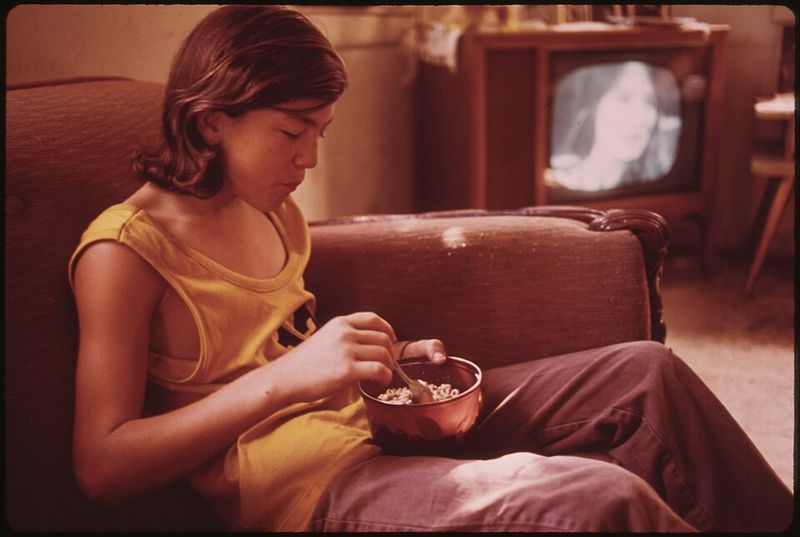
You shook the box when no one looked, trying to coax the treasure to the top. That tiny plastic surprise turned breakfast into a quest. Trading at school felt like currency exchange with bragging rights.
Limited editions made hearts race at the grocery aisle. Sometimes the toy was junk, but the chase was gold. Weekends began with sugary suspense and a prize worth boasting about.
12. Fonzie Jumping the Shark (1977)
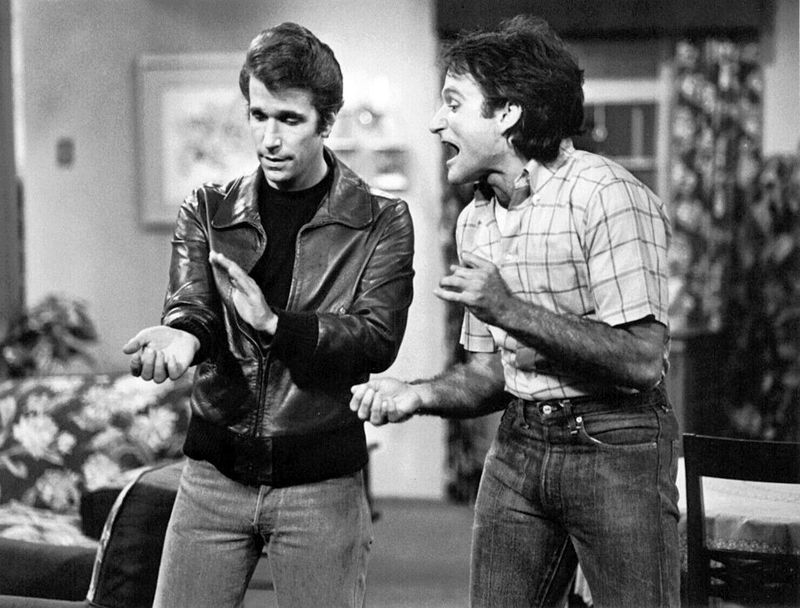
Everyone tuned in to see whether Fonzie could actually water-ski over a shark, leather jacket and all. At the time, it felt audacious, bigger than a sitcom gag, like TV was testing how far it could push cool. You could hear the groans and cheers echoing the next day.
That single stunt later became our shorthand for overreach. Still, in the moment, it was electric, goofy, and unforgettably bold. It turned living rooms into debating clubs about what TV should be.
13. Farrah Fawcett’s Poster (1976)

That grin and feathered hair were everywhere, taped to walls with curling corners and pride. The poster wasn’t just a picture, it was a phenomenon that felt immediate and personal. You could walk into any room and know whose team the occupant was on.
It sold by the millions and made merchandising feel like destiny. Suddenly, stardom had a single iconic image. Teen rooms turned into shrines, and the culture took notes about the power of one photograph.



