Not every great trip needs a skyline, a subway map, or a hotel the size of a shopping mall. Some of the best getaways in the country are tucked into places most GPS systems barely bother with.
I took my first small-town trip on a whim, expecting boredom, and came back completely converted. These 13 towns prove that less square footage can mean a whole lot more fun.
Galena, Illinois
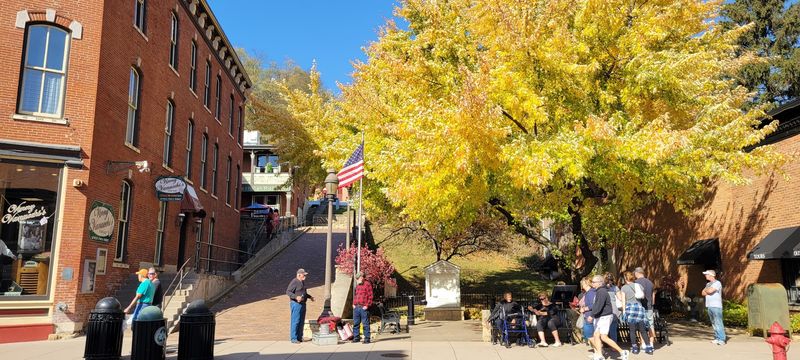
Galena has been nailing the charming-town thing since before most cities figured out what brunch was. Roughly 85 percent of its buildings are listed on the National Register of Historic Places, which means the whole town is basically an outdoor museum you can shop in.
That is a genuinely hard combination to beat.
Main Street is walkable, lively, and lined with restaurants, galleries, and local shops that stay open throughout the week. There is no single anchor attraction pulling all the weight here.
The town itself is the attraction.
Ulysses S. Grant lived here before the Civil War made him famous, so history fans have plenty to work with.
Weekend visitors often find themselves extending their stay without much convincing. Galena does not oversell itself, and somehow that makes it even more appealing than towns that try way too hard.
Beaufort, South Carolina
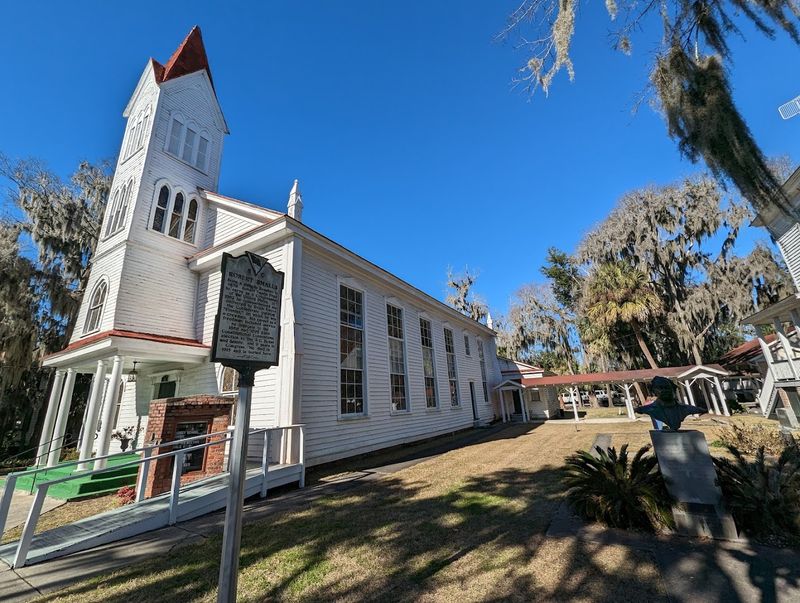
Beaufort is the town that makes you question every city vacation you have ever taken. The oak-lined streets draped in Spanish moss look like a painting, except you can actually walk through them without a museum ticket.
That alone puts it ahead of a lot of weekend options.
The waterfront is genuinely lovely without being overdeveloped or overpriced. You can spend a full afternoon just wandering the historic downtown and still feel like you missed something worth coming back for.
That is the mark of a town with real depth.
Beaufort has appeared in more films than most people realize, including Forrest Gump and The Big Chill. The food scene punches well above its weight for a town this size.
Lowcountry cooking, fresh seafood, and a pace that refuses to rush make Beaufort one of the Southeast’s most underrated weekend destinations by a wide margin.
Cape May, New Jersey
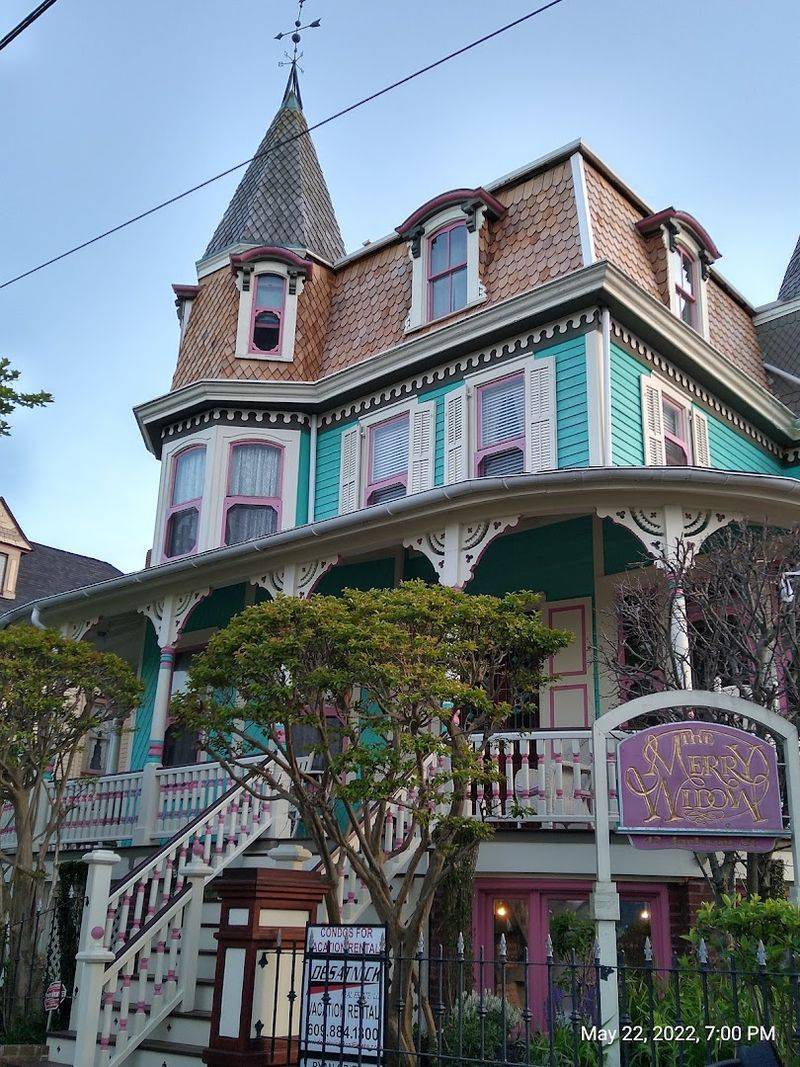
Cape May is New Jersey’s best-kept secret, which is impressive given how loudly New Jersey usually announces itself. The entire city is a National Historic Landmark, packed with more than 600 Victorian structures that make every street feel like a stroll through a very well-maintained time machine.
The Washington Street Mall keeps things lively with shops, restaurants, and events that give the town a real pulse beyond just the beach. Cape May works as a getaway in every season, not just summer.
Fall birding, spring whale watching, and winter wine trails mean there is always a reason to visit.
I went expecting a sleepy shore town and left completely surprised by how much was actually happening. The food scene is serious, the beaches are gorgeous, and the whole place is genuinely strollable.
Cape May earns its reputation without resorting to gimmicks, and that kind of authenticity is harder to find than it looks.
Mackinac Island, Michigan
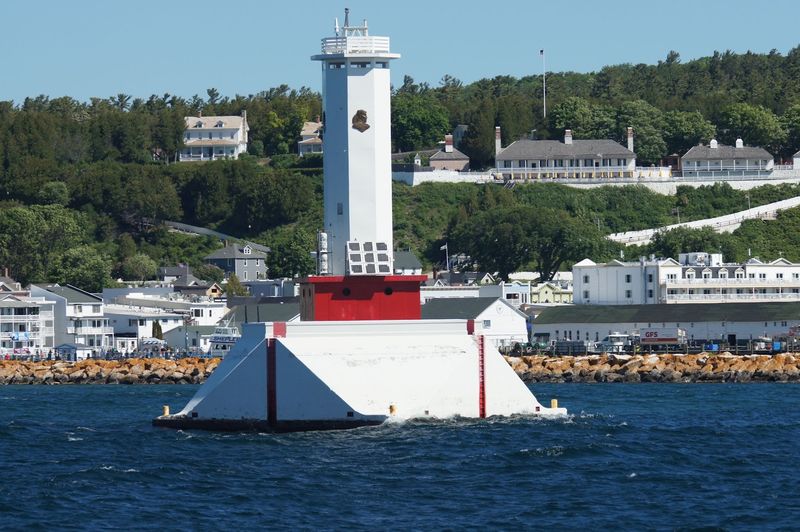
No cars. Zero.
Mackinac Island banned motor vehicles over a century ago, and the result is one of the most genuinely different travel experiences available anywhere in the continental United States. Getting there by ferry already feels like a proper adventure before you even arrive.
Horse-drawn carriages, bike rentals, and good old-fashioned walking are the transportation options here, and somehow that makes everything feel more relaxed than any city break could. Fort Mackinac sits above the town and offers sweeping views along with a solid dose of history.
The famous fudge shops are not a cliche, they are a legitimate reason to visit.
The Grand Hotel’s porch is reportedly the longest in the world, which is either impressive or absurd depending on your relationship with porches. The island’s small size means you can cover a lot of ground in a weekend and still feel unhurried.
That is a rare trick to pull off.
Fredericksburg, Texas
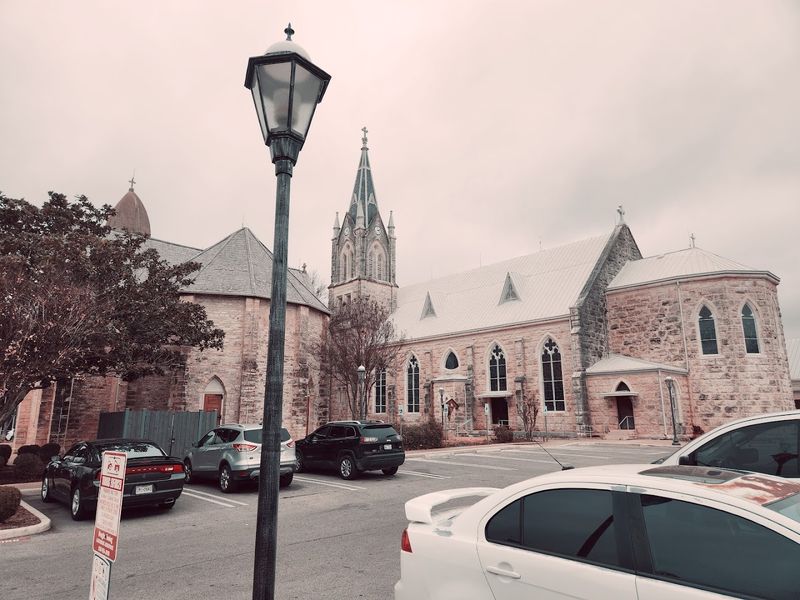
Fredericksburg is the overachiever of Texas small towns, and it does not even apologize for it. German settlers founded it in 1846, and the Hill Country architecture, street names, and food traditions have stuck around in the best possible way.
History, wine, and good food in one compact downtown is a genuinely strong pitch.
The National Museum of the Pacific War is one of the most respected World War II museums in the country and sits right in town. That alone would justify a trip, but Fredericksburg keeps stacking reasons to stay.
Over 50 wineries operate within the surrounding region, making the Hill Country wine trail a serious draw for weekend visitors.
Main Street delivers the full small-town experience without ever feeling like a theme park version of one. The shops are independent, the restaurants are creative, and the pace is refreshingly unhurried.
Fredericksburg rewards slow travel in a state that usually celebrates going fast.
Leavenworth, Washington
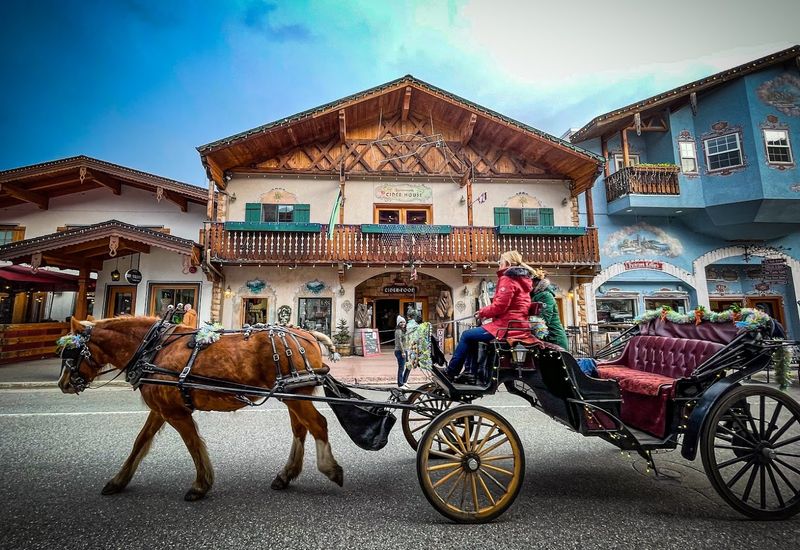
Yes, Leavenworth is a Washington town that decided to become a Bavarian village, and yes, it absolutely works. The transformation happened in the 1960s when the town needed a tourist economy reboot, and the alpine makeover turned out to be one of the better civic decisions in Pacific Northwest history.
Front Street runs through a genuinely functioning downtown, not just a backdrop for photos. The visitor center is open daily, shops and restaurants operate year-round, and the surrounding Cascades make the scenery feel almost unfairly good.
Outdoor activities shift with the seasons, from hiking in summer to snowshoeing in winter.
The Christmas lighting festival draws enormous crowds, but Leavenworth holds its own in every other month too. Aplets and Cotlets candy, local wine, and bratwurst coexist peacefully here, which says a lot about the town’s personality.
Leavenworth is touristy in the most honest way possible, and that transparency is oddly refreshing.
Eureka Springs, Arkansas
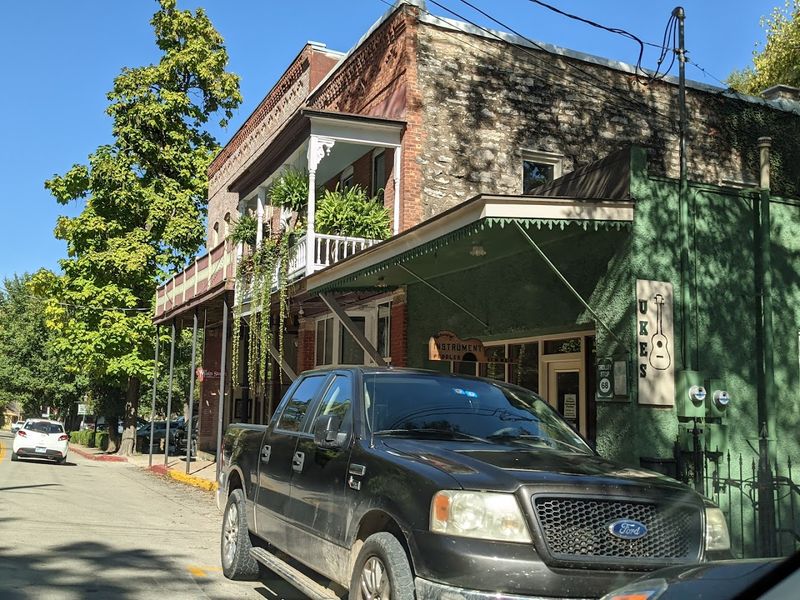
Eureka Springs did not manufacture its personality as a marketing strategy. The quirky, artistic, slightly unconventional energy here grew organically over more than a century, and it shows in every crooked street and Victorian storefront.
The entire downtown historic district is on the National Register of Historic Places.
The town is built on steep hillsides, which means almost no two streets are at the same level. Getting around feels like a small puzzle, and solving it is half the fun.
Galleries, live music venues, and independent restaurants fill the historic buildings without ever making the place feel like it is trying too hard.
Eureka Springs has long attracted artists, free spirits, and travelers who want something genuinely different from the standard weekend trip. The lineup of attractions and activities is broader than the town’s size suggests.
Staying longer than planned is basically a local tradition at this point, and one I personally fell into without any resistance whatsoever.
Jim Thorpe, Pennsylvania
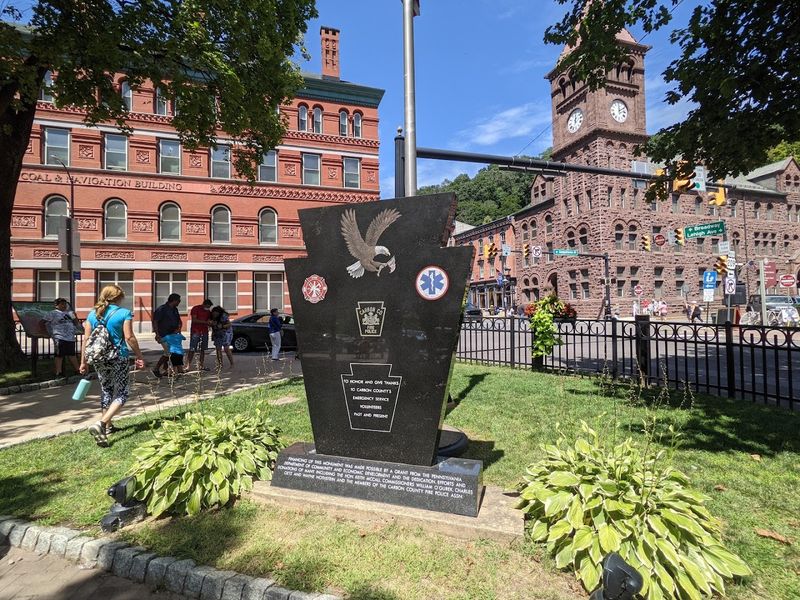
Jim Thorpe is named after one of the greatest athletes in American history, which sets a high bar the town somehow manages to clear. Tucked into the Pocono Mountains, it combines a legitimately beautiful natural setting with a historic core that rewards slow, aimless wandering.
That combination is harder to find than it sounds.
The downtown is compact, walkable, and full of independent shops, cafes, and galleries that feel like they belong here rather than being imported for tourism purposes. Outdoor options include hiking, cycling the Lehigh Gorge Trail, and whitewater rafting nearby.
The scenery shifts dramatically with the seasons, and fall turns the whole area into something almost unreasonably photogenic.
Pennsylvania tourism materials consistently highlight Jim Thorpe as a standout small-town destination, and for once the marketing matches reality. The town delivers more charm per square mile than most places twice its size.
Arriving with low expectations and leaving completely impressed is basically the Jim Thorpe experience in a sentence.
Port Townsend, Washington
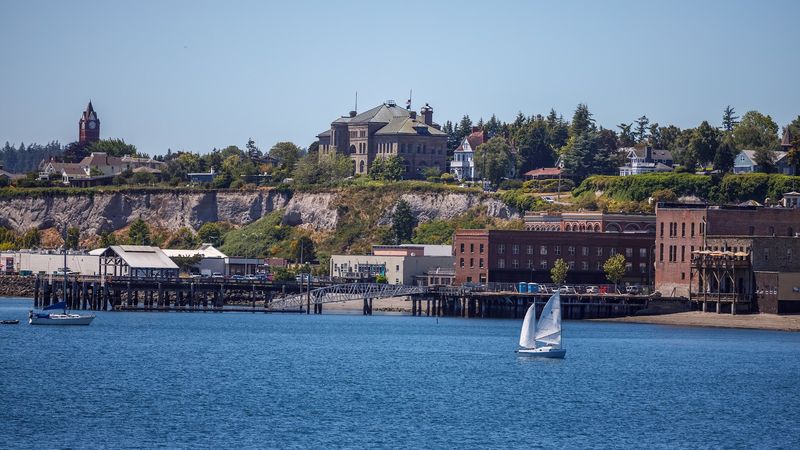
Port Townsend is the kind of place that makes people quietly rethink their life choices in a good way. The Victorian seaport sits at the northeastern tip of the Olympic Peninsula, surrounded by water on three sides and backed by forested hills that make the whole setting feel almost theatrical in the best sense.
The architecture is remarkable, with Victorian commercial buildings downtown and ornate homes on the bluff above. Maritime history runs deep here, and the wooden boat community keeps that tradition genuinely alive rather than just preserved behind glass.
Fort Worden State Park sits right in town and adds beaches, trails, and a historic military campus to the mix.
The arts scene is surprisingly robust for a town of around 10,000 people. Music festivals, film events, and galleries give Port Townsend a cultural energy that most small towns cannot sustain.
First-time visitors almost always leave already planning a return trip, which is about the strongest endorsement a town can earn.
Woodstock, Vermont
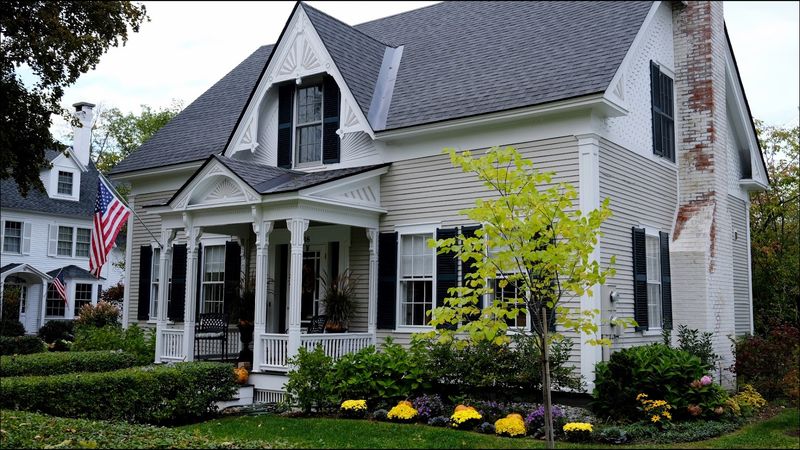
Woodstock, Vermont is almost suspiciously good at being a New England postcard. The covered bridges, the white church steeple, the town green, the maple trees turning colors in autumn.
It all exists, and it is all real, which somehow makes it more impressive rather than less.
The village center is compact and walkable, with independent shops, excellent restaurants, and a general atmosphere of unhurried contentment that city weekends rarely deliver. Billings Farm and Museum operates right in town and offers a working farm experience that is genuinely interesting for adults and kids alike.
Outdoor recreation shifts seamlessly across all four seasons.
Skiing, hiking, cycling, and leaf-peeping give Woodstock year-round relevance beyond its considerable charm. The town has strict architectural guidelines that keep development tasteful, which is either admirable planning or the most Vermont thing imaginable.
Either way, the result is a place that consistently delivers on its reputation without ever feeling like it is performing for visitors.
Bisbee, Arizona
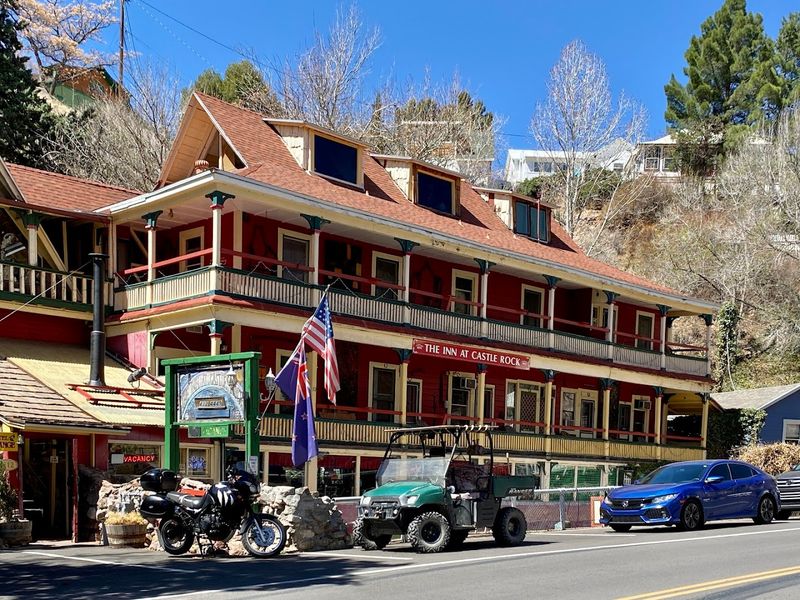
Bisbee used to be one of the largest cities in the American Southwest, built on copper mining wealth in the late 1800s. When the mines closed, the town reinvented itself as an arts community, and the result is one of the most genuinely eccentric small towns in the country.
The eccentricity here is structural, not decorative.
Buildings climb the steep canyon walls in ways that make basic navigation feel like an adventure. Staircases substitute for streets in several neighborhoods, and the whole layout rewards exploration on foot.
Downtown galleries, local shops, underground mine tours, and hiking trails give visitors plenty of options without any of it feeling manufactured.
Arizona’s official tourism resources consistently point travelers toward Bisbee as a standout destination, and the town’s preserved Victorian and Mission Revival architecture backs that recommendation up with substance. The elevation sits around 5,300 feet, which means the desert heat stays surprisingly manageable.
Bisbee is the kind of place that surprises people who thought they already knew Arizona.
Natchitoches, Louisiana
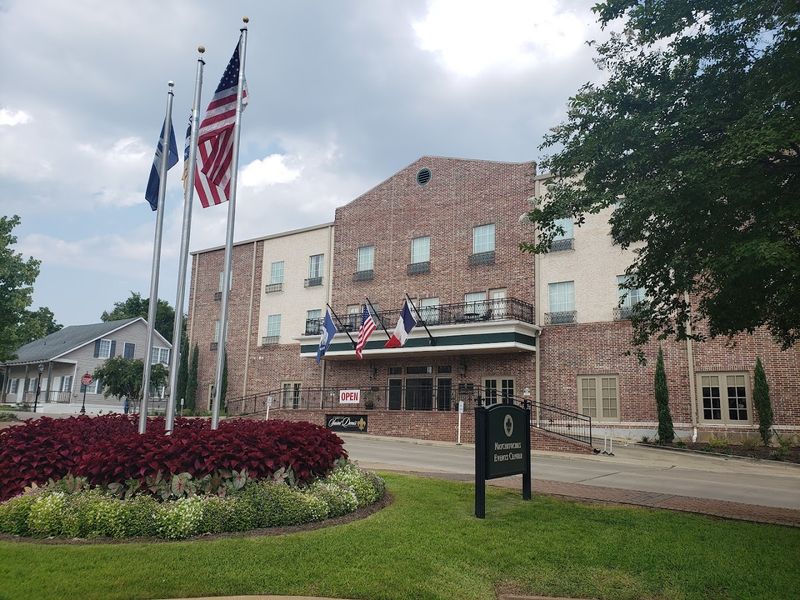
Natchitoches is the oldest permanent European settlement in the Louisiana Purchase territory, which is a fact that deserves way more attention than it typically gets. Founded in 1714, the town predates New Orleans, and its Landmark Historic District still carries centuries of architecture, culture, and culinary tradition in a remarkably compact footprint.
The brick streets along the Cane River Lake are lined with Creole-style buildings featuring iron-lace balconies that would not look out of place in the French Quarter. The difference is that Natchitoches moves at a pace that actually lets you enjoy them.
Shops, restaurants, and local attractions stay active without the sensory overload of a major tourist corridor.
The town became famous nationwide after Steel Magnolias filmed here in 1989, and the Christmas Festival of Lights has drawn visitors every December for nearly a century. Natchitoches earns its cultural credentials through actual history rather than marketing.
That is a distinction worth traveling for, and the meat pies alone justify the detour.
Saugatuck, Michigan
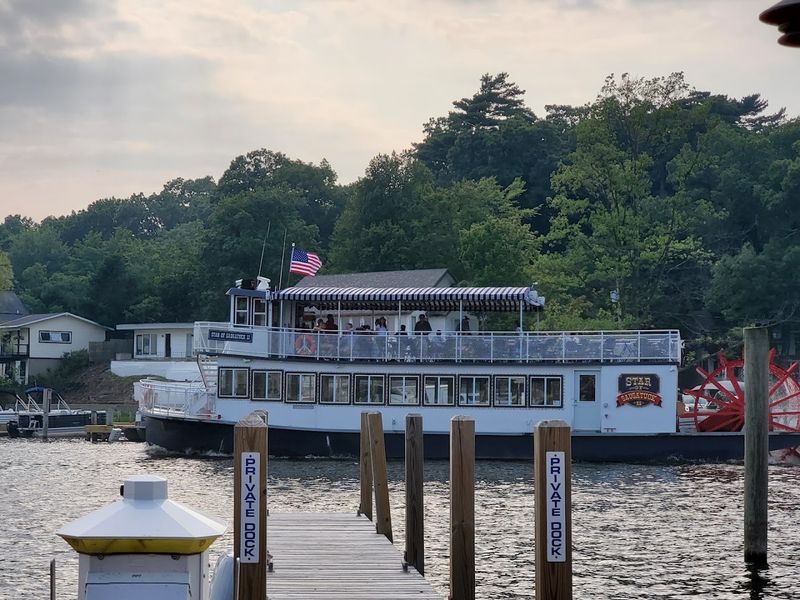
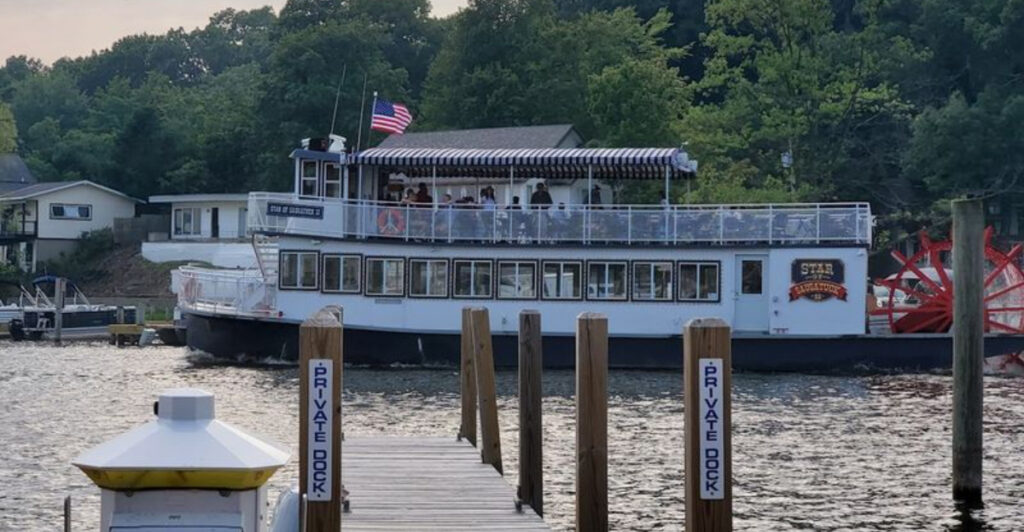
Saugatuck has been called Michigan’s Art Coast, and the nickname actually holds up under scrutiny. The town sits where the Kalamazoo River meets Lake Michigan, which gives it a waterfront that works from multiple directions at once.
Art galleries, boutique shops, and independent restaurants fill a downtown that is small enough to cover on foot and interesting enough to make you want to.
The dunes at Oval Beach are a legitimate natural attraction, not just a backdrop. Chain ferry rides across the river have been running since 1838, making it one of the oldest operating hand-cranked chain ferries in the country.
That kind of low-key historical quirk is exactly what separates Saugatuck from more generic beach destinations.
The 2026 events calendar is already active, with a full program of festivals, art shows, and seasonal activities keeping the town engaged year-round. Saugatuck rewards visitors who want culture and nature without the logistical headache of a major city trip.
It delivers both without breaking a sweat.
Share this story