 Unearth The Voyage
America’s wealth has never stayed in one place for long.
Gold, silver, copper, railroads, and oil once turned quiet settlements into some of the richest towns in the country almost overnight. Mansions appeared, banks filled with money, and booming streets buzzed with opportunity.
Many of these places later faded, but their brief moments of extraordinary wealth left fascinating stories behind. Here are 13 towns that were once among the richest places in America.
1. Leadville, Colorado
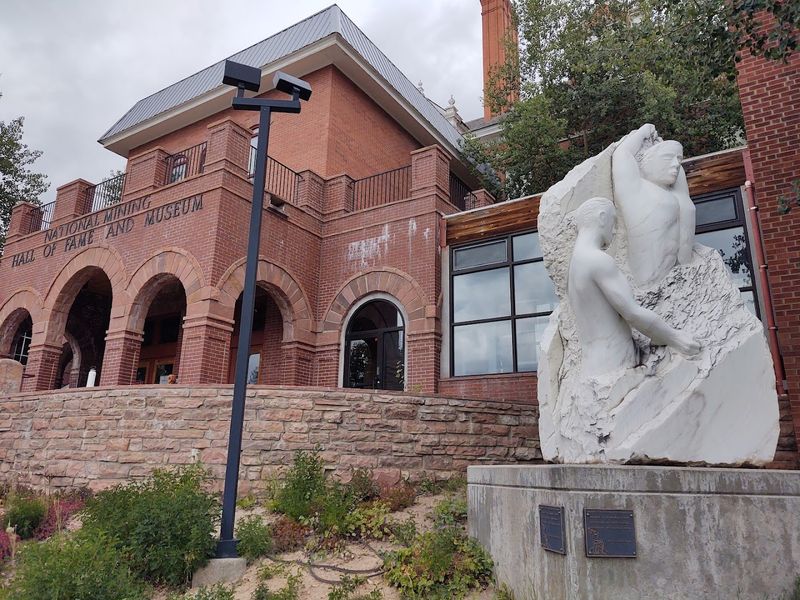
In the late nineteenth century, Leadville felt like a mountain jackpot, where silver veins turned rough camps into a polished boomtown overnight for eager investors. Wealth drew miners, speculators, and dreamers, and soon the town had elegant hotels, lively saloons, and the famous Tabor Opera House showcasing confidence to the world.
Horace Tabor became the best known symbol of that prosperity, proving how quickly ore underground could reshape status, politics, and daily life for many residents.
But silver wealth could be fickle, and when prices dropped, Leadville lost the easy momentum that had made it seem permanently unstoppable to outside observers. I think that rise and fall is what makes Leadville memorable today, because you can still walk its streets and sense ambition everywhere all around.
Its surviving Victorian buildings and mining history tell you a classic American story, where astonishing riches arrived quickly, dazzled everyone, and never fully stayed long.
2. Deadwood, South Dakota
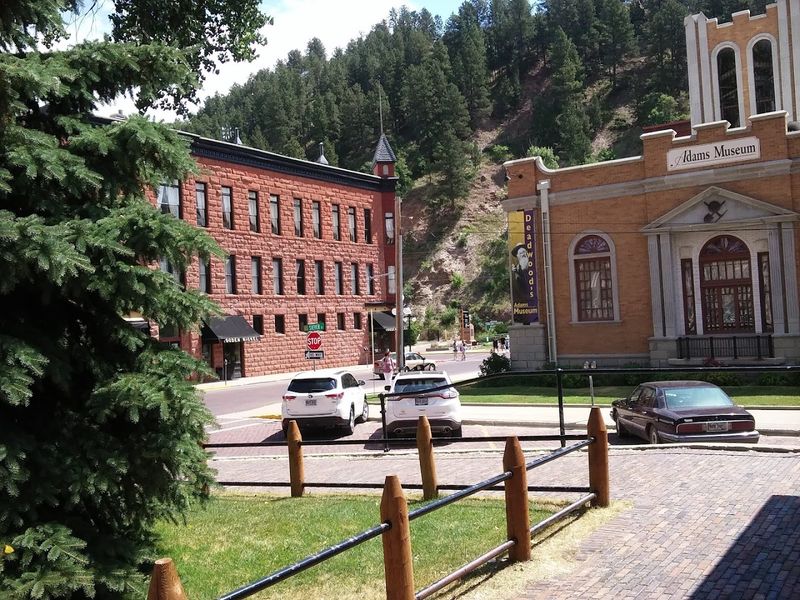
Deadwood exploded during the Black Hills gold rush, and the town quickly became a place where money, risk, and legend all mixed together at once. Gold from nearby claims created sudden fortunes, while gamblers, merchants, and miners packed the streets looking for their own share of opportunity and excitement.
The town earned fame for its rough reputation, yet underneath the chaos was real wealth flowing through banks, businesses, boardinghouses, and mining operations.
That combination of riches and lawlessness still gives Deadwood a special pull, because you can imagine success and disaster sitting at the same card table. I like how its story reminds you that boomtown wealth was never neat, polished, or predictable, even when profits looked enormous from afar.
Today Deadwood leans into that dramatic past, preserving historic buildings and frontier energy that help you picture when it briefly ranked among America’s flashiest places.
3. Central City, Colorado
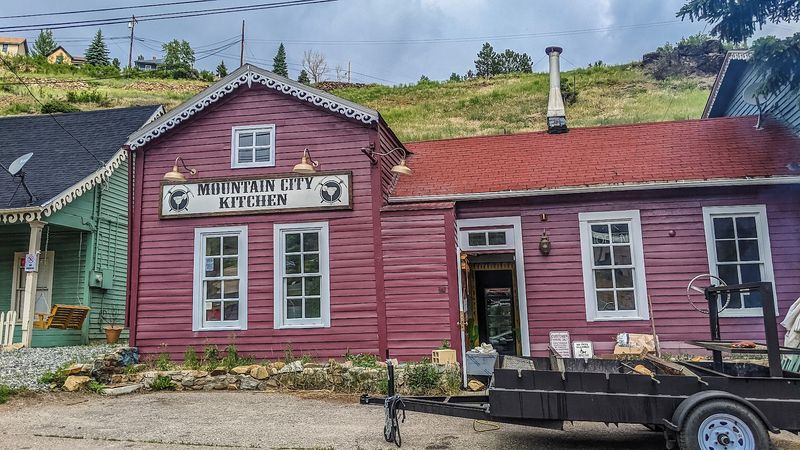
Central City once carried the bold nickname Richest Square Mile on Earth, and honestly, it is easy to see why that reputation stuck so strongly. Gold discoveries in the surrounding hills pumped out extraordinary wealth, transforming a mountain settlement into a thriving center of business, culture, and confidence.
Elegant buildings rose quickly, and the opera house became a proud symbol that serious money had arrived in a place once considered remote.
What fascinates me most is how prosperity here was never just about ore, but about proving refinement could exist beside hard mining labor. You can still feel that ambition in the preserved architecture, where decorative details seem determined to outshine the rugged landscape around them.
Although mining faded, Central City kept enough of its historic character to show you how a compact Colorado town once stood at the center of staggering fortune and attention.
4. Virginia City, Nevada
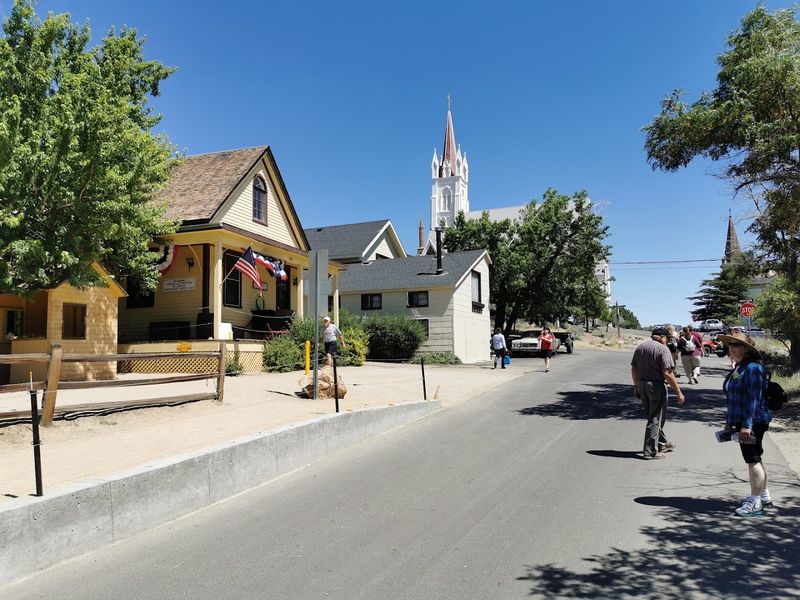
Virginia City surged into prominence after the Comstock Lode was discovered in 1859, and few places in America matched its sudden silver fueled wealth. What had been a small settlement became an international sensation, drawing investors, newspapermen, merchants, and miners into a high desert town humming with ambition.
Fortunes rose so quickly that Virginia City seemed to prove the earth itself could mint money faster than banks.
Samuel Clemens worked there before becoming Mark Twain, which tells you how magnetic the place felt during its best years. I love that detail because it captures the town’s mix of raw extraction, sharp wit, and outsized personalities chasing history.
Although the silver boom eventually faded, Virginia City preserved enough of its dramatic streetscape to let you imagine when this Nevada town stood among the richest places in the country.
5. Tombstone, Arizona
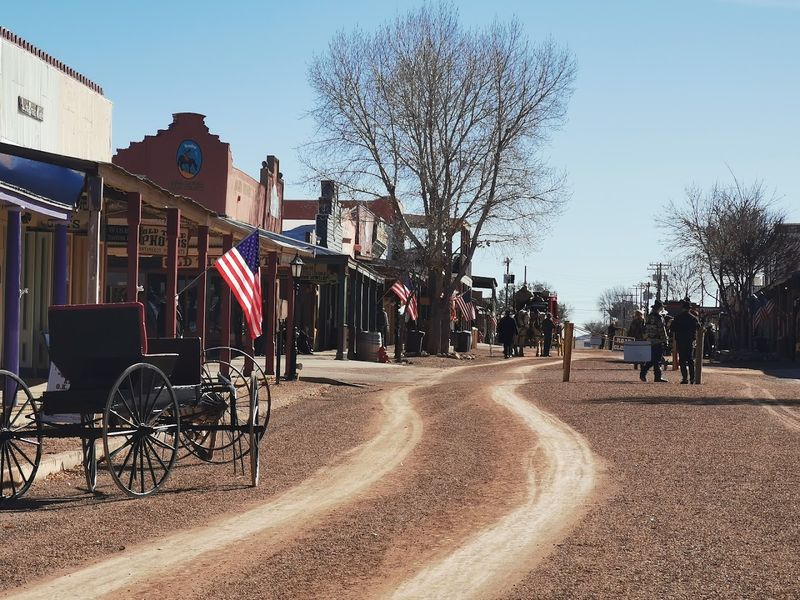
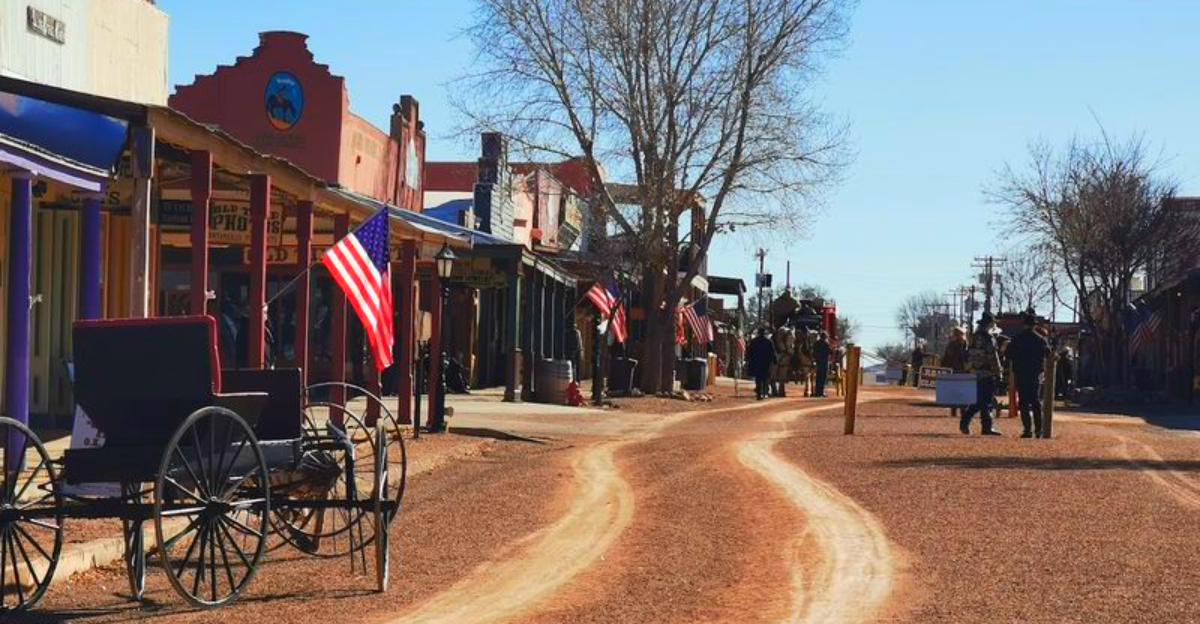
Tombstone is often remembered for gunfighters and the O.K. Corral, but its original claim to fame was the silver wealth pouring into town.
During the 1880s, that money supported theaters, hotels, restaurants, newspapers, and all the polished trappings of a prosperous Southwestern boomtown. Beneath the legends, Tombstone was a place where serious investors believed the good times could stretch on for years.
That is what makes the town more interesting to me than its shootout mythology, because the wealth created a fuller and more ambitious community. You can picture merchants, mine owners, and workers all betting that Tombstone would become one of the region’s lasting economic centers.
Instead, like many resource towns, it saw fortunes cool, yet its preserved streets still let you feel the confidence of an era when silver made everything seem possible.
6. Cripple Creek, Colorado
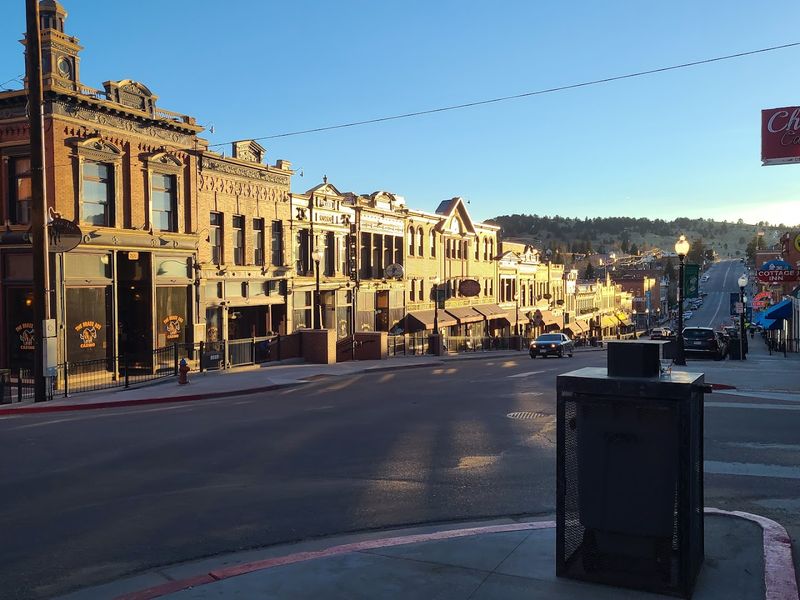
Cripple Creek hit its stride in the 1890s, when gold discoveries turned a rugged Colorado district into one of the nation’s most productive mining centers. Money flooded in with astonishing speed, drawing prospectors, businessmen, laborers, and speculators who all sensed that something very big was happening.
The town expanded rapidly, with banks, hotels, and commercial buildings rising to serve a population energized by new wealth.
What stands out to me is how Cripple Creek arrived later than some famous boomtowns yet still managed to produce a breathtaking level of fortune. You can almost feel the urgency there, as if everyone knew they were living inside a rare and valuable moment.
Although the frenzy cooled with time, Cripple Creek remains one of the clearest examples of how gold could transform an isolated place into a nationally significant center of riches.
7. Dahlonega, Georgia
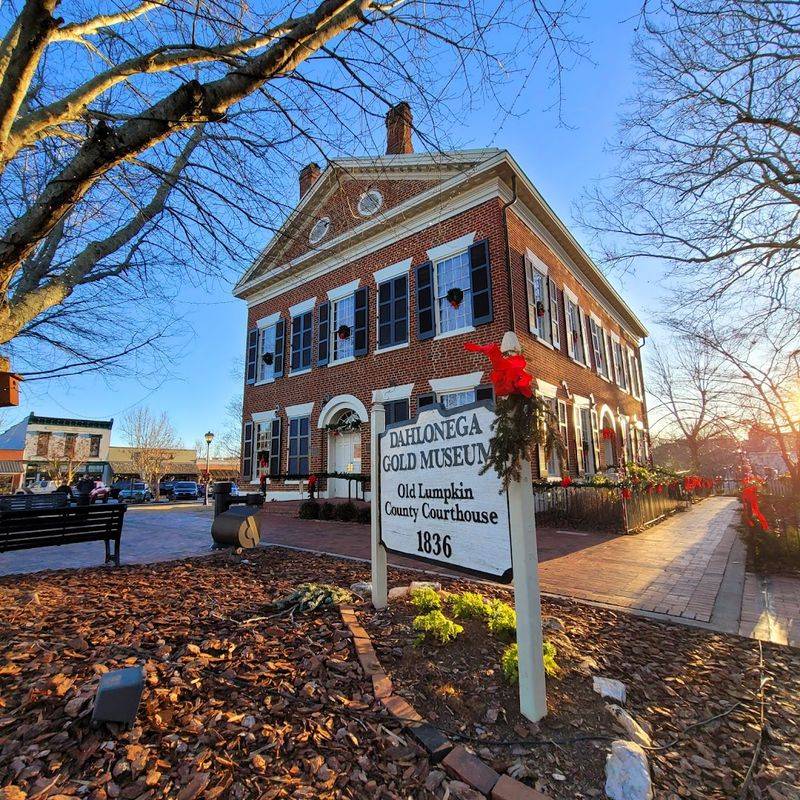
Dahlonega deserves more attention because it stood at the center of the first major American gold rush in 1828, well before California. Gold discoveries transformed this North Georgia town into a surprisingly wealthy community, bringing miners, merchants, and federal attention in a very short span.
The boom grew important enough that the United States established a branch mint there, which tells you how significant the output became.
To me, that mint is the perfect symbol of Dahlonega’s brief prominence, because it turned local mineral wealth into national legitimacy. You can still sense that early importance in the town’s historic identity, even though the gold rush itself did not last forever.
Dahlonega reminds you that America’s patterns of sudden fortune were already established early, with small towns rising fast, attracting money, and reshaping their futures through buried treasure.
8. Jerome, Arizona
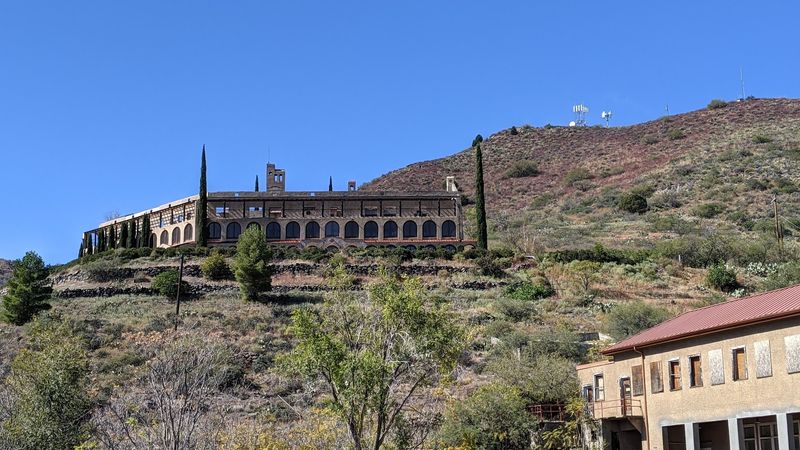
Jerome clings dramatically to Cleopatra Hill, and during its peak copper years that perch overlooked one of the richest mining communities in the West. In the early twentieth century, copper money powered the town’s growth, filling it with workers, businesses, and a level of activity that felt remarkable for such terrain.
Jerome became prosperous enough to support substantial buildings and a lively social life high above the valley.
I think the location makes its story even stronger, because wealth there feels won from a difficult landscape rather than simply discovered in an easy place. The town later declined as mining changed, yet its preserved streets still carry the mood of hard earned prosperity and reinvention.
Today Jerome attracts visitors with history and atmosphere, but that appeal rests on the years when copper profits made it one of Arizona’s most important communities.
9. Bodie, California
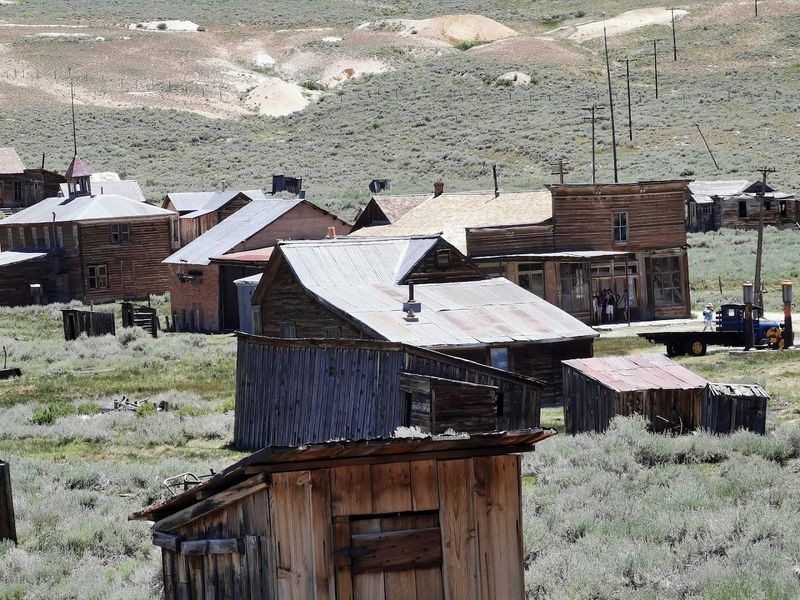
Bodie experienced one of the fastest and wildest gold booms in American history, surging from a camp into a crowded town almost overnight. By the late 1870s, gold from nearby mines supported thousands of residents, dense blocks of buildings, and a reputation for both wealth and disorder.
It was the kind of place where fortunes appeared quickly, and just as quickly seemed vulnerable to bad luck.
What grabs me about Bodie is the scale of its rise compared with how short lived the peak turned out to be. You can imagine the noise, commerce, and confidence, then compare it with the quiet preserved ruins that survive today.
That contrast makes Bodie a powerful example of boomtown America, where incredible profits could create a full community in record time and then leave behind one of the country’s most haunting reminders.
10. Goldfield, Nevada
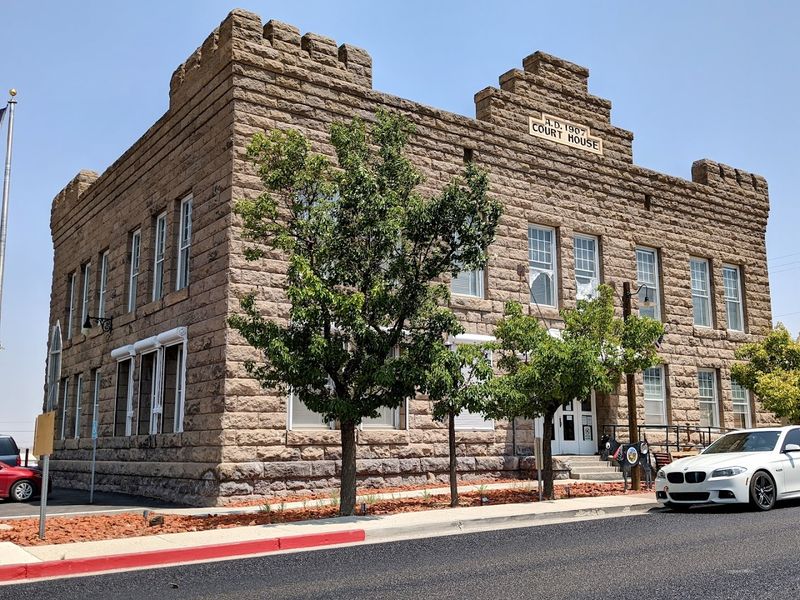
Goldfield briefly became Nevada’s largest and richest town after major gold discoveries in the early twentieth century, and the transformation was incredibly dramatic. Millionaires appeared almost overnight, while banks, hotels, newspapers, and impressive commercial buildings announced that serious money had arrived in the desert.
For a moment, Goldfield looked less like a remote camp and more like a booming capital of western ambition.
I find Goldfield especially interesting because its wealth felt modern and highly public, with investors and promoters helping amplify every new sign of success. You can picture a town trying to prove it belonged among the great centers of American opportunity, not merely among temporary mining camps.
The boom did not last, of course, but the story still captures how quickly gold could command attention, reshape a landscape, and create dazzling confidence where little had stood before.
11. Skagway, Alaska
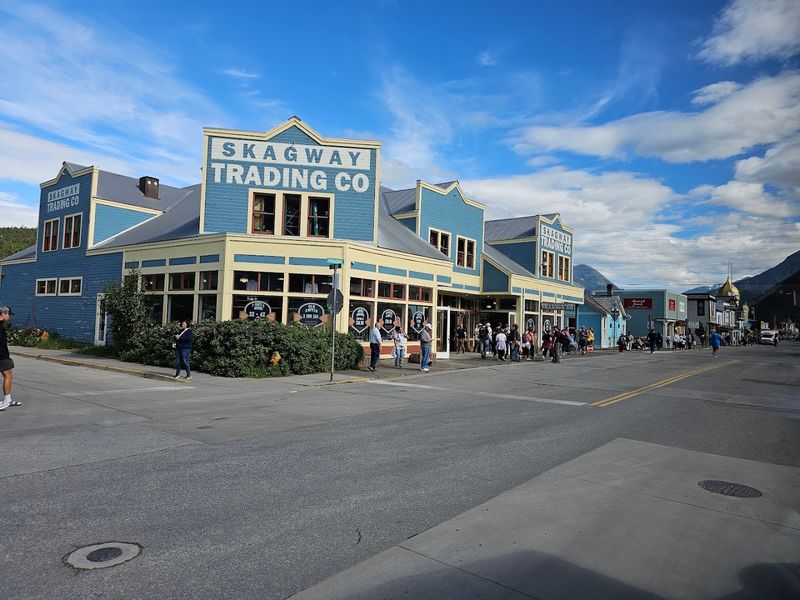
Skagway grew rich less from digging gold itself than from serving as a crucial gateway during the Klondike Gold Rush. In the late 1890s, thousands of prospectors poured through town, spending money on transport, supplies, lodging, food, and every service needed for the brutal trip north.
That stream of commerce turned Skagway into one of the busiest and most profitable places in the far northwest.
Its story stands out to me because it shows that boomtown wealth did not always require a mine directly under the main street. Sometimes location was everything, and Skagway had exactly the right one at exactly the right historical moment.
Although the rush faded, the town preserved much of its character, giving you a vivid sense of the period when harsh geography, urgent dreams, and nonstop business made this Alaskan port briefly feel flush with money.
12. Bisbee, Arizona
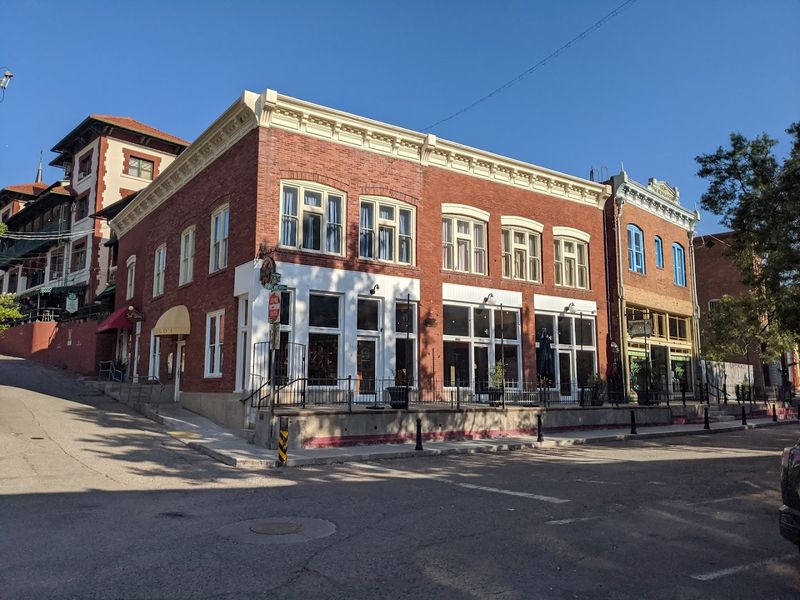
Bisbee became one of the wealthiest towns in the American West because its copper mines produced enormous profits at exactly the right industrial moment. By the early twentieth century, the mining economy supported a thriving community with substantial buildings, busy commercial districts, and a nightlife that became famous in Brewery Gulch.
This was not a tiny isolated camp, but a serious company town shaped by large scale wealth.
I think Bisbee’s lasting appeal comes from how visibly its prosperity still lingers in the architecture climbing the hillsides. Even after mining declined, the town kept enough personality and structure to reinvent itself as an artsy destination with real historical texture.
When you look past the galleries and cafés, you can still see the older Bisbee, the one built by copper money and strong enough to rank among the richest communities in the region.
13. Aspen, Colorado
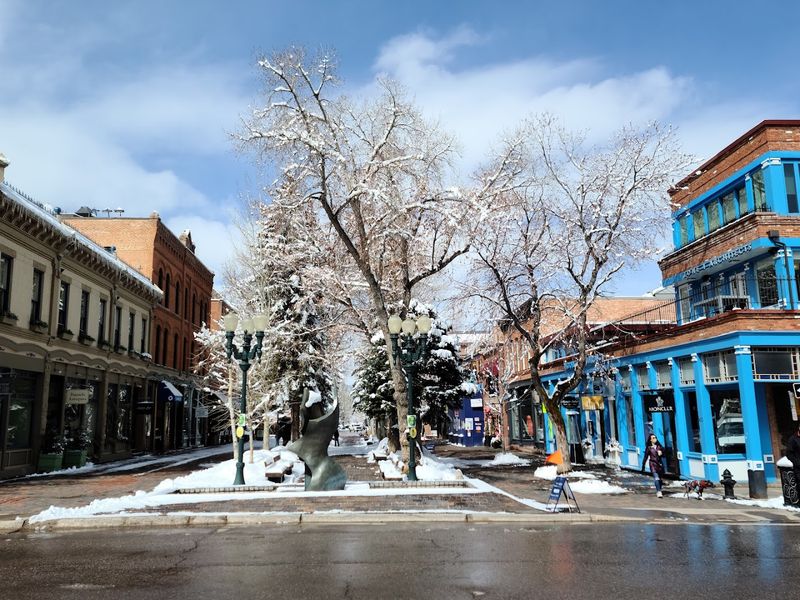
Before ski lifts and celebrity homes, Aspen was a silver town whose wealth gave it an unexpectedly refined look deep in the Rockies. By the late nineteenth century, successful mines had filled the community with money, and elegant Victorian houses reflected just how confident residents felt.
Aspen looked like a place built for permanence, not a temporary camp, which makes its first rise especially fascinating.
Then silver prices collapsed, and the town nearly slipped into obscurity, showing how fragile even impressive prosperity could become when markets turned. I think that near disappearance adds real drama, because Aspen had to survive long enough to reinvent itself in a completely different form.
Today, visitors often see only the glamorous resort version, but the mining era still matters if you want to understand how this mountain town first learned the language of wealth.



