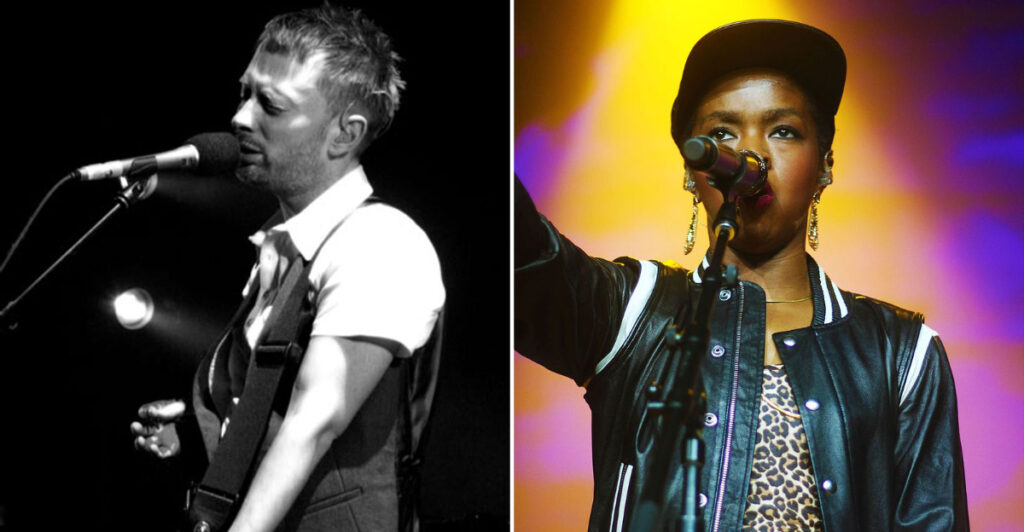
The 1990s did not just produce hits – they quietly rewired how popular music could work. Across rock, hip-hop, electronic music, and R&B, artists were testing structure, production, and genre boundaries in ways that still feel surprisingly current.
Some tracks now sound less like period pieces and more like early drafts of the streaming era, where playlists ignore old category lines and bold sonic choices travel fast. If you want a sharper way to hear the decade, these songs show how the future of music was already taking shape long before anyone called it that.
1. Massive Attack – Teardrop (1998)
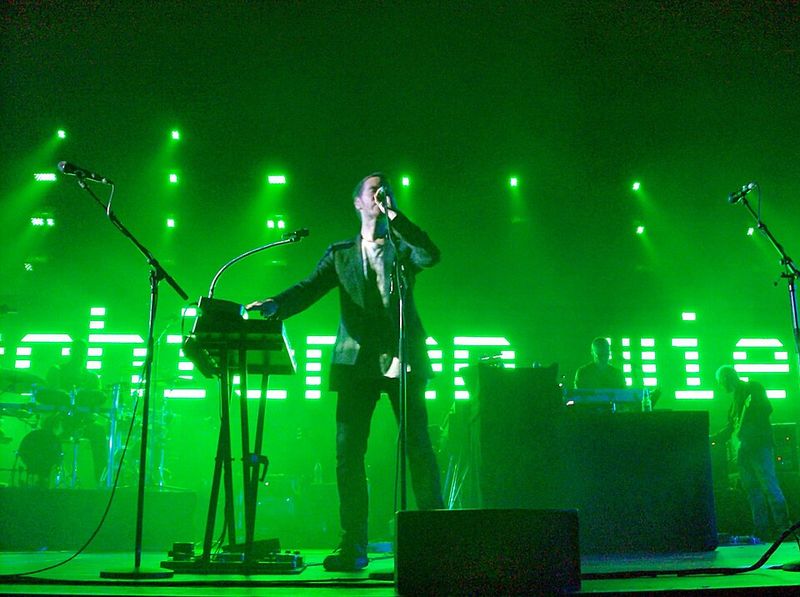
A song this spare should not feel this huge, yet “Teardrop” manages it with almost suspicious ease. Released in 1998 on Mezzanine, the track paired a restrained beat, harpsichord accents, and Elizabeth Fraser’s distinctive vocal into something intimate, precise, and unusually durable.
Massive Attack helped define trip-hop, but this single also reached beyond the label. Its patience, negative space, and carefully layered electronics anticipated later indie pop, downtempo, and even the mood-focused production style that would dominate playlists once artists learned that quiet arrangements could carry real commercial weight.
The reason it still sounds advanced is simple: it refuses clutter. Rather than filling every second, the song lets rhythm and texture do the work, creating a design that modern producers still chase when they want atmosphere without melodrama, and when you revisit it now, it feels less tied to 1998 than comfortably parked several years ahead of it.
2. Björk – Hyperballad (1995)
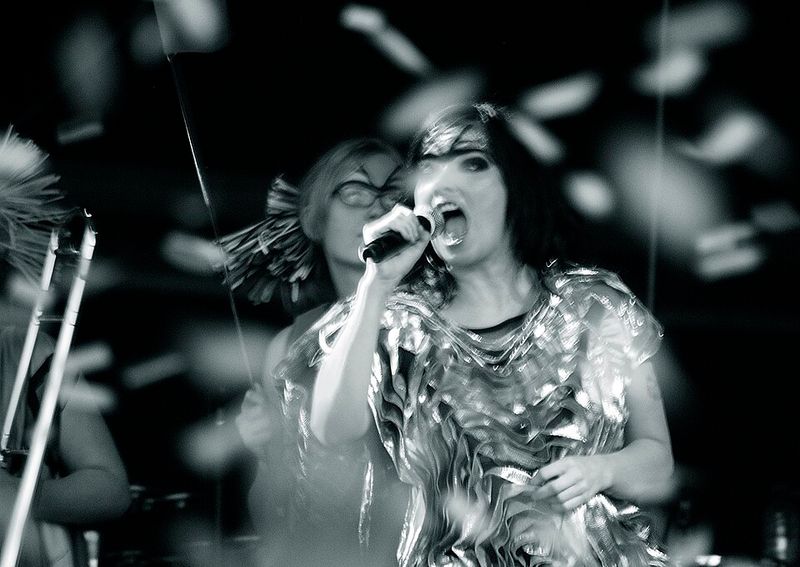
Few artists spent the mid-1990s operating on a frequency this singular. On “Hyperballad,” released in 1995 from Post, Björk turned a deeply personal idea into a dance-adjacent track where vulnerability, electronic precision, and unconventional songwriting fit together with startling clarity.
The song begins with introspection, then opens into rhythmic propulsion that never feels forced. That balance became hugely important later, especially as art-pop acts and electronic singer-songwriters looked for ways to make experimental production emotionally direct instead of cold, technical, or simply designed for club utility.
Its staying power comes from how naturally it joins opposites that are often kept apart. You hear confessional writing, inventive beat programming, and melodic choices that avoid obvious resolutions, and the result still sounds current because so much modern pop now aims for exactly this mix of emotional openness and sonic risk, a combination Björk had already mapped with unusual confidence.
3. Radiohead – Paranoid Android (1997)
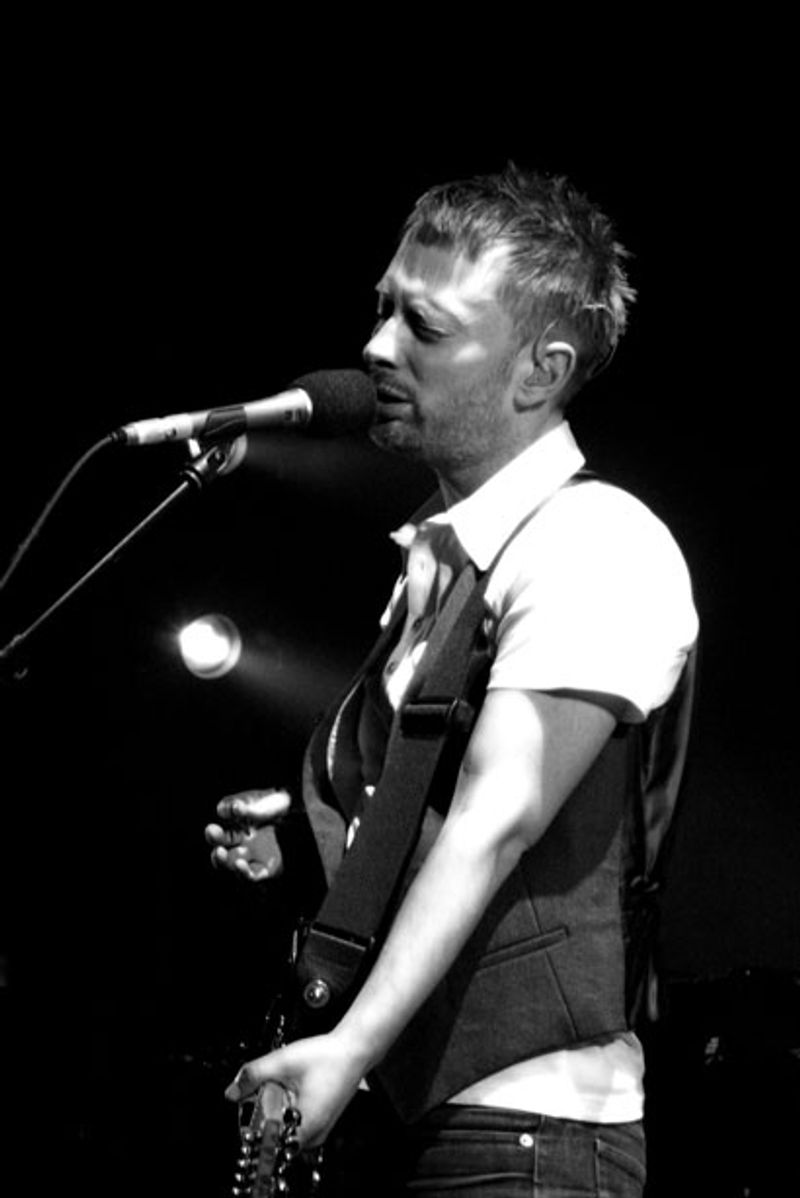
Some songs feel built for radio, and this one seemed determined to challenge the entire assignment. Released in 1997 on OK Computer, “Paranoid Android” ignored standard verse-chorus logic and instead moved through distinct sections that shifted from uneasy acoustic passages to louder, more abrasive turns.
That structure mattered because it showed mainstream rock could be ambitious without becoming academic. Radiohead drew from progressive rock, art rock, and digital-age anxiety, then packaged it as a single that still reached wide audiences during a period when alternative music often rewarded cleaner formulas.
What keeps it modern is not just the complexity, but the confidence behind it. You can hear the blueprint for later bands that embraced dynamic arrangements, emotional instability, and production as storytelling, and even now the song feels less like a relic from the late 1990s than a warning that pop conventions were already starting to bend.
4. Nine Inch Nails – Closer (1994)
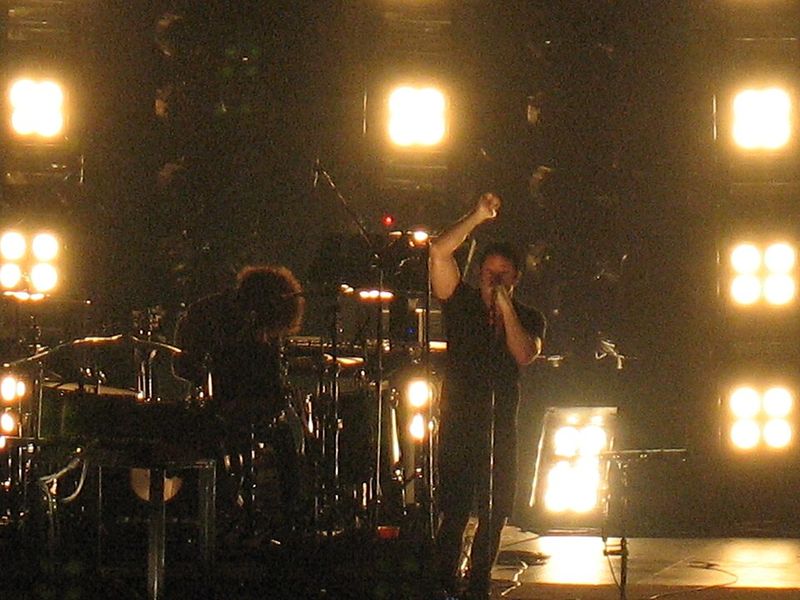
This track arrived like a machine with opinions, and it still sounds unusually confrontational. Released in 1994 on The Downward Spiral, “Closer” fused industrial programming, distorted textures, and pop instinct into a single that was abrasive enough to feel risky yet structured enough to remain unforgettable.
What makes it forward-looking is how Trent Reznor treated production as architecture rather than decoration. The drums hit with mechanical force, the layers keep mutating, and the mix creates a physical sense of tension that later industrial pop, dark electronic music, and even mainstream alt-pop would borrow repeatedly.
Its influence is wider than its shock value, which often gets more attention than the craft. Listen now and you can hear a template for artists who wanted aggressive sonics, meticulous sound design, and crossover appeal in the same package, proving that a song could be harsh, catchy, and meticulously built without sanding off the edges to satisfy anyone.
5. Portishead – Sour Times (1994)
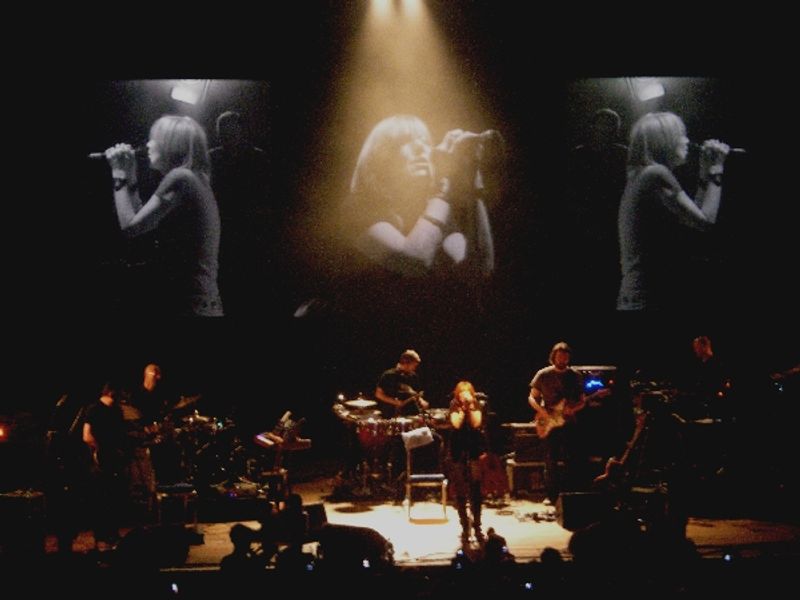
Cool understatement rarely ages badly, and “Sour Times” proved that in 1994. Portishead built the song from dusty breakbeats, cinematic string ideas, turntable textures, and Beth Gibbons’ measured vocal, creating a track that felt both borrowed from the past and strangely detached from any single era.
That combination was crucial to trip-hop’s appeal, but this song pushed the formula into something more refined. It suggested that electronic music could carry narrative tension without chasing speed, and that mood, arrangement, and selective sampling could make a pop song feel designed rather than merely assembled.
It still sounds current because so many later artists pursued the same blend of restraint and atmosphere. You can hear its imprint in alternative R&B, dark pop, and soundtrack-minded production, where space and tone matter as much as hooks, and the record’s careful pacing continues to feel smarter than many songs that tried much harder to announce their sophistication.
6. Aphex Twin – Windowlicker (1999)
If a pop song took a wrong turn into a software experiment, it might land somewhere near “Windowlicker.” Released in 1999, Aphex Twin’s track bent R&B references, glitch edits, and meticulous rhythm programming into a shape that felt playful, unnerving, and technically far beyond ordinary chart music.
Richard D. James had already built a reputation for electronic innovation, but this single made the point with unusual clarity.
Its fractured beats and sudden shifts anticipated the broader acceptance of IDM textures, hyper-detailed production, and electronic tracks that valued surprise as much as groove.
What keeps it fresh is the precision under the chaos. The song does not drift randomly; it keeps reorganizing itself with the confidence of someone who understood that digital tools could do more than imitate existing genres, and today, when experimental pop regularly borrows from glitch, chopped vocals, and extreme editing, “Windowlicker” sounds less prophetic than quietly proven right.
7. Lauryn Hill – Doo Wop (That Thing) (1998)
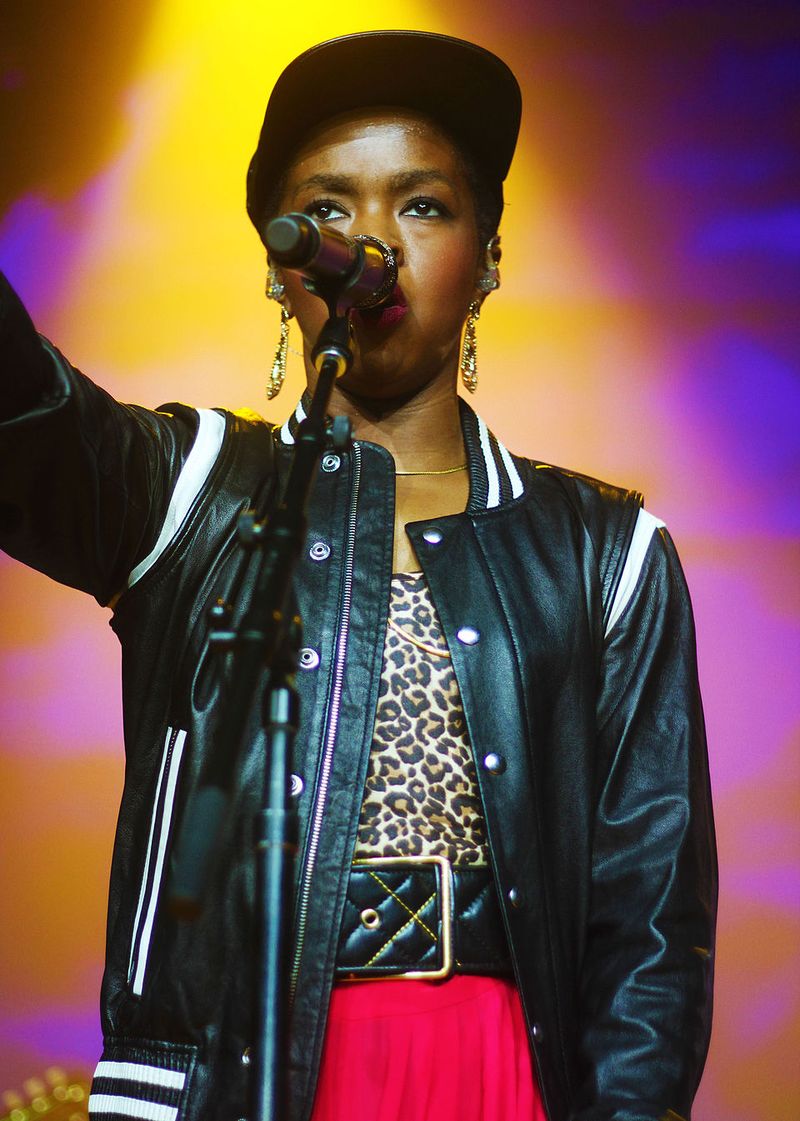
Sharp advice rarely arrives with this much style, which helps explain why the song still lands. In 1998, Lauryn Hill released “Doo Wop (That Thing)” as a lead single that folded hip-hop, soul, and old-school vocal phrasing into a record that felt deeply informed by history without becoming trapped inside homage.
Its production was clean, its message direct, and its perspective unusually balanced. Hill addressed men and women with equal clarity, while the arrangement moved between rap and singing so smoothly that it anticipated the hybrid approach many artists would later treat as standard practice rather than a special crossover event.
The track remains contemporary because it solves a problem that still challenges pop music: how to be classic and current at the same time. You can hear vintage influence, but you also hear an artist controlling tone, structure, and narrative with modern confidence, which is why the song feels less like a museum piece and more like a benchmark many later records keep trying to reach.
8. OutKast – ATLiens (1996)
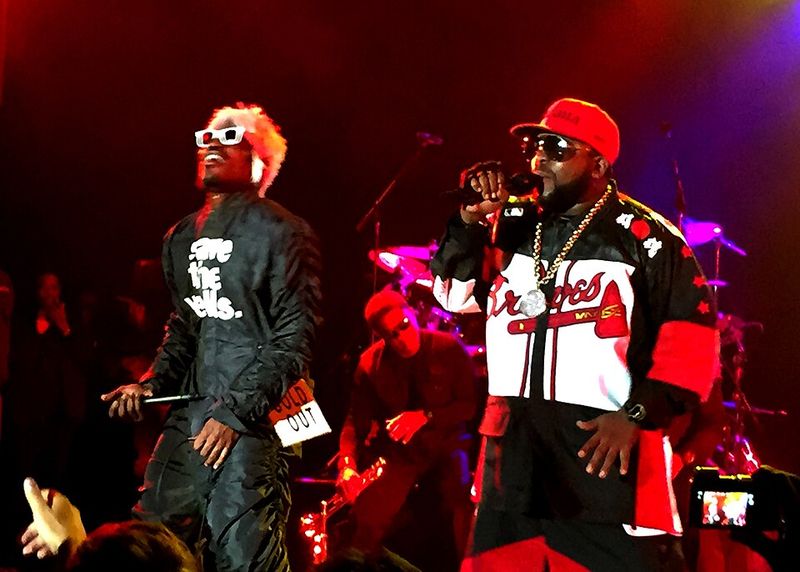
Southern hip-hop took a decisive step into the future the moment this track arrived. OutKast released “ATLiens” in 1996 with a beat that felt spacious and unfamiliar, while Andre 3000 and Big Boi delivered verses that were reflective, grounded, and pointedly different from the coastal formulas dominating rap discourse.
The song mattered because it expanded expectations for what Southern rap could sound like and say. Organized Noize and the group’s own instincts built something atmospheric without losing rhythm, and the writing turned inward in a way that later generations of rappers, especially those interested in identity and alienation, would develop further.
Its futuristic reputation is deserved because the record avoids trends that would have dated it quickly. Instead, it offers careful drum programming, restrained melody, and lyrical self-definition, and when you play it now, you can hear seeds of alternative hip-hop, melodic rap, and regionally confident experimentation that became much more common once artists realized the center of rap was never fixed.
9. Garbage – #1 Crush (1995)
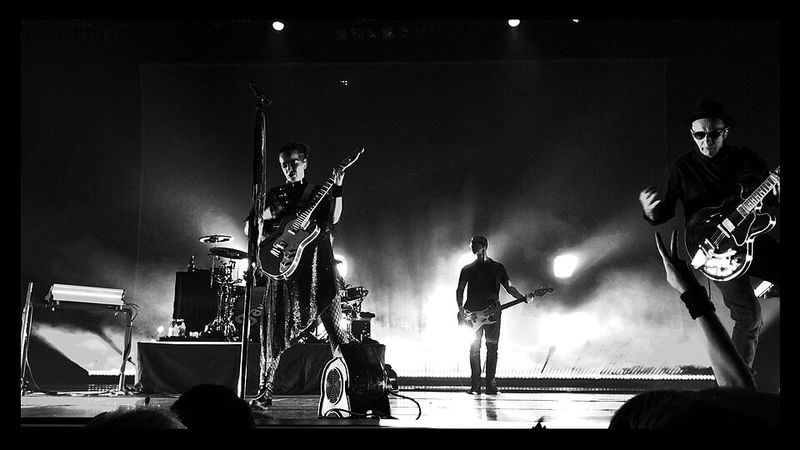
Obsession has rarely been packaged with such polished control. Garbage’s “#1 Crush,” first released in 1995 and later boosted by its connection to Romeo + Juliet, fused Shirley Manson’s cool delivery with electronic undercurrents and rock framing that felt unusually sleek for mid-1990s alternative radio.
What makes the song feel modern is its discipline. Instead of piling on drama, Garbage used programmed beats, tight arrangement, and a deliberately controlled vocal to create dark pop that anticipated the later rise of artists who would blend menace, glamour, and synthetic textures without choosing between band identity and studio precision.
It also arrived before alt-pop fully embraced this kind of elegant severity as a marketable style. Listening now, you can trace lines to later acts that favored moody electronics and emotionally restrained performances, and the track’s confidence remains striking because it never begs for attention, it simply assumes you will catch up to the aesthetic on your own schedule.
10. Daft Punk – Around the World (1997)
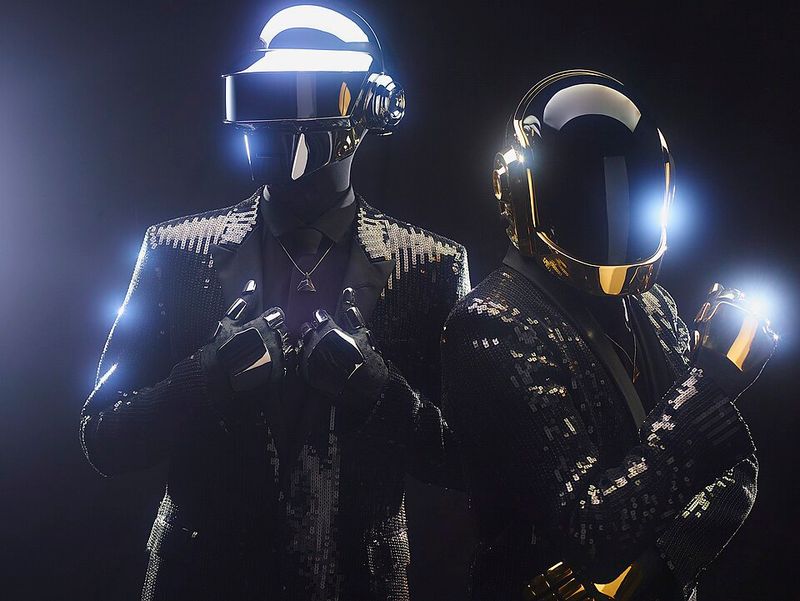
Repetition can be a limitation, or it can be the whole strategy, and Daft Punk chose the smarter option. “Around the World,” released in 1997 from Homework, used a simple lyric, a rubbery bassline, and disciplined layering to prove that house music could be minimal, funny, and irresistibly effective without traditional pop excess.
The track’s innovation sits in its economy. Rather than constantly introducing new ideas, Daft Punk kept adjusting filters, textures, and rhythmic emphasis, teaching mainstream listeners how dance music could evolve through subtle change, a principle that later electronic pop producers would use everywhere from club records to radio singles.
Its age barely registers because modern listening habits are now completely comfortable with loop-based design. What once seemed stubborn now feels foundational, and the song’s stripped-down confidence still sounds advanced because it trusts groove, arrangement, and patience more than flashy songwriting tricks, which is a very current idea delivered years before pop fully understood how durable that approach could be.
11. The Smashing Pumpkins – 1979 (1996)
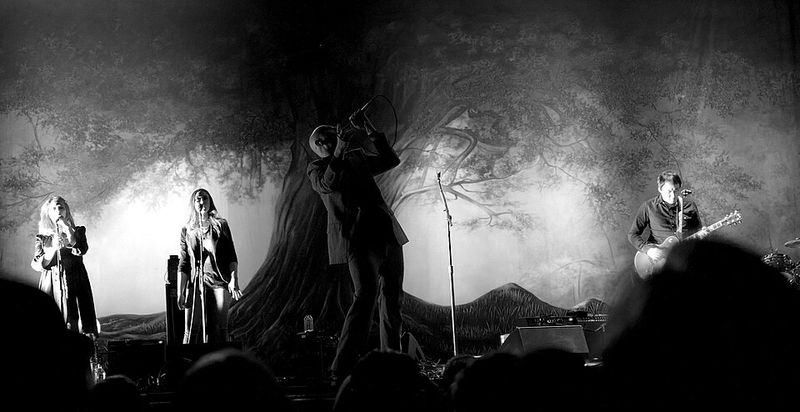
Not every forward-looking song announces itself with obvious futurism, and “1979” is a perfect case. Released in 1996, The Smashing Pumpkins stepped away from heavier guitar dominance and built a track around looping rhythms, softened edges, and understated electronics that felt more intimate than grand.
That choice mattered because alternative rock at the time still often treated electronic elements as secondary decoration. Here, they were central to the song’s identity, helping create a bridge between guitar music and the more texture-focused indie sounds that would gain momentum in the following decade.
The song remains fresh because it understands restraint better than many records built to sound ambitious. Billy Corgan’s writing is specific without becoming overworked, and the production leaves room for repetition and atmosphere to shape the experience, which makes “1979” feel like an early signal that rock music could evolve by loosening its grip on volume and embracing a more hybrid, quietly modern form.
12. Aaliyah – Are You That Somebody? (1998)
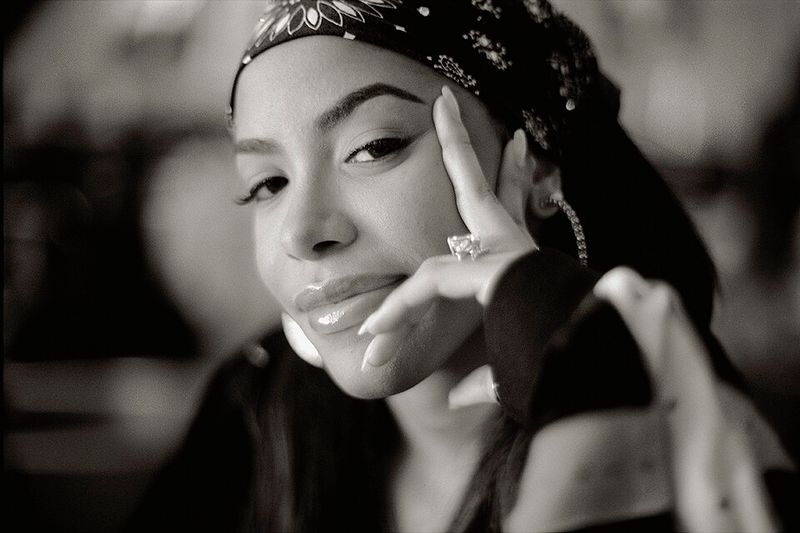
One unusual production choice can date a song, but in this case it helped define the future. Aaliyah’s “Are You That Somebody?” arrived in 1998 with Timbaland’s famously off-center beat, clipped rhythms, unconventional vocal spacing, and details that made mainstream R&B sound radically less predictable.
The song changed expectations for how polished pop could behave. Instead of smoothing every edge, the production leaned into asymmetry, silence, and rhythmic surprise, while Aaliyah’s cool, controlled performance kept the track grounded, proving that experimentation could enhance accessibility rather than compete with it.
Its influence is all over twenty-first century R&B and pop production. You can hear the legacy in stuttering percussion, minimalist arrangements, and vocal lines that leave room for the beat to speak, and what still feels impressive is how confident the record remains about being strange in small, precise ways instead of announcing innovation with obvious excess or clutter.
13. Underworld – Born Slippy (Nuxx) (1995)
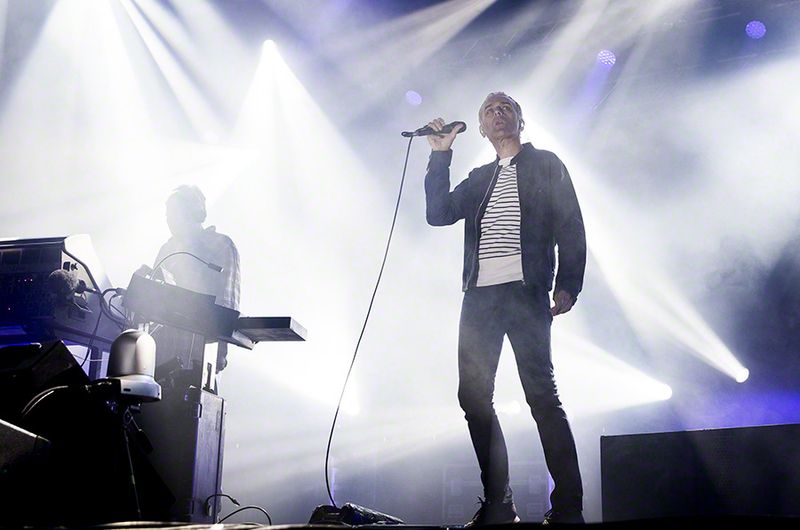
Some tracks capture a cultural shift so clearly that they keep outlasting the moment that introduced them. Underworld’s “Born Slippy (Nuxx),” released in 1995, combined driving techno momentum with fragmented spoken vocals, creating a piece that felt both immediate and oddly detached from standard song conventions.
Its rise was tied to club culture and later film association, but the record’s real strength is structural. Karl Hyde’s vocal approach avoids tidy storytelling, while Rick Smith and Darren Emerson build a relentless electronic framework that anticipated later dance music’s comfort with repetition, emotional ambiguity, and gradual escalation.
What makes it still sound advanced is how confidently it refuses to behave like a crossover novelty. Many big dance tracks of the era were eager to soften themselves for wider audiences, but this one kept its edge and trusted listeners to meet it halfway, which is why modern techno, trance-influenced pop, and festival-scale electronic music still carry traces of its design.
Share this story