 Unearth The Voyage
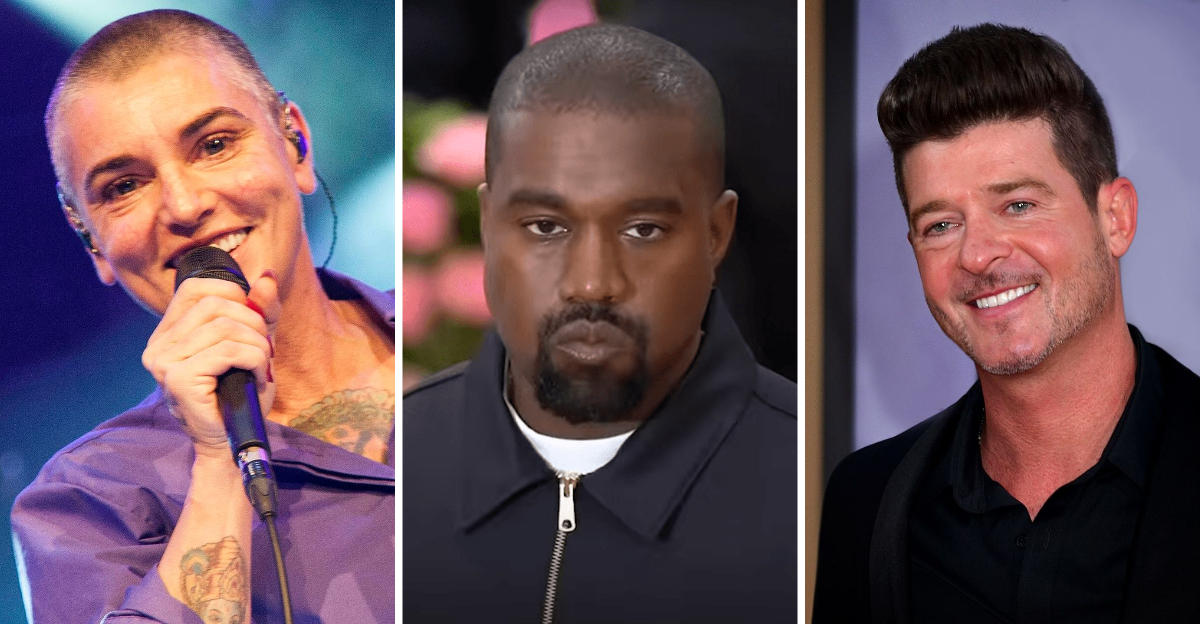
Some songs do more than top charts. They spark arguments, inspire think pieces, and sometimes chase artists for years.
This list looks at tracks that triggered sustained backlash and reshaped public images, for better or worse. You will find the context, the criticism, and why each moment still matters.
1. Robin Thicke – Blurred Lines (2013)
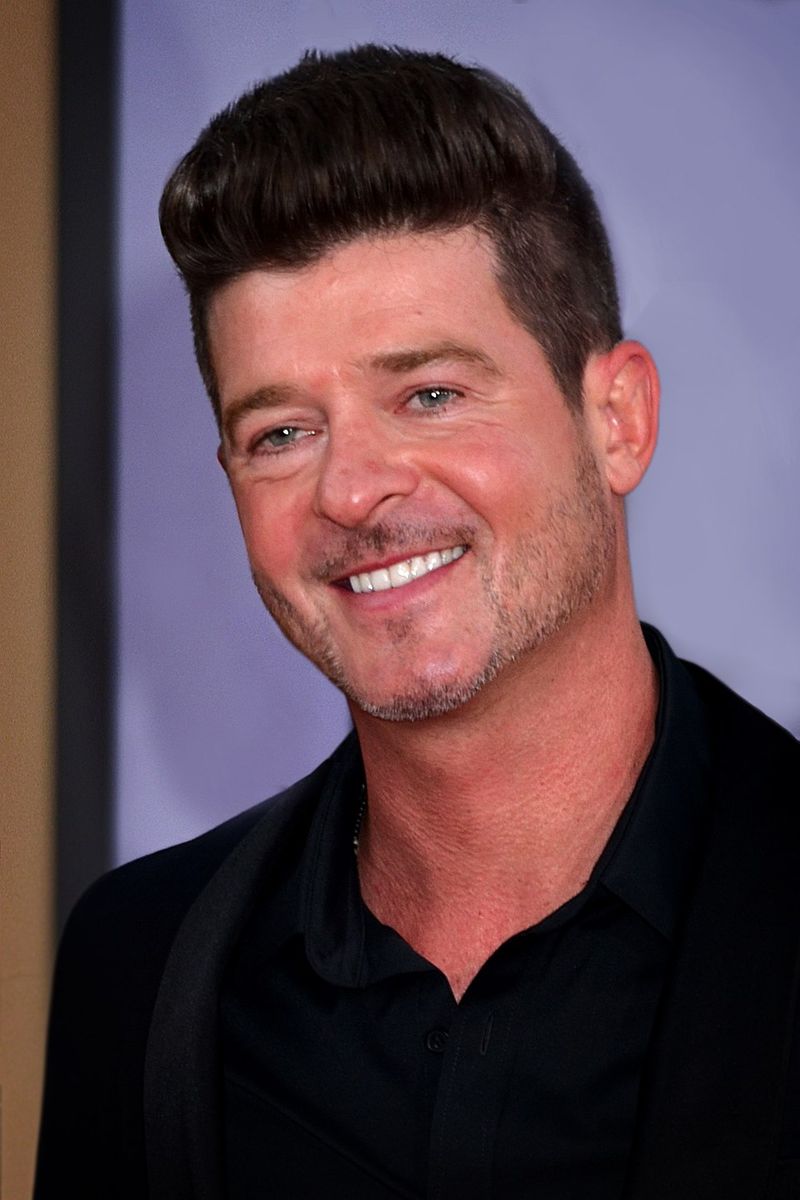
Blurred Lines exploded in 2013 as a polished, hook heavy pop hit, but the backlash arrived almost as fast. Critics pointed to lyrics that seemed to blur consent, and the unrated video featuring topless models amplified concerns about objectification.
University parties and some radio stations faced pressure to drop it, while think pieces dissected the song’s message in cultural and legal terms.
Thicke defended the track as playful, yet the criticism stuck and reshaped his public image. Lawsuits over alleged Marvin Gaye similarities added another cloud, reinforcing a narrative of appropriation and tone deafness.
Over time, Blurred Lines became shorthand for a cultural shift, with venues citing it when updating harassment policies and programmers avoiding it to sidestep controversy.
The long tail was severe for Thicke. Follow up projects struggled to escape the stigma, and interviews often returned to the consent debate instead of the music.
Even after broader conversations evolved, the track remained a case study in how a massive hit can harden into a liability, affecting bookings, brand interest, and the way casual listeners frame an artist’s catalog.
2. Kanye West – Famous (2016)

Famous arrived with a single line that ignited a cross platform feud: the Taylor Swift lyric. The provocative wording and the accompanying video, which depicted lifelike nude wax figures of celebrities, fueled accusations of misogyny and exploitation.
Swift’s public response, leaked phone calls, and dueling statements kept the story in headlines far beyond the song’s chart life.
For West, the dispute magnified existing criticism about treatment of women and attention seeking stunts. Fans debated authorship, consent in storytelling, and where satire ends.
The gap between creative intent and audience reception grew wider, widening fault lines across fandoms and media outlets, and making collaborations more fraught for artists wary of secondary fallout.
The controversy reshaped how some listeners perceived his catalog, reframing earlier provocations as part of a pattern. Brand partners and award shows navigated added risk, while the narrative overshadowed musical craft and production.
Years later, Famous still serves as a flashpoint when evaluating his public behavior, creative boundaries, and the cost of controversy driven marketing that muddies lines between art, persona, and personal relationships.
3. John Lennon & Yoko Ono – Woman Is the N****r of the World (1972)
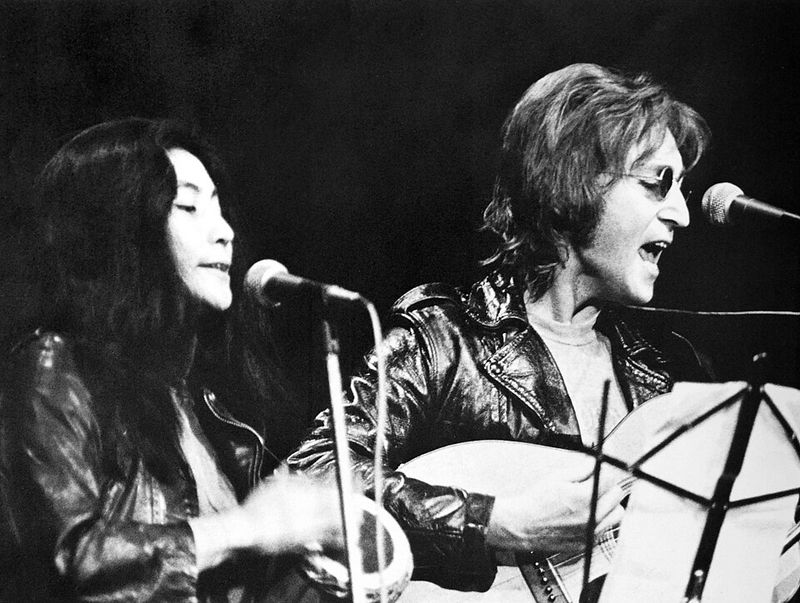
In 1972, Lennon and Ono released a song with a title that sparked immediate outrage. They framed it as a feminist statement about the oppression of women globally, but many argued the language was offensive and appropriated Black struggle.
Radio resistance, TV pushback, and critical essays made the track a lightning rod rather than a unifying protest anthem.
Despite Lennon’s explanation on talk shows and in print, the term’s history and impact overshadowed intent. Some stations refused airplay entirely.
Others aired context segments before spins, a rare step that highlighted how fraught the discourse had become. The song’s message could not outrun the discomfort many felt just reading the title.
The fallout complicated Lennon’s activist image and Ono’s avant garde reputation. Supporters cited artistic provocation, but detractors saw rhetorical harm.
Over time, the track became a syllabus item in music history classes addressing language, allyship, and the limits of shock to serve social causes, marking a moment when intent met consequences and left a lasting dent in perception.
4. Madonna – American Life (2003)
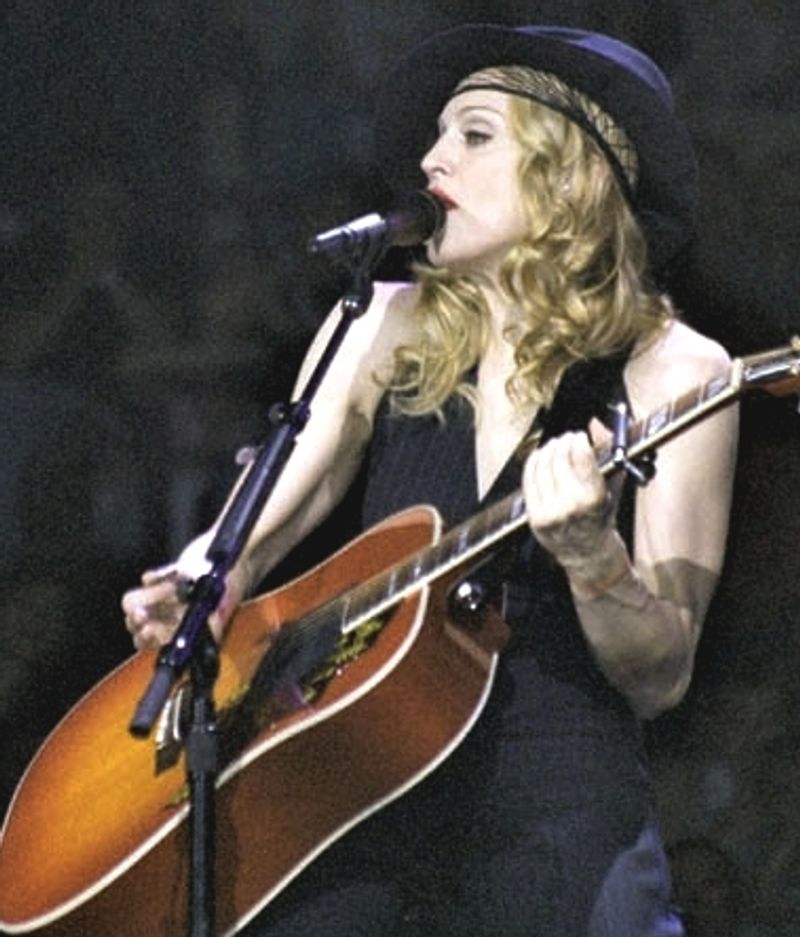
American Life paired sharp political commentary with a video that depicted militarism and consumer culture. Released amid the Iraq War climate, it drew criticism from multiple sides.
Madonna ultimately pulled the original video in the United States, citing concerns about misinterpretation, which fueled more coverage and questions about messaging and timing.
The single underperformed relative to her track record, prompting talk of a commercial stumble tied to politics rather than pure pop calculation. Radio programmers were cautious, and some listeners bristled at celebrity critique during a charged moment.
The controversy reframed Madonna, not as a boundary pusher with chart momentum, but as an artist suddenly out of step with prevailing sentiment.
In retrospect, the song’s production and themes received kinder reassessments, yet the release strategy remains a case study in risk management. The rollout showed how visuals can dominate narrative, eclipsing melody and lyrics.
For a star known for controlling perception, American Life marked a rare instance where public debate dictated the story, leaving a dent in that era’s commercial and cultural footprint.
5. Sinéad O’Connor – War (SNL performance) (1992)
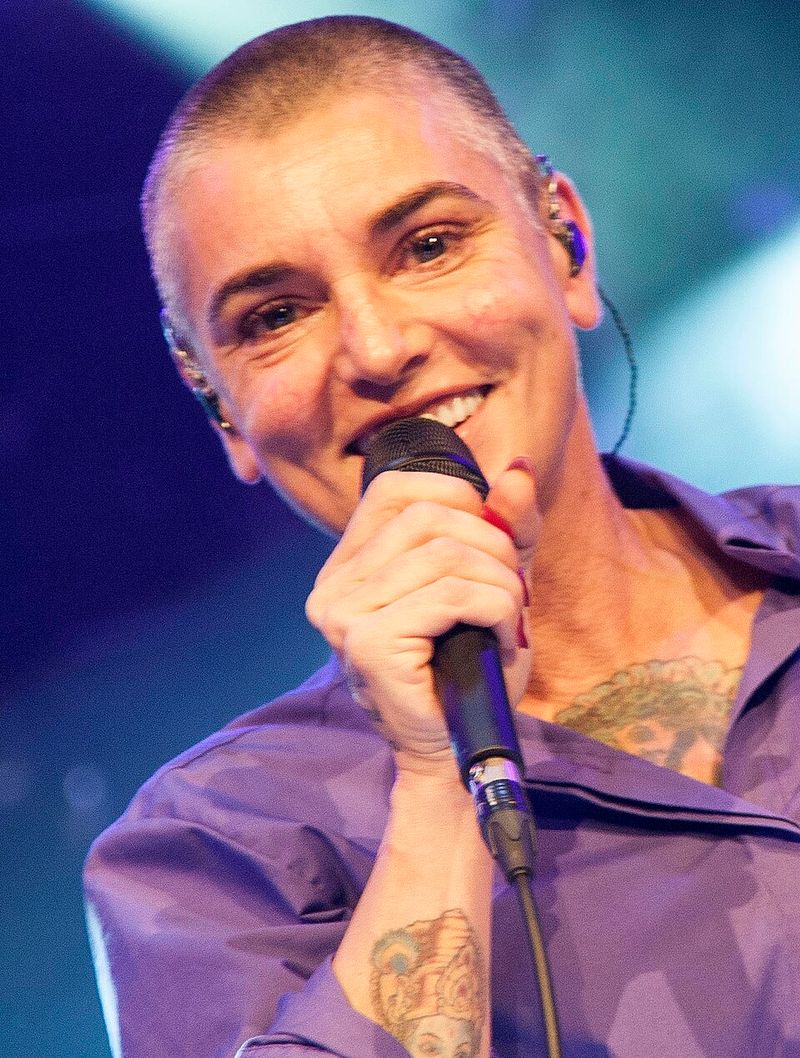
On Saturday Night Live in 1992, Sinéad O’Connor performed War and tore a photo of the Pope to protest abuse in the Catholic Church. The act drew immediate outrage from viewers, network executives, and political leaders.
Bookings were canceled, radio play slipped, and she was booed at a Bob Dylan tribute days later.
O’Connor framed the moment as necessary speech when other avenues failed. Many saw it as disrespectful to faith, regardless of her cause.
Media coverage emphasized shock, while years later investigations validated concerns about institutional abuse, prompting a broader reassessment of her courage versus the costs she bore at the time.
The performance reshaped her image from chart topping singer to polarizing truth teller. That shift had career consequences in the short term, with industry support cooling.
Over decades, the clip became a landmark in conversations about protest art on live television, showing how a single televised gesture can define a legacy and invite backlash that outlives the broadcast.
6. The Chicks – Not Ready to Make Nice (2006)
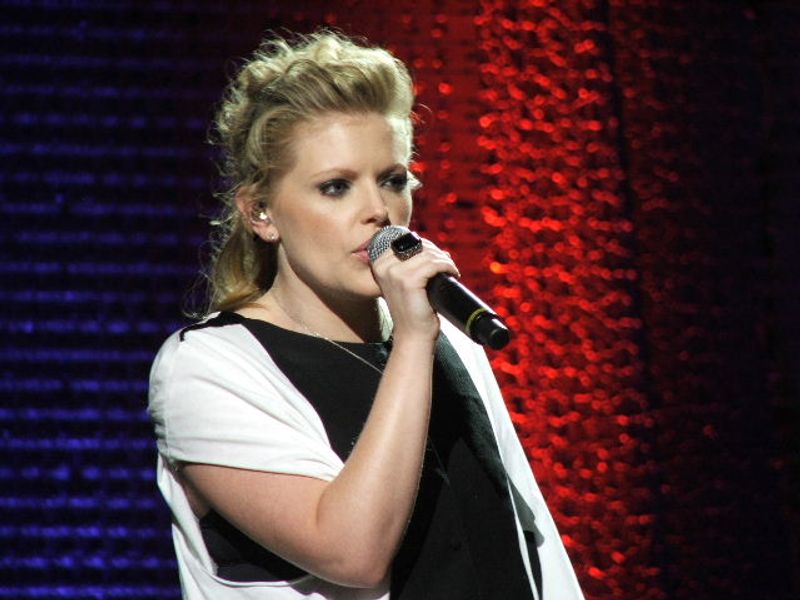
Not Ready to Make Nice arrived as a direct response to backlash after comments about President George W. Bush.
The song crystallized the group’s stance, addressing threats, lost airplay, and industry pressure. While it won awards and critical praise, it underscored a permanent break with parts of country radio and segments of the audience.
The track’s frankness resonated with fans who valued accountability and free speech. For detractors, it confirmed a culture war narrative that placed the trio outside genre norms.
Program directors weighed listener callouts against chart potential, leading to selective rotation and tighter playlists that limited broad reach.
In the long run, the single helped define The Chicks’ identity on their own terms. It also became a case study in how political speech can reroute a career in a format tied closely to regional sentiment.
The song’s success coexisted with lasting backlash, proving that critical acclaim and commercial headwinds can live side by side without canceling each other out.
7. Eric Clapton – Tears in Heaven (1992)
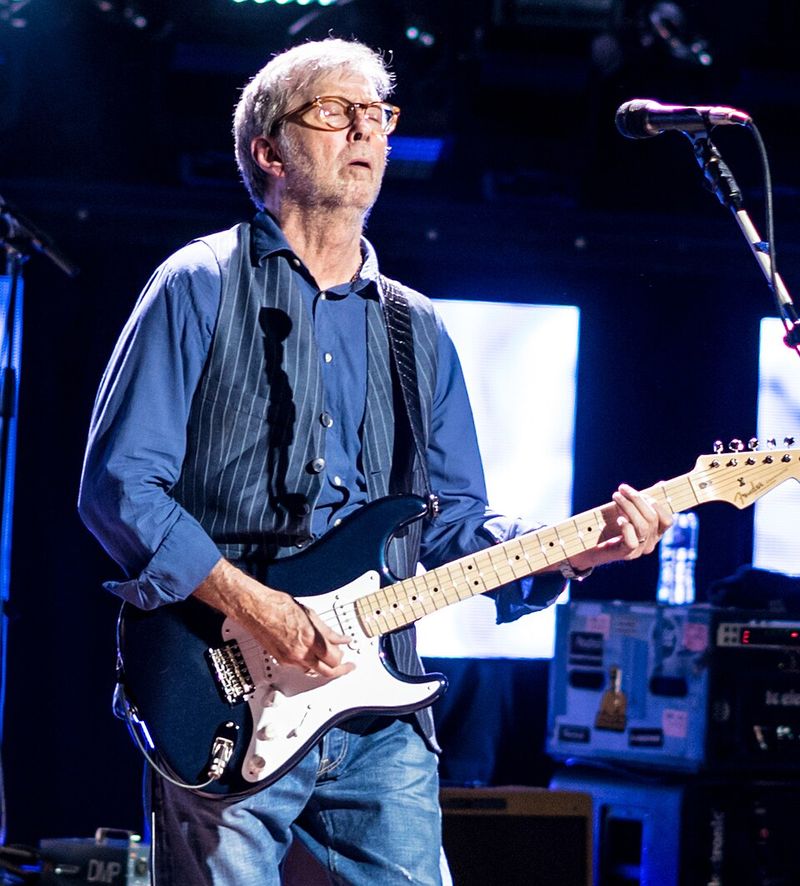
Tears in Heaven is not controversial for its content, but its public life drew later criticism tied to Clapton’s broader reputation. Initially embraced as a raw elegy, the song appeared at award shows, charity events, and compilations, becoming almost ubiquitous.
Over time, some listeners felt its frequent use risked sentimentality and commercial overexposure.
Subsequent scrutiny of Clapton’s public statements and past remarks reframed how people heard the song. Debates emerged about separating art from artist and whether performance contexts can change meaning.
For others, the track remained a private comfort that transcended headlines, revealing a split between personal resonance and public narrative.
The backlash here is quieter, more cumulative, and debated. It shows how reputational shifts can retroactively color a catalog, even when a song started as an intimate expression.
As festivals, documentaries, and playlists revisit the 1990s, Tears in Heaven sits at a crossroads, loved by many, questioned by others, and emblematic of how legacy and context can collide.
8. R. Kelly – I Admit (2018)

I Admit surfaced as a sprawling response to years of allegations, framed by Kelly as a confessional. Instead of easing criticism, the song was received as evasive, self pitying, and manipulative.
Streaming platforms, activists, and industry figures cited it as proof that he was leveraging music to deflect accountability rather than confront harm.
As investigations and reporting intensified, the track became a rallying point for #MuteRKelly efforts. Playlists removed his catalog, venues distanced themselves, and collaborators expressed regret.
The piece’s length and tone read as spectacle, undermining any hope that it might reset public opinion or clarify facts.
The fallout deepened legal and social isolation. I Admit did not rehabilitate his image, and instead hardened the resolve of those pressing for consequences.
The episode demonstrates how a defensive release can backfire when public trust has eroded, transforming a strategic communication into evidence cited by critics as further indictment of character and intent.
9. Miley Cyrus – We Can’t Stop (2013)
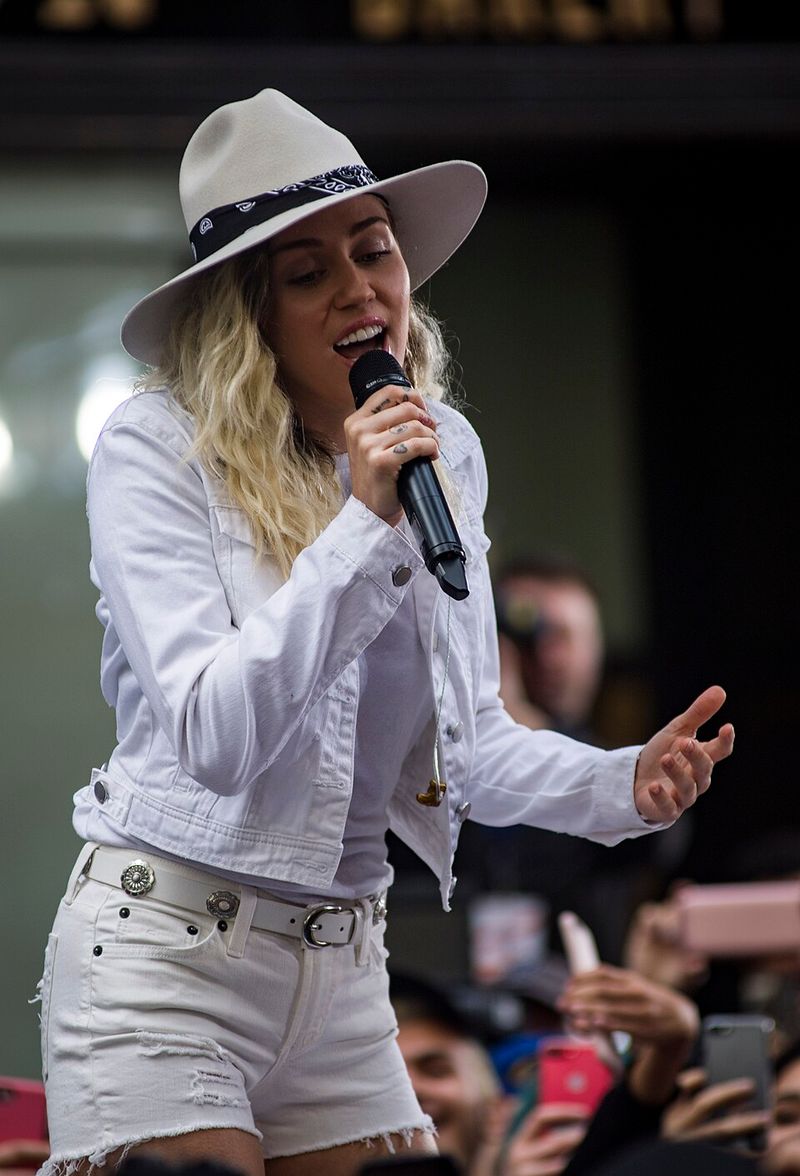
We Can’t Stop marked a bold shift from Disney star to adult pop persona. The single’s party imagery and the VMA performance era drew backlash over cultural appropriation, drug references, and sexualized presentation.
Think pieces proliferated, parsing the aesthetics and industry incentives behind the transformation.
For supporters, the song represented agency and reinvention. For critics, it felt like provocation for attention, leaning on borrowed styles without sufficient credit or context.
Brands and parents of younger fans expressed concern, while radio success showed that controversy and commercial momentum can coexist uneasily.
The dust settled with a more nuanced view of Cyrus’s artistry, but the track remains a milestone in pop rebranding. It also sparked ongoing conversations about twerking’s cultural roots and who profits from Black aesthetics in mainstream pop.
The lasting impact is a blueprint and a caution: reinvention can work, yet the images and debates it triggers may shape perception longer than the hook itself.
10. Metallica – St. Anger (2003)
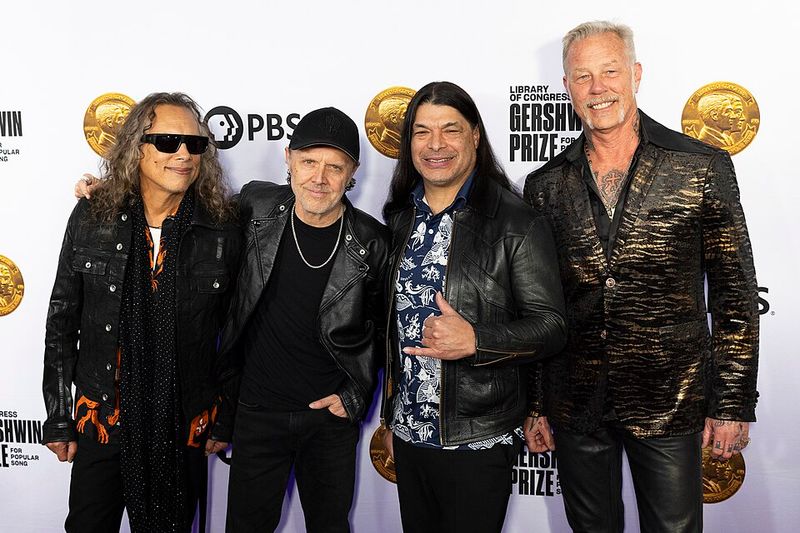
St. Anger arrived after internal turmoil, documented in a candid band film. The record’s title track showcased raw production, famously abrasive snare tone, and no guitar solos, polarizing a loyal fanbase.
Many longtime listeners saw it as the low point, a symbol of therapy on tape rather than precision metal craft.
The backlash chipped at Metallica’s invincible image, even as the album debuted strong. Debates raged on forums and in magazines about authenticity versus quality control.
Some praised the honesty, others skipped the era entirely, turning St. Anger into shorthand for creative misfires by legacy acts searching for relevance.
In later tours, setlists leaned on classics, reflecting audience preferences. Retrospectives softened slightly, recognizing personal recovery beneath the noise, but the sonic choices remain divisive.
The song stands as a reminder that transparency and experimentation can come with reputational costs when expectations are rigid and the mix leaves little room for compromise.
11. The Beatles – Revolution 9 (1968)
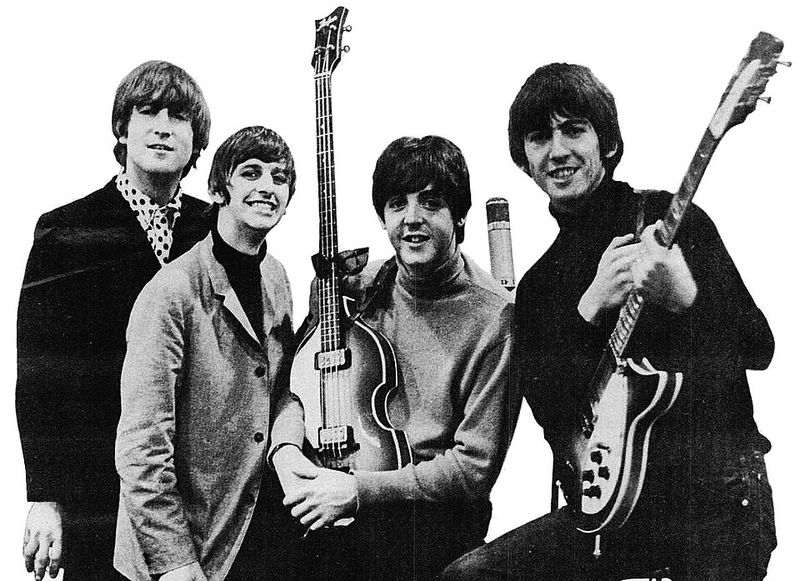
Revolution 9 is an experimental sound collage that split Beatles listeners on release. Instead of melody and hooks, it layered spoken fragments, tape loops, and dissonance.
Many fans saw it as self indulgent, a detour that disrupted the flow of an otherwise stacked album and signaled distance from pop craftsmanship.
Critics debated its artistic merit, situating it within avant garde traditions. Yet the mass audience judged with skip buttons, turning the piece into a shorthand for pretension.
Radio avoided it, and conversations about the White Album often paused here to argue over the boundary between innovation and alienation.
With time, some defenders praised its influence on ambient and experimental scenes. Still, the track’s reputation among casual fans remains chilly.
It endures as a reminder that even the most beloved bands can test patience, and that risk taking, while historically important, can bruise a brand when expectations are set by chart topping melodies.
12. Eminem – Kim (2000)
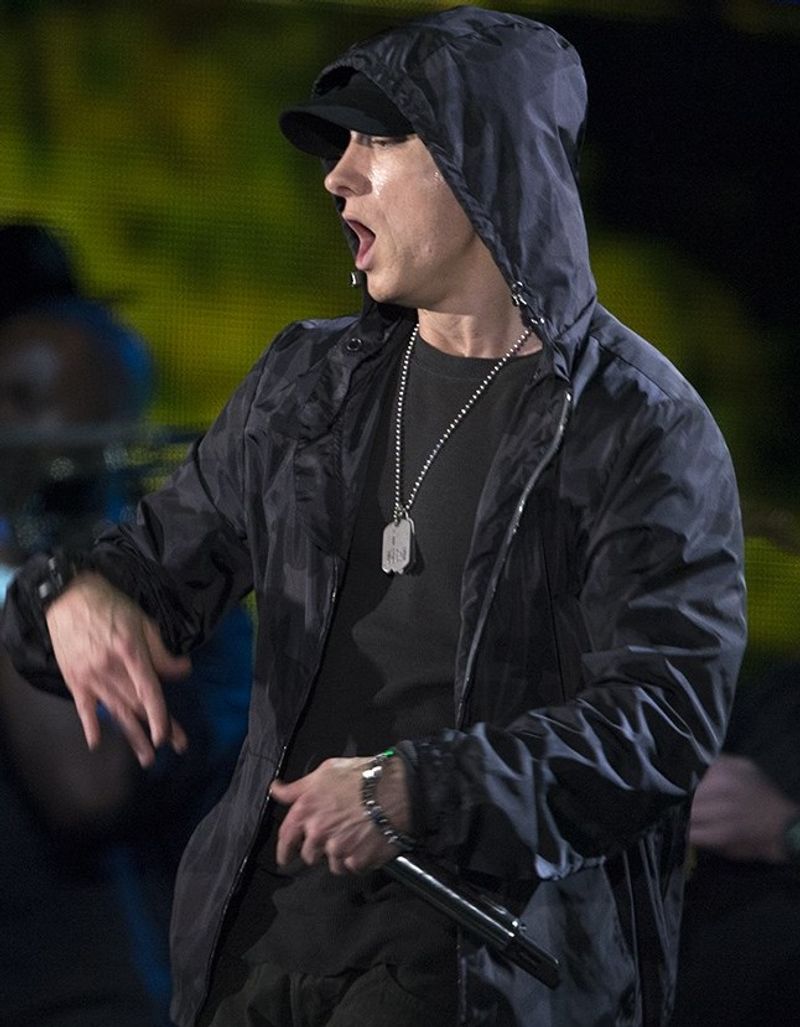
Kim pushed shock rap to its limits with graphic domestic violence themes. Critics, advocacy groups, and politicians condemned the track as harmful and dehumanizing, reigniting debates about artistic freedom versus societal impact.
Even among fans, the intensity proved polarizing, complicating defend the art arguments that worked for less explicit material.
Retailers issued warnings, parents protested, and censors scrutinized live performances. Eminem’s skill was undeniable, but the song hardened perceptions of him as an artist willing to provoke at any cost.
Media narratives clustered around moral panic frameworks, which, in turn, kept the spotlight squarely on the ugliest edges of the album.
Over time, Kim remained a lightning rod during every censorship discussion attached to his name. It limited easy rehabilitation in mainstream spaces that demand broad appeal.
While later work showed range and maturity, this track’s shadow persisted, shaping interviews, award show invites, and the boundary lines for what major labels will platform without intense pushback.
13. Britney Spears – Work Bch (2013)
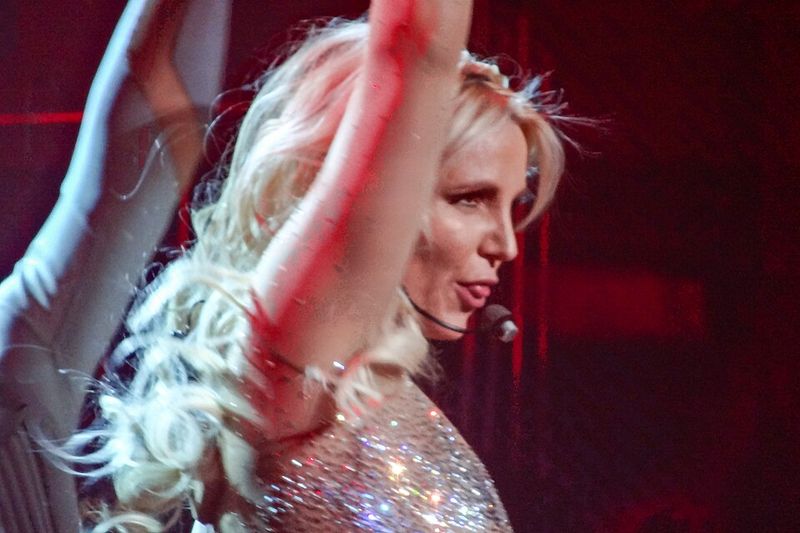
Work Bch arrived as a high energy club track with luxury heavy lyrics and a sleek video. While catchy, it drew criticism for messaging that equated worth with wealth, bodies, and consumption.
Some fans embraced it as camp motivation, while others saw it as pressure filled and out of sync with broader conversations about mental health and labor.
The title’s censored spelling kept radio accessible, yet debate persisted across think pieces and social media. Critics flagged lines that seemed to normalize extreme fitness and material goals.
The visual leaned into perfection, which played awkwardly as public awareness of Spears’s personal struggles grew in the years that followed.
As the Free Britney movement reframed her narrative, Work Bch read differently, sharpening questions about agency behind glossy pop. The song still moves crowds, but the backlash left a residue on how it is introduced and discussed.
It stands as a reminder that motivational anthems can land differently depending on context, timing, and the real lives behind the choreography.



