The year 1979 was a turning point in pop music history. Disco was at its commercial peak while simultaneously facing a fierce backlash, new wave and synth-pop were pushing their way onto the charts, and guitar-driven rock was making an unexpected comeback. The Billboard Hot 100 that year read like a musical tug-of-war between competing sounds, styles, and generations. These 13 songs capture exactly why 1979 felt less like a single year and more like a cultural crossroads, where the sounds of one decade were giving way to something entirely new.
1. My Sharona – The Knack
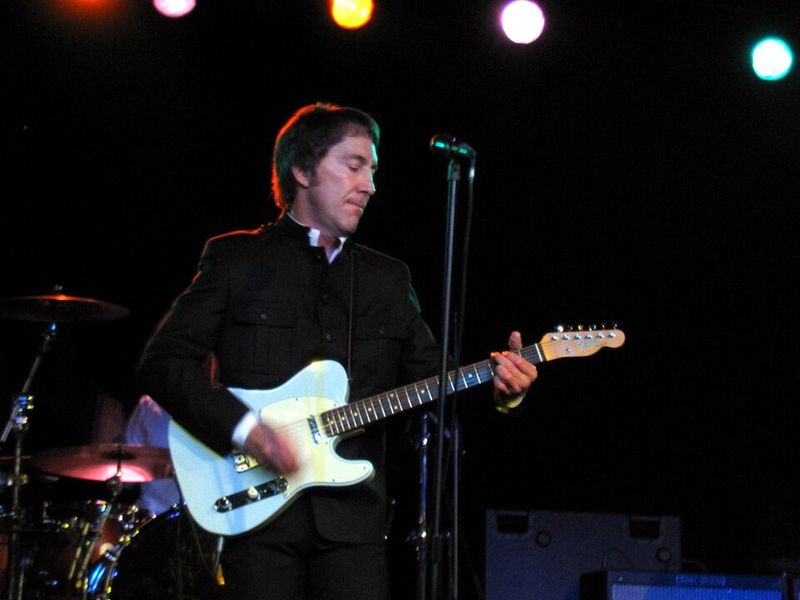
Six weeks at number one on the Billboard Hot 100 is an achievement most bands only dream about, and The Knack pulled it off with their very first single. Released on June 18, 1979, “My Sharona” became Capitol Records’ fastest debut single to reach gold status since The Beatles’ “I Want to Hold Your Hand” in 1964.
The song’s driving guitar riff and “stutter beat” drew comparisons to The Who’s “My Generation,” while its melodic hook echoed the Spencer Davis Group. Written about Doug Fieger’s then-17-year-old girlfriend, Sharona Alperin, the track was deeply personal yet instantly universal.
It knocked Chic’s “Good Times” from the top spot and was eventually replaced by Robert John’s “Sad Eyes.” By 2010, the single had sold over 10 million copies, signaling a clear shift away from disco dominance.
2. Heart of Glass – Blondie
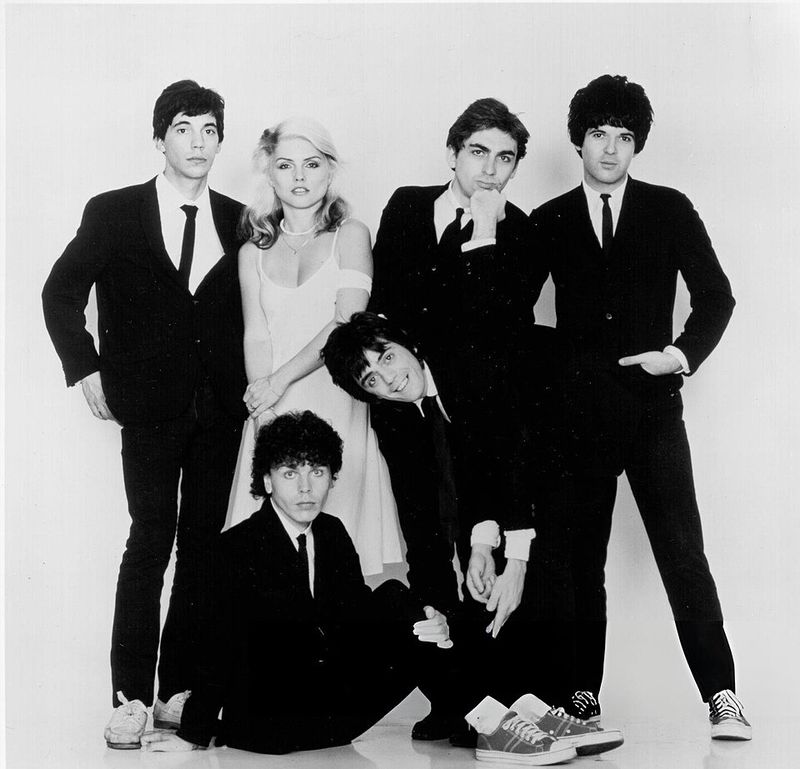
Blondie did something genuinely bold in early 1979: they merged the grit of New York new wave with the polished pulse of disco and landed at number one on both the US Billboard Hot 100 and the UK Singles Chart. “Heart of Glass” had gone through several earlier versions, known internally as “Once I Had a Love” or “The Disco Song,” experimenting with reggae and slower ballad styles before settling on its final form.
Producer Mike Chapman shaped the track into a tight, danceable record with a pulsing bassline and synthesizer layers that felt current and fresh. Debbie Harry and Chris Stein had written the song’s core years earlier, but it took the right moment in music history for it to connect so widely.
The Grammy Hall of Fame inducted it in 2015, recognizing its role in bridging rock credibility with mainstream disco appeal at exactly the right moment.
3. Don’t Bring Me Down – Electric Light Orchestra
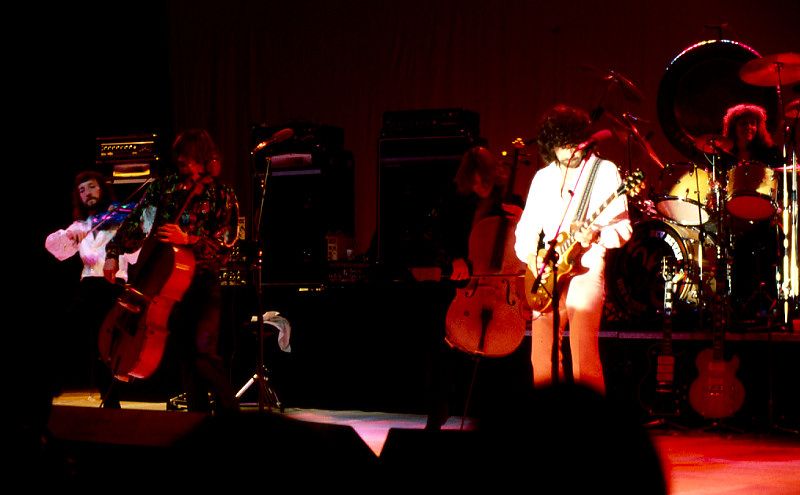
Jeff Lynne wrote this one fast, practically on the spot during the Discovery album sessions, and the result became ELO’s highest-charting single in the United States, reaching number four on the Billboard Hot 100 in September 1979. More surprisingly, it was the first ELO song to completely drop the band’s signature string arrangements.
Lynne used an early form of drum looping by sampling a previously recorded track, a primitive but forward-thinking production move. The lyric “groose” was a spontaneous placeholder he shouted during recording; after his German engineer explained that “Gruss” meant greetings, Lynne kept it. Fans frequently heard it as “Bruce” instead, a mishearing Lynne occasionally played along with live.
The song’s release coincided with Skylab’s reentry into Earth’s atmosphere, and ELO’s label ran promotional ads dedicating the single to the falling space station, one of the more unusual marketing moments of 1979.
4. Video Killed the Radio Star – The Buggles
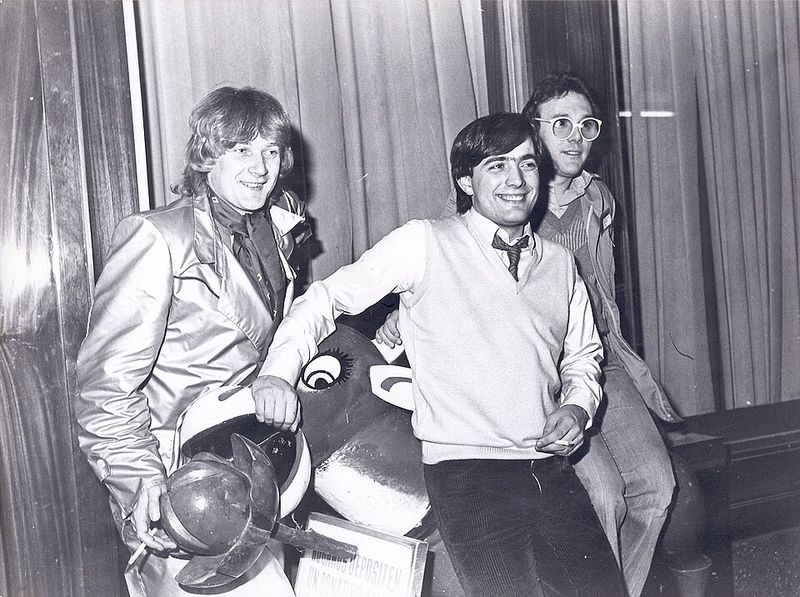
Released on September 7, 1979, this track by the English new wave duo The Buggles topped the charts in 16 countries, including the UK, Australia, and Japan. In the US it peaked at number 40 in mid-December 1979, but its cultural footprint would eventually grow far larger than any chart position suggested.
The song’s lasting fame comes from a specific moment on August 1, 1981, when it became the very first video aired on MTV at 12:01 AM, making its prophetic title feel almost scripted. Written by Trevor Horn, Geoff Downes, and Bruce Woolley, the lyrics mourned the displacement of radio by television in music culture.
A young Hans Zimmer appeared in the music video playing keyboards, an early credit for the future film composer. The song’s blend of synth-pop production and nostalgic themes made it a fitting bookend to a decade shaped by radio.
5. The Logical Song – Supertramp
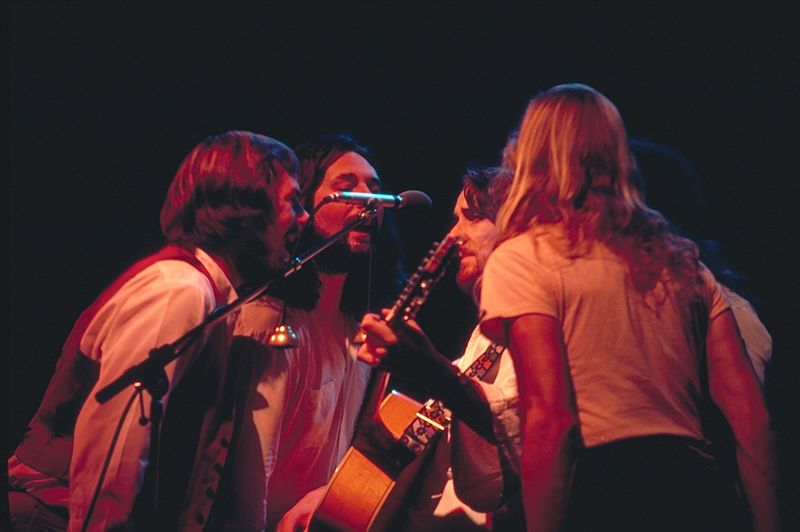
Paul McCartney reportedly named it his favorite song of 1979, and Rolling Stone called it “a small masterpiece.” Released in March 1979, “The Logical Song” was the lead single from Supertramp’s landmark album Breakfast in America, reaching number six on the US Billboard Hot 100.
Roger Hodgson wrote the lyrics as a direct reflection on his years in boarding school, charting the journey from childhood curiosity to adult conformity. The song critiques educational systems and social expectations without ever becoming a lecture, which is precisely why it resonated so broadly across age groups.
Hodgson received an Ivor Novello Award for the song in 1980, validating both its commercial and artistic merit. A distinctive electronic football game sound effect punctuated the “d-d-digital” lyric, adding a quirky, era-specific texture that grounded the song firmly in its late-1970s moment.
6. Good Times – Chic
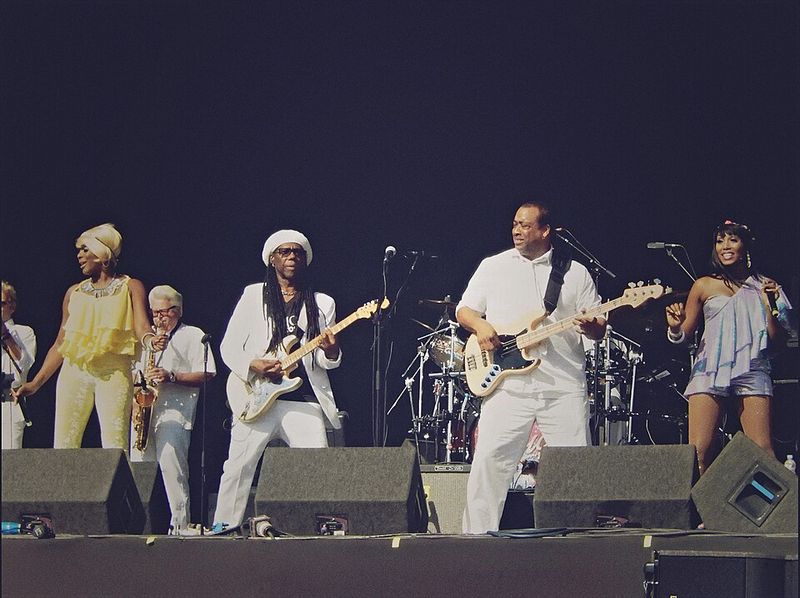
Bernard Edwards’ bassline on “Good Times” is one of the most consequential four bars in pop music history. Released on June 4, 1979, the track reached number one on the Billboard Hot 100 on August 18, making it Chic’s second US chart-topper and a defining anthem of disco’s commercial peak.
Within weeks of its release, The Sugarhill Gang used its bassline as the foundation for “Rapper’s Delight,” a move that helped introduce hip-hop to a global mainstream audience. Rolling Stone later recognized “Good Times” as one of the 500 Greatest Songs of All Time, acknowledging its dual legacy in both disco and hip-hop history.
The song’s chart run ended when The Knack’s “My Sharona” took the top spot, a symbolic passing of the torch from disco to guitar rock. Chic never had another number one single, and the band dissolved shortly after, closing a remarkable chapter in American dance music.
7. Babe – Styx
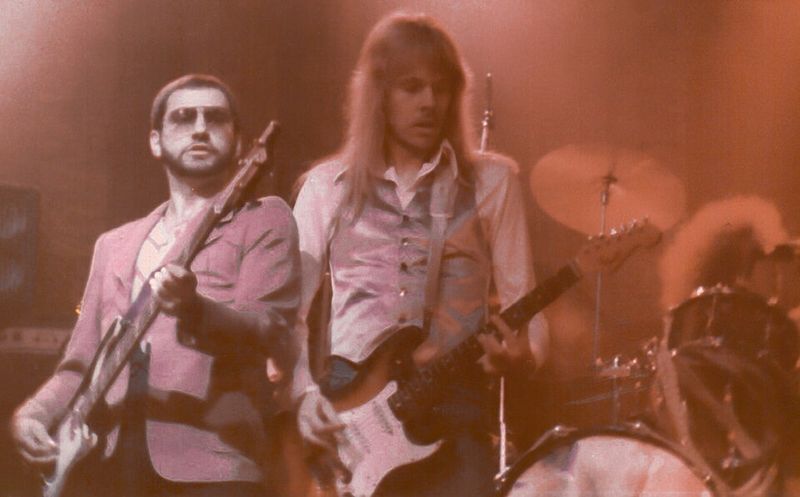
Dennis DeYoung wrote “Babe” as a birthday gift for his wife, Suzanne, and it became Styx’s only number one single on the Billboard Hot 100. Released in September 1979, the song also topped the charts in Canada for six weeks and became the first number one of the 1980s on the Canadian chart.
The shift toward a softer, piano-driven ballad sound was a deliberate departure from Styx’s established progressive rock identity, and it initially met resistance from other band members. That tension between artistic direction and commercial ambition was a defining theme for many rock acts at the close of the 1970s.
Its success pulled in listeners well beyond the band’s existing fan base, demonstrating how power ballads were becoming a reliable mainstream strategy. “Babe” stands as a clear marker of rock’s gradual move toward the polished, radio-friendly sound that would define the early 1980s.
8. Cruel to Be Kind – Nick Lowe
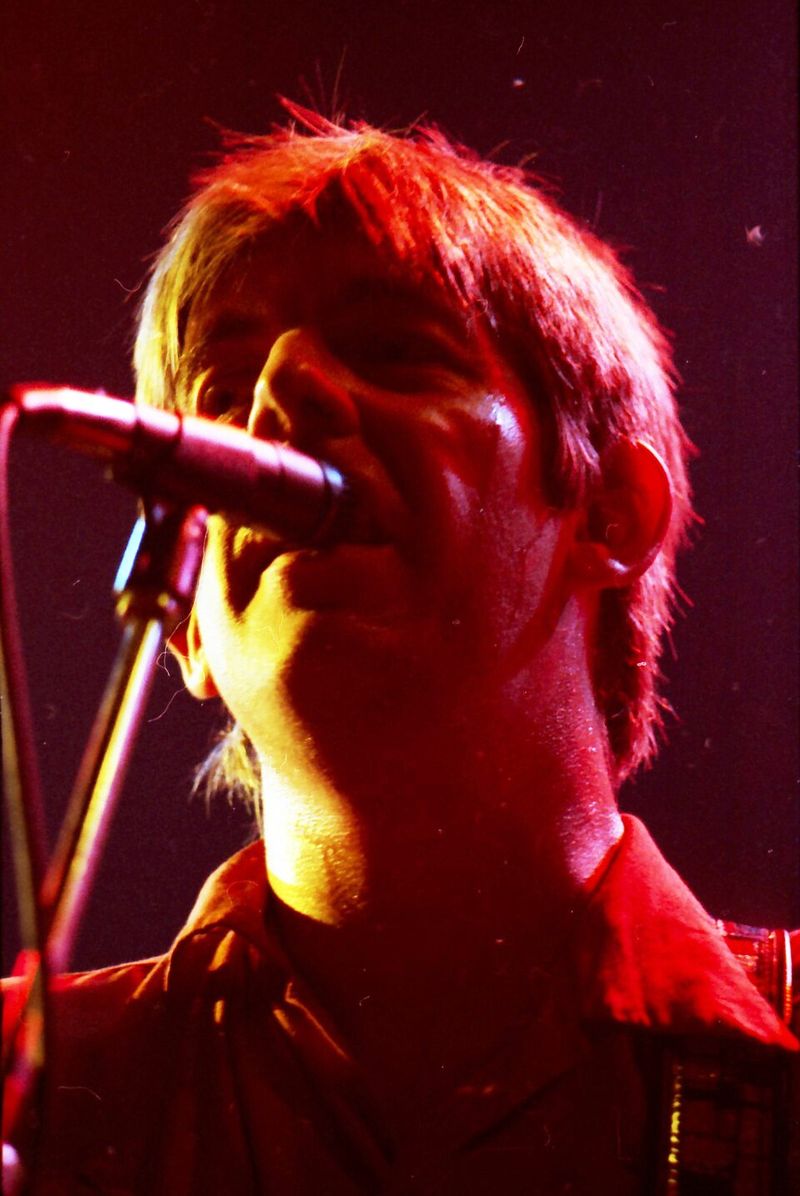
Nick Lowe originally co-wrote this song with Ian Gomm in the early 1970s during their time in Brinsley Schwarz, but the world had to wait years for the proper version. Columbia Records eventually persuaded Lowe to revisit it for his solo career, and the result peaked at number 12 in the US, UK, Australia, and Canada.
Lowe drew musical inspiration from Harold Melvin and the Blue Notes’ “The Love I Lost,” weaving a pop-soul sensibility into what became a tight power pop track. The song’s title comes directly from Shakespeare’s Hamlet, though Lowe himself reportedly dismissed it as a “pop sell-out” and “wimpy,” highlighting the commercial versus artistic tensions many artists navigated in 1979.
Its music video, which incorporated footage from Lowe’s real wedding to Carlene Carter, was among the 67th videos aired on MTV when the channel launched in August 1981, giving the song an unexpected second wave of visibility.
9. Another Brick in the Wall (Part 2) – Pink Floyd
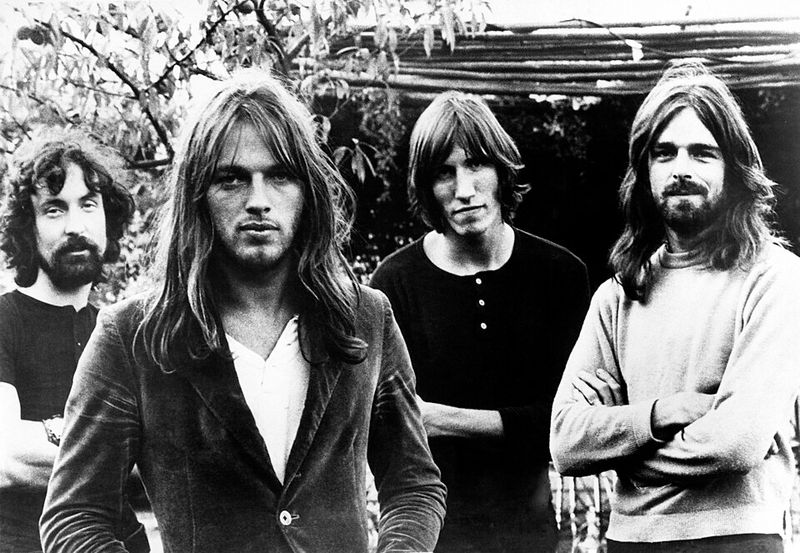
Pink Floyd had not released a UK single since 1968, which made the November 23, 1979 arrival of this track all the more unexpected. It topped the charts in 11 countries, held the UK number one position for five weeks, became the 1979 Christmas number one in Britain, and reached number one on the US singles chart for four weeks in 1980.
Roger Waters wrote the song as a protest against corporal punishment and authoritarian schooling, drawing directly from personal experience. Producer Bob Ezrin added disco-influenced production elements and brought in a children’s choir from Islington Green School, creating a contrast between the song’s heavy message and its danceable structure.
South African authorities banned the track after schoolchildren adopted its lyrics to protest apartheid-era education policies. Described as a “dystopian disco classic,” it arrived at the exact moment Margaret Thatcher took office, lending its social commentary an immediate and pointed political context.
10. Rise – Herb Alpert
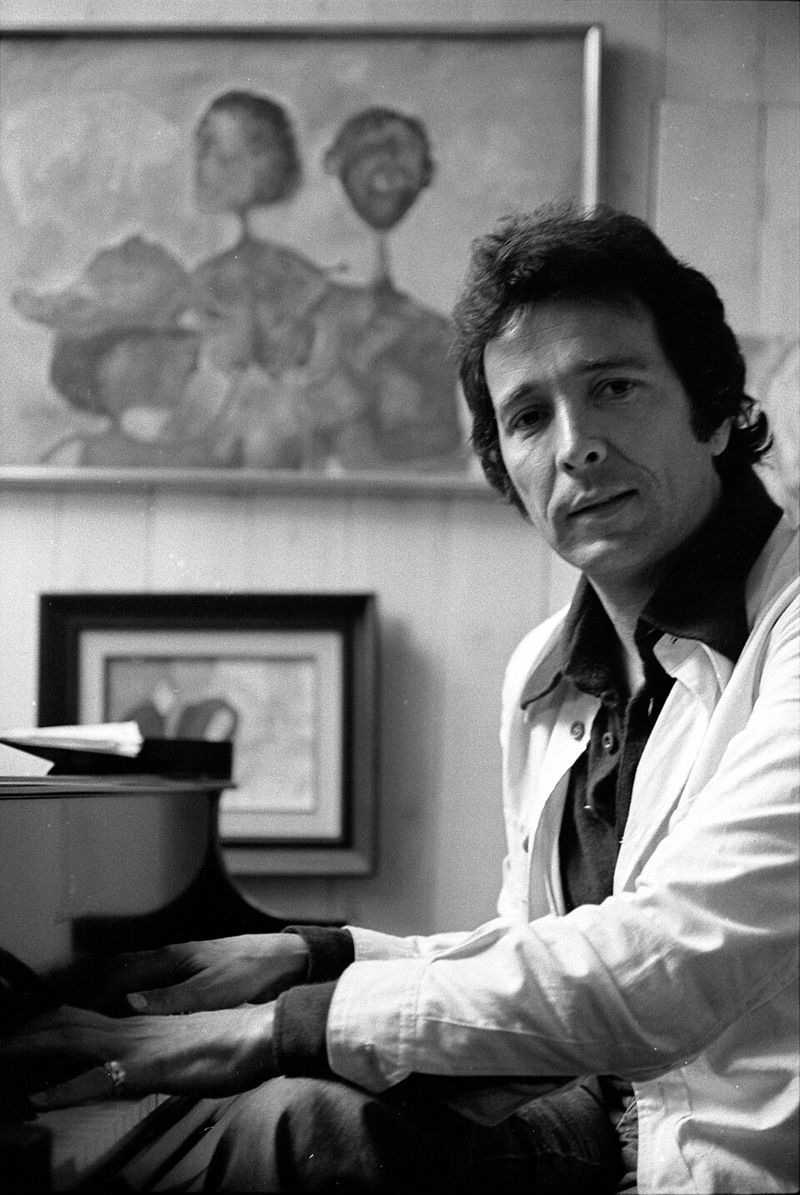
An instrumental reaching number one on the Billboard Hot 100 in 1979 was already unusual, but Herb Alpert’s “Rise” made history on two fronts. Released on July 20, 1979, it topped the Hot 100 in October and made Alpert the only artist to achieve number one status as both a vocalist and an instrumentalist on that chart.
The track blended jazz-funk, disco, and smooth jazz into something that felt polished yet organic. Co-written by Alpert’s nephew Randy “Badazz” Alpert and Andy Armer, the song’s tempo was famously slowed down in the studio at the drummer’s suggestion, a change widely credited with helping it find its audience during the anti-disco backlash.
“Rise” was among the first pop recordings to use digital recording technology. A prominent feature on the soap opera General Hospital boosted its mainstream reach, and The Notorious B.I.G. later sampled its bassline for “Hypnotize,” extending the song’s cultural life well into the 1990s.
11. Dim All the Lights – Donna Summer
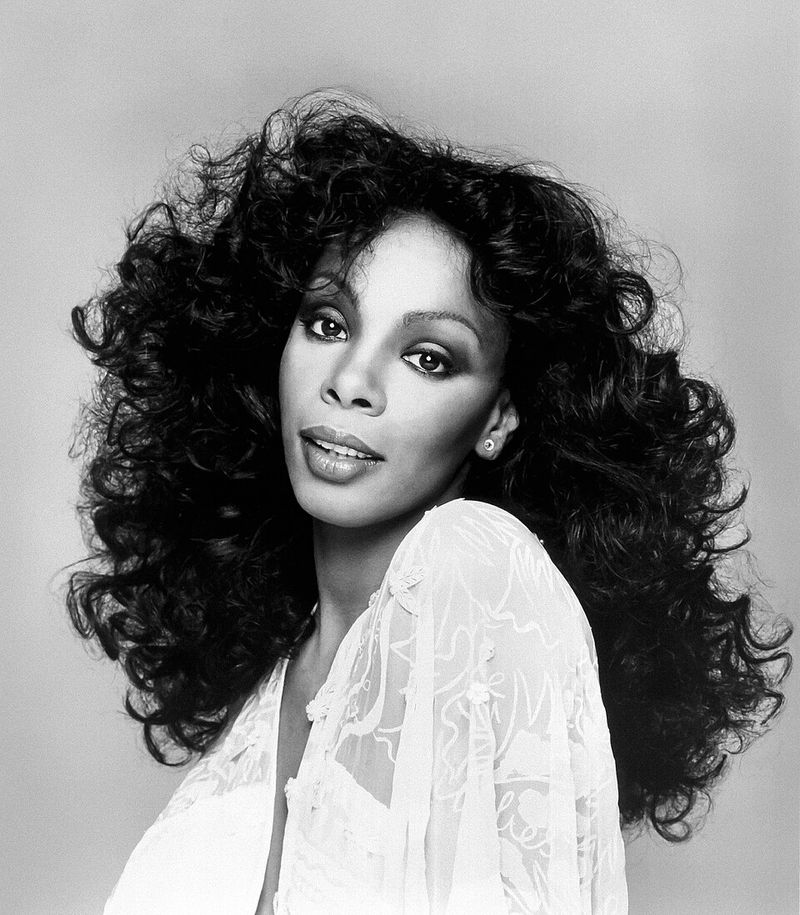
Of all the hits Donna Summer released in 1979, this one carries a distinction the others do not: it is the only song she wrote entirely on her own. Released in August 1979 as the third single from the Bad Girls album, it peaked at number two on the Billboard Hot 100 for two consecutive weeks in November.
Summer originally wrote “Dim All the Lights” as a slow ballad and intended to offer it to Rod Stewart. She changed course, recorded it herself, and increased the tempo in the studio, transforming a quiet romantic sketch into a full disco production. The lyrics focus on an intimate home setting rather than a nightclub, which set it apart from most of the genre’s standard themes.
That shift toward a more personal, soulful pop approach within a disco framework reflected how the genre was quietly evolving even as critics and radio programmers were beginning to push back against it.
12. Bad Girls – Donna Summer
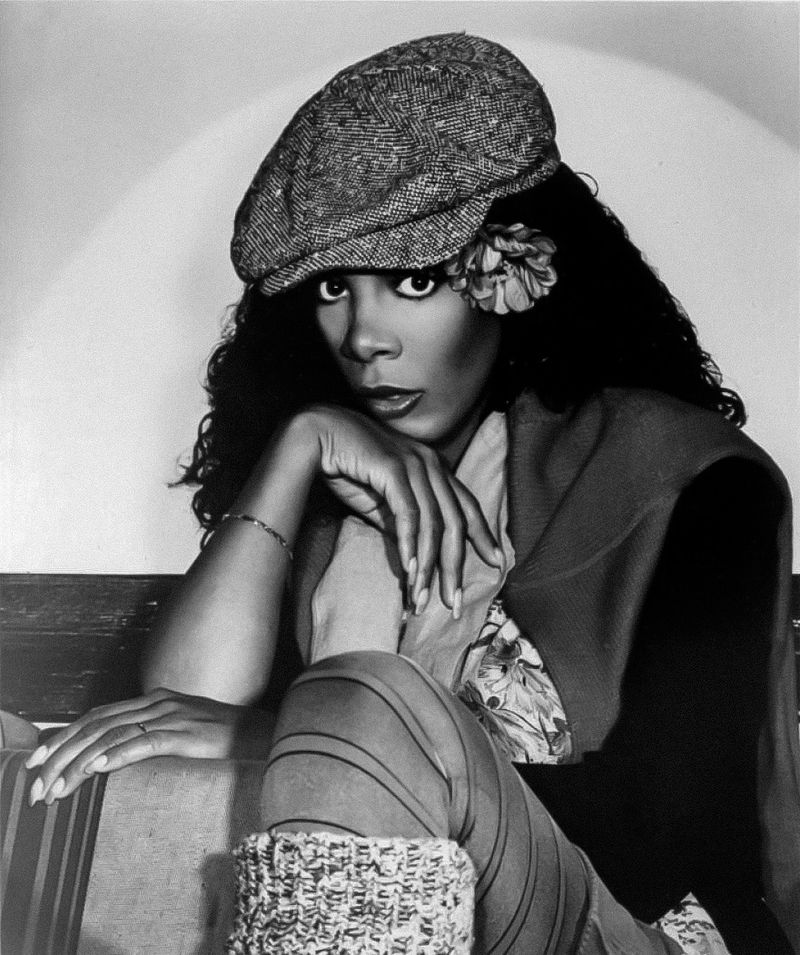
Donna Summer spent five consecutive weeks at number one on the Billboard Hot 100 with “Bad Girls,” from July 14 to August 11, 1979. Released on June 23 as the second single from her double album of the same name, it also topped the Hot Soul Singles chart and sold over two million copies.
The album Bad Girls became the best-selling record of Summer’s career, sitting at number one on the Billboard 200 for six weeks. Co-written by Summer and members of Brooklyn Dreams, the track blended disco rhythms with rock guitar influences and used car horn sound effects to punctuate its urban street theme.
“Bad Girls” helped Summer make history as the first female artist to place two songs simultaneously in the top three of the Hot 100. The album marked her final release on Casablanca Records, as she moved toward rock and new wave territory with Geffen Records, symbolizing a personal and industry-wide pivot at disco’s commercial ceiling.
13. Lonesome Loser – Little River Band
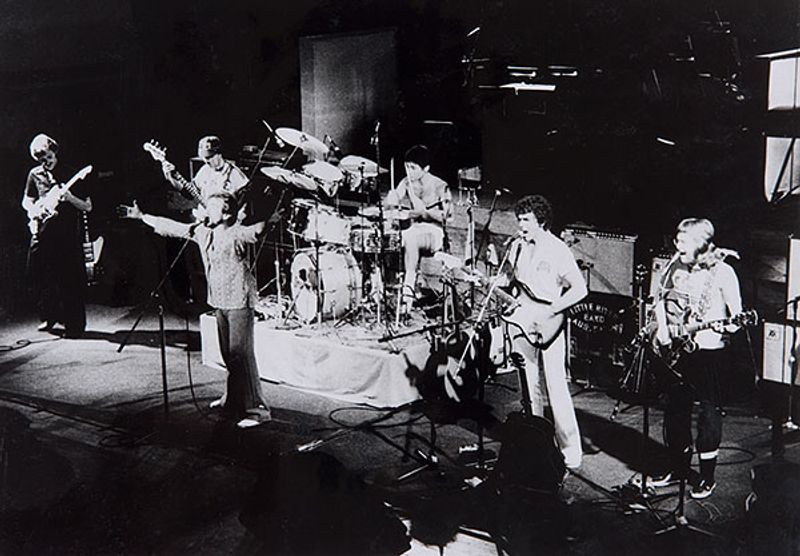
Australian bands rarely broke through to American radio in the late 1970s with the consistency that Little River Band managed, and “Lonesome Loser” was one of their strongest US performances. Released in July 1979, the song reached number six on the Billboard Hot 100, number three in Canada, and number 19 in Australia.
David Briggs wrote the lyrics using gambling imagery to frame a story of romantic disappointment and recurring bad luck, giving the song a narrative hook that went beyond typical soft rock themes. The band’s layered harmonies and polished production placed them alongside American acts like the Eagles and Fleetwood Mac on radio playlists across the country.
Decades later, former frontman Glenn Shorrock returned to the song for his 2019 solo album, underscoring its enduring resonance. “Lonesome Loser” represented the refined, harmony-driven soft rock aesthetic that defined the late 1970s, a sound that was both its own era and a bridge toward the adult contemporary format of the 1980s.
Share this story