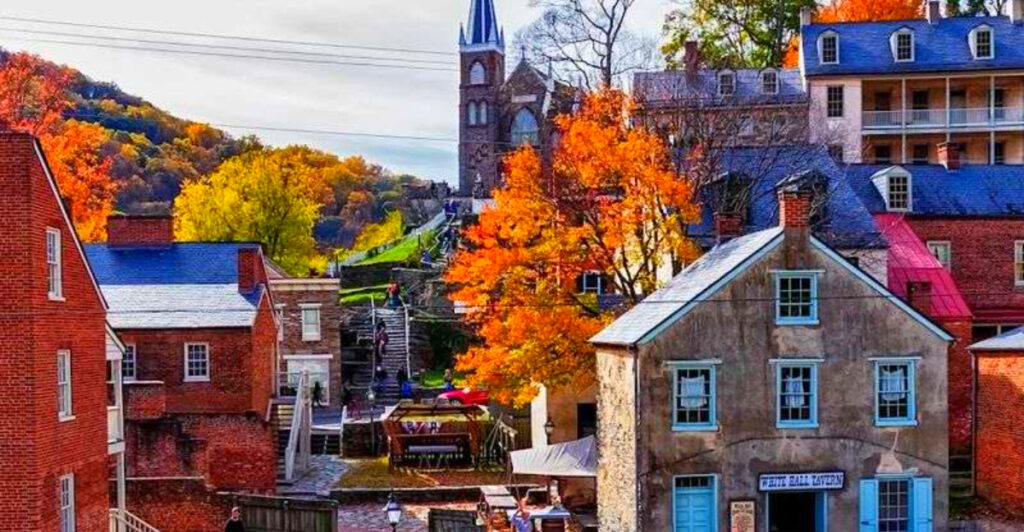
West Virginia is a state that tends to surprise people. Most visitors expect mountains, and they get them, but what they don’t always expect are the charming small towns tucked into those peaks, each one with its own personality, history, and reason to linger. From a town that once housed millionaires during a coal boom to a riverside community where two rivers collide at a dramatic mountain pass, these places offer far more than a scenic backdrop. Some have reinvented themselves as arts destinations, others as adventure hubs, and a few have simply stayed true to their roots in the most endearing way possible.
If you’ve been looking for a road trip that trades crowds for character and highways for winding mountain roads, this list was made for you. Get comfortable, because these 13 West Virginia mountain towns are about to earn a permanent spot on your travel map.
1. Davis, West Virginia
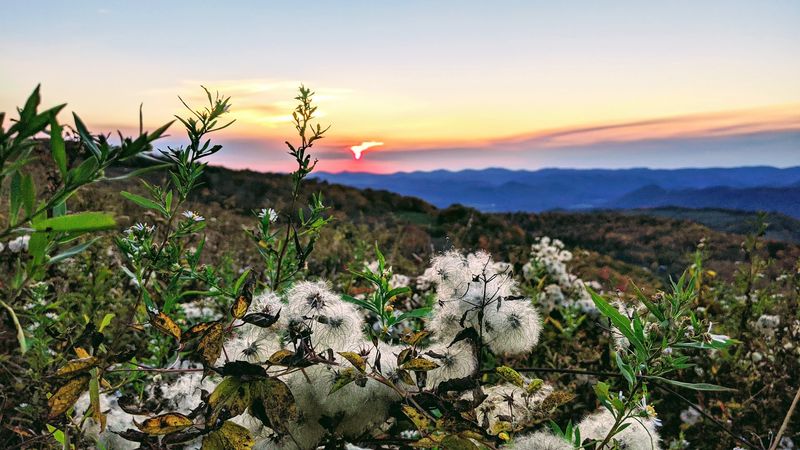
At nearly 3,200 feet above sea level, Davis holds the title of West Virginia’s highest incorporated town, and it wears that distinction well. The compact downtown punches above its weight with coffee shops, casual restaurants, and outdoor outfitters that cater to everyone from weekend warriors to serious backcountry hikers.
The real draw sits just outside town. Blackwater Falls State Park delivers one of the most photographed waterfalls in the state, while Canaan Valley offers hiking, mountain biking, and winter skiing across a high-elevation landscape that feels nothing like the rest of Appalachia.
Summer temperatures here rarely climb above the mid-70s, making Davis a popular escape for anyone fleeing the heat of lower elevations. The town also hosts the Blackwater Outdoor Center and several local eateries that keep visitors well-fueled between adventures.
2. Thomas, West Virginia
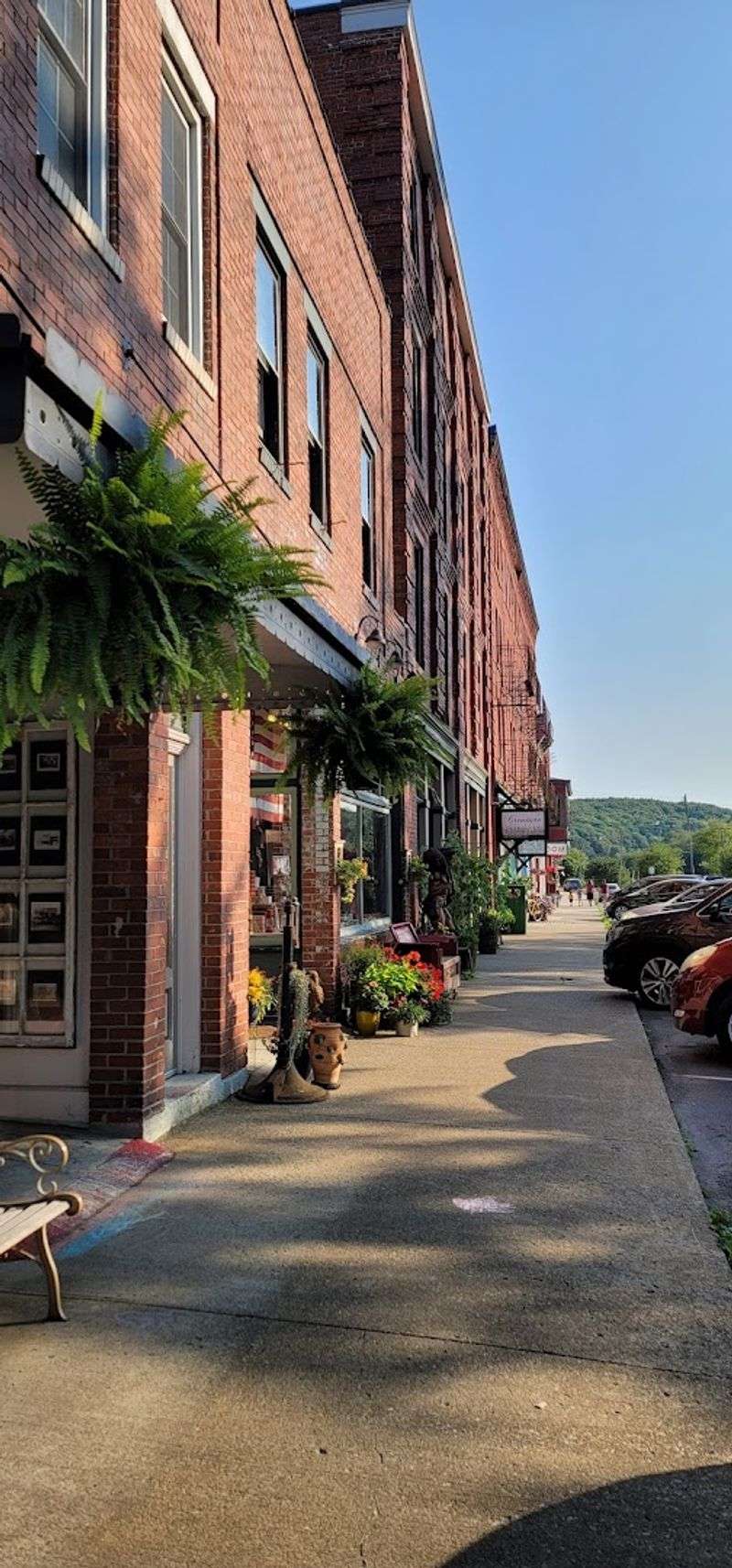
Coal and timber built Thomas in the late 1800s, but creativity is what keeps it relevant today. The town’s restored brick buildings now house art galleries, live music venues, and independent cafes that give Thomas a personality unlike any other mountain town in the state.
The Purple Fiddle music venue has become something of a regional institution, drawing performers and audiences from across Appalachia for intimate shows that run most weekends. Art galleries like the White Room showcase work by regional artists who draw direct inspiration from the surrounding peaks and valleys.
Thomas sits just minutes from Davis, making the two towns a natural pairing for a weekend trip. Visitors who come for the music often stay longer than planned, pulled in by the hiking trails, the easy pace, and the kind of local character that is genuinely hard to find elsewhere.
3. Fayetteville, West Virginia
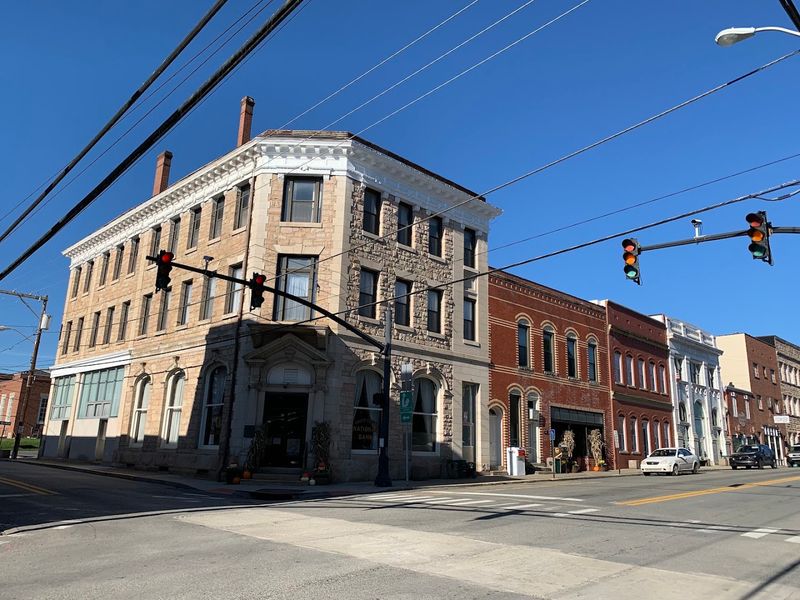
Few towns in the country can claim to sit on the rim of a national park, but Fayetteville does exactly that. The New River Gorge Bridge, one of the longest single-span arch bridges in the world, stretches dramatically across the canyon just minutes from downtown, and the views from the overlook never get old.
Whitewater rafting on the New and Gauley rivers brings paddlers from across the globe, while rock climbers work routes on sandstone cliffs that drop straight into the gorge. Hikers have dozens of trail options, including the popular Endless Wall Trail, which traces the canyon rim with remarkable views at nearly every turn.
After a day in the gorge, Fayetteville’s downtown delivers. Local restaurants, independent shops, and the historic Fayette Theater all contribute to a town that balances adventure culture with genuine community character in a way that feels completely natural.
4. Lewisburg, West Virginia
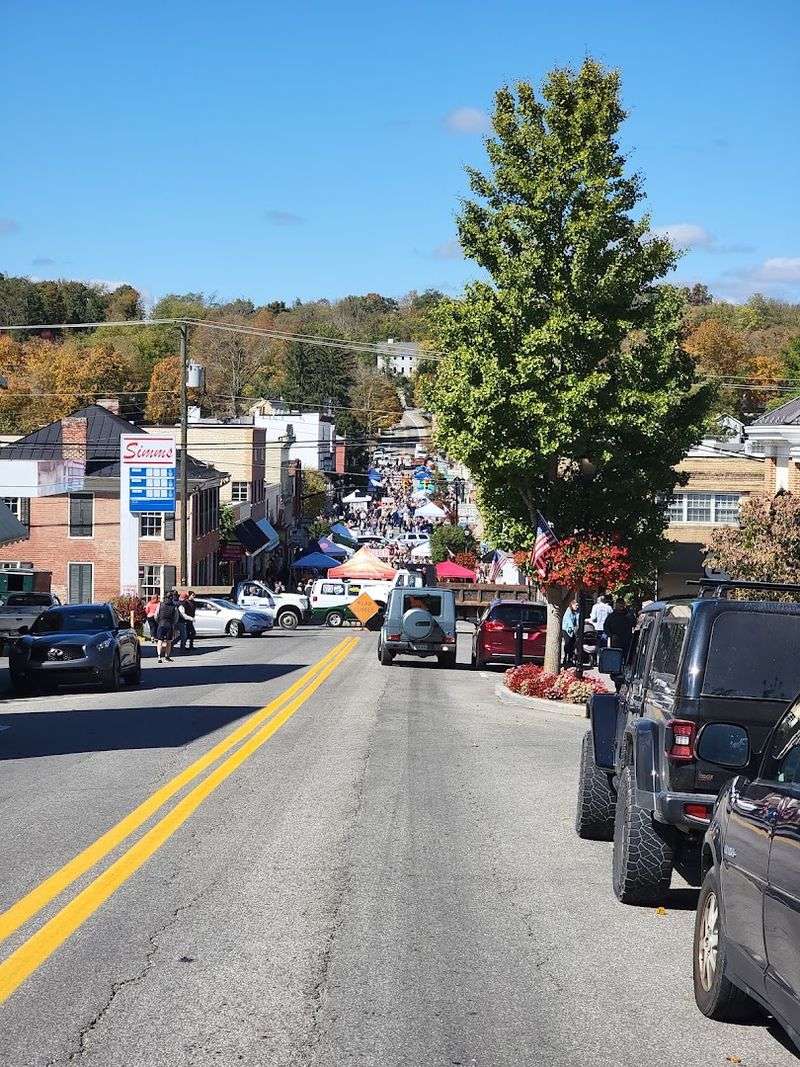
Lewisburg earned the title of America’s Coolest Small Town from Budget Travel magazine, and a single walk down its main street makes it easy to understand why. Beautifully preserved historic buildings line the walkable downtown, housing boutiques, galleries, restaurants, and specialty shops that reward slow exploration.
Carnegie Hall in Lewisburg is one of only four continuously operating Carnegie Halls in the world, hosting performances, art exhibits, and workshops throughout the year. The Greenbrier Valley Theatre and the Trillium Performing Arts Collective add more layers to a cultural calendar that keeps the town lively across every season.
The National Trust for Historic Preservation has recognized Lewisburg as one of America’s Dozen Distinctive Destinations, a designation that reflects the town’s careful stewardship of its architecture and heritage. Scenic drives through the surrounding Greenbrier Valley make the trip even more worthwhile for anyone who enjoys the journey as much as the destination.
5. Elkins, West Virginia
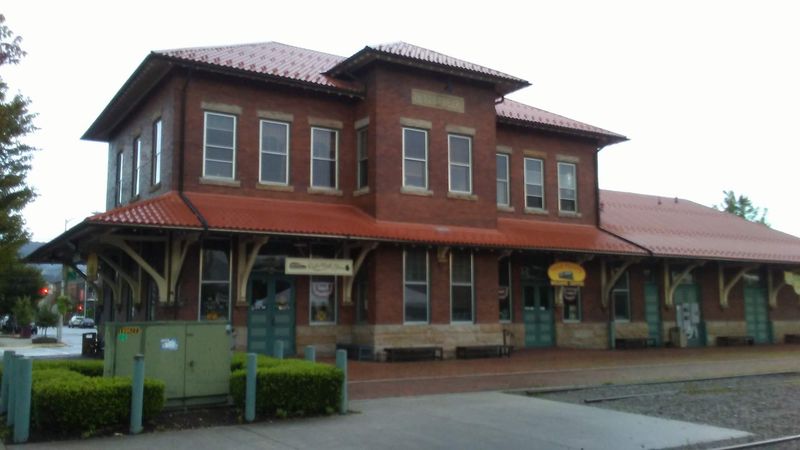
Train rides through the Allegheny Mountains are not something most travelers expect to find on a modern itinerary, but Elkins makes them a centerpiece attraction. The Durbin and Greenbrier Valley Railroad operates scenic excursions like the New Tygart Flyer, a vintage diesel train that climbs along the Shavers Fork of the Cheat River toward the High Falls of Cheat, an 18-foot-high, 150-foot-wide waterfall that rewards the journey.
The Augusta Heritage Center at Davis and Elkins College preserves traditional Appalachian music, dance, and craft through workshops and festivals that draw participants from around the country. The Mountain State Forest Festival, held each fall, celebrates the region’s forestry heritage with parades, competitions, and community events that have run for decades.
Gateway access to the Monongahela National Forest puts nearly a million acres of hiking, fishing, and mountain biking territory within easy reach. Elkins manages to feel both historic and genuinely active, a combination that keeps visitors coming back.
6. Marlinton, West Virginia
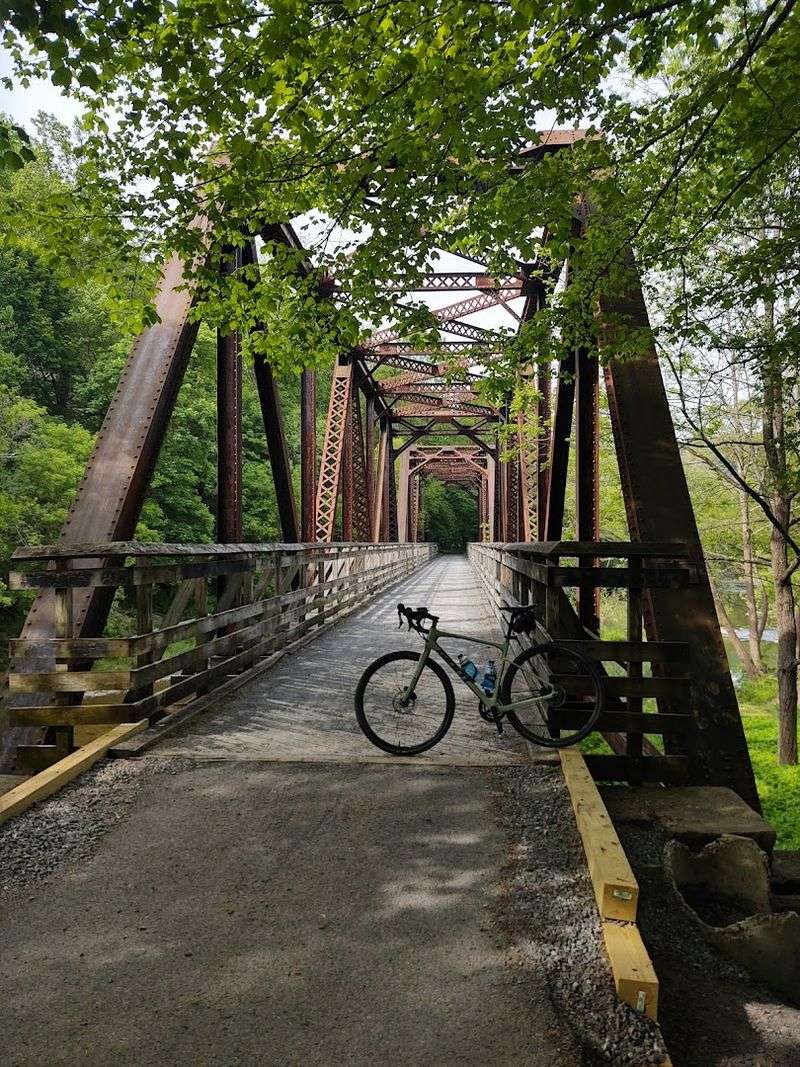
The Greenbrier River Trail starts near Marlinton, and that single fact explains why so many cyclists and hikers make this quiet town their base camp. The trail runs 78 miles along a former railroad grade, crossing 35 bridges and passing through two tunnels on its way through some of the most remote scenery in the state.
Marlinton also sits at the edge of the Cranberry Wilderness, a nearly 58,000-acre section of the Monongahela National Forest where backpackers can spend days without seeing another soul. The Highland Scenic Highway, a 43-mile National Scenic Byway, begins nearby and climbs to nearly 4,500 feet with overlooks that stretch across ridge after ridge of unbroken forest.
The town itself is small and unpretentious, with just enough amenities to keep travelers comfortable. Pioneer Days celebrates local history each year, and the famously quirky Roadkill Cookoff Festival puts Marlinton on a very specific kind of national map.
7. Berkeley Springs, West Virginia
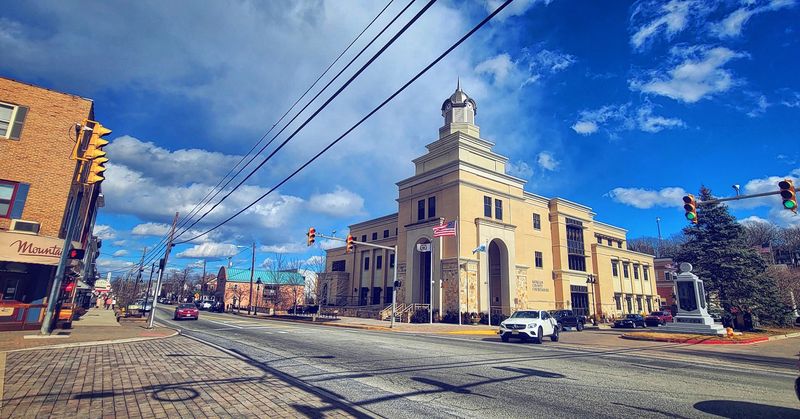
George Washington visited Berkeley Springs to soak in the warm mineral springs, which means this town has been on the must-visit list for a very long time. Berkeley Springs State Park sits right in the center of town, offering Roman baths, historic bathhouses, and the famous stone-lined spring known as George Washington’s Bathtub.
The downtown wraps around the park with independent shops, art galleries, and the Ice House arts center, which hosts rotating exhibits and community events throughout the year. Cacapon State Park, just a short drive away, adds over 6,000 acres of forested land with hiking trails, fishing, horseback riding, and an 18-hole golf course.
Annual events like the Apple Butter Festival and the International Water Tasting Festival bring visitors from well beyond the region. Berkeley Springs has a relaxed confidence about it, a town that knows exactly what it offers and delivers it consistently without a lot of fanfare.
8. White Sulphur Springs, West Virginia
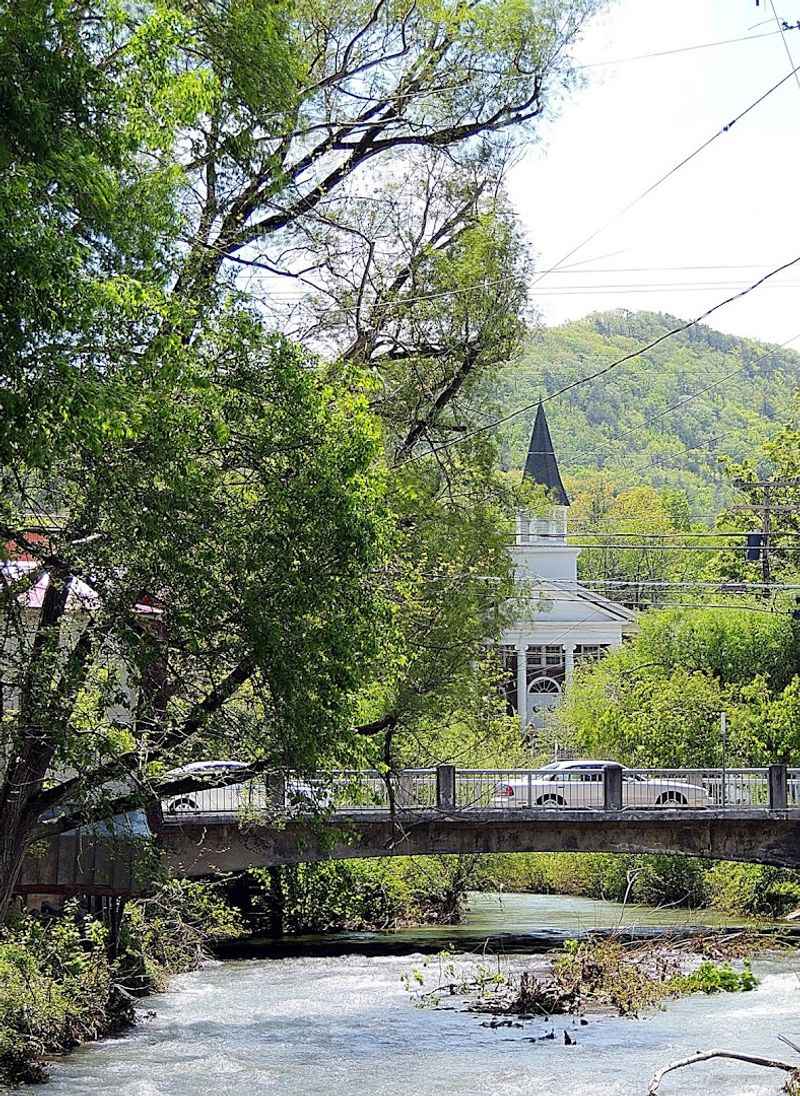
Most people know White Sulphur Springs as the address of The Greenbrier, one of the most storied luxury resorts in American history. What fewer people know is that the resort once concealed a classified Cold War bunker beneath its grounds, built to shelter members of Congress in the event of a nuclear emergency and kept secret for decades before being declassified in the 1990s.
The Greenbrier has hosted U.S. presidents, international dignitaries, and celebrity guests since the early 1800s, when wealthy Southerners first flocked to the area for its sulphur springs. The surrounding Greenbrier Valley offers scenic drives, hiking trails, and a relaxed pace that suits travelers who want a bit of mountain air without a strenuous itinerary.
White Sulphur Springs holds its own annual Dandelion Festival, a community celebration that reflects the town’s friendly, unpretentious spirit. The combination of world-class resort history and accessible mountain scenery makes this a destination worth the detour.
9. Hinton, West Virginia
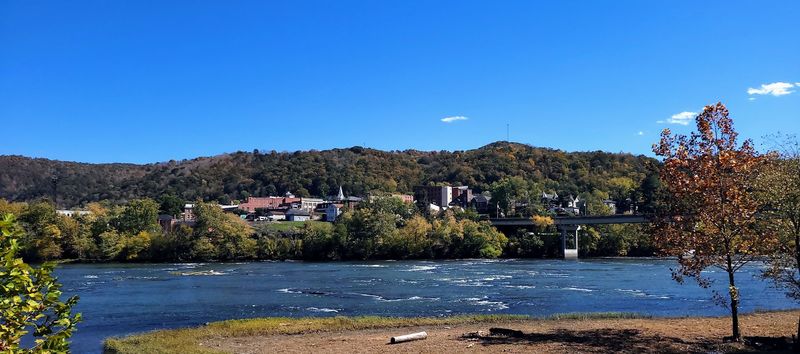
The Chesapeake and Ohio Railway put Hinton on the map in the 1870s, and the town has been making the most of its geography ever since. Set at the confluence of the New and Greenbrier rivers, Hinton offers a historic district with approximately 200 protected buildings, the majority dating from the late 1800s and early 1900s.
The Summers County Courthouse, completed in 1898, anchors the architectural heritage of downtown, while the Hinton Railroad Museum preserves artifacts and photographs from the town’s railroad era. Annual events like Railroad Days and the Festival of the Rivers keep that history connected to the present in a way that feels genuinely celebratory rather than merely nostalgic.
Proximity to New River Gorge National Park makes Hinton a practical base for paddlers, anglers, and photographers exploring southern West Virginia. Bluestone State Park and Pipestem Resort State Park are both nearby, expanding the outdoor options considerably for visitors who plan to stay more than a day.
10. Parsons, West Virginia
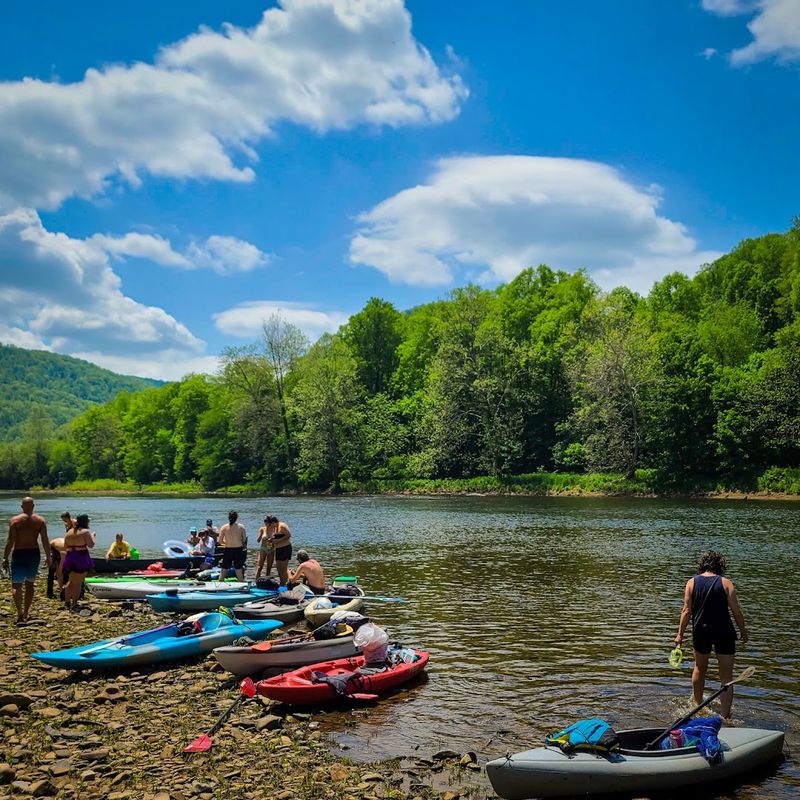
Parsons became the Tucker County seat in 1893, and the town has spent the years since quietly building a reputation as one of the better kept secrets in West Virginia’s outdoor recreation scene. The Shavers Fork and Black Fork rivers merge here to form the Cheat River, creating a water corridor that supports rafting, kayaking, tubing, and stand-up paddleboarding across multiple skill levels.
The Allegheny Highlands Trail passes directly through town, offering a 26-mile route for hikers and cyclists that connects Parsons to the broader trail network of the region. Mill Race Park and River City Park provide recreational options right in town, from walking paths to basketball courts and a skate park.
The International Pickin’ in Parsons Bluegrass Festival draws music fans each year as the second-largest bluegrass event in the state. The Otter Creek Wilderness Area sits less than 15 minutes away, giving backcountry hikers access to one of the most pristine corners of the Monongahela National Forest.
11. Richwood, West Virginia
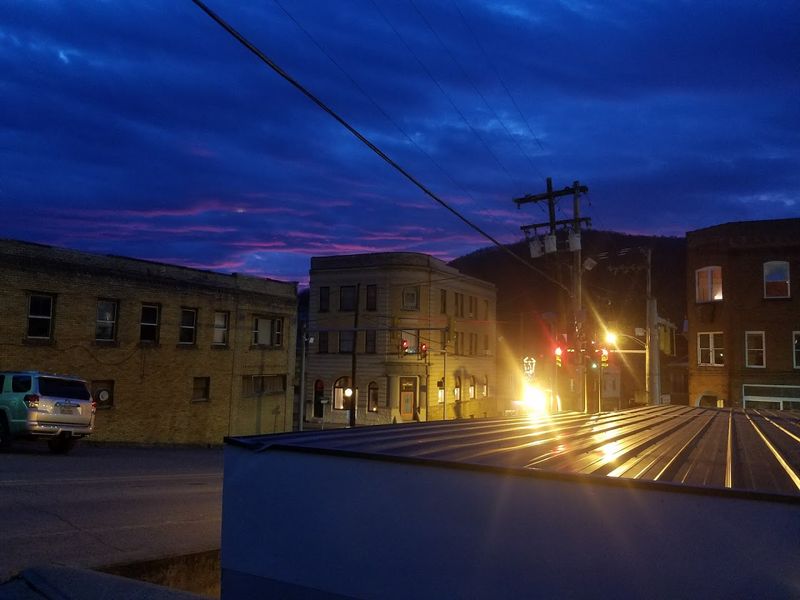
Richwood holds an official distinction that most travelers overlook entirely: it is the designated starting point of the Highland Scenic Highway, a 43-mile National Scenic Byway that climbs through the Monongahela National Forest to nearly 4,500 feet, delivering overlook after overlook of unbroken ridge and forest. That alone makes it worth finding on a map.
The Cranberry Wilderness, nearly 58,000 acres of roadless backcountry, begins just outside town and draws serious backpackers who want genuine solitude. The Cranberry Glades Botanical Area, accessible by boardwalk, features a rare boreal bog ecosystem where carnivorous plants grow in a high mountain setting that feels more like Canada than West Virginia.
Three of the state’s tallest waterfalls are accessible via the Falls of Hills Creek trail nearby. The Cranberry Tri-Rivers Rail Trail adds 16 miles of hiking and biking through scenic river valleys, and local spots like Oddfellers’ Fine Foods keep the downtown end of the experience equally rewarding.
12. Bramwell, West Virginia
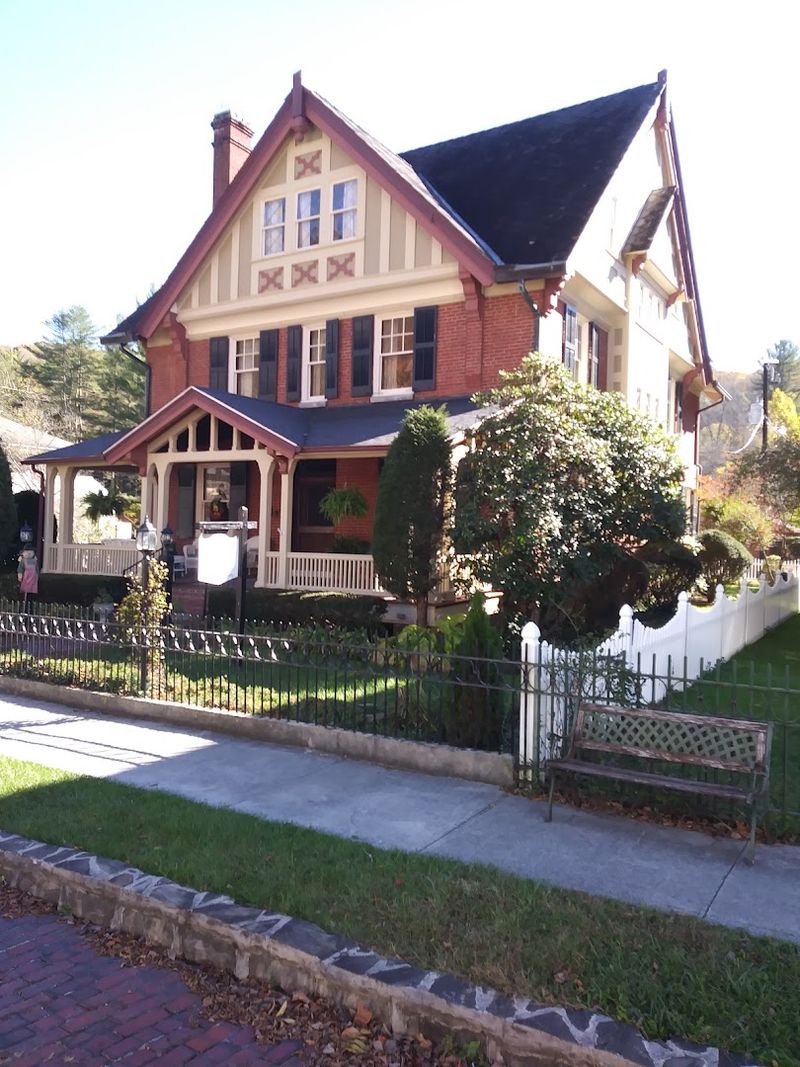
Bramwell once had more millionaires per capita than any other town in the United States, a claim rooted in the coal boom of the late 1800s that funded the stately Victorian mansions still lining its tree-shaded streets today. Guided tours, sometimes led by costumed interpreters, bring that gilded era back to life with stories that are equal parts impressive and surprising.
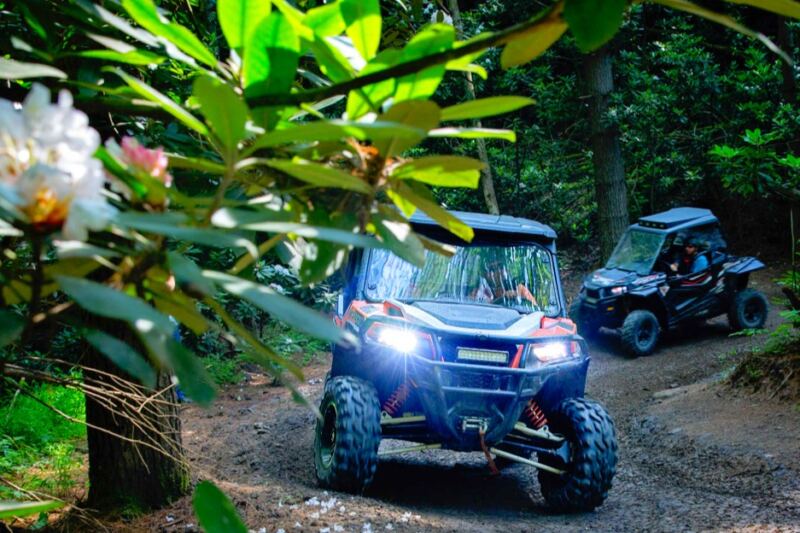
The Coal Heritage Trail Interpretive Center, housed in a replica of the original Bramwell Train Depot, organizes the town’s history through exhibits and artifacts that trace the rise and eventual shift of the regional coal economy. For visitors who prefer engines over history lessons, Bramwell serves as the trailhead for the Hatfield-McCoy Trail System, an extensive network of ATV and off-highway vehicle routes through the surrounding mountains.
Pinnacle Rock State Park adds a 3,100-foot sandstone formation to the outdoor lineup, with hiking and fishing available on-site. The Corner Shop, a historic soda fountain serving milkshakes and classic diner fare, provides the ideal ending to a day of exploring.
13. Harpers Ferry, West Virginia
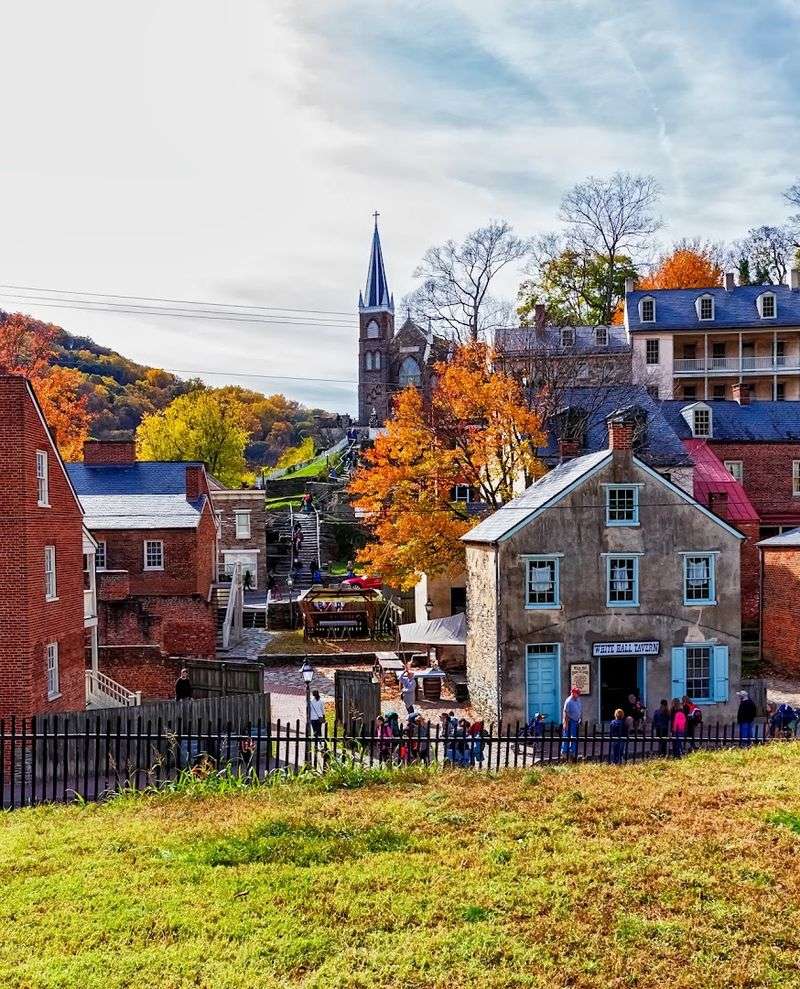
Two rivers, two states, and centuries of American history converge at Harpers Ferry, making it one of the most layered destinations in the entire Mid-Atlantic region. The town sits at the meeting point of the Potomac and Shenandoah rivers, framed by mountain ridges on every side and preserved largely within Harpers Ferry National Historical Park.
Cobblestone streets lead past 19th-century buildings that once witnessed John Brown’s famous 1859 raid on the federal armory, an event that accelerated national tensions before the Civil War. The park interprets that history through period-dressed shops, industrial ruins, and walking tours that move through multiple eras without losing the thread of the story.
The Appalachian Trail passes directly through town, making Harpers Ferry a celebrated waypoint for thru-hikers completing the 2,190-mile route. Tubing and kayaking on the rivers add a recreational dimension, and the view from Jefferson Rock, where Thomas Jefferson once declared the scenery worth crossing the Atlantic to see, remains completely worth the short climb.
Share this story