 Unearth The Voyage
If you grew up timing your life by TV listings and the whirr of a rewinding tape, this list will feel like opening a time capsule. These weren’t just objects; they were rituals, frustrations, and tiny freedoms that shaped everyday life.
You will probably smell the photo lab chemicals and hear the click of a busy signal as you read. Let’s revisit the stuff Gen X carried, queued for, and quietly mastered before it all slipped into history.
1. Pay Phones
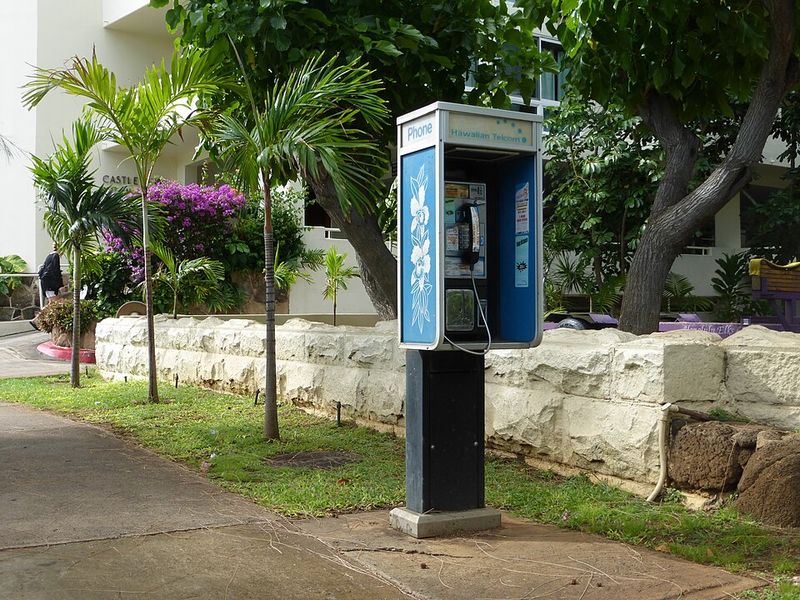
Pay phones lived at every mall entrance, bus station, and hospital lobby like steel sentinels. You memorized at least two numbers because forgetting meant fishing for quarters or begging a collect call.
A quick coin clink, a dial tone, and maybe a sticky receiver pressed to your ear, hoping no one was listening.
They were lifelines after missed buses and curfews, the meeting point before rideshares existed. In 1999, the U.S. had over 2 million pay phones; by 2018, fewer than 100,000 remained, a near vanishing act.
You learned timing too, because long-distance rates spiked at the wrong hour.
There was etiquette: hang up fast if you saw a line, shield your keypad, and always check the change slot for surprise nickels. Silence wasn’t ghosting, it was busy circuits or an empty booth.
Losing your last quarter felt like destiny rerouting your night.
2. TV Guide Magazine
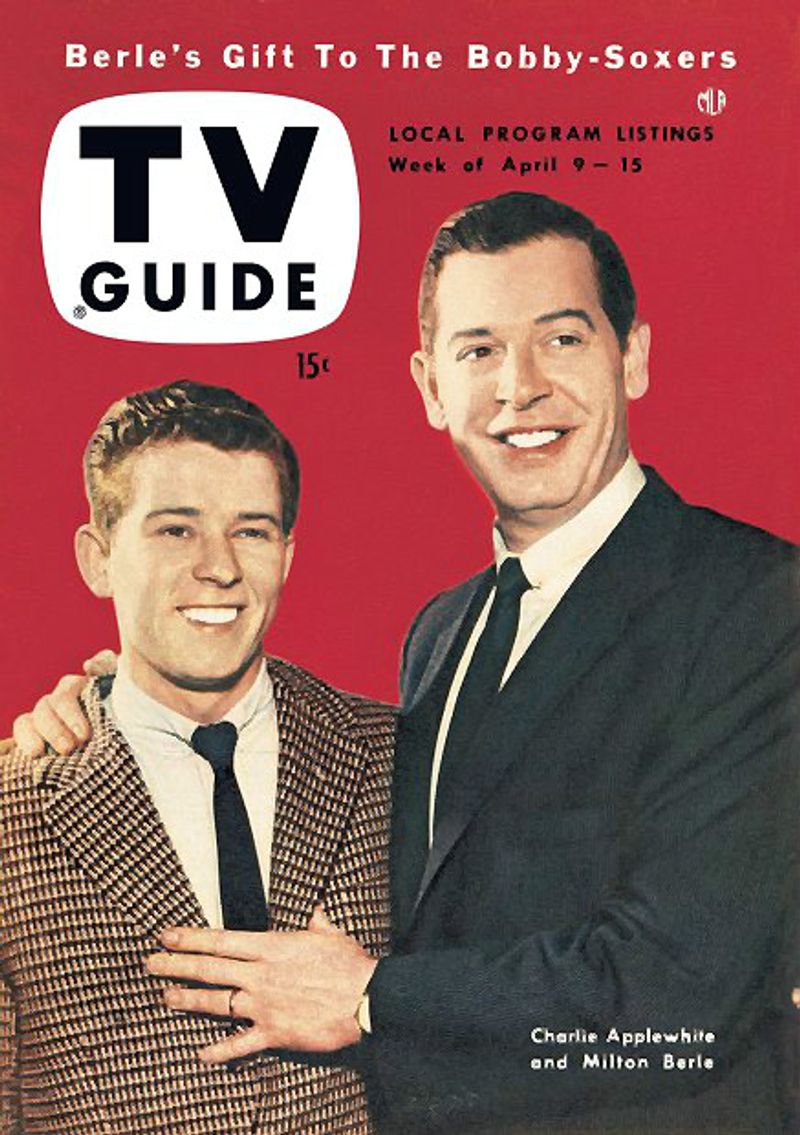
TV Guide wasn’t just a magazine, it was a household treaty. You planned weekday nights by those tiny grids, circling must-watch episodes and scribbling channel numbers along the margin.
Miss an episode, and you missed it forever unless a lucky rerun appeared months later.
The ritual was communal: one copy, many opinions, and fierce debates over VCR priorities. Before streaming metrics, TV ratings ruled culture; Seinfeld’s 1998 finale pulled about 76 million viewers.
TV Guide itself peaked with millions of subscribers, proof that scheduling was a competitive sport.
You learned abbreviations like CC and SAP, read blurbs spoiling just enough to make you anxious, and committed time slots to memory. Thursday nights felt like holidays with snacks timed to commercial breaks.
That glossy, stapled booklet taught you patience and planning, and gave shows a gravity algorithms can’t match.
3. Film Canisters
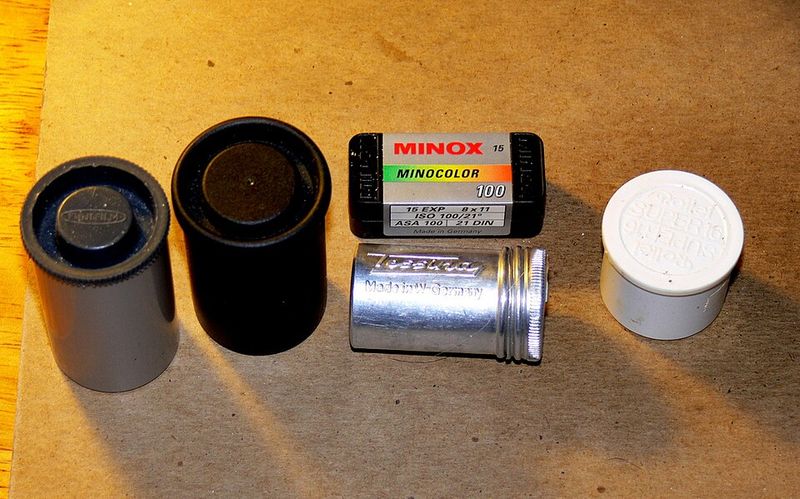
Film canisters were tiny vaults of hope, rattling in coat pockets after birthdays and field trips. You’d drop a roll at the one-hour lab, then stretch minutes into eternities by browsing disposable cameras.
Opening the envelope felt ceremonial, flipping through prints while praying red eyes and blinkers didn’t ruin the moment.
There was cost discipline: each 24-exposure roll made you compose shots carefully, no spray-and-pray. In 2000, film sales hit a peak before digital cut them down dramatically within a decade.
Even the smell of developer chemicals transported you straight to summer.
Those gray plastic tubes were repurposed for coins, seeds, and secret notes. Contact sheets taught you contrast and patience, and negatives were proof the day existed.
You learned to trust memory in the spaces between frames, because sometimes the best shot stayed unclicked.
4. VHS Rewinders
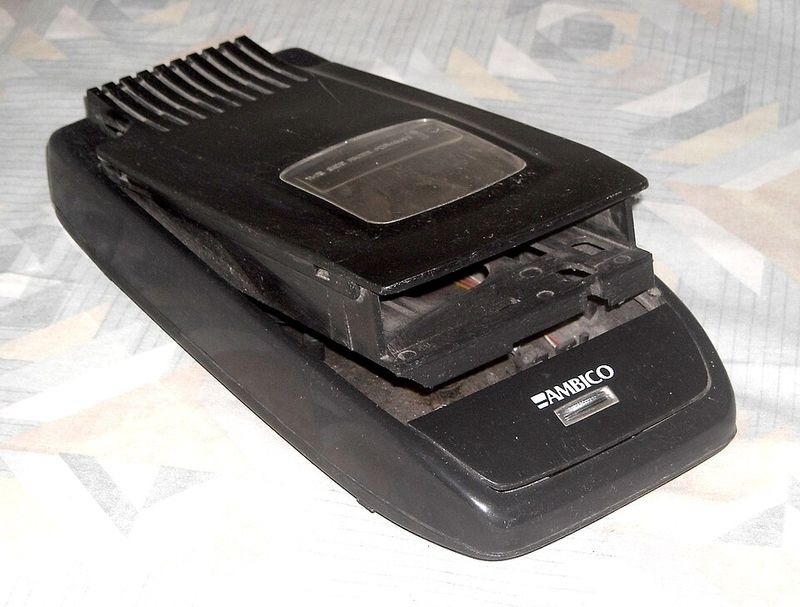
There was a whole gadget whose job was to be polite. A VHS rewinder spared your VCR’s fragile gears and kept rental clerks from slapping you with that Be Kind Rewind reminder.
You’d press the lid, hear the whirr rise, and watch the tape’s clear leader blur back to black.
It was household choreography: finish the movie, pop it into the rewinder, then listen for the satisfying click. Some were shaped like tiny sports cars, pure 90s flair.
Late fees were measurable dread; Blockbuster at its peak had over 9,000 stores worldwide, and every counter had opinions.
Rewinders saved minutes and goodwill, turning courtesy into a habit. You learned media had a direction, and respect meant returning it ready.
No menu screens, no instant replay, just magnetic tape running obediently backward to start over.
5. Cassette Pencils
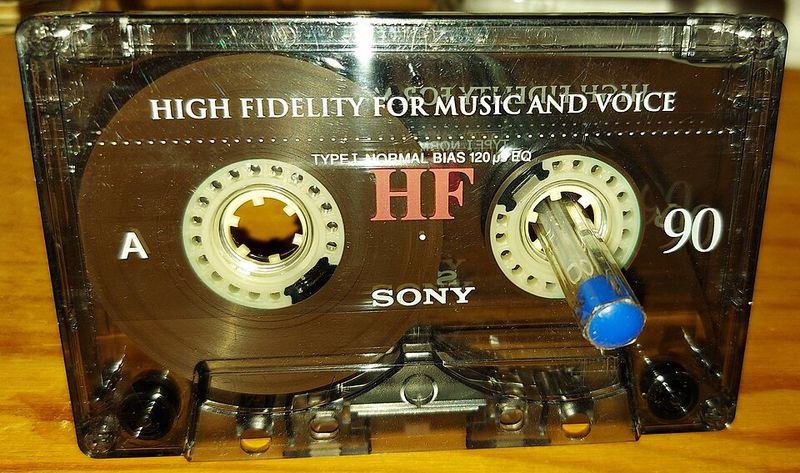
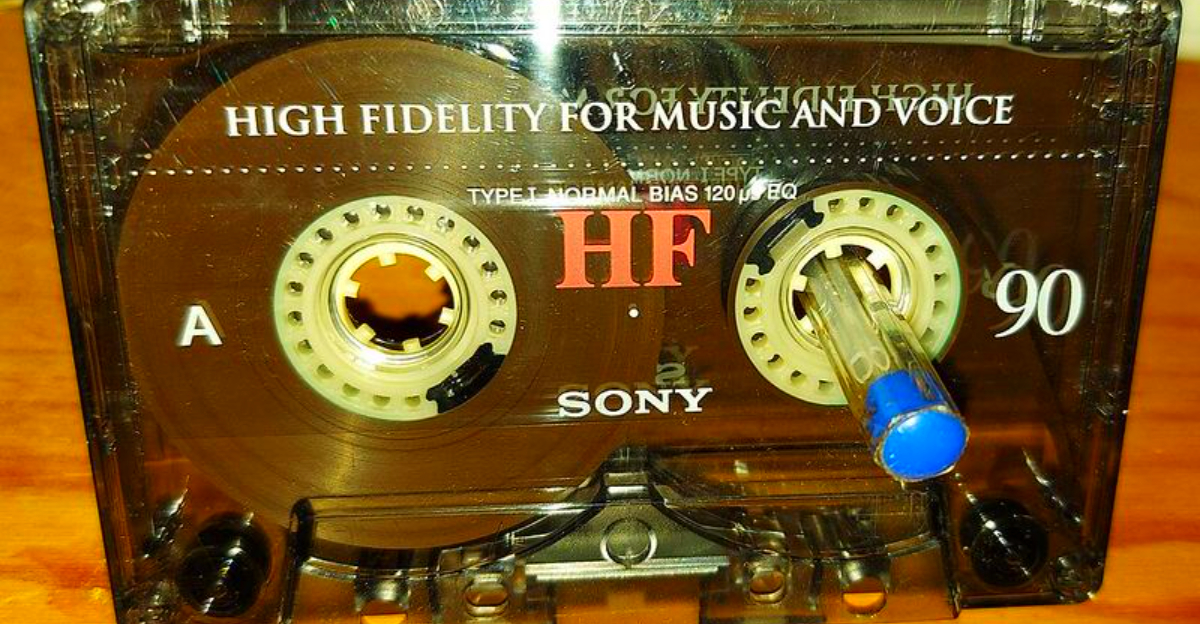
A pencil wasn’t for homework here; it was for surgery. When your favorite mixtape snarled, you’d slot the pencil through the hub and twist, coaxing brown ribbon back under the capstan’s mercy.
That quiet click-click felt like reviving a tiny creature with patience and wrist finesse.
Cassettes made commitment tactile: Side A, Side B, and a thumb hovering over Stop at the DJ’s chatter. The format boomed through the 1980s, and even saw a niche resurgence in the 2010s.
But in the heyday, a pencil was the only AAA you needed.
Everyone had tape-triage stories, from rewinding in the back seat to rescuing a friend’s recorded radio countdown. The stakes were social because mixtapes were confessions, sequenced for someone specific.
Saving a song from a tangle felt like saving face, too.
6. Encyclopedia Sets
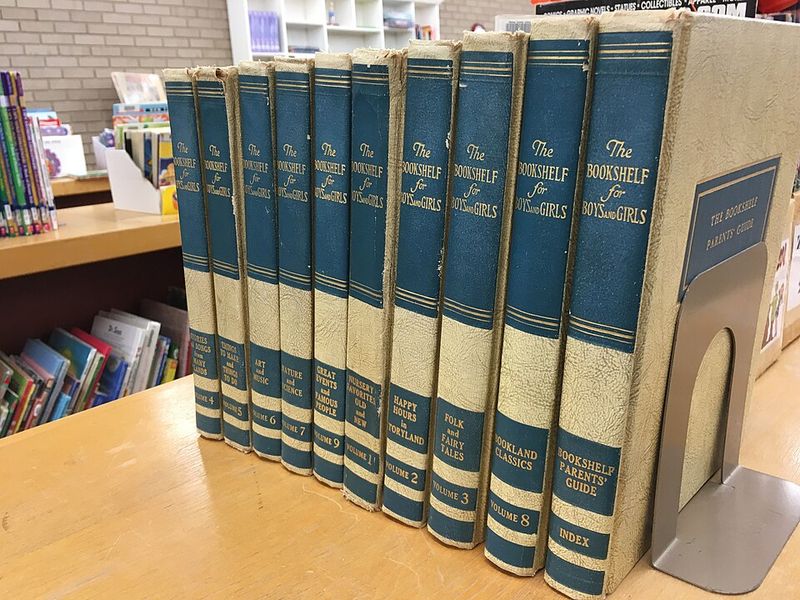
Encyclopedias occupied entire shelves, authoritative and instantly outdated. You’d start at G for geology, get distracted by gladiators, and end up copying citations onto index cards.
The annual Yearbook tried to keep pace, but facts moved faster than print could promise.
Salespeople lugged sample volumes door-to-door, offering payment plans and a future of straight-A homework. In the early 1990s, Britannica sold hundreds of thousands of sets before CD-ROMs and the web flattened demand.
Today, Wikipedia hosts millions of articles updated in real time, a different universe of access.
Yet those cloth spines taught research as a pilgrimage: footnotes, cross-references, and patience. You learned to triangulate answers with a dictionary and atlas, building trust in process.
Turning onion-thin pages created a ceremony screens can’t replicate, dust motes floating like tiny truths.
7. Busy Signals
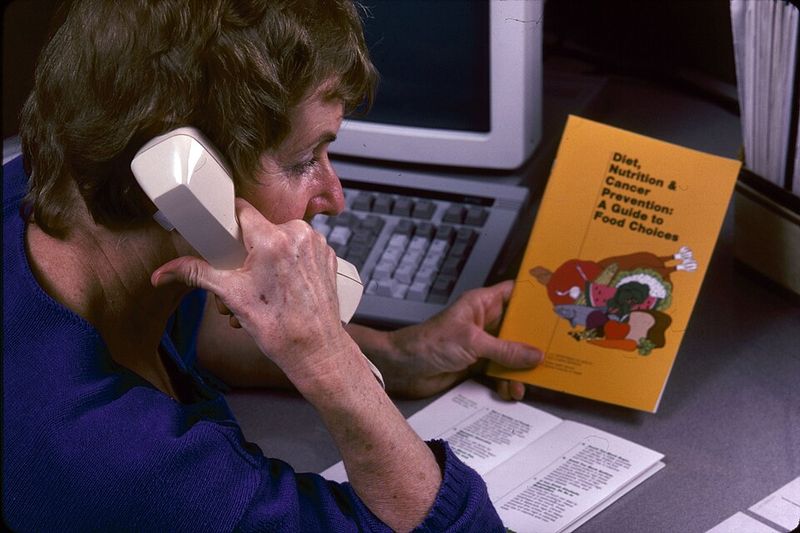
Before voicemail stacks and read receipts, you wrestled with the busy signal. That impatient beep-beep meant someone else occupied the only line, so you paced, hit redial, and bargained with fate.
Silence wasn’t ghosting, it was physics meeting copper and constraints.
Households often shared a single landline, sometimes a party line in earlier decades. Call waiting arrived as a small miracle, but not everyone paid for it.
By 2022, over 70 percent of U.S. adults were wireless-only, making the old etiquette feel like folklore.
Busy signals taught persistence and timing. You rehearsed what to say between attempts, then blurted it all when the call finally connected.
That tone stamped time, reminding you attention had to queue, and conversations were scarce resources worth fighting for.
8. Answering Machines
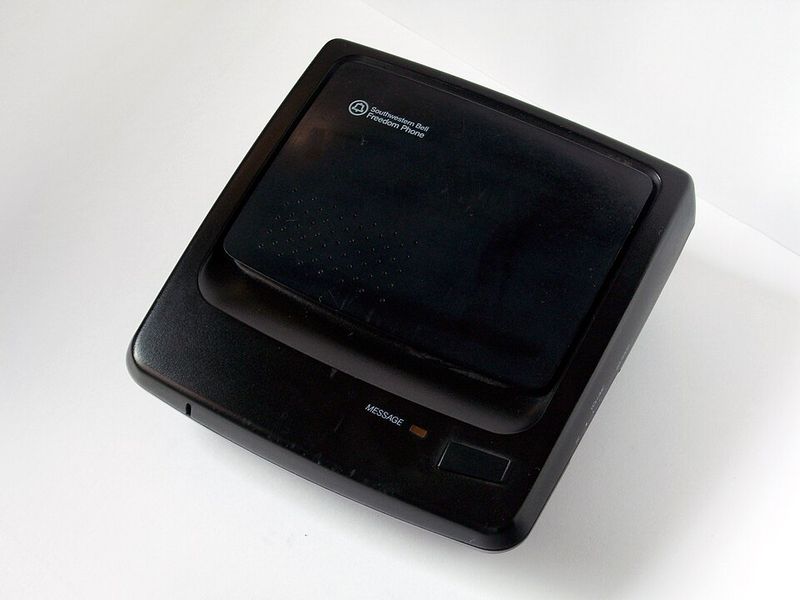
The blinking red light could thrill or terrify. You stood still while the outgoing message played, screening callers in real time like a tiny bouncer for your evening.
Microcassettes clicked as they turned, spooling fragments of lives into labeled plastic.
Messages had weight: a job callback, a breakup rehearsal, a parent checking curfew. Caller ID slowly diluted the drama, then voicemail absorbed it.
By the late 2000s, broadband and mobiles nudged the machine off the counter entirely.
Yet rituals linger: rewinding, saving, erasing with a reluctant finger. You learned tone could lie while pauses confessed everything.
That red light trained you to listen before speaking, a courtesy notifications rarely demand now.
9. Walkman Belt Clips
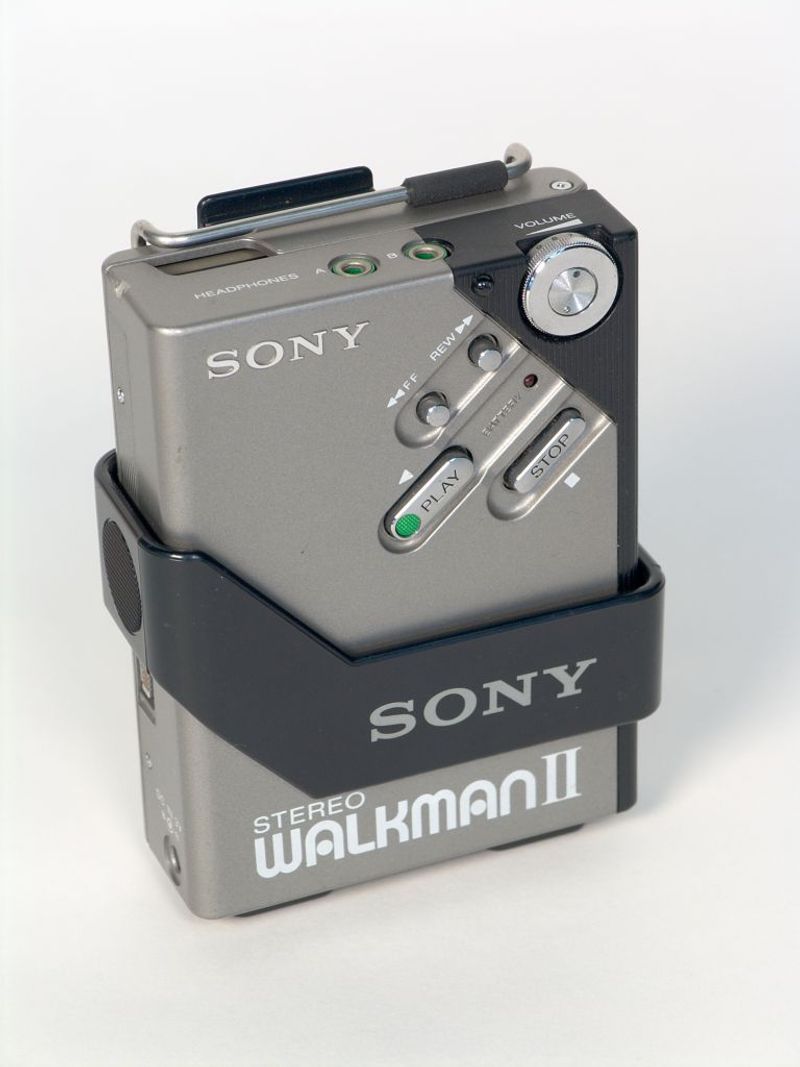
Music followed you if the batteries cooperated. A Walkman on a belt clip felt like portable sovereignty, until the tape wobbled during a sprint and you begged auto-reverse to behave.
Foam headphones leaked sound, so strangers caught choruses without asking.
You curated Side A for momentum, Side B for the walk home. AA batteries were a tax you paid gladly, often dying one track from the finish.
The Discman teased skip protection later, but cassettes forgave bumps better.
Untangling cords became a daily meditation. Mixtapes made from radio countdowns turned sidewalks into stages, and rewind buttons into replay rituals.
That plastic rectangle taught pacing, because songs had weight you carried on your hip.
10. Carbon Copy Paper
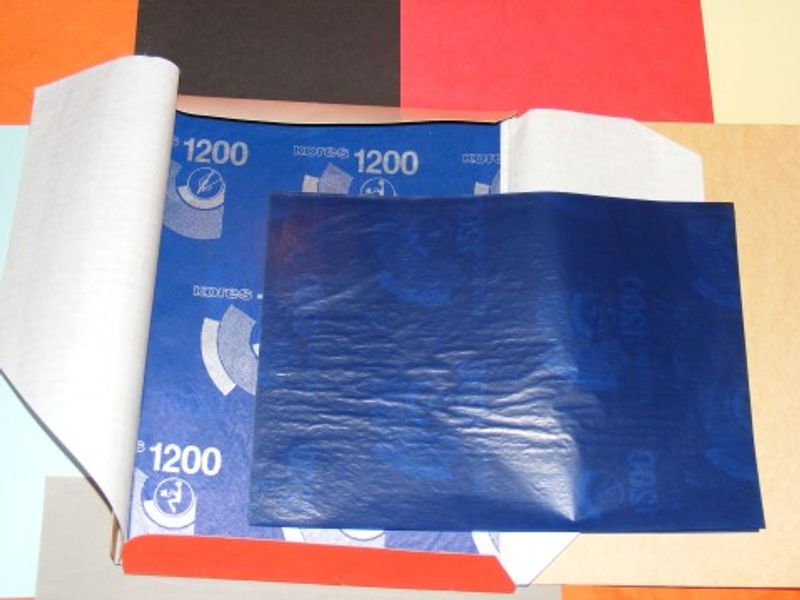
Carbon copy paper made mistakes loud and permanent. You’d stack originals with blue-black sheets between, align everything, then commit with clacking keystrokes.
One typo bled through layers like an oath you couldn’t unswear.
Offices ran on NCR forms, triplicates for deliveries, pink and yellow pages fluttering in clipboards. The arrival of affordable laser printers and email workflows reduced the ritual to niche uses.
By the 2000s, e-signatures and PDFs steamrolled most paper chains.
Still, the tactile audit trail taught responsibility. Pressure mattered, alignment mattered, and so did spelling under stress.
When you signed the top sheet, you endorsed the shadows beneath, learning that copies carry consequences.
11. Mall Record Stores
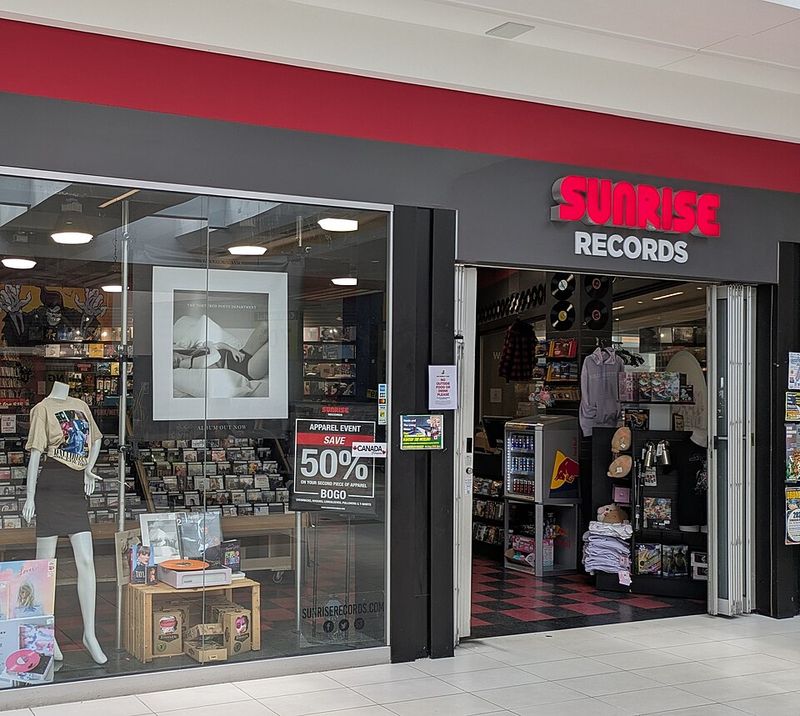
You listened before you bought. Mall record stores were temples of judgment and discovery, with clerks who raised an eyebrow that cut deeper than a bad review.
You’d sample tracks at the headphone kiosk, then commit cash to a jewel case you’d baby all bus ride home.
Retail peaked as CDs exploded; in 1999, U.S. CD sales surpassed 900 million units.
Napster and later streaming flipped the script, scattering the pilgrimage into infinite tabs. Still, nothing beats overhearing a stranger gasp at the same chorus.
Bins grouped by genre taught geography of sound. You learned to read liner notes like literature, hunting producers and guest credits.
Walking out with a bag felt like choosing a future self, track one to the exit doors.
12. Paper Maps
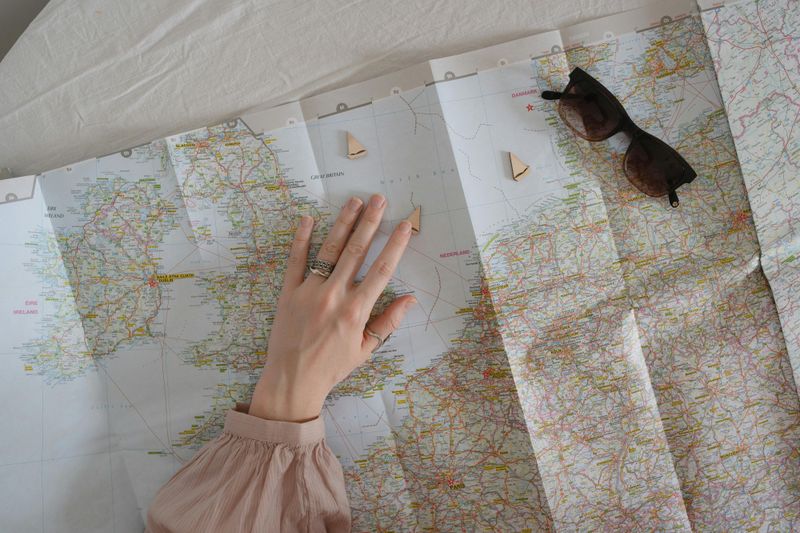
Paper maps turned the car into a strategy room. You’d unfold an atlas across your knees, argue over exits, then refold it wrong so it never lay flat again.
Directions were a social skill, sharpened at gas stations with strangers pointing past cornfields.
TripTik booklets, mile markers, and AAA logos framed road trips before GPS voices took over. Today, smartphone navigation reduces wrong turns, yet studies show over 80 percent of drivers rely on it, offloading memory to the cloud.
Maps once taught scale and consequence.
Highlighters traced ambitions while pencil notes marked best pie in town. You learned contingency plans: if the bridge is out, take County Road 6 and follow the river.
Getting lost sometimes delivered the best stories, inked along the margins.
13. Rolodexes
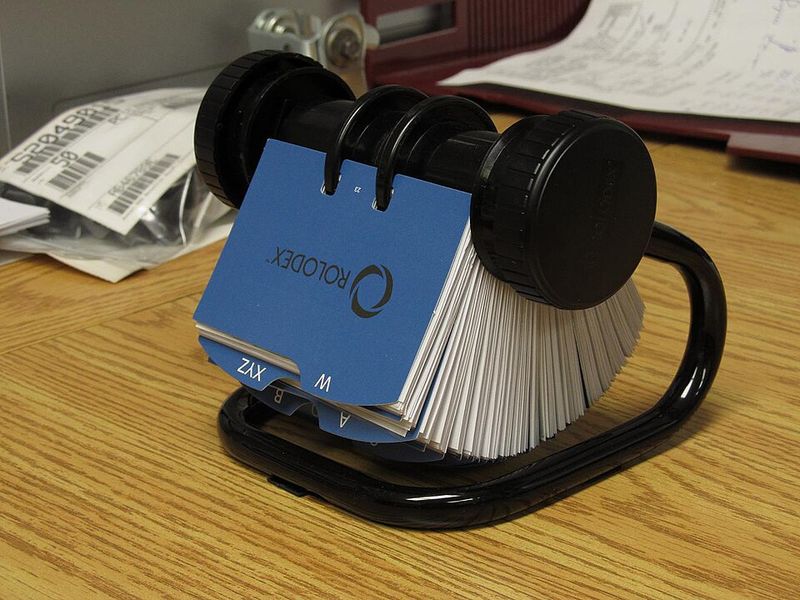
Contacts once lived on spinning plastic, alphabetized by thumb and habit. You’d flip to J, find the perfect card, and notice a coffee ring that meant you called during a storm once.
Updating a number required a new card or scribbles that mapped a relationship’s edits.
CRMs and smartphones digitized everything, searchable and backed up. By the 2010s, most offices retired the wheel, though designers still love its analog charm.
The tactile spin gave networking a rhythm, as if momentum could summon luck.
Every bent corner told provenance: a conference, a referral, a chance meeting. You learned names by hand, not autocomplete.
Losing the Rolodex felt like losing a little city of voices, block by block.



