 Unearth The Voyage
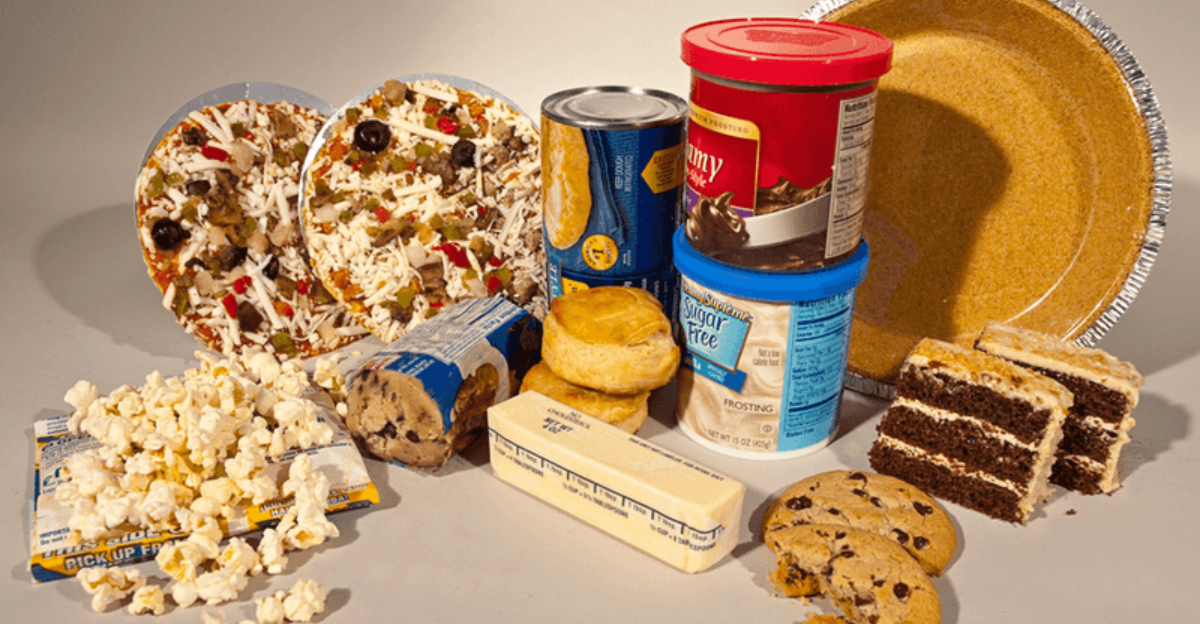
Some things that seem totally ordinary today were once considered so dangerous, disruptive, or just plain wrong that entire governments decided to outlaw them. From snacks to clothing to road behavior, bans can pop up in the most unexpected places.
History is full of examples where something once perfectly acceptable crossed a line and became illegal almost overnight. Here are 13 things that used to be completely normal until someone, somewhere, decided enough was enough.
1. Chewing Gum in Singapore
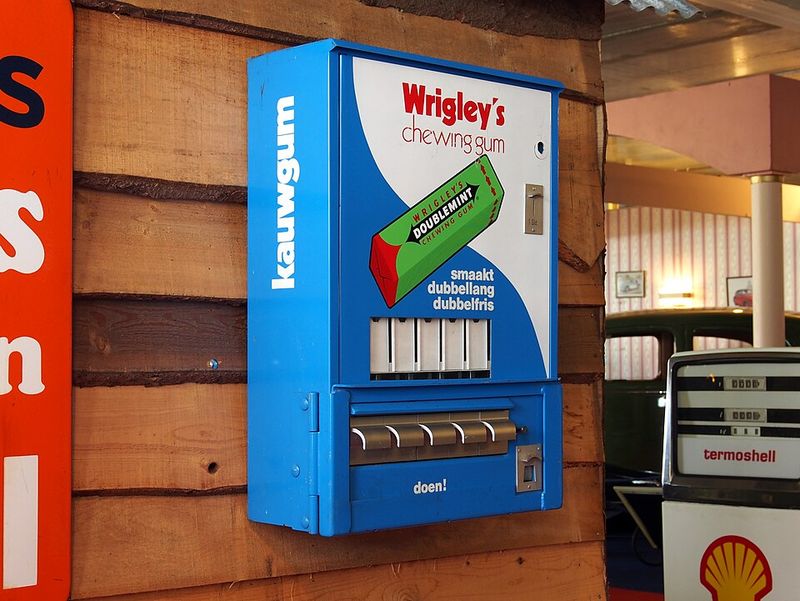
Walk through the spotless streets of Singapore and you will quickly notice something missing: nobody is chewing gum. Back in 1992, the government banned the sale of chewing gum entirely, fed up with gum stuck to subway doors, sidewalks, and public property.
The cleanup costs were enormous, and officials decided a ban was the cleanest solution.
For years, even bringing gum into the country could land you in serious trouble. The rules relaxed slightly in 2004, allowing gum sold for medical or dental purposes with a doctor’s prescription.
So if you have a nicotine patch disguised as gum, you might be okay.
Most visitors find this rule surprising at first, but Singaporeans have largely embraced it as part of keeping their city one of the cleanest in the world. Sometimes a small ban makes a surprisingly big difference.
2. Baby Walkers in Canada

Baby walkers seemed like a brilliant invention at first. Parents loved the idea of giving their little ones a way to move around independently before they could walk on their own.
For decades, these wheeled seats were a staple in homes across North America, and nobody thought twice about them.
Canada changed that in 2004 by becoming the first country to fully ban the sale, import, and advertisement of baby walkers. The reason was straightforward and alarming: walkers allowed babies to move fast enough to reach staircases before a parent could react, leading to thousands of head injuries every year.
Health Canada found that walkers actually delayed normal motor development rather than helping it. Safer alternatives like stationary activity centers became popular replacements.
The ban remains firmly in place today, and breaking it can result in fines up to $100,000.
3. Selfie Sticks at Disney Parks and Museums
At one point, selfie sticks were everywhere. Tourists loved them because they made it easy to capture wide-angle photos without asking strangers for help.
They became one of the most popular travel accessories of the early 2010s, sold at every airport gift shop and tourist trap imaginable.
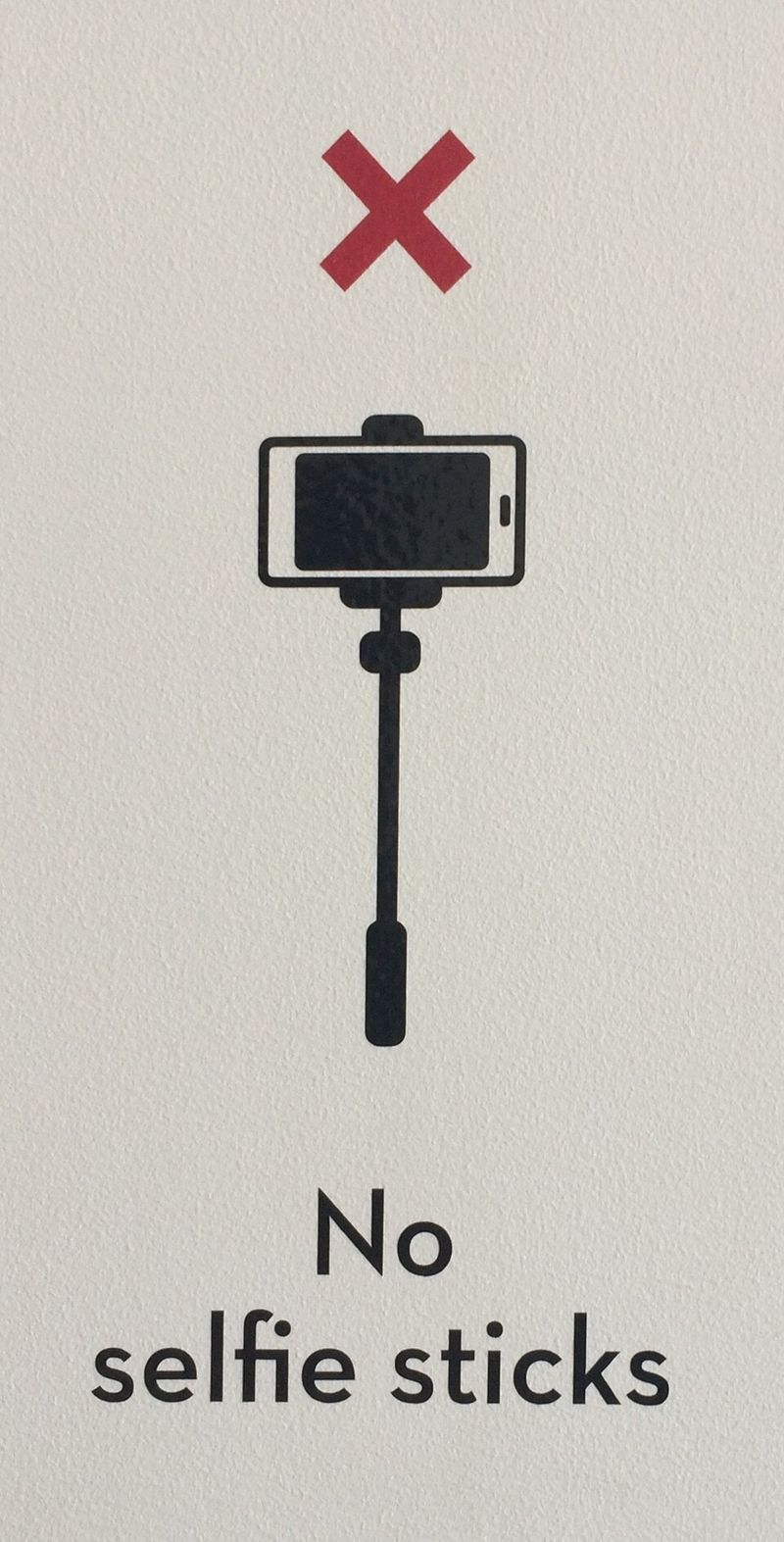
Then came the bans. Disney parks prohibited selfie sticks in 2015, citing safety concerns after several incidents where guests pulled them out mid-ride.
Major museums, concerts, and sporting events quickly followed with their own restrictions. The Smithsonian, the Louvre, and even the Coachella music festival added selfie sticks to their banned items list.
The problem was not just safety. In crowded spaces, extended poles blocked other visitors’ views and risked damaging priceless artwork.
Most people adapted without much complaint, switching to wide-angle phone lenses instead. The selfie stick went from must-have to mostly unwelcome in just a few short years.
4. Blue Jeans in North Korea
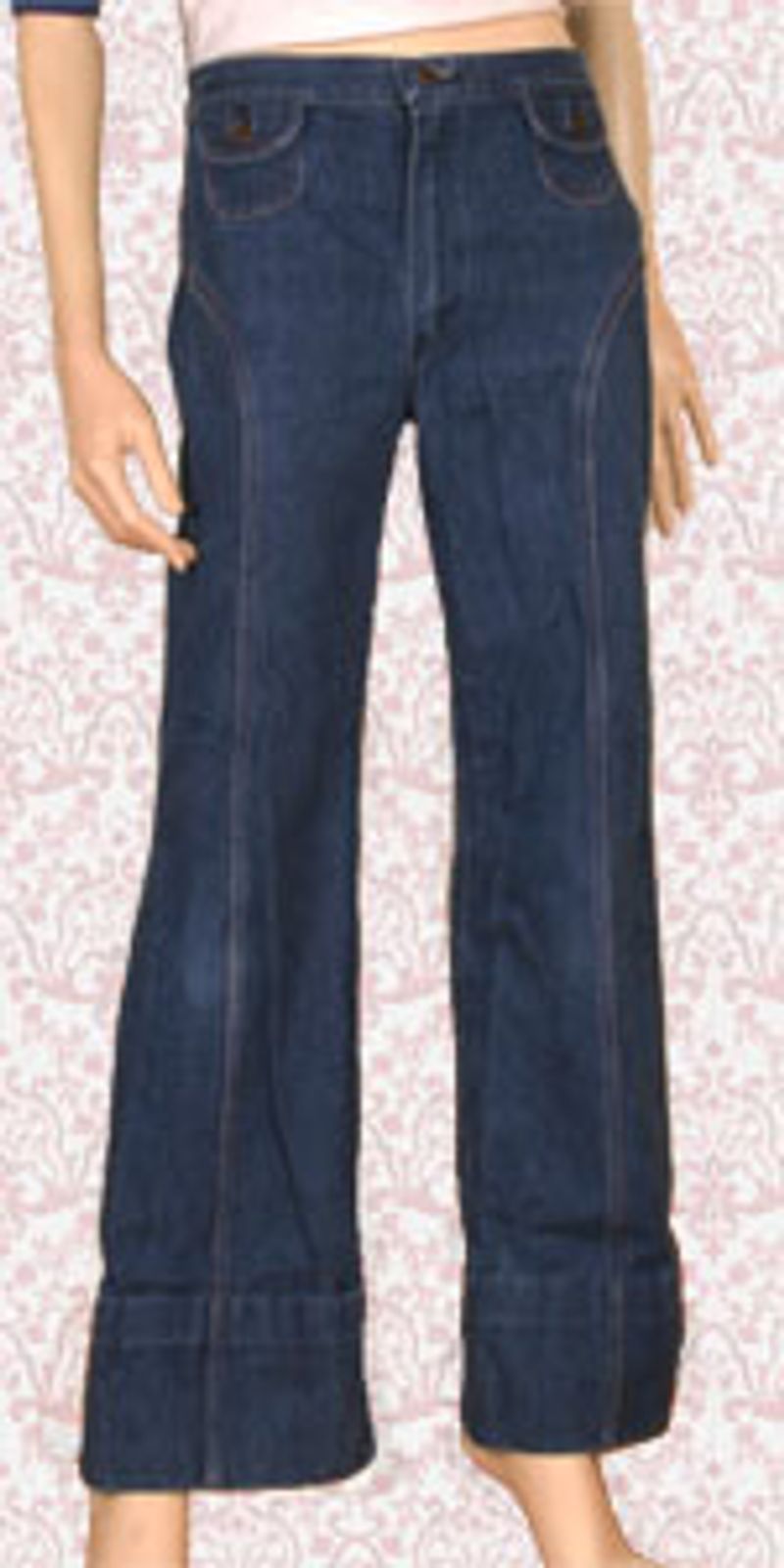
Blue jeans are so common in most parts of the world that it is hard to imagine them being controversial. In North Korea, however, denim is treated as a political statement.
The government views blue jeans as a direct symbol of American culture and Western influence, making them officially unwelcome in the country.
Citizens caught wearing blue jeans can face fines, public reprimands, or worse. The government prefers that people wear locally approved clothing that does not carry foreign cultural meaning.
Black jeans are sometimes tolerated, but the classic indigo blue is a firm no.
This restriction is part of a broader set of rules controlling what North Koreans can wear, watch, and listen to. Outside influence is tightly managed by the state.
For most people around the world, throwing on a pair of jeans is effortless. Inside North Korea, that same simple act carries real risk.
5. Plastic Bags in Rwanda
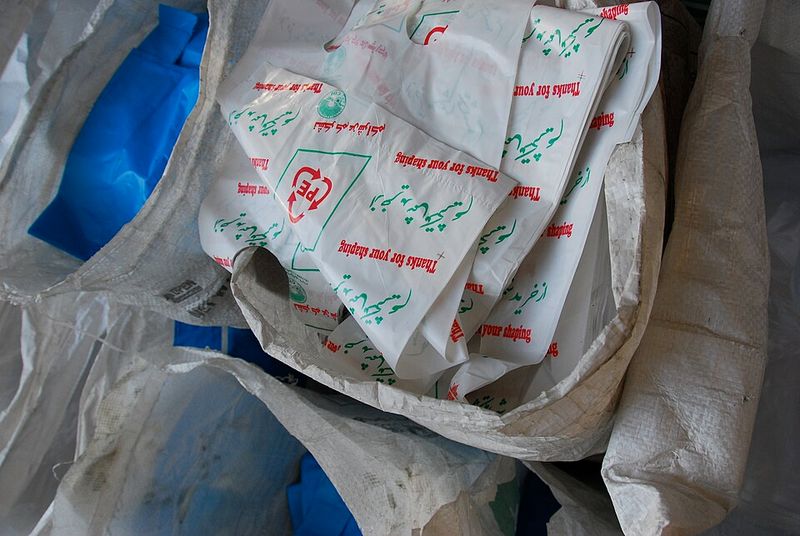
Rwanda made headlines when it enforced one of the world’s strictest plastic bag bans starting in 2008. Travelers arriving at the airport had plastic bags confiscated at customs.
Shops stopped using them. Citizens who were caught with non-biodegradable bags faced fines and even arrest.
The government was not joking around.
The motivation came from serious environmental damage. Plastic bags were clogging drainage systems, killing livestock that accidentally ate them, and polluting the country’s beautiful landscape.
President Paul Kagame made clean streets and environmental protection a national priority, and the plastic bag became an early target.
Today, Rwanda is often held up as a global model for environmental policy. Kigali, the capital, is consistently ranked among the cleanest cities in Africa.
Visitors are genuinely surprised by how tidy everything looks. What started as a controversial crackdown has become a source of national pride and international admiration.
6. Owning a Single Guinea Pig in Switzerland

Switzerland takes animal welfare seriously enough to write companion requirements right into the law. Owning just one guinea pig is actually illegal there.
The reasoning is rooted in animal behavior science: guinea pigs are highly social creatures that experience stress, anxiety, and even depression when kept alone. Solitude is genuinely harmful to them.
The Swiss law requires that social animals, including guinea pigs, parrots, and goldfish, be kept in pairs or groups. This was not always enforced strictly, but awareness campaigns have made it a well-known rule among Swiss pet owners.
The country also has regulations covering how much space animals need and how they must be treated.
Animal rights advocates worldwide have praised Switzerland’s approach as ahead of its time. The idea that loneliness counts as a form of animal suffering was once considered unusual but is now supported by research.
Owning one guinea pig there is not just frowned upon; it is against the law.
7. Running Out of Fuel on the Autobahn in Germany
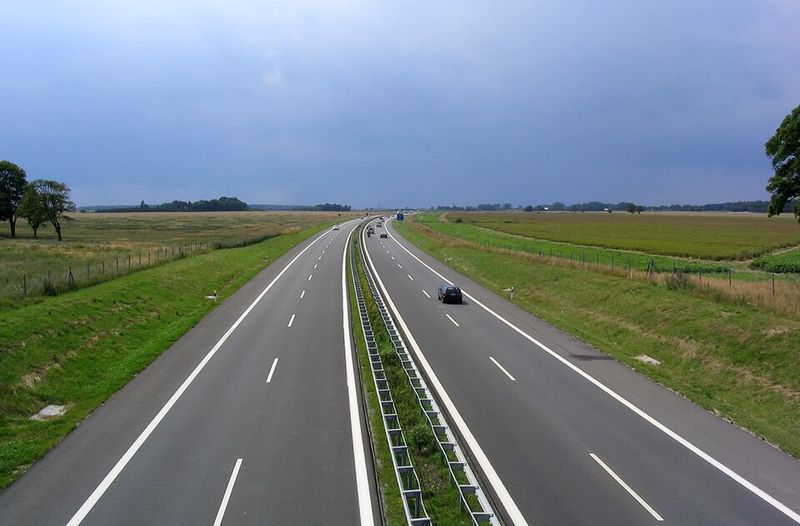
Germany’s Autobahn is famous for its stretches with no speed limit, where cars regularly travel well over 100 miles per hour. In that environment, a stalled vehicle is not just an inconvenience; it is a genuine danger to every driver behind it.
That is why running out of gas on the Autobahn is considered an illegal act of negligence.
The logic behind the law is that drivers are responsible for ensuring their vehicle is roadworthy before entering a high-speed highway. Checking your fuel level is part of that responsibility.
If you run dry and cause an accident, you can be held legally liable for the consequences.
Fines can be significant, and your license may be at risk depending on the outcome. German driving culture treats road safety as a shared obligation, not just a personal concern.
Stopping unnecessarily on the Autobahn, for any avoidable reason, is taken very seriously by authorities and fellow drivers alike.
8. Wearing Camouflage Clothing in Caribbean Countries
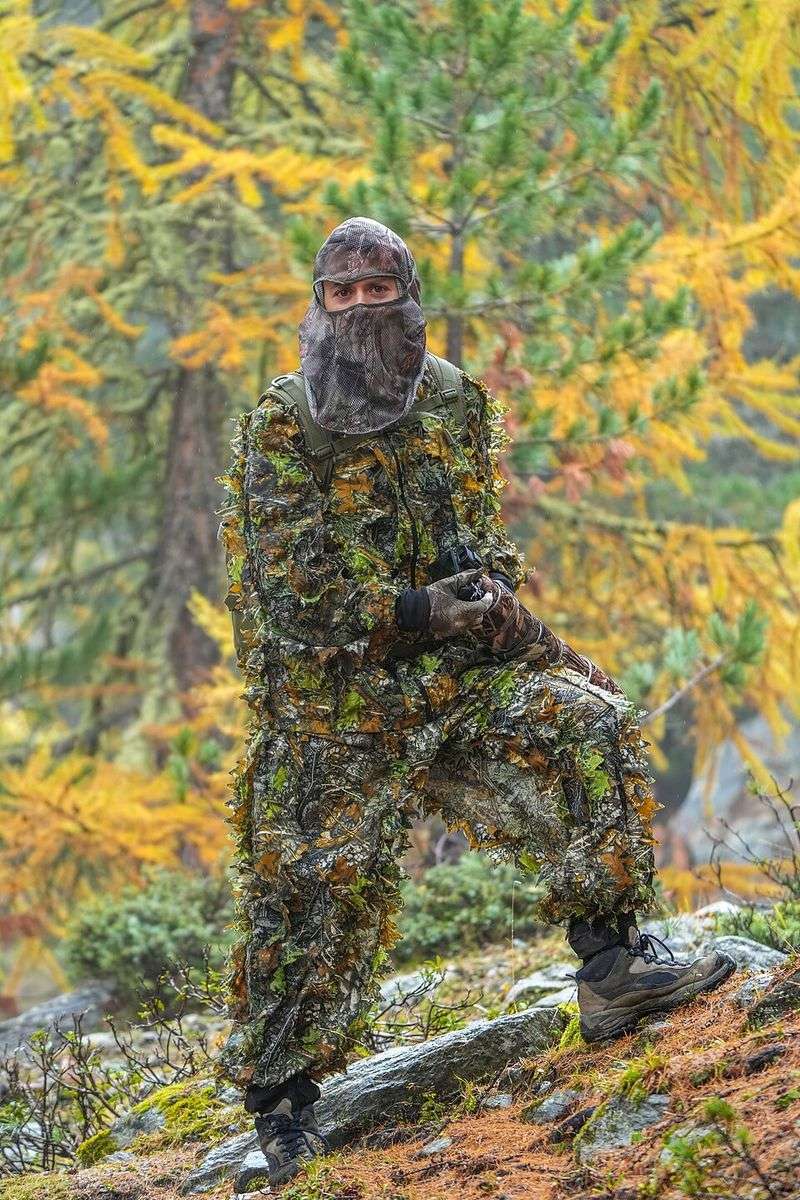
Packing a camouflage shirt for a Caribbean vacation might seem harmless, but in several island nations it could get you into real trouble. Countries including Barbados, Jamaica, Trinidad and Tobago, and St. Lucia have laws that reserve camouflage patterns exclusively for military and police personnel.
Civilians wearing it can be stopped, questioned, and fined.
The rules stem from concerns about distinguishing civilians from armed forces, especially in regions that have experienced political unrest or military coups. Authorities want no confusion about who is and who is not a member of the security forces.
Even children’s clothing with camouflage print has caused problems for tourists who did not know the rules.
Travel advisories from several countries now include warnings about this specific restriction. It is one of those rules that catches visitors completely off guard because camouflage clothing is sold freely in almost every other part of the world.
A quick check before packing can save you a very awkward arrival experience.
9. Burials in Longyearbyen, Norway
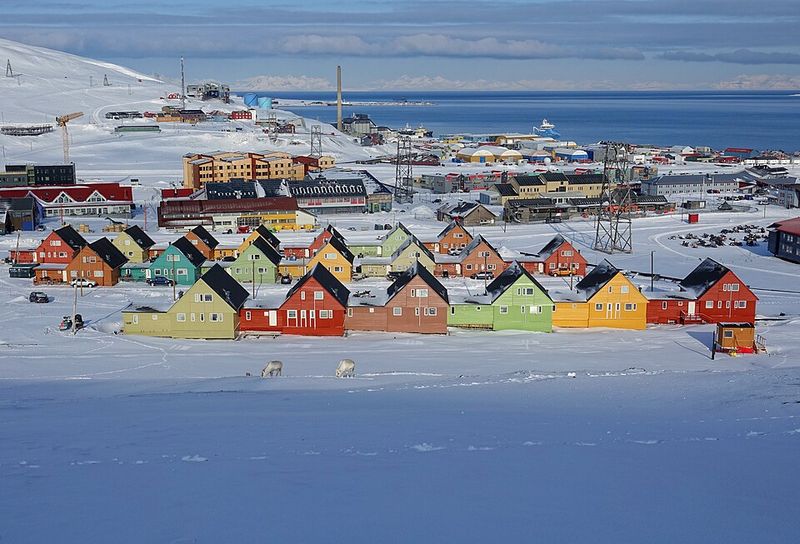
Longyearbyen is the largest settlement on Svalbard, a Norwegian archipelago deep in the Arctic Circle. It is one of the most unusual places on Earth for many reasons, but perhaps the strangest rule is this: you cannot be buried there.
The town stopped allowing new burials back in 1950, and the reason is both scientific and slightly unsettling.
The permafrost that covers the ground is so cold that bodies simply do not decompose. Researchers discovered that corpses buried decades earlier were still largely intact, which created health concerns, particularly after scientists found preserved influenza virus in remains from the 1918 pandemic.
The risk of ancient pathogens re-emerging was too serious to ignore.
Today, residents who are terminally ill or elderly are typically flown to mainland Norway for their final days. It is a strange reality of life in one of the world’s most remote communities.
Even death has logistical complications when you live at the edge of the Arctic.
10. Kinder Surprise Eggs in the United States

For years, the Kinder Surprise egg was one of those treats that American kids heard about but could never actually have. The iconic chocolate egg with a tiny toy hidden inside was banned in the United States under a 1938 law that prohibits embedding non-food items inside food products.
The concern was that children could choke on the small toy hidden within the chocolate shell.
U.S. Customs agents were known to confiscate Kinder eggs from travelers returning from Europe, and technically importing them could result in a fine.
The ban seemed absurd to many people, given that the eggs were sold safely in countries around the world for decades without widespread incidents.
Ferrero eventually introduced the Kinder Joy in 2018 as a legal alternative for the American market. Instead of hiding the toy inside the chocolate, the egg splits in two, with candy in one half and a toy in the other.
Problem solved, more or less.
11. Smoking on Airplanes
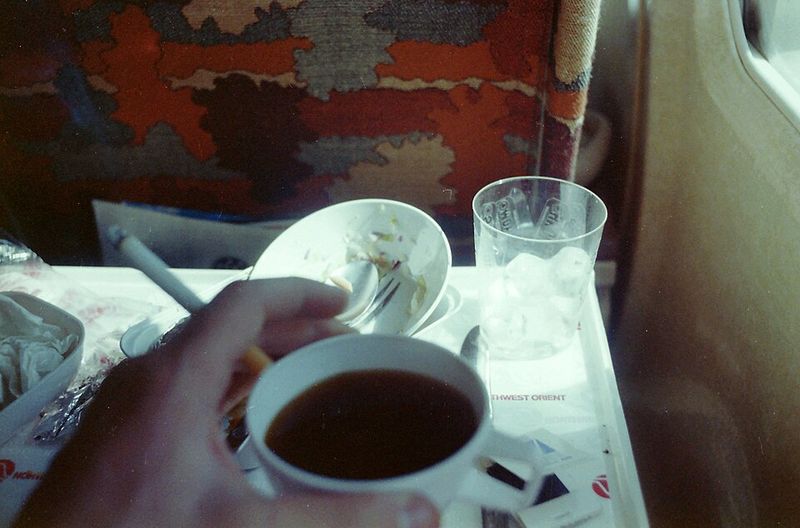
It sounds almost unbelievable now, but for most of commercial aviation’s early history, passengers could light up a cigarette right there in their seat. Airlines actually marketed smoking sections as a comfort feature.
Ashtrays were built into armrests, and flight attendants handed out cigarettes along with peanuts and sodas. Smoking at 30,000 feet was completely ordinary.
The shift began in the 1970s when health research linking secondhand smoke to serious illness became impossible to ignore. Airlines started creating non-smoking sections, but the enclosed cabin made separation largely ineffective.
Smoke drifted freely through recycled air systems, exposing everyone on board regardless of where they sat.
The United States banned smoking on domestic flights in 1990, and international bans followed over the next decade. Today, virtually every commercial airline in the world prohibits smoking on board.
Interestingly, planes still carry ashtrays in lavatories by law, as a safety measure in case someone breaks the rules anyway.
12. Cigarette Advertising on TV and Radio
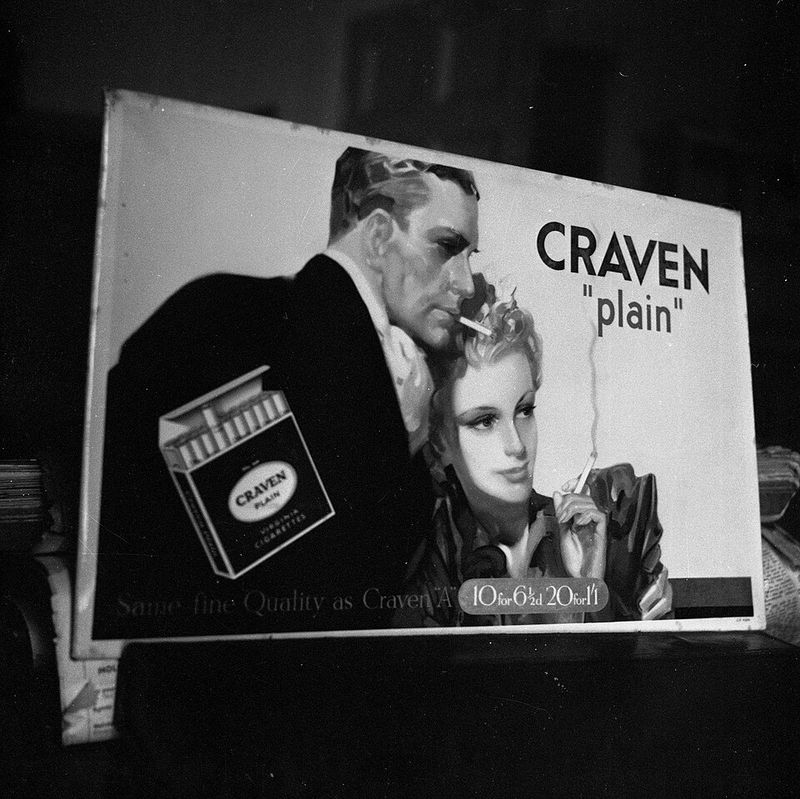
There was a time when cigarette brands sponsored major TV shows, had catchy jingles on the radio, and used celebrity endorsements to make smoking look glamorous. Ads ran during prime time, targeting broad audiences including teenagers.
Tobacco companies were among the biggest advertisers in media, and nobody thought twice about it.
Research throughout the 1950s and 1960s built an undeniable case linking smoking to lung cancer and heart disease. Governments began responding with restrictions, and the United States banned cigarette advertising on television and radio in 1971.
Many other countries followed with their own versions of the ban over the following decades.
The impact was measurable. Studies showed that smoking rates, especially among young people, dropped significantly after advertising was removed from broadcast media.
Today, tobacco advertising is restricted in over 180 countries in some form. What was once a glamorous lifestyle product became one of the most regulated consumer goods in history.
13. Trans Fats in Food Products
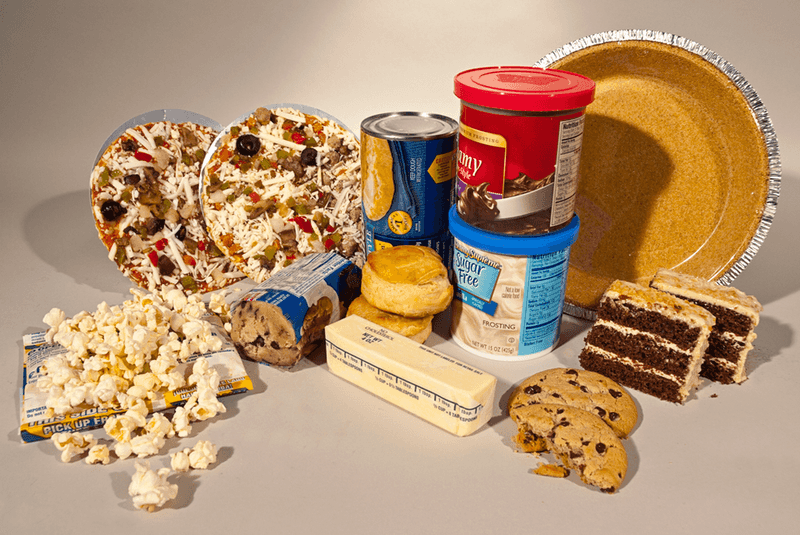
Partially hydrogenated oils, the main source of artificial trans fats, were once considered a miracle of food science. They extended shelf life, improved texture, and were cheaper than butter.
For most of the 20th century, trans fats showed up in everything from margarine and crackers to fast food fries and packaged snacks. Nobody flagged them as a problem.
Then the research caught up. Studies in the 1990s and 2000s confirmed that trans fats raised bad cholesterol, lowered good cholesterol, and significantly increased the risk of heart disease.
The science was clear enough that regulators could no longer look the other way.
Denmark became the first country to restrict trans fats in 2003. The United States followed with a full ban on partially hydrogenated oils taking effect in 2020.
The World Health Organization launched a global campaign to eliminate trans fats entirely by 2023. A once-celebrated food ingredient quietly became one of the most banned substances in modern nutrition.



