Humanity has built empires, split atoms, and launched machines into deep space, yet the planet has a long track record of stopping us in our tracks. From ancient civilizations erased by drought to modern cities swallowed by floodwaters, Earth’s raw power has repeatedly outpaced human preparation.
These aren’t just disaster stories, they’re turning points that reshaped populations, rewrote borders, and forced entire societies to start over. What follows is a look at 13 moments when nature didn’t just push back, it won completely.
1. The Eruption of Mount Vesuvius Buried an Entire City
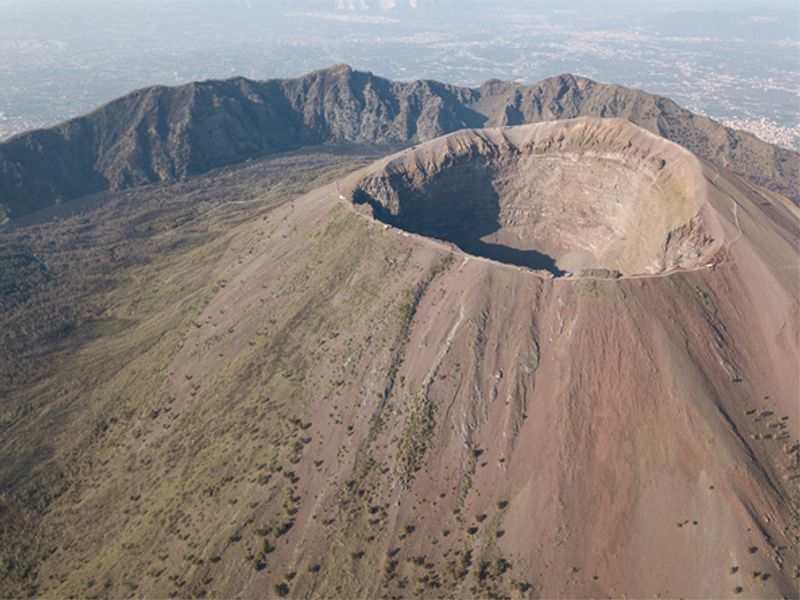
Few geological events have left behind such a complete record of human life interrupted mid-sentence. In 79 AD, Mount Vesuvius erupted with a force scientists estimate was 100,000 times greater than the atomic bombs dropped on Hiroshima and Nagasaki combined.
The Roman cities of Pompeii and Herculaneum were thriving, densely populated urban centers when the eruption began. Ash, pumice, and pyroclastic material buried everything under layers nearly 20 feet deep within hours.
What separates this disaster from others is what it left behind. Archaeologists have uncovered frozen body casts, intact frescoes, loaves of bread still sitting in ovens, and political graffiti on walls.
The eruption essentially paused a city in real time.
Modern excavations continue to reveal new findings, including a fast-food counter discovered in 2020 with food residue still present. Vesuvius didn’t just destroy Pompeii.
It accidentally preserved it for 2,000 years.
2. Hurricane Katrina Turned a Major American City Into a Disaster Zone
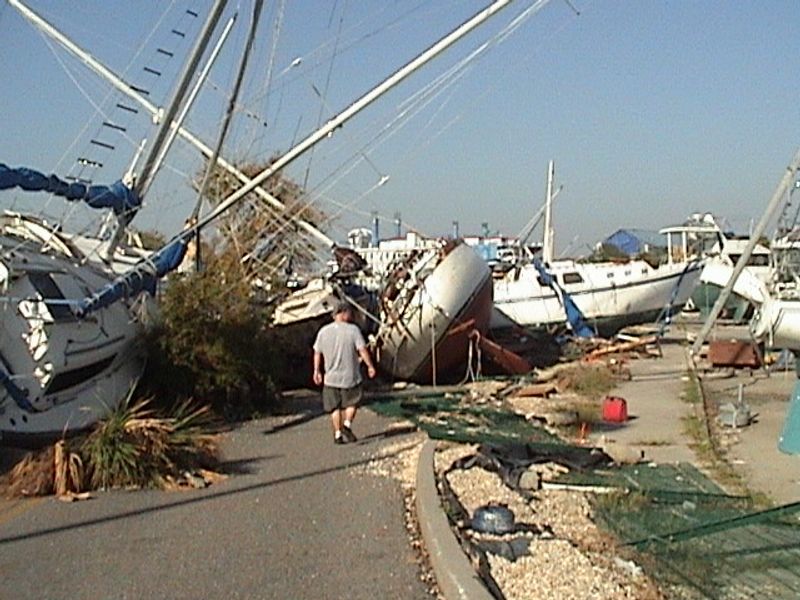
New Orleans sits below sea level in several areas, a geographic reality that city planners had long acknowledged but never fully solved before August 2005. When Hurricane Katrina made landfall, the storm itself wasn’t the only problem.
The failure of the levee system turned the storm surge into a prolonged catastrophe. Entire neighborhoods flooded within hours.
Thousands of residents who lacked transportation or resources were stranded on rooftops and in the Superdome for days without adequate supplies.
More than 1,800 people lost their lives, and the storm caused an estimated 125 billion dollars in damage. Some neighborhoods remained underwater for weeks.
What Katrina exposed wasn’t just the power of a Category 4 hurricane. It revealed serious gaps in infrastructure planning, emergency response coordination, and the unequal impact disasters have on low-income communities.
The city has since rebuilt much of its flood protection, but the 2005 storm remains a defining event in American urban and environmental policy history.
3. Krakatoa Exploded So Loudly It Was Heard Thousands of Miles Away
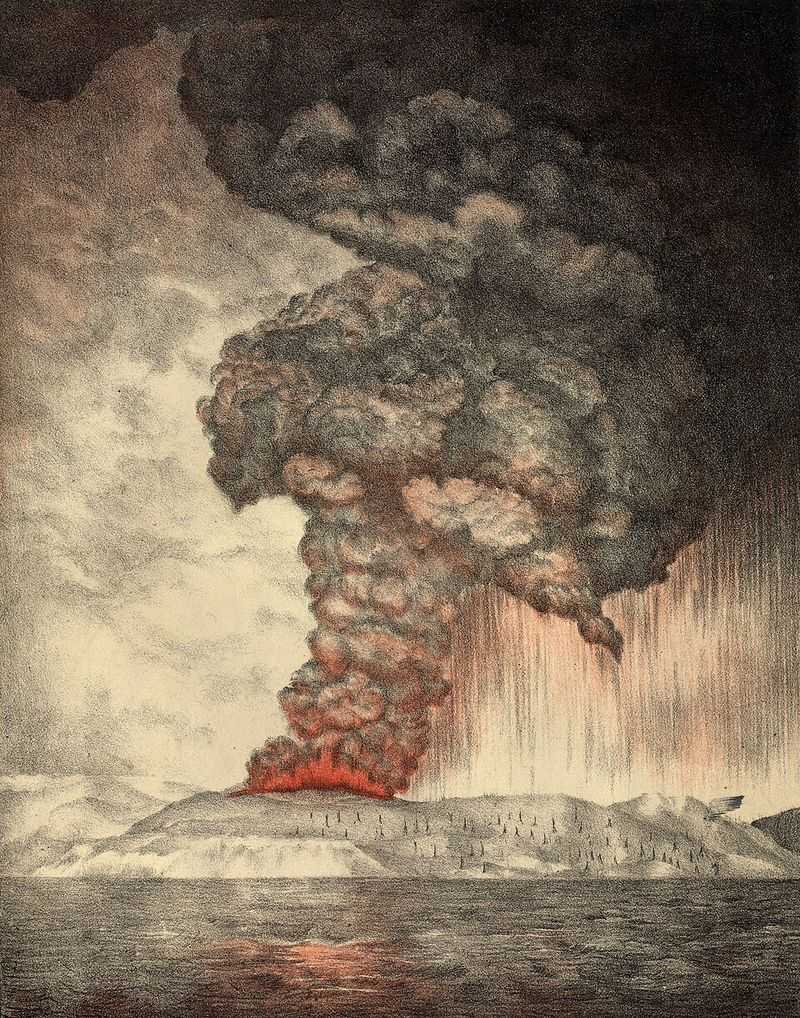
Sound travels roughly 767 miles per hour at sea level, which makes it all the more remarkable that the 1883 eruption of Krakatoa was heard nearly 3,000 miles away in Australia and on the island of Rodriguez near Mauritius.
The eruption destroyed most of the volcanic island and triggered tsunamis exceeding 100 feet in height. More than 36,000 people were killed across nearby coastal regions of Java and Sumatra.
Ash and sulfur dioxide were blasted into the upper atmosphere, where they circulated around the globe for months. Average global temperatures dropped by about 1.2 degrees Celsius the following year.
Skies across Europe and North America produced vivid red and orange sunsets that were so unusual some people initially feared fires.
The explosion is widely considered one of the loudest sounds in recorded human history. It was documented by weather stations and barometers across the world, giving scientists their first detailed global data set on how volcanic eruptions affect atmospheric pressure worldwide.
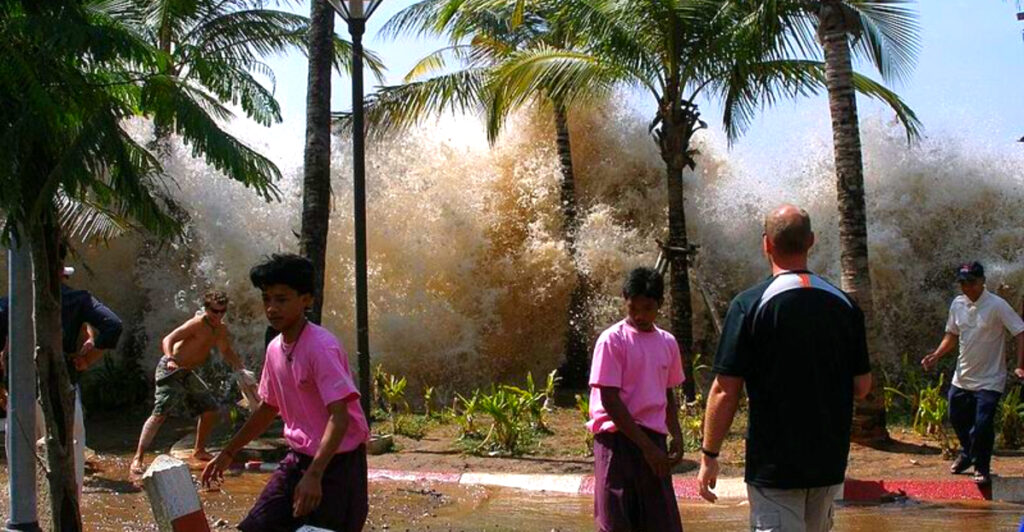
4. The 2004 Indian Ocean Tsunami Wiped Out Entire Coastlines
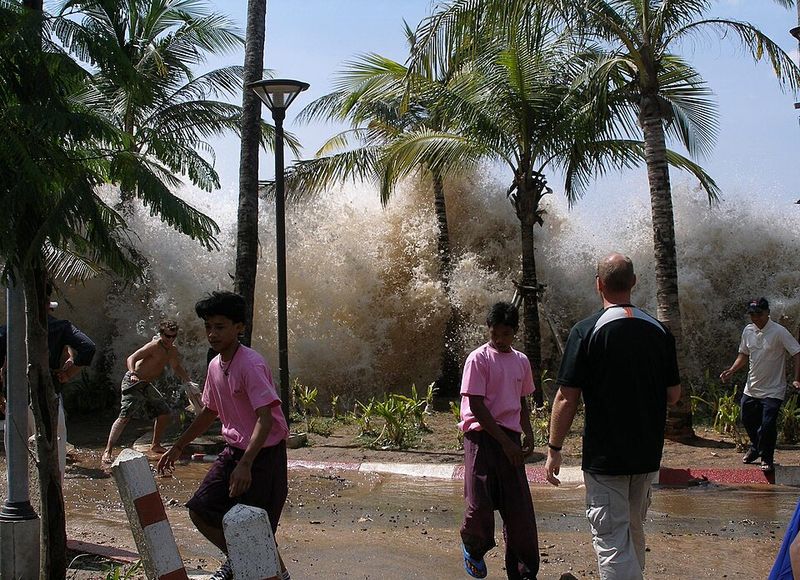
The morning of December 26, 2004, started as a holiday for millions of tourists and residents across the Indian Ocean coastline. By midday, entire towns in Indonesia, Thailand, Sri Lanka, and India had been erased from the map.
A magnitude 9.1 earthquake struck beneath the ocean floor off Sumatra, releasing energy equivalent to roughly 23,000 atomic bombs. The seismic force was so significant it actually altered the Earth’s rotation slightly.
Waves reached heights of up to 98 feet in some areas. The tsunami struck 12 countries and claimed an estimated 227,000 lives, making it one of the deadliest natural disasters ever recorded in modern history.
Satellite imagery captured the full scale of coastline transformation within hours. Entire fishing villages that had existed for generations simply vanished.
The disaster directly led to the creation of the Indian Ocean Tsunami Warning System, a global monitoring network built specifically because this event proved how unprepared the region was.
5. The Dust Bowl Turned America’s Heartland Into a Wasteland
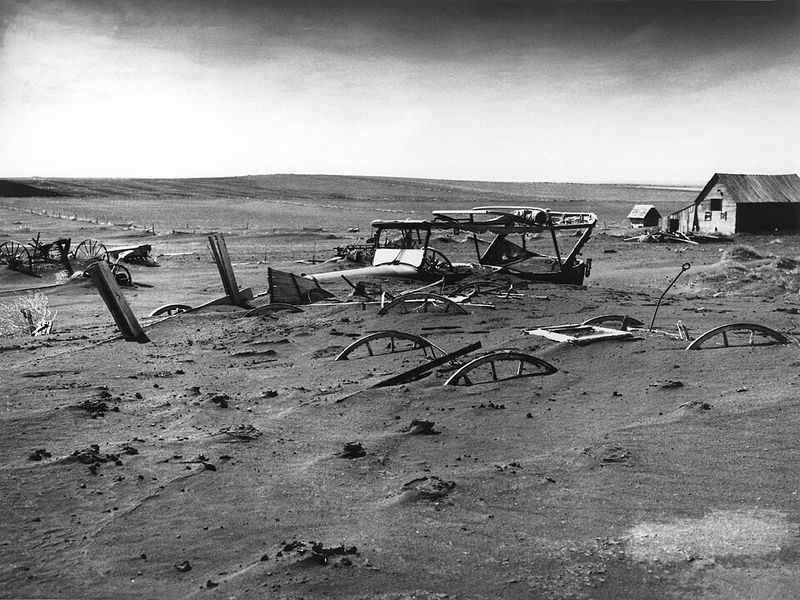
American farmers in the Great Plains had spent decades plowing up native grasses to plant wheat, a practice that worked well during wet years. Then the rains stopped, and the exposed topsoil had nothing holding it in place.
Throughout the 1930s, severe drought combined with decades of aggressive farming created the conditions for what became known as the Dust Bowl. Enormous black blizzards, walls of airborne soil sometimes reaching 8,000 feet high, swept across Kansas, Oklahoma, Texas, Colorado, and New Mexico.
Some storms carried Plains topsoil all the way to Washington D.C. and New York City. Farms became unworkable.
More than 3.5 million people abandoned their homes and migrated west, particularly to California, during one of the largest internal migrations in American history.
The federal government responded with new soil conservation programs and replanted millions of acres with trees to act as windbreaks. The Dust Bowl fundamentally changed how the United States approached agricultural land management and environmental policy for generations.
6. The Great Galveston Hurricane Erased a City Overnight
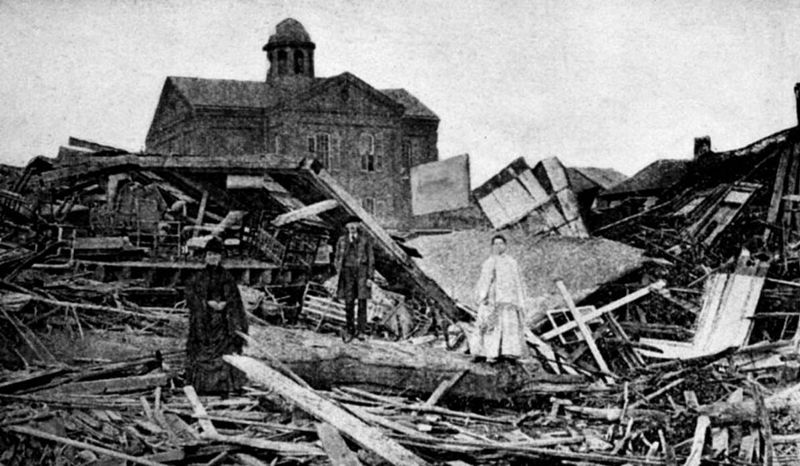
At the turn of the 20th century, Galveston, Texas, was a powerhouse. It was one of the wealthiest cities in the United States, a major port, and home to over 37,000 residents who had no reason to think a single storm could end their city’s dominance.
On September 8, 1900, a hurricane with no formal name and no modern tracking system made landfall. Storm surges between 8 and 15 feet swept across the low-lying island.
Because Galveston had no seawall and sat barely above sea level, there was nowhere for water to go except through the city.
An estimated 6,000 to 12,000 people died, making it the deadliest natural disaster in United States history, a record it still holds today. The storm effectively ended Galveston’s era as a leading American city, with Houston eventually taking its place as the region’s commercial center.
7. The Tohoku Earthquake Triggered a Nuclear Crisis
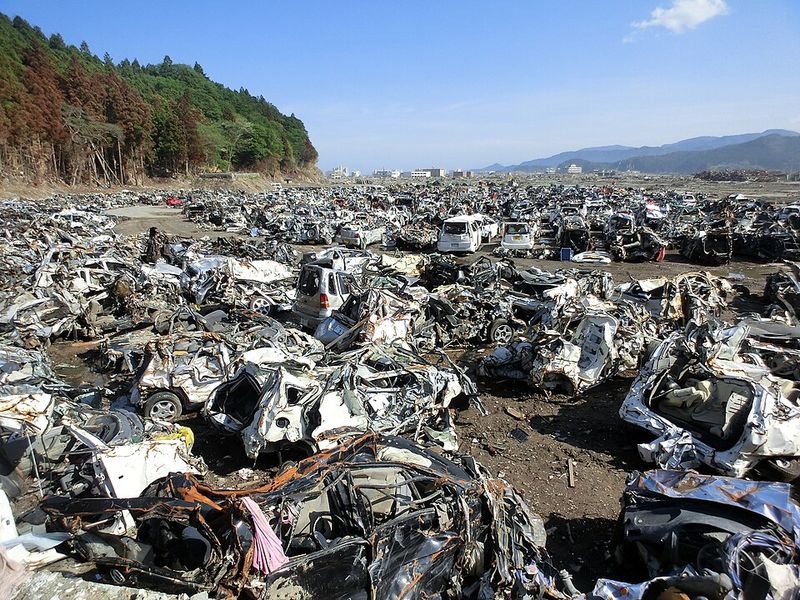
Japan’s earthquake preparedness infrastructure is among the most advanced on the planet, built through decades of investment following previous seismic events. Even so, the March 11, 2011, Tohoku earthquake and subsequent tsunami tested every system the country had built.
The magnitude 9.0 undersea quake generated tsunami waves that in some areas reached over 130 feet. Entire coastal towns were carried inland.
Nearly 16,000 people lost their lives, and over 450,000 were displaced from their homes.
The tsunami then struck the Fukushima Daiichi nuclear power plant, disabling cooling systems and triggering a series of reactor meltdowns. It became the most serious nuclear event since Chernobyl in 1986 and forced the evacuation of roughly 154,000 residents from surrounding areas.
The disaster prompted Japan to shut down all of its nuclear reactors temporarily and sparked a worldwide review of nuclear plant safety standards. No amount of engineering preparation had fully accounted for a wave of that scale hitting critical energy infrastructure at that specific location.
8. Yellowstone Once Nearly Changed the Planet
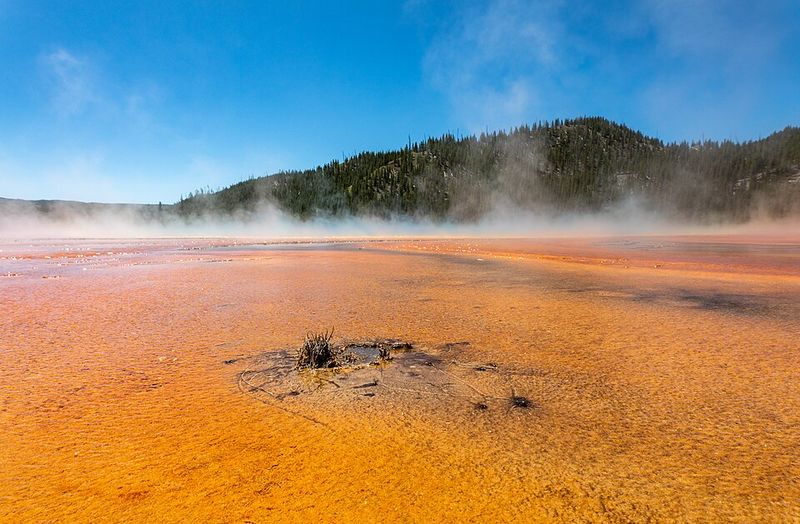
Beneath the geysers and hot springs that draw millions of tourists each year to Yellowstone National Park sits one of the largest volcanic systems on Earth. Most visitors are standing directly on top of it without giving it a second thought.
The Yellowstone supervolcano has erupted three times in the past 2.1 million years. The most recent major eruption, approximately 640,000 years ago, deposited ash across much of North America and likely caused dramatic global climate cooling.
Scientists estimate that a full-scale eruption today could blanket states across the Midwest in feet of ash, disrupt air travel globally, and reduce agricultural productivity for years due to temperature drops caused by atmospheric debris.
The U.S. Geological Survey monitors Yellowstone continuously with seismometers, GPS sensors, and satellite data.
While researchers say the probability of an eruption in any given year is extremely low, the system remains geologically active. It is one of the few places on Earth where the ground itself is visibly and measurably moving on a regular basis.
9. The Black Death May Have Been Helped by Climate Chaos
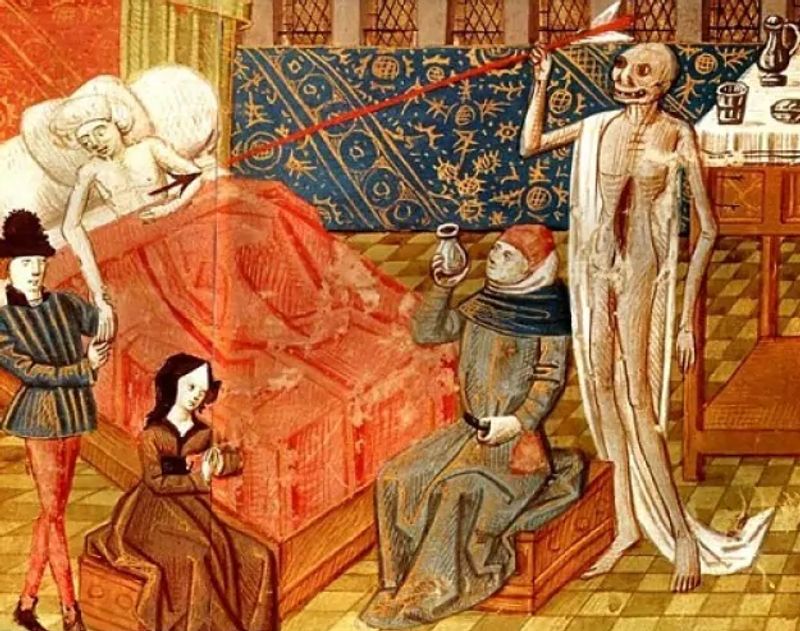
The bubonic plague that swept through Europe, Asia, and North Africa between 1347 and 1351 wasn’t purely a biological event. Historians and climate scientists have increasingly linked its rapid spread to environmental conditions that shifted in the decades before the outbreak.
A period known as the Little Ice Age began cooling European temperatures in the early 14th century. Crop failures, famine, and weakened populations preceded the plague’s arrival and likely made communities far less able to resist or respond to it.
Changing climate patterns also affected rodent migration and trade route activity across Central Asia, potentially accelerating the movement of the disease-carrying flea populations responsible for transmission. By the time the pandemic ended, an estimated one-third of Europe’s population had died.
The aftermath reshaped European society in ways that lasted centuries, including labor shortages that shifted economic power toward surviving workers. The plague’s interaction with climate conditions is now studied as an early documented example of how environmental instability can amplify biological risk on a continental scale.
10. The 1815 Eruption of Mount Tambora Caused the Year Without Summer
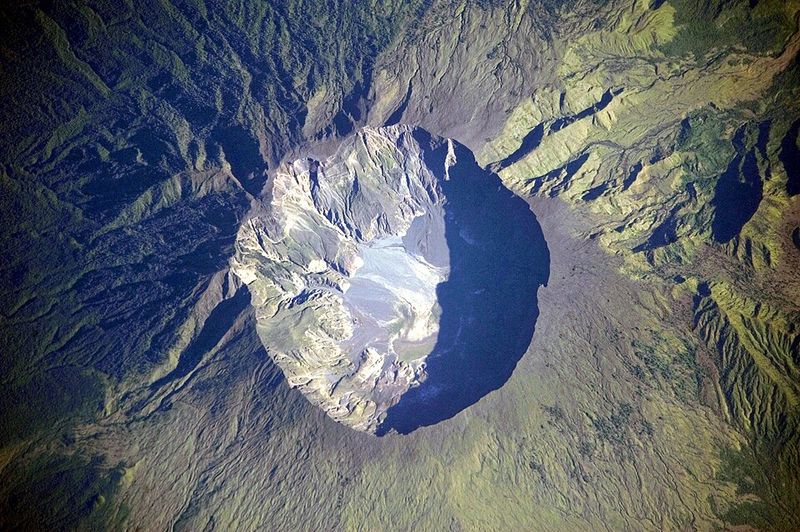
When Mount Tambora in Indonesia erupted in April 1815, it produced the largest volcanic eruption in recorded human history. The explosion killed tens of thousands of people immediately through pyroclastic flows and local tsunamis.
But the global consequences unfolded slowly over the following year. An estimated 100 to 150 cubic kilometers of material was ejected into the atmosphere, blocking sunlight and dropping average global temperatures by as much as 3 degrees Celsius.
1816 became known as “The Year Without Summer.” Snow fell in June in parts of New England and Canada. Frost killed crops in July across Europe.
Famine spread from North America to China, contributing to an estimated 100,000 to 200,000 additional deaths worldwide from starvation and related causes.
The cultural ripple effects were also notable. The miserable summer of 1816 kept writers Mary Shelley and Lord Byron indoors at Lake Geneva, where Shelley began writing Frankenstein.
One volcanic eruption in Indonesia reshaped weather, agriculture, and literature across the entire Northern Hemisphere simultaneously.
11. The Lisbon Earthquake Shattered an Empire
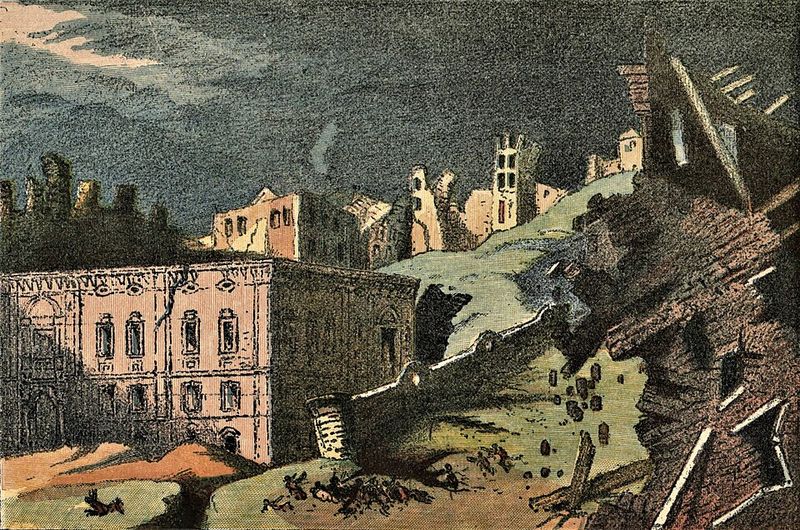
Portugal in 1755 was a wealthy maritime empire with one of the most prosperous capital cities in Europe. Lisbon’s grand baroque architecture, its thriving port economy, and its global colonial reach made it a symbol of European power.
On November 1, All Saints Day, a massive earthquake struck while most of the city’s residents were attending morning church services. Buildings collapsed across the city within minutes.
Fires broke out almost immediately, burning for days through the rubble.
Then came a tsunami, striking the coastal areas of the city and killing thousands more who had fled to the waterfront for safety after the initial quake. Estimates suggest between 30,000 and 60,000 people died in Lisbon alone.
The disaster had an outsized intellectual impact across Europe. It prompted Enlightenment philosophers, including Voltaire and Immanuel Kant, to write extensively about natural disaster, providence, and the limits of human understanding.
The Lisbon earthquake is widely credited with accelerating secular scientific thinking about natural phenomena in 18th century European culture.
12. Australia’s Wildfires Created Their Own Weather
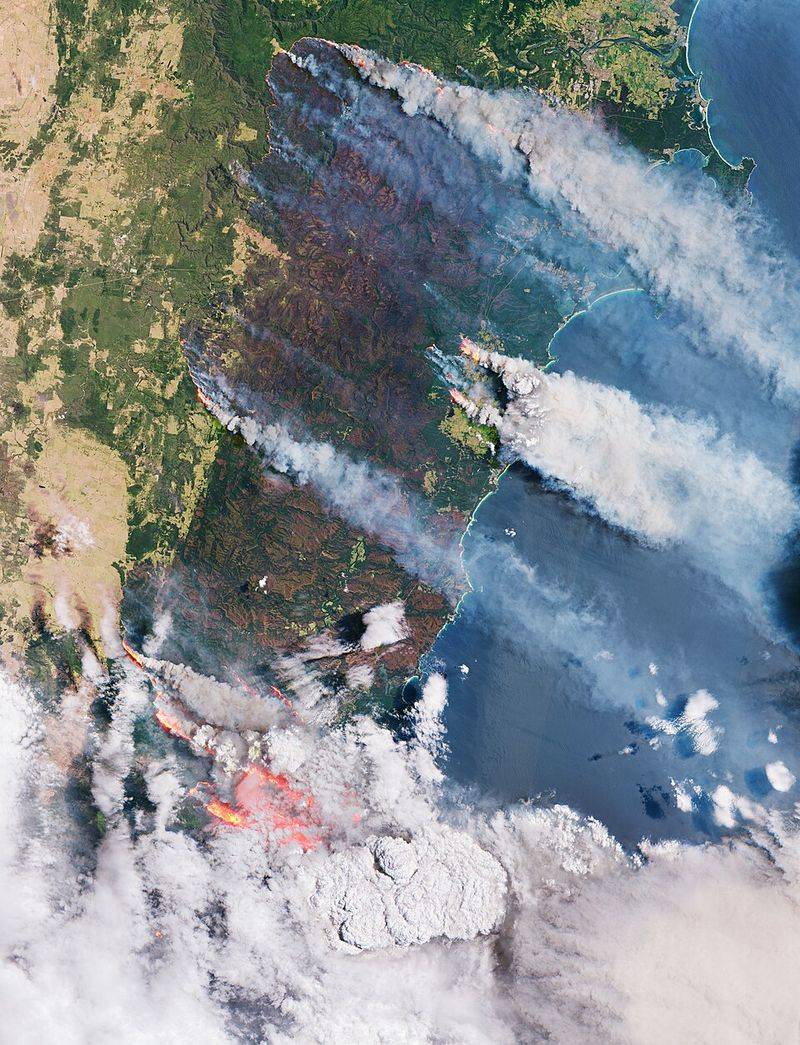
The 2019 to 2020 Australian bushfire season, widely referred to as the Black Summer, was unlike any fire event the country had previously recorded in scale or atmospheric behavior. These were not ordinary wildfires.
The fires grew so large and generated so much heat that they created their own weather systems. Pyrocumulonimbus clouds, towering columns of smoke and heat that function like thunderstorms, formed over active fire zones and generated lightning, strong wind gusts, and fire tornadoes that spread flames unpredictably.
Over 46 million acres burned across multiple Australian states. Scientists estimated that approximately three billion animals were affected, with some species losing significant portions of their entire global population.
Smoke from the fires traveled across the Pacific Ocean and was detected in South America.
13. The Perfect Storm Showed the Ocean’s Terrifying Power
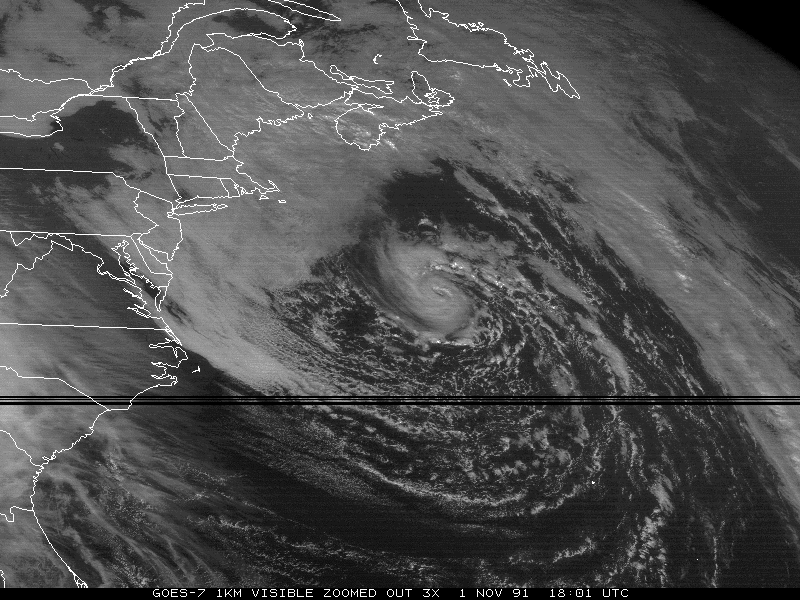
October 1991 produced a rare meteorological collision off the northeastern United States coast. A nor’easter absorbed the remnants of Hurricane Grace and combined with a high-pressure system to create what the National Weather Service labeled an unnamed but historically powerful storm.
Waves in the open Atlantic reached heights of over 100 feet. The Andrea Gail, a commercial swordfishing boat out of Gloucester, Massachusetts, was lost at sea with six crew members aboard.
The vessel was never recovered.
Coastal communities from New Jersey to Nova Scotia sustained serious damage as the storm battered shorelines for days. The storm’s unusual formation, multiple weather systems merging at exactly the wrong time, made it difficult to forecast with the technology available in 1991.
Sebastian Junger’s 1997 book about the event, and the subsequent film adaptation, brought the storm into popular culture. But the real significance is meteorological.
The 1991 Perfect Storm remains a case study in how independent weather systems can combine to produce conditions far beyond what any single system would generate on its own.
Share this story