 Unearth The Voyage
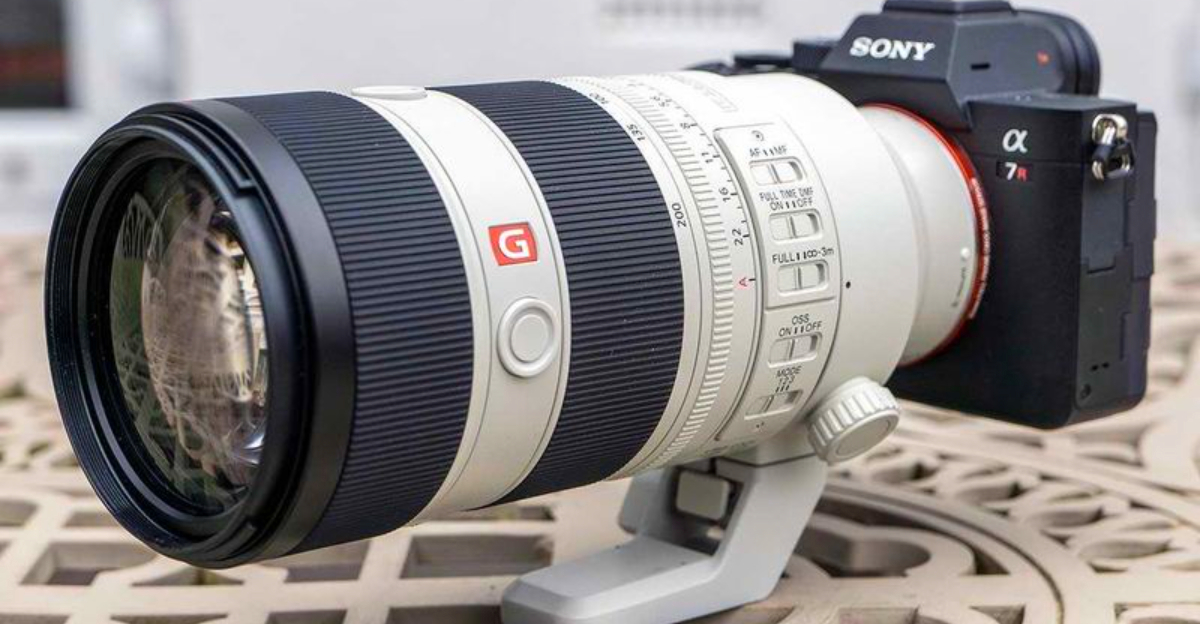
Finding the right lens can transform your travel photography from ordinary snapshots into breathtaking, movie-like images. Whether you love capturing sweeping mountain ranges or tight details of distant peaks, the glass you choose matters just as much as your camera body. This guide walks you through thirteen lenses that landscape photographers trust to deliver sharp, dramatic, and truly cinematic results on every adventure.
1. Sony FE 12-24mm F2.8 GM
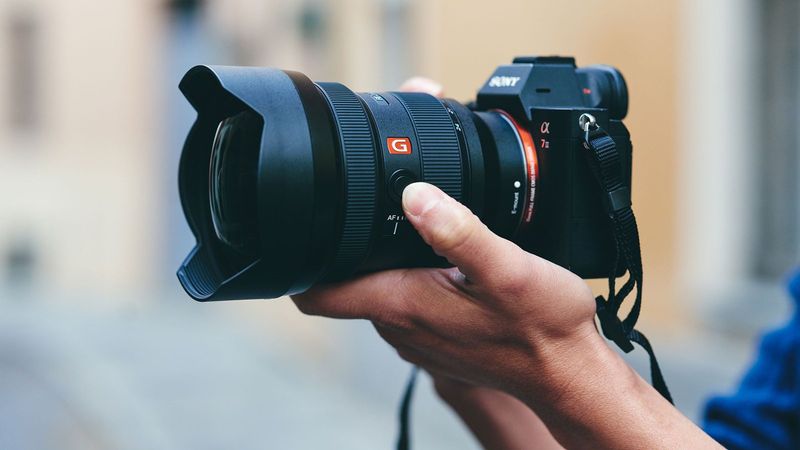
Ultra-wide zooms open up your creative possibilities like nothing else. This Sony gem captures massive amounts of sky and foreground in a single frame, perfect when you stand at the edge of a canyon or face an endless ocean horizon. The bright F2.8 aperture means you can shoot in lower light without cranking up your ISO too much.
Landscape photographers love how this lens handles dramatic perspectives. You can get super close to rocks or flowers in the foreground while still showing towering mountains behind them. That creates depth and makes viewers feel like they are standing right there with you.
Yes, it is a bit heavy and pricey, but the image quality justifies every ounce and dollar for serious shooters.
2. Nikon NIKKOR Z 14-30mm f/4 S
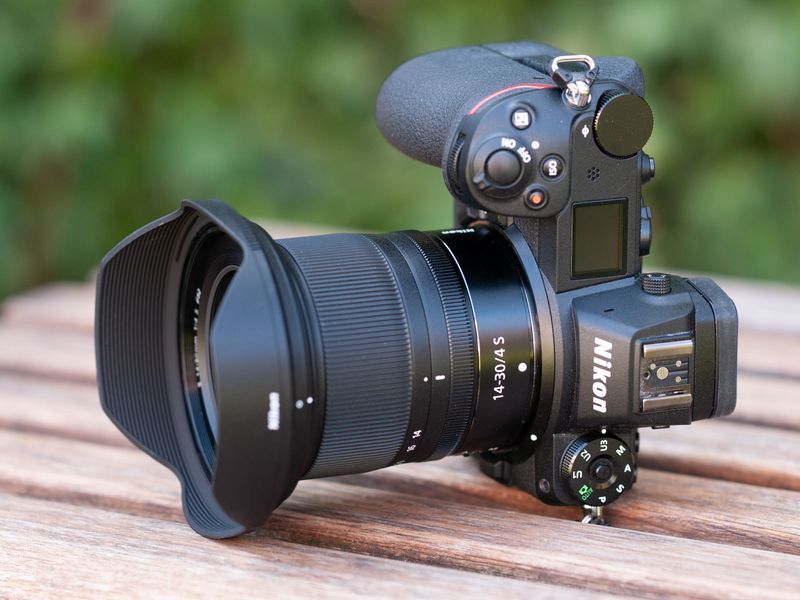
Nikon Z-mount shooters finally got a lightweight ultra-wide that does not feel like lugging a brick up a mountain trail. At just over a pound, this lens slides easily into any travel bag yet delivers pro-level sharpness across the frame. The collapsible design means it takes up even less space when you are not shooting.
Many travelers appreciate the versatility of 14-30mm range. You can go super wide for epic vistas or zoom to 30mm for slightly tighter compositions without swapping glass. The f/4 aperture keeps things compact while still offering decent low-light performance for sunrise and sunset shoots.
If you hike long distances to reach your locations, this lens becomes your best friend. It balances quality and portability beautifully.
3. Canon RF 15-35mm f/2.8 L IS USM
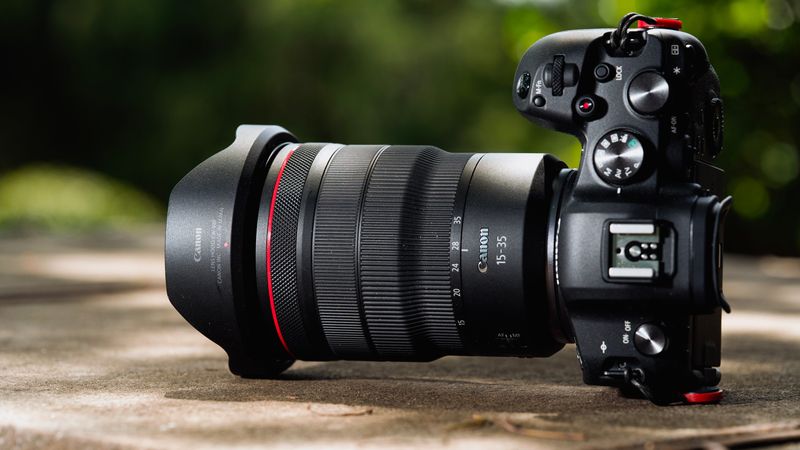
Canon built this lens for photographers who refuse to compromise. The fast f/2.8 aperture gives you flexibility in changing light, while the built-in image stabilization helps you handhold shots at slower shutter speeds. That combo matters when you are shooting twilight cityscapes or moody forest scenes without a tripod.
Sharpness stays consistent from corner to corner, even wide open at f/2.8. You can frame massive cathedrals, endless beaches, or towering redwoods with confidence that every detail will pop. The RF mount design takes full advantage of Canon’s mirrorless technology for fast, silent autofocus too.
Sure, it costs a chunk of change, but professionals trust this glass for paid work. That tells you everything about its reliability and optical excellence.
4. Samyang AF 14mm f/2.8 FE
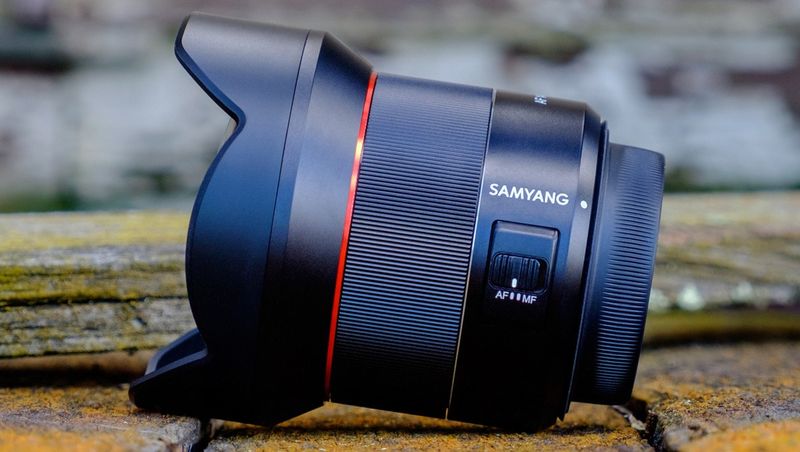
Prime lenses force you to move your feet, and that often leads to more creative compositions. This Samyang delivers exceptional sharpness at 14mm with minimal distortion, making it ideal for dramatic wide-angle scenes. The fixed focal length might seem limiting at first, but you will quickly learn to work with it.
Budget-conscious travelers love this lens because it costs far less than big-brand alternatives yet performs remarkably well. The autofocus works smoothly on Sony bodies, and the compact size means it barely adds weight to your kit. At f/2.8, you get enough speed for astrophotography or dimly lit interiors during your adventures.
Did you know? Many professional landscape shooters keep a fast prime like this for situations where zoom flexibility matters less than optical perfection and portability.
5. Canon EF 16-35mm f/4L IS USM
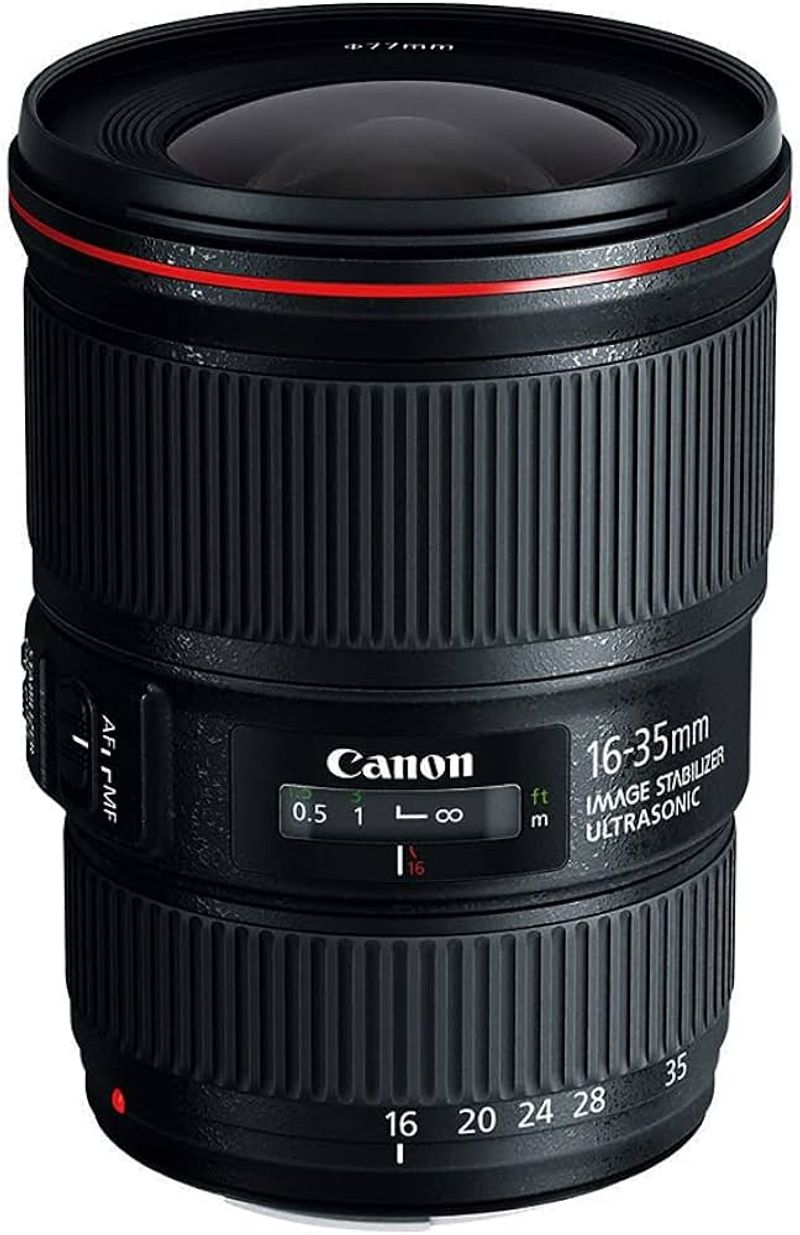
Not everyone needs the fastest aperture available. This f/4 version offers incredible value for DSLR shooters who want professional image quality without the weight and cost of f/2.8 glass. The image stabilization helps tremendously when you are shooting handheld during golden hour or in shaded forests.
Landscape work rarely requires super shallow depth of field anyway. Most of us shoot at f/8 or f/11 to keep everything sharp from foreground to background. That makes the f/4 aperture perfectly adequate while keeping the lens lighter and easier to pack for long trips.
Canon’s L-series build quality shines through here. Weather sealing protects against dust and moisture, so you can confidently shoot in challenging conditions without babying your gear too much.
6. Sony FE 24-70mm F2.8 GM II
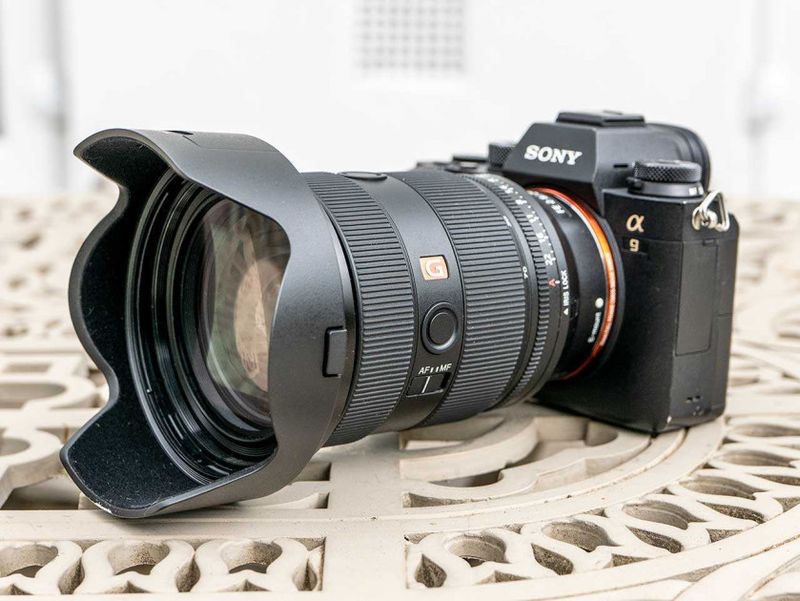
Walk-around zooms earn their nickname by handling almost any situation you encounter. This updated version from Sony covers everything from moderately wide landscape shots to tighter compositions of distant details. The optical improvements over the original version deliver even sharper images with better contrast.
Many travelers prefer carrying just one lens to reduce weight and decision fatigue. This range lets you capture sweeping coastal views at 24mm, then zoom to 70mm for a lighthouse or rock formation without changing glass. The fast f/2.8 aperture works beautifully when light gets tricky.
Professional travel photographers often build entire trips around this single lens. It proves you do not always need specialized glass to create stunning, cinematic landscape images that make people stop scrolling.
7. Sony FE 24-105mm f/4 G OSS
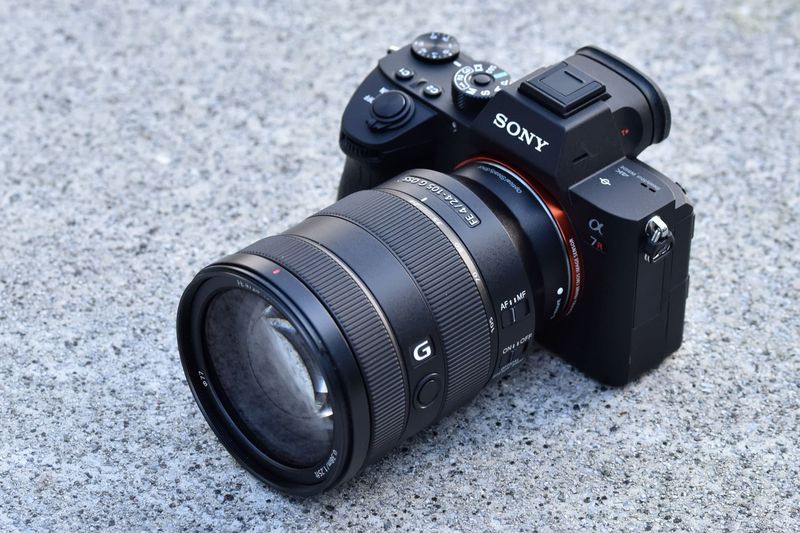
Extended zoom range means fewer lens swaps and more time actually shooting. The extra reach to 105mm compared to standard 24-70mm lenses lets you isolate landscape elements or compress distant layers of mountains. That longer end opens up creative possibilities you might miss with shorter zooms.
Optical image stabilization becomes your secret weapon for handholding in marginal light. You can shoot at slower shutter speeds without introducing camera shake, perfect for those moments when hauling a tripod feels impractical. The f/4 aperture keeps size and weight reasonable for all-day carrying.
City explorers and nature hikers alike appreciate this lens for its flexibility. One moment you are capturing a wide plaza, the next you are zooming in on architectural details or wildlife across a meadow.
8. Canon EF 24-105mm f/4L IS II USM
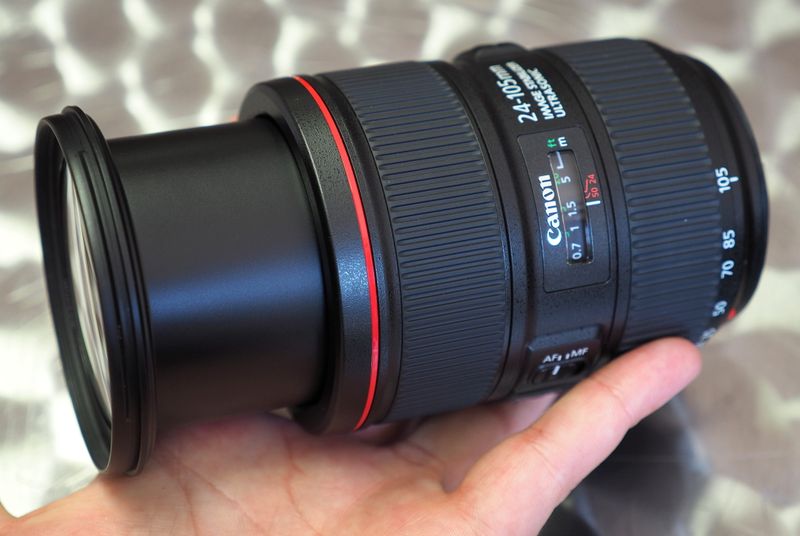
Canon refined this workhorse lens to deliver better sharpness and reduced flare compared to its predecessor. DSLR shooters get a reliable companion that handles broad landscape vistas at 24mm and tighter scenic details at 105mm. The four-stop image stabilization makes a real difference when shooting without support.
This focal range hits a sweet spot for travelers who want versatility without carrying multiple lenses. You can frame entire mountain ranges, then zoom in to capture a waterfall or interesting rock formation. The constant f/4 aperture keeps exposure consistent as you zoom, simplifying your shooting workflow.
Build quality matches Canon’s professional standards with weather sealing throughout. Rain or dust will not stop you from getting the shot, which matters when you have traveled far to reach a special location and conditions turn challenging.
9. Panasonic Leica DG Vario-Elmarit 8-18mm f/2.8-4.0
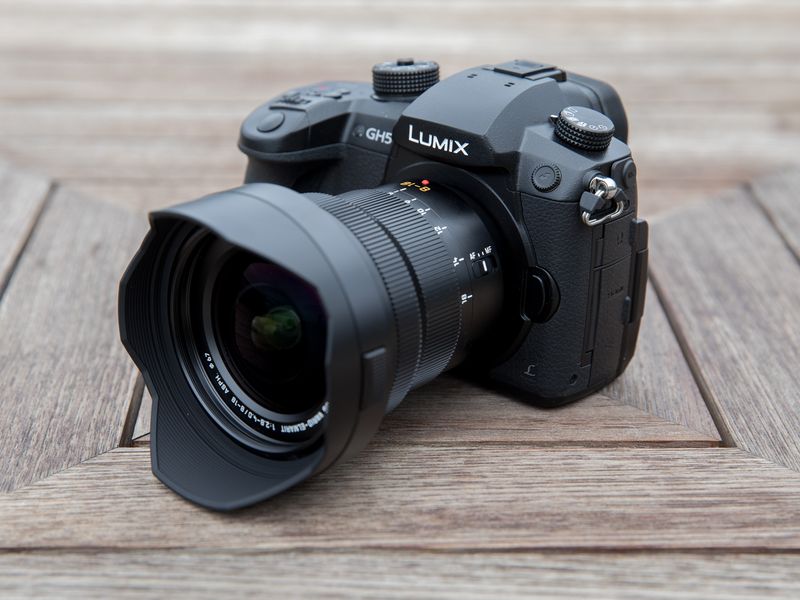
Micro Four Thirds shooters get the advantage of smaller, lighter gear without sacrificing image quality. This Leica-branded zoom covers roughly the same angle of view as a 16-36mm full-frame lens, giving you proper ultra-wide capabilities in a tiny package. Perfect for backpackers who count every ounce.
The bright f/2.8 aperture at the wide end helps when light gets dim. As you zoom toward 18mm, the aperture closes to f/4, but that still works fine for most landscape shooting. Leica’s optical design ensures sharpness across the frame with minimal distortion or chromatic aberration.
Weight-conscious travelers love how this lens delivers wide-angle drama without the bulk of full-frame alternatives. You can hike farther, climb higher, and still capture cinematic landscapes that rival anything from bigger systems.
10. Fujifilm XF 10-24mm f/4 R OIS WR

Fuji’s APS-C system punches above its weight class, and this ultra-wide zoom proves it. The 10-24mm range gives you equivalent coverage of about 15-36mm in full-frame terms, perfect for expansive landscapes. Weather resistance means you can shoot in light rain or dusty conditions without worry.
Optical image stabilization helps when you are shooting handheld during blue hour or in dense forests. The constant f/4 aperture keeps things predictable as you zoom through the range. Fuji’s excellent glass delivers sharp, contrasty images with beautiful color rendering straight out of camera.
Adventure photographers appreciate how this lens balances capability with portability. The smaller sensor system means everything stays lighter and more packable, yet image quality remains superb for prints or online sharing. Your back will thank you on long hiking days.
11. Sony FE 70-200mm F2.8 GM OSS II
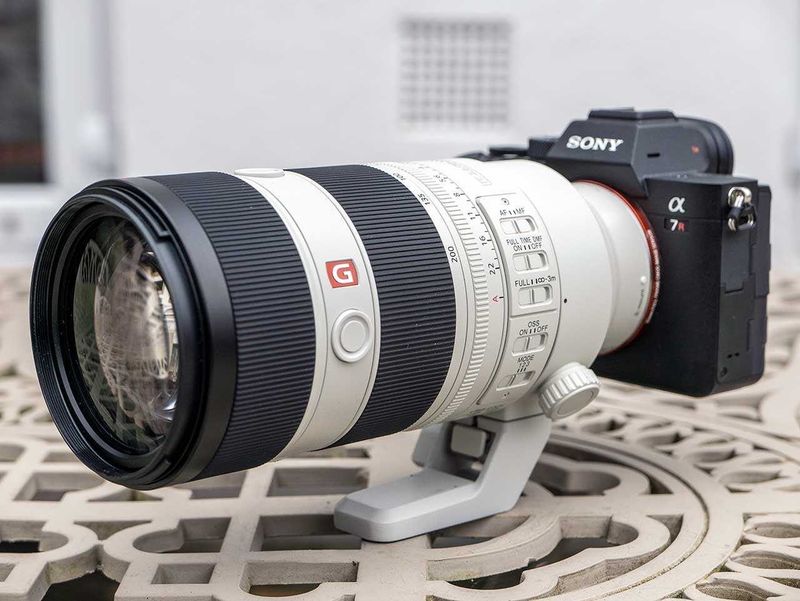
Telephoto lenses change how you see landscapes by compressing distant elements into dramatic compositions. Mountains that look far apart to your eye suddenly stack together in layers when viewed through 200mm. This creates that cinematic look where everything feels more intimate and powerful.
The bright f/2.8 aperture lets you blur distracting backgrounds even in landscape work, drawing attention to specific peaks or features. You can isolate a lone tree on a distant hillside or capture just the interesting section of a massive rock formation. This selective framing tells stronger visual stories.
Lighter than its predecessor, this updated version makes telephoto landscape work more practical. You can handhold it more easily or pack it without feeling like you are carrying a bowling ball. Serious shooters add this focal length for creative variety beyond wide-angle shots.
12. Canon RF 70-200mm f/2.8 L IS USM
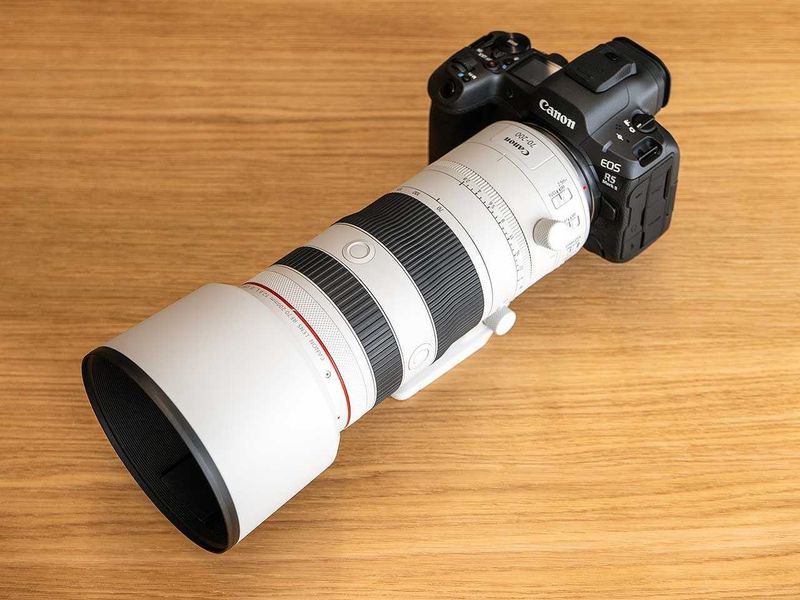
Canon reimagined the classic 70-200mm for their mirrorless system and created something special. The retractable design makes it significantly shorter when not in use, solving the awkward length problem that plagued older versions. Extended, it delivers the reach you need for distant landscape details and compressed perspectives.
Image stabilization works with compatible Canon bodies to provide up to eight stops of correction. That means you can handhold this telephoto at surprisingly slow shutter speeds and still get sharp results. Great for those magic-light moments when you do not have time to set up a tripod.
The fast f/2.8 aperture throughout the zoom range keeps your options open. Isolate interesting features, create layered compositions, or capture wildlife that wanders into your landscape scenes. This lens adds creative flexibility that wide-angles simply cannot provide.
13. Sigma 14-24mm f/2.8 DG DN Art
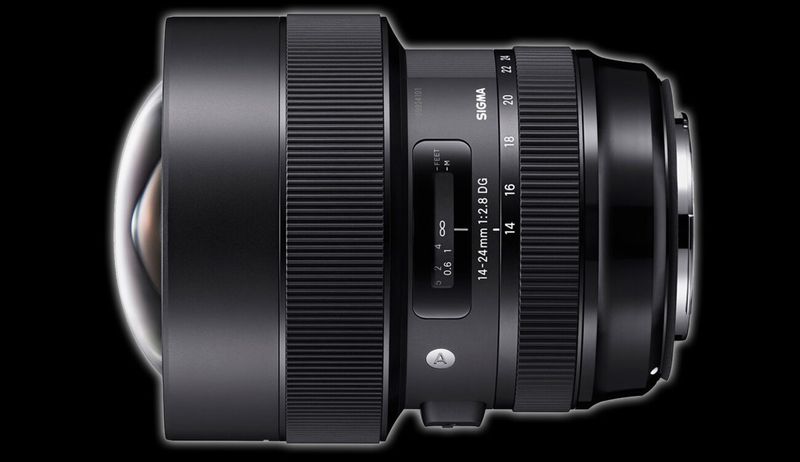
Third-party manufacturers sometimes outperform camera makers at their own game. Sigma’s Art series has earned respect for optical excellence, and this ultra-wide zoom delivers sharpness that rivals or beats much more expensive alternatives. Landscape photographers notice the difference immediately in corner sharpness and minimal distortion.
The 14-24mm range with constant f/2.8 aperture gives you flexibility for dramatic wide shots in any light. You can shoot the Milky Way at 14mm, then zoom to 24mm for slightly tighter compositions without changing lenses. The DN designation means it was designed specifically for mirrorless systems rather than adapted from DSLR glass.
Budget-conscious pros choose this lens when they want top-tier performance without the brand-name price tag. The build quality feels solid, and the image quality speaks for itself in every frame you capture.



