 Unearth The Voyage
History class usually gives us the polished highlights, then quietly skips the people who made the story messier, braver, and far more interesting. I learned that the real gems often live in the footnotes, where courage shows up before the statues do.
These true stories of U.S. military bravery bring back the names that deserved louder applause. Some changed battlefields, some changed policy, and all of them deserve a spot in your mental hall of fame.
First Blood in Boston
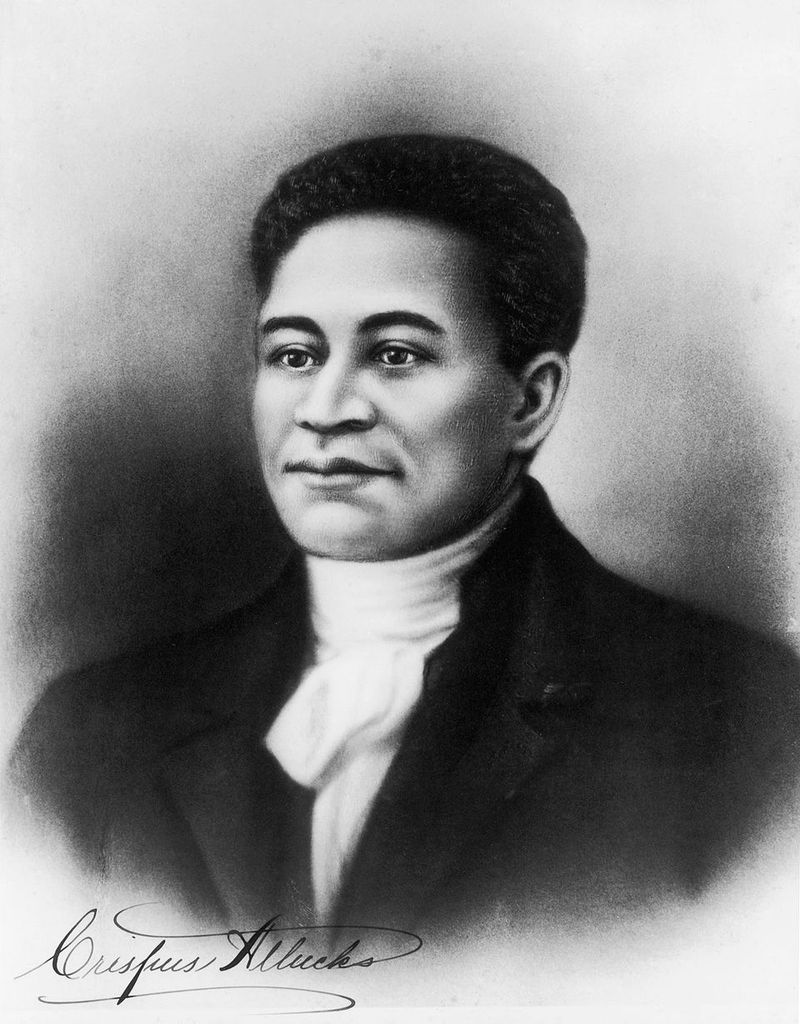
Before the Revolution had a neat title, Crispus Attucks was already paying its hardest price. On March 5, 1770, he was killed in the Boston Massacre, becoming the first known person to die in the clash that lit revolutionary tempers across the colonies.
A dockworker of African and Indigenous ancestry, he stood at the center of a moment that later generations loved to simplify.
That is the part that sticks with me. His death became useful as patriot propaganda, but his full story was often trimmed down when the nation started polishing its founding myth.
Schoolbooks love a clean origin tale, yet Attucks reminds you that America began with conflict, contradiction, and a man whose presence challenged easy narratives. He was not a side note wandering into history by accident.
He was there at the beginning, and the beginning looked back.
The Shot at Bunker Hill
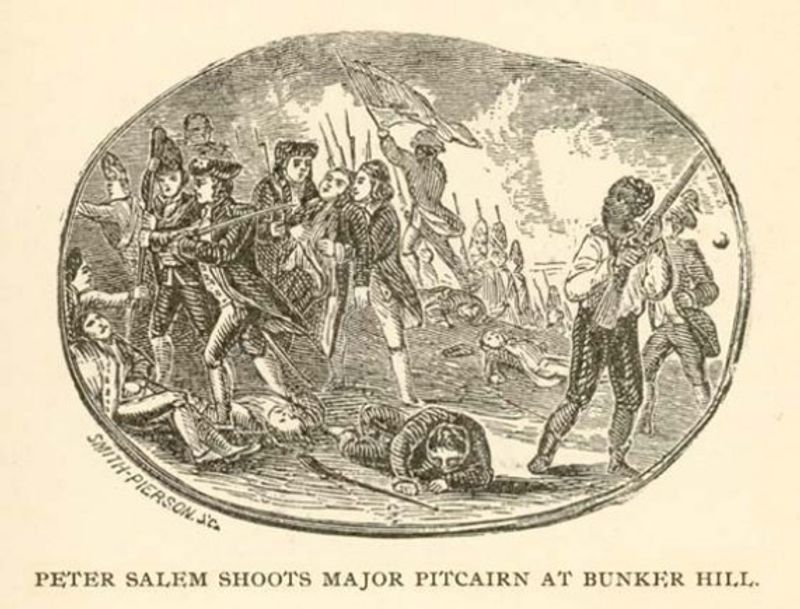
Some legends refuse to sit quietly, and Peter Salem’s is one of the best. Salem, a formerly enslaved man fighting for the Patriot cause, is often credited with firing the shot that killed British Major John Pitcairn at Bunker Hill.
Historians still argue over that exact moment, which means the debate has outlived half the wigs in the room.
What is not up for debate is his service. Peter Salem fought, stood his ground, and became a powerful symbol of Black participation in the Revolution at a time when many later retellings tried to narrow the cast.
I always find that telling. People love liberty speeches until liberty arrives in a form they forgot to mention.
Whether or not he fired that famous shot, Salem earned his place through documented courage, real military service, and a legacy that kept asking a very inconvenient question: who exactly helped win American independence?
Deborah Sampson Fooled the Army
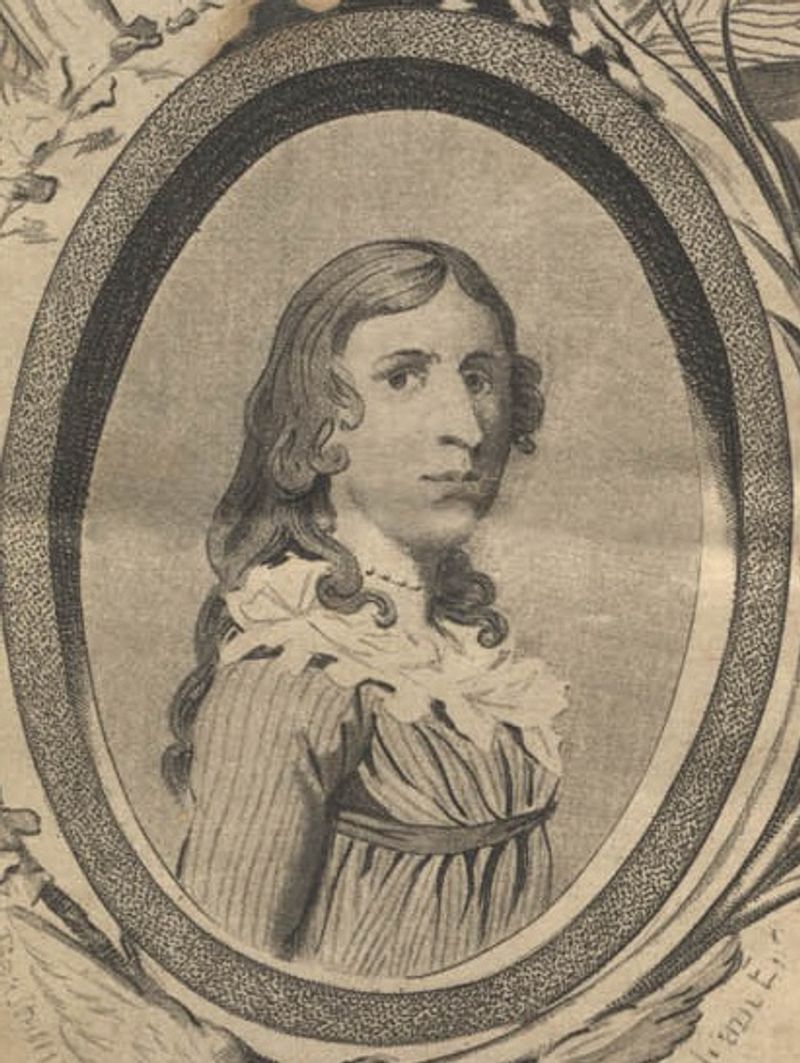
Here is a plot twist the Continental Army did not see coming. In 1782, Deborah Sampson disguised herself as Robert Shurtliff and enlisted, serving for well over a year before her identity was discovered.
That alone feels bold enough to bend the page, but she also performed real military duty while carrying the daily risk of exposure.
I cannot help admiring the nerve. Sampson moved through an army built to exclude her, proving that the barrier was not courage or competence but the rules men wrote for themselves.
Her service later helped her become one of the earliest American women to receive a military pension, which sounds bureaucratic until you realize what it represents. Recognition arrived late, but it arrived.
She was not playing dress up, and she was not chasing novelty. Deborah Sampson enlisted to serve, stayed in the ranks, and left behind a story that still makes old assumptions look flimsy and badly stitched.
Buffalo Soldier in Secret
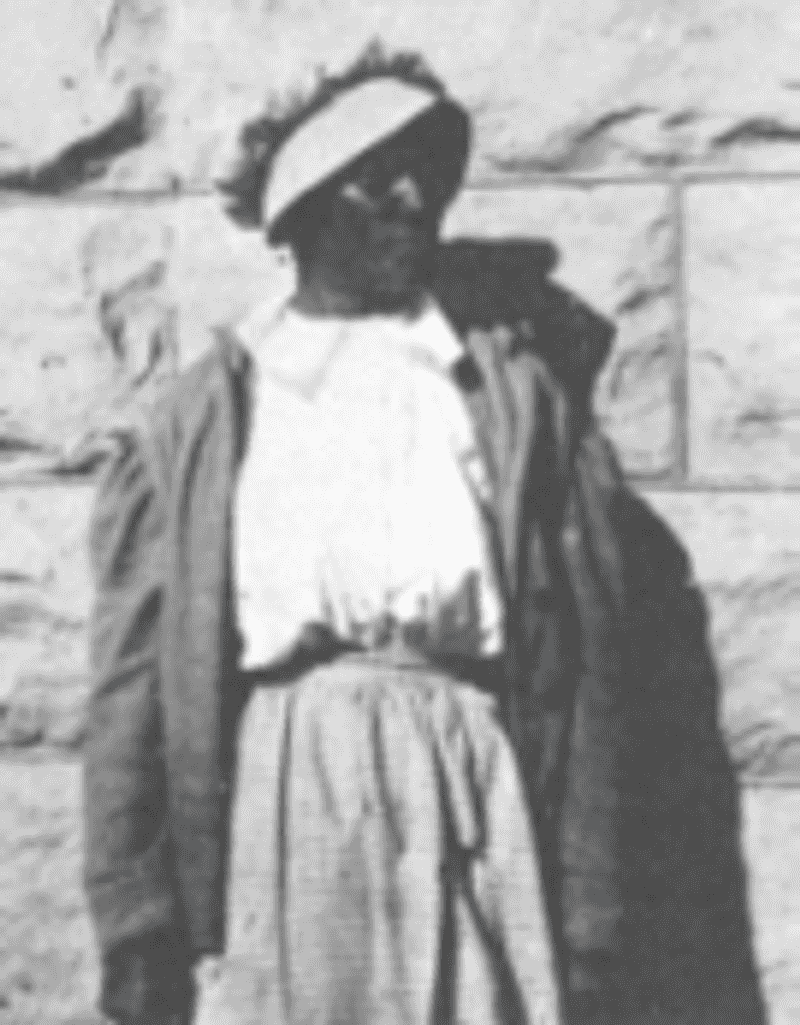
Cathay Williams walked into Army history with a borrowed name and a mountain of nerve. In 1866, she enlisted as William Cathay and served with the 38th U.S.
Infantry, one of the Buffalo Soldier regiments formed after the Civil War. She is widely described as the only documented woman to serve as a Buffalo Soldier while posing as a man during the Indian Wars.
That sentence should be in far more textbooks than it is. Williams had already survived enslavement and wartime upheaval, then stepped into another system that had no interest in making room for her.
I once stumbled across her story while chasing a completely different topic, and it stopped me cold. Her service was difficult, risky, and physically punishing, yet she did it anyway.
No polished legend, no easy medal line, just endurance and grit under conditions designed to shut her out. Cathay Williams did not ask history for permission.
She enlisted first, and let the record catch up later.
Harlem Hellfighter, Late Thanks
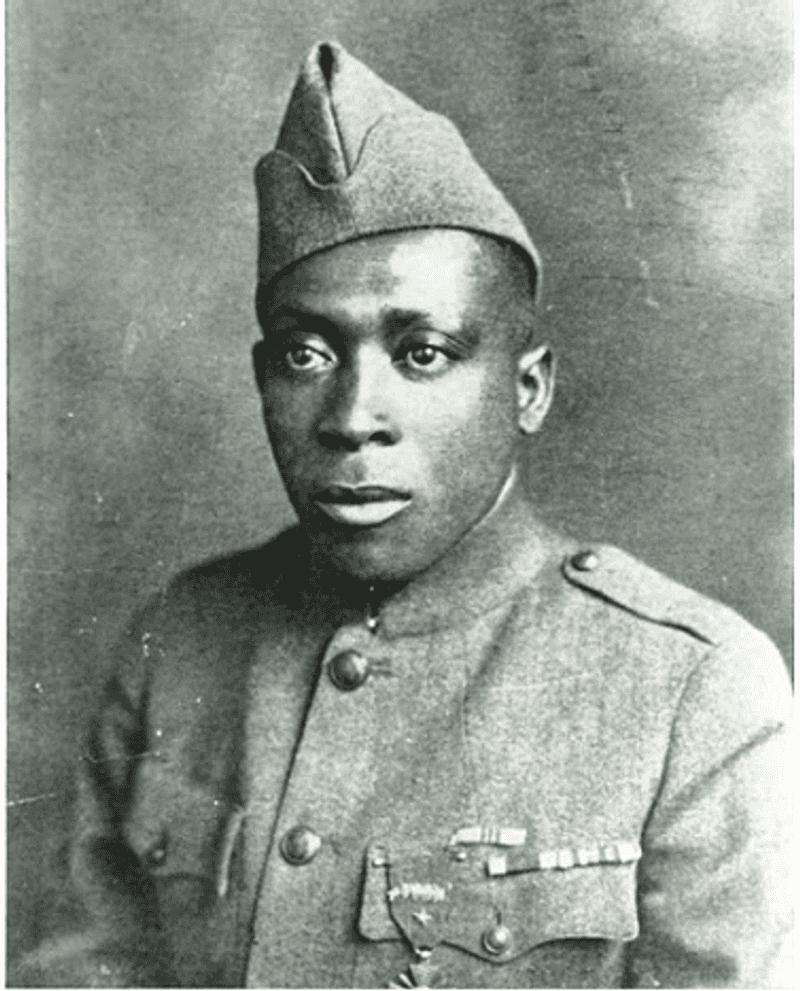
Henry Johnson’s story has more grit than a trench boot. Serving with the 369th Infantry, the Harlem Hellfighters, he fought off a German raiding party during a brutal night attack in World War I despite severe wounds.
France recognized his heroism quickly with the Croix de Guerre, while the United States took a painfully long detour.
And by long, I mean absurdly long. Johnson did not receive the Medal of Honor until 2015, decades after his death, which is one of those facts that lands with a thud.
He defended a fellow soldier, battled multiple attackers, and kept going when most people would have collapsed. That kind of bravery does not need embellishment, trumpet music, or a dramatic narrator voice.
It only needed timely respect. Instead, America kept him waiting while his legend traveled the long road from battlefield truth to official memory.
Henry Johnson was a hero the moment he survived that night. The paperwork just finally caught up.
A Pilot Without His Country’s Wings
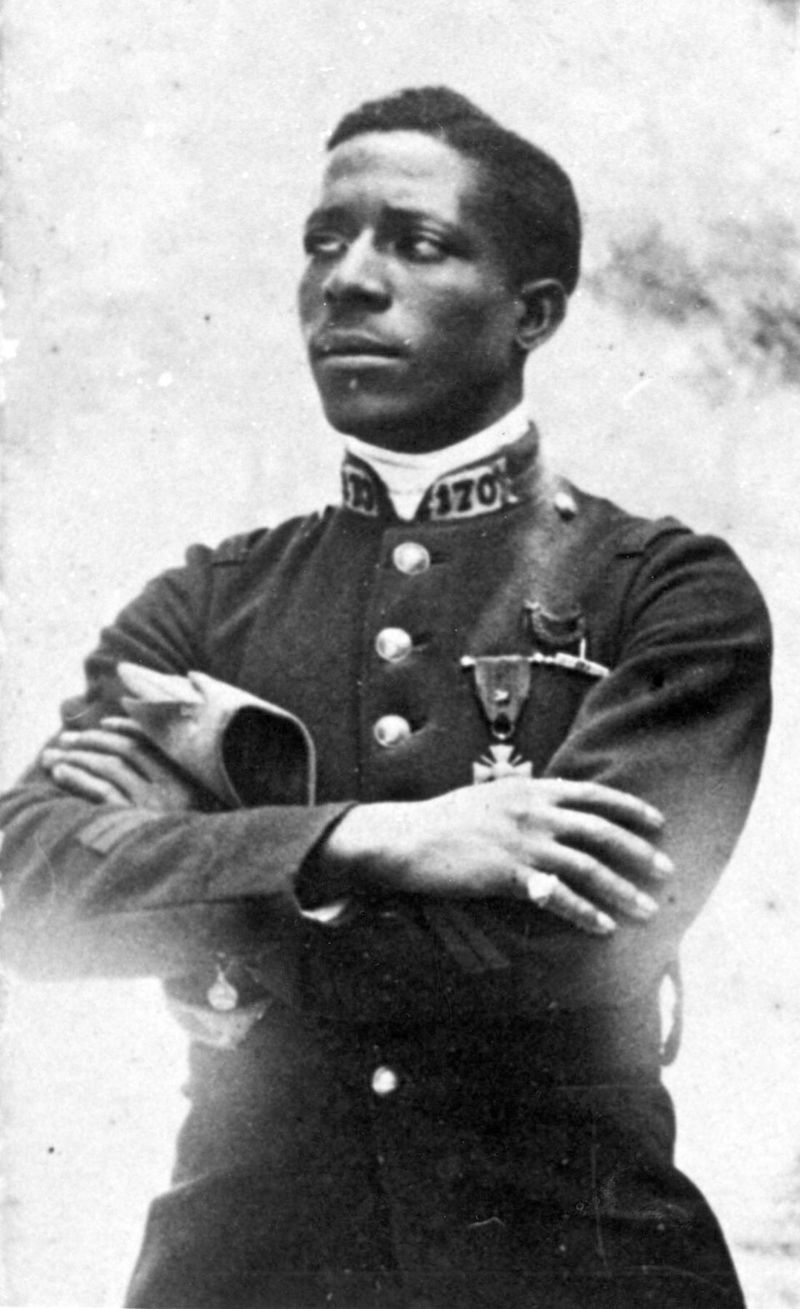
Eugene Bullard took to the sky even when his own country would not hand him the keys. He flew for France during World War I and is widely regarded as the first African American military aviator to fly in combat.
Some details about his victory count remain debated, but his combat service is solid, documented, and remarkable.
That contrast is the whole story in miniature. America produced him, prejudice boxed him in, and France gave him the cockpit.
I always think that should make us more uncomfortable than it usually does. Bullard was not a symbol first and a pilot second.
He was a real airman who faced real danger in one of the war’s newest and most unforgiving arenas. Later, like too many trailblazers, he spent years without the level of recognition his record deserved.
Still, the facts refuse to duck. Eugene Bullard flew in combat, made history above the clouds, and proved that talent does not wait politely for a nation to catch up.
The WASP Who Drew Fire
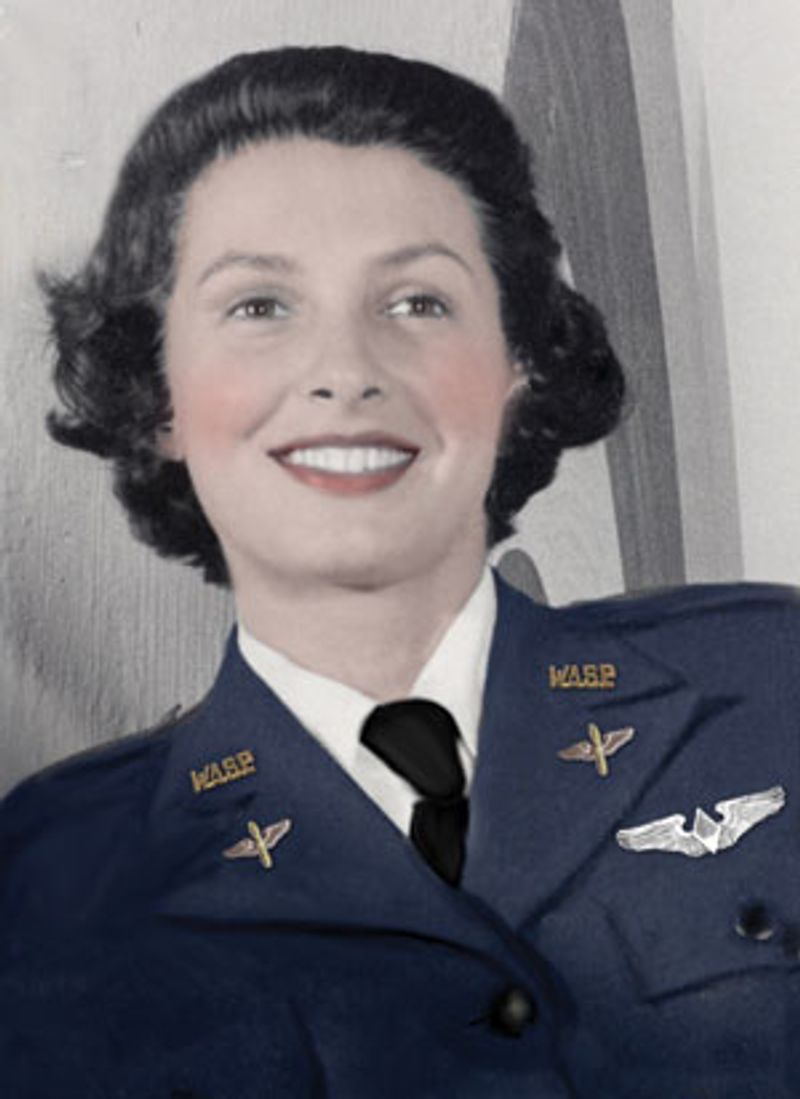
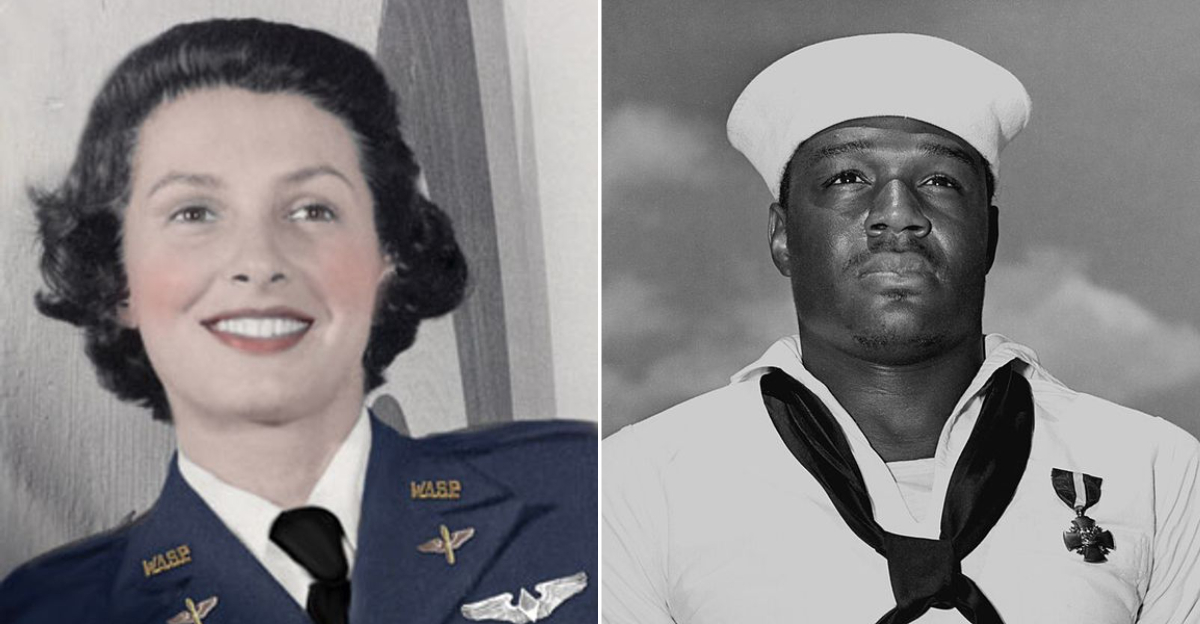
Ola Mildred Rexroat did the kind of flying that makes your eyebrows rise on their own. As an Oglala Sioux member of the Women Airforce Service Pilots during World War II, she took on hazardous assignments, including towing targets for live gunnery practice.
Yes, that means other people were firing while she flew the setup. Casual little detail, right?
Her service tells you everything about how risky WASP work really was. These women ferried aircraft, tested planes, and supported training at scale, all while proving they belonged in jobs many men still insisted were off limits.
Rexroat’s story matters because it slices through the old myth that women in uniform were tucked safely away from danger. They were not.
They were in the air, under pressure, doing the jobs that kept the machine running. I love stories like hers because they strip the varnish off history.
Ola Mildred Rexroat did not just participate in wartime aviation. She handled the missions others were happy to avoid.
Doris Miller Grabbed the Gun
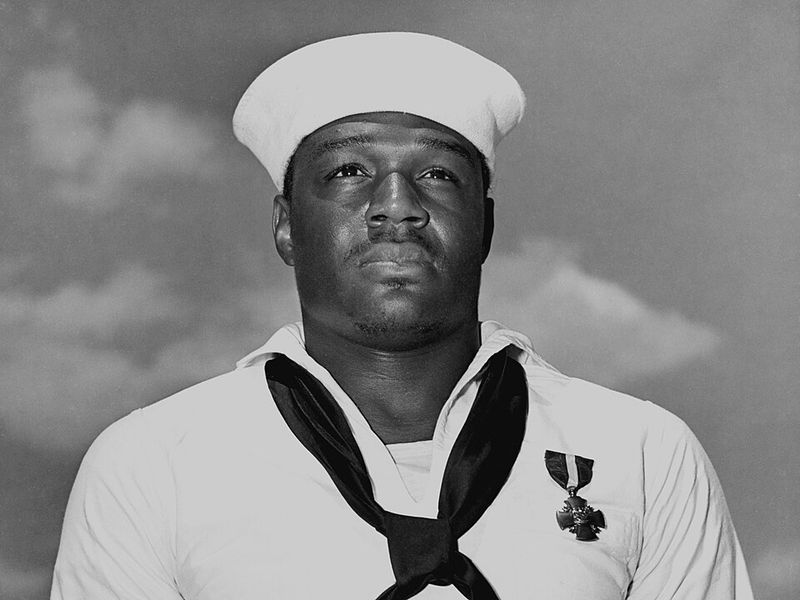
Doris Miller was not assigned to be the hero of that morning, which is exactly why his story hits so hard. During the attack on Pearl Harbor, the mess attendant aboard USS West Virginia helped move wounded sailors to safety and then manned an anti-aircraft gun despite having no official gunnery assignment.
He stepped into chaos and answered it with action.
That kind of bravery does not wait for permission slips. Miller’s service exposed the ugly limits of the segregated Navy even as he became one of its most celebrated figures, receiving the Navy Cross after the attack.
I remember learning his story years after I had memorized the date of Pearl Harbor, and that felt backwards. We often get the event first and the people later, if at all.
Viral posts sometimes claim his award was upgraded to the Medal of Honor, but that is not officially true. The truth is already powerful enough.
Doris Miller saw a crisis, did what needed doing, and became a hero by refusing to stand still.
The Body Bag Was Wrong
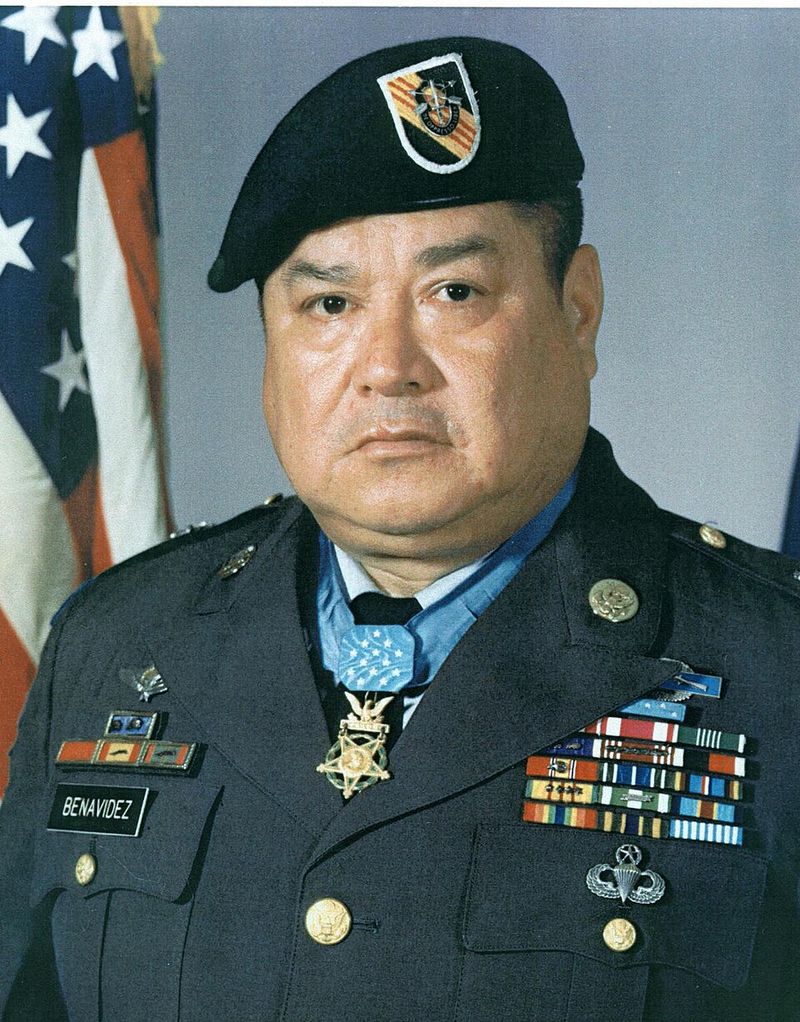
Roy Benavidez turned a rescue mission into a master class in refusing to quit. On May 2, 1968, near Loc Ninh, Vietnam, he charged into a six-hour fight to help a trapped team, repeatedly exposing himself to enemy fire while rescuing the wounded and organizing extraction.
His actions earned the Medal of Honor, though that tidy phrase barely handles the chaos involved.
The detail people remember most sounds almost too stark to be real. Official Army storytelling has long included the moment when he was thought dead and placed in a body bag, only to prove otherwise in a way no one nearby ever forgot.
I know, history really does write with dramatic timing sometimes. Still, the heart of the story is not the body bag.
It is the relentless courage before it, during it, and after it. Benavidez kept moving through wounds that would have dropped nearly anyone else.
He did not just survive a nightmare. He pulled others through it too, one impossible act at a time.
Hazel Ying Lee’s Dangerous Runway
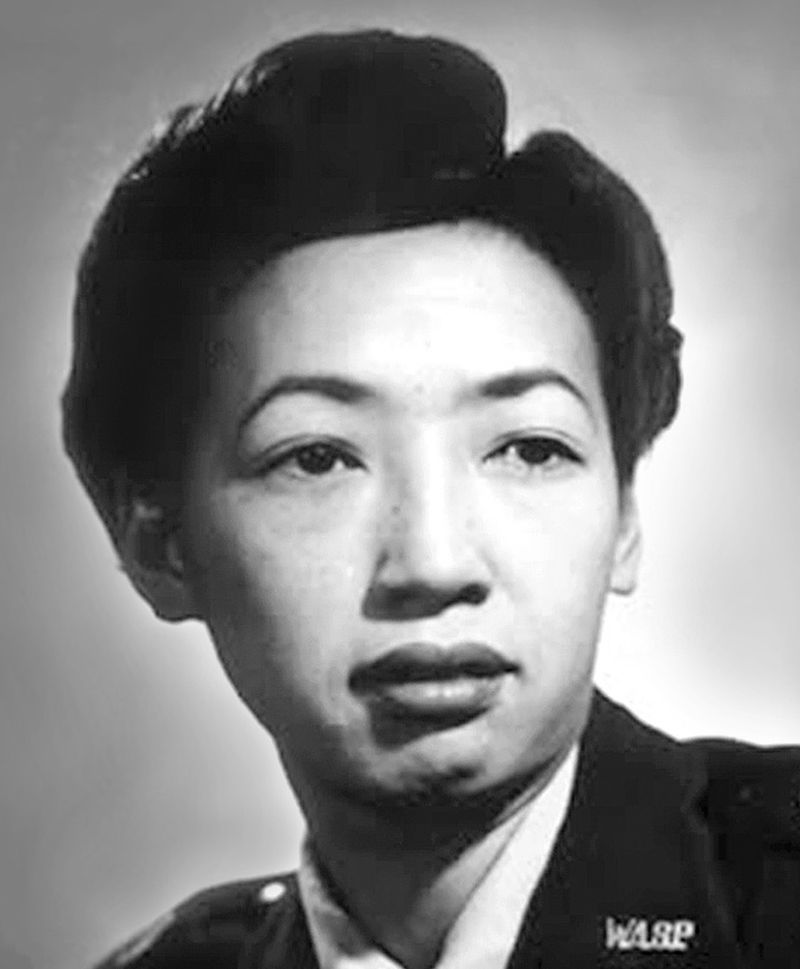
Hazel Ying Lee’s story lands with a hard truth: danger did not start only when bullets flew. As a WASP ferry pilot, she delivered aircraft during World War II and died in 1944 after a runway collision in Great Falls, Montana.
Her death underscored how risky military aviation work could be even away from a formal combat zone.
Lee was one of those pioneers who moved forward while systems around her still dragged their feet. A Chinese American woman in wartime aviation, she broke barriers simply by showing up qualified and ready, then proved her worth every time she flew.
That combination of talent and tenacity always gets me. We sometimes treat noncombat roles as if they came wrapped in bubble paper, but the skies did not care about labels.
The job demanded skill, concentration, and nerve, and Lee brought all three. Her story deserves more than a passing mention in a broad chapter on women pilots.
Hazel Ying Lee helped carry wartime aviation forward, and the cost was painfully real.
Cockpit to Physics Lab
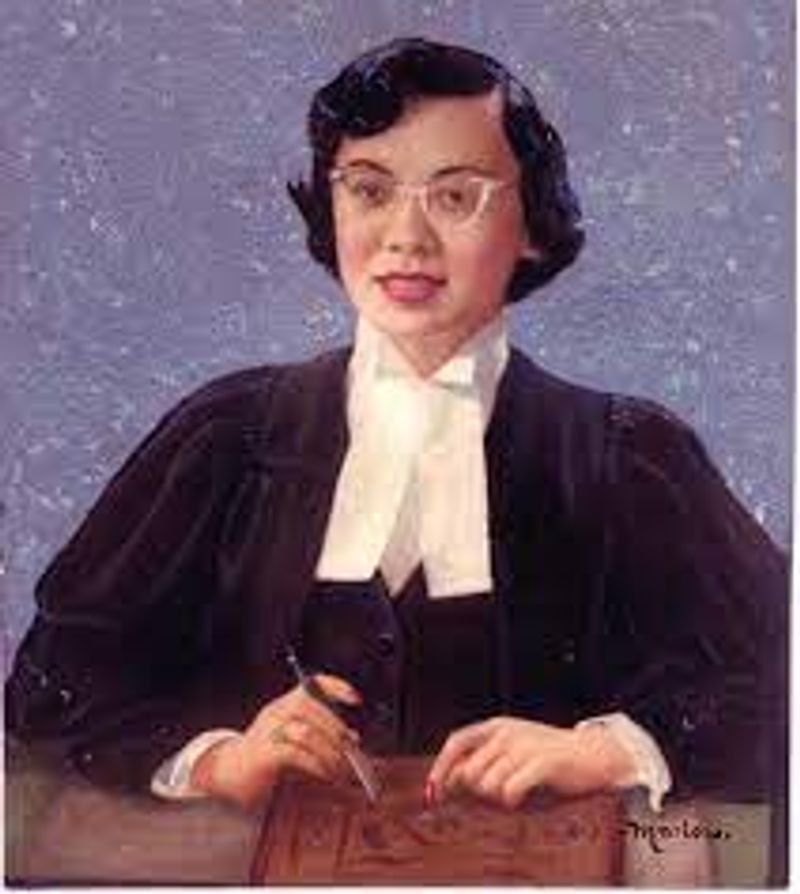
Maggie Gee did not stop serving when the plane landed. She flew as a Women Airforce Service Pilot during World War II, then later built a long career as a research physicist at Lawrence Livermore National Laboratory.
That is not just a great resume. That is a full rebuttal to anyone who ever confused opportunity with ability.
What I like most about Gee’s story is how it widens the definition of military legacy. Not every legend is forged in a firefight.
Some are built by the people who fought to serve, proved they could, and then helped shape the world that came after. Gee belonged to a generation of women whose wartime contribution was indispensable but often treated as temporary, like history had borrowed them and hoped no one would ask follow-up questions.
Well, follow-up questions are my favorite kind. Her life makes a simple point with unusual force.
Maggie Gee did brave work in uniform, then kept doing meaningful work long after, turning service into a much longer story than most textbooks allow.
POW Lessons That Failed
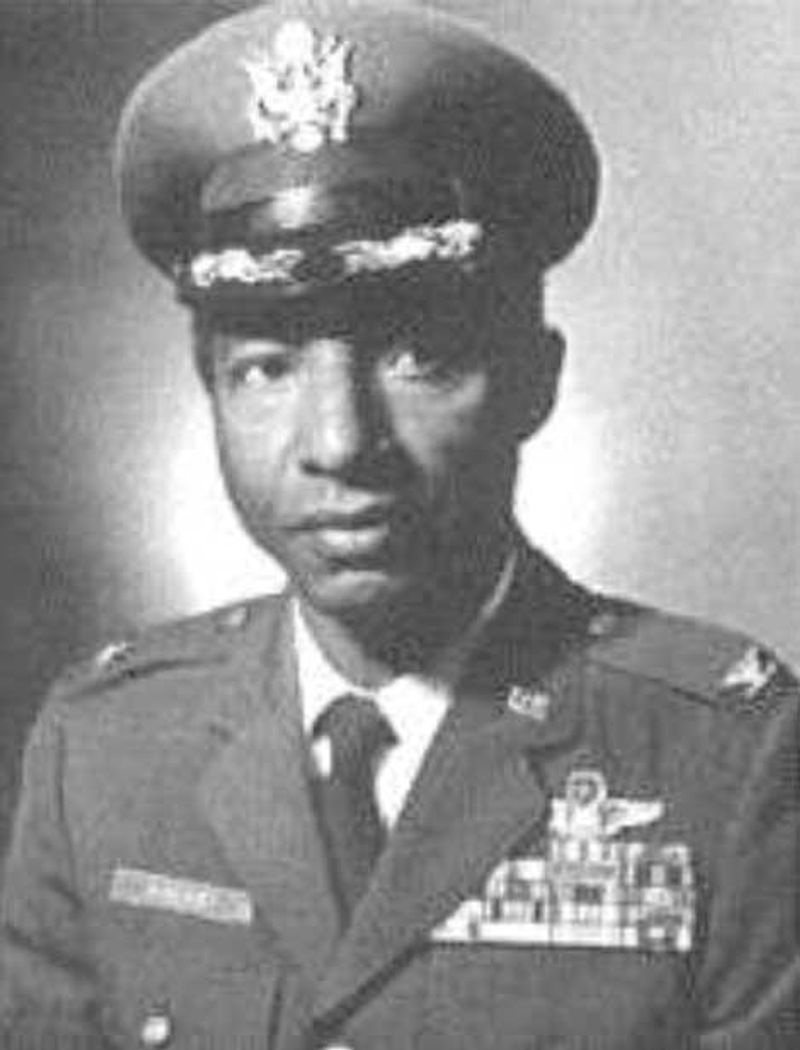
Fred Cherry survived the kind of test that exposes everyone involved. Shot down over North Vietnam on October 22, 1965, the Air Force pilot spent years as a prisoner of war under brutal conditions.
Accounts of his captivity often note that efforts to exploit racial division among American POWs did not go the way his captors expected.
That matters because it turned prejudice into a failed strategy. Cherry’s relationships with fellow prisoners became part of how he endured, and the story keeps reminding us that solidarity can wreck a bad plan with surprising efficiency.
There is a grim irony there that history almost seems proud of. He suffered for seven years, yet his example reached beyond endurance alone.
It showed discipline, resilience, and a refusal to let others define him through the divisions they hoped to weaponize. POW stories can blur into abstract hardship if you are not careful.
Fred Cherry’s does not. It stays personal, stubborn, and sharply human, proving that survival sometimes becomes its own form of defiance and leadership.
Combat Flights and Court Fights

Martha McSally’s story comes with two battlefields, and neither one was easy. According to the U.S.
Air Force, she was the first female pilot in the Department of Defense to fly in combat, flying A-10 missions during Operation Southern Watch. That already puts her in a groundbreaking lane with very little room for hesitation.
Then she kept going. McSally later challenged gender-based rules affecting U.S. servicewomen in Saudi Arabia, taking on a system that expected compliance dressed up as tradition.
I always appreciate that kind of double courage. Flying combat is one thing.
Turning around and confronting institutional nonsense is another, and she did both. Her career shows that military bravery is not only about what happens in the air.
Sometimes it is also about pushing back when policy lags behind reality and fairness. The result was bigger than one pilot or one deployment.
Martha McSally helped change what women could do in uniform and how they could be treated while doing it, which is a legacy with real lift.



