 Unearth The Voyage
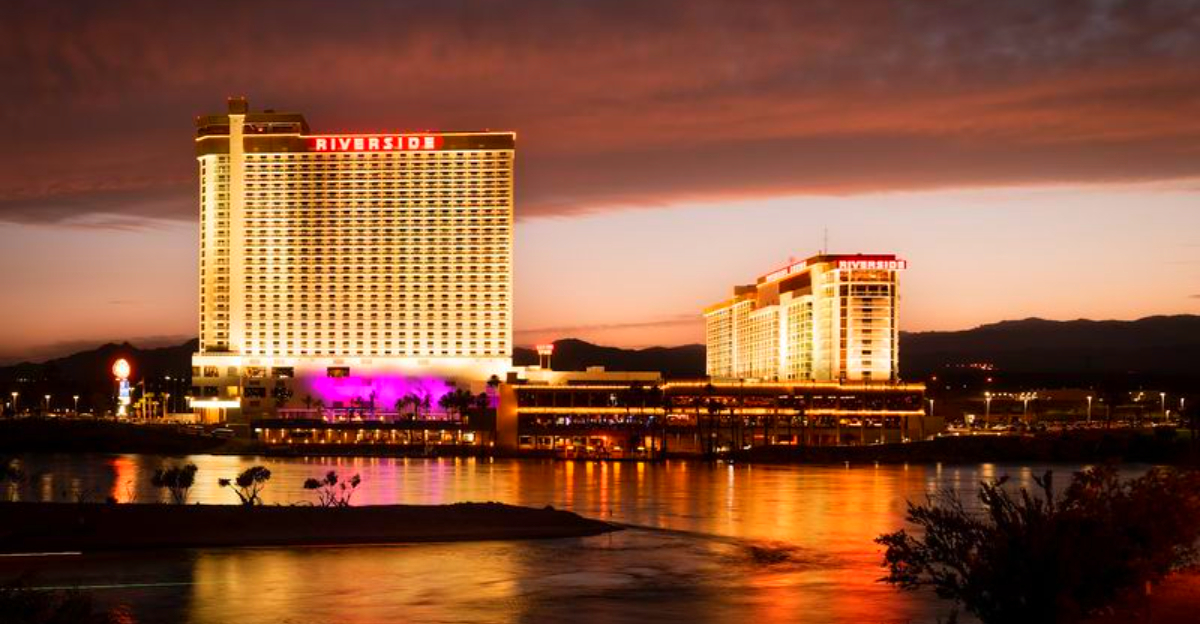
Las Vegas turned bright lights and big bets into a full-blown identity, and plenty of places tried to copy the formula. Some built flashy resorts, others rolled out entertainment districts and neon, and a few even promised a total makeover to lure visitors.
You will see bold ideas, near-misses, and what happens when a city chases spectacle without the Vegas engine behind it. Keep reading for 13 attempts that aimed for the Strip’s spotlight but discovered how hard it is to outshine the original.
1. Atlantic City, New Jersey
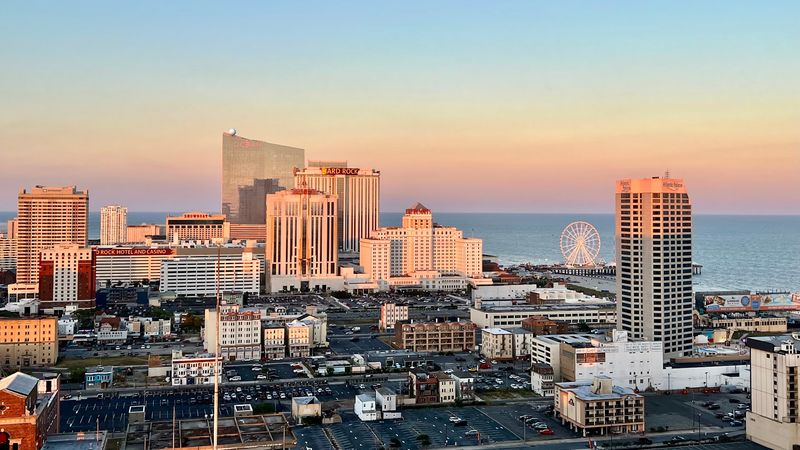
Bright bulbs once crowned a promise along the Boardwalk, and for a moment it felt unstoppable. Casino legalization in the late 1970s brought towers, marquees, and steady crowds that loved the ocean breeze paired with ringing slots.
Then the cracks showed in escalators, facades, and business models that aged faster than the paint. New casinos in nearby states siphoned weekend warriors who no longer needed to drive hours for a flutter and a show.
You can still enjoy salt air, classic arcades, and a few modern resorts trying to reset the story. Yet the city struggled to match Vegas scale, integrated entertainment, and relentless reinvention that keeps visitors orbiting a single, concentrated Strip.
Streets spread out, weather adds complexity, and seasonality softens the crowds. Without the sheer density of spectacle, the experience feels more stop and start than full immersion.
The lesson lands clearly as you stroll past faded signs promising tomorrow. Vegas sells a total environment that never blinks, while Atlantic City’s charm lives in flashes, not a continuous glare.
2. Reno, Nevada
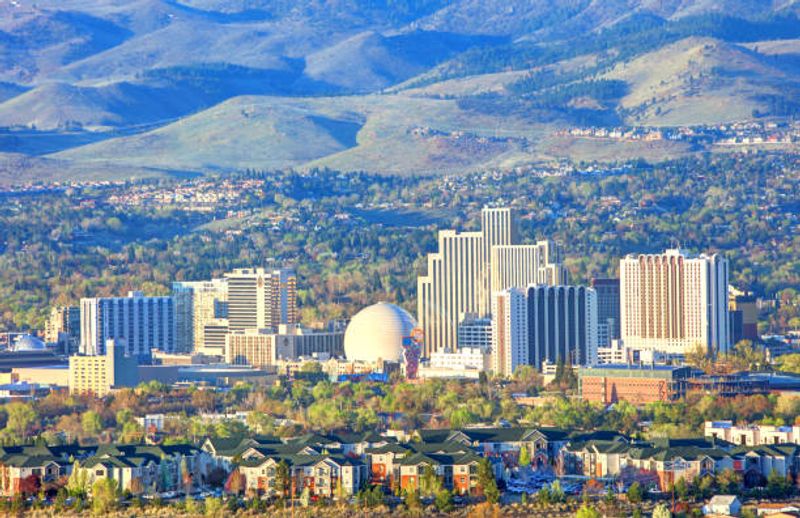
Biggest Little City was a bold nickname that once felt like a contract. Reno had legal gambling early, quick weddings, and a compact grid of casinos that kept tables busy.
Vegas changed the game by stacking megaresorts like dominos, each one taller, flashier, and layered with shopping, arenas, and headline entertainment. Reno’s intimate scale started to feel like a side room to the main event.
You still get friendly dealers, easy walks, and a mountain backdrop that beats a parking lot view. The pace is approachable, and odds can be kind to the casual player or quick getaway seeker.
But the spectacle arms race drifted far beyond small city blocks. Where Vegas built self-contained worlds, Reno doubled down on being accessible, not overwhelming.
That choice holds value but limits draw. Visitors craving a sensory surge and round-the-clock pageantry choose the Strip, while Reno’s charm resonates best with those who want gaming without the theater.
3. Tunica, Mississippi
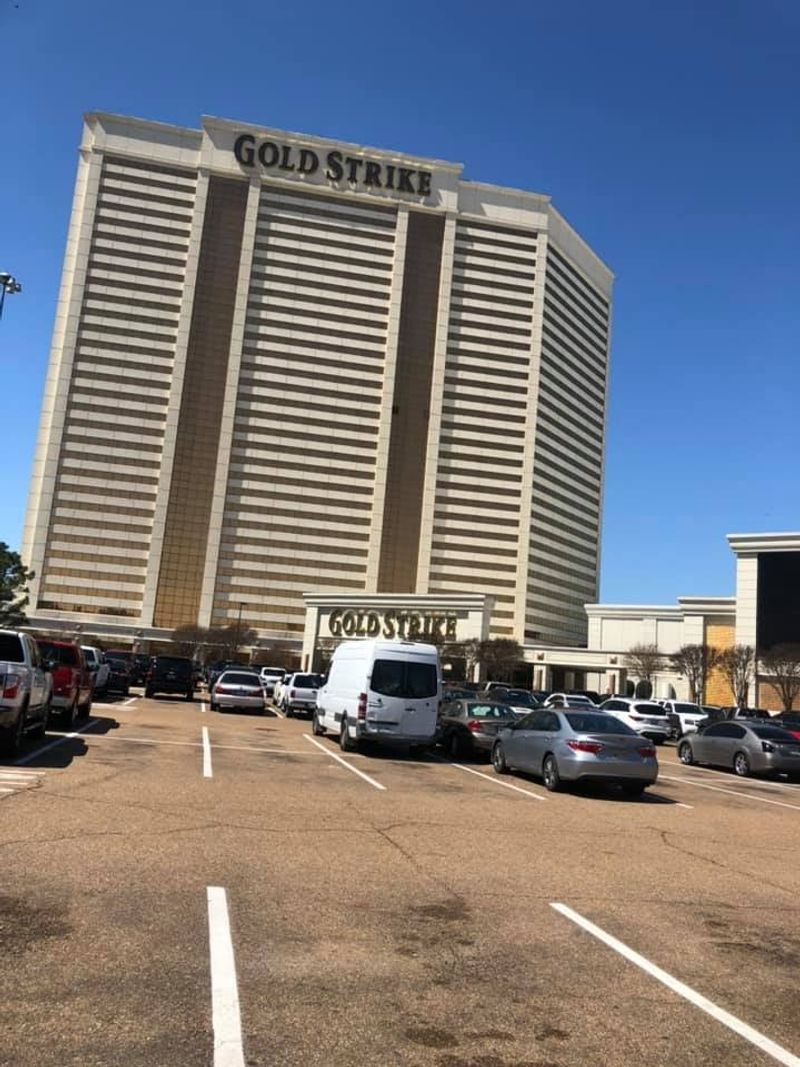
Fields turned into flicker here almost overnight. Tunica rode the 1990s wave with riverboat gaming that promised a shortcut from quiet farmland to perpetual action.
For a few hot seasons, parking lots filled and buses exhaled day trippers by the hour. The formula seemed simple enough, until regional rivals copied it with shorter drives and shinier carpets.
Distance mattered more than hype. Visitors asked why they should travel farther when similar tables waited closer to home.
Infrastructure lagged behind ambition, and the destination feel never fully clicked. Entertainment beyond the gaming floors stayed thin, so nights ended earlier than the billboards suggested.
You can still find friendly tables and a soft pace that favors regulars. The attempt to mirror Vegas scale without the surrounding ecosystem proved tricky, leaving Tunica as a case study in momentum without magnetism.
4. Biloxi, Mississippi
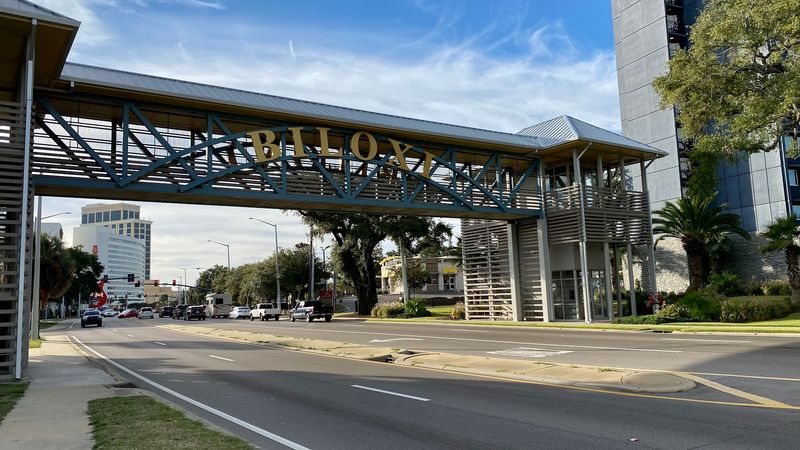
Sea breeze plus bright marquees sounds unbeatable on paper. Biloxi invested hard in waterfront resorts that paired gaming with breezy views and coastal comforts.
Visitors loved the warm nights and quick access from regional hubs. Then storms rewrote plans, renovations took time, and nearby markets kept sharpening their own offers.
The city built resilience and came back with upgraded spaces. Still, the entertainment lattice never thickened into a juggernaut that keeps guests orbiting indoors for days.
Vegas wins by chaining attractions so you bounce from spectacle to spectacle without a pause. Biloxi encourages stepping outside, which feels great but diffuses the energy that fuels all-night buzz.
Today it thrives as a reliable regional pick with waterfront perks. The head-to-head with the Strip faded, replaced by a distinct identity that works better than imitation.
5. Lake Charles, Louisiana
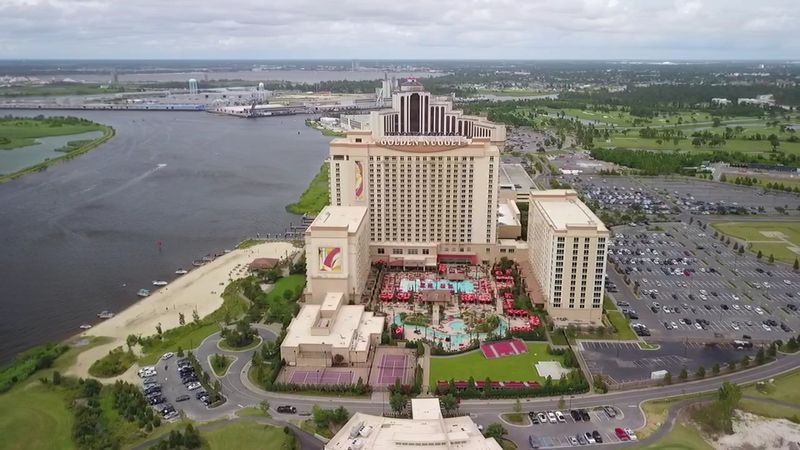
Weekend warriors turned this bayou-adjacent city into a habit. Lake Charles stacked sizable resorts that drew steady traffic from Texas with easy drives and clear rewards.
Rooms filled, restaurants buzzed, and gaming floors handled the surge right through Sunday. Momentum looked strong, until the comparison test hit harder.
Beyond gaming, the itinerary thinned out. Without a dense grid of shows, shopping, and late-night diversions, visitors treated it like a quick recharge rather than a destination.
Vegas overwhelms you with choices every fifteen steps. Lake Charles offers space and comfort, which relax the pulse but do not amplify it.
The result is a solid regional anchor that understands its audience. Competing with the Strip became less goal and more reference point, and that shift suits the place better.
6. Laughlin, Nevada
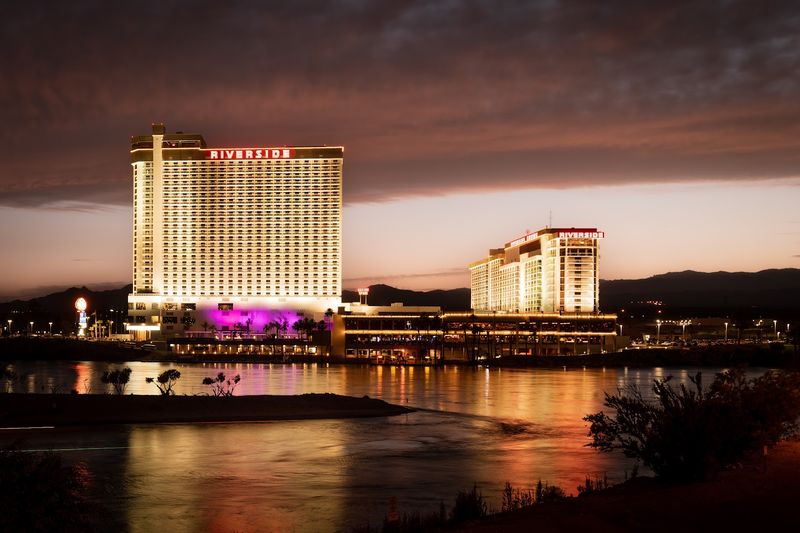
River shimmer tries its best to out-glitter neon here. Laughlin lined the Colorado with modest properties, water taxis, and room rates that made weekend budgets breathe easier.
Plenty of travelers liked the calm, the slower tables, and the walkways hugging the river. You could hear conversations over the clink of chips, and that alone felt like luxury.
Yet the missing piece was scale. Without vast theaters, massive conventions, or endless dining choices, buzz scattered instead of building.
Vegas lives on compression, packing sights into a single corridor that traps your attention until sunrise. Laughlin spreads out like the water it loves, relaxing but rarely roaring.
It became the place you visit when you crave elbow room and desert skies. Competing with the Strip’s spectacle was never its lane, and the market decided comfort beats combat.
7. Deadwood, South Dakota
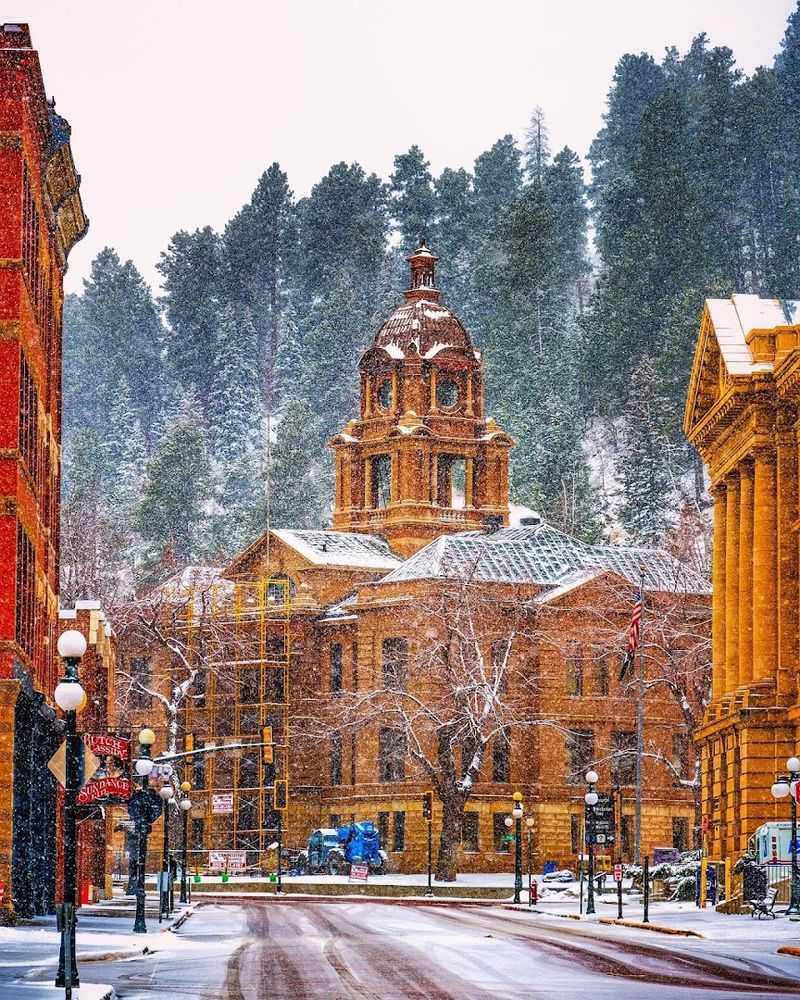
History steals the show before the first chip lands. Deadwood leaned into frontier lore, mixing gaming with creaky floors, vintage signs, and tight streets that tell their own story.
Visitors adore the charm and the sense of walking through a time capsule. The problem is scale, because cozy saloons cannot morph into megaresorts without breaking character.
Table limits and square footage cap the thrill curve. Seasonal swings nudge crowds in and out, making year-round momentum tough to sustain.
Vegas thrives on endless rooms, vast stages, and spectacle that resets every hour. Deadwood thrives on atmosphere and storytelling, which resist bloat by design.
You leave with standout memories and photos that feel like postcards. The city never truly battled Vegas, it just shared the ring for a round and bowed with style.
8. Detroit, Michigan
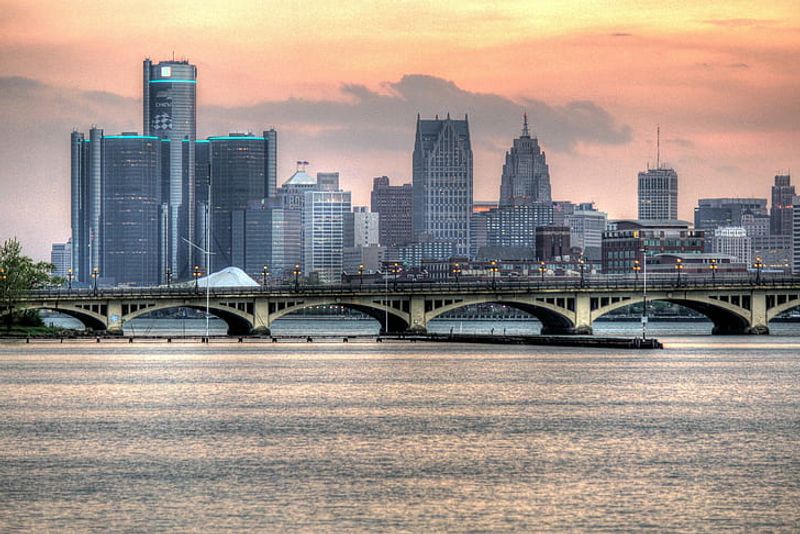
Steel, grit, and swagger marched into gaming here. Detroit opened major downtown casinos in the late 1990s, betting on jobs, tourism, and a revitalized core.
Locals gained entertainment options, and visitors discovered a city with a serious pulse. Slot counts surged, and properties refined amenities to keep guests inside longer.
Yet the ceiling arrived. Without a Strip-like corridor to concentrate energy, experiences scattered across blocks and commutes rather than a single promenade.
Vegas corrals you with a seamless run of attractions that feeds momentum all night. Detroit built strong standalone houses but struggled to stitch them into one fabric.
The result is economic impact that matters and a scene that serves the region well. Taking the national crown proved elusive because the model depends on density, not just size.
9. Kansas City, Missouri
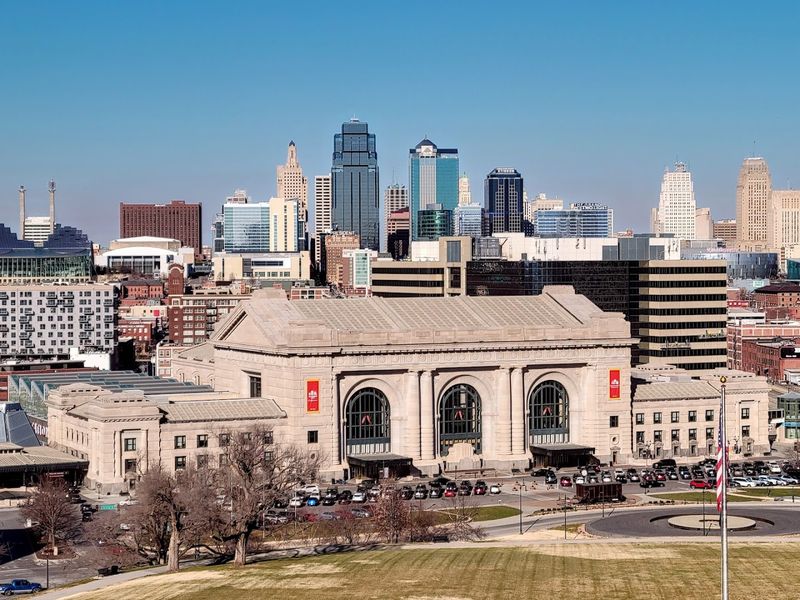
Rules wrote the tempo before the music started. Kansas City welcomed riverboat casinos with expectations of a humming Midwest hub and a broader tourism bounce.
Regulations trimmed operating freedom, and resort-scale growth stayed cautious. Entertainment clusters never grew into a single, magnetic spine.
Visitors got solid gaming but fewer reasons to linger past a quick session and a meal. The experience stayed pleasant, not persuasive enough to reroute national trips.
Vegas wins by avalanche, burying you in options so the night never ends. Kansas City maintained balance, which is great for locals yet blunts destination wattage.
It remains a steady performer with thoughtful amenities. The tilt at Vegas faded quietly, replaced by a practical rhythm that suits the city’s everyday cadence.
10. Atlantic City’s Marina District Expansion
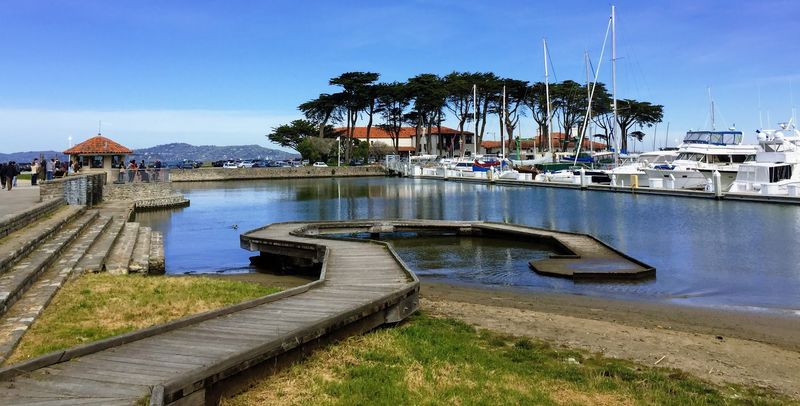
Second chances love shiny glass. The Marina District tried to reboot Atlantic City with sweeping lobbies, fresher towers, and a sleek waterside identity that whispered modern luxury.
Openings sparked curiosity and some genuine buzz. New restaurants arrived, and rooms upgraded the overnight experience with clean design and better views.
But critical mass never truly formed. Properties felt spaced rather than stacked, and the city’s broader infrastructure struggled to match the promise inside the resorts.
Vegas benefits from a feedback loop that rewards every new arrival with neighbors that raise the bar again. The Marina District improved the product yet could not summon that compounding effect.
Visitors still enjoy quieter bayside moments and polished interiors. Competing with the Strip required relentless adjacency, and here the gaps between highlights kept winning.
11. Shreveport, Louisiana
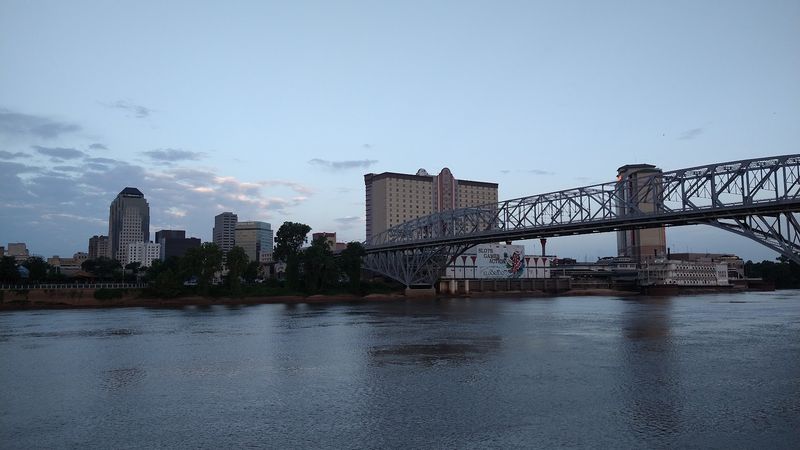
Momentum in the 1990s arrived like a parade of lights on the Red River. Shreveport stacked riverboats and entertainment promises that turned quiet banks into humming decks.
Initial growth felt unstoppable, with weekend traffic and local enthusiasm feeding tables. Over time, the novelty cooled as nearby markets matured and convenience won again.
Entertainment choices stayed focused on gaming floors instead of sprawling diversions. That made nights tidy but shorter, and repeat visits leaned practical, not epic.
Vegas thrives on scale and a swirl of attractions inside each resort. Shreveport offered a friendlier, smaller footprint that worked for regionals but not national buzz.
You can still enjoy an easygoing rhythm and straightforward play. The city’s bid to rival the Strip became a lesson in right-sizing ambitions to fit the river’s pace.
12. Black Hawk, Colorado
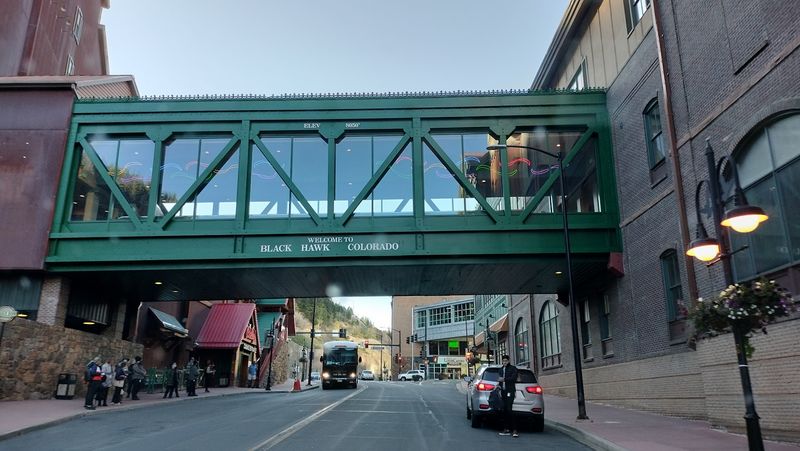
Mountain air sharpens the senses before the chips even drop. Black Hawk legalized gaming to boost tourism and rebuilt a narrow canyon into a vertical patchwork of casinos.
Space limits controlled everything from parking to crowd flow, and early betting caps shaped expectations. The result was focused fun rather than sprawling spectacle.
Visitors appreciate quick access from the Front Range and a jolt of high-country scenery. Nights deliver an efficient loop of play, food, and a return to crisp air.
Yet the canyon walls are not just scenic, they are boundaries. Without room for arena-sized shows or mall-length promenades, the experience remains compact.
Vegas opens outward in every direction until dawn erases the clock. Black Hawk does what it can within stone walls, and the contrast explains why the Strip still towers.
13. Chicago, Illinois
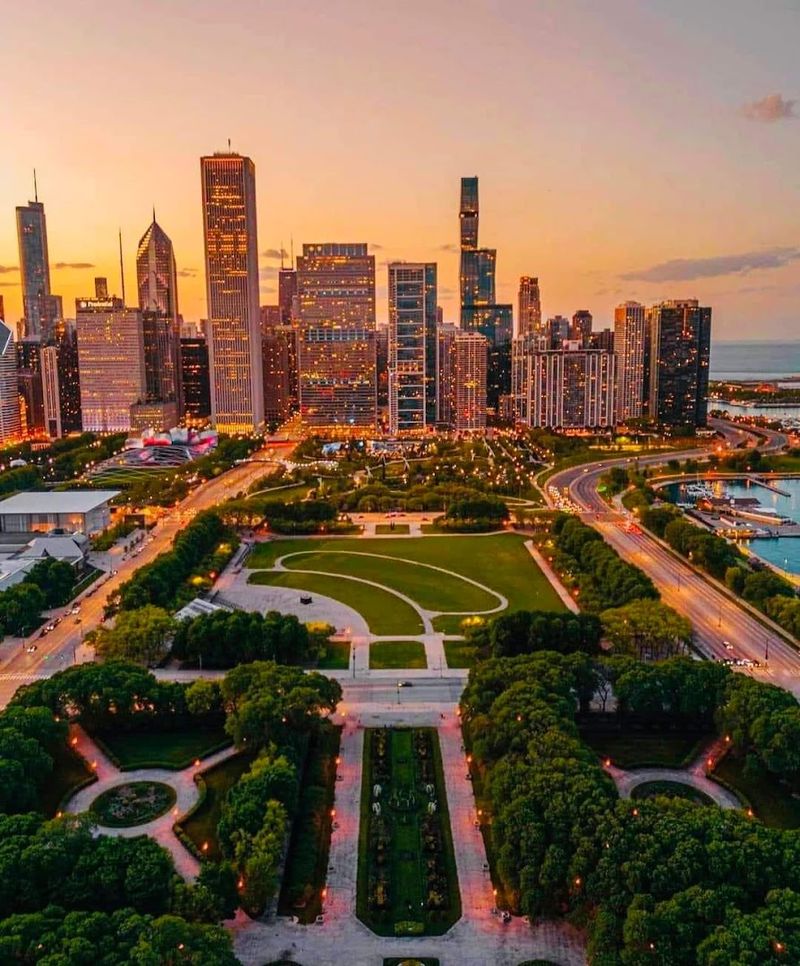
Big shoulders tried to carry the crown. Recent rankings praised Chicago’s table counts and search interest, fueling talk that a new capital of gaming might be on the rise.
Numbers impressed, and proposals aimed to thread gaming into a city already rich with culture, sports, and architecture. The ambition felt credible because the city moves at a major-league tempo.
Still, the Vegas comparison breaks on concentration. Attractions in Chicago spread across neighborhoods, which adds depth but dilutes the single-corridor thrill.
The Strip keeps you in one orbit where every doorway seduces the next step. Chicago invites exploration that skips between districts, wonderful for lifestyle but tricky for round-the-clock immersion.
You get outstanding experiences with or without a chip in hand. Outperforming Vegas remains a headline, not the daily reality, because the show there never pauses.



