 Unearth The Voyage
History books have a funny habit of leaving out the best parts. While we all know the big names, some of the most jaw-dropping acts of courage in American military history belong to people most of us have never heard of.
From a formerly enslaved man who became the first to die for American freedom, to two women who shattered one of the military’s toughest barriers, these stories deserve a spotlight. Get ready to meet 13 heroes who rewrote the rules, broke the mold, and in some cases, broke a few noses along the way.
Crispus Attucks: The First Martyr Before the Nation Even Existed
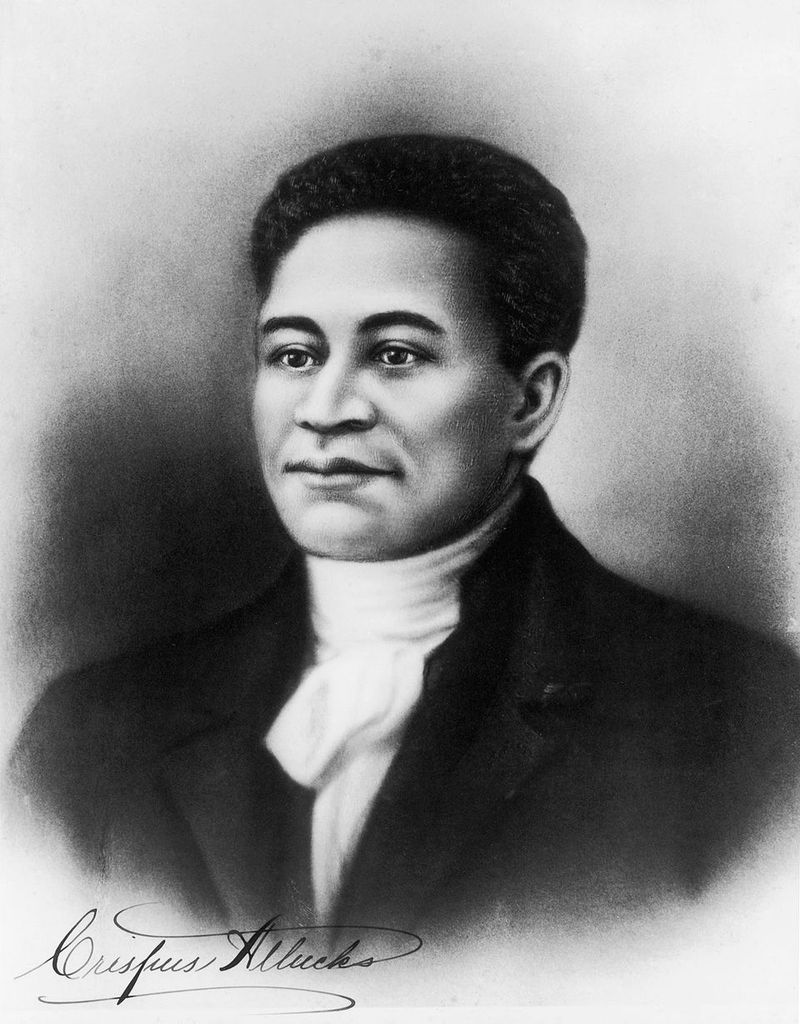
Before the United States was even a country, Crispus Attucks was already dying for its ideals. On March 5, 1770, British soldiers opened fire on a crowd of colonists in Boston.
Attucks was the first to fall, making him the first martyr of what would become the American Revolution.
He was likely a formerly enslaved man of African and Native American descent who had escaped bondage years earlier. Nobody handed him a title or a medal.
History just quietly noted that he showed up and stood his ground when it mattered most.
The Boston Massacre became a rallying cry that helped push the colonies toward independence. Attucks was front and center in that story.
Paul Revere’s famous engraving of the event spread across the colonies and fueled outrage. Attucks had no army rank, no uniform, and no fanfare.
He had guts, and that turned out to be enough to change history.
Peter Salem: The Shot That May Have Changed Bunker Hill
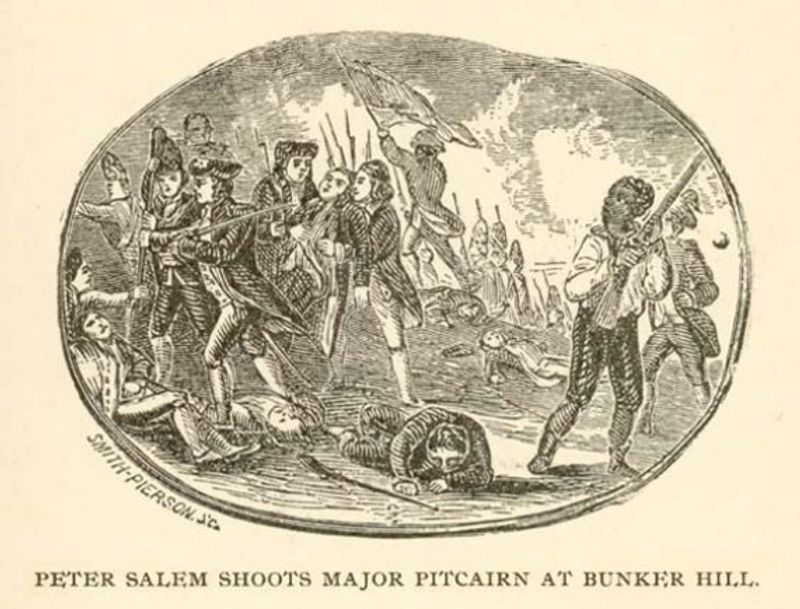
Not every war-changing moment gets a clean headline. Peter Salem was a formerly enslaved man who fought at the Battle of Bunker Hill in June 1775, and he did not go quietly.
He is often credited with mortally wounding British Major John Pitcairn during the battle, though historians note the attribution is disputed.
Salem had been granted his freedom specifically so he could enlist and fight for the Continental cause. That is a wild sentence to sit with.
He was freed from enslavement to go fight a war about freedom, for a country that had not yet decided what freedom really meant.
Despite his bravery, Salem received no grand recognition from the new nation he helped build. He spent his later years weaving baskets and living modestly in Massachusetts.
A monument was eventually erected in his honor, but it took more than a century. Better late than never, though barely.
Deborah Sampson: She Enlisted as Robert Shurtliff and Fought Anyway
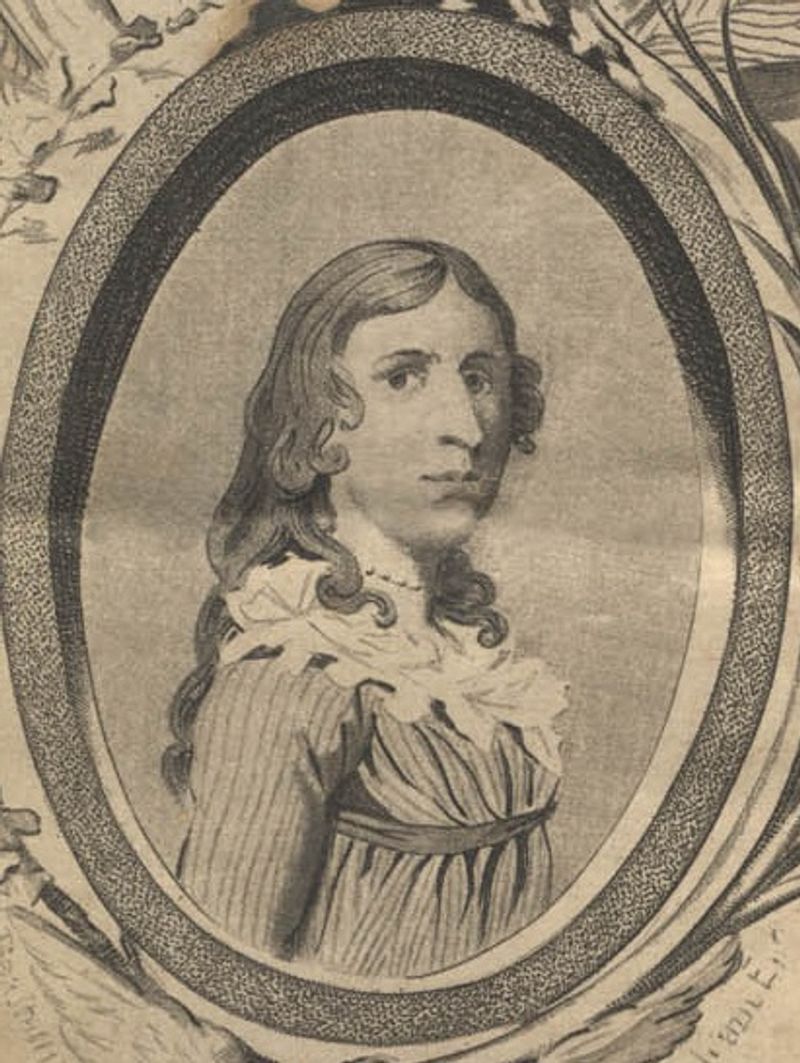
Deborah Sampson wanted to serve her country so badly that she literally changed her name and her identity to do it. In 1782, she disguised herself as a man, enlisted under the name Robert Shurtliff, and joined the 4th Massachusetts Regiment of the Continental Army.
She served for over a year before anyone figured it out.
She was wounded in battle more than once. During one injury, she reportedly removed a musket ball from her own leg to avoid being examined by a doctor who might reveal her secret.
That level of commitment is honestly terrifying in the best way.
After the war, she was honorably discharged and eventually received a pension, though she had to fight hard for it. Paul Revere himself wrote a letter supporting her claim.
She later toured the country giving lectures about her service, making her one of America’s earliest female public speakers. Not bad for someone history almost forgot entirely.
Cathay Williams: America’s Buffalo Soldier Who Broke the Rules to Serve
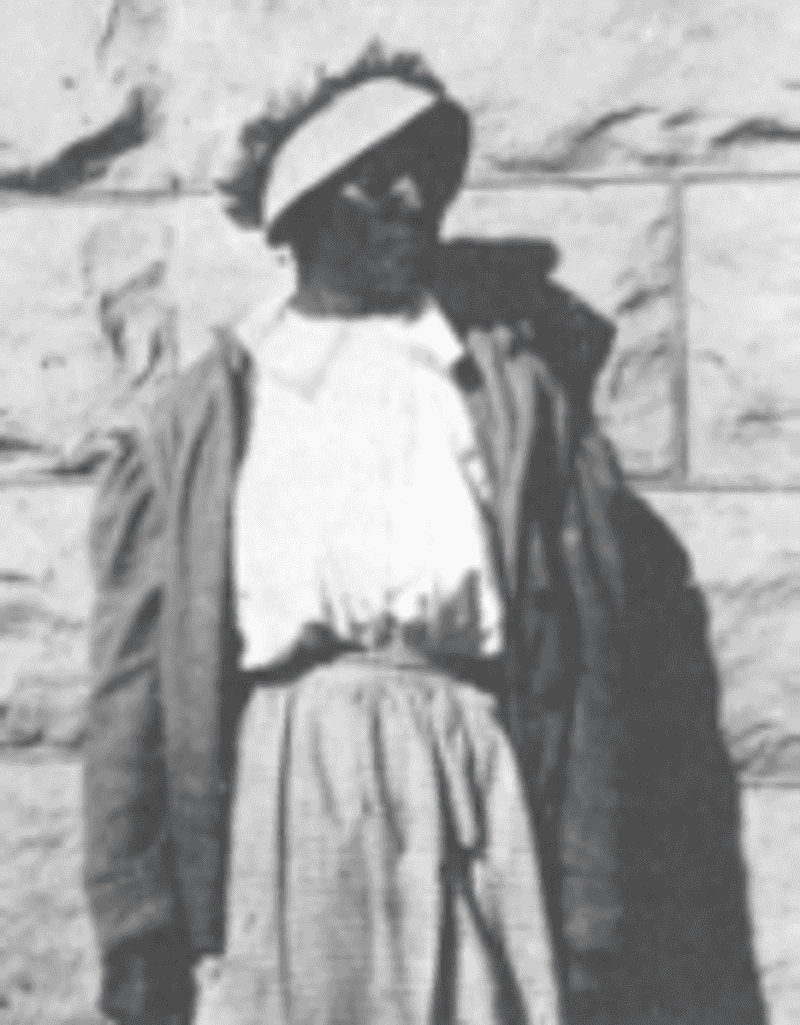
Cathay Williams holds a record that sounds like fiction: she was the first known Black woman to enlist in the U.S. Army, and she did it by pretending to be a man.
In 1866, she signed up under the name William Cathay and joined the 38th U.S. Infantry, one of the original Buffalo Soldier regiments.
Women were not allowed to serve, full stop. Williams did not care.
She served for nearly two years before a medical examination revealed her identity. She was discharged, but not dishonored.
Her story was largely buried for over a century, which is a spectacular injustice.
Williams later gave an interview to a newspaper in 1876, one of the few firsthand accounts we have from a Buffalo Soldier of that era. She applied for a disability pension due to health problems from her service and was denied.
A statue was eventually erected in her honor in Leavenworth, Kansas. She deserved far more.
Henry Johnson: A Lone Sentry Who Fought Like an Army
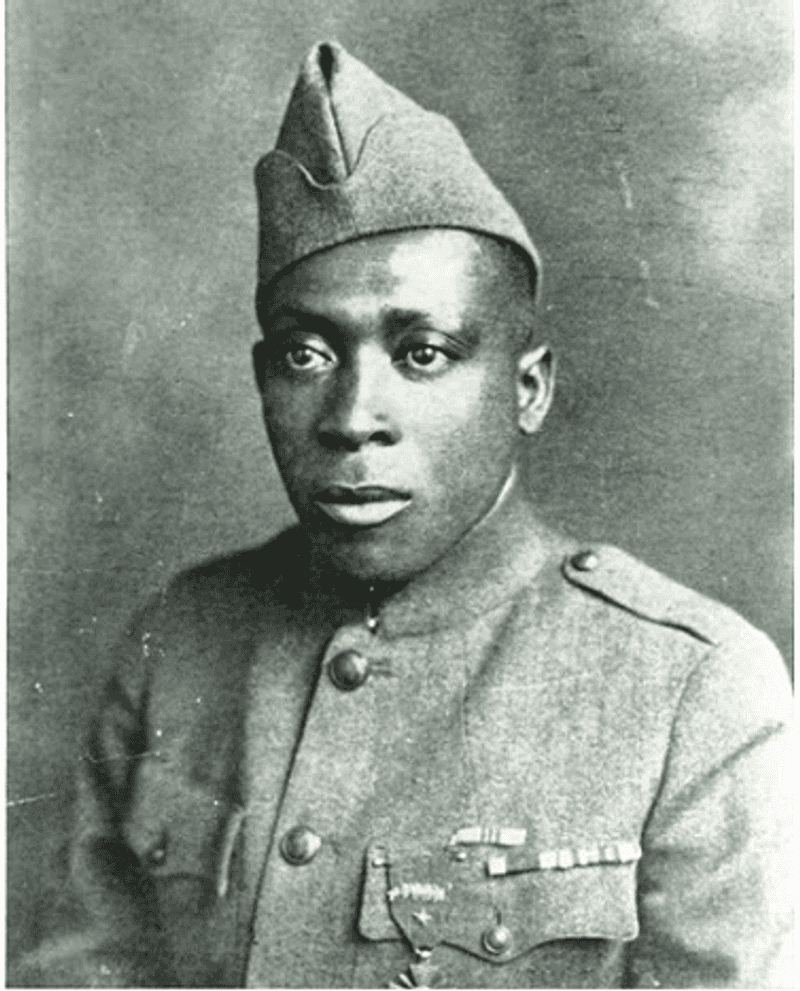
On the night of May 15, 1918, Henry Johnson was on sentry duty in France when a raiding party of German soldiers attacked his position. He was outnumbered.
He ran out of ammunition. And then he kept fighting anyway, using his bolo knife to hold off the enemy and rescue a fellow soldier.
Johnson was a member of the 369th Infantry Regiment, better known as the Harlem Hellfighters. France awarded him the Croix de Guerre with a gold palm, one of their highest honors.
America, however, took its sweet time. His Medal of Honor was not awarded until 2015, nearly a century after his heroics.
Johnson returned home to parades and speeches but struggled deeply afterward. He faced poverty, health problems, and a country that did not treat him as the hero he clearly was.
His story is a complicated mix of extraordinary bravery and shameful neglect. Thankfully, history eventually corrected at least part of that record.
Eugene Bullard: The U.S.-Born Combat Pilot America Didn’t Fly
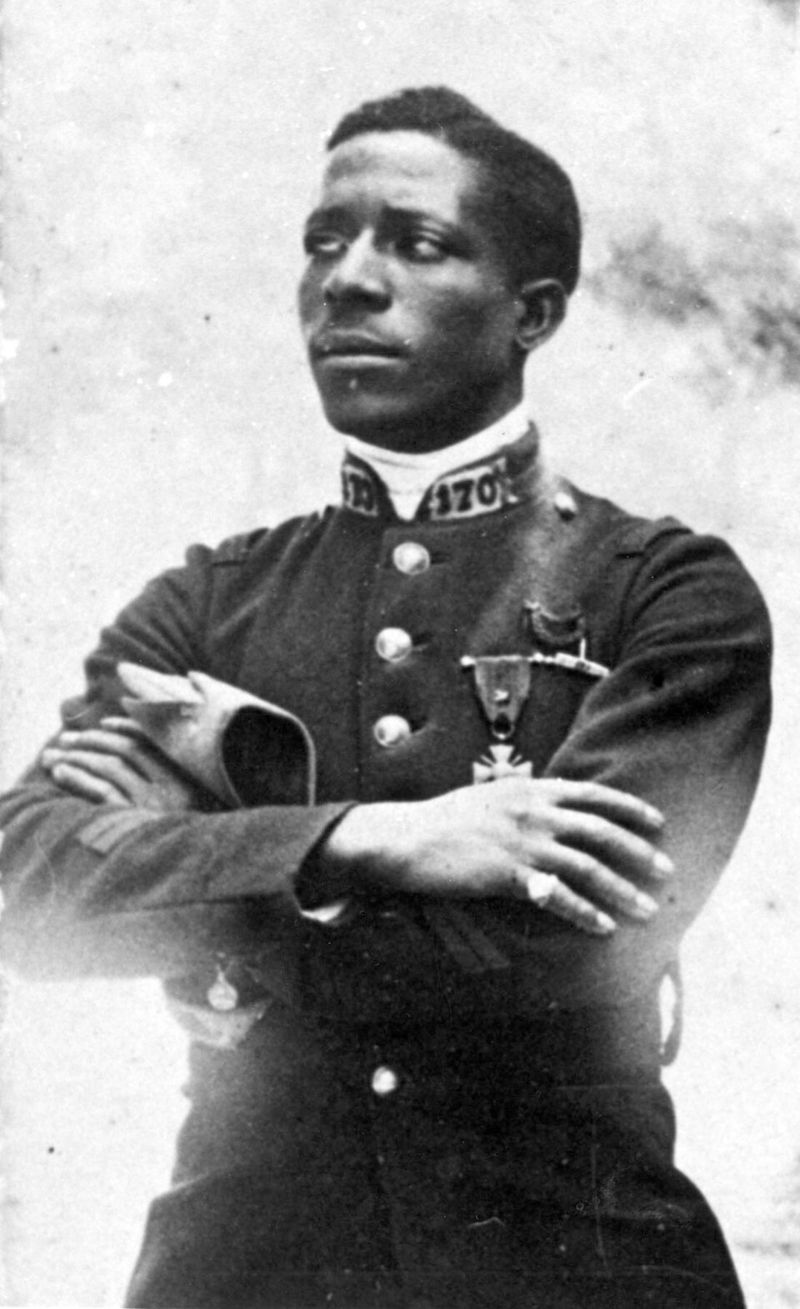
Eugene Bullard grew up in Georgia and fled racial violence as a teenager by stowing away on a ship to Europe. He ended up in France, became a boxer, then a soldier, then a combat pilot.
He flew 20 missions for France in World War I, making him widely recognized as one of the first Black military aviators in history.
When the U.S. entered the war, Bullard tried to transfer to the American air service. They turned him down because of his race.
France gave him medals. America gave him a rejection.
He stayed in France, ran a jazz club in Paris, and was even a spy for French intelligence during World War II.
He was eventually expelled from France by the Nazis and returned to the U.S., where he worked as an elevator operator in New York. France made him a Knight of the Legion of Honor.
The U.S. finally gave him a posthumous commission as a second lieutenant in 1994. Timing is everything, apparently.
Ola Mildred Rexroat: The WASP Danger-Jockey History Forgot
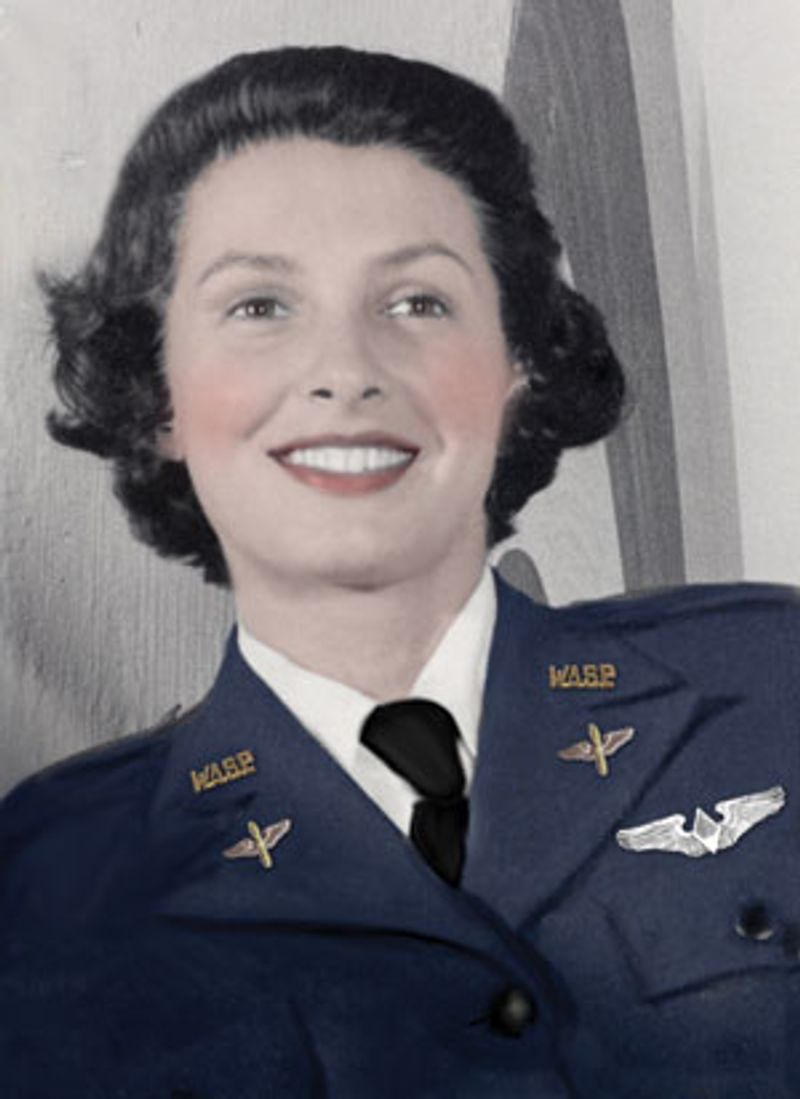
Towing targets for live gunnery practice means flying a plane while soldiers on the ground shoot real bullets near you. Most people would pass on that assignment.
Ola Mildred Rexroat signed up for it. She was the only known Native American woman to serve as a Women Airforce Service Pilot, and she did not pick an easy gig.
WASPs were civilian women who flew military aircraft during World War II to free up male pilots for combat. They were not given military status at the time, which meant no veterans’ benefits if they were injured or killed.
That detail is both infuriating and historically important.
Rexroat was an Oglala Sioux from Pine Ridge, South Dakota. She earned her wings and flew with quiet determination in a program that barely acknowledged her existence.
WASPs were finally granted veteran status in 1977, decades too late for many. Rexroat’s story is a reminder that courage does not wait around for recognition.
Dorie Miller: Pearl Harbor’s Hero Who Wasn’t Supposed to Touch a Gun
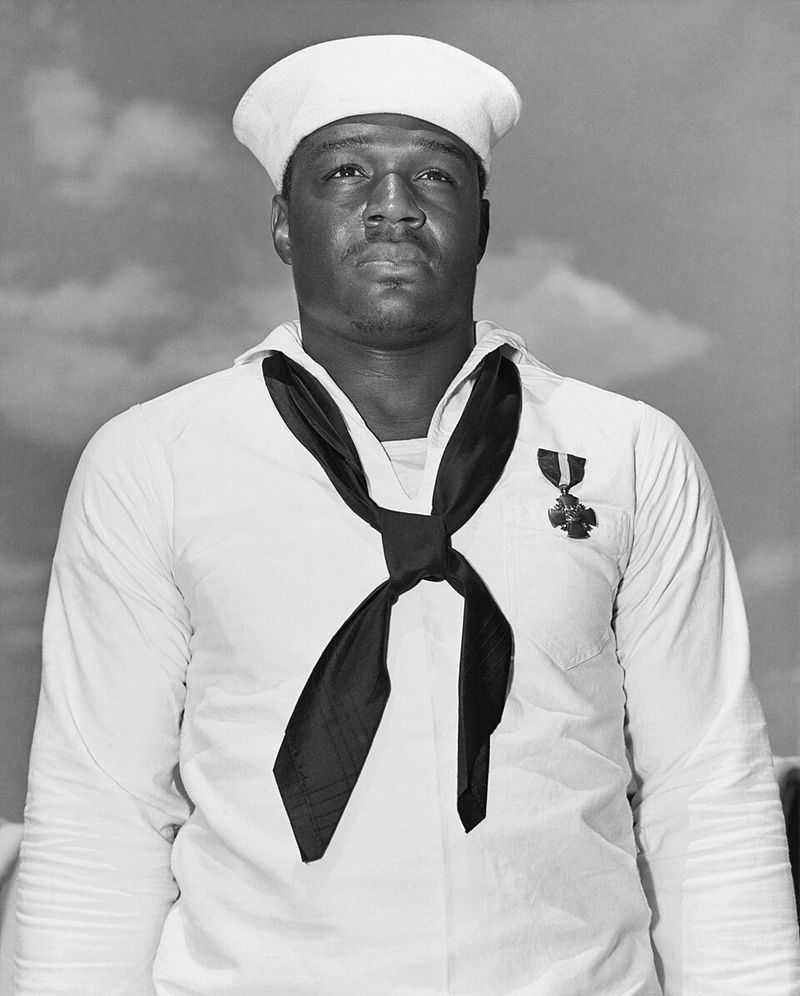
Dorie Miller was a cook. That was his official Navy assignment because Black sailors were barred from combat roles in 1941.
On December 7, when Japanese planes attacked Pearl Harbor, Miller ignored his job description entirely. He manned an anti-aircraft gun he had never been trained to use and kept firing until he ran out of ammunition.
He also carried wounded sailors to safety under active fire. The Navy awarded him the Navy Cross, making him the first African American to receive that honor.
The citation was quietly worded and his name was not released publicly for months. The military was not exactly rushing to celebrate him.
Miller later died in 1943 when his ship was torpedoed in the Pacific. Efforts to award him a posthumous Medal of Honor have continued for decades but have not yet succeeded.
A Navy aircraft carrier was named after him in 2020. It is a start, even if it is about eighty years overdue.
Roy Benavidez: Declared Dead Until He Proved Them Wrong
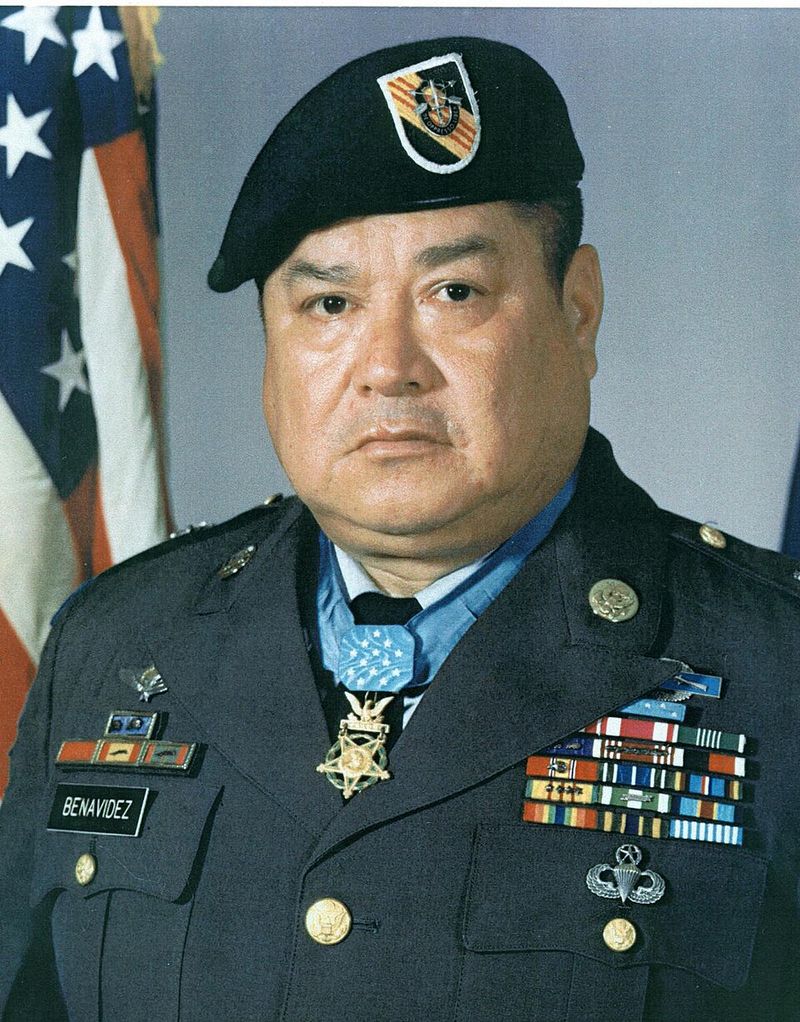
Roy Benavidez was already on the ground when the Army wrote him off. On May 2, 1968, he jumped out of a helicopter into a firefight in Vietnam to rescue a trapped Special Forces team.
He was shot multiple times, stabbed, and clubbed. He kept going anyway, making multiple trips to pull wounded soldiers to safety.
After the battle, a doctor began to prepare his body bag. Benavidez reportedly spat in the doctor’s face to prove he was still alive.
That is one way to make a point. He survived and eventually recovered from wounds that should have been fatal several times over.
President Reagan personally presented him with the Medal of Honor in 1981. Benavidez later became a motivational speaker and youth advocate.
He once said his greatest battle was not in Vietnam but in getting young people to believe in themselves. The man never stopped fighting, just changed his battlefield.
Classic Benavidez.
Hazel Lee: A Trailblazing WASP Lost in a Runway Collision
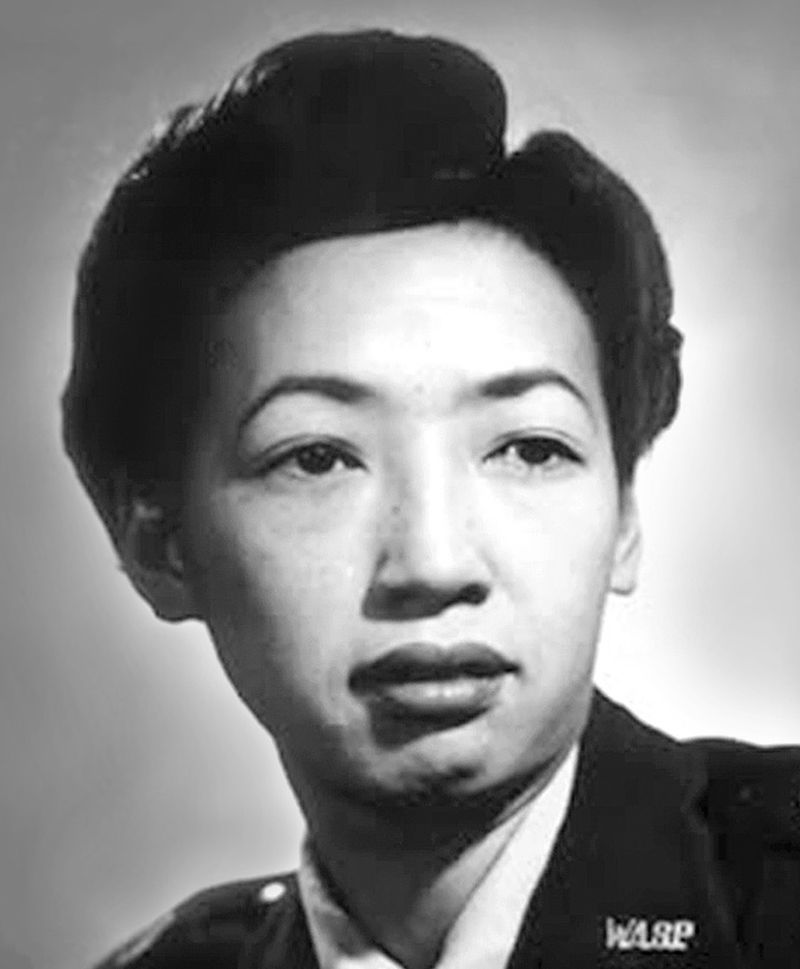
Hazel Ying Lee tried to join the Chinese Air Force before the U.S. even entered World War II. They turned her down because she was a woman.
She eventually became one of the few Chinese American women to serve as a WASP, flying high-performance military aircraft across the country for the war effort.
She was a skilled pilot who flew dozens of different aircraft types, including the notoriously tricky P-63 Kingcobra. In November 1944, she was killed in a runway collision involving another aircraft during landing operations.
She was 32 years old and just weeks away from the end of the war.
Lee faced racism and sexism at nearly every turn and kept flying through all of it. Her story sat in near-obscurity for decades, known mainly to aviation history enthusiasts.
She deserves a much wider audience. Hazel Lee flew planes that most men would not touch, in a world that kept telling her to stay on the ground.
Maggie Gee: From WASP Cockpit to America’s Most Secret Labs
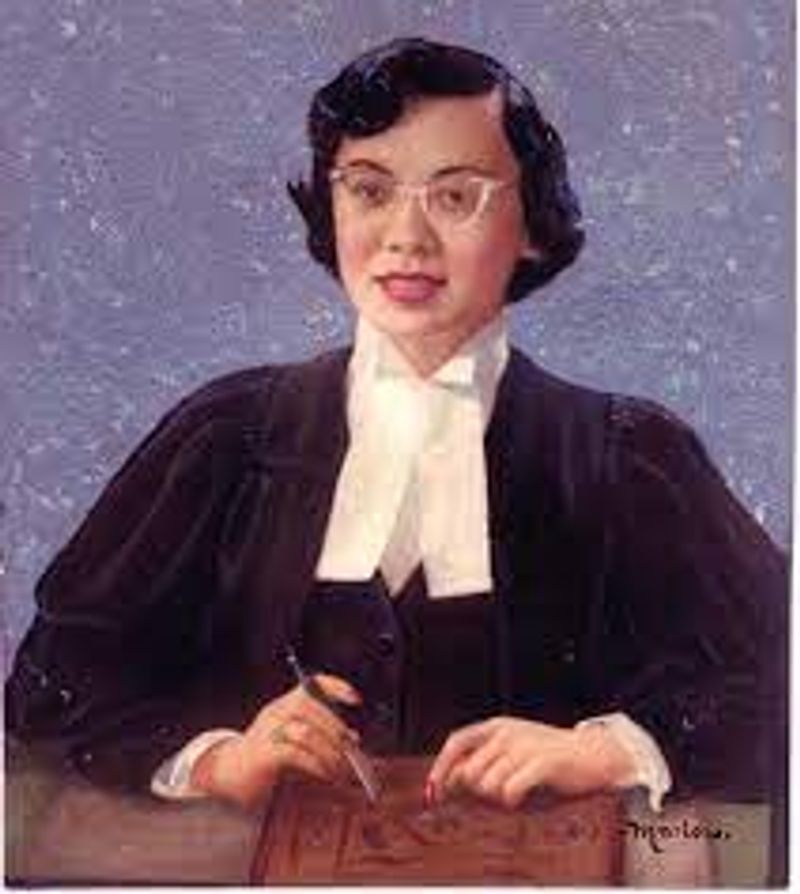
Maggie Gee was one of only two Chinese American women to serve as a WASP during World War II. She flew military aircraft at a time when both her gender and her ethnicity made her an outsider in nearly every room she entered.
She handled it by being exceptionally good at the job.
After the war, Gee built a second remarkable career as a research physicist at Lawrence Livermore National Laboratory, one of the most classified scientific institutions in the United States. She went from flying classified military missions to working on classified nuclear research.
Apparently, she had a thing for top-secret environments.
Gee lived to see WASPs finally receive veteran recognition in 1977 and was awarded the Congressional Gold Medal in 2009. She passed away in 2013 at age 89.
Her life covered more ground than most people manage in two lifetimes, and she spent all of it quietly shattering ceilings that others pretended were floors.
Colonel Fred Cherry: Seven Years as a POW and He Refused to Be Used
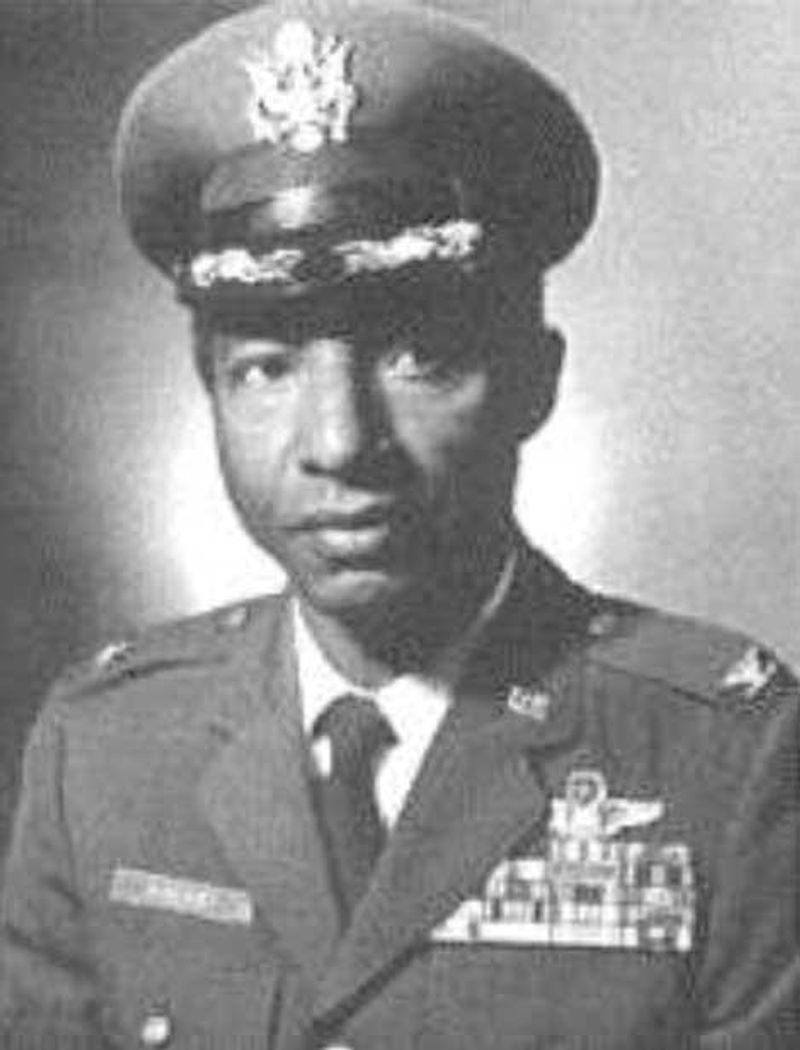
Fred Cherry was shot down over North Vietnam on October 22, 1965, and spent the next seven years as a prisoner of war. During that time, his captors tried every trick available to break him down and turn him into propaganda.
He refused every single time, even when refusal meant more punishment.
His captors attempted to exploit racial tensions by placing him with a white POW named Porter Halyburton, hoping the two would clash. Instead, Cherry and Halyburton became close friends and looked after each other through brutal conditions.
The North Vietnamese had badly miscalculated the character of both men.
Cherry returned home in 1973 having endured years of torture and isolation without giving his captors a usable word. He was awarded the Air Force Cross, among many other decorations.
His story is about more than survival. It is about refusing to let your enemies define who you are, no matter how hard they try.
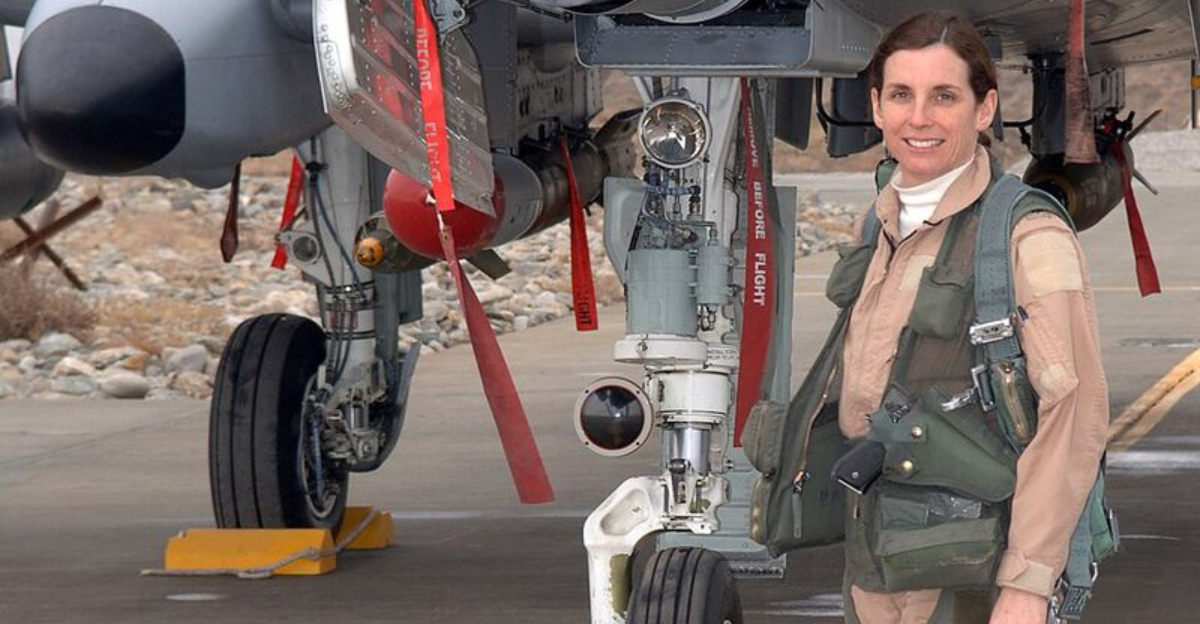
Lieutenant Colonel Martha McSally: She Fought the Enemy and the Policy Book
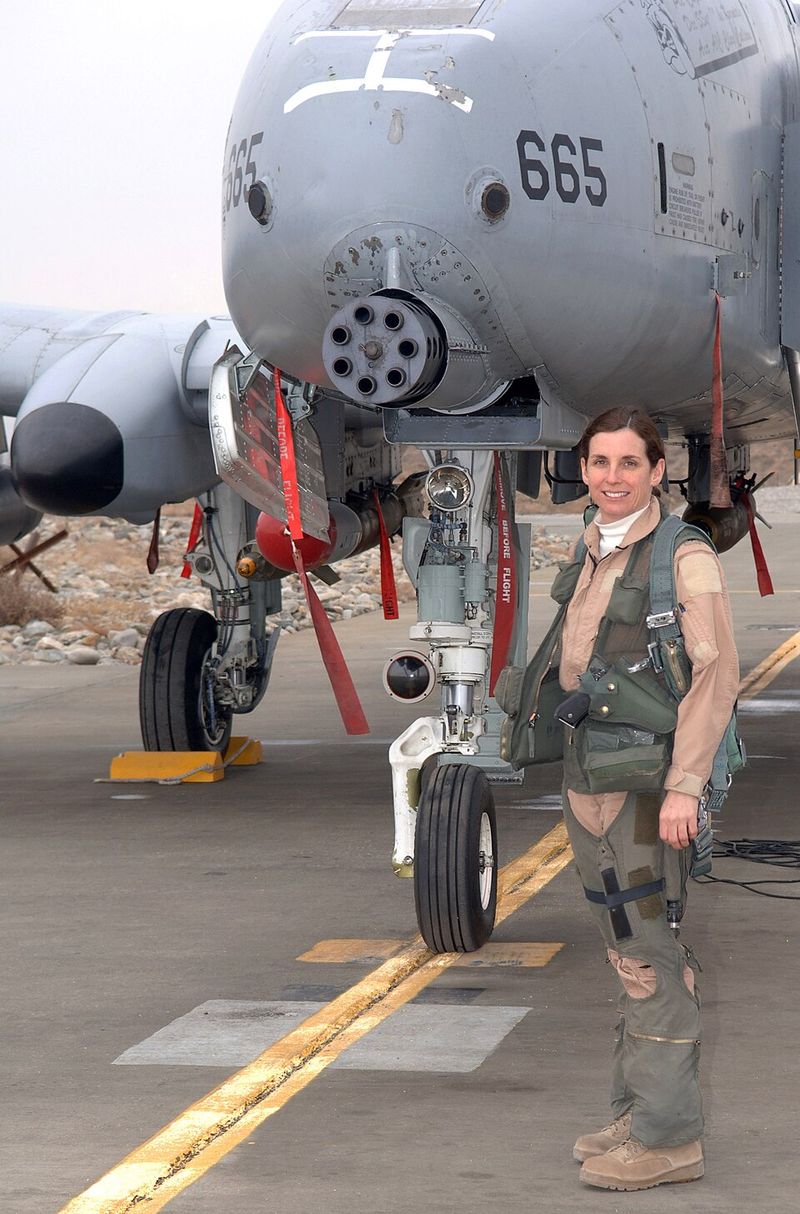
Martha McSally became the first American woman to fly a combat mission in a fighter jet and the first to command a fighter squadron in combat. That alone would be enough to earn her a place in military history.
But McSally was not done making headlines when the flying stopped.
While stationed in Saudi Arabia, she challenged a U.S. military policy that required servicewomen to wear the abaya, a full-length robe, when off base. The rule applied only to women.
She sued the Defense Department and won, getting the policy changed. Fighting bureaucracy after surviving combat missions takes a particular kind of nerve.
McSally later entered politics and served in the U.S. Senate.
Her military career was defined by pushing through barriers that were not supposed to move. She flew A-10 Warthogs, which are essentially flying tanks, and took on Pentagon policy with the same energy.
Not everyone picks fights they can win. McSally mostly did.



