 Unearth The Voyage
Europe is packed with history, art, and natural wonders that have shaped the entire world. Some places are so extraordinary that they’ve earned the highest recognition possible — a spot on UNESCO’s World Heritage List.
These are the sites that make travelers stop mid-step and just stare. From ancient ruins to jaw-dropping landscapes, here are 13 European UNESCO World Heritage Sites that truly live up to every bit of their fame.
Acropolis of Athens — Greece
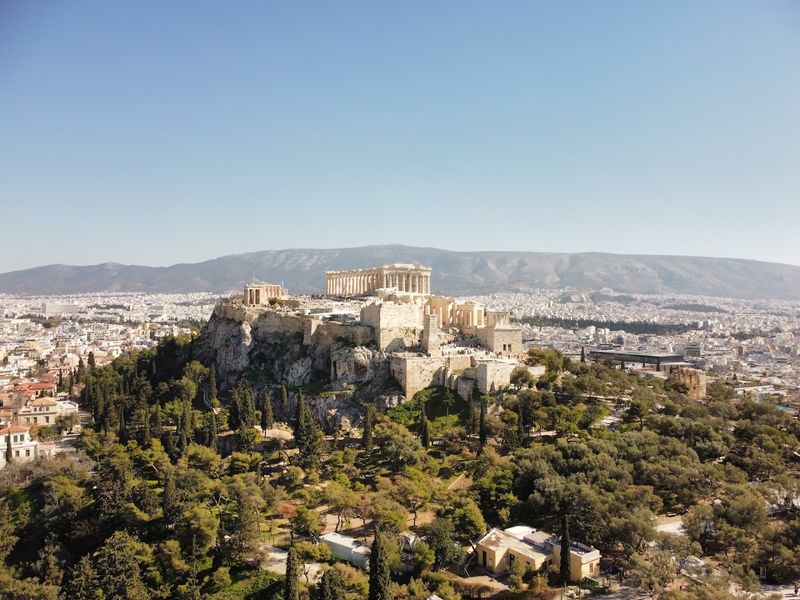
Standing on a rocky hill above Athens, the Acropolis has been watching over the city for over 2,500 years — and it still commands every bit of that respect. The Parthenon, its crown jewel, is one of the most recognizable structures in human history.
Seeing it in person hits differently than any photo ever could.
What makes the Acropolis special isn’t just the buildings — it’s what they represent. This is where Western democracy was born, where philosophers like Socrates and Plato walked and debated ideas that still shape how we think today.
The weight of that history is genuinely felt when you’re standing there.
The Acropolis Museum at the base of the hill is absolutely worth a visit before heading up. It provides stunning context for everything you’re about to see.
Climb in the early morning to beat the heat and the tourist rush — Athens summers are no joke. The view from the top stretches across the entire city all the way to the sea, making every sweaty step of the climb completely worth it.
Sagrada Família & Works of Gaudí — Spain
Antoni Gaudí started building the Sagrada Família in 1882, and the cathedral still isn’t finished — but that somehow makes it even more fascinating. It’s a living, breathing work of art that has been under construction for over 140 years.
Architects and artists from around the world continue working on it today.
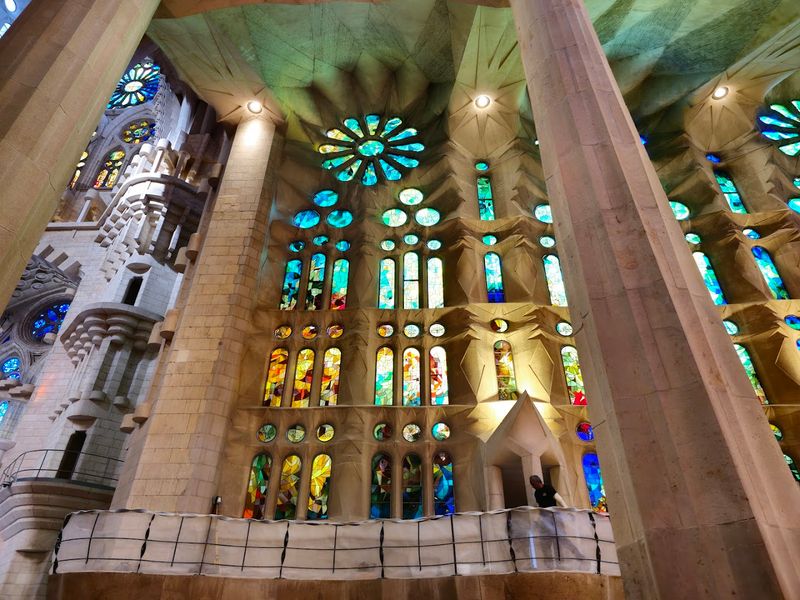
The exterior is wild and organic, covered in sculptures that seem to grow out of the stone like something from a dream. Step inside and prepare for your jaw to drop.
Colored light pours through stained glass windows, turning the interior into a kaleidoscope of blues, greens, and golds. It genuinely feels unlike any other building in existence.
Barcelona’s other Gaudí gems — Park Güell, Casa Batlló, and Casa Milà — round out the UNESCO listing and are equally worth exploring. Each one shows a different side of his wild, nature-inspired imagination.
Pre-book timed tickets for the Sagrada Família well ahead of time; it sells out constantly. Visiting during late afternoon gives you the best light show through those magical stained glass windows, making the interior absolutely glow.
Mont-Saint-Michel — France
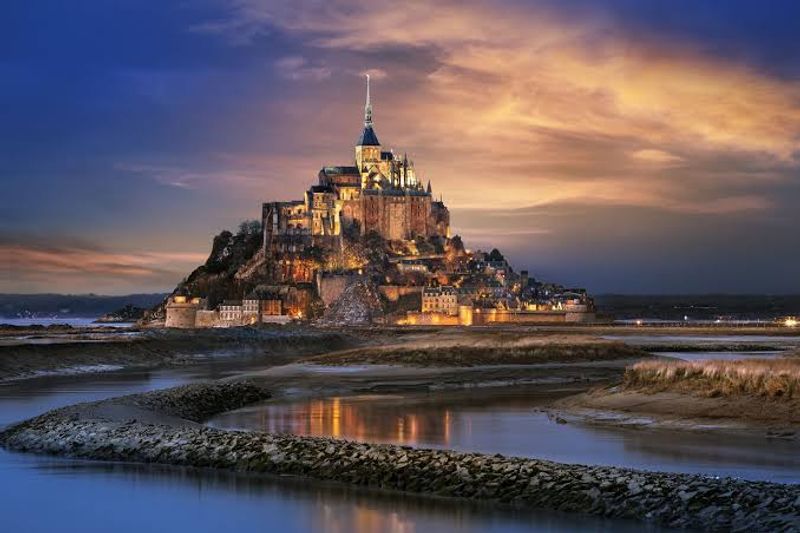
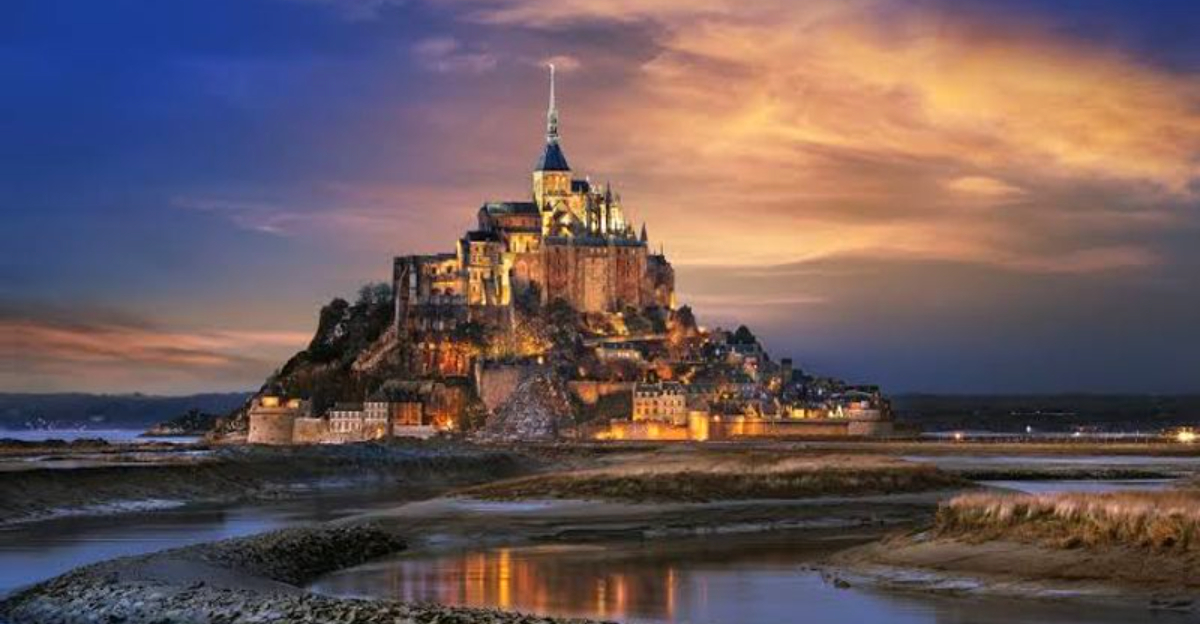
When the tide rolls in around Mont-Saint-Michel, this medieval island becomes completely cut off from the mainland — and that’s exactly what makes it so magical. The sight of a towering abbey perched on a rocky island, surrounded by swirling tidal waters, is the kind of thing that makes you feel like you’ve wandered into another century.
No filter needed.
The abbey at the summit took centuries to build and was used as a fortress, a monastery, and even a prison at different points in its dramatic history. Narrow cobblestone streets spiral upward, lined with small shops, restaurants, and stone walls that have been standing since the Middle Ages.
The higher you climb, the better the views get.
Visiting at high tide is a bucket-list experience — the island appears to float. Low tide reveals the vast, muddy flats surrounding it, which are equally eerie and beautiful.
Stay overnight if you can, because once the day-trippers leave, the island transforms into something peaceful and otherworldly. The evening light on the abbey’s spire is the kind of sight that stays with you long after you’ve gone home.
Historic Centre of Prague — Czech Republic
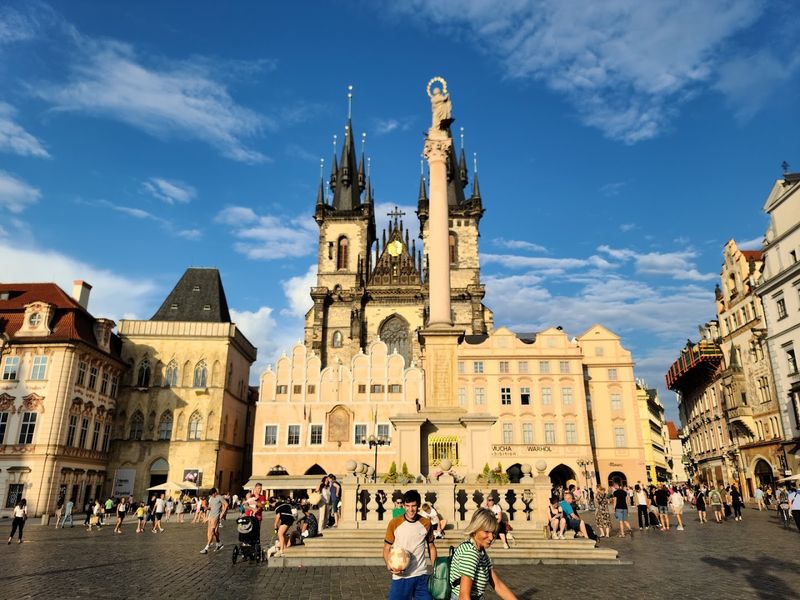
Prague somehow escaped the widespread destruction of World War II almost entirely intact, which is why its historic centre looks like a fairy tale that nobody ever woke up from. Gothic spires, Baroque churches, Art Nouveau buildings, and pastel-colored townhouses all share the same streets in perfect, bewildering harmony.
It’s easily one of the most beautiful cityscapes in all of Europe.
Charles Bridge is the crown jewel of the old town — a medieval stone bridge lined with 30 dramatic Baroque statues of saints. Walking across it at dawn, when the mist sits on the Vltava River and the castle looms overhead, is genuinely one of the best free experiences in Europe.
The Astronomical Clock in Old Town Square draws crowds every hour on the hour for its mechanical puppet show.
Prague is also surprisingly affordable compared to other major European capitals, making it a dream destination for budget-conscious travelers. The food scene has improved dramatically in recent years, with excellent Czech cuisine and craft beer readily available.
Climb to Prague Castle for a panoramic view that ties the whole city together beautifully. Go in the shoulder seasons — spring and autumn — to avoid peak summer crowds.
Plitvice Lakes National Park — Croatia
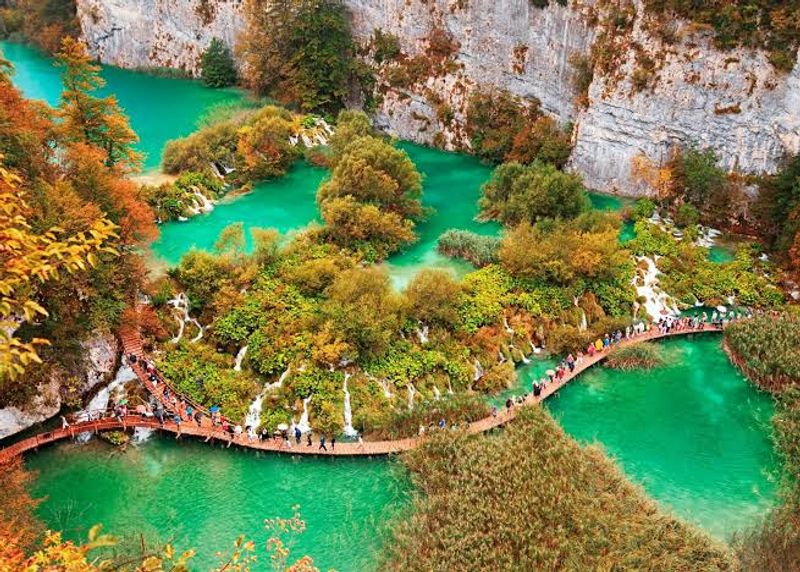
The water at Plitvice Lakes is so impossibly blue-green that first-time visitors often wonder if they’ve accidentally walked onto a movie set. Sixteen terraced lakes connected by waterfalls cascade through lush Croatian forest, creating one of the most visually stunning natural landscapes in the world.
The color comes from minerals in the water, and it changes with the light throughout the day.
Wooden walkways and hiking trails wind directly over and alongside the lakes, putting visitors just inches above the rushing water. You can hear the waterfalls before you see them, and that sound — layered, constant, powerful — sets the mood perfectly.
The park covers a huge area, so plan for a full day if you want to explore more than just the highlights.
Plitvice is one of Croatia’s most visited spots, so arriving early is essential, especially in summer. The park operates a timed-entry system during peak season to manage visitor numbers.
Autumn is arguably the best time to visit — the crowds thin out and the surrounding forest turns brilliant shades of red and orange, reflecting beautifully in the water. Swimming is not permitted, but honestly, just looking at it is more than enough reward.
Historic Centre of Rome — Italy
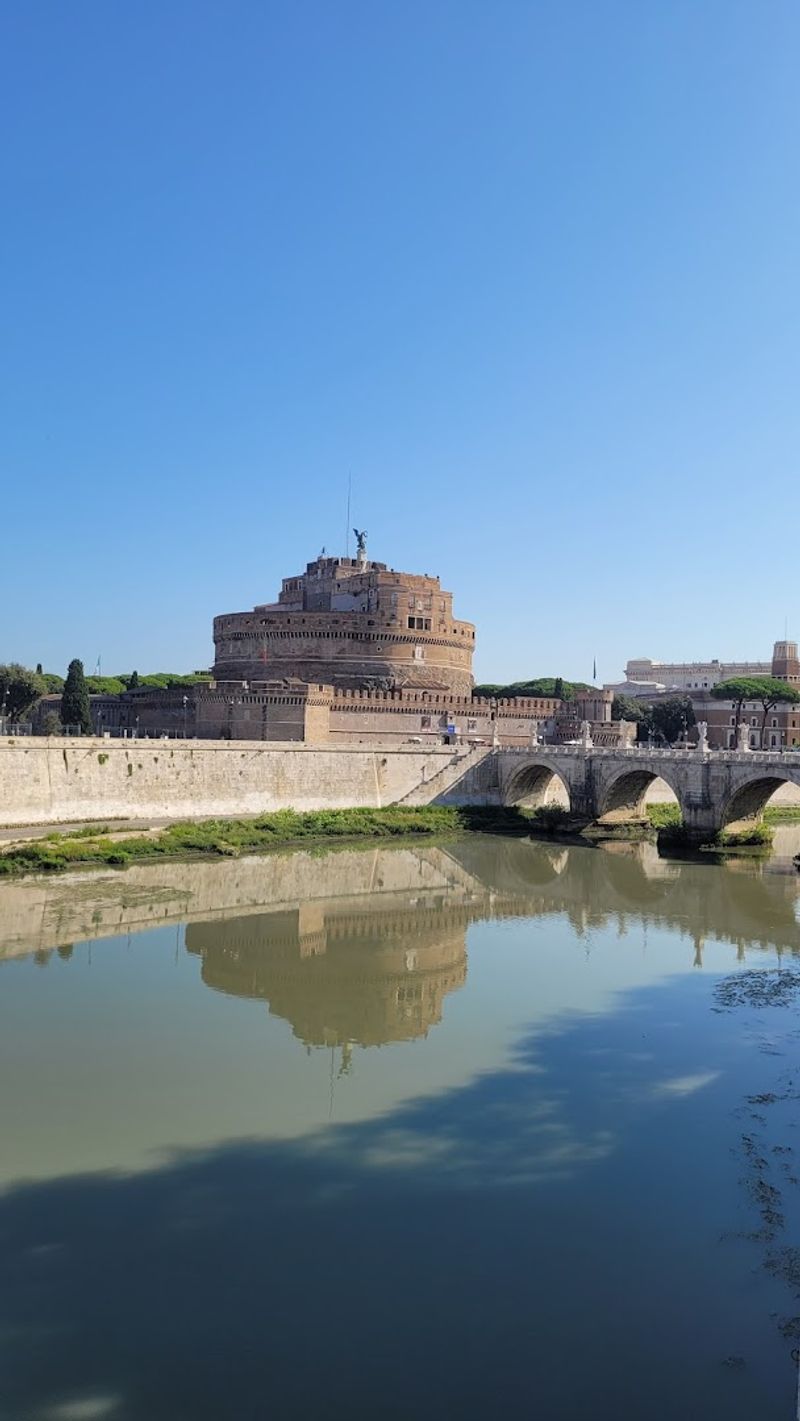
Nowhere else on Earth can you eat a gelato while casually walking past a 2,000-year-old amphitheater. Rome’s Historic Centre is a jaw-dropping blend of ancient ruins, Renaissance masterpieces, and buzzing city life — all crammed into one unforgettable destination.
The Colosseum alone is worth crossing an ocean for.
The Roman Forum stretches out like an open-air history textbook, giving visitors a real sense of what daily life looked like during the height of the Roman Empire. Then there’s the Pantheon, a building so perfectly engineered that architects still study it today.
Every corner of this city has something that makes you stop and stare.
Planning a visit? Book your Colosseum tickets well in advance — the lines are no joke.
Wear comfortable shoes because you’ll be walking on cobblestones for hours. Early mornings are the best time to explore before the crowds arrive.
Rome rewards curious travelers who wander off the main tourist paths and discover hidden piazzas, local bakeries, and centuries-old fountains tucked down narrow streets.
Alhambra — Granada, Spain
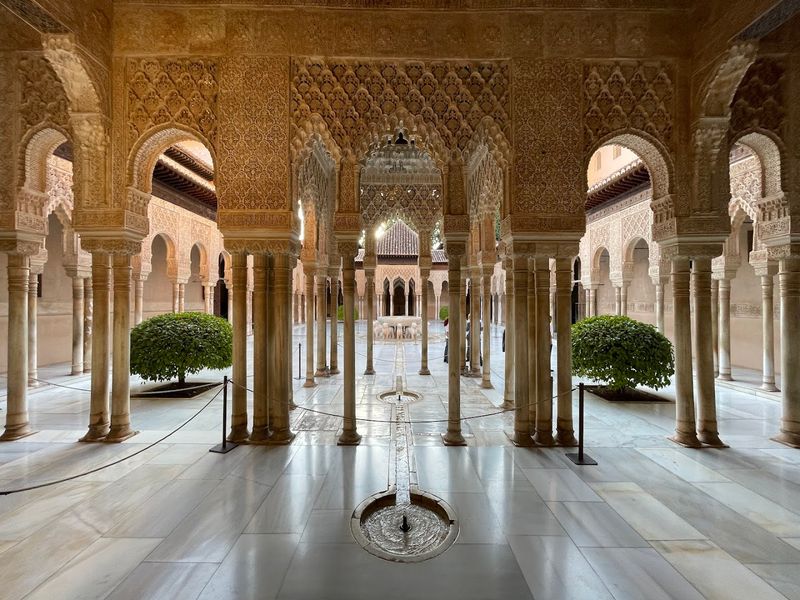
Every wall inside the Alhambra tells a story carved in stone. The Nasrid Palaces feature some of the most breathtaking decorative craftsmanship ever created — geometric tile mosaics, honeycomb ceilings called muqarnas, and Arabic calligraphy so detailed it looks like lace.
Moorish architects built this palace complex in the 13th and 14th centuries, and it remains one of the finest examples of Islamic art in the Western world.
The Generalife gardens surrounding the palace are a peaceful escape filled with fountains, cypress trees, and rose-lined pathways. The sound of trickling water is everywhere — a deliberate design choice by Moorish architects who believed flowing water created harmony and calm.
Standing in the Patio de los Leones, surrounded by 124 marble columns, feels genuinely surreal.
Tickets for the Alhambra sell out weeks — sometimes months — in advance, so booking early is absolutely critical. The Nasrid Palaces have specific timed entry slots, and missing your window means missing the best part.
Visit the Alcazaba fortress first for sweeping views over Granada and the Sierra Nevada mountains beyond. Evening visits offer a different atmosphere entirely, with soft lighting that turns the carved stone walls golden and mysterious.
Stonehenge — United Kingdom
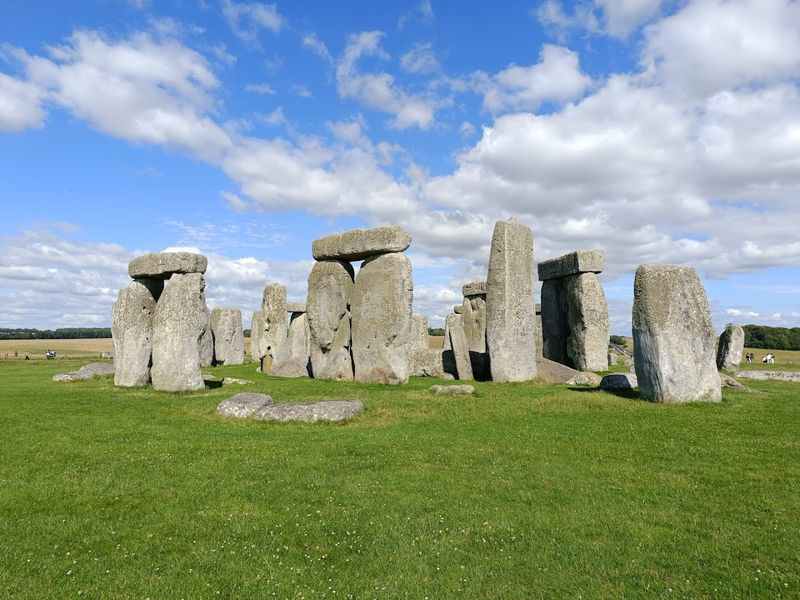
Nobody actually knows why Stonehenge was built — and that mystery is precisely what makes it one of the most captivating sites on Earth. Massive sandstone blocks, some weighing up to 25 tons, were somehow transported from Wales and arranged in a precise circular pattern over 4,000 years ago.
Ancient peoples managed this without wheels, cranes, or any written instructions left behind.
Theories range from astronomical calendar to sacred burial ground to healing site — and researchers continue to debate the answer today. What’s clear is that Stonehenge was built with extraordinary effort and purpose by people who understood the movements of the sun with remarkable precision.
During the summer solstice, the rising sun aligns perfectly with the heel stone — a detail that still gives scientists chills.
The surrounding Salisbury Plain is part of a much larger prehistoric landscape filled with ancient burial mounds and earthworks, adding even more depth to the experience. The visitor center nearby does an excellent job of explaining what is and isn’t known about the site.
For the most atmospheric visit, try the special access tours at dawn or dusk, which allow you to walk among the stones themselves — something not permitted during regular visiting hours.
Historic Centre of Florence — Italy
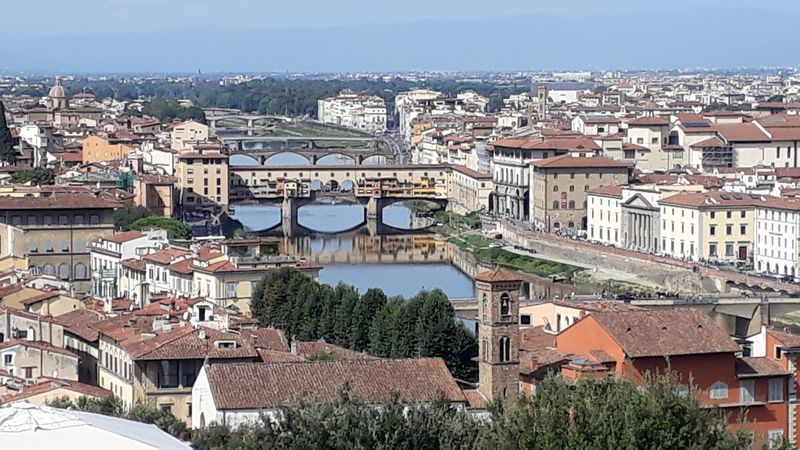
Florence is the city that essentially invented the Renaissance, which means nearly every street, church, and museum here contains something that changed the course of art history. Brunelleschi’s dome — the massive red-tiled cathedral dome that dominates the skyline — was an engineering miracle when it was completed in 1436, and it still is.
Seeing it for the first time from across the city is a genuinely emotional moment.
The Uffizi Gallery houses one of the greatest art collections in the world, including Botticelli’s Birth of Venus and works by Leonardo da Vinci, Raphael, and Michelangelo. Michelangelo’s David stands in the Accademia Gallery, and no matter how many times you’ve seen photos of it, the real thing stops you cold.
Florence rewards slow travelers who take time to wander rather than rush.
The city is compact and very walkable, which is one of its greatest advantages. Cross the Ponte Vecchio — the famous medieval bridge lined with jewelry shops — and explore the Oltrarno neighborhood on the south bank for a more local, less touristy experience.
Climb to Piazzale Michelangelo at sunset for a panoramic view of the city that looks almost too beautiful to be real.
Palace of Versailles — France
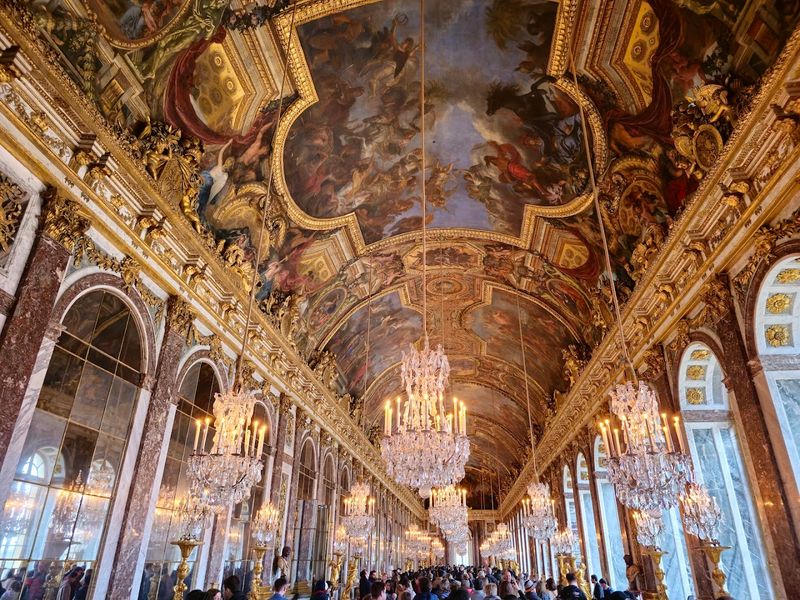
Louis XIV didn’t just want a palace — he wanted to prove that France was the most powerful nation in the world, and Versailles was his very loud, very gold answer to that ambition. Built in the 17th century, this royal palace sprawls across 2,000 acres and contains 700 rooms, 2,000 windows, and enough chandeliers to light a small city.
Subtlety was clearly not on the agenda.
The Hall of Mirrors is the showstopper — a 73-meter-long gallery lined with 357 mirrors facing tall arched windows that look out over the formal gardens. It’s where the Treaty of Versailles was signed in 1919, ending World War I.
Standing in that room, the history layered into the architecture becomes almost overwhelming.
The gardens are a world unto themselves — perfectly manicured hedges, fountains, canals, and sculptures stretching as far as the eye can see. Rent a bike or a rowboat to explore them properly.
The Petit Trianon and Marie Antoinette’s estate offer a more intimate, surprisingly human side to the story of French royalty. Book tickets online to skip the very long entrance queues, and arrive at opening time to experience the palace before the crowds truly descend.
Hallstatt-Dachstein Cultural Landscape — Austria
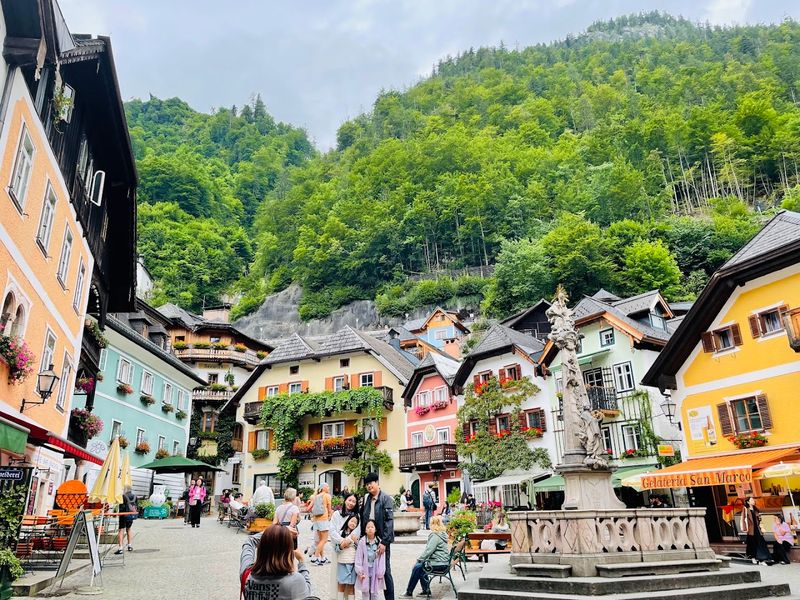
Hallstatt is so picture-perfect that China actually built an exact replica of it — which tells you everything you need to know about how extraordinary this tiny Austrian village looks. Colorful houses cling to the edge of a mountain, their reflections shimmering in the glass-like surface of the lake below.
It’s one of those places that makes you double-check whether you’re looking at a photograph or real life.
Beyond its staggering good looks, Hallstatt carries serious historical weight. The region has been continuously inhabited for over 7,000 years and was one of the world’s most important salt-mining centers during the Iron Age.
The nearby Hallstatt salt mine is the oldest in the world still in operation — visitors can actually go inside and slide down wooden miners’ chutes.
The village itself is tiny, with a permanent population of just a few hundred people, so visitor numbers are carefully managed. Getting there by ferry across the lake from the parking area adds a magical touch to the arrival experience.
Early mornings in spring or autumn offer the best light and fewer crowds for photography. The surrounding Dachstein mountains provide excellent hiking trails with views that make every steep climb absolutely worthwhile.
Tower of London — United Kingdom
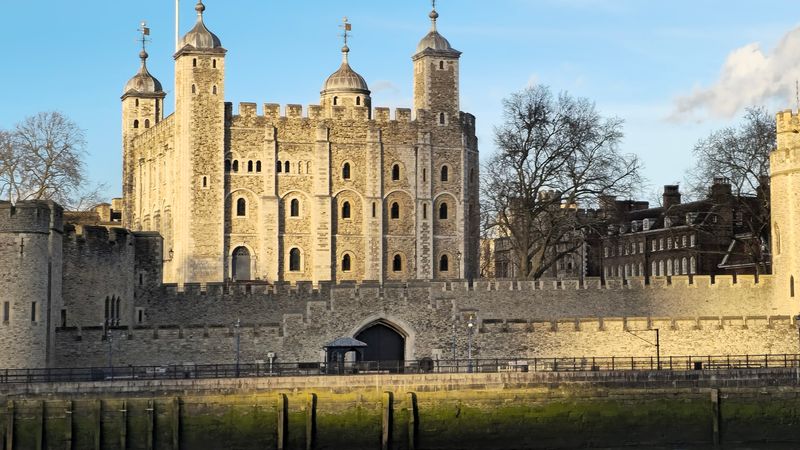
For nearly 1,000 years, the Tower of London has served as a palace, a prison, a treasury, and a place of execution — which makes it one of the most dramatically layered historic sites in Britain. Anne Boleyn was imprisoned here.
So were two young princes who mysteriously disappeared in 1483. The Tower has witnessed more royal intrigue than most soap operas could dream of inventing.
Today, the Tower houses the Crown Jewels, and the collection is genuinely jaw-dropping. The Imperial State Crown alone contains 2,868 diamonds, 17 sapphires, 11 emeralds, and 269 pearls.
Visitors are moved along on a conveyor belt past the display cases — because if they didn’t, nobody would ever leave.
The Yeoman Warders — better known as Beefeaters — give entertaining and surprisingly funny guided tours that bring the Tower’s grim history to life with wit and detail. Look out for the resident ravens, whose presence at the Tower is protected by royal decree, based on an old legend that the kingdom will fall if they ever leave.
The Tower is best visited on weekday mornings to avoid the thickest weekend crowds. Allow at least three hours to do it proper justice.
Old Bridge Area of Mostar — Bosnia and Herzegovina
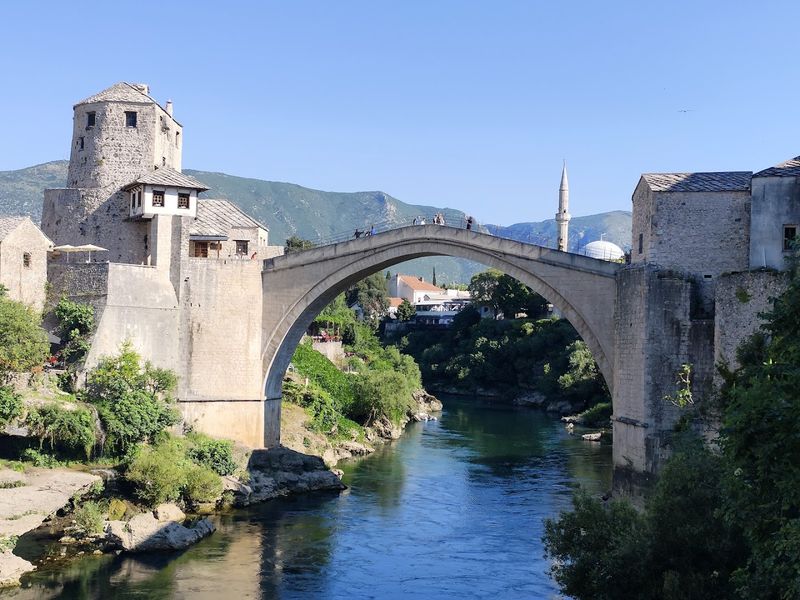
Watching a diver leap from the top of the Stari Most bridge into the cold green Neretva River below is one of the most thrilling things you can witness in all of the Balkans. Local divers have been making this 21-meter plunge for centuries, and it remains a proud tradition in Mostar today.
The bridge itself, rebuilt after being destroyed during the 1990s war, carries a weight of meaning that goes far beyond its elegant Ottoman arch.
Originally constructed in 1566 during Ottoman rule, the Stari Most stood for over 400 years before being deliberately shelled in 1993. Its careful reconstruction, completed in 2004, used the same limestone and traditional techniques as the original.
The rebuilt bridge became an immediate symbol of healing, reconciliation, and cultural pride for a city that had endured tremendous loss.
The surrounding old bazaar, Kujundziluk, is lined with copper workshops, rug sellers, and small restaurants serving Bosnian specialties like cevapi and burek. The city’s mix of Ottoman, Austro-Hungarian, and Mediterranean influences creates a cultural atmosphere unlike anywhere else in Europe.
Visit in early summer or September for pleasant weather and fewer tourists. Mostar is a short drive from the stunning Kravice Waterfalls, making it an ideal base for exploring the region.



