 Unearth The Voyage
Sand between your toes is fine, but America’s wild landscapes offer something far more jaw-dropping. From towering sandstone cliffs to ancient forests and steaming geysers, the country is packed with natural wonders that make a beach day feel ordinary.
I’ve traded my sunscreen for hiking boots more times than I can count, and I’ve never once regretted it. These 13 spots prove that the best of the outdoors has nothing to do with waves.
Zion National Park, Utah
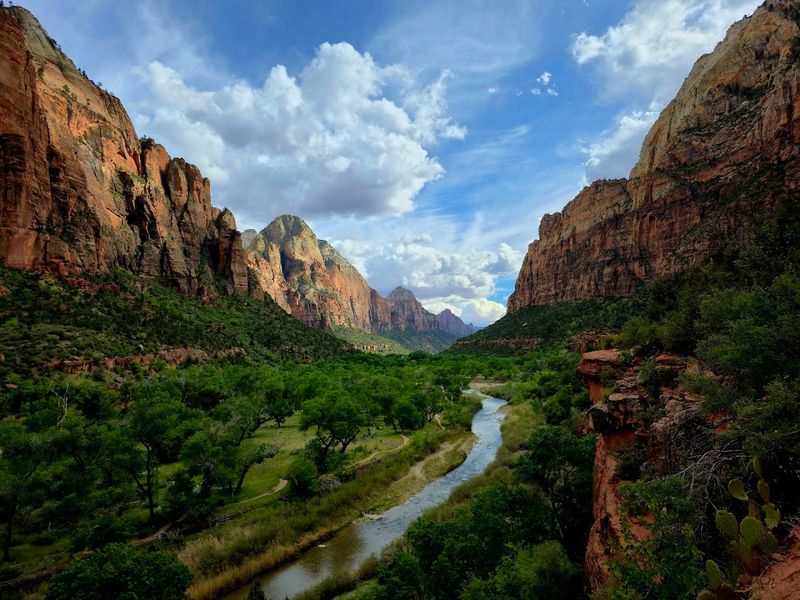
Zion hits differently the first time you see those walls of red and orange sandstone rising hundreds of feet above you. The scale is almost absurd.
Angels Landing alone earns its legendary status among hikers, with chain-assisted climbs that reward you with views that belong on a postcard.
The Narrows is another story entirely. You wade through the Virgin River inside a slot canyon so narrow the sky becomes a thin ribbon above your head.
It is genuinely one of the coolest hikes in the country.
Zion has options for every skill level, from easy riverside strolls to serious multi-day backcountry routes. Wildlife sightings are common, and mule deer practically own the valley floor.
Spring and fall offer the best weather and fewer crowds. Come early, grab your shuttle seat, and let Zion do the rest.
You will leave wondering why you ever wasted a summer at the beach.
Yellowstone National Park, WY/MT/ID
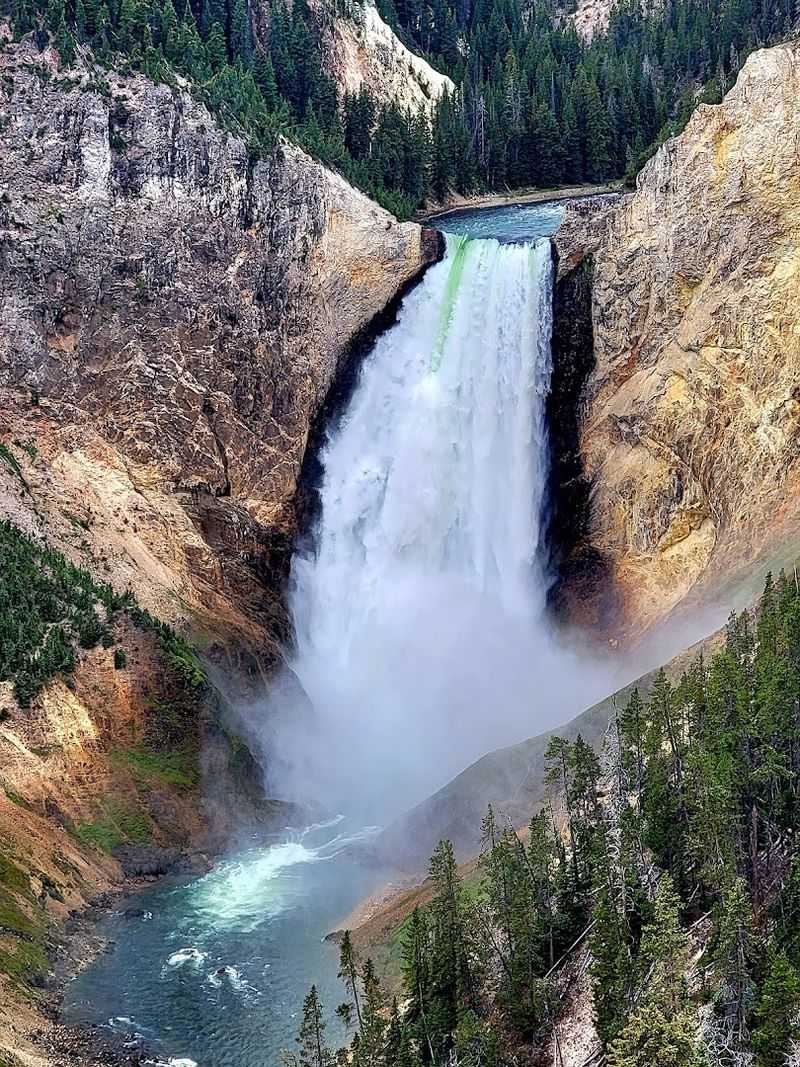
Yellowstone sits on top of a supervolcano, which is either terrifying or the coolest geological flex in the country. Probably both.
Old Faithful erupts like clockwork, but the Grand Prismatic Spring steals the show with its wild rainbow of colors spreading across the water.
Wildlife here is not a lucky bonus. It is practically guaranteed.
Bison roam the roads like they own the place, and wolf packs have made a legendary comeback in the Lamar Valley. I once sat in a pullout for two hours watching a grizzly dig for roots.
No regrets.
The park spans three states and over two million acres, so variety is the name of the game. Geothermal boardwalks, canyon overlooks, and backcountry rivers all compete for your attention.
Plan more days than you think you need because Yellowstone consistently delivers more than any itinerary can hold.
Yosemite National Park, California
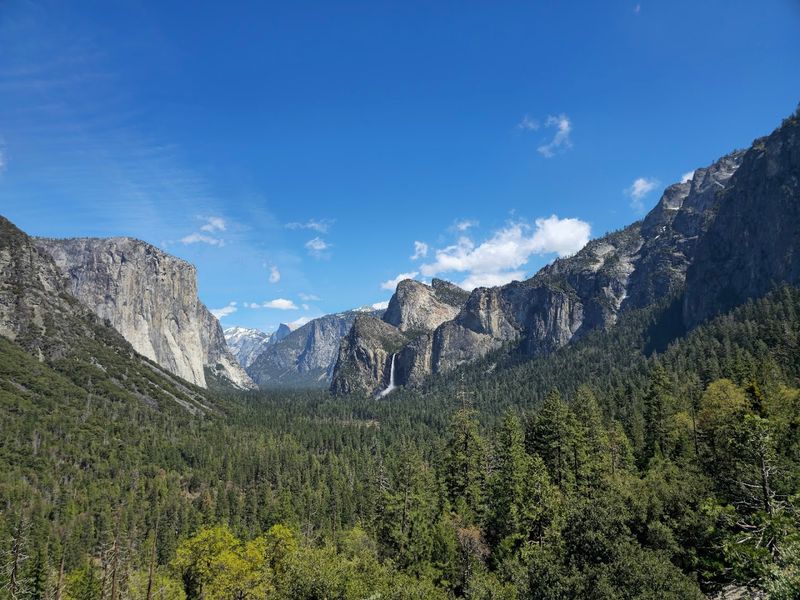
Most people know Yosemite for its waterfalls, and yes, Bridalveil Fall and Yosemite Falls are absolutely worth the hype. But reducing Yosemite to its waterfalls is like calling a pizza great just because of the crust.
The valley is only a fraction of what this park holds.
Giant sequoias in Mariposa Grove put everything in perspective. Standing next to a tree that has been alive for thousands of years has a way of making your daily stress feel laughably small.
Tuolumne Meadows offers a completely different vibe, high and wide open with granite domes rolling toward the horizon.
Half Dome is the obvious bucket-list hike, but permits are competitive and the cables section is not for the faint of heart. Plenty of rewarding trails exist without that level of drama.
Yosemite rewards the curious traveler who looks beyond the valley floor and keeps walking just a little farther.
Grand Canyon National Park, Arizona
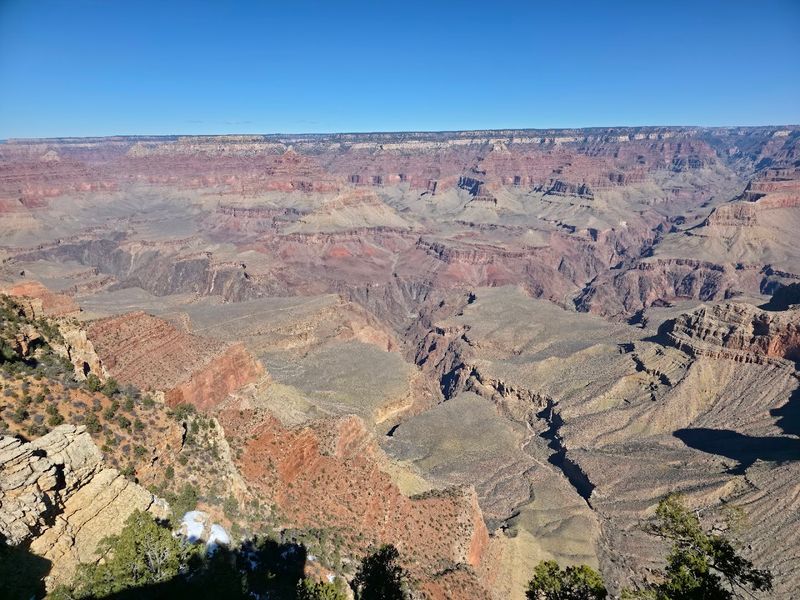
No photo has ever done the Grand Canyon justice. Standing at the rim for the first time, your brain genuinely struggles to process the depth.
The canyon stretches 277 miles long, up to 18 miles wide, and over a mile deep. That is not a landscape.
That is a statement.
Hiking below the rim changes everything. The Bright Angel Trail takes you down through layers of rock that represent nearly two billion years of Earth history.
Each color band is a different geological chapter, and geologists basically treat this place like a library.
Sunrise and sunset at the South Rim are legendary for good reason. The light shifts the canyon colors dramatically, painting it gold, purple, and deep crimson in the span of minutes.
Ranger programs are genuinely excellent here, especially for younger visitors. Skip the mule rides if you are short on time, but absolutely do not skip the canyon itself.
Glacier National Park, Montana
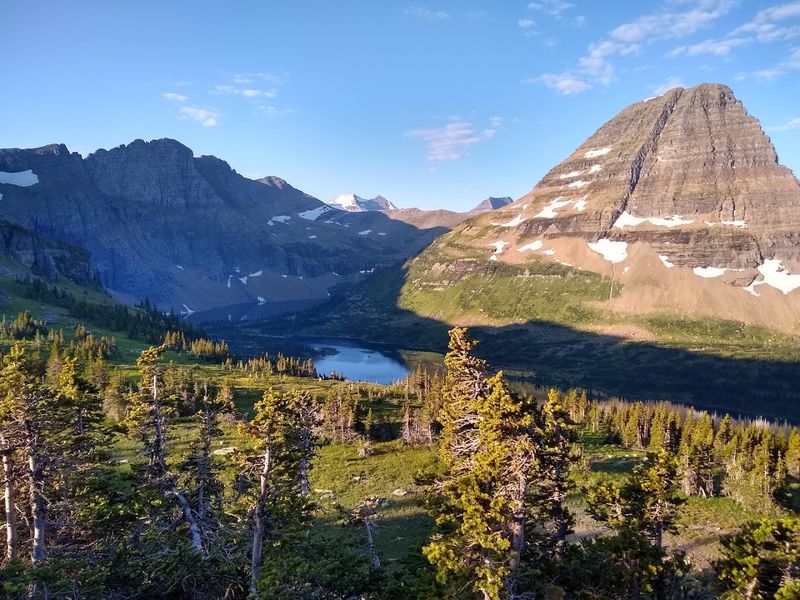
Glacier National Park earned its nickname, the Crown of the Continent, and it wears that crown without apology. The park holds over 700 miles of trails cutting through carved valleys, wildflower meadows, and past some of the most stunning alpine lakes you will ever see.
Going-to-the-Sun Road is one of America’s great drives. It crosses the Continental Divide at Logan Pass, offering views that belong in a nature documentary.
The road itself is a feat of engineering, carved right into the mountainside.
Wildlife is abundant and varied. Mountain goats hang out near Logan Pass with zero concern for personal space.
Grizzlies, black bears, moose, and bighorn sheep all make regular appearances. The glaciers are melting, which is genuinely heartbreaking, making now the most urgent time to visit.
Book your lodging early because this park fills up fast and the experience it offers is completely irreplaceable.
Rocky Mountain National Park, Colorado
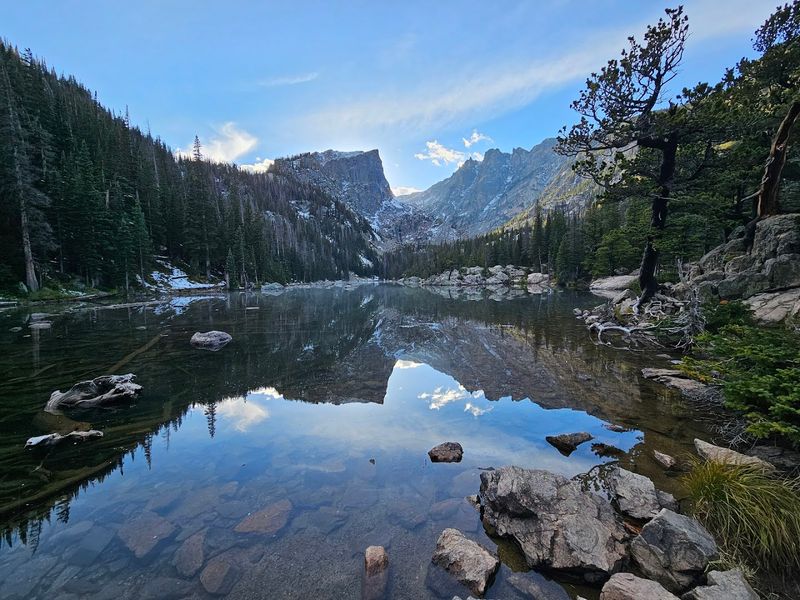
Rocky Mountain National Park sits at an average elevation of over 11,000 feet, which means even a casual walk here counts as an athletic achievement. The altitude is real, so drink your water and take it slow on day one.
Your lungs will thank you.
Trail Ridge Road crosses the park at over 12,000 feet, making it one of the highest paved roads in the country. The tundra up there feels almost otherworldly, covered in tiny wildflowers that somehow survive brutal winters.
Elk rut season in September is absolutely spectacular and surprisingly loud.
The park has over 300 miles of trails ranging from easy lakeside loops to serious summit scrambles. Bear Lake is a classic starting point with multiple trail options branching out in every direction.
Moose sightings near Kawuneeche Valley on the west side are nearly guaranteed. Rocky Mountain delivers constant variety, which is exactly what a great adventure should do.
Grand Teton National Park, Wyoming
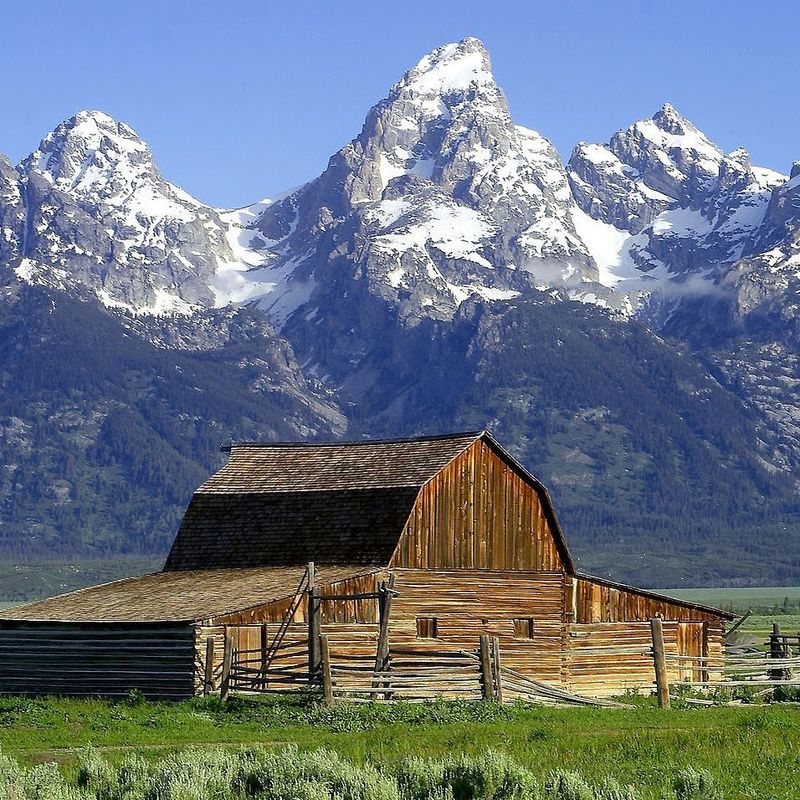
The Teton Range has no foothills. The peaks just erupt straight out of the valley floor like nature decided subtlety was overrated.
That dramatic rise makes Grand Teton one of the most photogenic mountain ranges on the continent, full stop.
Jenny Lake is the heart of the park for most visitors, and for good reason. A short boat ride across the lake drops you at the trailhead for Hidden Falls and Inspiration Point, both of which deliver exactly what their names promise.
The loop around the lake is equally stunning on foot.
Wildlife is everywhere. Moose wade through oxbow bends of the Snake River, bald eagles circle overhead, and bison graze the sagebrush flats.
The park sits right next to Yellowstone, making a combined trip one of the best wildlife road trips in the country. Camping under the Tetons with a sky full of stars is the kind of memory that sticks.
Bryce Canyon National Park, Utah
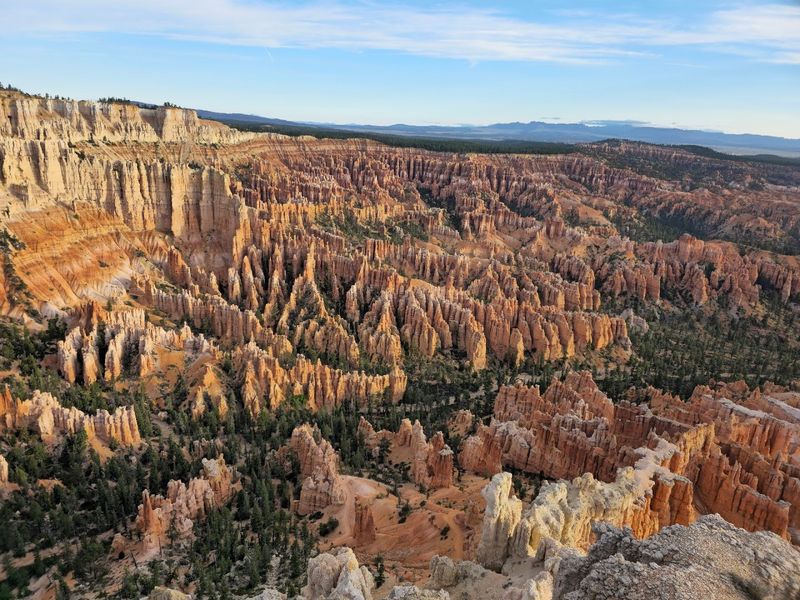
Bryce Canyon holds the highest concentration of hoodoos on Earth, and once you see them, you will understand why that is worth bragging about. These irregular rock spires look like they were sculpted by a very creative and slightly chaotic artist.
Sunrise turns them into something almost electric.
Technically Bryce is not a canyon at all. It is a series of natural amphitheaters carved into the edge of a plateau by frost and erosion.
That geological process happens about 200 times per year when water freezes and expands in cracks. Nature doing its slow, relentless work.
The Navajo Loop and Queens Garden Trail combo is the go-to hike for a reason. It winds down among the hoodoos, through Wall Street, a narrow slot flanked by towering spires, and back up through open amphitheater views.
Stargazing here is world-class thanks to minimal light pollution. Bryce Canyon is genuinely one of the quirkiest and most rewarding parks in the system.
Arches National Park, Utah
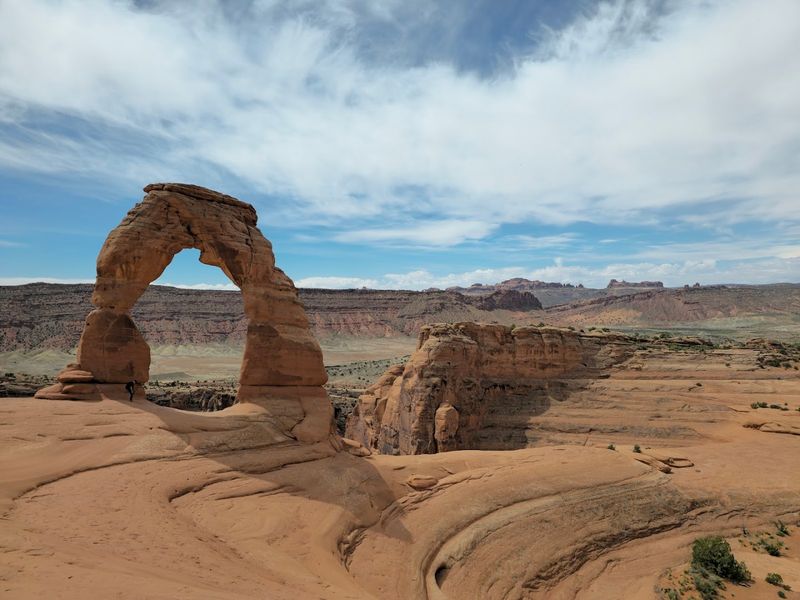
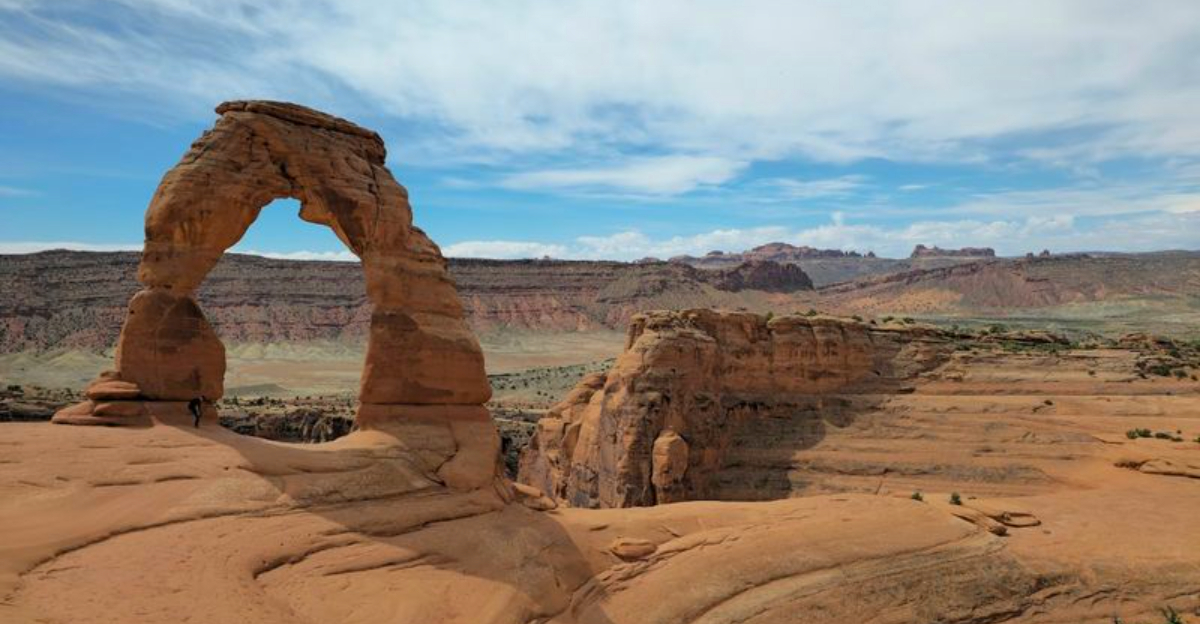
Over 2,000 natural stone arches exist inside Arches National Park, which is either a geological miracle or proof that Utah is just showing off at this point. Delicate Arch is the most iconic, perched at the edge of a sandstone bowl with the La Sal Mountains behind it like a painted backdrop.
Landscape Arch stretches 306 feet span, making it one of the longest natural arches in the world. The trail to reach it is flat and easy, which feels almost unfair given the payoff.
Balanced Rock is another crowd favorite, a boulder the size of three school buses sitting on a narrow pedestal that somehow has not fallen over.
The Windows Section packs multiple arches into a short walk, perfect for maximizing your arch count per mile hiked. Summer temperatures are brutal, so early morning starts are non-negotiable.
Arches rewards the early riser with golden light, cooler temps, and fewer people hogging the best photo spots.
Olympic National Park, Washington
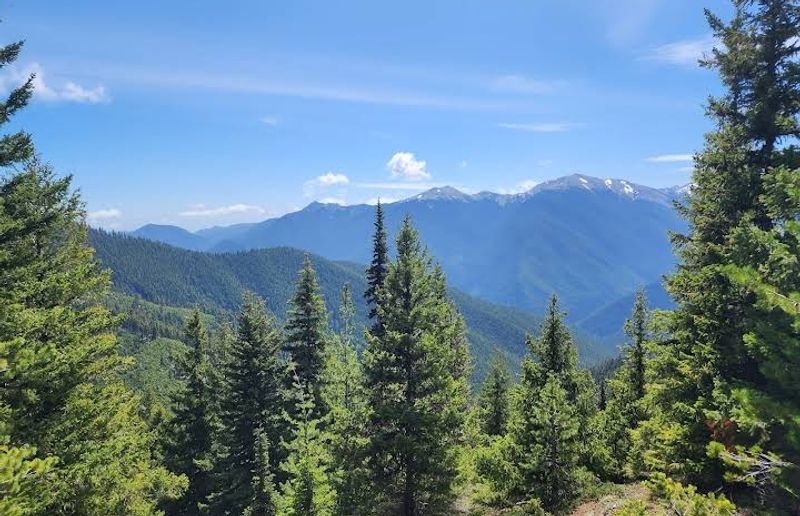
Olympic National Park might be the most underrated park on this entire list. It protects three completely different ecosystems within a single boundary: glacier-capped mountains, temperate rain forest, and over 70 miles of wild Pacific coastline.
That variety is unmatched anywhere in the country.
The Hoh Rain Forest is legitimately surreal. Massive old-growth trees draped in thick green moss line the trails, and the quiet inside that forest is the kind that makes you slow down without even deciding to.
Annual rainfall here tops 140 inches, and every inch of it shows.
Hurricane Ridge offers a completely different experience, with open alpine meadows and views across the Strait of Juan de Fuca toward Canada. The coastal section at Rialto Beach features sea stacks and tide pools teeming with life.
Olympic is the park you go to when you cannot decide what kind of nature you are in the mood for, because it honestly has everything.
Redwood National and State Parks, California
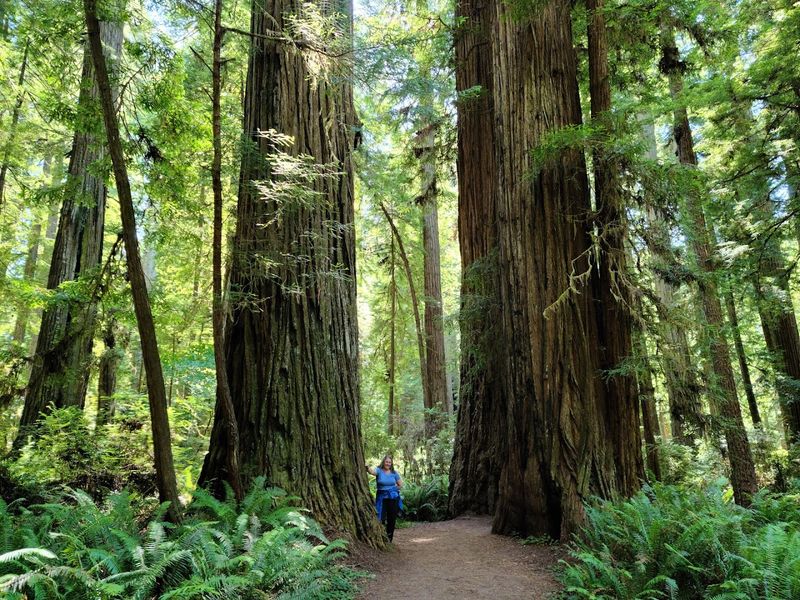
The tallest trees on Earth live in northern California, and walking among them is one of those experiences that genuinely resets your sense of scale. Coast redwoods can top 380 feet, and some of the individuals standing in these parks have been growing since before the Roman Empire fell.
The Lady Bird Johnson Grove is a great starting point, flat and accessible with old-growth trees surrounding you in every direction. The Tall Trees Grove requires a permit but rewards visitors with some of the most impressive specimens in the park.
Fern Canyon, with its walls of ferns rising straight up on both sides, became famous after appearing in Jurassic Park and absolutely lives up to the hype.
Roosevelt elk herds frequently graze the meadows near the coast, and the Pacific views from the bluffs add a dramatic finishing touch. Redwood is not flashy.
It is ancient and quietly magnificent, the kind of place that earns respect without needing to try.
Everglades National Park, Florida
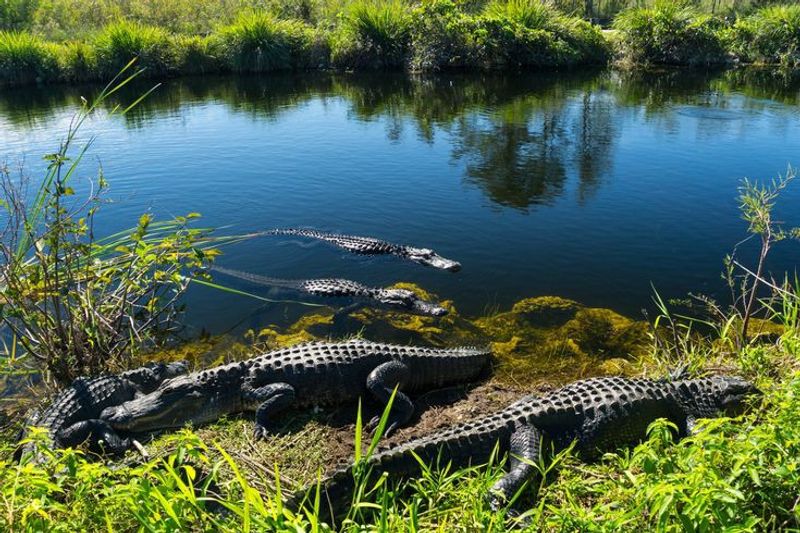
For anyone who thinks Florida is just theme parks and beaches, the Everglades would like a word. The largest subtropical wilderness in the United States covers 1.5 million acres of wetlands, mangrove forests, and marine habitats, all connected by the slow flow of water moving south.
The Everglades was the first national park created specifically to protect biodiversity rather than scenery. That distinction matters because what lives here is extraordinary.
Manatees, American crocodiles, Florida panthers, and over 360 bird species all share this ecosystem. Roseate spoonbills alone are worth the trip.
Kayaking through the mangrove tunnels is one of the most unique paddling experiences in the country. The Ten Thousand Islands section offers days of exploration through coastal waterways.
Airboat tours cover more ground quickly and are genuinely fun, especially for first-timers. Winter is the best time to visit, when water levels drop, wildlife concentrates, and mosquitoes mercifully dial it back a notch.
Great Sand Dunes National Park & Preserve, Colorado
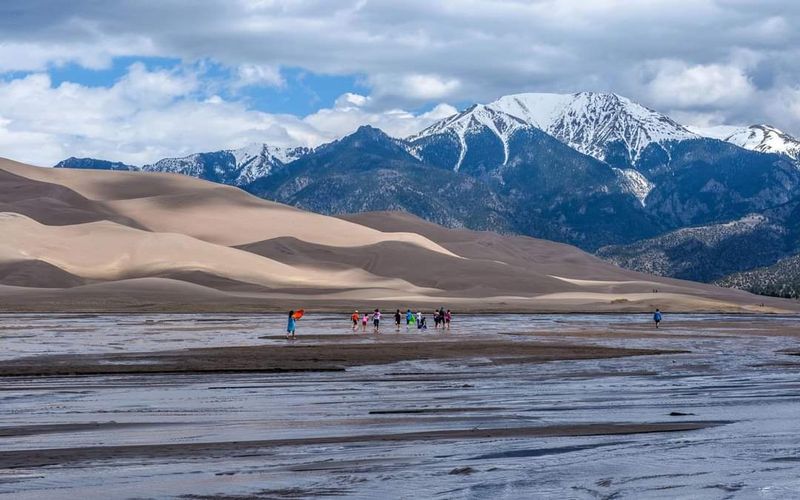
Nothing quite prepares you for the moment the Great Sand Dunes appear against the Sangre de Cristo Mountains. The tallest dunes in North America rise over 750 feet, sitting in a Colorado valley surrounded by mountains and grasslands.
It looks like someone dropped a Saharan landscape into the Rockies as a joke.
Medano Creek runs along the base of the dunes in spring, creating a shallow seasonal stream perfect for cooling off after a climb. Sandboarding down the dunes is exactly as fun and awkward as it sounds.
Climbing to the top of Star Dune is a serious workout, but the views from up there are completely worth the burning calves.
The preserve surrounding the park adds forests and alpine lakes just a short drive away, making the whole area surprisingly diverse. Dark skies here are excellent for stargazing.
Great Sand Dunes is the park that surprises nearly everyone who visits, which is exactly the best kind of surprise a road trip can deliver.



