 Unearth The Voyage
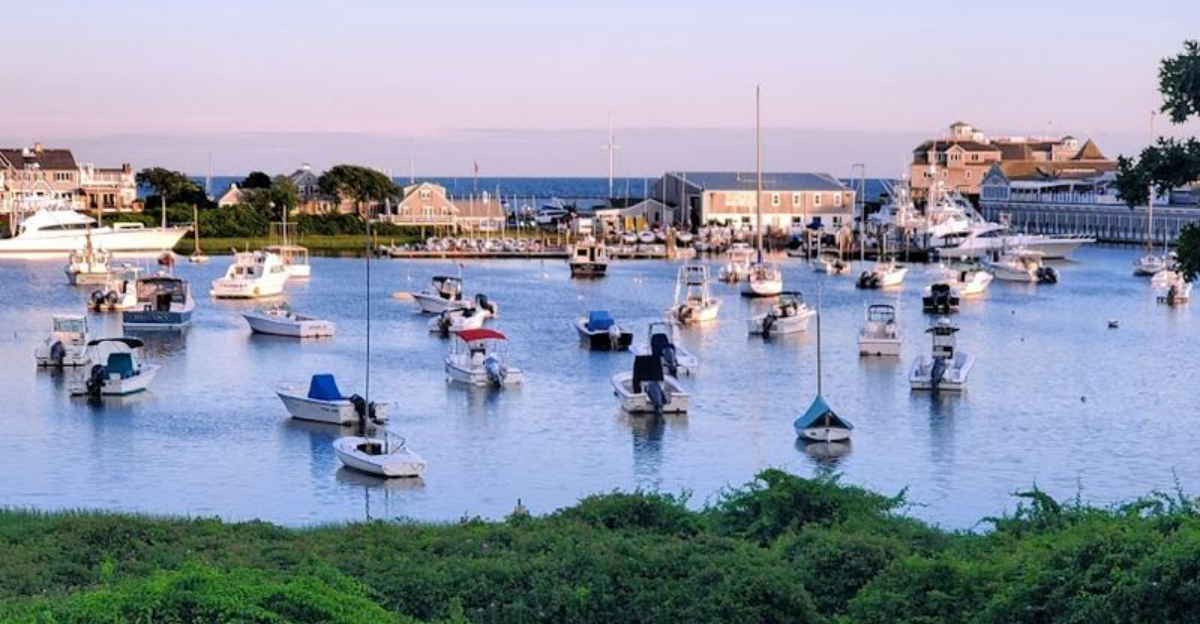
Most people plan trips when everyone else does, which means crowded parking lots, long lines, and overpriced hotels. But here’s a little travel secret: some of America’s most beloved destinations are actually at their best when the masses stay home.
I learned this the hard way after waiting two hours for a shuttle at a packed national park. Skip the chaos and check out these 13 spots that truly shine in the off-season.
Zion National Park, Utah
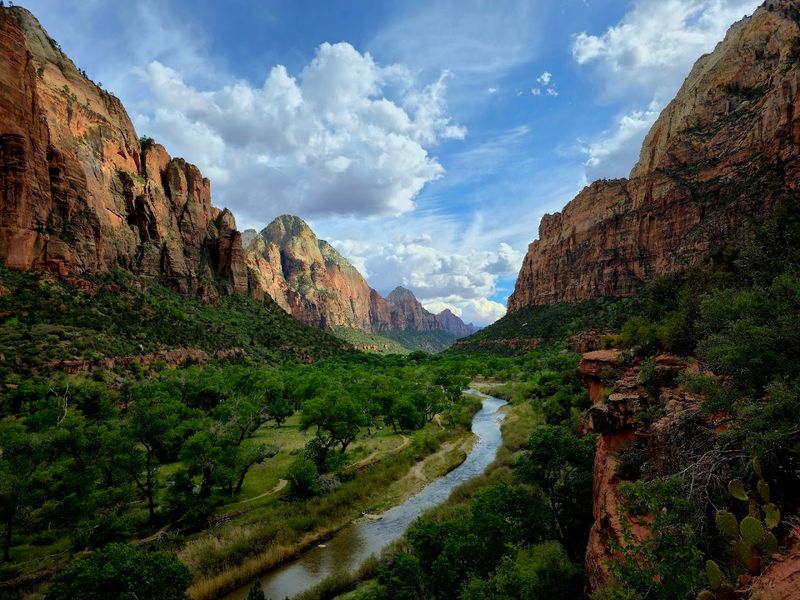
Winter in Zion is basically Zion on easy mode. The shuttle lines that stretch forever in summer?
Gone. The trails that feel like rush-hour sidewalks?
Quiet enough to actually hear the river.
Without the crowds, you can stop anywhere on the canyon floor and just breathe. The red rock walls dusted with snow look almost unreal, like someone cranked up the contrast on the whole landscape.
Cold-weather hiking here is genuinely enjoyable if you layer up properly. Waterproof boots are non-negotiable since some trail sections get icy near the river.
The Narrows in winter is a whole different adventure, with fewer people wading through the cold water alongside you. Rangers are also more available for questions during the quieter months.
Zion in winter feels like having a national park all to yourself, and honestly, that feeling is priceless.
Grand Canyon South Rim, Arizona
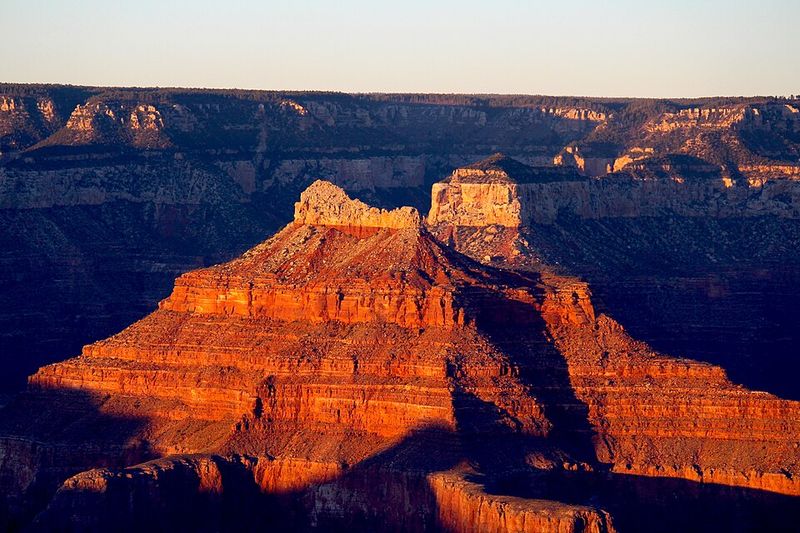
January at the Grand Canyon South Rim hits differently. The NPS literally calls out January and February as the time for “paths less traveled,” and they are not exaggerating.
Snow occasionally dusts the rim, which sounds inconvenient but is actually stunning. The canyon layers pop against the white edges in a way that summer photos never quite capture.
Fewer cars on the scenic drives mean you can actually pull over and linger at viewpoints without someone honking behind you.
Pack microspikes or traction devices if you plan to hike, because icy patches on rim trails are real. The South Rim stays open year-round, so visitor facilities are available even in deep winter.
Crowds thin dramatically after the holiday rush, making late January a golden window. Pro tip: sunrise at Mather Point in February with almost nobody around is the kind of moment that makes you wonder why you ever traveled in July.
Yellowstone National Park, Wyoming
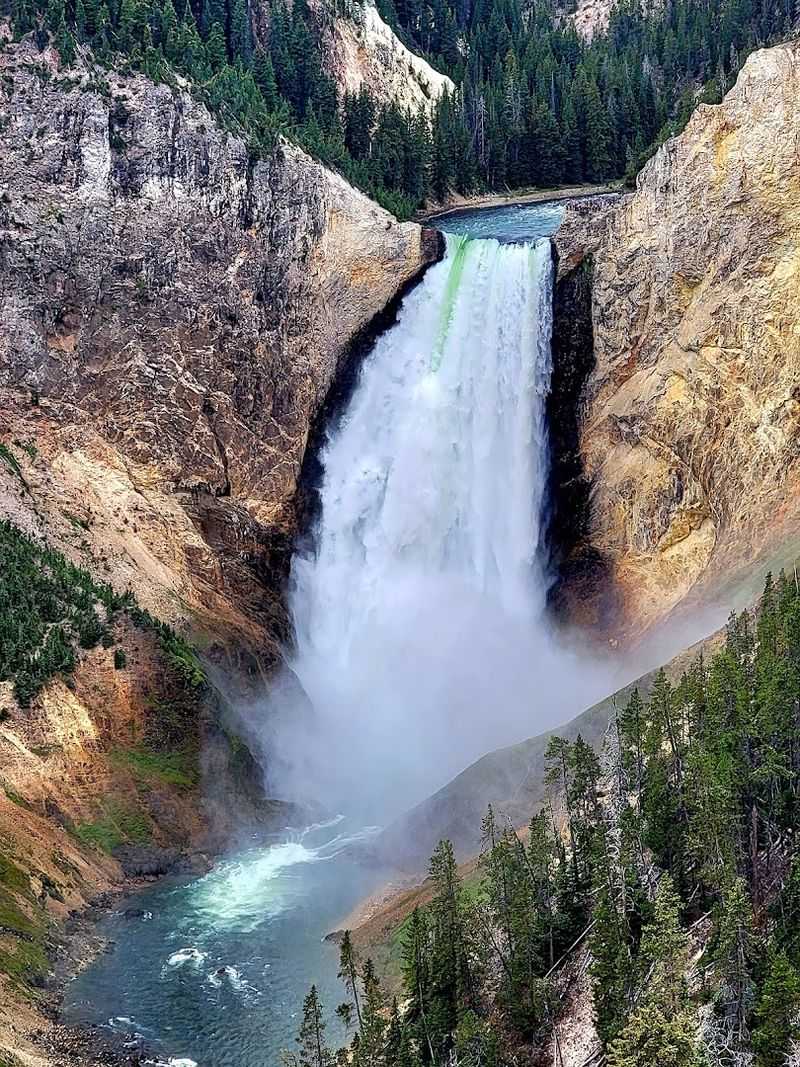
Yellowstone in winter is basically a different planet. Steam rising from geothermal pools against a frozen landscape looks like something out of a fantasy film, and bison wandering through the mist are absolutely everywhere.
Summer Yellowstone is spectacular but packed. Winter Yellowstone is spectacular and eerily peaceful.
Some roads close to private vehicles, which means snowcoach and snowmobile tours become the main way in, and that actually adds to the adventure.
The NPS provides detailed winter planning guides, so the logistics are manageable if you prep ahead. Wolves and other wildlife are often easier to spot against the white snow, making winter a favorite season for serious wildlife photographers.
Geysers like Old Faithful look completely different surrounded by snow. Visitor numbers drop sharply compared to summer peaks, meaning shorter waits and more breathing room everywhere.
If you have ever wanted Yellowstone without the parking nightmare, winter is your answer.
Acadia National Park, Maine
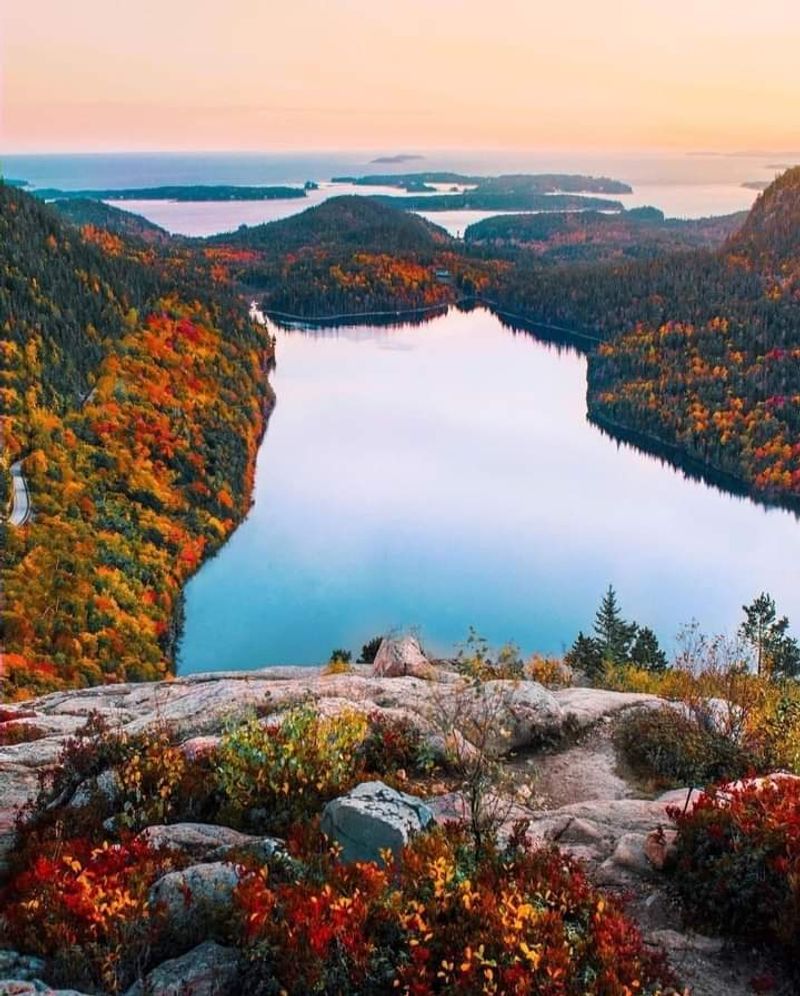
Acadia in the off-season has a personality that summer visitors never get to meet. The crowds vanish, the foliage drops, and what’s left is raw, dramatic Maine coastline that feels almost cinematic.
The historic carriage roads, which get heavily trafficked in peak season, become peaceful walking paths where you might only pass a handful of other people. That kind of solitude on such a beautiful trail network is genuinely rare in any national park.
Bar Harbor, the gateway town, quiets down significantly after Columbus Day weekend. Some restaurants and shops close for winter, so checking ahead is smart.
But the ones that stay open tend to be the local favorites worth finding anyway. Cold ocean air and stark scenery have a way of making everything feel more vivid and real.
Acadia’s off-season rewards people who actually enjoy nature rather than just photographing it for social media and leaving.
Great Smoky Mountains National Park, TN/NC
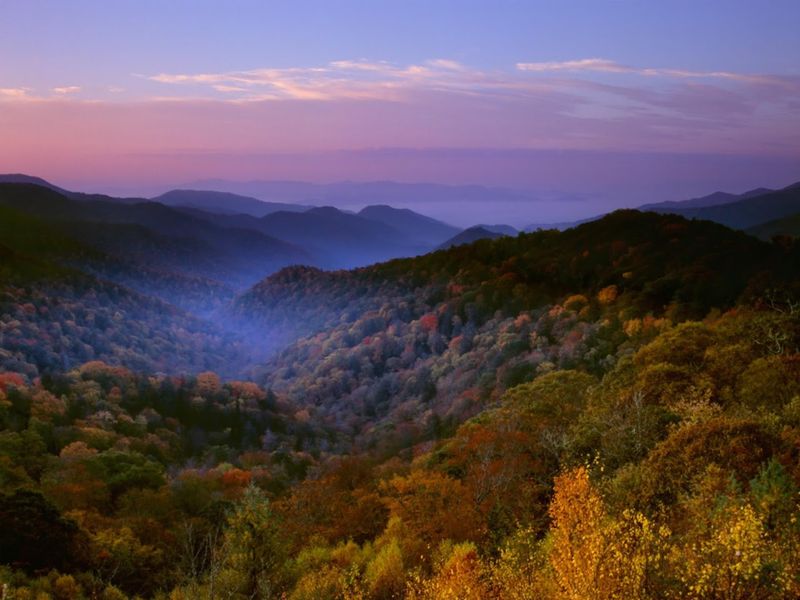
The Smokies never close, which is great news for off-season visitors. What does close is the wall-to-wall traffic that defines summer weekends in this, the most visited national park in the country.
Winter strips the trees bare, which actually opens up mountain views that thick summer foliage completely blocks. You can see ridge after ridge in a way that is simply impossible when everything is leafed out.
Cades Cove, which gets gridlocked on summer weekends, becomes a genuinely pleasant drive in January.
Higher elevations can get snow and ice, so checking road conditions before heading up is just good sense. Waterfalls like Laurel Falls freeze partially in deep winter, creating a completely different and honestly cooler visual than the summer version.
Wildlife activity also picks up in winter mornings when fewer cars are disturbing things. If you have been avoiding the Smokies because of the crowds, winter is your official permission slip to finally go.
Charleston, South Carolina
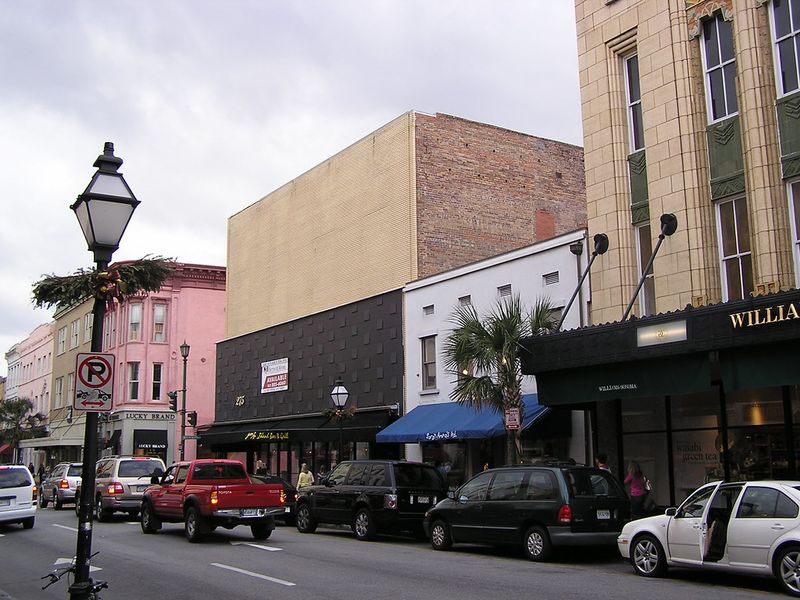
Charleston in summer is beautiful but brutal. The heat and humidity team up like they have a personal vendetta against tourists, and the historic streets get absolutely packed.
Winter flips the script entirely.
Temperatures hover in the comfortable 50s and 60s, which is ideal weather for wandering the cobblestone streets without sweating through your shirt by 9am. Rainbow Row, the Battery, and the French Quarter are all dramatically more enjoyable when you are not competing with a hundred other people for the same photo angle.
Restaurant reservations are easier to snag, hotel rates drop noticeably, and the overall vibe is relaxed rather than frantic. The city’s food scene does not take a winter break, so you are still getting world-class Southern cooking without the wait.
I once walked into a highly rated Charleston restaurant on a Tuesday in January with zero reservation and got a table immediately. That simply does not happen in April.
Savannah, Georgia
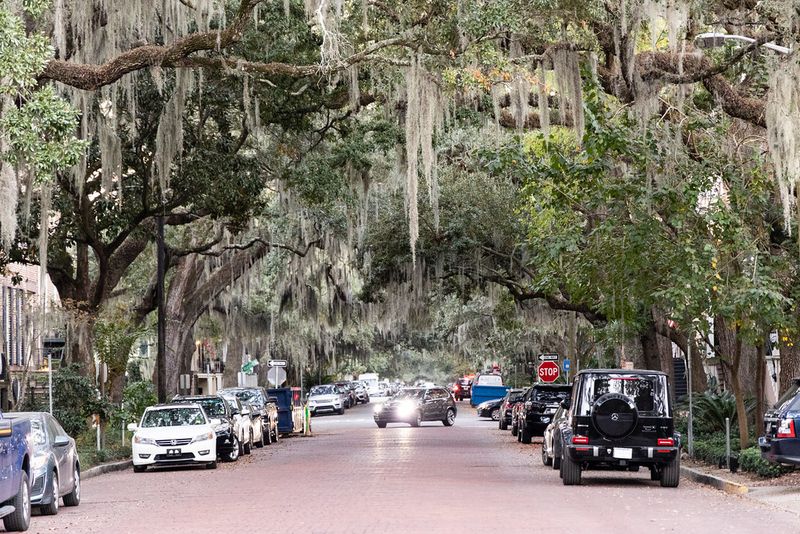
Savannah’s squares are gorgeous year-round, but spring turns them into an obstacle course of tour groups and bachelorette parties. Winter brings the city back to itself, and the difference is remarkable.
Spanish moss still drapes the live oaks even in January, and the mild Southern winter means you can sit on a bench in Forsyth Park without a coat on most days. The historic district feels walkable and unhurried rather than like a theme park with admission fees.
Travel guides consistently flag spring as Savannah’s peak crowd season, which means winter is when prices on hotels and tours drop to their most reasonable. Ghost tours, which are genuinely fun here given the city’s spooky history, have shorter lines and feel less like a packaged tourist experience.
The food on River Street tastes exactly the same in January as it does in April. It just costs less and arrives faster.
That is a win by any measure.
New Orleans, Louisiana
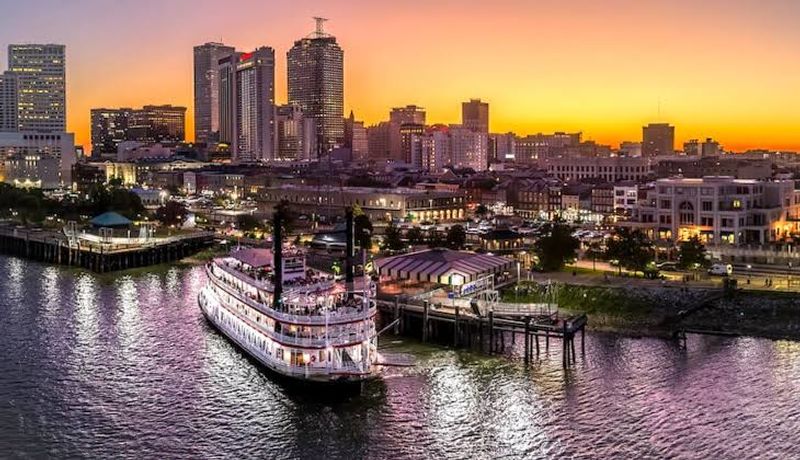
Here is a counterintuitive hot take: summer in New Orleans, despite the swampy heat and humidity, is actually one of the better times to visit if you are on a budget and love atmosphere over comfort.
Crowds thin out compared to Mardi Gras season and Jazz Fest, hotel rates drop considerably, and the city’s soul stays fully intact. The food is just as good, the music on Frenchmen Street is just as alive, and the cocktails are just as cold and necessary.
Yes, it is hot. Genuinely, aggressively hot.
But air conditioning is taken very seriously in New Orleans, and locals have perfected the art of moving between cool indoor spots efficiently. The French Quarter in July has a looser, more local energy than during peak festival season.
If you care more about beignets and live jazz than Instagram-perfect weather, summer here delivers everything you actually came for at a fraction of the cost.
San Francisco, California
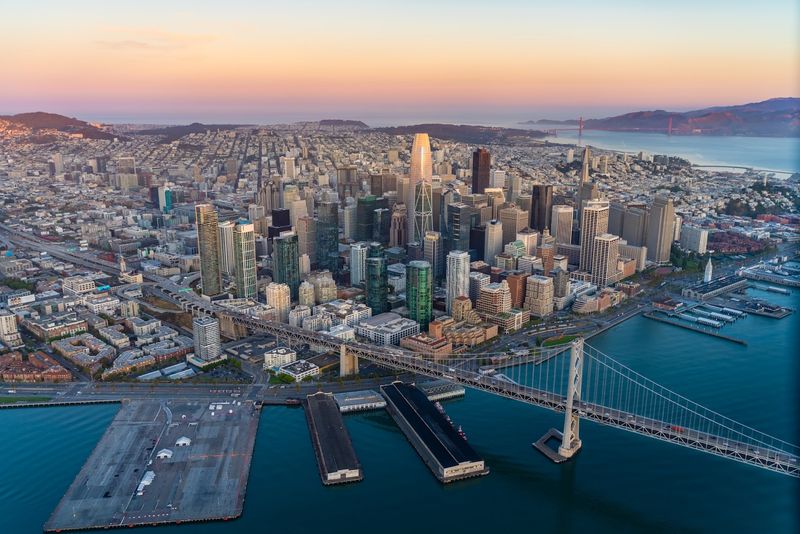
San Francisco’s famous fog has a schedule, and most summer tourists do not know about it. June and July are actually the foggiest, coldest months in the city, which surprises nearly everyone who shows up in shorts expecting California sunshine.
Early fall, specifically September and October, is when San Francisco finally shows its warm, clear side. Locals call it “second summer,” and it genuinely earns the nickname.
The Golden Gate Bridge is visible without fog, outdoor dining is actually pleasant, and the city feels more alive than it does during the chilly summer peak.
Tourist numbers also dip slightly after Labor Day, which means shorter lines at popular spots like Alcatraz and Fisherman’s Wharf. Hotel rates can be more forgiving in October than in peak summer.
If you have ever visited San Francisco in July and wondered why everyone raves about it, go back in September. You will finally understand what the fuss is about.
Cape Cod, Massachusetts
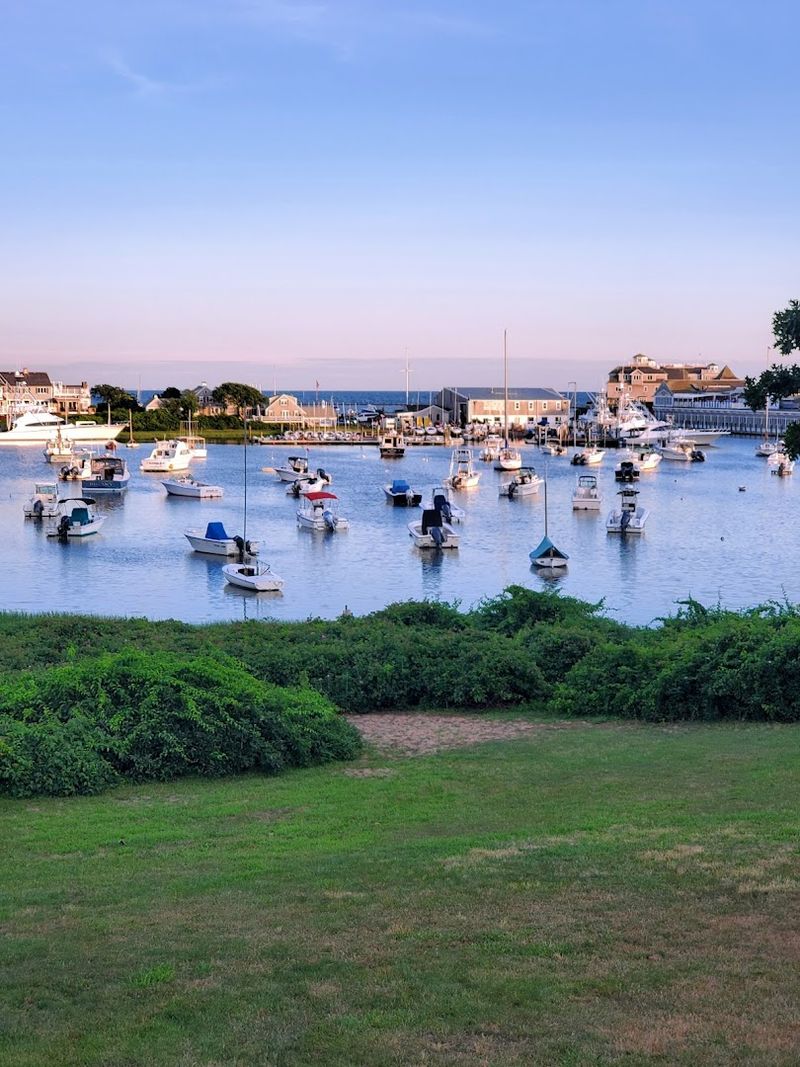
Cape Cod in August is the East Coast version of a theme park queue: long, hot, and full of people who all had the same idea at the same time. May and early September fix all of that.
The beaches are still beautiful and the water is actually warmer in early September than in June. Parking, which becomes a genuine life challenge in peak summer, suddenly becomes just a normal thing you do without stress.
The towns along Route 6A feel like actual places again rather than tourist conveyor belts.
Seafood shacks and clam bars are still open in early fall, and some locals argue the lobster rolls taste better when the kitchen is not cranking out 400 orders a day. Spring brings wildflowers and migrating birds, adding a whole different dimension to the Cape’s appeal.
Either shoulder season gives you most of what makes Cape Cod special with a fraction of the August madness attached.
Mackinac Island, Michigan
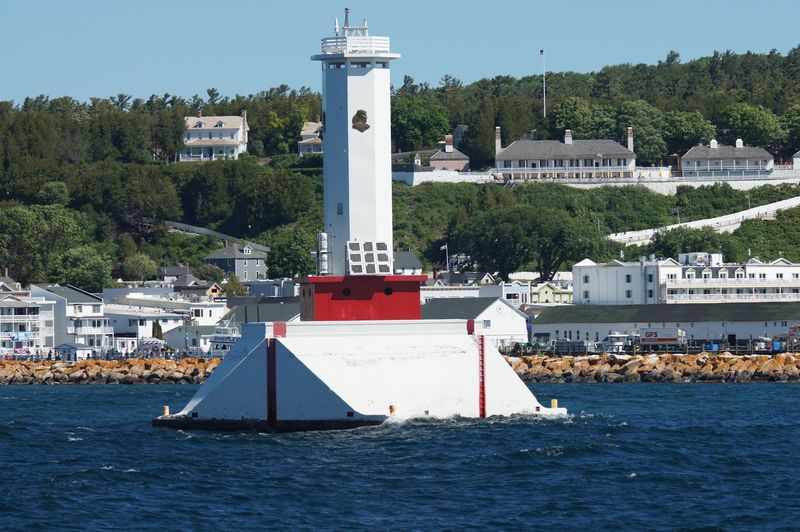
No cars are allowed on Mackinac Island, which is already a quirky selling point. But timing your visit right makes the whole experience go from charming to genuinely magical.
The sweet spot here is May or September into early October. The island is still fully operational with shops, restaurants, fudge (the island is legendary for its fudge), and ferry service running.
But the shoulder-season crowds are a fraction of the July peak, when the place gets absolutely swamped with day-trippers.
September brings fall color to the island’s interior trails, making bike rides through the woods particularly rewarding. The famous Grand Hotel is still open and worth a visit even if you are not staying there.
Renting a bike and circling the island’s perimeter road takes about an hour and costs almost nothing. In July, that same ride involves dodging hundreds of other cyclists.
In September, it feels like the island was rented out just for you.
Maui, Hawaii
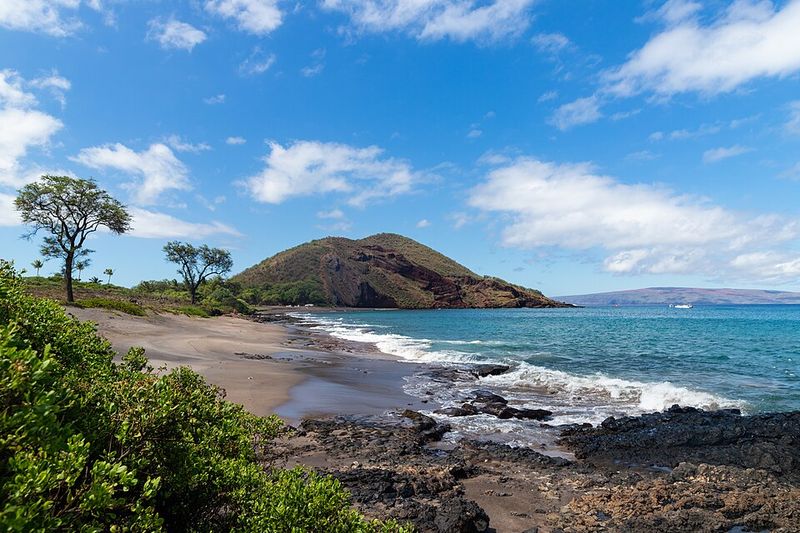
Hawaii’s shoulder seasons are one of travel’s best-kept secrets, and Maui specifically benefits more than almost any other island. April through May and again in September through early October hit a rare sweet spot.
Weather is excellent, whale watching winds down but ocean conditions are generally calm for snorkeling, and the resort areas breathe a little easier without the full summer or holiday crowd surge. Flight prices and hotel rates also tend to dip noticeably during these windows compared to peak winter and summer periods.
The Road to Hana is significantly more enjoyable when you are not stuck in a 40-car convoy of rental Jeeps. Haleakala sunrise tours are easier to book.
Even the popular beach at Wailea feels spacious rather than packed. Maui is wonderful at any time of year, but visiting during shoulder season means you get the full beauty of the island without constantly maneuvering around other people trying to enjoy the exact same thing.
Park City, Utah
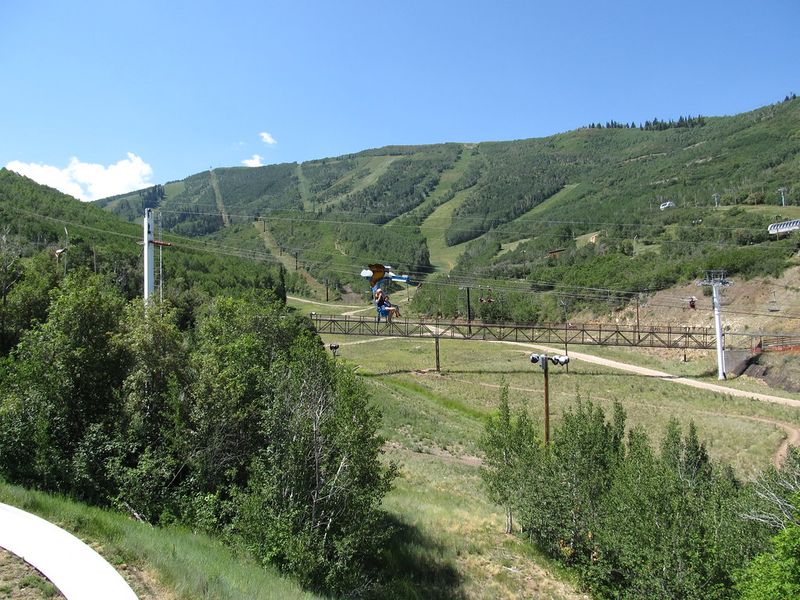
Most people only think of Park City when there is snow on the ground, but the summer version of this mountain town is genuinely underrated and significantly cheaper than ski season rates.
The resort lifts run in summer for sightseeing and mountain biking, wildflowers cover the hillsides, and the hiking trail network is extensive and well-maintained. Main Street keeps its full lineup of restaurants and shops open, so the town feels lively without feeling overwhelmed.
Ski season brings intense demand for lodging, which means prices spike hard. Summer flips that equation, and you can often find the same quality accommodations for a fraction of the cost.
The Utah Olympic Park, where you can actually watch athletes train on the ski jumps in summer, is one of the more unexpectedly cool free activities in the state. Park City in summer rewards anyone willing to see past the snow-globe version of the place and discover what it looks like in green.



