 Unearth The Voyage
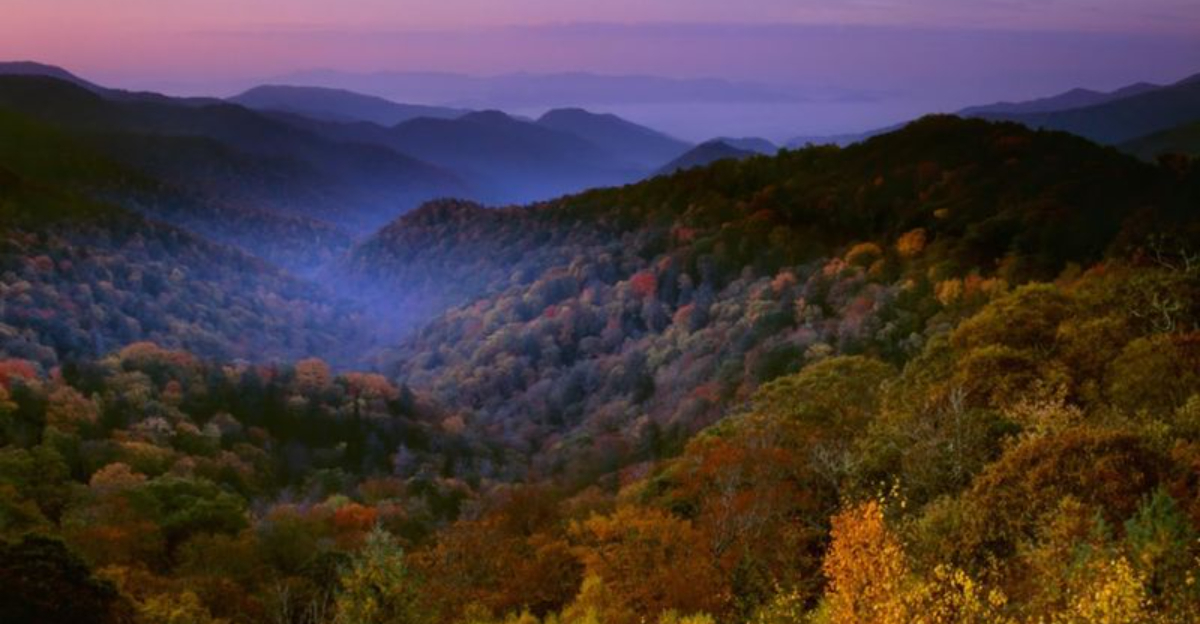
America is home to some of the most jaw-dropping natural landscapes on the planet, and honestly, most of us have barely scratched the surface. From towering granite cliffs to ancient forests and bubbling volcanoes, the variety is almost unfair.
Whether you are a seasoned hiker or someone who just loves a good scenic drive, there is a wild corner of this country waiting for you. Pack your bags, charge your camera, and get ready to fall hard for these 14 stunning American destinations.
Yosemite National Park, California
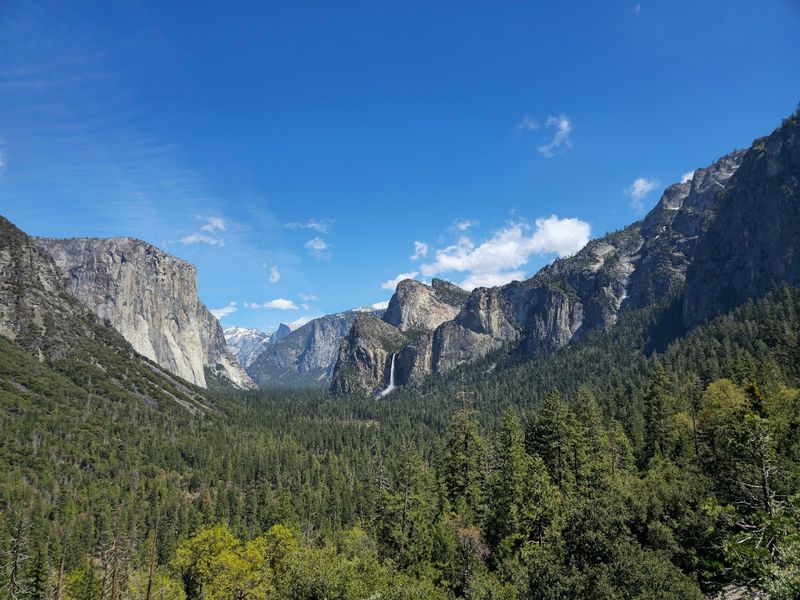
Granite walls nearly a mile high, waterfalls that seem to fall from the sky, and meadows so green they look painted. Yosemite has been stealing hearts since John Muir first wrote about it, and nothing has changed.
The park covers about 750,000 acres of pure Sierra Nevada drama.
El Capitan alone is worth the trip. Rock climbers dangle from its face while the rest of us stand below with our necks craned and our jaws on the floor.
Yosemite Falls, one of the tallest waterfalls in North America, is equally humbling.
Spring is peak waterfall season, so plan accordingly if you want the full show. The Mariposa Grove shelters hundreds of giant sequoias, including trees over 2,000 years old.
I visited in May once and genuinely ran out of storage on my phone within the first hour. Go early in the day to beat the crowds.
Glacier National Park, Montana
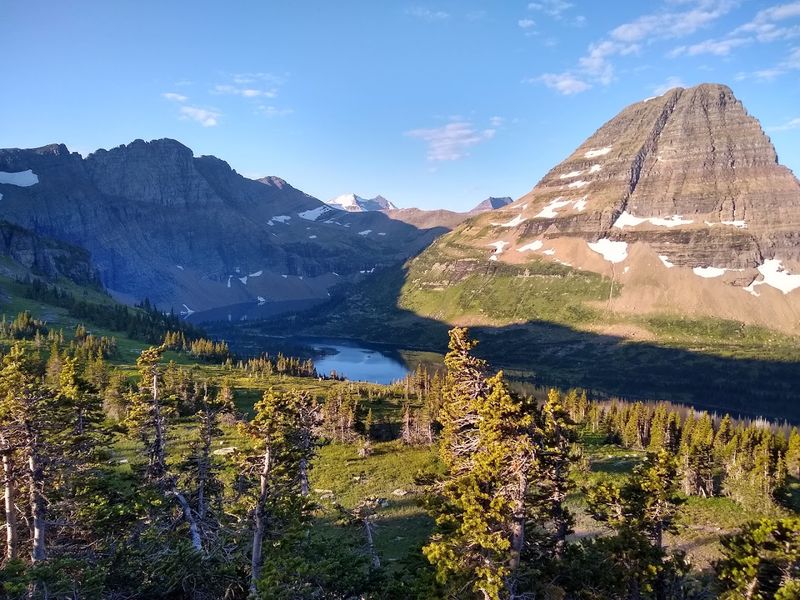
There are about 26 named glaciers left in this park, and scientists expect most of them to vanish within decades. That fact alone should push Glacier National Park straight to the top of your list.
Seeing them now is not just a trip, it is a responsibility.
Going-to-the-Sun Road is the crown jewel here. This 50-mile mountain road winds through some of the most breathtaking alpine scenery in North America, passing over the Continental Divide at Logan Pass.
Wildlife sightings along the route are basically guaranteed.
Grizzly bears, mountain goats, bighorn sheep, and moose all call this park home. The trail network covers over 700 miles, so hikers of every level will find something worth sweating for.
Lake McDonald, with its colorful pebble shoreline, is also a must-see. Visit in July or August when the high-country trails are fully accessible and wildflowers are going absolutely wild.
Acadia National Park, Maine
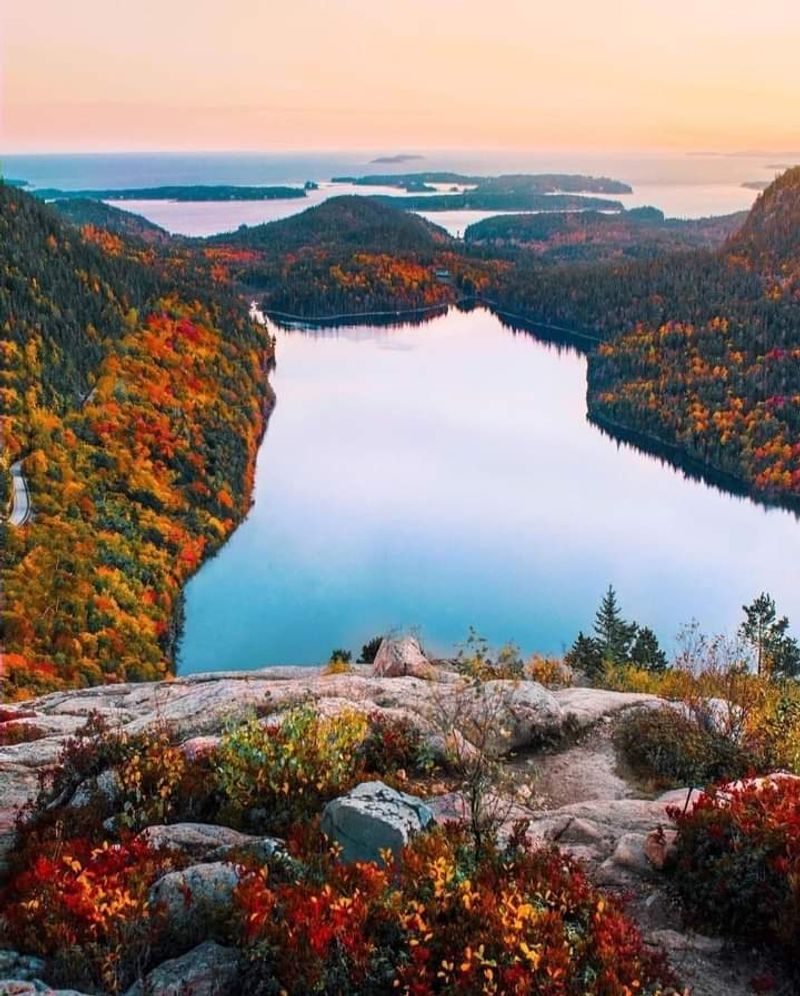
Acadia is proof that the East Coast has its own brand of wild. Perched on Mount Desert Island in Maine, this park packs rocky Atlantic shoreline, forested peaks, and historic carriage roads into a surprisingly compact area.
It punches well above its weight.
Cadillac Mountain is the tallest peak on the U.S. East Coast and one of the first places in the country to catch sunrise from October through March.
Arriving at the summit before dawn feels like a small personal victory, especially when the sky turns orange and pink over the Atlantic.
The park also has 45 miles of carriage roads that are completely car-free, making them perfect for cycling or a peaceful walk. Thunder Hole, a natural rock formation that roars when waves crash in at just the right angle, is a crowd favorite.
Jordan Pond and its famous popovers at the nearby restaurant are worth every calorie.
Zion National Park, Utah
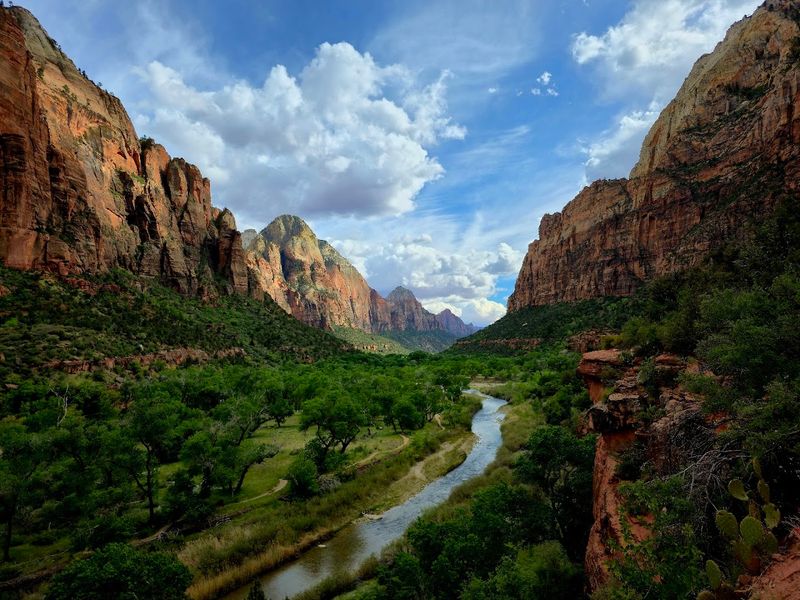
Zion is the kind of place that makes you feel genuinely small in the best possible way. The canyon walls rise up to 2,000 feet in shades of cream, pink, and deep red, and the Virgin River cuts right through the middle of it all.
It is one of the most visually dramatic parks in the entire country.
The Narrows hike is legendary for good reason. You wade directly through the Virgin River as it carves through a slot canyon barely wide enough to spread your arms.
Waterproof boots are not optional here, they are survival gear.
Angels Landing is another icon, a steep trail with chains bolted into the rock for the final exposed section. It is not for the faint of heart, but the views from the top are absolutely worth every white-knuckled moment.
Zion Canyon Scenic Drive offers a gentler alternative for visitors who prefer their thrills at lower altitudes.
Olympic National Park, Washington
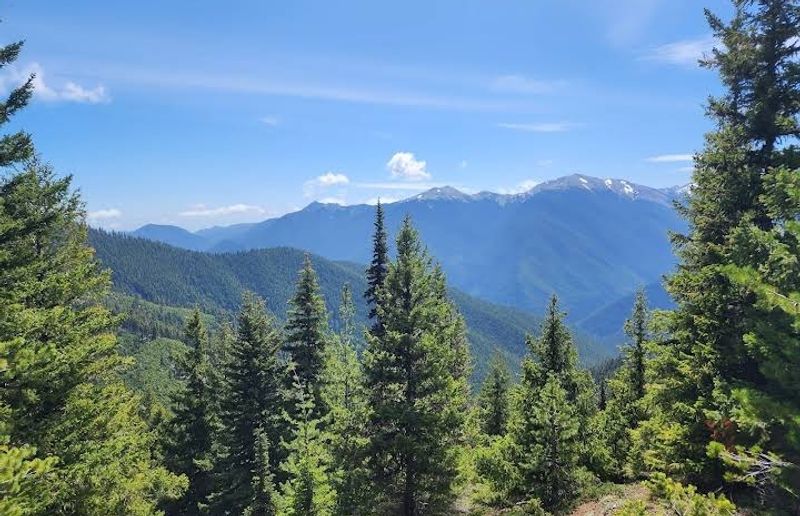
Olympic National Park might be the most ecologically generous park in America. Within its boundaries, you get temperate rainforest, glacier-capped mountains, and wild Pacific coastline.
Most parks pick one ecosystem and commit. Olympic went ahead and chose all three.
The Hoh Rain Forest is one of the few temperate rainforests in the world. Bigleaf maples draped in thick mosses line the trail, and the whole place has a quiet, ancient atmosphere that feels nothing like the rest of the Pacific Northwest.
Annual rainfall here can exceed 140 inches.
The park’s coastal section features tide pools packed with sea stars, anemones, and crabs, plus sea stacks rising dramatically from the surf. Hurricane Ridge offers mountain views and, in winter, snowshoeing.
The sheer variety means a single trip rarely feels like enough. Plan for at least three to four days to do it any real justice at all.
Everglades National Park, Florida
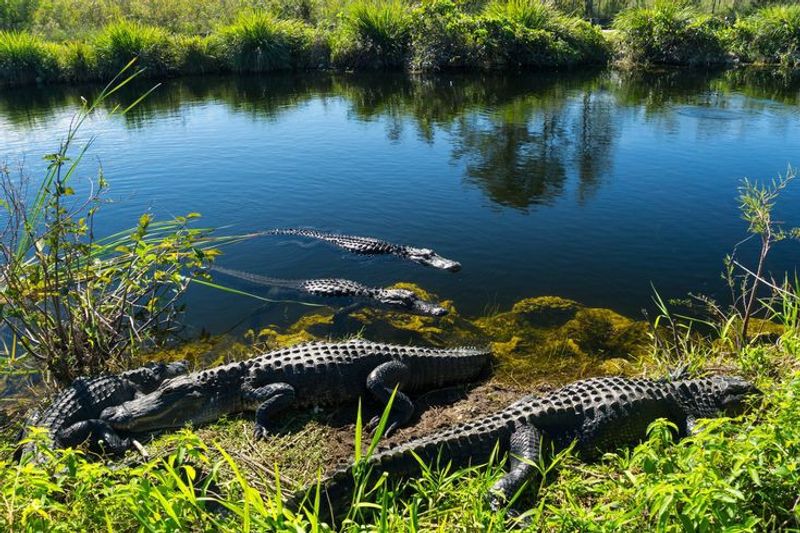
The Everglades is the only place on Earth where alligators and American crocodiles coexist in the wild. That fact alone deserves a moment of appreciation.
This is not your average swamp, it is a slow-moving river of grass stretching across 1.5 million acres of South Florida.
Kayaking and canoeing through the mangrove tunnels is one of the most unique outdoor experiences in the country. Manatees drift past, roseate spoonbills wade in the shallows, and ospreys circle overhead.
The wildlife here is absurdly abundant and remarkably easy to spot.
The dry season, running from November through April, is the best time to visit. Mosquito populations drop significantly, and wildlife concentrates around shrinking water sources, making animal sightings even better.
Anhinga Trail near the Royal Palm area is excellent for beginners. The park is also a UNESCO World Heritage Site and an International Biosphere Reserve, which gives you a sense of just how globally significant this ecosystem really is.
Great Smoky Mountains National Park, Tennessee and North Carolina
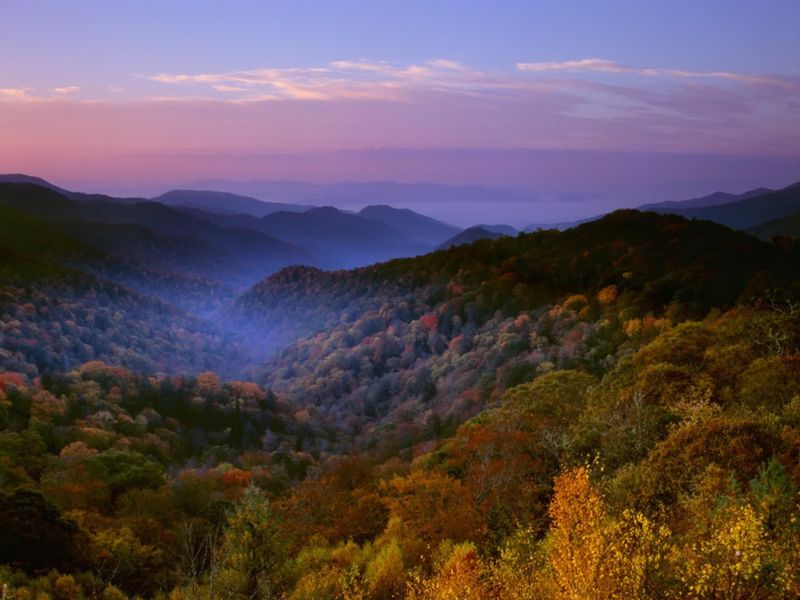
Over 12 million people visit the Smokies every year, making it the most visited national park in the country by a wide margin. Skeptics might wonder why.
One look at those layered blue ridgelines wrapped in morning mist and the question answers itself completely.
The park protects more tree species than all of northern Europe combined. It is also one of the best places in the world to witness synchronous fireflies, a rare phenomenon where thousands of fireflies flash in coordinated patterns for just a few weeks each June.
Lottery tickets are required for that event, so plan ahead.
Clingmans Dome, at 6,643 feet, is the highest point in the park and offers a panoramic observation tower that sits above the clouds on clear days. Black bears are frequently spotted along roadsides and trails.
The park is also completely free to enter, which makes it even harder to argue against adding it to your list right now.
Redwood National and State Parks, California
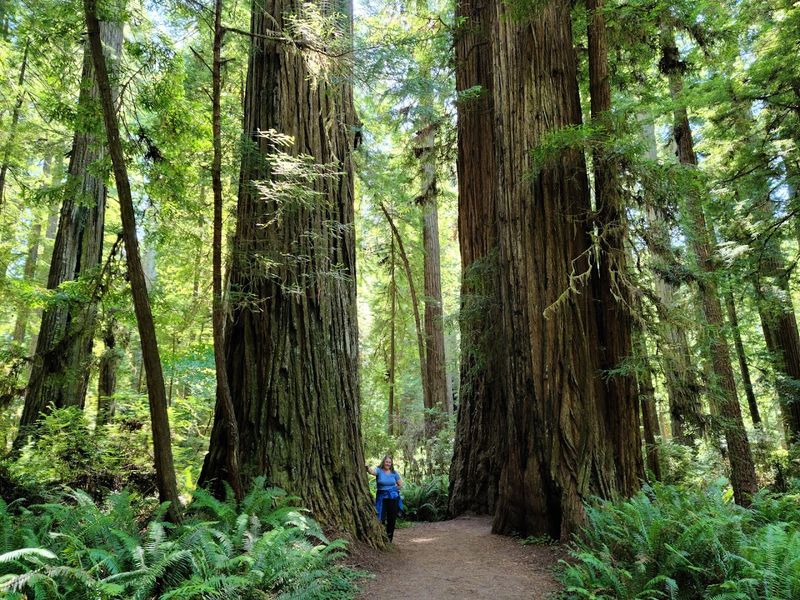
The tallest living tree on Earth stands somewhere in Redwood National and State Parks. Its exact location is kept secret to protect it from visitor damage.
The tree, named Hyperion, measures over 380 feet tall, which is taller than the Statue of Liberty by a very comfortable margin.
Walking among these giants is genuinely humbling. The trunks are so wide that several people holding hands cannot wrap around them.
The forest floor is carpeted in ferns, and the light filters down in long golden shafts through the canopy far above your head.
Beyond the trees, the parks include prairies, oak woodlands, wild rivers, and a rugged Pacific coastline with elk grazing in the meadows right next to the ocean. The Tall Trees Grove and Lady Bird Johnson Grove are two of the most beloved hiking areas.
Allow a full day minimum, because rushing through a 2,000-year-old forest feels genuinely disrespectful to everyone involved.
Grand Canyon National Park, Arizona
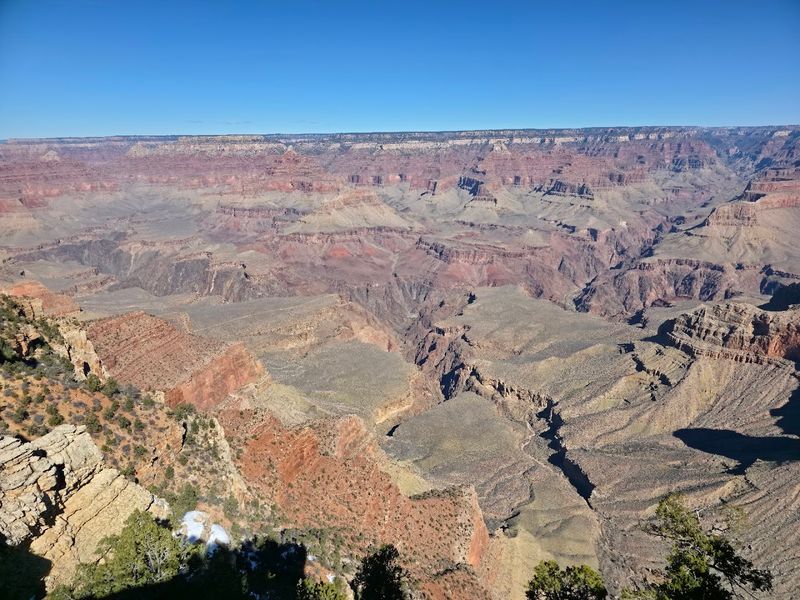
No photograph, no matter how good, actually prepares you for the Grand Canyon. Standing at the rim for the first time and looking down nearly a mile to the Colorado River is a genuinely disorienting experience.
The canyon is 277 miles long, up to 18 miles wide, and exposes nearly two billion years of Earth’s geological history.
The South Rim is open year-round and draws the most visitors. The North Rim is higher, quieter, and only accessible from mid-May through mid-November.
Both offer stunning overlooks, but the North Rim has a noticeably more remote feel that serious hikers tend to love.
Hiking below the rim requires preparation. The Bright Angel Trail descends steeply and temperatures at the canyon bottom can exceed 110 degrees Fahrenheit in summer.
Rangers have a saying here: going down is optional, coming back up is mandatory. Sunrise and sunset from Desert View Watchtower are particularly spectacular and worth waking up early for.
Crater Lake National Park, Oregon
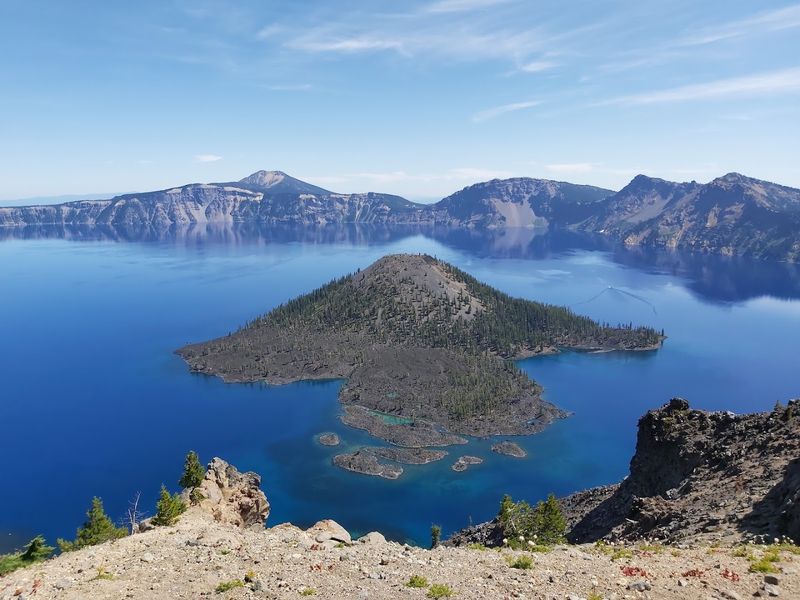
Crater Lake holds a secret that most visitors do not know before they arrive: it has no rivers flowing in or out. The lake is fed entirely by rain and snow, which is a big part of why it is one of the clearest bodies of water on the planet.
Visibility can reach over 100 feet down into the blue.
The lake formed about 7,700 years ago when the volcanic peak of Mount Mazama collapsed after a massive eruption. What was left behind is a caldera filled with water so deeply blue it looks digitally enhanced.
Wizard Island, a small cinder cone, rises from the center like something out of a fantasy novel.
The 33-mile Rim Drive circles the entire lake and offers viewpoints that stop visitors cold at nearly every turn. Boat tours to Wizard Island run in summer and sell out fast, so book ahead.
Snow typically blankets the park from October through June, turning it into an entirely different kind of beautiful.
Denali National Park and Preserve, Alaska
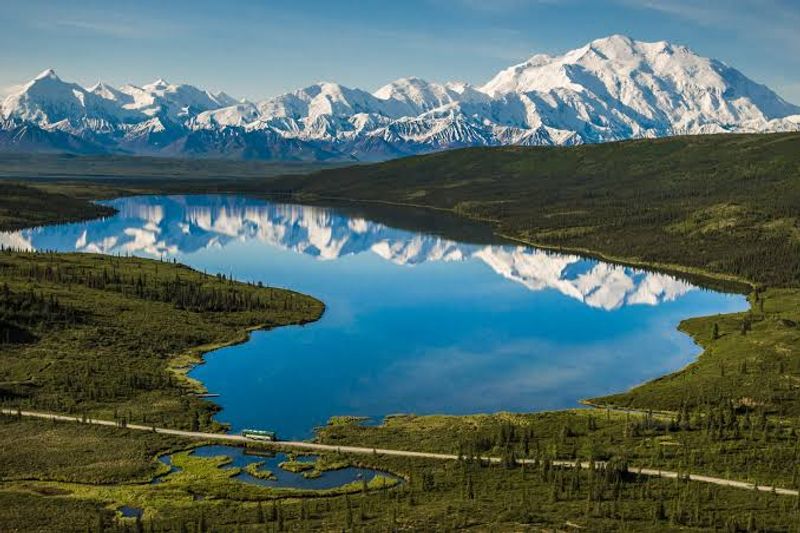
Denali, formerly known as Mount McKinley, tops out at 20,310 feet above sea level, making it the tallest peak in North America by a significant margin. On clear days, the mountain is visible from over 200 miles away.
Most days, though, it hides behind clouds, which makes spotting it feel like winning a small lottery.
The park spans six million acres and has exactly one road open to private vehicles for the first 15 miles. Beyond that, visitors board park buses to travel deeper into the wilderness.
That deliberate limitation keeps the ecosystem remarkably intact and wildlife encounters genuinely wild.
Grizzly bears, wolves, caribou, moose, and Dall sheep all roam freely across the tundra. The absence of crowds beyond the entrance area is one of Denali’s greatest assets.
Autumn is spectacular, when the tundra turns every shade of gold and red. For those who want serious backcountry adventure, Denali is essentially unmatched anywhere in the United States.
Great Sand Dunes National Park and Preserve, Colorado
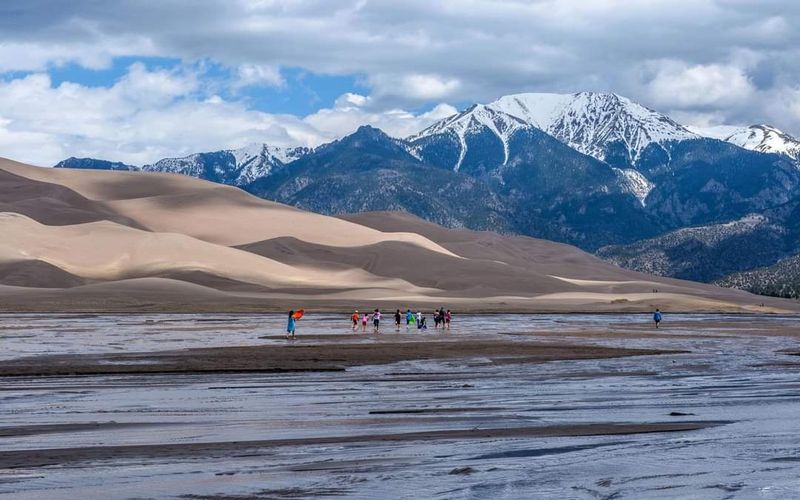
Seeing 750-foot sand dunes sitting directly in front of a snow-capped mountain range is the kind of visual that makes your brain briefly malfunction. Great Sand Dunes is legitimately one of the strangest and most spectacular landscapes in the entire country.
The dunes are the tallest in North America.
Medano Creek runs along the base of the dunes in late spring and early summer, creating a shallow, sandy-bottomed stream where visitors wade and sled their rented sand boards. The combination of creek, dunes, and mountains in one frame is almost absurd in the best possible way.
The park is also a certified International Dark Sky Park, which means the stargazing here is world-class. On a clear moonless night, the Milky Way stretches across the sky with startling clarity.
The surrounding preserve includes grasslands, forests, alpine lakes, and tundra, giving the area far more depth than most first-time visitors expect. Plan for at least two days.
Congaree National Park, South Carolina
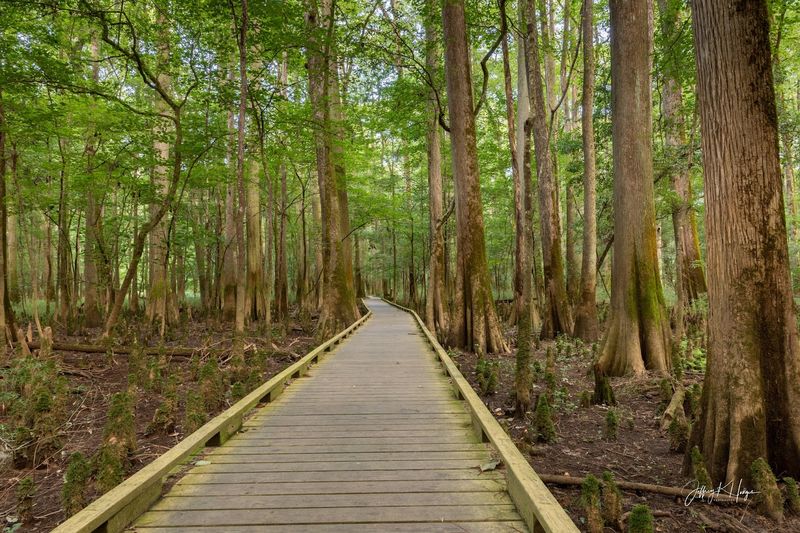
Congaree is the underdog of the national park system, and honestly, that is part of its charm. It does not have soaring mountains or dramatic coastlines, but it holds the largest intact old-growth bottomland hardwood forest remaining in the southeastern United States.
That is a genuinely rare thing.
The trees here are record-breakers. Congaree contains more national champion trees than any other area of similar size in the country.
Loblolly pines and bald cypresses reach heights that make the forest canopy feel cathedral-like. The place has an ancient, almost primeval atmosphere.
Boardwalk trails wind through the floodplain, keeping your feet dry while the forest does its thing around you. Kayaking and canoeing along Cedar Creek is another excellent way to experience the park.
Congaree is also known for its synchronous firefly displays in late May and early June. Visitor numbers are low compared to most parks, which means you can actually hear the forest instead of a crowd.
That alone is worth the detour.
Hawaiʻi Volcanoes National Park, Hawaiʻi
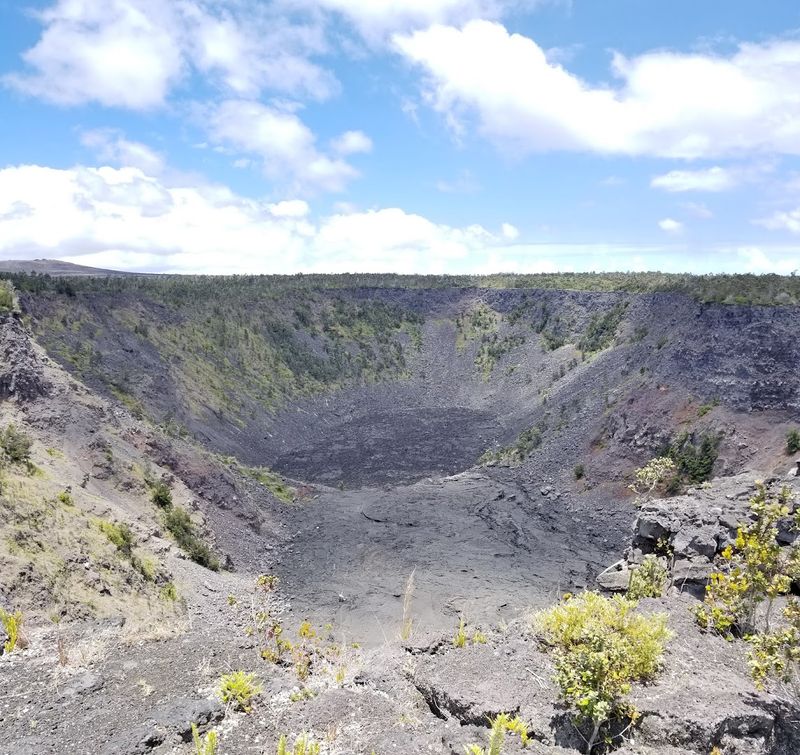
Most national parks preserve landscapes that formed thousands or millions of years ago. Hawaii Volcanoes National Park is still actively building new land right now.
Kilauea is one of the most continuously active volcanoes on Earth, and watching lava reshape the island in real time is genuinely unlike anything else in the national park system.
The park stretches from sea level all the way up to 13,680 feet at the summit of Mauna Loa. That elevation range creates wildly different ecosystems within the same park boundaries, from tropical rainforest to barren lava fields to alpine desert.
The variety is staggering for a single destination.
The Kilauea Iki Trail descends into a solidified lava lake and crosses the crater floor, which still radiates heat from below. Thurston Lava Tube is another highlight, a walk-through tunnel formed by ancient flowing lava.
Check the park website before visiting for current eruption activity, because conditions change often and the experience varies dramatically depending on what the volcano is doing that week.



