Canada is home to some of the most stunning lakes on the planet, and many of them still feel refreshingly untouched. From the glacier-fed waters of British Columbia to the vast, remote shores of the Northwest Territories, these lakes offer something rare: true wilderness.
Whether you are an avid hiker, a canoe enthusiast, or just someone who loves a jaw-dropping view, Canada’s wild lakes deliver. Pack your bags, because this list is about to make your travel bucket list a whole lot longer.
Lake O’Hara, British Columbia
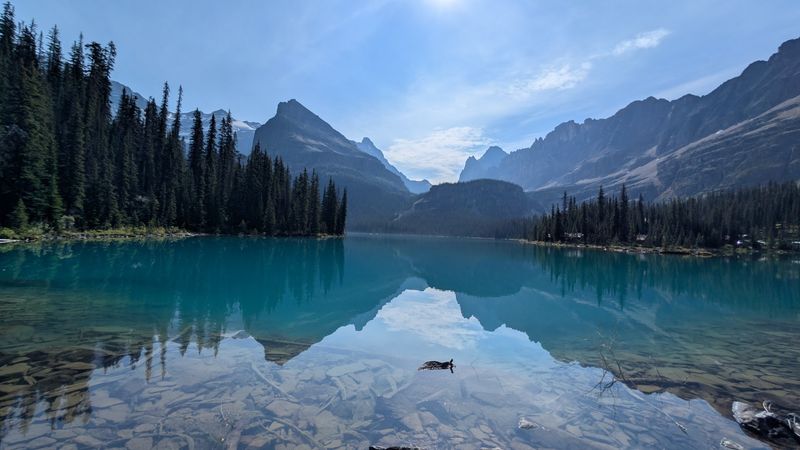
Getting to Lake O’Hara is half the adventure, and Parks Canada made sure of that. Access is tightly controlled, with most visitors needing to snag a shuttle reservation well in advance.
Spots sell out fast, so planning early is not optional.
The reward for all that planning? An alpine ecosystem so well-preserved it almost feels like stepping into a nature documentary.
Hanging valleys, wildlife corridors, and a brilliant trail network make this lake a hiker’s dream. The area stays protected precisely because visitor numbers are kept low.
I managed to grab a shuttle reservation last summer, and the payoff was absolutely worth the early alarm and the frantic online booking. The trails loop through some of the most dramatic mountain scenery in all of Canada.
Whether you tackle one trail or all of them, Lake O’Hara earns its legendary reputation every single time.
Maligne Lake, Alberta
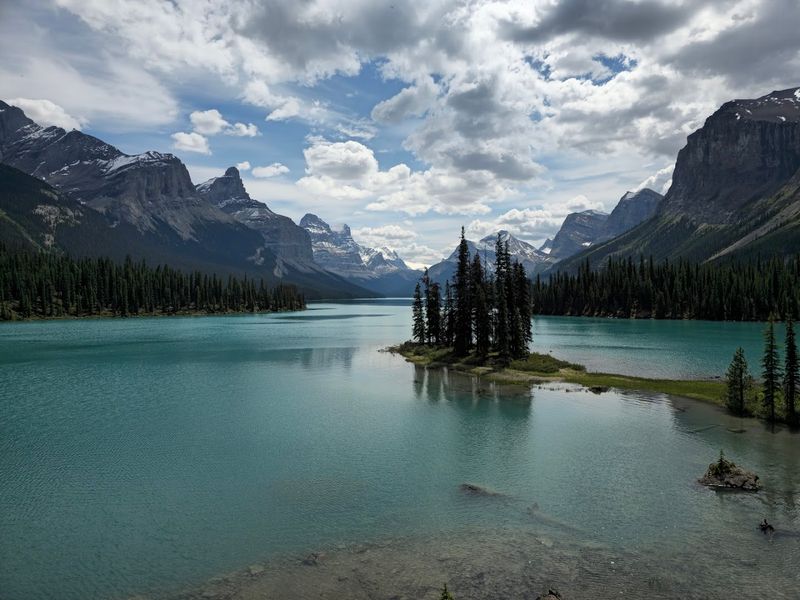
At 22 kilometres long, Maligne Lake is the largest natural lake in the Canadian Rockies, and it does not let you forget it. The sheer scale of the place makes you feel genuinely small in the best possible way.
Glacial peaks crowd the horizon in every direction.
Despite being well known, Maligne Lake still delivers that raw, wild atmosphere that more crowded spots often lose. Wildlife-rich shorelines and a stunning glacial setting keep the experience feeling authentic.
Boat tours to Spirit Island are popular, but the lake’s size means you can always find a quieter stretch.
Jasper National Park surrounds the whole area, adding another layer of protection and wilderness. The combination of accessible infrastructure and untamed scenery is surprisingly rare.
Maligne Lake pulls off that balance better than almost anywhere else in Alberta, making it a must-visit for anyone who loves big, dramatic landscapes without the full backcountry commitment.
Garibaldi Lake, British Columbia
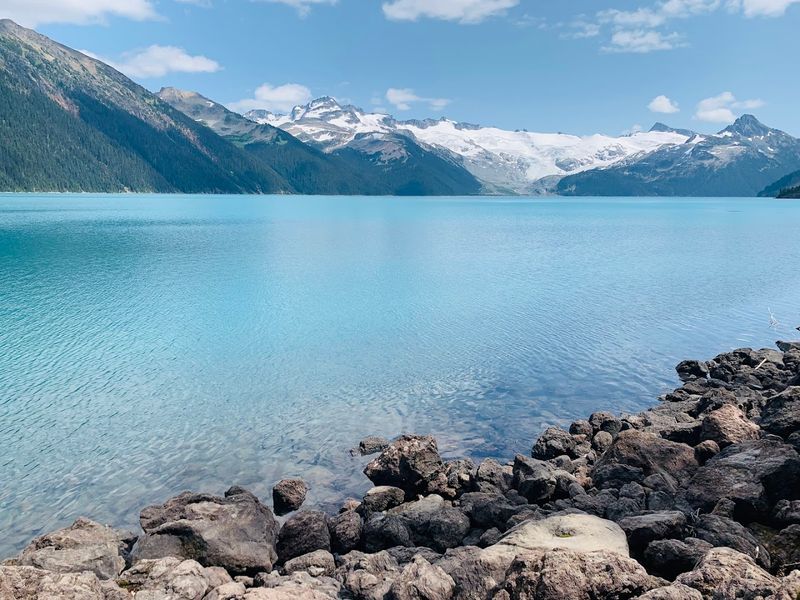
Few lakes in Canada pull off the color trick quite like Garibaldi Lake. That vivid, almost unreal turquoise comes from glacial meltwater, and it never gets old no matter how many photos you have seen.
BC Parks calls this area the heart of Garibaldi Park for good reason.
Volcanic features, sprawling glaciers, and alpine meadows are packed into a surprisingly compact radius around the lake. The hike in is about 9 kilometres with significant elevation gain, so comfortable footwear is non-negotiable.
Fit hikers typically reach the lake in three to four hours.
Camping near the lake is available and genuinely spectacular, especially on clear evenings when the peaks reflect in the water. Reservations fill up quickly during summer, so booking through BC Parks well ahead is essential.
Garibaldi Lake rewards effort generously, and the volcanic geology surrounding it makes every geology nerd in your group feel absolutely vindicated for bringing their field guide.
Cheakamus Lake, British Columbia
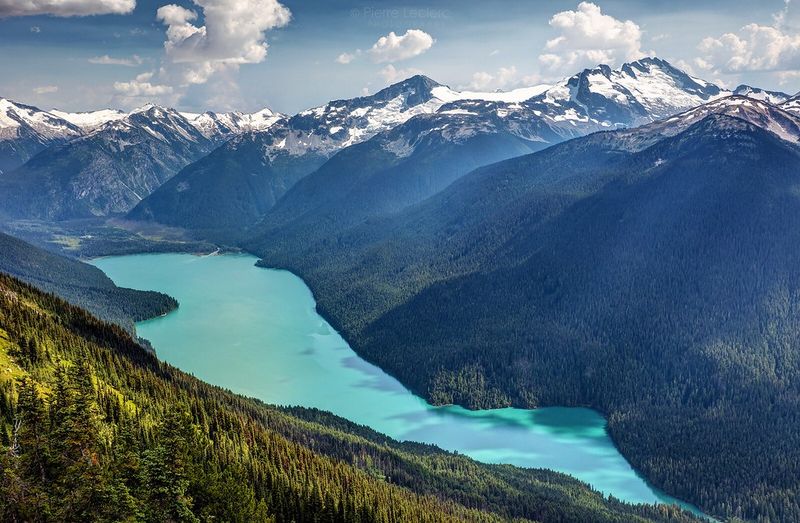
Not every great lake needs a viral moment to earn its reputation. Cheakamus Lake sits at 915 metres elevation inside Garibaldi Park, offering a quieter, more forested alternative to its flashier glacial neighbors.
The glacier-fed water has that cold, clean quality that makes swimming feel like a personal achievement.
The trail to the lake runs about 3.5 kilometres through old-growth forest, making it one of the more accessible backcountry experiences in the park. Tall conifers line the path and create a peaceful, shaded approach that feels worlds away from the highway.
BC Parks recommends checking current advisories before heading out, which is genuinely useful advice worth following.
Cheakamus attracts hikers who prefer solitude over spectacle, and the campsite at the lake is a solid base for multi-day trips. The forested mountain setting has a moody, atmospheric quality that photographs beautifully in overcast conditions.
Sometimes the quieter option turns out to be the most memorable one.
Emerald Lake, British Columbia
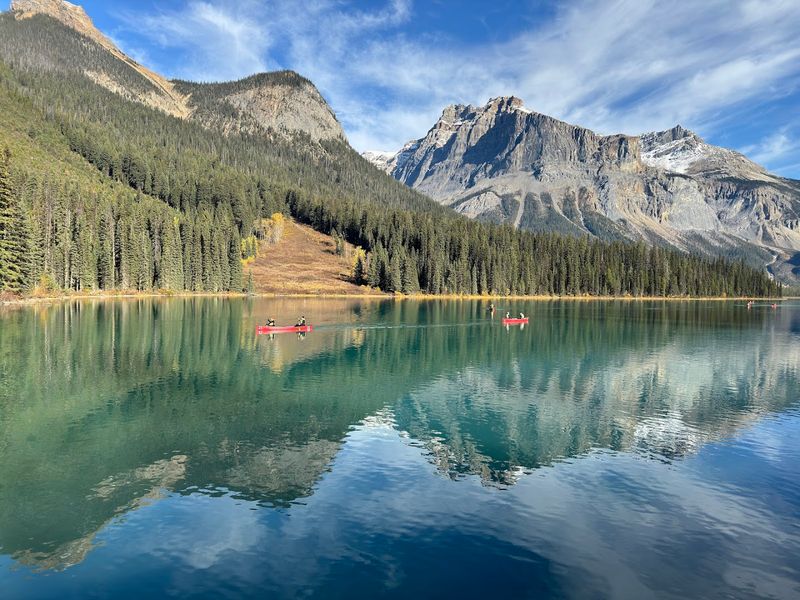
The name is not exaggerating. Emerald Lake lives up to every bit of its billing, with water so green it looks like someone spilled a jar of food coloring into a mountain bowl.
Parks Canada consistently lists it among Yoho National Park’s top attractions, and the crowds in summer confirm that assessment loudly.
Parking fills early on busy days, so arriving before 8 a.m. is a practical move rather than an overachievement. A flat, 5-kilometre loop trail circles the lake and offers constantly changing views of the surrounding peaks.
The historic lodge at the water’s edge adds a charming, old-school Canadian touch.
Winter visits are surprisingly rewarding. The lake freezes solid enough for snowshoeing and cross-country skiing, and the crowds thin out dramatically.
Yoho National Park stays open year-round, giving Emerald Lake a longer window of appeal than many alpine destinations. Off-season is honestly when this lake shows its most dramatic and peaceful side.
Bow Lake, Alberta
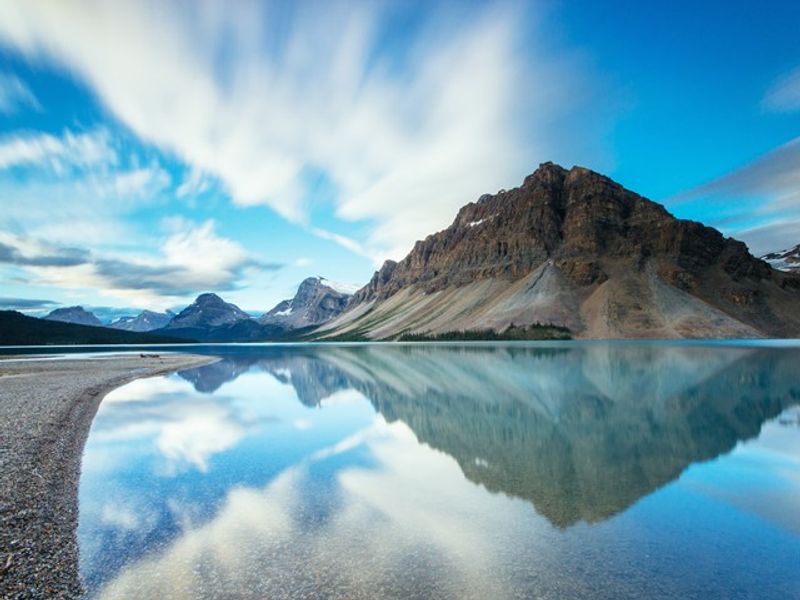
Bow Lake sits right along the Icefields Parkway, one of the most scenic drives on earth, and it still manages to feel raw and wide open despite the road running nearby. The Bow Glacier looms above the far end of the lake, adding a sense of geological drama that is hard to replicate.
High peaks crowd in from all sides.
The historic Num-Ti-Jah Lodge on the north shore has been welcoming travelers since 1920, giving the spot a sense of storied history. A short hike from the parking area leads to the lakeshore, where the views open up immediately.
Longer trails push further toward the glacier for those with more time and energy.
Banff National Park remains fully open and extremely popular, so arriving early or visiting on weekdays helps avoid the worst of the summer rush. Bow Lake rewards even a brief stop with scenery that feels genuinely grand.
It is the kind of place that makes highway rest stops feel completely inadequate by comparison.
Cameron Lake, Alberta
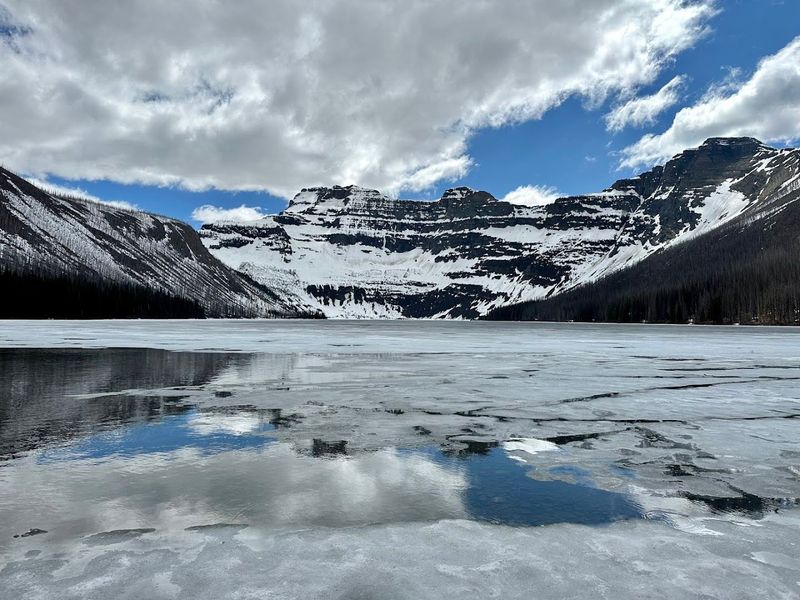
Cameron Lake sits at the very end of the Akamina Parkway in Waterton Lakes National Park, and that winding mountain road through Cameron Valley is genuinely part of the experience. The lake feels tucked away in a way that few easily accessible lakes manage to pull off.
Grizzly bears are frequently spotted in the area, so wildlife awareness is not just a suggestion here.
The lake straddles the Canada-United States border, with the far shore technically sitting in Glacier National Park, Montana. That international geography adds a quirky layer of interest for map lovers and trivia enthusiasts alike.
Canoe and paddleboard rentals are available at the lake during summer months.
Waterton is one of Canada’s smaller national parks, but it punches well above its weight in dramatic scenery. Cameron Lake is one of its most rewarding spots, offering a genuinely wild-feeling experience without requiring a multi-day backcountry permit.
Southern Alberta rarely looks this good.
Kathleen Lake, Yukon
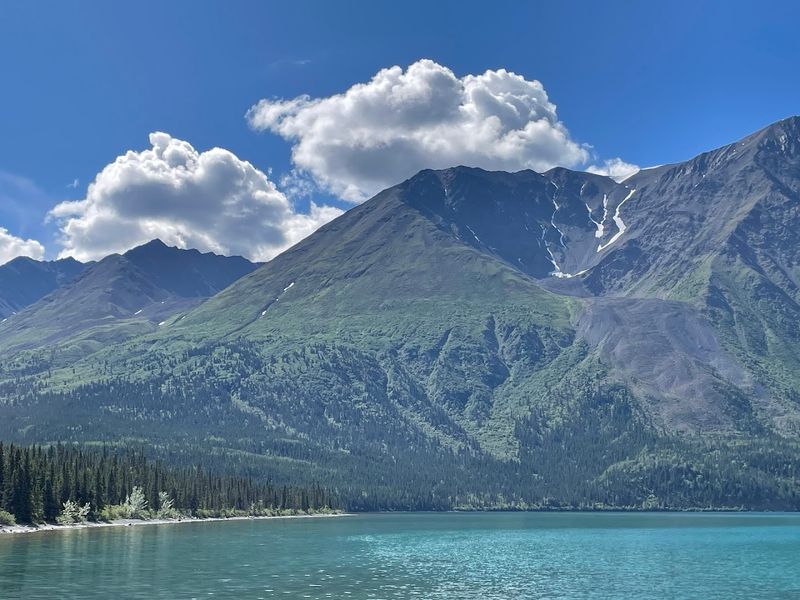
Kluane National Park is not exactly on the way to anywhere, and that is precisely why Kathleen Lake still feels so elemental. The Yukon has a way of making every landscape feel larger and quieter than it has any right to be.
Kathleen Lake delivers that feeling in full.
The Kathleen Lake campground is open year-round, with registration required, making it a genuinely usable destination in all seasons rather than a summer-only attraction. Winter camping here is not for the faint-hearted, but the aurora borealis views above the frozen lake are reportedly extraordinary.
Summer brings longer days, wildlife sightings, and excellent fishing.
The lake sits at the edge of one of the largest non-polar icefields in the world, and the surrounding landscape reflects that scale. Hiking trails of varying difficulty fan out from the campground.
Kathleen Lake is the kind of place that resets your sense of what wilderness actually means, especially if you have been spending too much time in cities.
Clearwater Lake, Manitoba
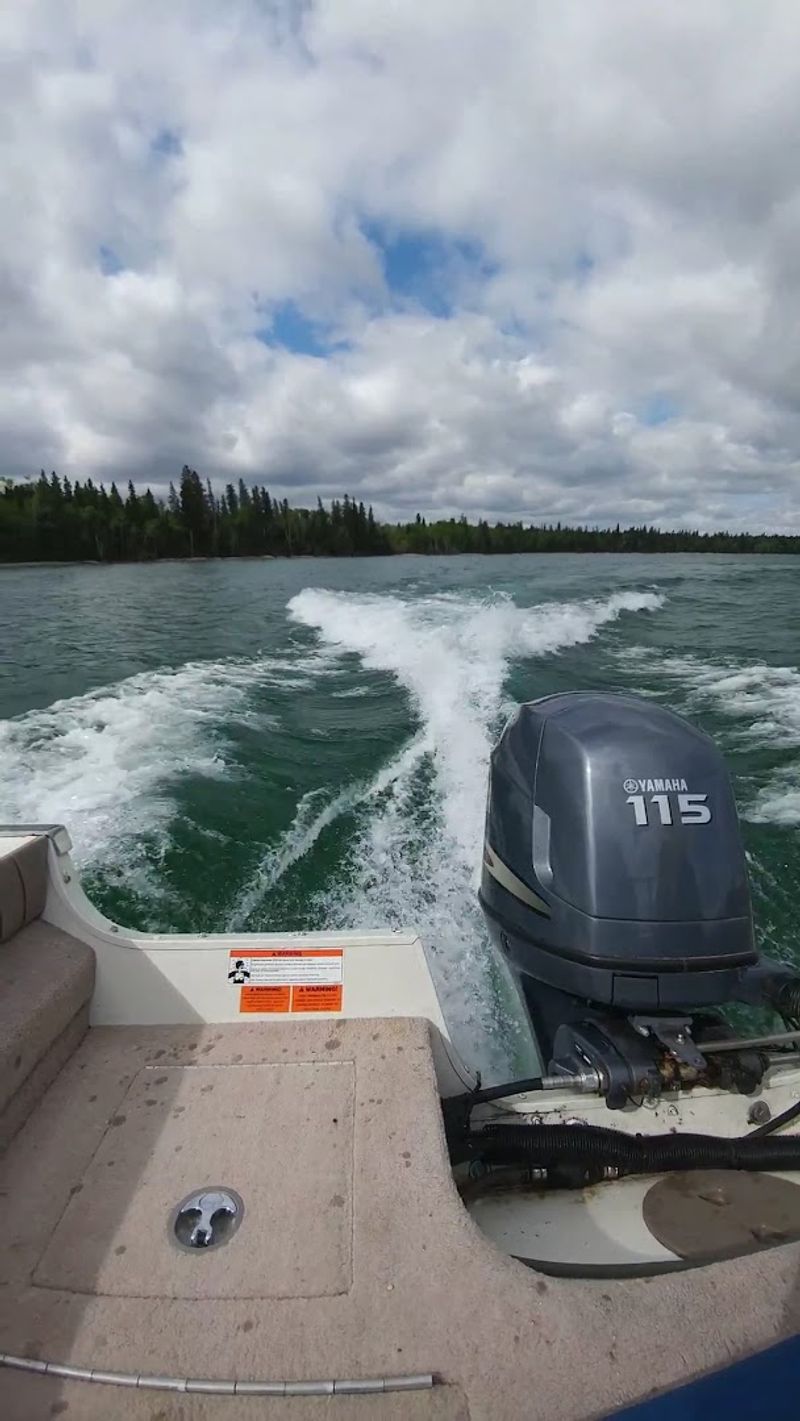
Eleven metres. That is how far down you can see into Clearwater Lake on a clear day, which is the kind of water clarity that makes you want to stare at the bottom for an embarrassingly long time.
Manitoba’s provincial park surrounding the lake is known for long white beaches and dense conifer forests. It genuinely lives up to its name.
Cold-water fishing is a major draw here, with lake trout and northern pike attracting anglers from across the province and beyond. The white sandy beaches are a surprising feature for a landlocked province, and they make the lake feel almost resort-like without any of the resort-like crowds.
Swimming in that crystal-clear water is a genuinely refreshing experience.
The park offers camping, canoeing, and hiking, making it a well-rounded destination for families and solo travelers alike. Clearwater Lake sits in the boreal zone of northern Manitoba, far enough from Winnipeg to feel like a proper escape.
Visibility this good deserves a standing ovation.
Wapizagonke Lake, Quebec
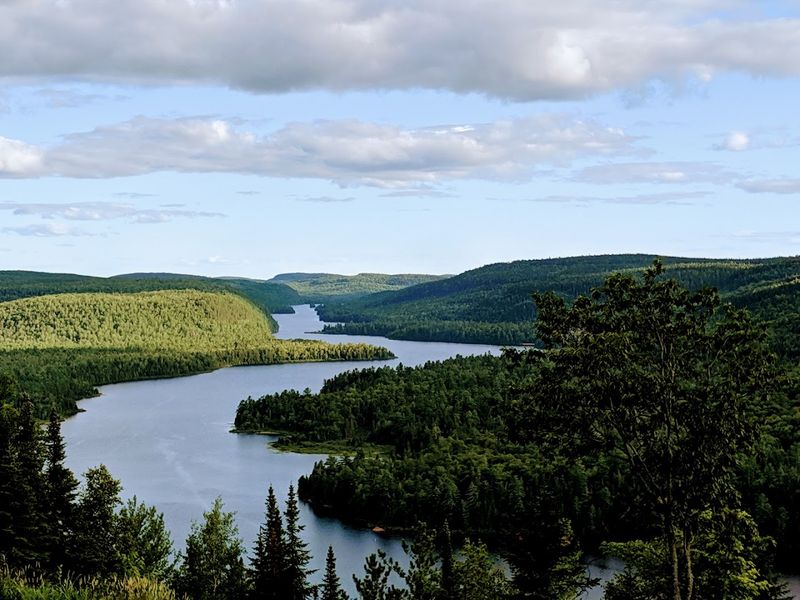
Canoe culture runs deep at Wapizagonke Lake, and Parks Canada has built the infrastructure to match. La Mauricie National Park highlights multi-day canoe-camping routes through the lake, and row-and-go canoes are available for visitors who want to explore without hauling gear over portages.
That kind of thoughtful setup makes backcountry travel genuinely approachable.
The lake stretches through a narrow, forested valley that gives it a sheltered, almost secretive quality. Rocky shorelines and boreal forest crowd the edges, creating the kind of scenery that feels properly Canadian in the best possible way.
Wildlife including moose, black bears, and loons are regularly spotted along the route.
La Mauricie is only about two hours from Montreal, making Wapizagonke a surprisingly accessible wilderness experience for city dwellers. Weekend canoe trips here have become something of a Quebec tradition, and it is easy to understand why.
Few lakes in eastern Canada manage to blend accessibility with genuine backcountry atmosphere quite so effectively.
Kejimkujik Lake, Nova Scotia
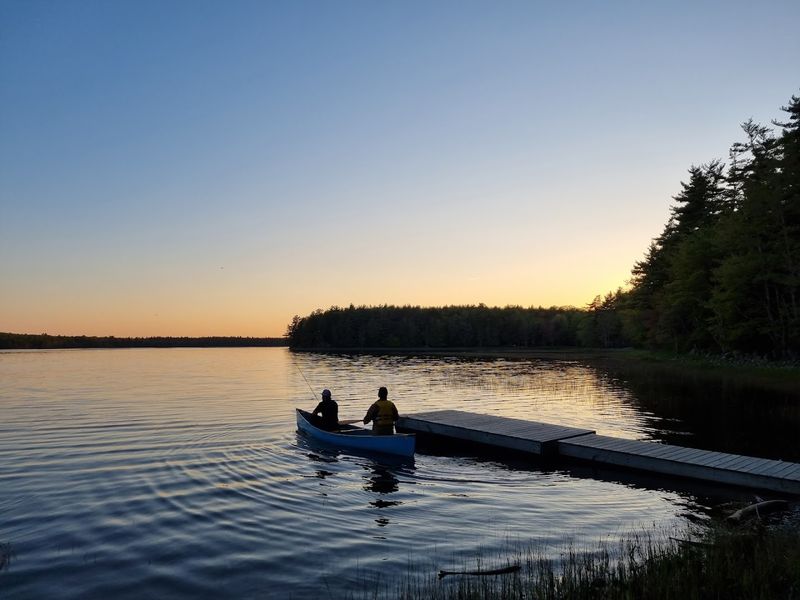
Nova Scotia does not always get the wilderness credit it deserves, but Kejimkujik Lake makes a compelling argument for the province. The island-dotted lake sits at the heart of Kejimkujik National Park, surrounded by Acadian forest and a landscape that feels genuinely removed from the modern world.
Parks Canada and Nova Scotia tourism both promote it enthusiastically, and neither is overselling it.
The lake is a designated dark-sky preserve, which means stargazing here is exceptional on clear nights. Canoe camping on the lake’s many islands is a popular overnight option, and the park’s network of waterways rewards paddlers who take their time.
Getting away from the main access points dramatically improves the solitude factor.
Kejimkujik also holds significant Mi’kmaw cultural history, with petroglyphs found along the lake’s shores adding a profound historical layer to the natural beauty. This is a lake that offers more than just pretty scenery.
Every visit here tends to leave people genuinely quieter and more reflective than when they arrived.
Great Bear Lake, Northwest Territories
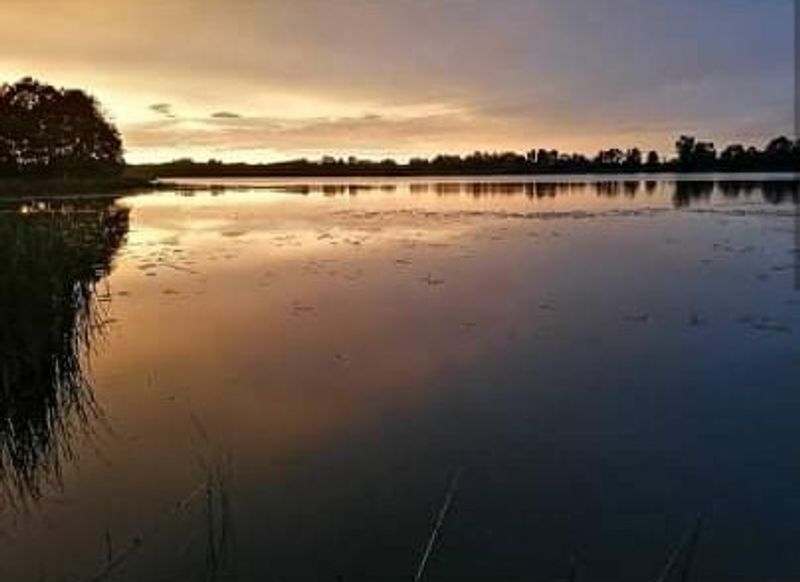
Great Bear Lake is not just a lake. It is the eighth largest lake in the world and one of the most remote bodies of water on the planet, sitting almost entirely above the 65th parallel.
The Northwest Territories tourism board promotes it as a major wilderness destination, and that description is, if anything, an understatement.
Parks Canada notes that the Saoyú and Ehdacho National Historic Site extends into the lake’s shores, recognizing the profound Dene cultural significance of the area. Sport fishing for lake trout is world-class here, drawing anglers from multiple continents.
The fish grow large and numerous in water this cold and undisturbed.
Getting to Great Bear Lake requires a flight, which immediately filters out casual visitors and preserves the area’s extraordinary sense of remoteness. The water is strikingly clear and completely undeveloped along most of its shoreline.
For travelers who want a lake that feels genuinely beyond the reach of everyday life, Great Bear delivers without compromise.
Great Slave Lake, Northwest Territories
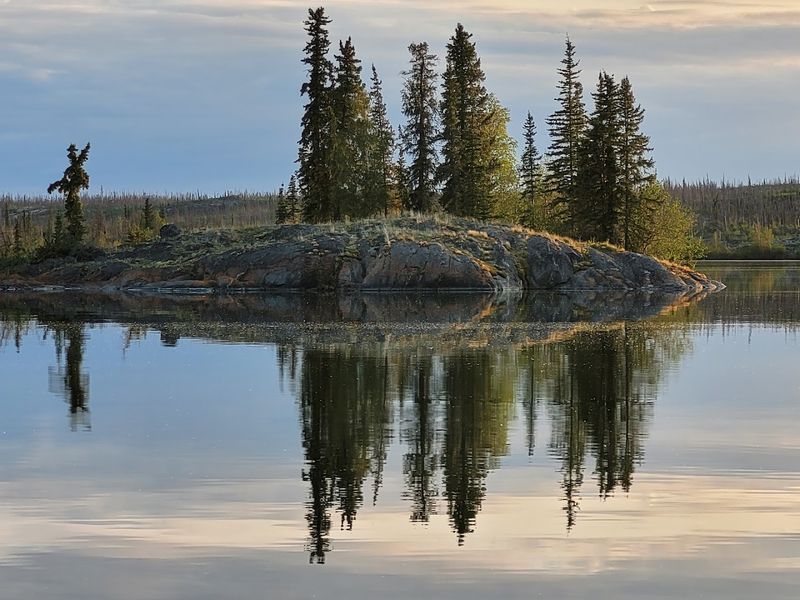
Great Slave Lake is the ninth largest lake in the world and the deepest in North America, dropping to a verified 614 metres at its deepest point. That is not a typo.
The sheer scale of this lake makes it feel less like a lake and more like a small inland ocean that forgot to add salt.
Yellowknife sits on its northern shore, making it one of the more accessible entries on this list despite its remote setting. Winter road trips across the frozen lake are a legitimate and popular local activity, and ice fishing villages pop up annually on the surface.
Summer brings boat tours, fishing charters, and kayak expeditions along the rocky shoreline.
Northwest Territories tourism continues to promote Great Slave for multi-season wilderness experiences, and the infrastructure around Yellowknife supports visitors well. The lake’s enormous fetch means waves can build to genuinely impressive sizes during storms.
Respect for the water is non-negotiable here, and experienced local guides are worth every dollar.
Lake Superior, Ontario
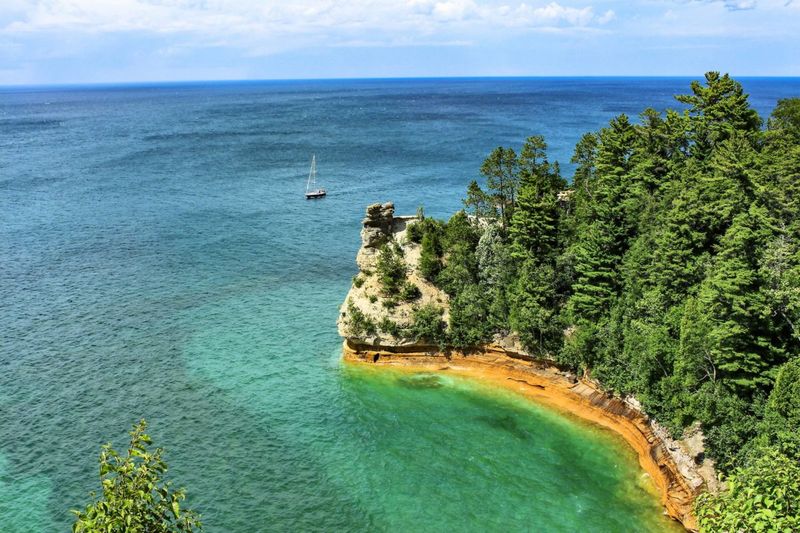
Lake Superior is technically a lake, but try telling that to anyone who has stood on the granite shores of Pukaskwa National Park during a storm. The waves crash with serious force, the horizon disappears into open water, and the whole experience feels more oceanic than lacustrine.
Parks Canada calls Pukaskwa Ontario’s only wilderness national park, and that distinction matters.
Remote granite shores, vast boreal forest, and a three-season visitor setup near the town of Marathon give Pukaskwa a wild, unhurried character. The Coastal Hiking Trail is a multi-day backcountry route that follows the Superior shoreline through some of the most dramatic scenery in Ontario.
Reservations and solid gear are both essential.
Lake Superior holds about 10 percent of the world’s surface freshwater, a fact that never stops being astonishing no matter how many times you hear it. The cold water keeps crowds manageable even in peak summer.
Superior rewards travelers who come prepared, stay humble, and take the weather forecast seriously every single day.
Share this story