Nebraska’s state parks offer far more variety than many travelers expect. Beyond the open plains, you’ll find pine-covered hills, scenic river bluffs, clear lakes, waterfalls, and landscapes rich in history and wildlife.
From prehistoric sites and frontier landmarks to peaceful campgrounds and scenic hiking trails, these 14 parks showcase the state’s surprising natural beauty. Whether you’re planning a weekend getaway or a day outdoors, each offers a unique reason to explore Nebraska beyond the highway.
1. Fort Robinson State Park, Crawford, Nebraska, USA
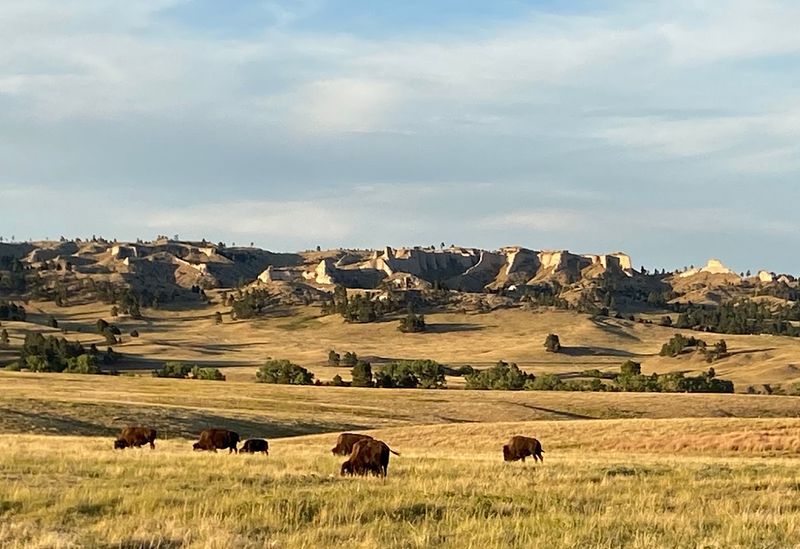
Nebraska’s largest state park covers more than 22,000 acres in the Pine Ridge, and its history reads like a compressed version of the American West itself.
The preserved fort buildings once housed cavalry soldiers, trained military working dogs during World War II, and held German prisoners of war. Walking past those structures while bison graze nearby creates a genuinely strange and memorable experience.
Hiking trails wind through forested hills and around striking sandstone formations, while guided jeep tours and horseback riding offer different ways to cover the expansive terrain. Some of the historic officer quarters are available as overnight lodging, which means you can sleep inside a building with a remarkable past.
Wildlife sightings here go beyond bison and longhorn cattle. White-tailed deer, wild turkeys, and pronghorn antelope are all regularly spotted across the grounds.
2. Chadron State Park, Chadron, Nebraska, USA
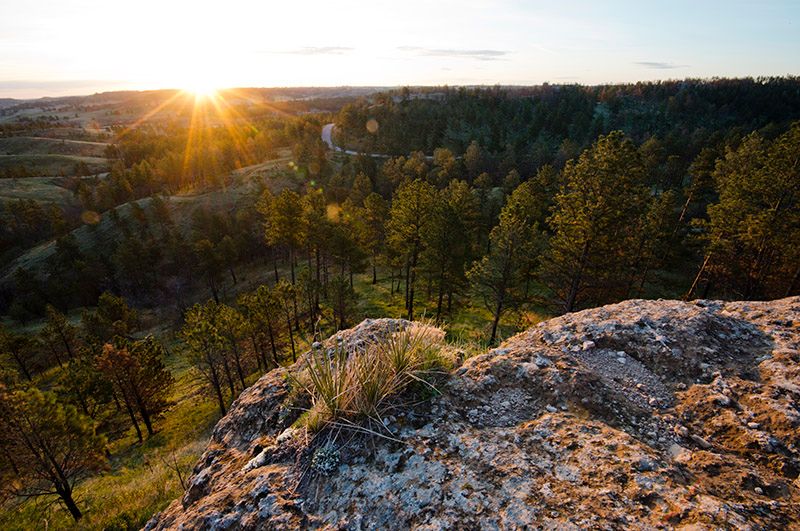
Established in 1921, Chadron holds the title of Nebraska’s oldest state park, and it has been earning that distinction ever since with terrain that genuinely surprises people expecting flat ground.
Ponderosa pine forests roll across elevated ridges and canyon edges, giving the landscape a feel that belongs more to the Rocky Mountain foothills than the Great Plains. The Civilian Conservation Corps built many of the park’s original structures during the 1930s, and several of those cabins are still available for overnight stays.
Six miles of hiking trails and four miles of biking routes weave through the hills, with some paths offering unexpected views toward the Nebraska badlands in the distance. A regulation swimming pool and fishing opportunities round out the recreational options.
Annual events including a June anniversary celebration with trail runs and canoe races give the park a lively community character that keeps visitors returning year after year.
3. Smith Falls State Park, Valentine, Nebraska, USA
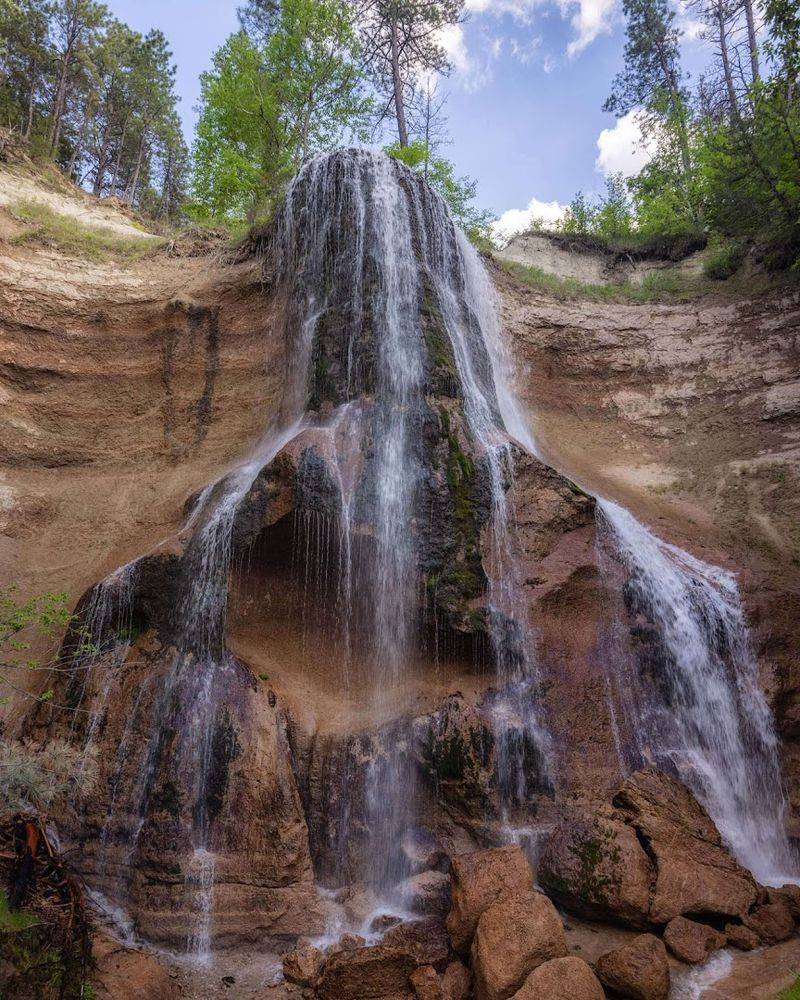
At 63 to 70 feet tall, Smith Falls holds the record as Nebraska’s highest waterfall, which is the kind of fact that tends to stop people mid-scroll when they first encounter it.
A short boardwalk trail leads through woodland before the falls come into view, making the walk accessible for nearly all fitness levels. The surrounding microclimate supports Ice Age-era plant species including paper birch and rare Smith Aspen trees, creating a biological crossroads where six distinct ecosystems overlap.
Getting to the falls often involves crossing a historic truss bridge over the Niobrara River, where canoeists and tubers frequently pass below. The park connects directly to the Niobrara National Scenic River corridor, making it a natural stop for paddlers using nearby outfitters.
Camping, picnic areas, fishing spots, and a visitor center with a concession stand ensure the park works equally well as a day trip or an overnight destination.
4. Niobrara State Park, Niobrara, Nebraska, USA
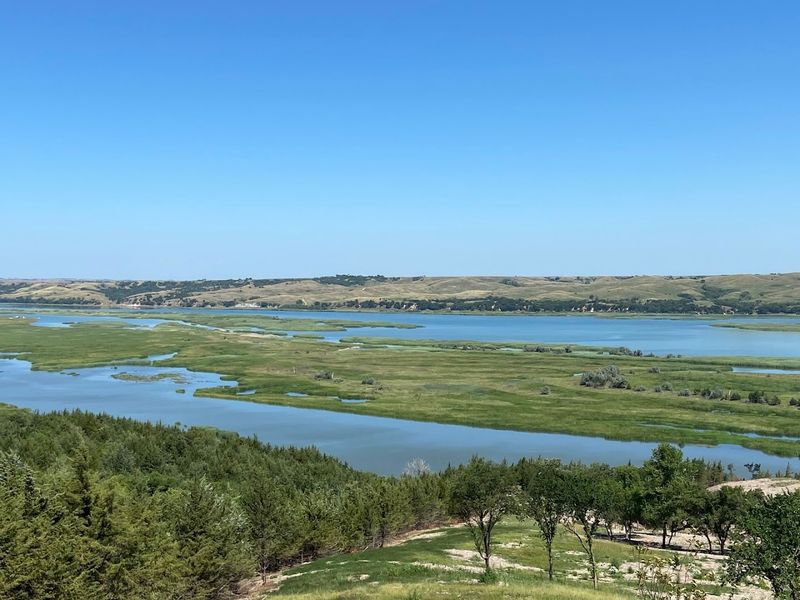
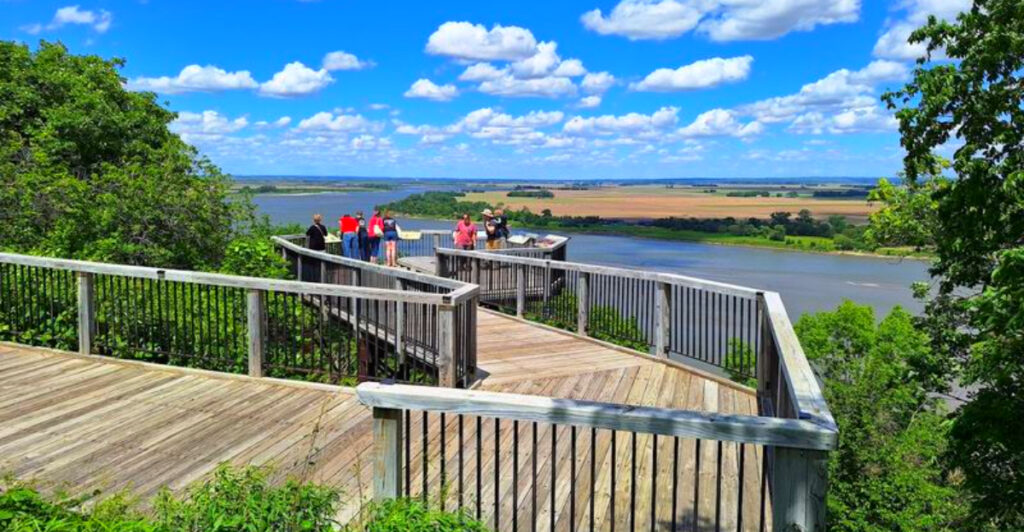
Two rivers meet at the base of this park’s bluffs, and the view from above that confluence is one of the most quietly dramatic sights in the entire state park system.
The Missouri and Niobrara rivers come together here, and the elevated vantage points along the park’s 14 miles of hiking trails put that meeting point into remarkable perspective. A decommissioned railroad bridge listed on the National Register of Historic Places adds historical texture to the natural scenery.
Wildlife is abundant throughout the park. White-tailed deer and wild turkeys move through the landscape regularly, and the minimal light pollution makes the park an excellent location for stargazing from cabins equipped with telescopes.
Seasonal buffalo cookouts and horseback trail rides led by wranglers give the park a distinctly western personality. A modern swimming pool, interpretive center, and varied camping options ensure comfortable visits across all seasons.
5. Indian Cave State Park, Shubert, Nebraska, USA
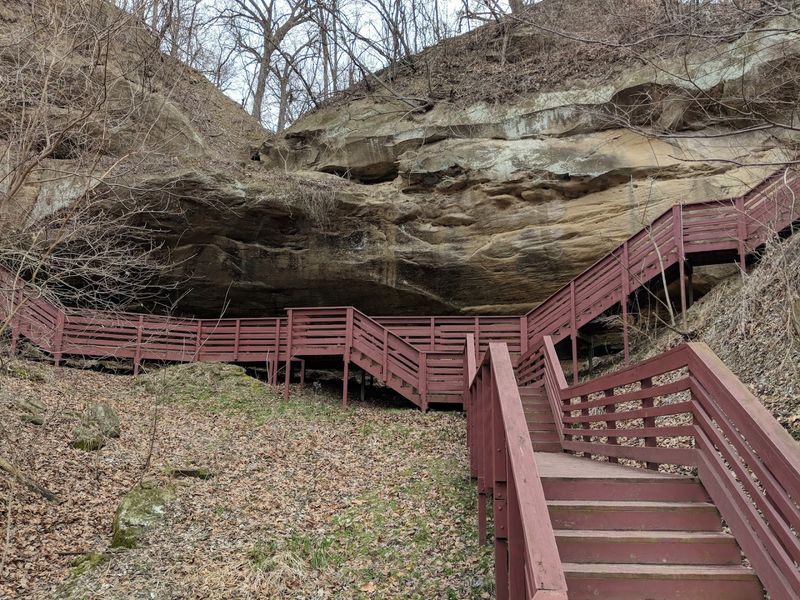
Ancient petroglyphs etched into a sandstone overhang give this park its name, and those carvings remain one of the most thought-provoking natural history features in Nebraska.
The images on the cave walls are believed to be thousands of years old, and a handicap-accessible boardwalk allows visitors to view them without causing damage to the fragile surface. The park spreads across nearly 3,400 acres of native timber, which puts on a spectacular autumn show of reds and golds along the Missouri River bluffs.
More than 22 miles of hiking and biking trails weave through dense forest, with 16 additional miles designated for equestrian use. The partially reconstructed 19th-century river settlement of St. Deroin sits within the park boundaries, complete with a general store and schoolhouse.
Living history demonstrations run on weekends during summer and fall, turning a scenic hike into an unexpectedly educational afternoon for visitors of all ages.
6. Ponca State Park, Ponca, Nebraska, USA
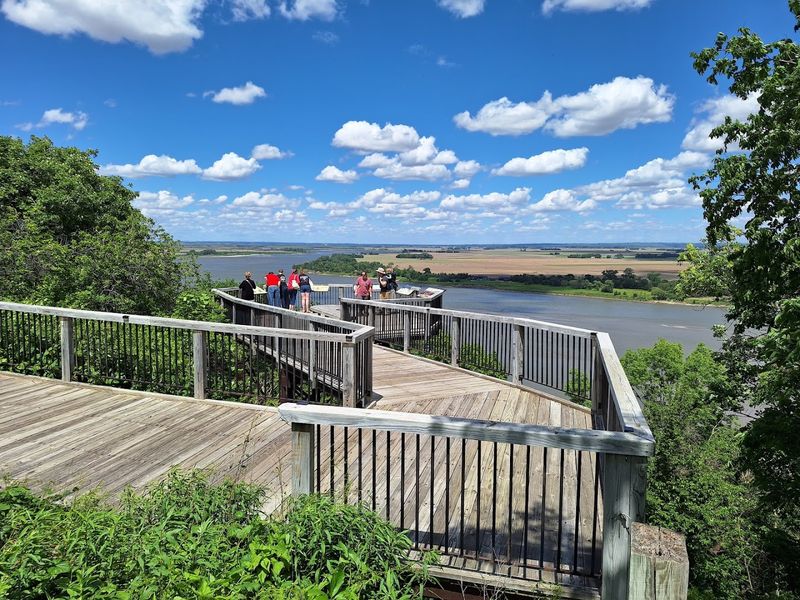
Lewis and Clark passed through this stretch of the Missouri River in 1804, and the views from Ponca’s bluff-top trails have not changed dramatically since their expedition recorded the landscape.
The park protects a hardwood deciduous forest that is genuinely rare in this part of Nebraska. Oaks, hickories, maples, and basswood trees create a dense canopy that shifts from deep green in summer to brilliant gold and orange in autumn, drawing photographers and leaf-peepers from across the region.
Over 20 miles of trails for hikers and bikers cross ravines and ridge tops where white-tailed deer, wild turkeys, and diverse bird species are regularly encountered. Winter brings bald eagles gathering along the river as ice begins to form, creating a reliable seasonal spectacle.
Cabins, campgrounds, river access for kayaking and canoeing, an archery range, and a shooting range make Ponca a destination worth planning around in any season.
7. Platte River State Park, Louisville, Nebraska, USA
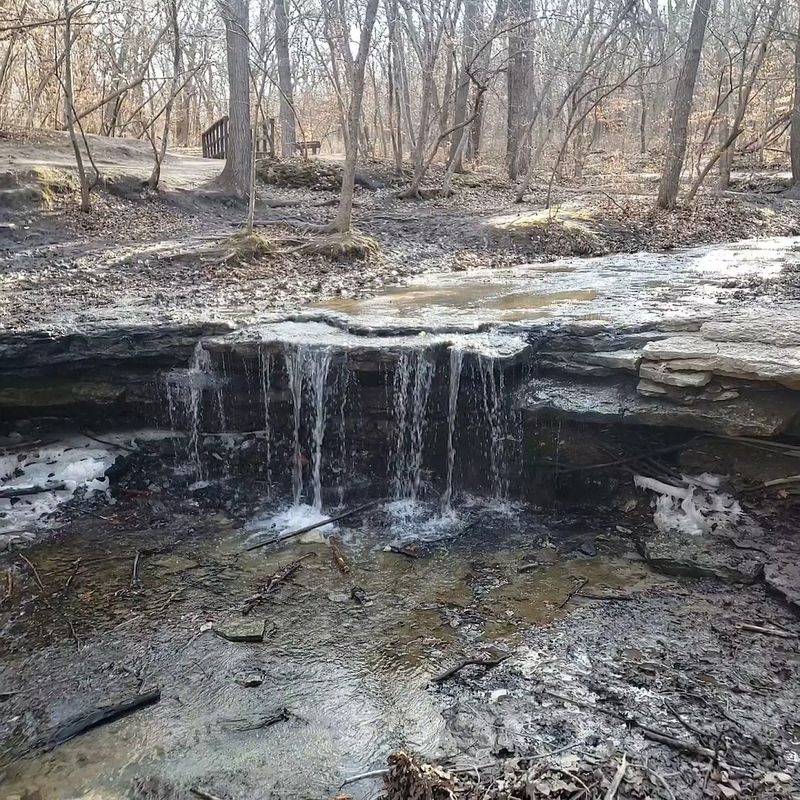
Most parks this close to a major metro area have long since traded their quiet character for parking lots and gift shops, but Platte River State Park manages to feel genuinely removed from Omaha despite sitting within easy driving distance.
Wooded valleys and limestone hills create a landscape that surprises first-time visitors expecting something flat and predictable. Stone Creek Falls serves as the park’s scenic centerpiece, with a recently renovated pedestrian bridge and observation deck improving access to the cascades.
Hiking and running trails connect the waterfall to scenic overlooks and observation towers, making the trail network rewarding for walkers at any pace. Families with younger children appreciate Crawdad Creek, where hands-on exploration of minnows, tadpoles, and frogs is actively encouraged.
Guided horseback riding, an archery and shooting range, a two-tiered spray park, and campground options ensure the park delivers a full day’s worth of activity without requiring anyone to leave the property.
8. Eugene T. Mahoney State Park, Ashland, Nebraska, USA
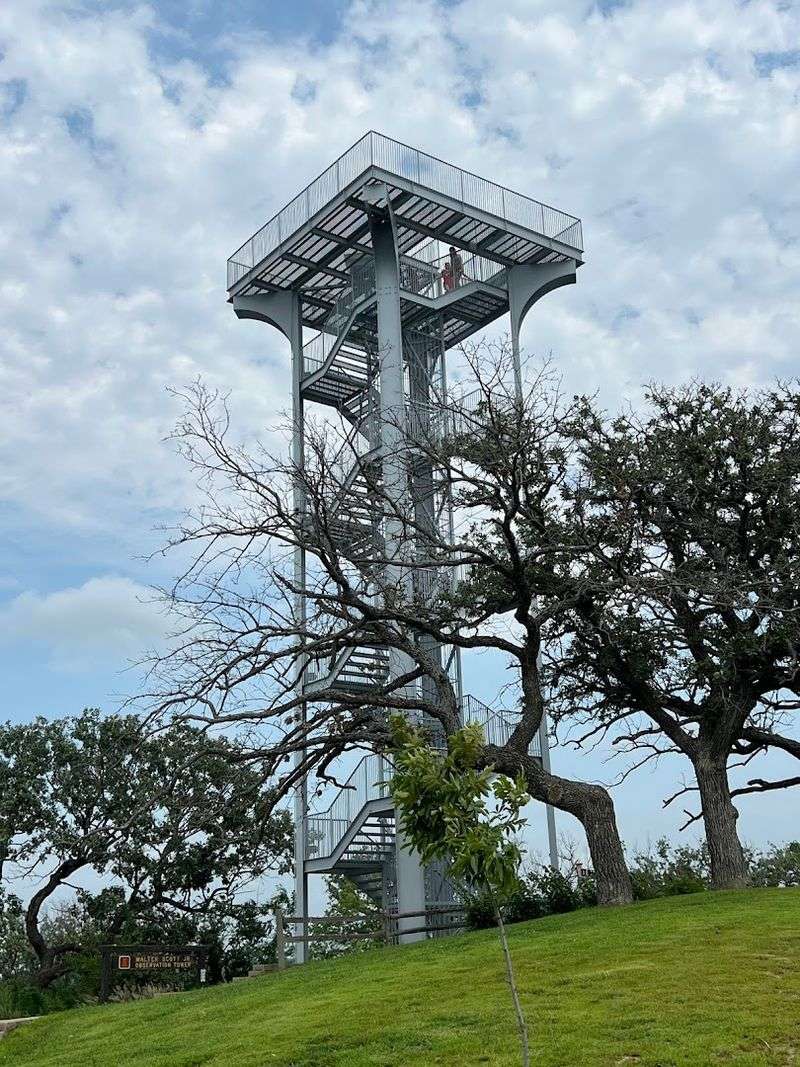
Calling Mahoney simply a state park undersells what it actually offers, because this place functions more like a full-service outdoor resort that happens to sit inside a beautiful stretch of Platte River Valley woodland.
The 70-foot observation tower delivers panoramic views across the river valley and surrounding ecosystems, providing a perspective on the landscape that trails alone cannot match. The Peter Kiewit Lodge offers hotel-style rooms, while rental cabins provide more private overnight options for families or groups.
Water park facilities featuring a wave pool and slides make it a summer favorite, while the Go Ape treetop ropes course and a 42-foot climbing wall push the activity options well beyond typical park fare. Miles of hiking and biking trails thread through wooded areas for those who prefer a quieter experience.
Ice skating, sledding, miniature golf, a driving range, paddleboat rentals, and melodrama performances at the on-site theater fill in any remaining gaps in the schedule.
9. Schramm Park State Recreation Area, Gretna, Nebraska, USA
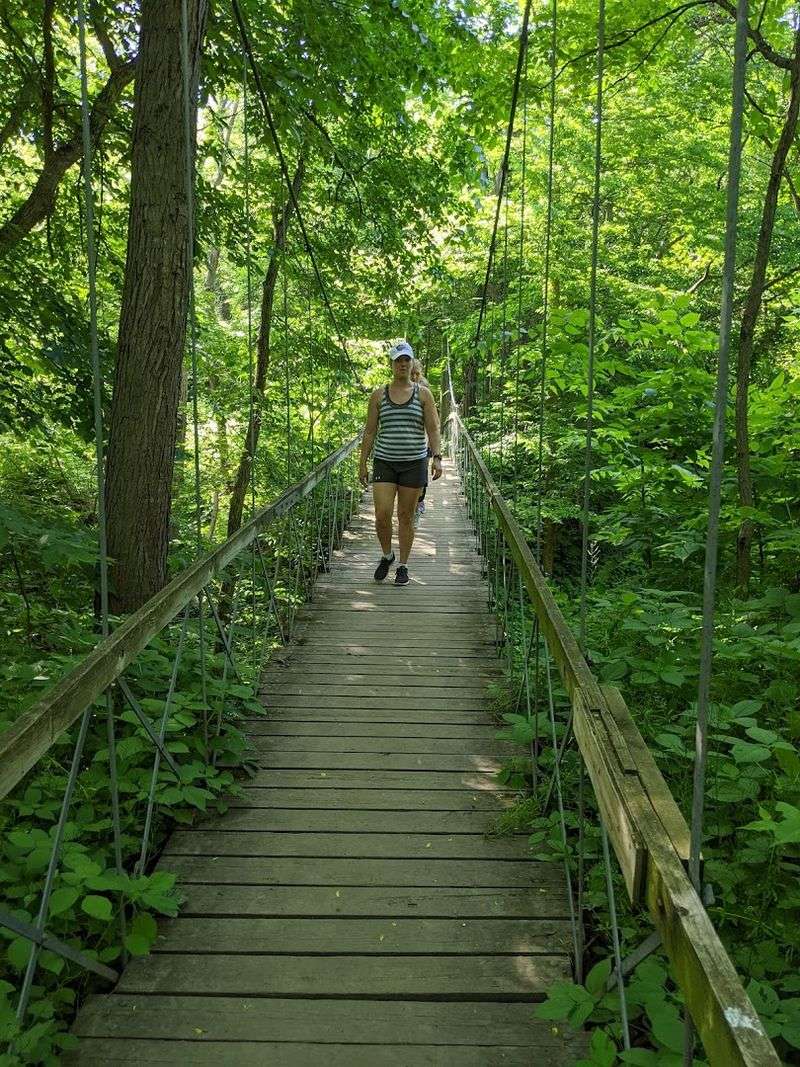
Nebraska’s first state fish hatchery opened on this site in 1882, which makes Schramm Park one of the oldest conservation sites in the entire state system, even if most visitors arrive simply expecting a nice walk in the woods.
The original hatch house now operates as a fish hatchery museum, while the modern Schramm Education Center features interactive exhibits covering fish, reptiles, amphibians, and insects native to Nebraska. Steep limestone bluffs and wooded hills define the terrain, crisscrossed by roughly three miles of nature trails that include a suspension bridge.
A geological trail along the river reveals Paleozoic-era marine fossils embedded in the rock, appealing to anyone with an interest in natural history. The natural pool area, where children can wade, spot tadpoles, and feed fish, is a consistently popular feature for families.
10. Branched Oak State Recreation Area, Raymond, Nebraska, USA
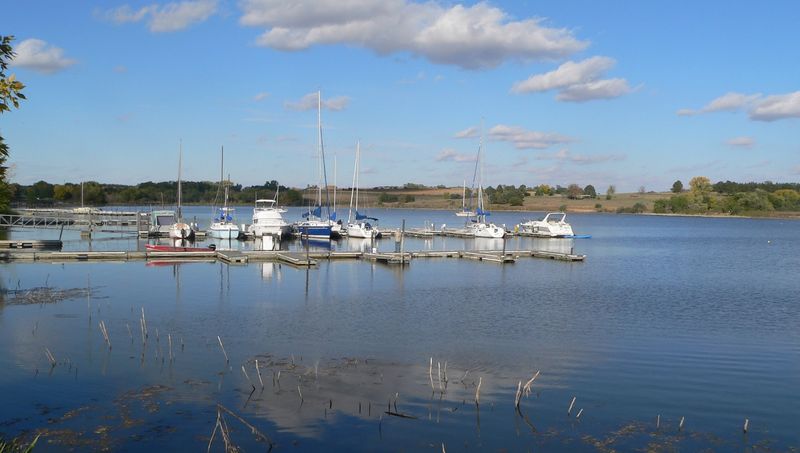
Eastern Nebraska’s largest reservoir covers 1,800 acres, and the wide-open water at Branched Oak has quietly cultivated one of the state’s most active sailing communities over the decades.
Nine boat ramps and a full-service marina with rentals, fuel, bait, and concessions support the heavy water traffic on busy weekends. Anglers target walleye, bass, crappie, bluegill, catfish, and wipers throughout the season, making this a consistently productive fishing destination regardless of the time of year.
Two sandy swimming beaches offer shoreline relaxation, with Liebers Point being a particularly well-known spot. Miles of hiking, walking, and equestrian trails wind through the surrounding rolling prairie, giving land-based visitors plenty to explore beyond the waterfront.
An equestrian campground with corrals and dedicated sites is a genuinely rare amenity that attracts horse owners from across the region. The park’s scale means it absorbs crowds well, maintaining a spacious feel even during peak summer weekends.
11. Lewis And Clark State Recreation Area, Crofton, Nebraska, USA
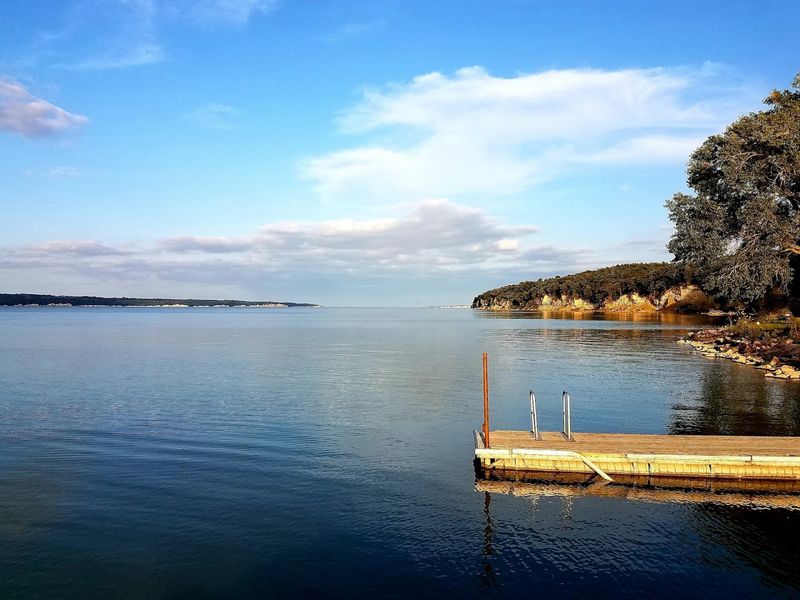
Lewis and Clark Lake stretches across 31,400 acres behind Gavins Point Dam, and standing at the shoreline here, it is easy to understand why the recreation area consistently ranks among the most visited in the entire state park system.
Chalky bluffs near the dam create a distinctive geological backdrop that sets this site apart from other Nebraska lake parks. Four separate campgrounds, including Cottonwood Campground with electric hookups, barbecue pits, and picnic tables, provide well-equipped bases for extended stays.
Over 90 miles of shoreline support sailing, water skiing, boating, and fishing, while on-land options include hiking, biking, equestrian trails, disc golf, and an archery range. The Lewis and Clark Visitor Center adds educational depth with exhibits covering the Missouri River’s natural resources and the details of the original Corps of Discovery expedition.
The combination of large-scale water recreation and substantive historical context makes this one of the most well-rounded parks in northeastern Nebraska.
12. Fremont Lakes State Recreation Area, Fremont, Nebraska, USA
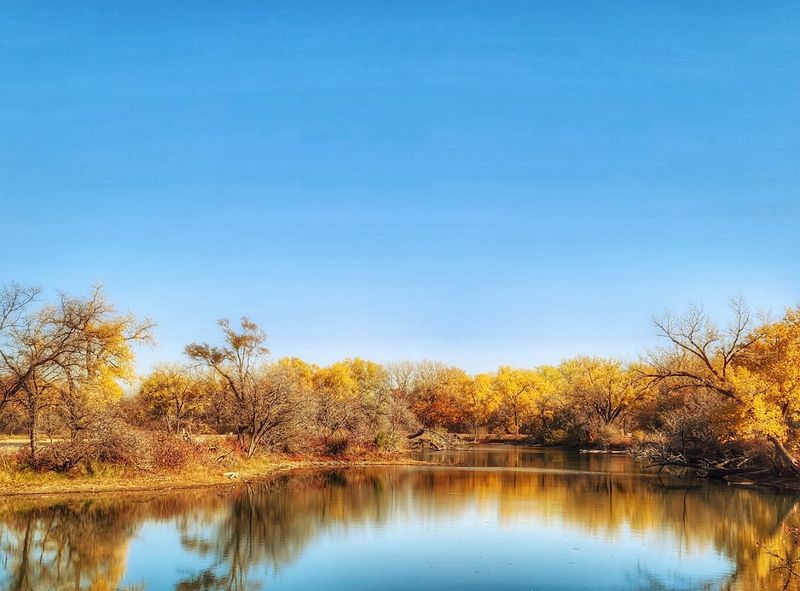
Twenty interconnected sandpit lakes covering nearly 300 acres of water give Fremont Lakes a layout unlike anything else in the Nebraska state park system, and that variety is precisely what keeps visitors coming back.
Former gravel quarries filled with groundwater over time to create this chain of lakes, each with its own designated use. Some allow powerboating and water skiing, while no-wake zones on others keep things calm for paddlers and anglers working the shoreline.
Fishing piers, including ADA-compliant options, support pursuit of largemouth bass, bluegill, crappie, channel catfish, and seasonally stocked rainbow trout. Four campgrounds with a mix of electric, basic, and primitive sites sit beneath mature shade trees that make summer stays noticeably comfortable.
A 2.3-mile wheelchair-accessible hiking loop, a nine-hole disc golf course, buoyed swimming beaches, and a concession stand round out the facilities, creating a park that genuinely works for a wide range of visitors and activity preferences.
13. Bluestem State Recreation Area, Sprague, Nebraska, USA
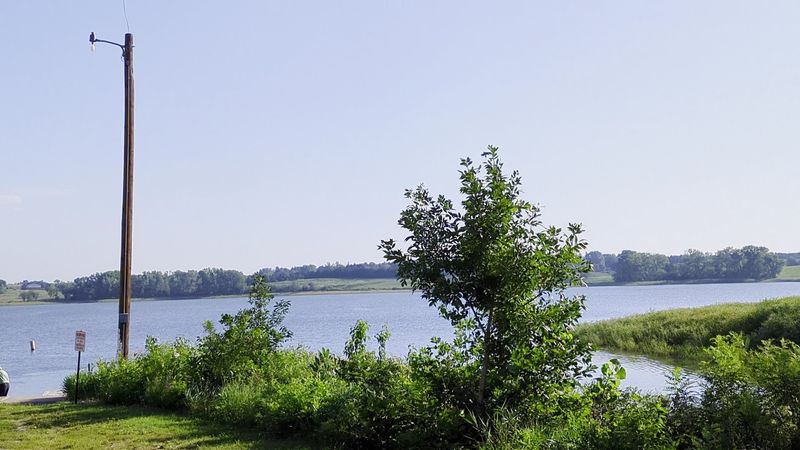
Not every great park needs to announce itself loudly, and Bluestem State Recreation Area has built a loyal following precisely because it does not try to compete with the bigger, noisier options nearby.
The 325-acre Bluestem Reservoir sits within the Salt Valley lakes network, and its enforced five-mile-per-hour no-wake speed limit keeps the water calm for non-motorized boating and unhurried paddling throughout the season. That quiet on the water translates to a noticeably relaxed atmosphere across the entire park.
Anglers appreciate the well-stocked reservoir, which holds largemouth bass, bluegill, channel catfish, walleye, northern pike, and wiper. A swimming beach, archery range, and picnic areas provide additional options for those who prefer dry land.
14. Calamus State Recreation Area, Burwell, Nebraska, USA
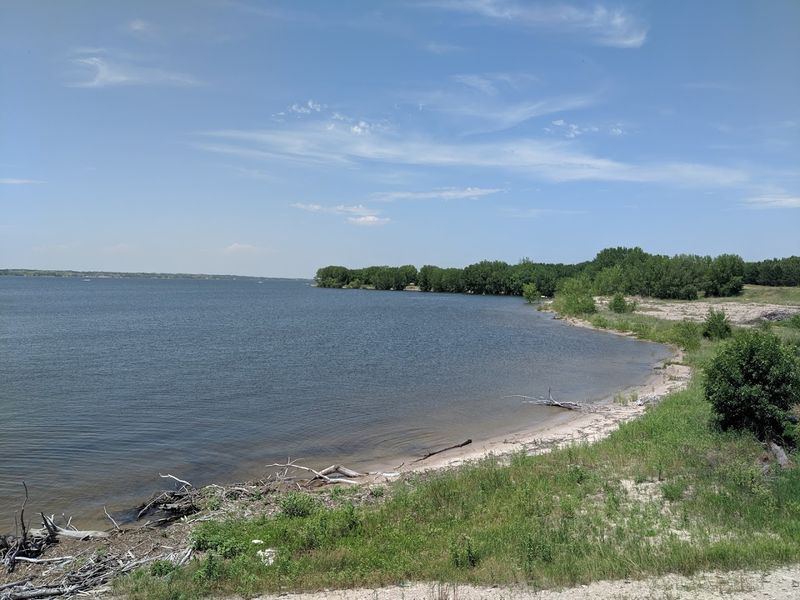
Bordering the Nebraska Sandhills, Calamus sits in a landscape so open and undisturbed that the 5,123-acre reservoir appears to stretch all the way to the horizon on calm days.
The clear water draws boaters, swimmers, and anglers in consistent numbers throughout the warmer months. The lake is particularly well known for its wiper fishing, but giant catfish, white bass, and pike also attract dedicated anglers who make the trip specifically for the quality of the catch. A nearby fish hatchery and two cleaning stations support that fishing culture directly.
Beyond the reservoir, the Calamus River offers a gentler water experience, with inner tube floats providing a relaxed way to explore the surrounding grassland scenery. Bird watchers regularly spot American White Pelicans and other notable species drawn to the open water and prairie habitat.
Share this story